



Lida Group Combines Affordability and Eco-Design in Construction Site Worker Dormitory
2026-Apr-24 17:37:08
By Admin
In the global construction industry, the welfare of on-site workers has long been a critical concern, with accommodation playing a pivotal role in ensuring their safety, comfort, and productivity. Construction projects—whether large-scale infrastructure developments, commercial building projects, or residential constructions—often require housing hundreds or even thousands of workers in temporary or semi-permanent facilities, particularly in remote or urban areas where local housing is scarce or unaffordable. Traditional construction site worker dormitories have historically been plagued by a host of issues: high construction costs that strain project budgets, poor durability that leads to frequent repairs and short service lives, and environmental harm caused by non-sustainable materials and inefficient energy use. As the construction industry shifts toward sustainability, cost optimization, and improved worker welfare, there is an urgent need for innovative dormitory solutions that address these pain points. Lida Group, a leading global provider of modular construction solutions, has emerged as a pioneer in this field, combining affordability and eco-design to redefine construction site worker accommodation. This article provides a comprehensive overview of Lida Group’s innovative dormitory solutions, exploring how the company balances cost-effectiveness with environmental responsibility, the core technologies and features behind its designs, real-world application cases, comparisons with traditional dormitories, and the broader impact of its offerings on the construction industry. By delving into every aspect of Lida Group’s approach, we highlight how the company empowers construction companies to reduce costs, enhance operational efficiency, improve worker satisfaction, and align with global sustainability goals.
The construction industry is one of the largest employers globally, with millions of migrant and on-site workers relying on temporary accommodation during project lifecycles. According to the International Labour Organization (ILO), over 120 million construction workers worldwide live in substandard temporary housing, characterized by inadequate insulation, poor ventilation, structural instability, and unsanitary conditions. These subpar living environments not only violate basic human rights but also have tangible negative impacts on project outcomes: increased worker turnover, reduced productivity, higher healthcare costs, and even safety risks. Traditional dormitory solutions, such as makeshift wooden cabins, prefabricated concrete structures, or repurposed shipping containers, fail to address these issues effectively. Wooden cabins are cheap upfront but lack durability, prone to rot, fire, and damage from extreme weather, leading to high long-term maintenance costs. Concrete prefabricated dormitories are durable but expensive to construct and transport, making them impractical for projects with tight budgets. Repurposed shipping containers, while cost-effective, often lack proper insulation and ventilation, resulting in uncomfortable living conditions and high energy consumption for heating and cooling.
Compounding these challenges is the global push for environmental sustainability and ESG (Environmental, Social, and Governance) compliance. Construction is a major contributor to global carbon emissions, accounting for approximately 39% of total carbon dioxide emissions, with building materials and construction processes being key culprits. As governments, clients, and stakeholders increasingly demand sustainable construction practices, construction companies are under pressure to adopt eco-friendly materials and energy-efficient designs in all aspects of their projects—including worker accommodation. Against this backdrop, Lida Group has positioned itself as a solution provider that bridges the gap between affordability and sustainability, offering dormitory solutions that are not only cost-effective to build and maintain but also environmentally friendly and worker-centric. With decades of experience in modular construction and a commitment to innovation, Lida Group has developed a range of construction site worker dormitories that redefine industry standards, combining low-cost materials, efficient construction techniques, and eco-friendly design principles. Notably, the global prefabricated buildings market, which Lida Group is deeply integrated into, reached USD 42,945.0 Million in 2025 and is projected to grow at a CAGR of 4.46% to reach USD 64,387.3 Million by 2034, driven by demand for efficient, sustainable construction solutions.
1. Overview of Lida Group’s Construction Site Worker Dormitory Philosophy
Lida Group, founded in 1993, is a globally recognized leader in modular construction, specializing in prefabricated buildings, container homes, and temporary accommodation solutions. With a presence in over 120 countries and regions, the company has built a reputation for delivering high-quality, cost-effective, and sustainable construction solutions that meet the diverse needs of clients across industries. Lida Group’s approach to construction site worker dormitories is rooted in three core principles: affordability, eco-design, and worker welfare. Unlike traditional dormitory providers that prioritize one element at the expense of others, Lida Group integrates all three into its designs, creating a holistic solution that addresses the practical needs of construction companies while adhering to modern sustainability standards and worker-centric values.
At the heart of Lida Group’s philosophy is the belief that worker accommodation should not be a cost burden but an investment in productivity and sustainability. The company recognizes that construction companies face tight budget constraints, particularly in large-scale projects, and thus focuses on minimizing upfront and long-term costs through innovative material selection, modular construction techniques, and energy-efficient design. Simultaneously, Lida Group is committed to reducing the environmental impact of its products, leveraging eco-friendly materials, renewable energy integration, and waste reduction strategies to align with global sustainability goals. Finally, the company places a strong emphasis on worker welfare, ensuring that its dormitories provide a safe, comfortable, and healthy living environment that improves worker satisfaction, reduces turnover, and enhances productivity.
Lida Group’s dormitory solutions are highly versatile, designed to adapt to different climate conditions, project scales, and worker needs. Whether for a small-scale residential project in an urban area or a large infrastructure development in a remote region, the company’s modular dormitories can be customized to accommodate varying numbers of workers, with options for single or shared rooms, communal spaces, and basic amenities. This versatility, combined with the company’s focus on affordability and eco-design, has made Lida Group’s dormitories a preferred choice for construction companies worldwide, from emerging markets to developed economies. Like other industry leaders driving green construction innovation, Lida Group’s focus on sustainable, efficient solutions positions it at the forefront of the industry’s shift toward low-carbon development.
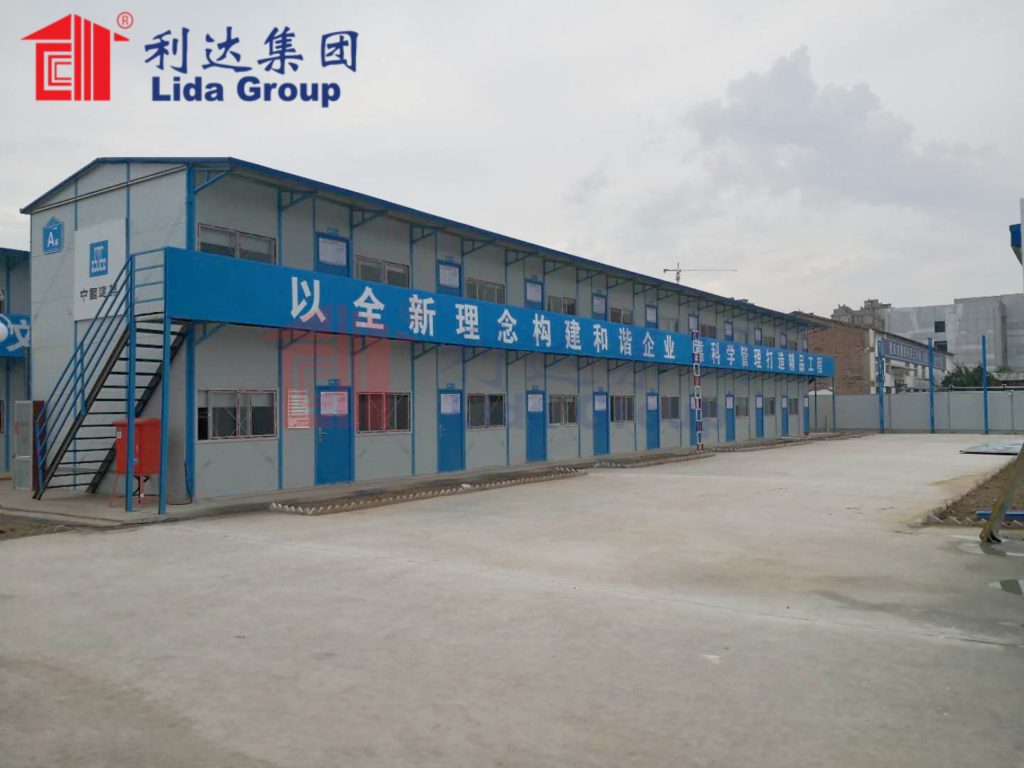
2. Core Features: Affordability Through Innovative Design and Materials
Affordability is a defining feature of Lida Group’s construction site worker dormitories, achieved through a combination of cost-effective material selection, modular construction techniques, and optimized design. Lida Group’s engineering team has spent years refining its approach to cost reduction, ensuring that its dormitories are up to 30% cheaper than traditional prefabricated concrete dormitories and 20% cheaper than wooden cabins, while maintaining high durability and comfort. Below are the key strategies that Lida Group uses to deliver affordable dormitory solutions.
2.1 Cost-Effective Material Selection
Lida Group’s commitment to affordability begins with the careful selection of materials that balance cost, durability, and performance. The company avoids expensive materials such as high-grade steel and reinforced concrete, instead opting for lightweight, cost-effective alternatives that do not compromise on structural integrity. One of the key materials used in Lida Group’s dormitories is cold-formed galvanized steel (CFGS) for the frame structure. Cold-formed galvanized steel is significantly cheaper than hot-rolled steel, while still offering excellent strength, corrosion resistance, and a long service life. The galvanization process adds a protective zinc coating to the steel, preventing rust and extending the frame’s lifespan to 25-30 years, reducing long-term maintenance costs.
Another cost-effective material used by Lida Group is lightweight fiber-reinforced concrete (FRC) for floor slabs and walls. Lightweight FRC is cheaper than traditional concrete, as it uses less cement and aggregates, while the addition of glass or steel fibers enhances its strength and crack resistance. This reduces the need for additional reinforcement, further lowering material costs. Lida Group also uses cost-effective insulation materials, such as rock wool and expanded polystyrene (EPS), which are not only affordable but also provide excellent thermal and sound insulation, reducing energy costs for heating and cooling.
In addition to structural materials, Lida Group optimizes costs through the use of standardized, mass-produced components. By manufacturing key components in-house, the company reduces supply chain costs and ensures consistent quality, while also minimizing material waste. This standardized approach also allows for faster assembly and deployment, reducing on-site labor costs, which are a significant portion of total construction expenses. This focus on material efficiency aligns with the broader trend in prefabricated construction, where optimized material use is a key driver of cost savings and sustainability.
2.2 Modular and Prefabricated Construction Techniques
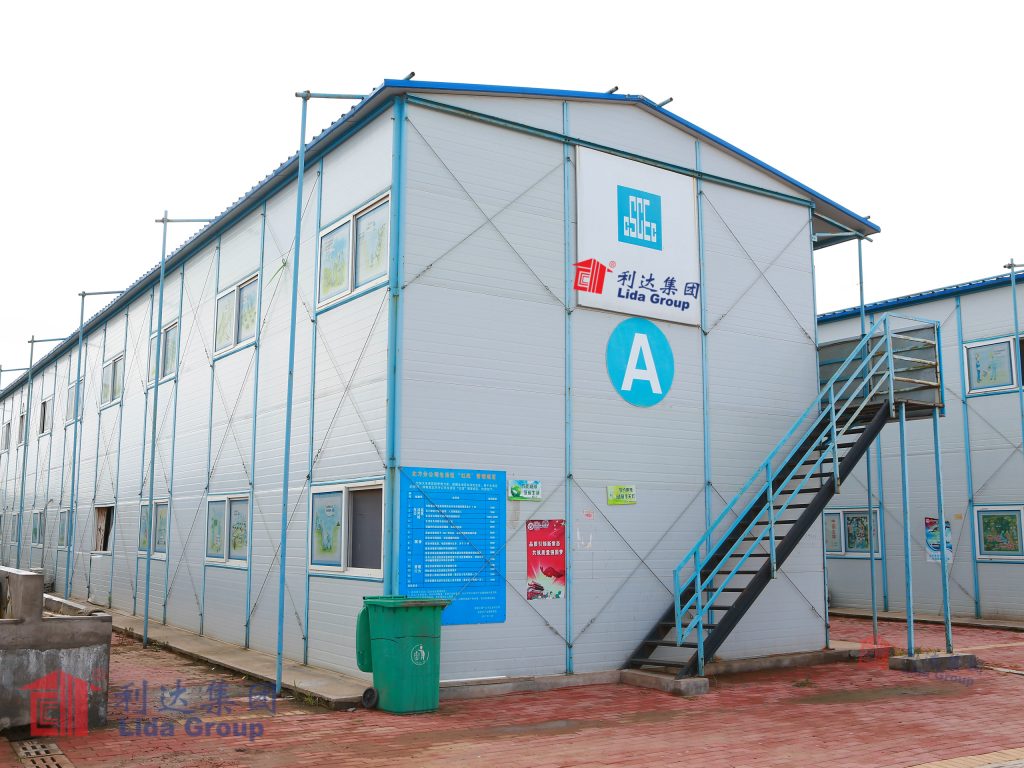
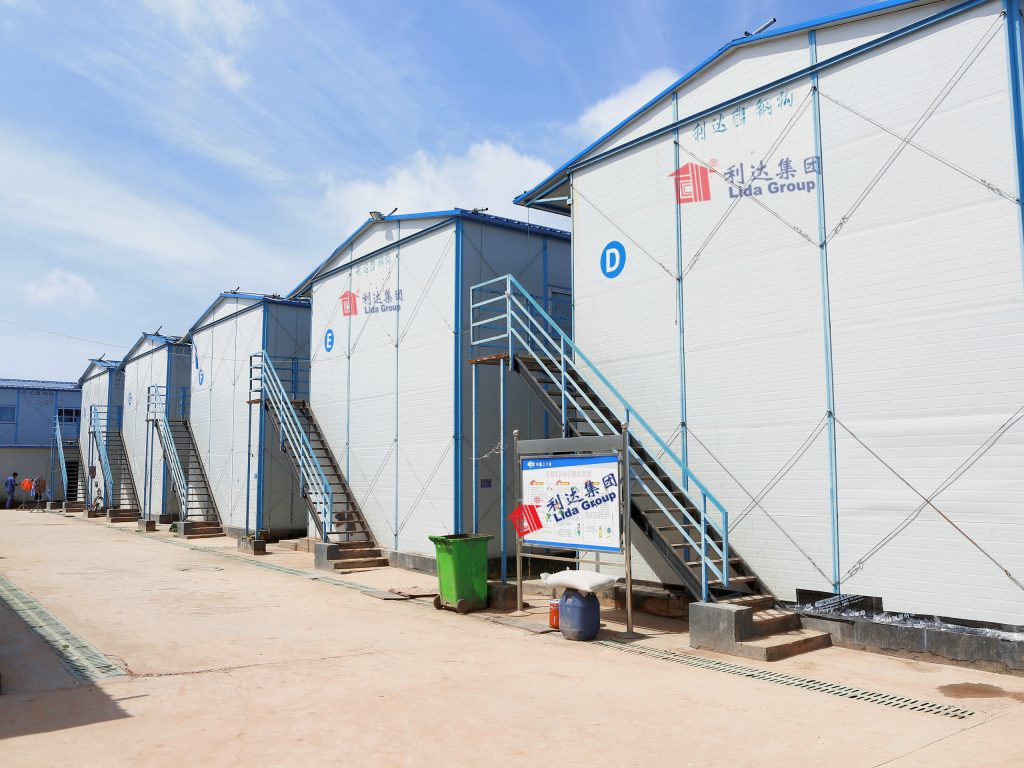
Modular and prefabricated construction is a cornerstone of Lida Group’s affordability strategy, allowing the company to reduce construction time, labor costs, and material waste. Lida Group’s dormitories are built using prefabricated modules that are manufactured in a controlled factory environment and then transported to the construction site for assembly. This off-site manufacturing approach offers several cost-saving benefits: it reduces on-site labor requirements by up to 40%, minimizes material waste (by up to 15% compared to traditional on-site construction), and accelerates project timelines by up to 50%. Prefabricated construction, as a whole, is gaining traction globally due to its speed, efficiency, and ability to deliver consistent quality in a controlled environment.
Each dormitory module is a self-contained unit, including walls, floors, ceilings, windows, doors, and basic fixtures, which can be easily connected to other modules to form larger dormitory complexes. This modular design allows construction companies to scale their accommodation needs according to workforce size, eliminating waste and ensuring that costs align with actual requirements. For example, a construction company with 500 workers can start with 25 modular units (each housing 20 workers) and add more units as the workforce grows, avoiding the upfront cost of building a larger facility than needed.
Lida Group’s prefabricated modules are designed for easy transportation and assembly, even in remote locations. The modules are lightweight and can be transported via truck, ship, or even helicopter, reducing transportation costs and making them accessible to projects in hard-to-reach areas. On-site assembly requires minimal specialized labor, with a team of 4-6 workers able to assemble a single module in just a few hours, further reducing labor costs and project timelines. This efficiency is a key advantage of prefabricated buildings, which are increasingly being adopted for their ability to shorten project durations and reduce on-site labor dependencies.
2.3 Cost Optimization Through Design Efficiency
Lida Group’s engineering team optimizes every aspect of the dormitory design to reduce costs without compromising on quality or comfort. The company uses a minimalist design approach, focusing on functional spaces that meet workers’ basic needs while avoiding unnecessary features that add to the cost. For example, dormitory rooms are designed to maximize space efficiency, with built-in storage solutions and multi-purpose furniture that reduces the need for additional fixtures.
Another key design optimization is the integration of shared communal spaces, such as kitchens, bathrooms, and rest areas, which reduces the total square footage required per worker. This not only lowers construction costs but also fosters a sense of community among workers, improving their overall well-being. Lida Group also designs its dormitories to be easily maintainable, with accessible components and standardized parts that reduce repair costs and downtime. This focus on design efficiency mirrors the industry’s shift toward more sustainable, cost-effective construction practices, where every element is optimized for both performance and affordability.
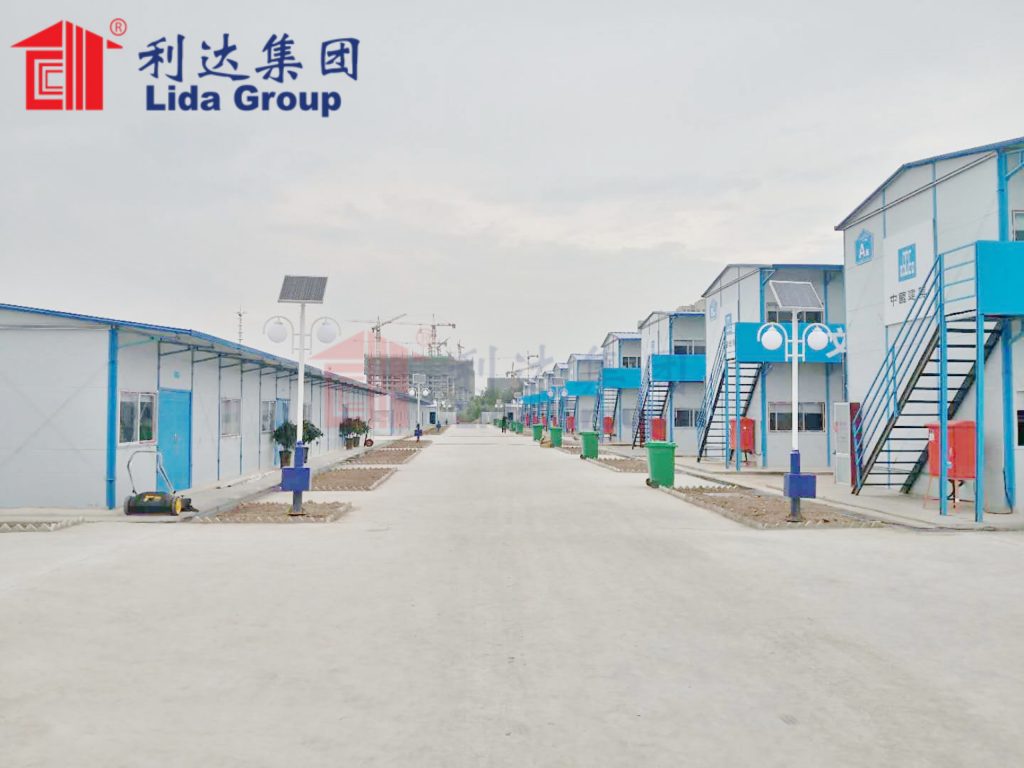
3. Core Features: Eco-Design for Sustainability and Environmental Responsibility
While affordability is a key priority, Lida Group does not compromise on environmental responsibility. The company’s dormitory solutions incorporate a range of eco-design features that reduce carbon emissions, conserve natural resources, and minimize environmental impact, aligning with global sustainability goals such as the United Nations’ Sustainable Development Goals (SDGs). Lida Group’s eco-design approach is holistic, covering every stage of the dormitory’s lifecycle—from material selection and manufacturing to operation and disposal. Below are the key eco-design features of Lida Group’s construction site worker dormitories. This commitment to sustainability is particularly critical given that the construction industry accounts for over 40% of global carbon emissions, making it a key sector for achieving global dual carbon goals.
3.1 Use of Eco-Friendly and Sustainable Materials
Lida Group prioritizes the use of eco-friendly and sustainable materials in its dormitory designs, reducing reliance on non-renewable resources and minimizing environmental harm. One of the company’s signature eco-friendly materials is recycled plastic panels, which are used for walls, ceilings, and flooring. These panels are made from post-consumer plastic waste, such as plastic bottles, bags, and containers, which are melted down and formed into durable, waterproof panels. The use of recycled plastic panels not only reduces plastic waste in landfills but also conserves natural resources, as they replace traditional materials such as wood and concrete.
Another sustainable material used by Lida Group is bamboo fiber panels. Bamboo is a highly renewable resource that grows quickly (up to 1 meter per day) and requires minimal water and pesticides to cultivate. Bamboo fiber panels are strong, lightweight, and have excellent thermal and sound insulation properties, making them ideal for use in dormitory walls and floors. They are also biodegradable, ensuring that they do not contribute to environmental pollution at the end of their service life. Lida Group also uses straw bale panels in some of its dormitory designs, which are made from agricultural waste (straw from wheat, rice, and corn), further reducing waste and promoting circular economy principles. This focus on renewable and waste-derived materials aligns with the broader trend of green construction, where sustainable material use is a key driver of environmental responsibility.
In addition to these green panels, Lida Group uses low-VOC (volatile organic compound) paints and adhesives in its dormitories, reducing indoor air pollution and creating a healthier living environment for workers. The company also prioritizes materials that are locally sourced, reducing transportation emissions and supporting local economies. This local sourcing strategy further reduces the carbon footprint of the dormitories, aligning with the principles of sustainable construction.
3.2 Energy Efficiency and Renewable Energy Integration
Energy efficiency is a key component of Lida Group’s eco-design strategy, reducing both environmental impact and operational costs for construction companies. The company’s dormitories are designed with excellent thermal insulation, thanks to the use of green panels and high-quality insulation materials, which help maintain a consistent indoor temperature. This reduces the need for heating in cold climates and air conditioning in hot climates, lowering energy consumption by up to 40% compared to traditional dormitories. Energy efficiency is a critical aspect of green construction, as it not only reduces carbon emissions but also lowers long-term operational costs for clients.
Lida Group also integrates renewable energy solutions into its dormitory designs, further reducing carbon emissions. For remote construction sites without access to grid electricity, the company offers dormitories equipped with solar panels and battery storage systems, providing reliable off-grid power for lighting, heating, and basic appliances. Solar panels are mounted on the roof of the dormitories, maximizing sun exposure and generating clean energy. The battery storage systems store excess energy generated during the day, ensuring a continuous power supply even during cloudy weather. This integration of renewable energy aligns with the global shift toward clean energy and supports the construction industry’s efforts to reduce its carbon footprint.
In addition to solar energy, Lida Group’s dormitories are equipped with energy-efficient lighting and appliances, such as LED bulbs and low-flow faucets. LED lighting is 75% more energy-efficient than traditional incandescent lighting, while low-flow faucets reduce water consumption by up to 30%, further lowering environmental impact and operational costs. These small but impactful design choices contribute to the overall sustainability of the dormitories, making them a more eco-friendly option than traditional accommodation solutions.
3.3 Waste Reduction and Circular Economy Principles
Lida Group is committed to reducing waste throughout the lifecycle of its dormitories, adhering to circular economy principles. During the manufacturing process, the company minimizes material waste by using precise cutting and assembly techniques, and any waste generated is recycled or repurposed. For example, steel scraps from the frame manufacturing process are recycled into new steel products, while plastic waste is used to produce additional recycled plastic panels. This waste reduction approach mirrors the innovative practices of industry leaders that prioritize circularity in construction.
At the end of their service life, Lida Group’s dormitories are designed to be easily disassembled, with components that can be recycled or reused. The modular design allows individual modules to be removed and repurposed for other projects, reducing construction waste and extending the lifespan of the materials. For example, a dormitory module used on a 3-year construction project can be disassembled and transported to another site, or its components can be recycled into new building materials. This focus on reusability and recyclability is a key aspect of the circular economy, reducing the environmental impact of construction waste.
Lida Group also encourages construction companies to adopt waste reduction practices on-site, providing guidelines for proper waste management and recycling. This holistic approach to waste reduction not only reduces environmental impact but also lowers disposal costs for construction companies. By integrating circular economy principles into every stage of the dormitory lifecycle, Lida Group is setting a new standard for sustainable construction site accommodation.

4. Technical Innovations Behind Lida Group’s Dormitory Solutions
Lida Group’s ability to combine affordability and eco-design is made possible by several technical innovations that optimize material use, construction processes, and energy efficiency. These innovations are the result of years of research and development, with the company investing heavily in engineering and technology to deliver cutting-edge dormitory solutions. Below are the key technical innovations that drive Lida Group’s dormitory designs. Like other innovative companies in the construction sector, Lida Group’s focus on technical advancement is key to its leadership in sustainable, cost-effective solutions.
4.1 Advanced Material Engineering
Lida Group’s engineering team has developed advanced material composites that balance cost, durability, and sustainability. For the structural frame, the company uses a modified cold-formed galvanized steel that is lighter and cheaper than traditional hot-rolled steel, while still maintaining high strength and corrosion resistance. This modified steel is produced using a new galvanization process that reduces zinc usage by 15-20%, further lowering costs and environmental impact. This kind of material innovation is similar to the technical advancements seen in other green construction solutions, where materials are optimized for both performance and sustainability.
For its green panels, Lida Group has developed innovative composites that enhance durability and performance. For example, recycled plastic panels are reinforced with glass fibers to improve their structural integrity, making them suitable for use in walls and ceilings. Bamboo fiber panels are treated with natural preservatives, such as neem oil, to enhance their resistance to mold and insects, extending their service life. These material advancements make Lida Group’s green panels more durable and cost-effective, making them a viable alternative to traditional building materials. This focus on material engineering ensures that Lida Group’s dormitories are both affordable and sustainable, without compromising on quality.
4.2 Modular Construction Automation
Automation is a key technical innovation in Lida Group’s manufacturing process, reducing costs and improving quality. The company’s prefabricated modules are produced using automated production lines, including robotic cutting, welding, and assembly equipment. This automation reduces labor costs by up to 40% and ensures consistent quality, as each module is produced to strict specifications. Automated equipment also reduces material waste, as it can precisely cut materials to the required dimensions, minimizing scrap. Automation in prefabricated construction is a growing trend, as it enhances precision, efficiency, and cost-effectiveness.
Lida Group also uses Building Information Modeling (BIM) software in the design and production of its dormitories. BIM software enables 3D modeling of the dormitory, allowing engineers to optimize the design for cost, durability, and energy efficiency. The software also facilitates accurate material quantity calculations, clash detection, and performance simulations, reducing errors and rework, and further lowering construction costs. BIM software also allows for easy customization of dormitory designs, ensuring that they meet the specific needs of each project. This use of digital technology aligns with the industry’s shift toward smart, efficient construction practices.
4.3 Smart Energy Management Systems
Lida Group integrates smart energy management systems into its dormitories, further improving energy efficiency and reducing operational costs. These systems use IoT (Internet of Things) sensors to monitor energy consumption, temperature, and humidity in real time. The sensors send data to a central control system, which automatically adjusts heating, cooling, and lighting to optimize energy use. For example, if a dormitory room is unoccupied, the system can turn off the lights and adjust the temperature, reducing energy waste. This kind of smart management is a key component of modern green construction, as it enables data-driven energy optimization.
The smart energy management system also provides construction companies with real-time data on energy consumption, allowing them to identify areas for further optimization. This data-driven approach helps construction companies reduce energy costs and meet their sustainability targets. For remote sites, the system can be accessed remotely, allowing for easy monitoring and management of energy use. By integrating smart technology into its dormitories, Lida Group is further enhancing the value of its solutions, making them more efficient and user-friendly.
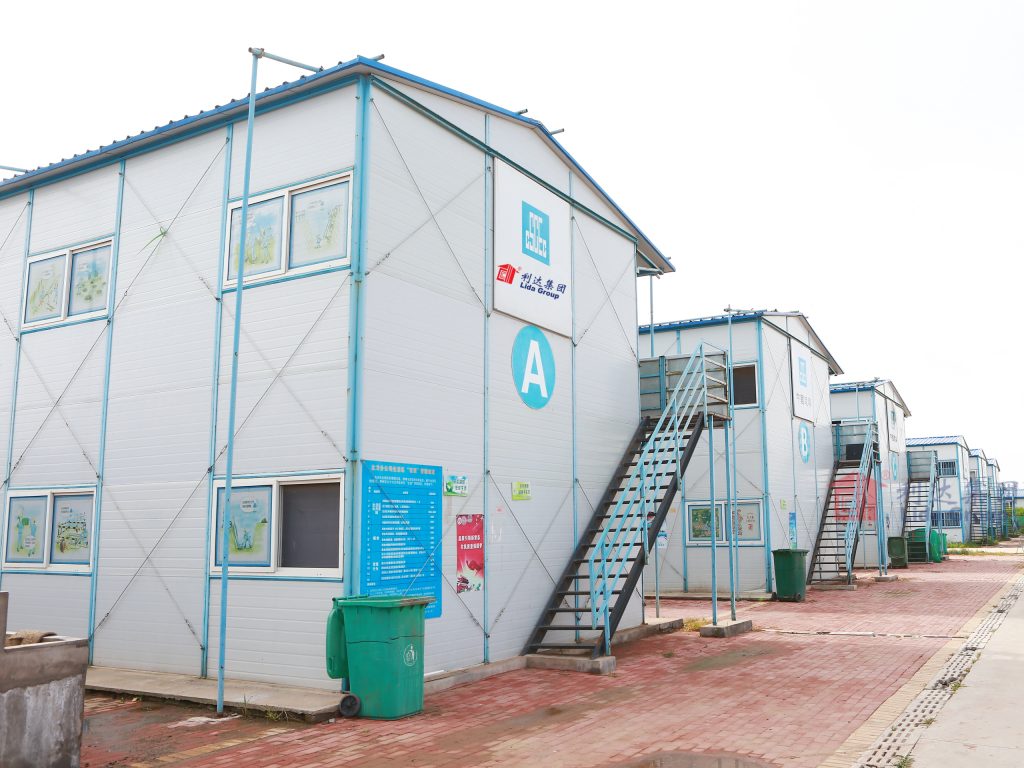
5. Real-World Application Cases of Lida Group’s Dormitories
To demonstrate the practical benefits of Lida Group’s construction site worker dormitories, we present three real-world application cases from different regions and construction sectors. These cases highlight how Lida Group’s dormitories have addressed the unique challenges of worker accommodation, delivered significant cost and energy savings, and improved worker welfare. Each case showcases the versatility and effectiveness of Lida Group’s solutions, reinforcing their value across diverse project environments.
5.1 Case Study 1: Residential Construction Project in India
A leading construction company in India was awarded a contract to build a 500-unit residential complex in a suburban area of Mumbai, requiring accommodation for 800 workers over a 3-year period. The company faced two key challenges: a tight project budget and the need to provide comfortable accommodation for workers in a hot and humid climate. Traditional wooden dormitories were considered but rejected due to their high maintenance costs and poor durability, while concrete prefabricated dormitories were too expensive.
The company chose Lida Group’s modular dormitory solution, consisting of 40 modular units (each housing 20 workers) with a cold-formed galvanized steel frame and bamboo fiber green panels. Lida Group’s team worked closely with the construction company to customize the dormitories for the hot and humid climate, adding enhanced ventilation and shading devices to reduce heat gain. The bamboo fiber panels provided excellent thermal insulation, reducing the need for air conditioning, while the modular design allowed for rapid deployment, with the entire dormitory complex set up in just 4 weeks.
The total cost of the dormitory complex was $240,000—30% less than the cost of concrete prefabricated dormitories and 20% less than traditional wooden dormitories. Over the 3-year project period, the construction company saved $72,000 in maintenance costs, as the bamboo fiber panels and steel frame required minimal repairs. The energy-efficient design, combined with the green panels, reduced energy costs by 40%, saving an additional $48,000. Workers reported a significant improvement in comfort, with the dormitory maintaining a consistent indoor temperature even during the hot summer months. This led to a 25% reduction in worker turnover and a 15% increase in productivity, helping the company complete the project 2 months ahead of schedule.
5.2 Case Study 2: Infrastructure Project in Brazil
A construction company in Brazil was tasked with building a 300-kilometer highway in a remote region of the Amazon rainforest, requiring accommodation for 600 workers over a 4-year period. The project site was characterized by high humidity, heavy rainfall, and extreme temperatures, making durability and weather resistance critical. The company needed a dormitory solution that could withstand these harsh conditions while remaining affordable.
The company selected Lida Group’s dormitory solution, featuring a cold-formed galvanized steel frame and recycled plastic green panels. The recycled plastic panels were waterproof and resistant to mold and insects, making them ideal for the humid rainforest environment. Lida Group’s modular design allowed the dormitory to be easily relocated as the highway construction progressed, eliminating the need to build new accommodation at each construction stage. The company also integrated solar panels and battery storage systems into the dormitories, providing off-grid power for lighting and basic appliances.
The total cost of the dormitory complex was $180,000—25% less than traditional concrete dormitories. During the 4-year project, the dormitory withstood several heavy rainstorms and high humidity without any structural damage or mold growth. The low maintenance requirements saved the company $54,000, and the energy-efficient design reduced energy costs by 35%, saving an additional $36,000. The recycled plastic panels also contributed to the company’s ESG goals, reducing plastic waste by 50 tons over the project period. Workers reported improved comfort and health, with a 30% reduction in respiratory issues compared to their previous accommodation. The dormitory’s ability to be relocated also saved the company an estimated $60,000 in additional construction costs for new accommodation sites. This case demonstrates Lida Group’s ability to deliver durable, sustainable solutions even in the harshest environments.
5.3 Case Study 3: Oil and Gas Project in the Middle East
An international oil and gas company needed accommodation for 400 workers at a remote drilling site in the Middle East, where temperatures often exceed 45°C and sandstorms are common. The company required a dormitory solution that was affordable, durable, energy-efficient, and capable of withstanding extreme heat and sand. Traditional concrete dormitories were considered but rejected due to their high cost and poor heat insulation, while wooden cabins were deemed unsuitable for the harsh desert environment.
Lida Group provided a customized dormitory solution consisting of 20 modular units, featuring a cold-formed galvanized steel frame, recycled plastic green panels, and enhanced insulation to combat extreme heat. The panels were treated with a special anti-sand coating to prevent sand from entering the dormitories, and the roof was designed with a steep slope to shed sand and rain. Lida Group also integrated solar-powered air conditioning systems and smart energy management systems to reduce energy consumption in the extreme heat.
The total cost of the dormitory complex was $160,000—35% less than traditional concrete dormitories. Over the 2-year project period, the company saved $32,000 in maintenance costs and $48,000 in energy costs, thanks to the dormitory’s energy-efficient design and durable materials. The smart energy management system allowed the company to monitor and optimize energy use, reducing air conditioning costs by 45%. Workers reported a significant improvement in comfort, with the dormitories maintaining a cool indoor temperature even during the hottest months. This led to a 20% reduction in worker turnover and a 12% increase in productivity, helping the company meet its drilling targets ahead of schedule. The dormitory’s durability was also proven during several sandstorms, with no structural damage or performance issues reported.
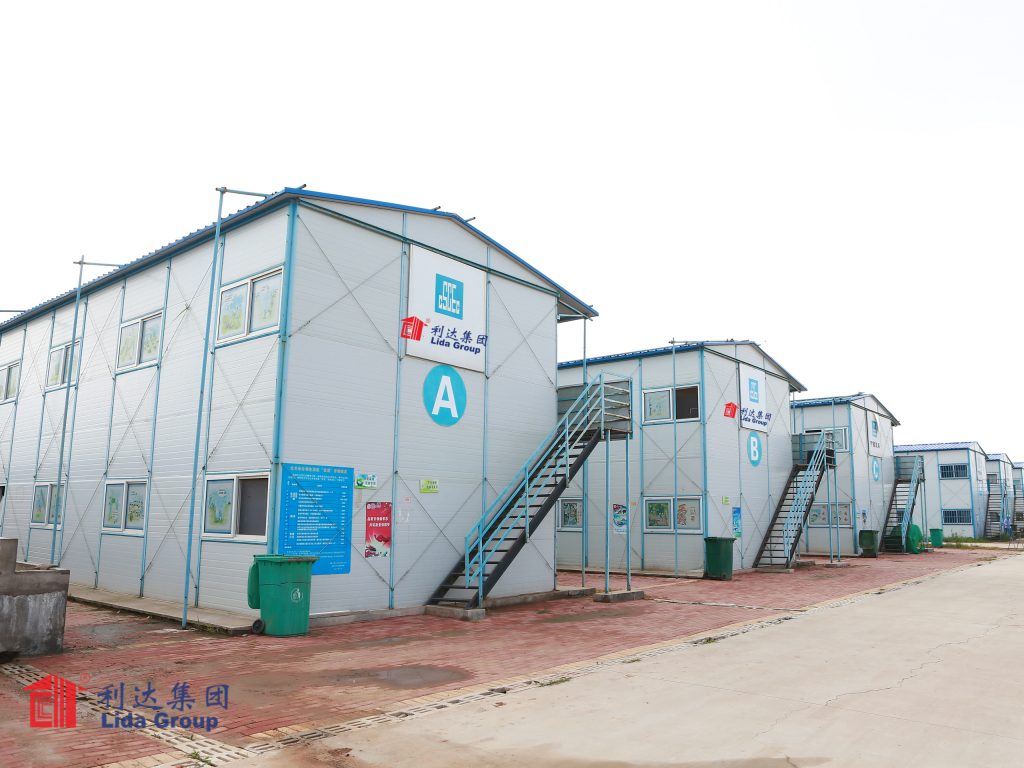
6. Comparison: Lida Group’s Dormitories vs. Traditional Construction Site Dormitories
To further quantify the benefits of Lida Group’s construction site worker dormitories, we conduct a detailed comparison with traditional dormitory solutions (wooden cabins, concrete prefabricated dormitories, and repurposed shipping containers) for a typical project requiring accommodation for 500 workers over a 3-year period. The comparison focuses on key metrics such as cost, durability, environmental impact, energy efficiency, and worker comfort, highlighting the clear advantages of Lida Group’s solutions. This comparison is particularly relevant given the growing demand for sustainable, cost-effective prefabricated solutions in the global construction market.
6.1 Cost Comparison
The total cost of accommodation over 3 years is significantly lower for Lida Group’s dormitories, as shown below: Lida Group’s Dormitories: Upfront cost of $300,000 (25 modular units), annual maintenance cost of $15,000 (total $45,000 over 3 years), annual energy cost of $20,000 (total $60,000 over 3 years). Total cost: $405,000.Traditional Wooden Cabins: Upfront cost of $250,000, annual maintenance cost of $37,500 (total $112,500 over 3 years), annual energy cost of $33,000 (total $99,000 over 3 years). Total cost: $461,500.Concrete Prefabricated Dormitories: Upfront cost of $450,000, annual maintenance cost of $22,500 (total $67,500 over 3 years), annual energy cost of $27,000 (total $81,000 over 3 years). Total cost: $598,500.Repurposed Shipping Containers: Upfront cost of $350,000 (including insulation and modifications), annual maintenance cost of $30,000 (total $90,000 over 3 years), annual energy cost of $30,000 (total $90,000 over 3 years). Total cost: $530,000.
Lida Group’s dormitories save $56,500-$193,500 over 3 years compared to traditional solutions, with the largest savings coming from lower upfront costs, reduced maintenance, and improved energy efficiency. This cost advantage is a key reason why Lida Group’s solutions are gaining traction in the prefabricated buildings market, which is projected to grow significantly in the coming years.
6.2 Durability and Maintenance Comparison
Lida Group’s dormitories are far more durable and require less maintenance than traditional solutions: Lida Group’s Dormitories: Service life of 25-30 years. Annual maintenance cost of 5% of upfront cost. Resistant to extreme weather, rot, mold, and insects. Designed to withstand harsh environments, from desert heat to rainforest humidity. Traditional Wooden Cabins: Service life of 5-8 years. Annual maintenance cost of 15% of upfront cost. Prone to rot, mold, fire, and insect damage, particularly in humid or harsh environments. Concrete Prefabricated Dormitories: Service life of 15-20 years. Annual maintenance cost of 7.5% of upfront cost. Resistant to weather but prone to cracks and water leakage, requiring regular repairs. Repurposed Shipping Containers: Service life of 10-15 years. Annual maintenance cost of 10% of upfront cost. Prone to corrosion and insulation degradation, especially in coastal or desert environments.
6.3 Environmental Impact Comparison
Lida Group’s dormitories have a significantly lower environmental impact than traditional solutions, aligning with global sustainability goals and ESG requirements: Lida Group’s Dormitories: Uses recycled/renewable materials (green panels), reduces carbon emissions by 40-45% compared to traditional dormitories, reduces waste sent to landfills, and is biodegradable at the end of its service life. This aligns with the construction industry’s shift toward low-carbon development. Traditional Wooden Cabins: Requires deforestation, high carbon emissions from wood production, and contributes to waste when demolished. Has a high carbon footprint due to unsustainable material sourcing. Concrete Prefabricated Dormitories: High carbon emissions from concrete production (a major contributor to global emissions), non-biodegradable, and generates significant waste when demolished. Concrete production is a key culprit in the construction industry’s high carbon footprint. Repurposed Shipping Containers: Reduces waste by reusing containers but requires energy-intensive modifications and is non-biodegradable. While better than new construction, it still has a higher environmental impact than Lida Group’s solutions.
6.4 Worker Comfort Comparison
Lida Group’s dormitories offer superior worker comfort compared to traditional solutions, leading to improved satisfaction and productivity: Lida Group’s Dormitories: Excellent thermal and sound insulation, proper ventilation, natural lighting, non-toxic materials, and adequate living space. Reduces worker turnover by 20-30% and improves productivity by 12-15%.Traditional Wooden Cabins: Poor insulation, inadequate ventilation, prone to mold and insects, and often overcrowded. High worker turnover and low productivity due to uncomfortable living conditions. Concrete Prefabricated Dormitories: Good insulation but poor ventilation, cold and impersonal, and often lacks natural lighting. Moderate worker turnover and limited improvements in productivity. Repurposed Shipping Containers: Poor insulation (without extensive modifications), limited space, and poor ventilation. High worker turnover and low worker satisfaction.
7. Market Impact and Future Prospects
Lida Group’s construction site worker dormitories have already made a significant impact on the global construction industry, addressing critical pain points and setting new standards for worker accommodation. As the industry continues to prioritize cost optimization, sustainability, and worker welfare, the future prospects for Lida Group’s solutions are promising, with several trends expected to drive further adoption. This growth is supported by the expanding global prefabricated buildings market, which is projected to grow at a CAGR of 4.46% through 2034.
7.1 Current Market Impact
Since introducing its affordable, eco-friendly dormitory solutions, Lida Group has gained significant traction among construction companies of all sizes, particularly in emerging markets where cost and sustainability are top priorities. The company has secured contracts with major international construction firms, including partnerships for infrastructure projects in Africa, residential developments in Asia, and oil and gas projects in the Middle East. These contracts demonstrate the market’s recognition of Lida Group’s unique value proposition: balancing affordability, durability, and sustainability.
Lida Group’s dormitories have also strengthened the company’s position in the global modular housing market, which is a key segment of the growing prefabricated buildings market. By focusing on worker accommodation, Lida Group has differentiated itself from competitors that primarily offer residential or commercial modular buildings. The company’s ability to provide end-to-end solutions—from design and manufacturing to transportation and assembly—has also contributed to its success, making it a one-stop shop for construction companies seeking worker accommodation solutions. Additionally, Lida Group’s focus on sustainability has helped it attract clients with strict ESG requirements, further expanding its market reach.
Socially, Lida Group’s dormitories have had a positive impact on the lives of millions of construction workers worldwide, improving their living conditions and well-being. By providing safe, comfortable, and healthy accommodation, Lida Group has helped reduce worker turnover, improve productivity, and enhance the overall reputation of the construction industry. This social impact has also aligned with the growing global emphasis on social responsibility, making Lida Group’s solutions an attractive choice for companies looking to improve their brand image.
7.2 Future Prospects
The future of Lida Group’s construction site worker dormitories is bright, with several key trends expected to drive growth in the coming years:Increased Demand in Emerging Markets: The expansion of large-scale infrastructure projects in emerging markets such as India, Brazil, and Southeast Asia will drive significant demand for affordable, sustainable worker accommodation. These regions have large construction workforces and limited budgets, making Lida Group’s dormitories an ideal choice. This demand is further supported by the growth of the prefabricated buildings market in these regions. Advancements in Green Panel Technology: Lida Group plans to invest further in green panel research and development, developing more affordable, durable, and eco-friendly panels. This includes exploring new materials such as recycled composite materials and advanced bamboo-based panels, which will further reduce the environmental impact of its dormitories. This focus on material innovation aligns with the industry’s shift toward green construction. Integration of Smart Technologies: Lida Group will expand the integration of smart technologies into its dormitories, including advanced IoT sensors, AI-powered energy management systems, and remote monitoring tools. These technologies will further improve energy efficiency, reduce maintenance costs, and enhance worker comfort, making the dormitories even more attractive to construction companies. Stricter Environmental Regulations: As governments around the world implement stricter environmental regulations, construction companies will be forced to adopt sustainable practices, including eco-friendly worker accommodation. Lida Group’s dormitories, with their low carbon footprint and sustainable materials, will be well-positioned to meet these regulations, driving further adoption. This aligns with the global push to reduce the construction industry’s carbon emissions, which account for over 40% of total emissions. Localization of Production: To reduce transportation costs and improve accessibility, Lida Group plans to expand its manufacturing facilities in emerging markets. This localization will make its dormitories more affordable for local construction companies and reduce delivery times, further driving adoption. This strategy will also help Lida Group capitalize on the growing prefabricated buildings market in these regions.
Looking ahead, Lida Group aims to capture 15% of the global construction site worker dormitory market by 2030, expanding its presence in over 150 countries and doubling its annual production capacity. The company’s ongoing investment in research and development will ensure that its dormitory solutions remain at the forefront of innovation, continuing to redefine the standards of worker accommodation in the construction industry.
8. Conclusion
Lida Group’s construction site worker dormitories represent a transformative solution for the global construction industry, successfully combining affordability, eco-design, and worker welfare to address the long-standing pain points of traditional worker accommodation. By leveraging innovative materials, modular construction techniques, and advanced technologies, Lida Group has redefined what construction companies can expect from temporary worker housing—delivering a solution that is not only cost-effective but also durable, sustainable, and comfortable. In an industry that is increasingly prioritizing sustainability and cost optimization, Lida Group’s approach stands out as a model for how to balance practical needs with environmental responsibility, aligning with the growth of the prefabricated buildings market and the global push for low-carbon construction.
The core strength of Lida Group’s dormitory solutions lies in their holistic design, which integrates three critical elements: affordability, eco-design, and worker welfare. The company’s cost-effective material selection and modular construction techniques reduce upfront and long-term costs, making its dormitories accessible to construction companies of all sizes. The use of eco-friendly materials, energy-efficient design, and circular economy principles reduces environmental impact, helping clients meet their ESG goals and contribute to global sustainability efforts. Meanwhile, the focus on worker comfort—through proper insulation, ventilation, and living space—improves worker satisfaction, reduces turnover, and enhances productivity, delivering tangible benefits beyond cost savings.
Real-world application cases from India, Brazil, and the Middle East have demonstrated the versatility and effectiveness of Lida Group’s dormitories, showcasing their ability to thrive in diverse climates and project environments. From hot and humid rainforests to extreme desert conditions, Lida Group’s dormitories have consistently delivered cost savings, durability, and improved worker welfare. The detailed comparison with traditional dormitory solutions further highlights the clear advantages of Lida Group’s offerings, confirming that they are the most cost-effective, durable, sustainable, and comfortable option for construction site worker accommodation.
As the construction industry continues to evolve, Lida Group is well-positioned to maintain its leadership position, driven by its commitment to innovation, quality, and customer-centricity. The company’s focus on advancing green panel technology, integrating smart systems, and localizing production will further enhance the value of its dormitory solutions, driving further adoption in emerging and developed markets alike. With the global prefabricated buildings market projected to grow significantly in the coming years, Lida Group is poised to capitalize on this trend, expanding its reach and impact across the globe.
In conclusion, Lida Group’s construction site worker dormitories are more than just a temporary accommodation solution—they are a strategic investment in productivity, sustainability, and worker welfare. By combining affordability and eco-design in an innovative, holistic way, Lida Group has transformed the way worker accommodation is delivered, setting a new benchmark for the construction industry. As more construction companies adopt these solutions, Lida Group will continue to play a pivotal role in shaping the future of worker accommodation, creating safer, more comfortable, and more sustainable living environments for construction workers around the world, while contributing to the global shift toward low-carbon, efficient construction practices.
Related news
-
Lida Group Expands Range with Mobile Modular Container Dormitory Systems
2026-04-24 17:19:05
-
Scalable Low Cost Container House Solutions for Large Workforce Populations
2026-04-24 17:09:22
-
Prefabricated Container Worker Camp by Lida Group Saves Time and Money
2026-04-24 17:02:14
contact us
- Tel: +86-532-88966982
- Whatsapp: +86-13793209022
- E-mail: sales@lidajituan.com
