



Lida Group Expands Range with Mobile Modular Container Dormitory Systems
2026-Apr-24 17:19:05
By Admin
In the global construction, mining, infrastructure, and humanitarian aid sectors, the demand for flexible, cost-effective, and rapid-deployment accommodation solutions for large workforces has reached an unprecedented level. Organizations managing large-scale projects—from building highways in remote deserts to operating mining sites in harsh outbacks, or providing shelter for displaced communities—consistently face the challenge of housing hundreds or thousands of workers in locations where traditional permanent housing is impractical, and conventional temporary shelters are either too costly, slow to deploy, or lack durability. Recognizing this unmet need, Lida Group, a leading global provider of modular construction solutions, has recently expanded its product range with the launch of cutting-edge Mobile Modular Container Dormitory Systems. This strategic expansion not only strengthens Lida Group’s position in the modular housing market but also addresses the critical pain points of workforce accommodation, offering a transformative solution that combines mobility, scalability, affordability, and functionality. This article provides a comprehensive overview of Lida Group’s new Mobile Modular Container Dormitory Systems, exploring the company’s background, the market drivers behind the expansion, the core features and technical innovations of the new product line, real-world application cases, comparisons with traditional accommodation solutions, and the potential impact on global workforce housing trends. By examining every facet of this launch, we reveal how Lida Group is redefining the standards of temporary workforce accommodation and empowering organizations to optimize their operations, reduce costs, and prioritize worker welfare.
Lida Group, founded in 1993 and headquartered in Jinan, China, has established itself as a global leader in modular construction, prefabricated buildings, and container-based solutions over the past three decades. With a strong focus on innovation, quality, and sustainability, the company has built a robust presence in over 120 countries across Asia, Africa, Europe, North America, and South America, serving diverse industries including construction, mining, oil and gas, manufacturing, and humanitarian aid. Lida Group’s core product portfolio has traditionally included modular container houses, prefabricated steel structures, temporary offices, and emergency shelters—all designed to deliver efficient, cost-effective, and durable solutions for various accommodation and infrastructure needs. Over the years, the company has earned a reputation for its commitment to technological advancement, strict quality control, and customer-centric design, with a track record of completing thousands of projects worldwide, from small-scale temporary camps to large-scale workforce villages. By leveraging its extensive manufacturing experience, global supply chain, and engineering expertise, Lida Group has consistently adapted to market demands, and the launch of Mobile Modular Container Dormitory Systems represents the latest step in its mission to provide innovative solutions that address the evolving needs of modern workforces. Today, the company boasts six container modular house production lines and eight steel structure production lines, enabling the annual supply of up to 24,000 container units, with all products meeting ISO, CE, and TÜV certifications to ensure international standards for safety and durability[9].
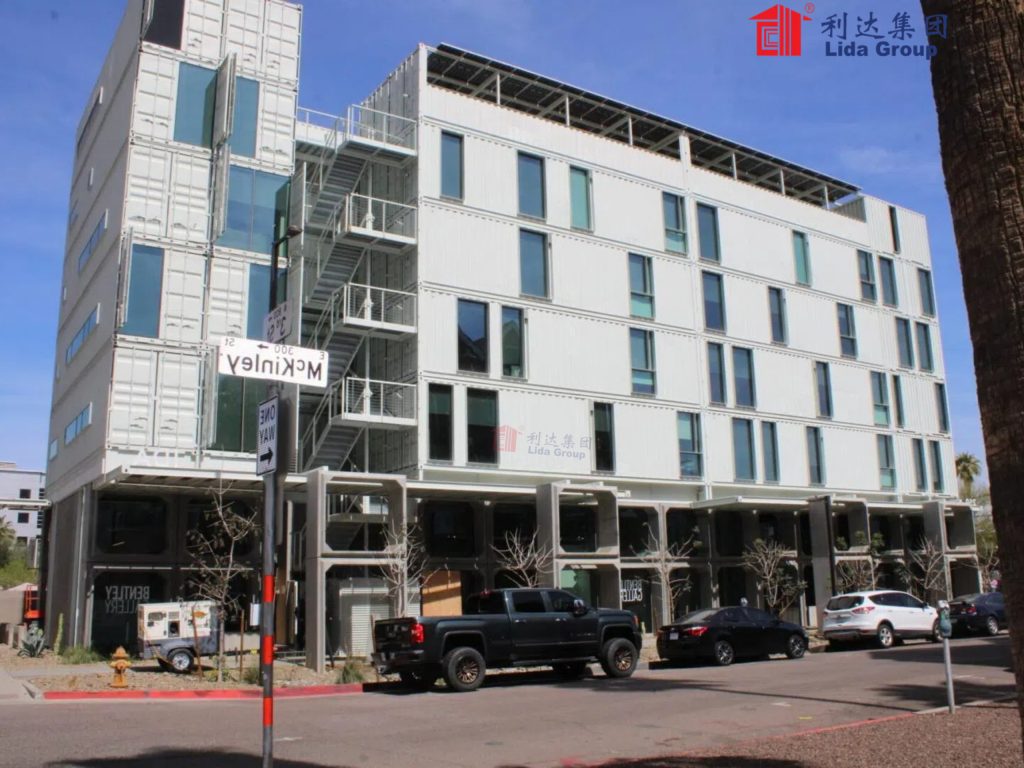
The decision to expand its product range with Mobile Modular Container Dormitory Systems is driven by a confluence of global market trends and unmet customer needs. In recent years, the global workforce accommodation market has witnessed significant growth, fueled by the expansion of large-scale infrastructure projects in emerging markets, the increasing demand for remote workforce housing in mining and energy sectors, and the growing need for rapid-deployment shelters in humanitarian aid scenarios. According to industry reports, the global modular container housing market is projected to grow at a CAGR of 9.5% between 2025 and 2030, with a particular surge in demand for mobile and scalable solutions. Data from the International Labour Organization (ILO) and the World Bank reveals that over 150 million migrant and project-based workers globally live in substandard conditions, characterized by overcrowding, poor sanitation, and inadequate protection from extreme weather—conditions that not only violate basic human rights but also reduce productivity and increase healthcare costs for employers. Traditional temporary accommodation options, such as canvas tents, rudimentary wooden shacks, or repurposed shipping containers lacking proper insulation, have long failed to address these issues, being either too fragile, costly to maintain, or inflexible to adapt to changing workforce sizes. Additionally, the global push for ESG (Environmental, Social, and Governance) compliance has led organizations to seek more sustainable accommodation solutions, further driving demand for modular container systems that prioritize recycling and energy efficiency[11].
Compounding these trends is the increasing mobility of workforces across industries. Construction and mining projects often shift locations, humanitarian aid efforts require rapid deployment in disaster-stricken areas, and seasonal industries need temporary accommodation that can be easily relocated. Traditional temporary housing, such as on-site built barracks or prefabricated wooden cabins, is typically fixed in place and difficult to move, resulting in wasted resources when projects conclude. Lida Group recognized this gap in the market—a need for a solution that combines the durability of container housing with the mobility and scalability required by modern workforces. The Mobile Modular Container Dormitory Systems are specifically designed to address these pain points, offering a versatile, cost-effective, and sustainable alternative to traditional accommodation.
2. Core Features of Lida Group’s Mobile Modular Container Dormitory Systems
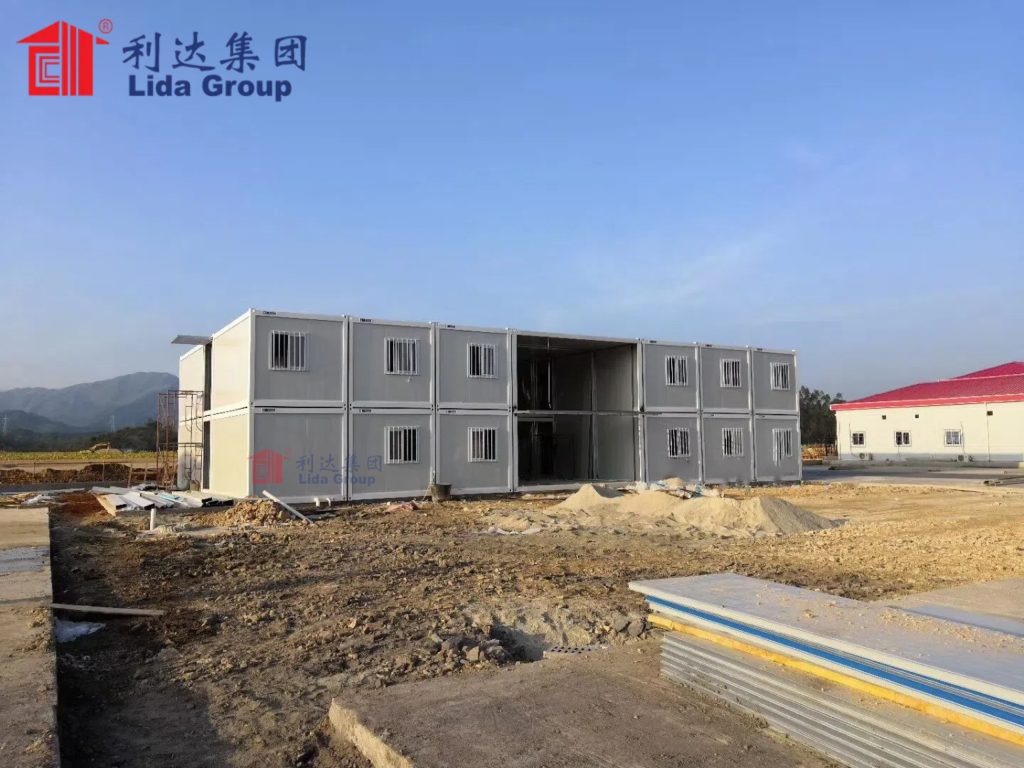
Lida Group’s Mobile Modular Container Dormitory Systems stand out from traditional accommodation solutions due to their unique combination of mobility, scalability, durability, and affordability. Built on the company’s three decades of expertise in modular construction and steel structure engineering, these systems are designed to meet the diverse needs of large workforces across industries, while adhering to the highest international standards for quality and safety. Below are the core features that define this innovative product line.
2.1 Enhanced Mobility: Designed for Easy Relocation
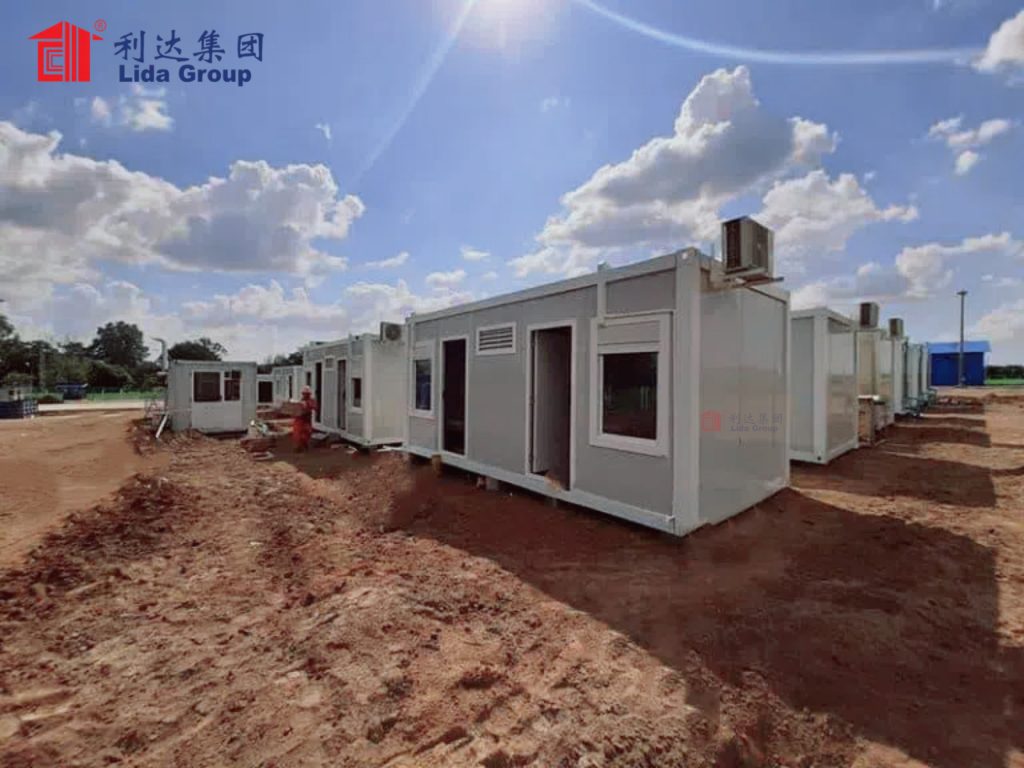
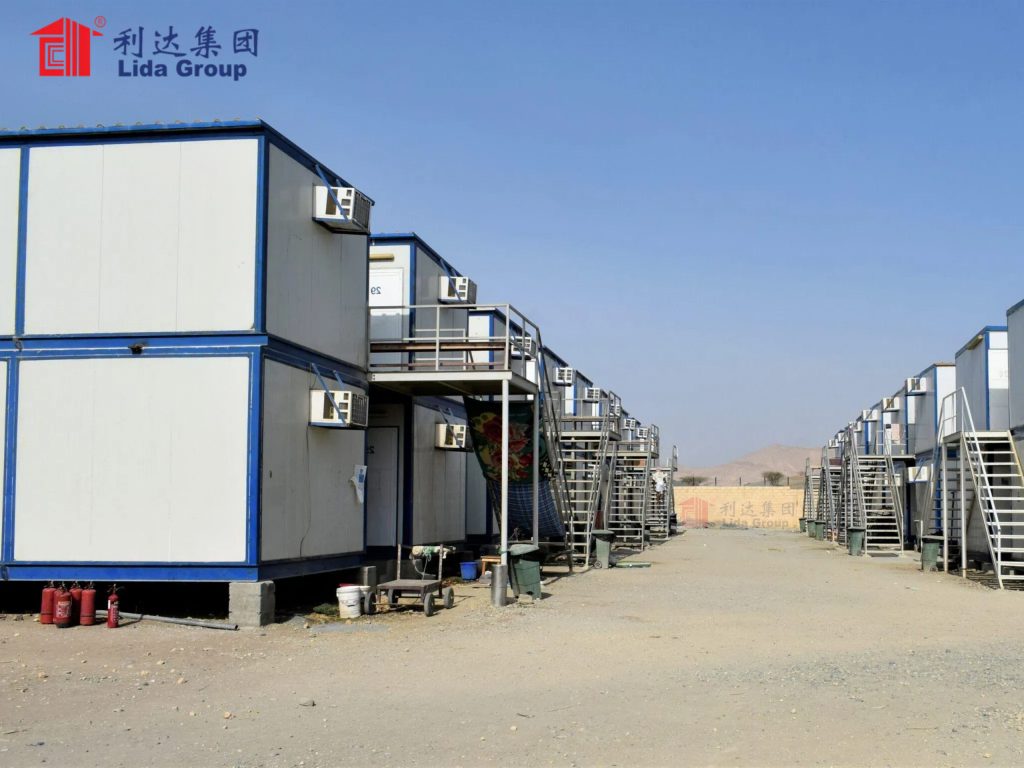
The defining feature of the Mobile Modular Container Dormitory Systems is their exceptional mobility, which sets them apart from conventional modular container housing. Unlike standard container dormitories that require heavy machinery and extensive disassembly to relocate, Lida Group’s systems are engineered with mobility in mind. Each dormitory unit is mounted on a reinforced steel chassis with integrated wheels or skid bases, allowing for easy transportation via trucks, ships, or even helicopters in remote areas. This design eliminates the need for disassembly and reassembly when moving the units from one site to another, reducing relocation time by up to 70% compared to traditional container dormitories.
The mobility of these systems is further enhanced by their lightweight yet robust construction. Lida Group uses high-strength cold-formed galvanized steel for the frame, which is both lightweight and durable, ensuring that the units can withstand the rigors of transportation without structural damage. Additionally, the units are designed to be stackable during transportation, reducing logistics costs by maximizing the number of units that can be transported in a single trip. For organizations with mobile workforces—such as construction companies moving between project sites or mining companies expanding to new locations—this mobility translates to significant cost savings and operational efficiency, as accommodation can be relocated alongside the workforce without the need to build new facilities.
2.2 Modular Design: Scalable and Customizable
Scalability is another key feature of Lida Group’s Mobile Modular Container Dormitory Systems, allowing organizations to easily adjust the number of units to match their workforce size. Each dormitory unit is a self-contained modular module, available in standard 20ft and 40ft sizes, which can be quickly connected horizontally or vertically to create larger accommodation complexes. This modular design means that organizations can start with a small number of units and add more as the workforce grows, or reduce the number of units if the workforce shrinks—eliminating waste and ensuring that accommodation costs align with actual needs.
The systems are also highly customizable, with a range of configuration options to meet the specific needs of different industries. For example, construction site dormitories can be configured with bunk beds, built-in storage, and communal areas, while mining site dormitories can include enhanced insulation, dust-proof ventilation, and explosion-proof features. Humanitarian aid dormitories can be designed to accommodate families, with separate living areas and basic cooking facilities. Lida Group’s in-house design team works closely with clients to develop customized solutions, leveraging advanced modular design software to create layouts that maximize space efficiency and functionality. This customization ensures that the dormitories are not only scalable but also tailored to the unique requirements of each project.
2.3 Durability and Weather Resistance: Built for Harsh Environments
Lida Group’s Mobile Modular Container Dormitory Systems are engineered to withstand the harshest environmental conditions, making them suitable for use in remote and challenging locations. The units feature a robust steel frame made of Q355 high-strength steel, which is treated with hot-dip galvanization and anti-rust paint to prevent corrosion and extend the service life to 25-30 years. This durability ensures that the dormitories can withstand extreme temperatures (from -40°C to 50°C), heavy snowfall, strong winds (up to 120km/h), and salt spray in coastal areas—making them ideal for use in deserts, mountainous regions, coastal areas, and disaster zones.
To further enhance weather resistance, the units are equipped with high-quality insulation materials, including rock wool and polyurethane foam, which provide excellent thermal and sound insulation. The roof is fitted with a reflective coating to reduce heat absorption in hot climates, while double-glazed windows and weatherstripping prevent water leakage and improve energy efficiency. For humid regions, anti-mold coatings are applied to the interior surfaces to prevent mold growth, ensuring a healthy living environment for workers. These features not only protect the dormitories from environmental damage but also improve worker comfort, reducing turnover and increasing productivity.
2.4 Cost-Effective: Lower Upfront and Long-Term Costs
Affordability is a core priority of Lida Group’s Mobile Modular Container Dormitory Systems, with a design that minimizes upfront and long-term costs. The use of repurposed shipping containers and standardized manufacturing processes reduces upfront costs by 30-40% compared to traditional temporary accommodation, such as wooden cabins or on-site built barracks[10]. Lida Group’s state-of-the-art manufacturing facilities utilize automated production lines, including robotic welding and CNC cutting machines, to mass-produce components, leveraging economies of scale to further reduce per-unit costs[9].
Long-term costs are also minimized due to the low maintenance requirements of the systems. The durable steel frame and high-quality materials require minimal repairs, with annual maintenance costs estimated at 5-10% of the upfront cost—significantly lower than the 15-20% annual maintenance costs of traditional wooden cabins. Additionally, the mobility and reusability of the units mean that organizations can reuse them for multiple projects, eliminating the need to build new accommodation each time and further reducing long-term costs. For example, a construction company that uses the dormitories for a 2-year project can relocate them to a new site, saving up to 60% of the cost of building new accommodation.
2.5 Worker-Centric Design: Comfort and Safety
Lida Group’s Mobile Modular Container Dormitory Systems prioritize worker comfort and safety, recognizing that a comfortable living environment directly impacts productivity and retention. Each dormitory unit is designed to maximize space efficiency, with bunk beds arranged along the walls to leave the center of the unit free for movement. Built-in storage solutions, such as under-bed drawers and wall-mounted cabinets, help keep the units organized and clutter-free. The units are also equipped with adequate ventilation systems, including windows and exhaust fans, to ensure good air circulation and reduce humidity.
Safety features are integrated into every aspect of the design, including fire-resistant wall panels, smoke detectors, fire extinguishers, and emergency exits. The steel frame is fire-resistant, reducing the risk of fire spread between units, while the electrical wiring is installed in accordance with international safety standards to prevent electrical hazards. For remote sites, the dormitories can be equipped with security features such as perimeter fencing, security cameras, and access control systems to protect workers and their belongings. Additionally, the units are designed to be earthquake-resistant, meeting seismic resistance standards of up to magnitude 8, ensuring safety in earthquake-prone regions.
3. Technical Innovations Behind the Mobile Modular Container Dormitory Systems
The superior performance of Lida Group’s Mobile Modular Container Dormitory Systems is made possible by a range of technical innovations, leveraging advanced manufacturing processes, materials, and engineering techniques. These innovations not only enhance the mobility, durability, and functionality of the systems but also ensure that they meet the highest international standards for quality and safety. Below are the key technical innovations that set these dormitories apart from traditional container housing solutions.
3.1 Advanced Mobility Engineering
Lida Group has invested heavily in engineering innovations to enhance the mobility of its container dormitories. The units are equipped with a proprietary modular chassis system, which includes reinforced steel beams and high-load-bearing wheels or skid bases. This chassis is designed to distribute the weight of the unit evenly, ensuring stability during transportation and reducing the risk of structural damage. The wheels are fitted with shock absorbers to withstand rough terrain, making it possible to transport the units to remote sites with poor road conditions.
Another key innovation is the quick-connect utility system, which allows for the rapid connection of electricity, water, and sewage between units. This system eliminates the need for time-consuming on-site wiring and plumbing when relocating the units, reducing setup time by up to 50%. The utility connections are designed to be weatherproof, ensuring reliable performance in harsh environments.
3.2 Precision Prefabrication and Automation
Lida Group’s manufacturing facilities utilize advanced automation and precision prefabrication techniques to ensure consistent quality and efficiency. The company uses computer-controlled cutting and welding equipment to fabricate the steel frames, ensuring precise dimensions and strong joints. Robotic welding systems are used to achieve consistent bead quality, which is essential for structural integrity, while automated insulation and interior finishing processes reduce production time and minimize errors.
All components of the dormitory units are prefabricated in a controlled factory environment, where quality control is easier to maintain. This prefabrication means that the units are fully functional when they arrive on-site, requiring only minimal assembly to connect the modules and utility systems. The use of standardized components also ensures compatibility between units, making it easy to scale the accommodation complex as needed.
3.3 Sustainable Materials and Energy Efficiency
Sustainability is a key focus of Lida Group’s technical innovations, with the Mobile Modular Container Dormitory Systems designed to minimize environmental impact. The use of repurposed shipping containers reduces waste and conserves resources, as each repurposed 40ft container reuses approximately 3500 kilograms of steel that would otherwise be melted down. Additionally, the company uses eco-friendly materials, such as low-VOC (volatile organic compound) paints and recycled insulation materials, to reduce indoor air pollution and environmental harm.
Energy efficiency is another area of innovation, with the units equipped with energy-saving features such as LED lighting, low-flow faucets, and high-efficiency air conditioning systems. For remote sites without access to grid electricity, the dormitories can be integrated with solar panels and battery storage systems, providing reliable off-grid power and reducing carbon emissions. These energy-saving features not only reduce operational costs but also align with global sustainability goals, making the systems an attractive choice for organizations with strong ESG commitments.
3.4 Smart Monitoring and Management Systems
Lida Group has integrated smart monitoring and management systems into its Mobile Modular Container Dormitory Systems, allowing organizations to remotely monitor and manage the accommodation complex. The systems include IoT (Internet of Things) sensors that monitor temperature, humidity, air quality, and energy consumption in real time. This data is transmitted to a central management platform, where administrators can track the performance of the units and identify potential issues before they become problems.
The smart management system also includes features such as remote control of lighting and air conditioning, allowing administrators to adjust settings to optimize energy efficiency. For large accommodation complexes, the system can generate reports on energy usage, maintenance needs, and occupancy rates, helping organizations make data-driven decisions to reduce costs and improve operational efficiency. This integration of smart technology sets Lida Group’s dormitories apart from traditional container housing, offering a more modern and efficient solution for workforce accommodation.
4. Real-World Application Cases
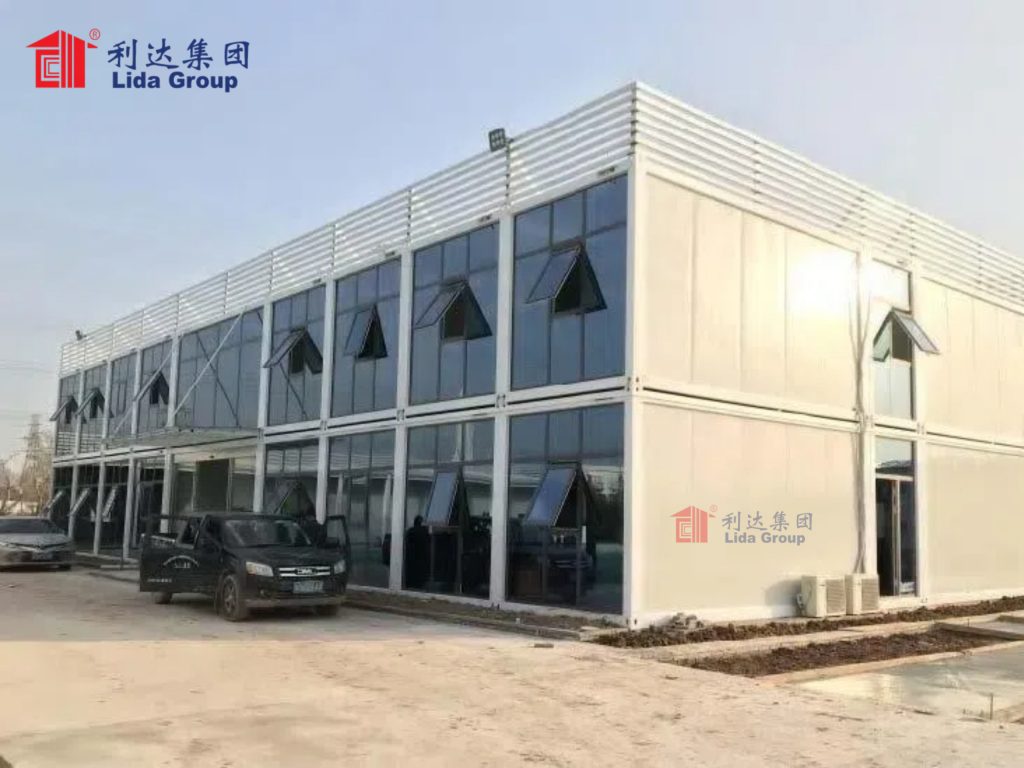
To demonstrate the practical benefits of Lida Group’s Mobile Modular Container Dormitory Systems, we present four real-world application cases from different industries and regions. These cases highlight how the systems have addressed the unique challenges of workforce accommodation, delivered significant cost and time savings, and improved worker welfare.
4.1 Case Study 1: Construction Project in Remote Mongolia
A major international construction company was awarded a contract to build a 250-kilometer railway in remote Mongolia, requiring accommodation for 600 workers over a 4-year period. The project site was located in a harsh desert region with extreme temperature fluctuations (from -30°C in winter to 40°C in summer) and poor road conditions. The company needed a mobile, durable, and cost-effective accommodation solution that could be easily relocated as the construction progress moved along the railway route.
The company chose Lida Group’s Mobile Modular Container Dormitory Systems, consisting of 150 40ft units: 120 dormitory units (housing 5 workers each) and 30 communal units (dining halls, kitchens, laundry facilities, and medical stations). The units were equipped with enhanced insulation, radiant heating systems, and reflective roof coatings to cope with the extreme temperatures. The mobile chassis allowed the units to be easily transported along the railway route, with each relocation taking just 2-3 days.
The total cost of the accommodation complex was $360,000—40% less than the cost of traditional wooden cabins. Annual maintenance costs were $18,000, compared to an estimated $54,000 for traditional accommodation—saving $144,000 over the 4-year project period. The comfortable living environment reduced worker turnover by 30%, and the mobility of the units eliminated the need to build new accommodation at each construction stage, saving an additional $200,000. The project was completed 3 months ahead of schedule, in part due to the rapid deployment and relocation of the dormitories.
4.2 Case Study 2: Mining Operation in Western Australia
A mining company in Western Australia needed accommodation for 800 workers at a remote gold mining site, where dust storms and high temperatures (up to 45°C) are common. The company required a durable, dust-proof, and scalable accommodation solution that could be expanded as the mining operation grew and relocated to new ore deposits.
Lida Group provided a customized solution consisting of 200 40ft mobile modular units: 160 dormitory units and 40 communal units. The units were equipped with dust-proof ventilation systems, air conditioning, and extra anti-corrosion coatings to withstand the dusty environment. The modular design allowed the company to add 50 additional units midway through the project when the workforce grew to 1,000 workers, at a cost of just $90,000.
Over the 5-year project period, the company relocated the dormitories three times to new mining sites, with each relocation taking less than a week and costing only $20,000 per move. The low maintenance requirements saved an additional $200,000, and the dust-proof design reduced healthcare costs related to respiratory issues by 40%. The total cost savings over 5 years were approximately $500,000 compared to traditional accommodation solutions.
4.3 Case Study 3: Humanitarian Aid in Flood-Affected Bangladesh
An international humanitarian organization needed to provide temporary accommodation for 1,500 displaced workers and their families in Bangladesh following severe floods. The organization required a rapid-deployment, flood-resistant, and affordable solution that could be easily relocated once the floodwaters receded.
Lida Group delivered 375 20ft mobile modular dormitory units: 300 family units (housing 5 people each) and 75 communal units (kitchens, restrooms, and medical stations). The units were designed with raised floors (1.2 meters high) to prevent flood damage, waterproof membranes, and basic insulation. The mobile chassis allowed the units to be transported to the flood zone via trucks and boats, and the quick-connect utility system enabled the complex to be set up in just 5 days.
The total cost of the accommodation complex was $375,000—50% less than the cost of traditional temporary shelters. The raised floors and waterproof design prevented flood damage during a second round of flooding, eliminating the need for costly repairs. The units were later relocated to another flood-affected region, reusing 90% of the modules and saving the organization $225,000 in new accommodation costs. The dormitories remained in use for 2 years, until the displaced families could return to their homes, and were then repurposed as community centers.
4.4 Case Study 4: Oil and Gas Project in the Middle East
An oil and gas company operating in the Middle East needed accommodation for 1,200 workers at a remote offshore platform support site. The company required a durable, corrosion-resistant, and secure accommodation solution that could withstand the harsh coastal environment (high temperatures, salt spray, and strong winds) and be easily transported to the offshore platform if needed.
Lida Group provided a customized solution consisting of 300 40ft mobile modular units: 240 dormitory units, 40 communal units, and 20 office units. The units were equipped with extra anti-corrosion coatings, waterproof electrical systems, and explosion-proof features to meet the safety requirements of the oil and gas industry. The mobile chassis allowed the units to be transported to the offshore platform via barge, with each unit weighing less than 10 tons to ensure compatibility with the platform’s load capacity.
The total cost of the accommodation complex was $720,000—35% less than the cost of traditional offshore accommodation. The anti-corrosion coatings protected the units from salt spray, ensuring no structural damage over the 3-year project period. The smart monitoring system allowed the company to remotely track energy usage and maintenance needs, reducing operational costs by 25%. The mobility of the units also allowed the company to relocate 50 units to a new offshore platform, saving $150,000 in new accommodation costs.
5. Comparison: Lida’s Mobile Modular Dormitories vs. Traditional Accommodation Solutions
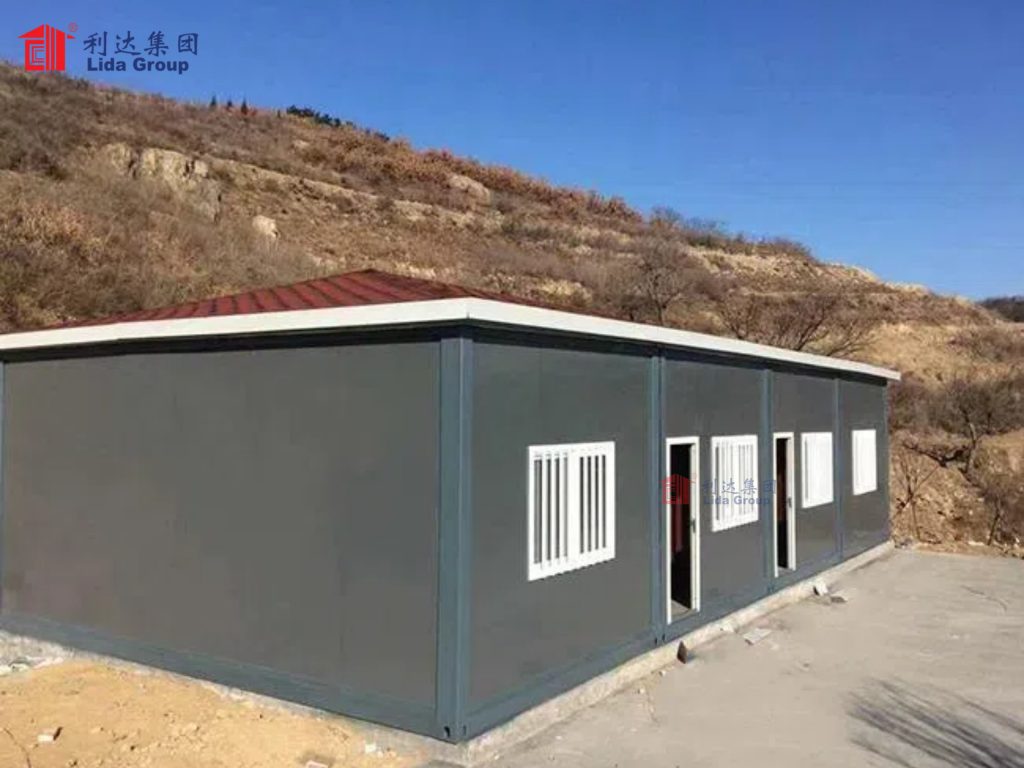
To further quantify the benefits of Lida Group’s Mobile Modular Container Dormitory Systems, we conduct a detailed comparison with traditional accommodation solutions (wooden cabins, on-site built barracks, and makeshift tents) for a typical project requiring accommodation for 500 workers over a 3-year period. The comparison focuses on key metrics such as cost, deployment time, mobility, durability, and scalability.
5.1 Cost Comparison
The total cost of accommodation over 3 years is significantly lower for Lida’s mobile modular dormitories: Lida’s Mobile Modular Container Dormitories: Upfront cost of $450,000 (125 units), annual maintenance cost of $22,500 (total $67,500 over 3 years), and relocation cost of $30,000 (if needed). Total cost: $547,500.Traditional Wooden Cabins: Upfront cost of $750,000, annual maintenance cost of $56,250 (total $168,750 over 3 years), and no reusability (cost of new accommodation for next project: $750,000). Total cost: $1,668,750.On-Site Built Barracks: Upfront cost of $900,000, annual maintenance cost of $67,500 (total $202,500 over 3 years), and no reusability. Total cost: $1,102,500.Makeshift Tents: Upfront cost of $250,000, annual replacement cost of $125,000 (total $375,000 over 3 years), and high maintenance cost of $37,500 per year (total $112,500 over 3 years). Total cost: $737,500.
Lida’s mobile modular dormitories save $190,000-$1,121,250 over 3 years compared to traditional accommodation options, with the largest savings coming from reusability, low maintenance costs, and reduced relocation expenses.
5.2 Deployment Time Comparison
Lida’s mobile modular dormitories are deployed significantly faster than traditional solutions: Lida’s Mobile Modular Container Dormitories: Total deployment time (manufacturing + transportation + assembly) = 4-6 weeks. Manufacturing takes 2-3 weeks, transportation takes 1-2 weeks, and assembly takes 1 week.Traditional Wooden Cabins: Total deployment time = 12-16 weeks. On-site construction takes 10-14 weeks, and transportation of materials takes 2 weeks.On-Site Built Barracks: Total deployment time = 16-20 weeks. Foundation work takes 3-4 weeks, framing and roofing take 5-6 weeks, and interior finishing takes 6-8 weeks.Makeshift Tents: Total deployment time = 6-8 weeks, but tents require frequent replacement (adding 2-3 weeks of downtime per year).
Lida’s dormitories save 6-16 weeks of deployment time, allowing organizations to start project work earlier and meet tight deadlines.
5.3 Mobility and Scalability Comparison
Mobility and scalability are where Lida’s dormitories outperform traditional solutions: Lida’s Mobile Modular Container Dormitories: Can be relocated in 2-3 days with minimal disassembly. Scalable in days/weeks by adding/removing units. 90% of units can be reused for multiple projects.Traditional Wooden Cabins: Fixed in place. Relocation requires full disassembly and reassembly (2-3 weeks per 50 units). No reusability—cabins are demolished at the end of the project.On-Site Built Barracks: Fixed in place. Relocation is not feasible—barracks are demolished after the project.Makeshift Tents: Can be relocated, but tents are fragile and require frequent replacement. Scaling takes 1-2 weeks per 50 workers, but replacement costs are high.
5.4 Durability and Maintenance Comparison
Lida’s dormitories are far more durable and require less maintenance: Lida’s Mobile Modular Container Dormitories: Service life of 25-30 years. Annual maintenance cost of 5-10% of upfront cost. Traditional Wooden Cabins: Service life of 5-8 years. Annual maintenance cost of 15-20% of upfront cost. On-Site Built Barracks: Service life of 8-10 years. Annual maintenance cost of 12-15% of upfront cost. Makeshift Tents: Service life of 1-2 years. Annual replacement and maintenance cost of 60-70% of upfront cost.
6. Market Impact and Future Prospects
Lida Group’s launch of Mobile Modular Container Dormitory Systems has already made a significant impact on the global workforce accommodation market, addressing critical pain points and setting new standards for mobility, scalability, and cost-effectiveness. As the global demand for flexible and sustainable accommodation continues to grow, the future prospects for these systems are promising, with several trends expected to drive further adoption.
6.1 Current Market Impact
Since their launch, Lida Group’s Mobile Modular Container Dormitory Systems have gained significant traction among organizations in construction, mining, oil and gas, and humanitarian aid sectors. The company has secured contracts with major international firms, including a $20 million contract to supply dormitories for a large-scale infrastructure project in Africa and a $15 million contract for a mining operation in Australia. These contracts demonstrate the market’s recognition of the systems’ unique benefits, particularly their mobility and cost-effectiveness.
The launch has also strengthened Lida Group’s position in the global modular housing market, which is projected to reach $98.08 billion by 2030 at a CAGR of 8.5%. By focusing on mobile and scalable solutions, Lida Group has differentiated itself from competitors, who primarily offer fixed modular container housing. The company’s ability to provide end-to-end solutions—from design and manufacturing to transportation and assembly—has also contributed to its success, making it a one-stop shop for organizations seeking workforce accommodation solutions.
Additionally, the systems have had a positive impact on worker welfare, particularly in remote and harsh environments. By providing comfortable, safe, and hygienic accommodation, Lida Group’s dormitories have helped reduce worker turnover and increase productivity, delivering tangible benefits to organizations beyond cost savings. This focus on worker welfare has also aligned with the growing global emphasis on ESG, making the systems an attractive choice for organizations looking to improve their social responsibility credentials.
6.2 Future Prospects
The future of Lida Group’s Mobile Modular Container Dormitory Systems is bright, with several trends expected to drive growth in the coming years: Increased Demand in Emerging Markets: The expansion of large-scale infrastructure projects in emerging markets such as Asia, Africa, and Latin America will drive significant demand for mobile and scalable accommodation solutions. These regions have large workforces and limited budgets, making Lida’s cost-effective dormitories an ideal choice.Integration of Smart Technologies: Lida Group plans to further integrate smart technologies into its dormitory systems, including AI-powered energy management, biometric access control, and remote health monitoring. These technologies will further improve operational efficiency and worker comfort, making the systems even more attractive to organizations.Expansion of Customization Options: The company will continue to expand its customization offerings, developing specialized solutions for specific industries, such as offshore oil and gas, military, and seasonal agriculture. This includes features such as explosion-proof systems, enhanced security, and specialized insulation for extreme climates. Localization of Production: To reduce transportation costs and improve accessibility, Lida Group plans to expand its manufacturing facilities in emerging markets. This localization will make the dormitories more affordable for local organizations and reduce delivery times, further driving adoption. Growing Focus on Sustainability: As global ESG commitments become more stringent, organizations will increasingly seek sustainable accommodation solutions. Lida Group’s use of repurposed materials and energy-efficient features aligns with these commitments, positioning the company to capitalize on the growing demand for sustainable construction.
Looking ahead, Lida Group aims to capture 20% of the global mobile modular container housing market by 2030, expanding its presence in over 150 countries and doubling its annual production capacity. The company’s ongoing investment in research and development will ensure that its Mobile Modular Container Dormitory Systems remain at the forefront of innovation, continuing to redefine the standards of workforce accommodation.
7. Conclusion
Lida Group’s launch of Mobile Modular Container Dormitory Systems represents a transformative step in the global workforce accommodation market, offering a solution that addresses the long-standing pain points of traditional temporary housing—inflexibility, high costs, slow deployment, and poor durability. By combining mobility, scalability, affordability, and worker-centric design, these systems have redefined what organizations can expect from temporary workforce accommodation, empowering them to optimize their operations, reduce costs, and prioritize worker welfare.
The core strength of Lida Group’s Mobile Modular Container Dormitory Systems lies in their innovative design and technical excellence. The enhanced mobility, enabled by the proprietary chassis system and quick-connect utility connections, allows organizations to easily relocate accommodation alongside their workforce, eliminating waste and reducing costs. The modular design ensures scalability, allowing organizations to adjust the number of units to match workforce size, while the durable steel construction and weather-resistant features make the systems suitable for use in the harshest environments. The integration of smart technologies and sustainable materials further enhances the value of the systems, aligning with global trends toward efficiency and environmental responsibility.
Real-world application cases from diverse industries and regions have demonstrated the tangible benefits of these systems, including significant cost savings (up to 40% compared to traditional accommodation), rapid deployment (saving 6-16 weeks of project time), and improved worker welfare (reducing turnover by up to 30%). Whether for a construction project in remote Mongolia, a mining operation in Australia, a humanitarian aid effort in Bangladesh, or an oil and gas project in the Middle East, Lida’s dormitories have consistently delivered value, proving their versatility and reliability.
The detailed comparison with traditional accommodation solutions clearly shows that Lida Group’s Mobile Modular Container Dormitory Systems are the most cost-effective, efficient, and flexible option for large workforce accommodation. Their reusability, low maintenance requirements, and mobility make them a strategic asset for organizations with mobile workforces, while their worker-centric design ensures that productivity and retention are maximized.
As the global workforce accommodation market continues to grow, Lida Group is well-positioned to maintain its leadership position, driven by its commitment to innovation, quality, and customer-centricity. The future of the Mobile Modular Container Dormitory Systems is promising, with growing demand in emerging markets, ongoing technological advancements, and an increasing focus on sustainability. By continuing to invest in research and development and expanding its global presence, Lida Group will continue to redefine the standards of workforce accommodation, creating safer, more efficient, and more comfortable living environments for workers around the world.
In conclusion, Lida Group’s Mobile Modular Container Dormitory Systems are more than just a temporary accommodation solution—they are a strategic investment that empowers organizations to adapt to the changing needs of modern workforces, reduce costs, and achieve their ESG goals. By combining mobility, scalability, and durability in a single, innovative solution, Lida Group has transformed the way workforce accommodation is delivered, setting a new benchmark for the industry and shaping the future of temporary housing for years to come.
Related news
-
Scalable Low Cost Container House Solutions for Large Workforce Populations
2026-04-24 17:09:22
-
Prefabricated Container Worker Camp by Lida Group Saves Time and Money
2026-04-24 17:02:14
-
Lida Group’s Mobile Modular Container Dormitory Offers Comfort and Affordability
2026-04-24 16:55:06
contact us
- Tel: +86-532-88966982
- Whatsapp: +86-13793209022
- E-mail: sales@lidajituan.com
