



Introduction
The construction industry is undergoing a major transformation as developers, contractors, and building manufacturers seek faster, more efficient, and more reliable ways to deliver high-quality housing. Rising urban populations, increasing demand for residential space, tighter construction schedules, and growing pressure to control project costs are encouraging the industry to look beyond conventional construction methods.
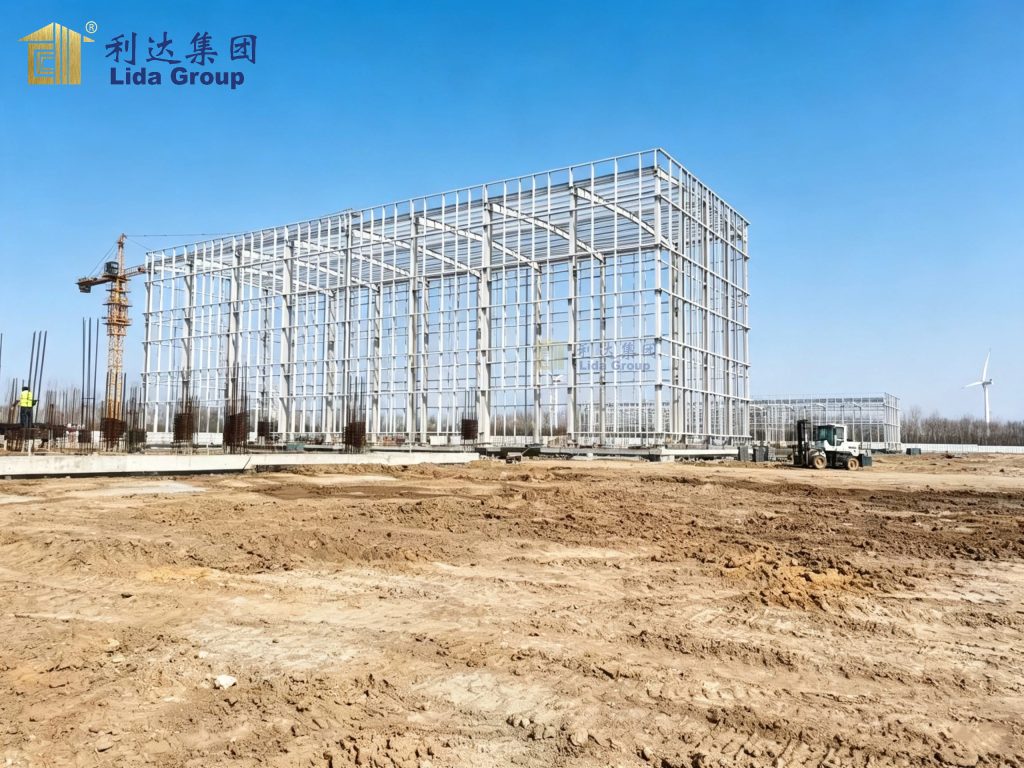
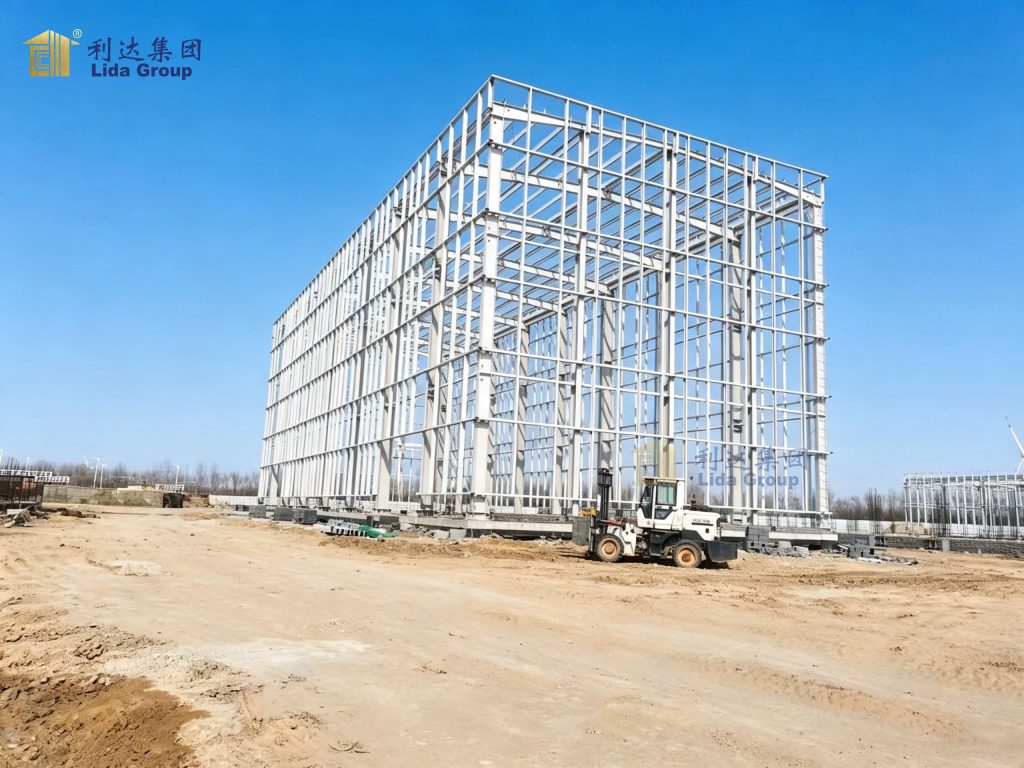
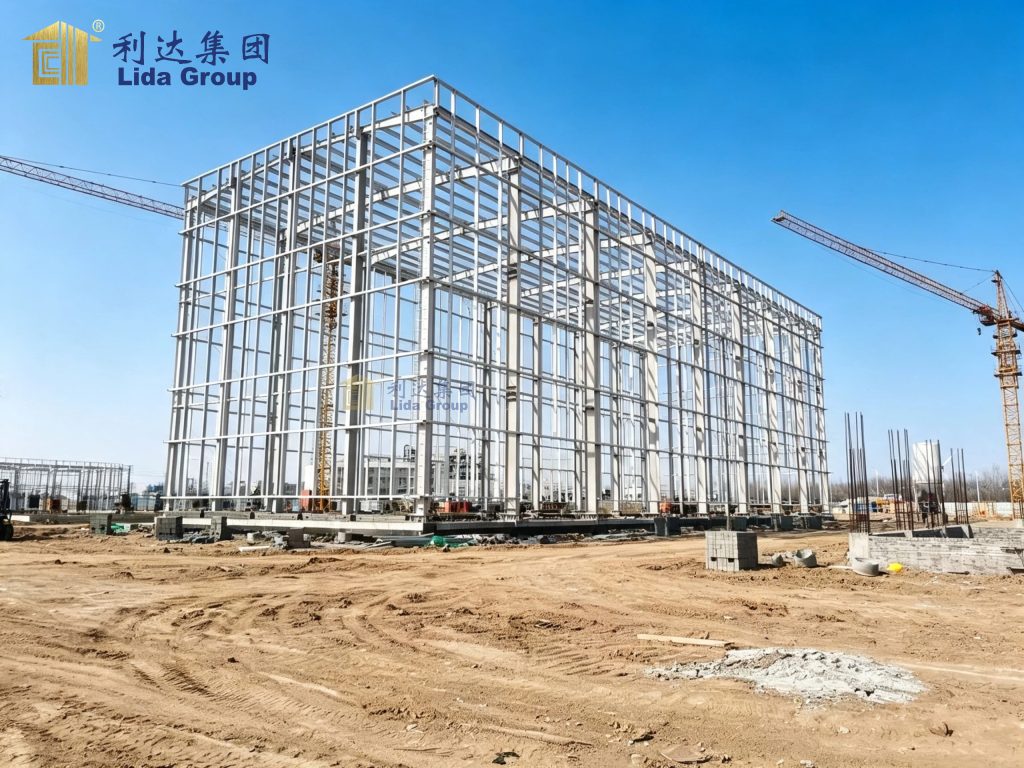
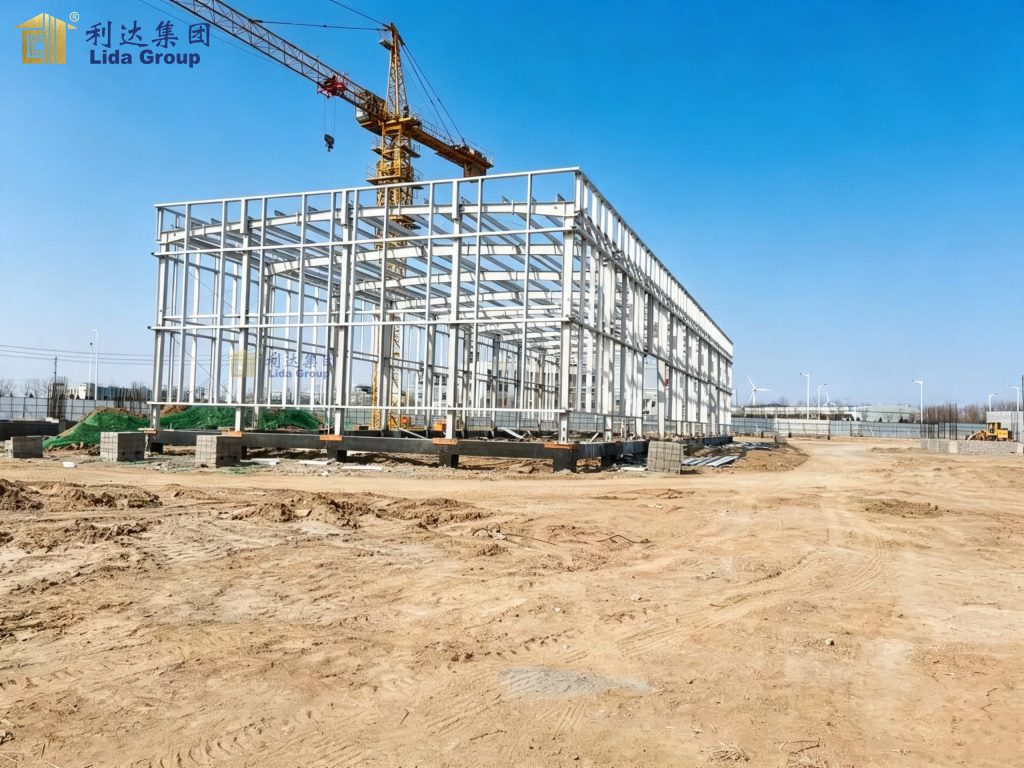
Against this backdrop, Lida Group has broken ground on a new steel structure production facility dedicated to the mass production of modular building components for high-rise apartment construction. The new facility represents an important step in expanding the company’s manufacturing capabilities and supporting the growing demand for industrialized and modular construction solutions.
By combining steel structure engineering, factory-based manufacturing, modular construction technology, and standardized production processes, the facility is designed to support the efficient delivery of building components for modern residential developments.
The project is not simply an investment in a new factory. It reflects a broader shift in the way residential buildings can be designed, manufactured, assembled, and delivered. Instead of carrying out every construction process directly on site, more components can be produced in a controlled factory environment before being transported to the construction site for installation.
For high-rise apartment projects, this approach has the potential to improve production consistency, shorten construction schedules, optimize material utilization, and create a more systematic construction process.
A New Step Toward Industrialized Construction
Traditional apartment construction typically involves a large amount of work being completed directly at the project site. Structural construction, interior work, MEP installation, and other processes often take place sequentially or simultaneously under changing site conditions.
Weather, labor availability, transportation, material handling, and coordination between different trades can all affect the construction schedule.
Industrialized construction offers a different approach.
Under a factory-based model, selected building components are manufactured under controlled conditions before arriving at the construction site. Production can be organized according to standardized procedures, while quality checks can be integrated into different stages of manufacturing.
The new Lida Group steel structure production facility is intended to support this model.
The facility will focus on producing modular building components that can be incorporated into high-rise residential developments. By moving more manufacturing activities from the construction site to the factory, the overall project workflow can become more predictable.
This does not mean that every part of a high-rise apartment building must be manufactured in a factory. Instead, the concept is to identify components that can benefit from standardized production and integrate them efficiently with conventional structural and construction systems.
This combination of factory manufacturing and on-site assembly can create a more flexible construction strategy.
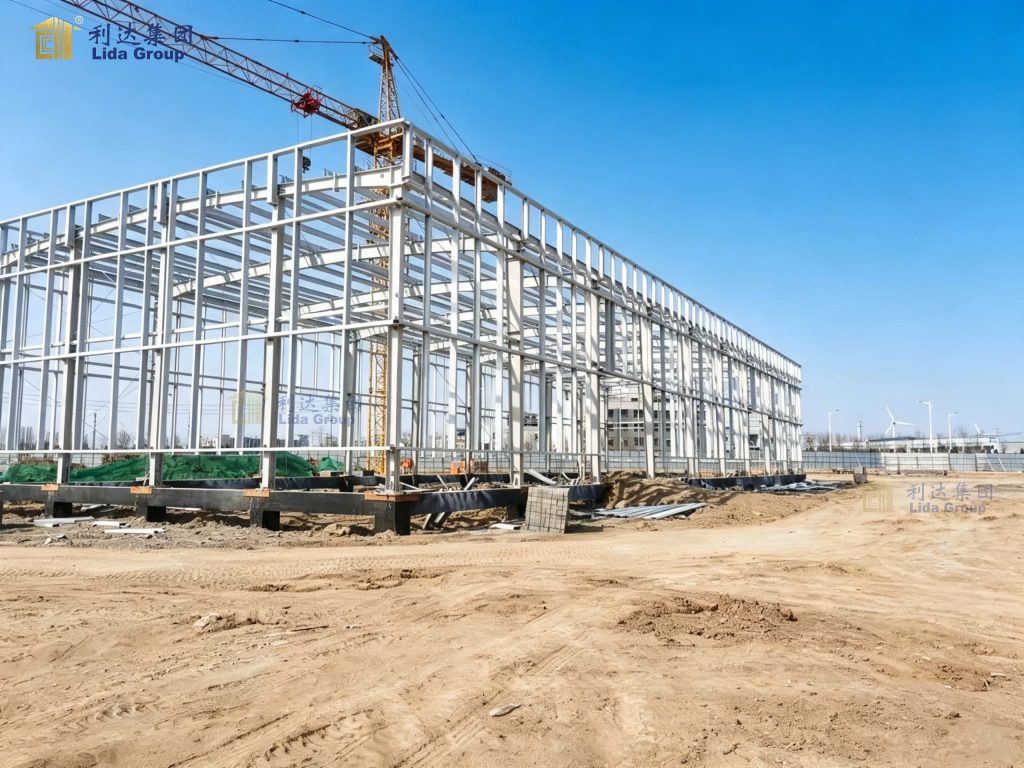
Why Steel Structures Matter in High-Rise Residential Construction
Steel has long been an important material in modern construction because of its strength, structural reliability, and adaptability.
For high-rise apartment projects, structural systems must accommodate significant vertical loads while also responding to lateral forces and other engineering requirements. Steel structures can provide high strength relative to their weight, making them suitable for a wide range of large-scale building applications.
Another important characteristic of steel is its suitability for precision manufacturing.
Steel components can be cut, welded, drilled, assembled, and finished using controlled production processes. This makes steel particularly compatible with industrialized construction.
The new facility is expected to leverage these characteristics by creating a dedicated manufacturing environment where structural and modular components can be produced according to defined specifications.
Precision is especially important when modular components need to connect with other building systems. Dimensional accuracy at the manufacturing stage can simplify assembly later and help reduce unnecessary adjustments on site.
As residential buildings become increasingly complex, this level of manufacturing coordination can play an important role in improving construction efficiency.
Mass Production of Modular Building Components
One of the central objectives of the new production facility is to support the mass production of modular building components.
Mass production does not simply mean manufacturing a large quantity of identical products. In modern construction, it means creating a repeatable production system capable of delivering standardized components while maintaining the flexibility required by different building designs.
High-rise apartment projects often contain repeated layouts. Typical floors may include multiple units with similar dimensions, structural arrangements, bathrooms, kitchens, corridors, and service areas.
This repetition creates an opportunity for industrialized manufacturing.
When components are standardized appropriately, production processes can be optimized. Workers become familiar with recurring operations, machinery can be configured for efficient production, and inspection procedures can be established around consistent requirements.
At the same time, modular components can be customized within predefined parameters to accommodate different architectural designs.
This balance between standardization and flexibility is essential.
A successful modular construction system should not force every project into the same design. Instead, it should provide a manufacturing platform capable of adapting standardized components to different building configurations.
From Factory Floor to Construction Site
The effectiveness of modular construction depends heavily on the connection between manufacturing and site installation.
A component that is easy to manufacture but difficult to transport or install does not necessarily create a more efficient construction process. Therefore, the design of modular components must consider the complete lifecycle of the building element.
This includes manufacturing, packaging, transportation, lifting, positioning, connection, inspection, and eventual maintenance.
The new facility provides an opportunity for Lida Group to coordinate these stages more closely.
Components can be manufactured according to project-specific production schedules and prepared for delivery based on the construction sequence. This can help reduce unnecessary storage at the project site and improve material flow.
Once transported to the construction location, components can be installed according to the predetermined building sequence.
Such coordination can be particularly valuable for high-rise construction, where site logistics are often complex. Limited storage space, lifting requirements, traffic management, and multiple subcontractors can make material handling challenging.
A well-organized modular supply chain can help simplify these challenges by delivering components when and where they are needed.
Improving Production Consistency
Factory manufacturing provides an environment where production processes can be monitored more systematically than many conventional on-site operations.
Temperature, equipment, tooling, material storage, production sequences, and inspection procedures can be managed within a controlled facility.
This can contribute to greater consistency between components.
For high-rise residential projects, consistency is particularly important because hundreds or even thousands of components may be required. Small deviations repeated across a large number of units can create significant difficulties during installation.
Standardized factory production provides an opportunity to identify and correct issues earlier in the process.
Quality control can be incorporated into manufacturing rather than relying entirely on final inspection after components arrive at the construction site.
This approach can help reduce rework and improve coordination between structural, architectural, and building service elements.
The result is a more controlled relationship between design specifications and physical construction.
Supporting Faster Construction Schedules
Time is one of the most important factors in residential development.
For developers, earlier completion can mean faster occupancy and earlier project returns. For contractors, efficient schedules can improve resource allocation and reduce exposure to prolonged site operations.
Modular construction can support schedule optimization by allowing certain manufacturing processes to take place in parallel with site preparation.
While foundations and other site works are being completed, modular and steel components can be manufactured at the factory.
This parallel workflow can reduce the amount of work that needs to begin only after previous construction stages have been completed.
Once the site is ready, manufactured components can be delivered and assembled according to the construction plan.
The potential schedule advantage becomes particularly relevant for large residential developments, where repeated building elements can be manufactured continuously while construction progresses.
Rather than treating the construction project as one long sequence, industrialized construction divides the process into coordinated manufacturing and assembly operations.
Optimizing Material Utilization
Material efficiency is another important consideration in modern steel structure manufacturing.
Steel components can be designed and fabricated according to detailed engineering drawings, allowing production teams to plan cutting, welding, assembly, and finishing processes more precisely.
Advanced production planning can help manufacturers improve material utilization and reduce avoidable waste.
Factory manufacturing can also provide better opportunities for material sorting, storage, recycling, and inventory management.
For a large-scale residential construction program, even small improvements in material efficiency can become significant when repeated across thousands of components.
The new production facility therefore represents not only increased manufacturing capacity but also an opportunity to establish more systematic approaches to material management.
This aligns with the broader construction industry’s movement toward more resource-efficient building methods.
Integrating Design, Engineering, and Manufacturing
The success of modular construction begins long before components reach the factory floor.
Architectural design, structural engineering, manufacturing requirements, transportation limitations, and installation procedures all need to be considered together.
A component that works well architecturally may require modification to become suitable for mass production. Similarly, a component that is easy to manufacture may not provide the best solution for transportation or site assembly.
This is why design-for-manufacturing and design-for-assembly principles are becoming increasingly important in industrialized construction.
The new facility can serve as an important link between Lida Group’s engineering capabilities and its manufacturing operations.
Through closer coordination, building components can be designed with production efficiency in mind from the beginning.
Digital drawings, production data, component specifications, and installation requirements can be coordinated before manufacturing starts. This can help identify potential conflicts earlier and reduce costly changes during construction.
The ultimate objective is to create a continuous workflow from concept and engineering through manufacturing, logistics, and installation.
Applications Beyond a Single Apartment Project
Although the new facility is focused on supporting high-rise apartment construction, its manufacturing capabilities can potentially serve a broader range of modular building applications.
Residential developments are increasingly adopting prefabricated elements because of their repetitive layouts and the need for efficient construction.
Beyond apartments, similar manufacturing principles can be applied to hotels, student residences, workforce accommodation, senior living facilities, mixed-use developments, and other multi-unit buildings.
The ability to produce standardized components at scale creates opportunities for developers working on multiple projects.
A mature manufacturing system can potentially support different building designs while maintaining a consistent production framework.
This is particularly valuable for companies seeking to expand modular construction across multiple markets.
Instead of establishing a completely new construction process for every project, manufacturers can develop a core production system and adapt it to individual requirements.
Enhancing Worker Safety
Moving selected construction activities from the job site into a factory can also create opportunities to improve working conditions.
Construction sites can involve elevated work, difficult weather conditions, congested work areas, moving equipment, and multiple simultaneous operations.
Factory environments can provide greater control over many of these factors.
Workstations can be organized according to specific manufacturing processes, equipment can be positioned systematically, and production procedures can be standardized.
However, factory production does not eliminate construction safety responsibilities. Both manufacturing and installation require appropriate safety management, training, equipment, and supervision.
The advantage is that repetitive manufacturing tasks can be performed in an environment specifically designed for production rather than under constantly changing site conditions.
For large-scale residential projects, improving safety and efficiency together can contribute to a more sustainable construction workflow.
Building a More Responsive Supply Chain
Modern construction increasingly depends on reliable supply chains.
Delays in steel, components, equipment, or interior materials can have a direct impact on project schedules. A dedicated manufacturing facility gives a company greater control over part of the supply chain.
Instead of relying entirely on external suppliers for every component, an integrated manufacturing operation can coordinate production around project requirements.
This can improve planning and provide greater visibility into manufacturing schedules.
For international construction projects, supply chain management can be even more important. Transportation distances, customs procedures, local regulations, and market conditions can all affect delivery.
A standardized production system can help prepare components more systematically for shipment and installation.
The result is a more coordinated relationship between factory production and project execution.
The Changing Role of the Construction Factory
The concept of a construction factory is changing.
In the past, a factory associated with construction might have been viewed primarily as a place where individual materials or structural components were produced.
Today, advanced construction manufacturing is increasingly becoming an integrated production system.
Engineering information can flow directly into manufacturing. Components can be produced according to digital specifications. Quality inspections can be documented during production. Logistics can be planned according to installation sequences.
This creates a more connected construction ecosystem.
Lida Group’s new steel structure production facility represents this transition from traditional fabrication toward a more industrialized approach to building production.
The factory is not simply producing steel. It is creating a manufacturing platform designed to support modular construction at scale.
That distinction is important because the future of modular construction will depend not only on individual products but also on the efficiency of the systems used to manufacture and deliver them.
Meeting the Growing Demand for Urban Housing
Urbanization continues to place pressure on housing supply in many regions.
Cities need to accommodate growing populations while dealing with limited land, rising construction costs, labor shortages, and increasing expectations for building quality.
High-rise apartment buildings can provide a practical way to increase residential density, but traditional construction methods can be time-consuming and resource-intensive.
Industrialized construction provides another option.
By manufacturing selected components in factories and assembling them efficiently on site, developers can explore new approaches to delivering multi-unit housing.
The new Lida Group facility is positioned to support this trend by increasing the company’s ability to manufacture modular building components at scale.
Its focus on high-rise apartment construction reflects the growing importance of industrialized residential development.
Combining Efficiency with Architectural Flexibility
One common concern about modular construction is that standardization may limit architectural creativity.
In reality, standardization and flexibility can coexist when systems are designed properly.
The objective is not to make every apartment building identical. Instead, manufacturers can standardize the underlying components, connection methods, production processes, and quality requirements while allowing architects to create different building layouts and appearances.
This approach can provide a useful balance.
Developers can benefit from repeatable manufacturing and predictable production, while architects retain the ability to respond to site conditions, market preferences, and building requirements.
For Lida Group, developing a flexible manufacturing platform can therefore be as important as increasing production capacity.
A Long-Term Investment in Modular Construction
Breaking ground on a new production facility represents a long-term commitment.
The construction industry is unlikely to shift completely from conventional methods to modular construction overnight. Instead, the transition will involve a gradual integration of factory manufacturing, prefabrication, modular systems, digital coordination, and traditional construction.
A dedicated steel structure facility can help support this transition by providing the infrastructure needed for larger-scale production.
As demand increases, manufacturing capacity can become an important competitive advantage.
The facility also creates opportunities for process improvement. As more projects are manufactured using standardized systems, production teams can collect experience, refine workflows, improve component design, and optimize installation procedures.
Over time, these improvements can strengthen the overall modular construction system.
Conclusion
Lida Group’s groundbreaking of a new steel structure production facility marks an important development in the company’s approach to industrialized and modular construction.
Designed to support the mass production of modular building components for high-rise apartment construction, the facility brings together steel structure manufacturing, factory-based production, engineering coordination, and modular building technology.
Its significance extends beyond increased production capacity. The project reflects a broader transformation in construction—one in which more building processes are moved into controlled manufacturing environments and coordinated with site installation through carefully planned workflows.
For high-rise residential construction, this approach can offer valuable advantages in production consistency, material efficiency, schedule management, logistics, and quality control. It can also support the development of safer and more systematic construction processes.
At the same time, modular construction does not have to mean sacrificing architectural flexibility. With appropriate engineering and manufacturing systems, standardized components can be adapted to different residential designs and project requirements.
As cities continue to seek efficient ways to deliver high-quality housing, industrialized construction is likely to play an increasingly important role. Lida Group’s investment in a dedicated steel structure production facility demonstrates a commitment to this direction and provides a manufacturing foundation for future modular building projects.
Ultimately, the new facility represents more than a new production site. It is a step toward a more integrated construction model—where design, engineering, manufacturing, logistics, and on-site assembly work together to make high-rise residential construction faster, more efficient, and more reliable.
Related news
-
Researchers design prefab mobile house made with lightweight metal frame and assembled off-site at Lida Group using insulated composite sandwich wall panels
2026-09-02 17:49:37
-
Lida Group develops standardized modular container house system for rapid deployment of transitional housing communities in disaster impacted regions.
2026-08-28 13:50:53
-
Lida Group develops standardized prefabricated steel structure building system for fireproof chicken houses to support expanding commercial poultry operations.
2026-08-28 13:23:07
contact us
- Tel: +86-532-88966982
- Whatsapp: +86-13793209022
- E-mail: sales@lidajituan.com
