



Heavy-Duty Site Solutions: Why Lida Modular Camps Are Ideal for Desert and Arctic Energy Operations
2026-Oct-19 11:49:19
By Admin
01 Introduction: Housing the People Who Power the World
Some of the most important energy projects on Earth are located in the least forgiving environments. Desert fields bake under relentless heat and blowing sand, while arctic operations endure brutal cold, biting wind, and months of darkness. Both extremes share a common challenge: the workforce that keeps these operations running needs a safe, comfortable place to live, and the building that shelters them must withstand conditions that would quickly defeat an ordinary structure. Lida Group has built its reputation on meeting exactly this challenge with modular camps designed specifically for heavy-duty use in the world’s harshest energy regions.
This article explains why Lida’s modular camps have become the preferred choice for desert and arctic energy operations. It examines the engineering that makes the units survive extreme heat and extreme cold, the systems that keep occupants comfortable when conditions turn hostile, and the practical advantages of a factory-built camp that can be deployed quickly and relied upon for years. The goal is to show operators that a Lida camp is not simply shelter but a complete solution engineered for the demands of the most difficult sites on the planet.
02 The Desert Challenge: Beating Heat, Sand, and Sun
A desert energy site presents a specific set of threats. Daytime temperatures can soar to levels that make ordinary buildings unbearable, while the sun pours heat into every exposed surface for most of the year. Sand and dust are ever-present, working their way into gaps, coating interiors, and wearing down equipment. Nights can be surprisingly cold, meaning the building must respond to a wide swing in conditions over a single day. A camp that fails to manage any one of these factors quickly becomes unfit for the workforce it is meant to house.
Lida’s desert camps are engineered with this environment in mind. High-performance insulation is installed continuously across the envelope to slow the transfer of heat, so that the interior stays cool even when the sun is at its strongest. The cladding is sealed against the ingress of sand and dust, keeping the living spaces clean and the mechanical systems protected. Shading and ventilation work together to reduce the load on cooling systems, and efficient climate control keeps the interior at a comfortable temperature without wasting energy. The result is a camp that remains livable through the most punishing desert conditions.
There is also a durability story to the desert design. Ultraviolet radiation degrades lesser materials over time, causing coatings to fade and seals to fail. Lida selects materials and finishes that resist this damage, so that the camp keeps its performance and appearance for years of service. When an operation must continue through a long desert season, the reliability of the building is as important as its comfort, and Lida’s desert camps deliver both.
03 The Arctic Challenge: Holding Warmth Against the Cold
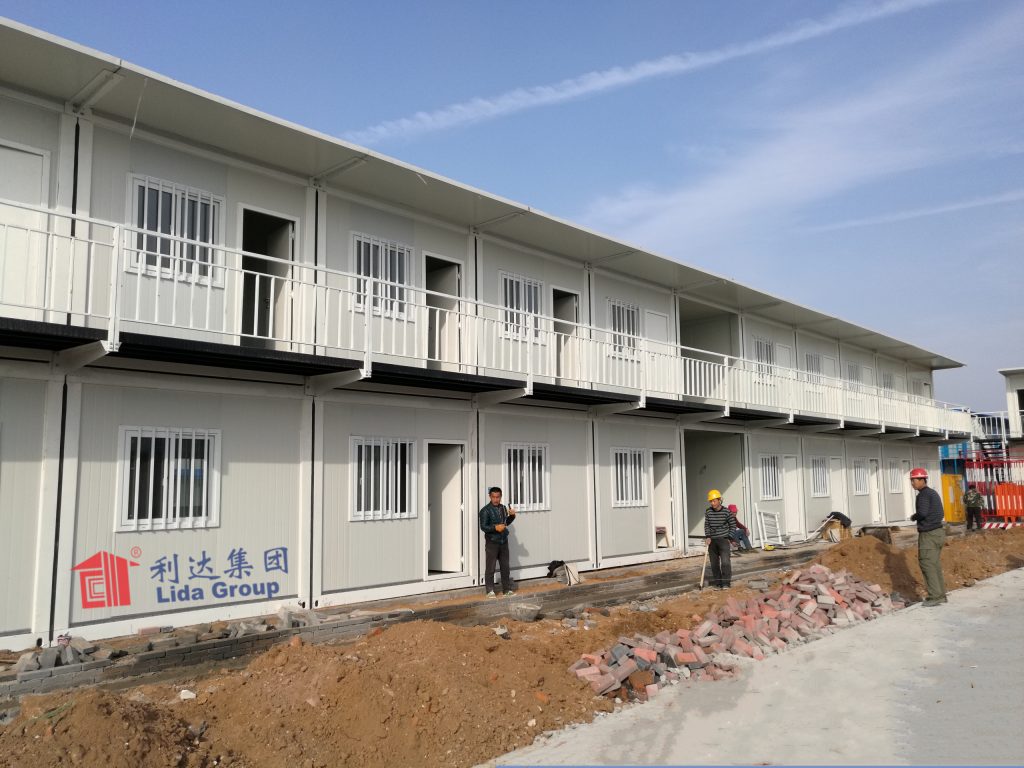
The arctic presents the opposite problem, but one that is just as demanding. Extreme cold drains heat from any structure, and strong winds drive that heat loss further. Frozen ground makes foundations difficult, and the long polar night means that light and warmth must come entirely from the camp itself. Moisture is also a hidden enemy, because warm, humid air meeting a cold surface condenses and freezes, damaging insulation and structure over time. A building that is not designed for these conditions will fail, often at the worst possible moment.
Lida’s arctic camps are built to hold warmth against the cold. Thick, high-quality insulation is installed with careful attention to eliminating thermal bridges, the points where heat escapes through the structure. The envelope is designed to be airtight, keeping warm air inside and preventing the condensation that ruins lesser buildings. Windows and doors are selected for their insulating performance and fitted with seals that remain effective at very low temperatures. The result is an interior that stays warm and dry through the fiercest arctic winter, protecting both the occupants and the building itself.
The structure is also engineered for the physical demands of frozen terrain. The steel frame is designed to handle the loads imposed by snow and ice, and the camp can be mounted on a foundation that works with the ground conditions, whether that means a raised platform or a system that adapts to permafrost. Reliability matters in the arctic, where a failure can be dangerous as well as costly, and Lida’s arctic camps are built to keep operating when conditions are at their most severe.
04 Comfort That Keeps the Workforce Performing
In an extreme environment, comfort is not a luxury; it is essential to the safe and efficient operation of the site. A worker who cannot rest properly in a desert heat or an arctic cold is a worker who cannot perform safely the next day, and that creates risk for the entire operation. Lida designs its camps so that the interior environment supports recovery, with reliable heating in cold climates and effective cooling in hot ones, steady power for lighting and equipment, and fresh air that keeps the space feeling alive rather than stale.
Comfort extends beyond temperature to the way the camp is arranged. Sleeping quarters are laid out to give each worker personal space and privacy, while shared areas provide room for cooking, eating, and relaxing after a shift. The layout is planned to minimize noise between berths, so that rest is not disturbed by activity elsewhere. Clean, well-equipped sanitary facilities complete the picture, ensuring that the daily routines of life are simple and dependable even far from any town. Together, these details make the difference between a camp workers merely endure and one they are glad to return to.
05 Engineered for Heavy Duty and Reliable Operation
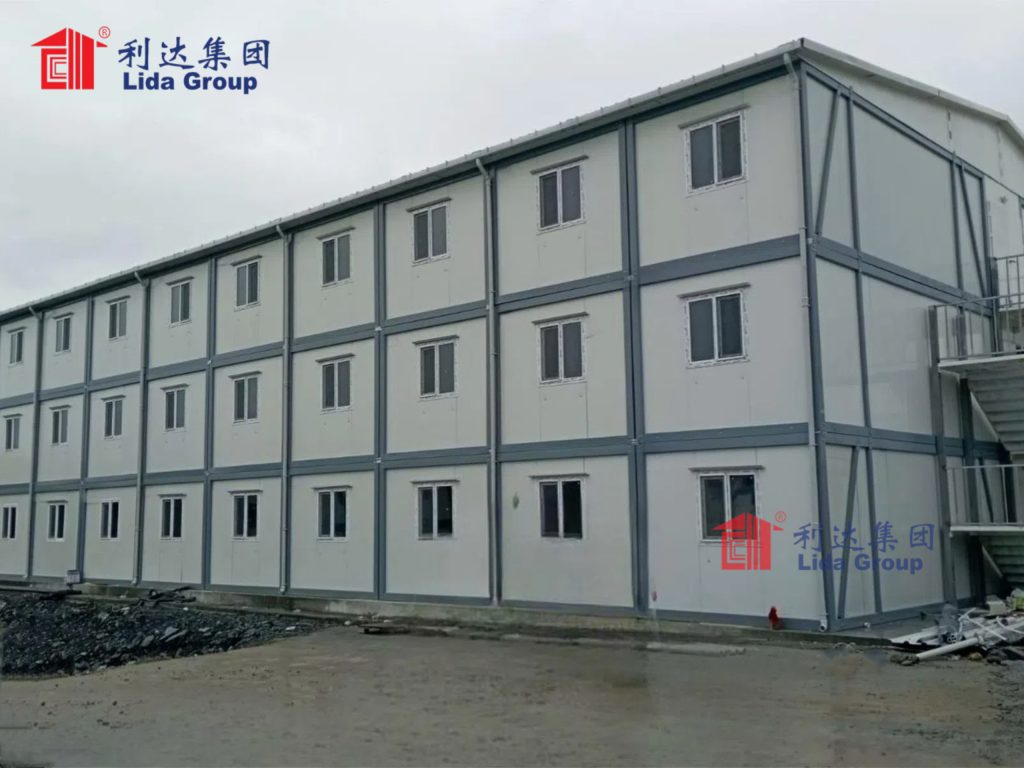
The phrase heavy-duty is not a decoration in Lida’s approach; it describes the standard to which every unit is built. The structural steel frame is chosen for its strength and designed to handle the demands of transport, stacking, and long service in severe conditions. The building is protected by a durable exterior that resists corrosion, impact, and the relentless effects of sun, sand, wind, and ice. Every component, from the cladding to the seals to the mechanical systems, is selected for its ability to keep working when conditions are at their worst.
Reliability is the payoff of this heavy-duty engineering. In a remote energy operation, a breakdown in the camp is not a minor inconvenience; it can disrupt the entire site and endanger the workforce. Lida builds its camps to avoid these failures, with systems that are proven, tested, and designed to run for years with minimal trouble. The result is less downtime, fewer emergencies, and an operation that can focus on its real work rather than on keeping its housing running.
06 Rapid Deployment Where Speed Matters
Energy projects rarely have time to spare, and housing is often on the critical path. Because Lida builds its modular camps in a controlled factory environment, the units arrive at the site complete and ready to use, needing only to be positioned and connected. This stands in contrast to conventional construction, which ties up a project for months while foundations, framing, and finishing are completed on site. For an operator facing a tight schedule, the speed of a modular camp can be the difference between starting on time and falling behind.
The modular form also brings flexibility that conventional building cannot match. A camp can be delivered in stages, added to as a project grows, or reconfigured as needs change. When an operation shifts location, units can be moved rather than abandoned, preserving their value across multiple projects. This ability to scale and relocate makes a modular camp a practical asset for energy operators, who often must adapt quickly to changing conditions in regions where conventional building would be slow and expensive.
07 Cost Effectiveness Over the Life of the Operation
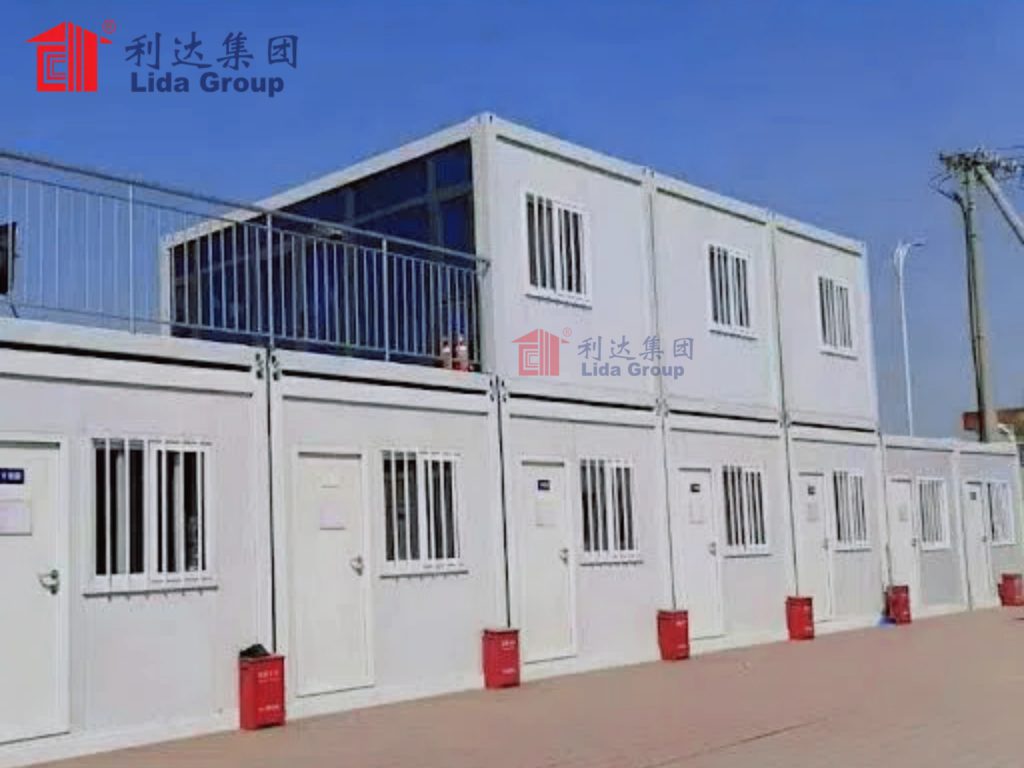
For energy operators, the cost of housing is measured not only at purchase but across the entire life of the project. Lida’s modular camps perform well on both counts. The efficiency of the envelope and the climate systems reduces energy use, which is a significant saving in remote locations where fuel must be transported at great expense. The durability of the construction reduces maintenance and repair, and the ability to relocate units extends their useful life across multiple deployments. These savings accumulate into a total cost of ownership that consistently favors a well-built modular camp.
There is also a cost to poor housing that is easy to overlook. When workers are uncomfortable or unsafe, they leave, and every departure costs the operator in recruitment, training, and transport. A camp that supports a stable, comfortable workforce reduces this turnover and the expense that comes with it. By combining efficient operation with a design that keeps people content and safe, Lida’s modular camps protect the project budget from several directions at once, delivering value that goes well beyond the initial purchase price.
08 A Complete, Integrated Camp Solution
A desert or arctic energy site needs more than sleeping quarters; it needs a complete community in miniature. Lida provides this through an integrated range that includes accommodation, sanitary facilities, kitchens, dining halls, and welfare spaces, all built to the same standard and designed to work together as a coherent camp. Because every unit shares the same systems and materials, the camp is simpler to plan, easier to operate, and more straightforward to maintain than a collection of unrelated structures.
This integration also simplifies the operator’s relationship with a single supplier. Rather than managing multiple vendors for different parts of the camp, an energy company can specify a complete solution from Lida, knowing that the units are designed to work together and backed by consistent support. Whether the requirement is a small team at a remote well or a large workforce at a major field, Lida can deliver a camp that is sized to the project and built to the same heavy-duty standard. The result is a housing solution that matches the demands of the site and the needs of the people who work there.
09 Conclusion: Built for the World’s Most Demanding Sites
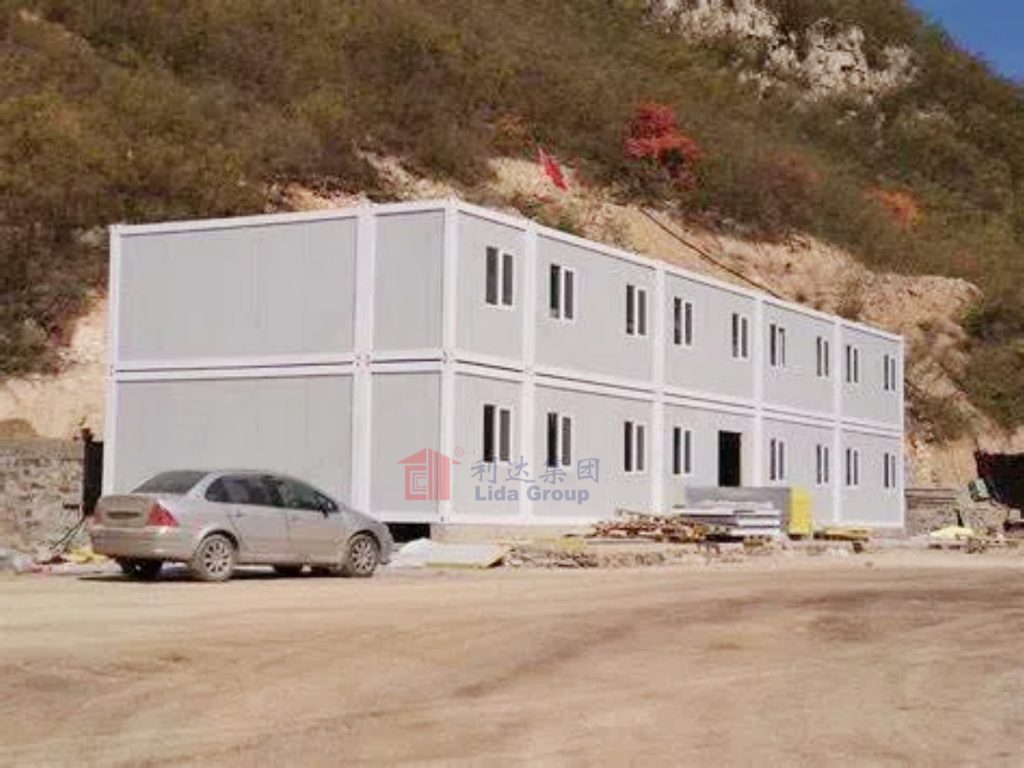
Lida’s modular camps have earned their place in desert and arctic energy operations because they are engineered for exactly the conditions those sites present. In the desert, the design beats the heat, repels sand, and resists the sun; in the arctic, it holds warmth, stops condensation, and stands against the cold. In both, the emphasis on comfort keeps the workforce safe and performing, while heavy-duty construction and reliable systems keep the camp operating without the failures that plague lesser buildings.
The advantages extend to the business of the operation as well. Rapid deployment gets housing in place when it is needed, flexibility lets the camp grow and move with the project, and efficient, durable design delivers a low total cost of ownership. For energy operators who must house a workforce in the harshest environments on Earth, Lida’s modular camps offer more than shelter; they offer a dependable foundation for the entire project. In the end, the value of a Lida camp lies not just in surviving the desert or the arctic, but in allowing the people who live there to work safely, comfortably, and at their best, day after day.
Related news
-
Cost-Effective Workforce Solutions: Rapid-Assembly Prefabricated Dormitories by Lida Group
2026-10-16 16:04:58
-
Built for Extreme Environments: Heavy-Duty Steel Warehouses & Worksite Camps for Mining Operations
2026-10-14 10:25:49
-
Innovative Prefab House Features Easy Install Sandwich Panel System
2026-09-30 13:32:21
contact us
- Tel: +86-532-88966982
- Whatsapp: +86-13793209022
- E-mail: sales@lidajituan.com
