



Introduction
The global construction industry is undergoing a profound transformation. Traditional building methods, which have dominated for centuries, are increasingly unable to meet the demands of a rapidly changing world. Population growth, urbanization, climate change, and the urgent need for affordable housing have created unprecedented pressure to find faster, more efficient, and more sustainable ways to build. At the same time, advances in materials science and manufacturing technology have opened new possibilities for construction that were unimaginable just a generation ago.
Among the most promising developments in modern construction is the prefabricated house featuring an easy-install sandwich panel system. This innovative approach to building combines the precision of factory manufacturing with the simplicity of modular assembly, creating structures that can be erected in days rather than months, at a fraction of the cost of traditional construction, and with performance characteristics that rival or exceed conventional buildings.
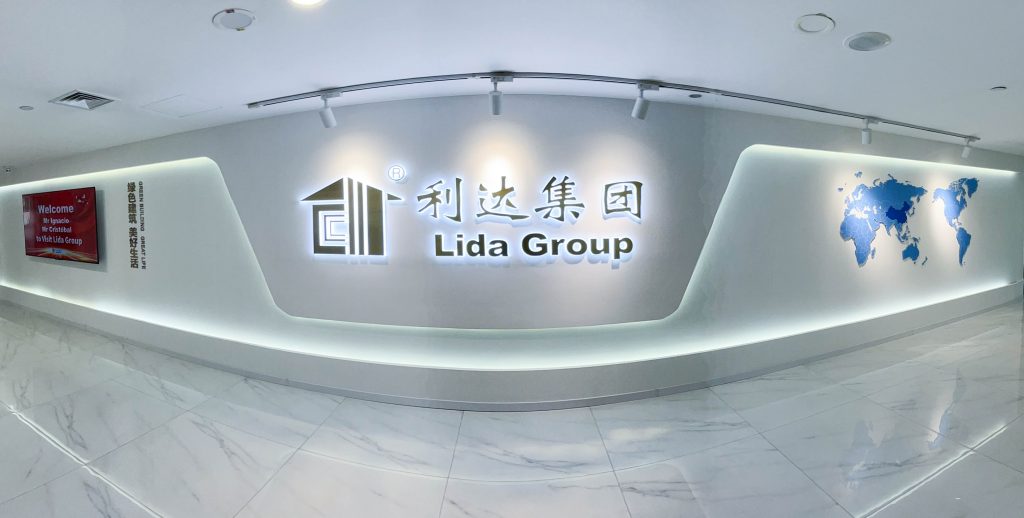
At the forefront of this revolution stands Lida Group, a global leader in integrated building engineering solutions established in 1993. With over three decades of experience, more than 5,000 completed projects across 152 countries, and a portfolio of over 60 independent patents, Lida Group has perfected the sandwich panel prefab house system—a solution that is transforming how the world builds.
The Evolution of Prefab Housing
Prefabricated housing is not a new concept. For decades, builders have experimented with off-site construction methods, seeking to reduce costs, accelerate timelines, and improve quality by moving work from the construction site to the factory. Early prefab systems, however, suffered from significant limitations. They were often flimsy, poorly insulated, aesthetically unappealing, and limited in their design flexibility. Many were suitable only for temporary use, lacking the durability and comfort of traditional buildings.
The sandwich panel prefab house represents a fundamental departure from these early efforts. By combining advanced composite materials with precision engineering, modern sandwich panel systems deliver structures that are strong, durable, energy-efficient, and visually appealing—buildings that can serve as permanent homes, not merely temporary shelters.
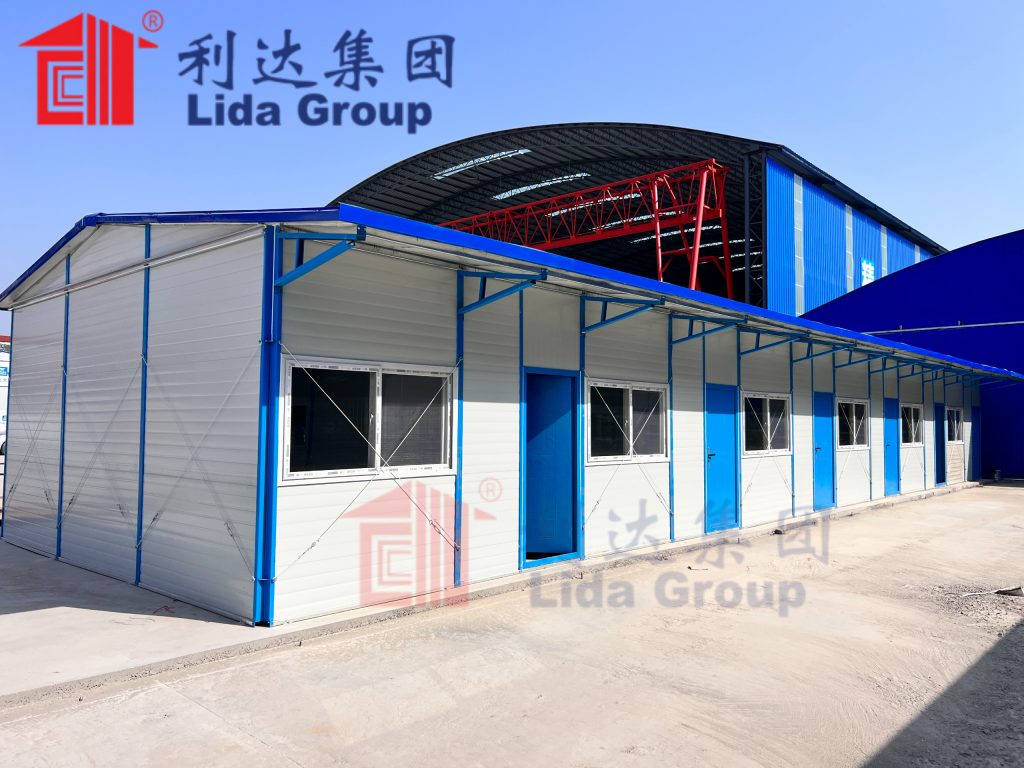
The key to this transformation lies in the sandwich panel itself. Unlike traditional building materials, which serve a single function—wood provides structure, insulation provides thermal performance, cladding provides weather protection—sandwich panels integrate multiple functions into a single component. This integration simplifies construction, reduces material requirements, and improves overall building performance.
Understanding Sandwich Panel Technology
At its most basic level, a sandwich panel consists of three layers: two outer skins and an insulating core. The outer skins, typically made from color-coated steel, aluminum, or other durable materials, provide structural strength, weather resistance, and aesthetic finish. The core, made from materials such as expanded polystyrene, polyurethane, rock wool, or fiberglass, provides thermal insulation and acoustic performance.
The genius of this configuration lies in its structural efficiency. By separating two strong, thin skins with a lightweight core, the panel achieves stiffness and strength comparable to much thicker solid materials. This principle—similar to that used in aircraft wings and modern bridges—allows sandwich panels to span significant distances while remaining remarkably lightweight.
Lida Group‘s sandwich panels are manufactured using advanced production lines that ensure precise dimensional accuracy and consistent quality. The panels are available in various thicknesses—typically ranging from 50mm to 200mm—allowing engineers to specify the appropriate thermal performance for any climate. Insulation options include expanded polystyrene for cost-effective performance, polyurethane for superior thermal efficiency, rock wool for fire resistance, and fiberglass for specialized applications.
The outer skins of Lida Group’s panels feature durable coatings that resist corrosion, fading, and impact damage. A range of colors and finishes is available, allowing buildings to be customized to match their surroundings or to reflect the preferences of their owners. The panels are also designed with interlocking edges that create weather-tight seals when assembled, ensuring that buildings remain dry and comfortable in any climate.
The Easy Install Advantage
What truly distinguishes Lida Group’s sandwich panel prefab houses is the ease with which they can be installed. Traditional construction requires skilled tradespeople—carpenters, masons, electricians, plumbers—working over extended periods to assemble a building piece by piece. The process is slow, labor-intensive, and vulnerable to weather delays.
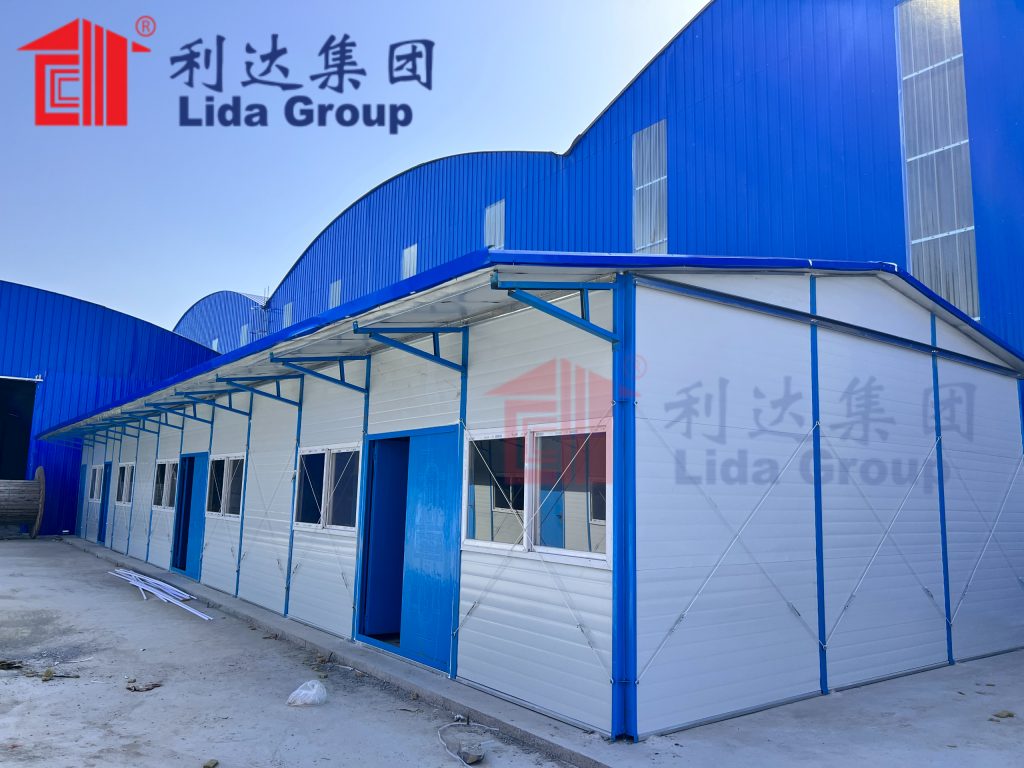
Lida Group’s sandwich panel system transforms this process. Because the panels are prefabricated in the factory, complete with insulation, finishes, and even pre-installed windows and doors, on-site work is reduced to simple assembly. The panels are lifted into position and connected using standardized fasteners, creating a weather-tight envelope in a fraction of the time required by traditional methods.
The ease of installation extends beyond the building envelope. Lida Group’s prefab houses are designed as complete systems, with all components—structural frames, wall panels, roof panels, flooring, electrical systems, plumbing—engineered to work together seamlessly. Electrical wiring can be pre-installed in the panels, eliminating the need for on-site electrical work. Plumbing connections are standardized, simplifying installation. Even interior finishes can be pre-applied, reducing the need for painting and decorating after assembly.
This integrated approach means that buildings can be erected by relatively unskilled labor, using simple tools and clear instructions. Lida Group provides comprehensive installation guides and, where required, on-site supervision to ensure that assembly proceeds correctly. The result is a building process that is fast, predictable, and accessible—even in remote locations where skilled tradespeople are unavailable.
Speed of Construction
The most visible benefit of the easy-install sandwich panel system is the extraordinary speed with which buildings can be constructed. Traditional construction of a modest house typically takes three to six months, depending on weather, labor availability, and other factors. Larger buildings may take a year or more.
Lida Group’s sandwich panel prefab houses compress this timeline dramatically. A small house can be assembled in days. A larger building—a dormitory, office, or clinic—can be completed in weeks. The company has demonstrated the capability to assemble 50 modules, approximately 1,500 square meters of living space, in a single day using advanced assembly protocols and drone-assisted positioning technology.
This speed translates into significant practical benefits. Families displaced by disasters can be rehoused quickly, reducing the trauma of displacement. Businesses can bring new facilities into service sooner, generating revenue earlier. Construction projects can proceed without the delays that plague traditional methods, reducing financing costs and improving project economics.
The speed advantage is particularly valuable in emergency situations. Following natural disasters, the need for shelter is immediate and urgent. Lida Group’s prefab houses can be manufactured in advance, stored in warehouses, and deployed rapidly when needed. The company has shipped thousands of prefab housing units to disaster zones within days of earthquakes, typhoons, and other catastrophes, providing safe, dignified shelter to affected populations.
Durability and Performance
Despite their lightweight construction and rapid assembly, sandwich panel prefab houses are remarkably durable. The steel skins of the panels resist impact, corrosion, and weather damage. The insulation cores maintain their performance over decades. The structural frames, fabricated from galvanized steel, provide strength and stability that exceed many traditional building methods.
Lida Group’s prefab houses are engineered to withstand extreme conditions. They resist wind speeds up to 180 kilometers per hour, seismic activity up to magnitude 8.0, and snow loads appropriate to their intended locations. The galvanized steel frames feature thick zinc coatings that prevent corrosion for 20 to 30 years, even in coastal or humid environments. The panels themselves are resistant to moisture, mold, and pests—problems that plague traditional wood-frame construction.
The thermal performance of sandwich panel buildings is exceptional. The continuous insulation provided by the panels eliminates the thermal bridging that occurs in traditional construction, where structural members create pathways for heat transfer. This results in lower energy consumption for heating and cooling, reducing operating costs and environmental impact. Buildings constructed with Lida Group’s sandwich panels achieve energy savings of 65 percent or more compared to traditional construction, in compliance with modern green building standards.
Applications Across Diverse Sectors
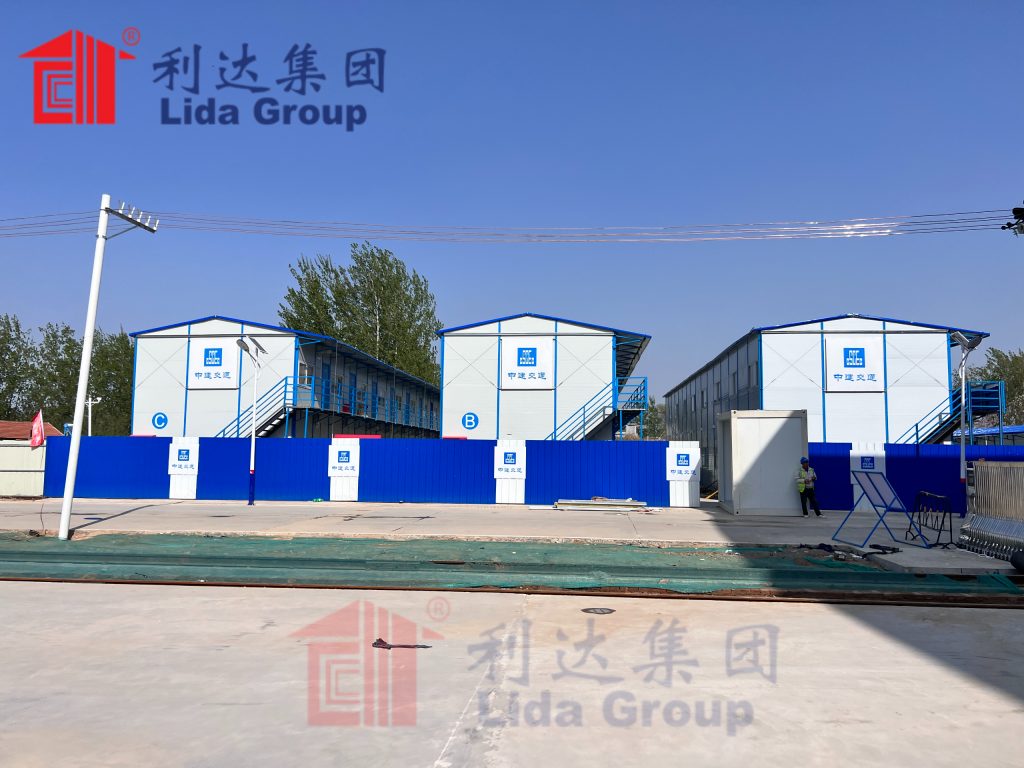
The versatility of Lida Group’s easy-install sandwich panel system has led to its adoption across a remarkable range of applications. The system’s combination of speed, durability, and cost-effectiveness makes it suitable for virtually any building type.
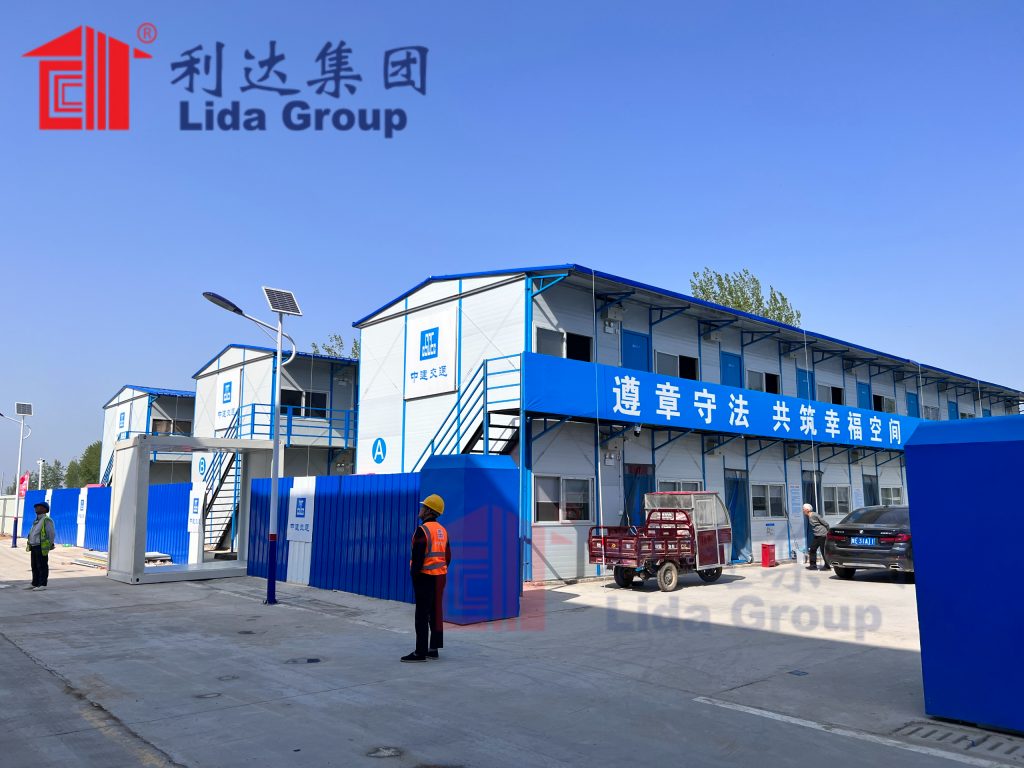
In the residential sector, sandwich panel prefab houses provide affordable, comfortable homes for families across the globe. From single-family dwellings to multi-story apartment buildings, these structures offer the quality and amenities of traditional housing at a fraction of the cost and construction time.
In the commercial sector, sandwich panel buildings serve as offices, retail spaces, and hospitality facilities. Their attractive appearance, customizable finishes, and rapid deployment make them ideal for businesses seeking to establish operations quickly and efficiently.
In the industrial sector, sandwich panel buildings provide workshops, warehouses, and manufacturing facilities. The wide-span capability of the structural system allows for large, column-free interior spaces ideal for industrial operations, while the thermal performance of the panels ensures comfortable working conditions year-round.
In the institutional sector, sandwich panel buildings serve as schools, clinics, and community centers. Their rapid deployment makes them particularly valuable in regions where educational or healthcare infrastructure is urgently needed, while their durability ensures long-term service.
In the humanitarian sector, sandwich panel prefab houses provide emergency shelter, transitional housing, and permanent resettlement solutions. Their ability to be deployed rapidly and their resistance to extreme conditions make them ideal for disaster response and refugee support.
Sustainability and Environmental Responsibility
Lida Group’s sandwich panel prefab houses embody a commitment to environmental sustainability that aligns with the growing imperative to reduce the construction industry’s carbon footprint. The prefabrication process minimizes waste by manufacturing components to exact specifications in controlled factory environments. Material savings of up to 90 percent compared to traditional construction waste levels are achievable.
The materials used in sandwich panels are recyclable. Steel skins can be recycled indefinitely without loss of quality. Insulation cores can be reprocessed into new products. This circular approach reduces the demand for virgin materials and minimizes waste at end of life.
The energy efficiency of sandwich panel buildings further enhances their sustainability. Reduced heating and cooling requirements translate into lower greenhouse gas emissions over the building’s lifetime. For buildings powered by renewable energy, the reduced energy demand allows smaller, less expensive renewable energy systems to meet the building’s needs.
Lida Group’s commitment to sustainability is validated through ISO14001 environmental management certification and adherence to international green building specifications. The company continuously invests in research and development to improve the environmental performance of its products and processes.
Conclusion
The innovative prefab house featuring an easy-install sandwich panel system represents a transformative advancement in construction technology. By integrating structural strength, thermal insulation, and weather protection into a single prefabricated component, this system delivers buildings that are faster to construct, more affordable, more durable, and more sustainable than traditional alternatives.
Lida Group’s sandwich panel prefab houses embody the full potential of this technology. With over three decades of experience, a portfolio of more than 60 patents, and a global track record spanning 152 countries, the company has perfected a building system that is genuinely easy to install, remarkably durable, and exceptionally versatile.
From residential homes to commercial facilities, from industrial workshops to institutional buildings, from disaster relief shelters to permanent communities, Lida Group’s sandwich panel prefab houses are proving their worth across diverse applications worldwide. They offer a solution to the housing challenges of our time—a way to build quickly, affordably, and sustainably without compromising on quality, comfort, or durability.
As the global community confronts the urgent need for affordable housing, resilient infrastructure, and sustainable construction, the sandwich panel prefab house will play an increasingly important role. Lida Group, with its commitment to innovation, quality, and customer satisfaction, stands ready to lead this transformation. The company’s easy-install sandwich panel system is not merely a product—it is a pathway to a future where everyone has access to safe, dignified, and sustainable housing.
Related news
-
Cost-Effective Industrial Spaces: Why Steel Workshops Outperform Traditional Buildings
2026-09-30 13:12:31
-
Rapid Deployment: Why Mining Giants Are Switching to Lida Flat Pack Containers for Site Accommodation
2026-09-28 15:34:16
-
New Lida Group Sandwich Panel Technology Enables Complete Prefabrication of Multi-story Apartment Buildings in Factory for Fast On-site Erection
2026-09-22 17:55:24
contact us
- Tel: +86-532-88966982
- Whatsapp: +86-13793209022
- E-mail: sales@lidajituan.com
