



Introduction
In the competitive landscape of modern industry, the facilities that house manufacturing, fabrication, maintenance, and storage operations directly influence productivity, operational efficiency, and ultimately, profitability. For decades, businesses seeking to construct industrial workshops faced a seemingly straightforward choice: build with traditional materials such as concrete, masonry, or timber, following time-honored construction methods that had served generations. Yet as industrial demands have evolved—requiring larger clear-span spaces, faster project delivery, greater flexibility for reconfiguration, and lower long-term operating costs—the limitations of traditional construction have become increasingly apparent.
Steel workshops have emerged as the superior alternative, offering a combination of cost-effectiveness, durability, speed of construction, and operational efficiency that traditional buildings simply cannot match. At the forefront of this transformation is Lida Group, a global leader in integrated building engineering solutions established in 1993. With over three decades of experience, more than 5,000 completed projects across 152 countries, and a comprehensive portfolio of prefabricated steel structure systems, Lida Group has demonstrated conclusively that steel workshops deliver superior value across the entire lifecycle of industrial facilities.
This article examines why steel workshops outperform traditional buildings, exploring the economic, operational, and strategic advantages that are driving businesses worldwide to make the switch.
The True Cost of Traditional Industrial Construction
To appreciate the advantages of steel workshops, one must first understand the hidden costs embedded in traditional construction methods. While initial construction estimates may appear competitive, the true cost of traditional industrial buildings extends far beyond the initial capital outlay.
Traditional construction is inherently slow. Concrete must cure, masonry must be laid course by course, and timber framing must be assembled piece by piece. These sequential processes extend construction timelines for months or even years, delaying occupancy and postponing revenue generation. During this extended period, businesses continue paying financing costs, land taxes, and administrative overhead without generating returns from the facility.
Weather represents another significant cost factor. Traditional construction is highly weather-dependent. Rain, snow, extreme temperatures, and high winds can halt work for days or weeks, extending timelines unpredictably. In regions with pronounced wet seasons, construction may be effectively impossible for months at a time, creating costly delays that ripple through project budgets.
Labor costs compound these challenges. Traditional construction requires skilled tradespeople—carpenters, masons, ironworkers, electricians—whose availability may be limited and whose wages are significant. Coordination among multiple trades on a single site often leads to conflicts, delays, and rework, further inflating costs.
The long-term costs of traditional buildings are equally significant. Wooden structures are vulnerable to termites, rot, and fire, requiring constant maintenance and eventual replacement. Masonry buildings may develop cracks and water infiltration over time, requiring expensive repairs. Concrete structures can deteriorate in harsh environments, particularly where freeze-thaw cycles or chemical exposure accelerate degradation. These maintenance requirements consume resources that could be invested in productive activities.
Steel Workshops: A Superior Economic Model
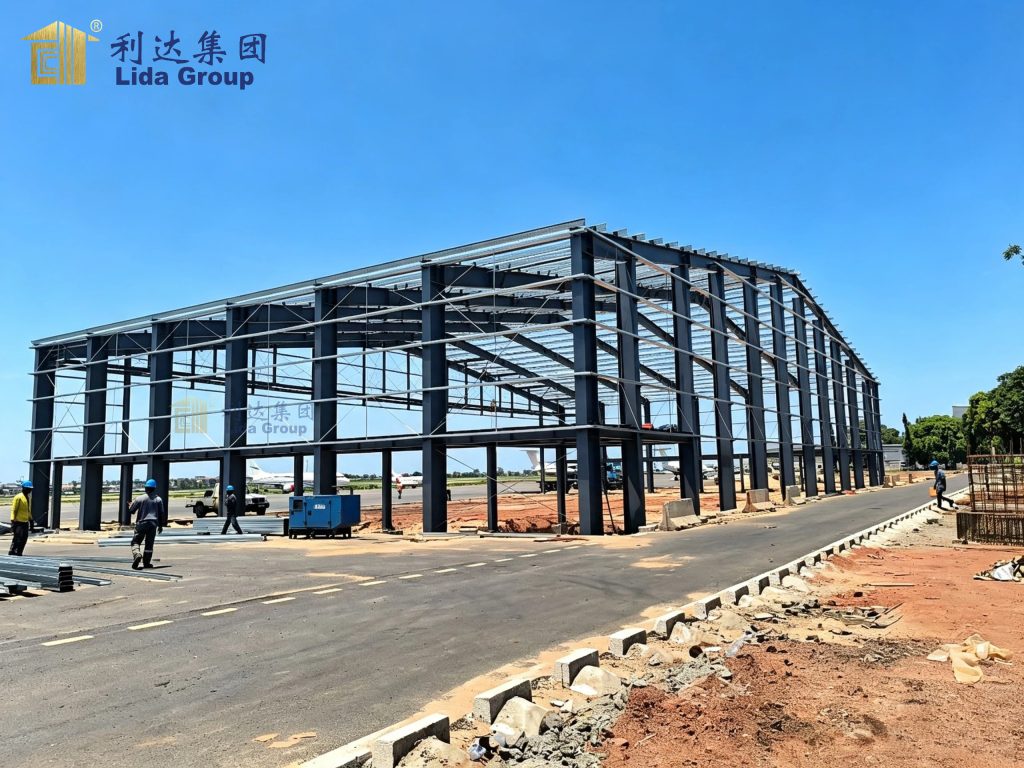
Lida Group’s steel workshop systems fundamentally alter the economics of industrial construction by addressing the inefficiencies that plague traditional methods. The result is a building solution that delivers lower total cost of ownership over the facility’s lifecycle.
Speed of Construction
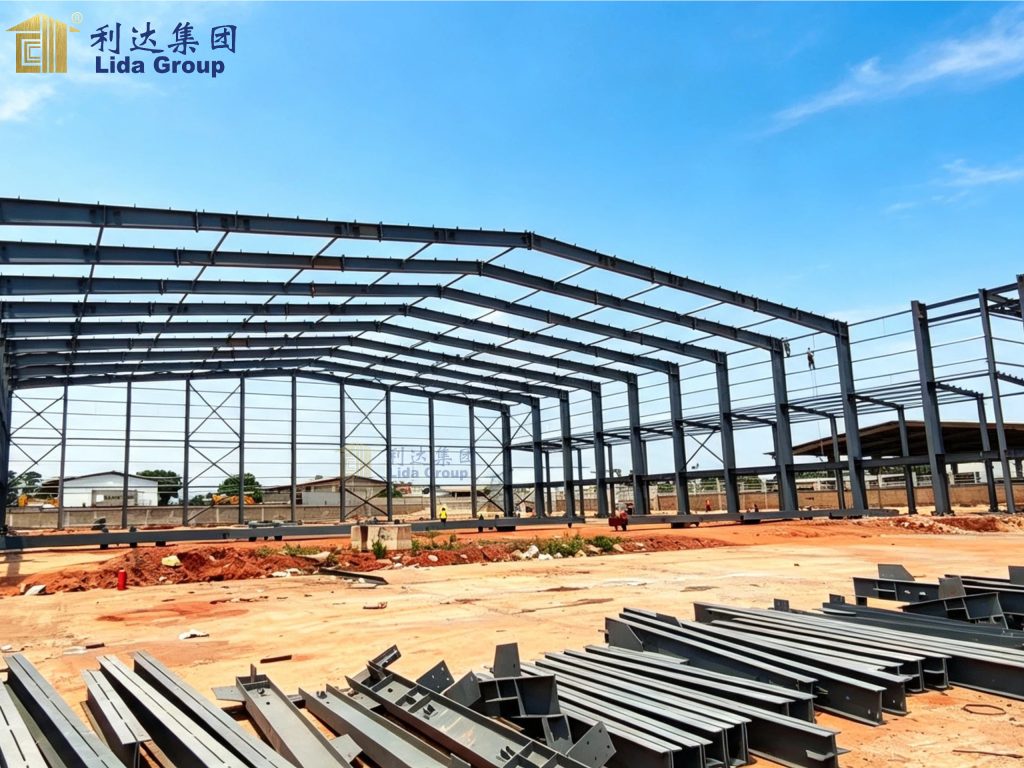
Steel workshops are prefabricated in controlled factory environments, where computerized cutting, robotic welding, and automated assembly ensure precision and consistency. Components arrive at the site ready for rapid assembly, with bolted connections replacing welding and pre-fitted panels replacing on-site fabrication.
This prefabrication approach dramatically compresses construction timelines. Lida Group has demonstrated the capability to deliver complete steel workshop facilities in a fraction of the time required by traditional methods. The company’s advanced assembly protocols, including drone-assisted positioning technology, enable rapid erection even in challenging conditions.
For businesses, this speed translates directly into economic benefits. Facilities can be brought into service sooner, generating revenue earlier and reducing the period during which capital remains tied up in unfinished construction. The time value of money—a concept that eludes many traditional construction estimates—strongly favors prefabricated steel solutions.
Weather Independence
Lida Group’s off-site manufacturing model eliminates weather as a construction risk factor. Components are produced in climate-controlled factories where external conditions have no impact on production schedules. While traditional construction sites may be idle during adverse weather, Lida Group’s factories continue producing components that will be assembled when conditions permit.
This weather independence ensures consistent progress and predictable delivery. Businesses can plan with confidence, knowing that their facilities will be completed according to schedule regardless of seasonal weather patterns.
Labor Efficiency
Steel workshop construction requires significantly less on-site labor than traditional methods. Because components are prefabricated and connections are standardized, assembly can proceed rapidly with relatively unskilled labor—a critical advantage in regions where skilled tradespeople are scarce or expensive.
The reduced labor requirement translates directly into cost savings. Fewer workers mean lower payroll costs, reduced requirements for worker accommodation and support, and simplified project management. In remote locations where labor costs are elevated, these savings are particularly significant.
Material Efficiency
Traditional construction generates substantial waste. Offcuts, packaging, and damaged materials accumulate on site, requiring disposal at additional cost. Steel prefabrication minimizes waste through precision manufacturing. Components are cut to exact specifications in controlled environments, and any offcuts are recycled—steel is among the most recycled materials on earth.
This material efficiency delivers both economic and environmental benefits. Businesses save on material costs, waste disposal fees, and the environmental impact of construction activities. Lida Group uses recycled steel in its light steel structures, with the company reclaiming 80 percent of demoed steel for reprocessing.
Durability and Long-Term Performance
The economic advantages of steel workshops extend far beyond initial construction. Over the facility’s lifecycle, steel structures deliver superior durability and lower maintenance costs that compound into substantial savings.
Steel workshops offer service lives exceeding 50 years with minimal maintenance. The galvanized steel components resist corrosion for decades, even in challenging environments. Unlike wooden structures that require treatment against termites and rot, or masonry buildings that develop cracks and water infiltration, steel buildings maintain their integrity year after year with little intervention.
This durability translates into predictable operating costs. Businesses can budget for facility maintenance with confidence, knowing that major repairs are unlikely to disrupt operations. The cost of ownership over decades is significantly lower for steel workshops than for traditional alternatives.
Steel buildings also offer superior resistance to environmental threats. They are non-combustible, reducing fire risk and potentially lowering insurance premiums. They withstand seismic activity, high winds, and heavy snow loads. They resist pests, mold, and decay. These characteristics make steel workshops particularly valuable in regions prone to natural disasters or environmental extremes.
Operational Flexibility and Adaptability
Modern industrial operations require facilities that can adapt to changing needs. Product lines evolve, equipment changes, and business requirements shift over time. Steel workshops offer superior flexibility compared to traditional buildings.
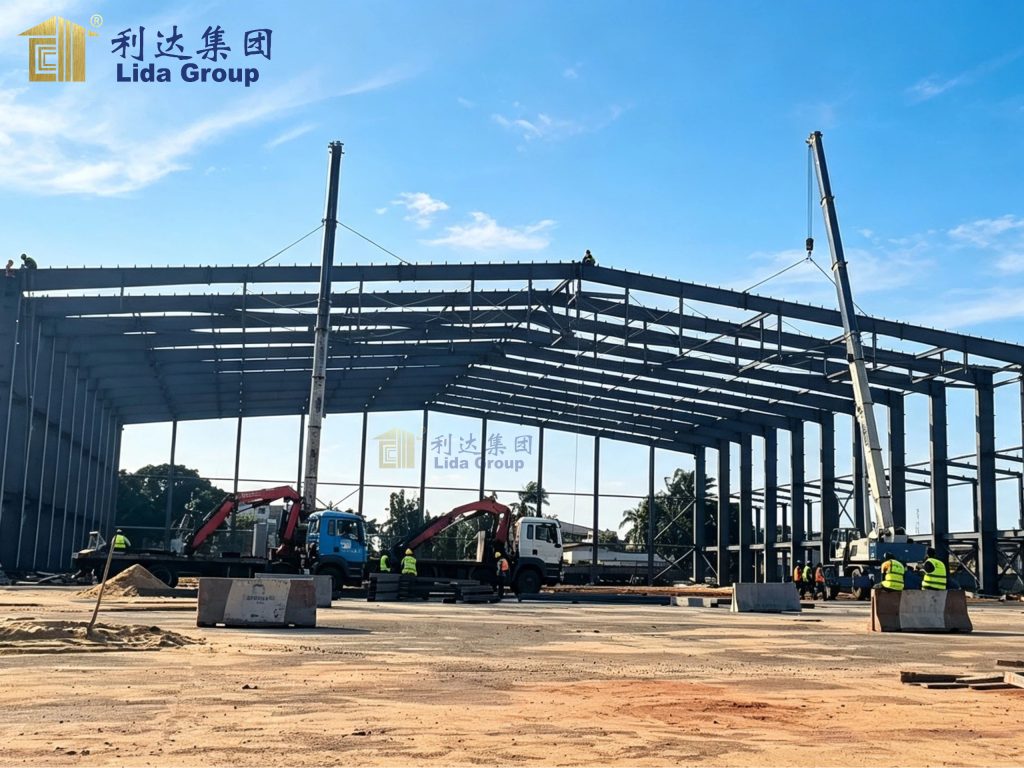
The wide-span capability of steel frames creates expansive interior spaces without columns that would obstruct operations. Lida Group’s steel structures achieve clear spans of up to 36 meters, accommodating large machinery, efficient material flow, and flexible layout configurations. This clear-span design is impossible to achieve economically with traditional materials.
Steel workshops can be easily expanded, reconfigured, or relocated. Additional bays can be added as operations grow. Interior partitions can be relocated to reconfigure workflow. If business circumstances require relocation, steel buildings can be disassembled, transported, and reassembled at a new site—a capability that traditional buildings simply cannot match.
This adaptability ensures that the initial investment in a steel workshop continues to deliver value as business needs evolve. Rather than becoming obsolete, the facility can be modified to support new requirements, extending its useful life and maximizing return on investment.
Energy Efficiency and Sustainability
Energy costs represent a significant portion of industrial operating expenses. Steel workshops with appropriate insulation and design can achieve superior energy performance compared to traditional buildings.
Lida Group’s steel workshops incorporate composite sandwich panels with insulation cores—rock wool, fiberglass, or foam—that deliver exceptional thermal performance. The panels maintain comfortable interior temperatures regardless of external conditions, reducing heating and cooling requirements. Advanced ventilation systems maintain air quality while minimizing energy consumption.
The sustainability benefits of steel workshops extend beyond energy efficiency. Steel is 100 percent recyclable, reducing environmental impact at end of life. The precision of factory manufacturing minimizes waste during construction. The durability of steel structures reduces the need for replacement over time. Together, these characteristics align industrial facilities with corporate sustainability commitments and regulatory requirements.
Real-World Applications and Proven Performance
The advantages of steel workshops have been validated through thousands of real-world projects across diverse industries and geographic regions. Lida Group’s portfolio includes numerous examples of steel workshops delivering superior performance.
In Kenya’s Rift Valley, Lida Group delivered a 5,000-square-meter steel structure warehouse for agricultural storage and equipment housing. The light steel framework was coated with anti-corrosion paint to withstand the arid climate, while the modular design allowed the client to expand the facility incrementally without major renovations.
In Fiji, Lida Group completed steel structure buildings adapted to the local tropical climate. The structures utilized H-shape steel frames and hot-dip galvanized steel sheets, ensuring durability against high temperatures, rainfall, and humidity. The completed buildings gained high praise from the client for their sturdiness, flexibility, and climate resilience.
In Brazil, Lida Group’s 2025 vertical farm project in São Paulo utilized a modular light steel structure framework to support 12 levels of agricultural production. The steel structure’s seismic-resistant joints protected the facility from Brazil’s frequent earthquakes, ensuring uninterrupted production.
These projects, drawn from Lida Group’s portfolio of more than 5,000 completed steel structure buildings across 152 countries, illustrate the consistent advantages that steel workshops deliver across diverse applications.
Conclusion
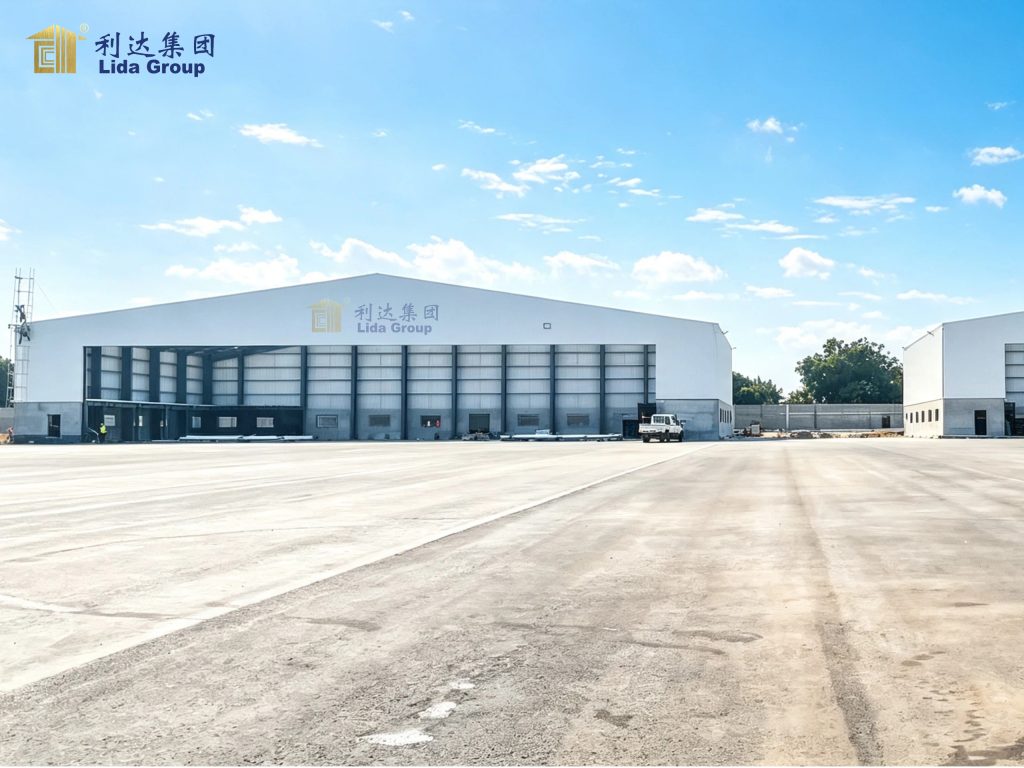
Steel workshops outperform traditional buildings across every dimension that matters to industrial businesses. They are faster to construct, delivering facilities in weeks rather than months. They are more cost-effective, with lower initial costs, reduced labor requirements, and minimal waste. They are more durable, with service lives exceeding 50 years and minimal maintenance requirements. They are more flexible, accommodating expansion, reconfiguration, and relocation as business needs evolve. And they are more sustainable, with recyclable materials, superior energy performance, and reduced environmental impact.
Lida Group’s steel workshop systems embody these advantages, combining advanced engineering, industrial-scale manufacturing, and proven project delivery to create industrial spaces that deliver exceptional value. With over three decades of experience, a portfolio of more than 60 patents, and a global track record spanning 152 countries, Lida Group has established itself as the trusted partner for businesses seeking cost-effective, high-performance industrial facilities.
As global competition intensifies and as businesses seek every possible advantage in efficiency and productivity, the case for steel workshops becomes ever more compelling. Traditional construction methods, with their inherent inefficiencies and limitations, cannot meet the demands of modern industry. Steel workshops, particularly those engineered and delivered by Lida Group, offer a superior path forward—one that delivers facilities faster, at lower cost, and with greater long-term value.
For businesses considering industrial construction or expansion, the choice is clear. Steel workshops outperform traditional buildings in every way that matters. The decision to specify steel is not merely a construction choice—it is a strategic investment in operational excellence, financial performance, and long-term success.
Related news
-
Rapid Deployment: Why Mining Giants Are Switching to Lida Flat Pack Containers for Site Accommodation
2026-09-28 15:34:16
-
New Lida Group Sandwich Panel Technology Enables Complete Prefabrication of Multi-story Apartment Buildings in Factory for Fast On-site Erection
2026-09-22 17:55:24
-
Lida Group Innovates Construction with Container Prefab Houses for Rapid Deployment in Emergency Situations
2026-09-17 16:38:19
contact us
- Tel: +86-532-88966982
- Whatsapp: +86-13793209022
- E-mail: sales@lidajituan.com
