



**Introduction**
In the world of large‑scale industrial projects, the challenge of housing a remote workforce has traditionally been viewed as an unavoidable and often inefficient cost. Construction, mining, oil and gas, and infrastructure development projects have long relied on either expensive, time‑consuming conventional buildings or substandard temporary camps. However, industry leaders are now recognizing that modern prefabricated container accommodation can reverse this paradigm. Lida Group, a global leader in modular construction since 1993, has developed a comprehensive suite of efficient prefabricated container worker accommodation solutions that set new benchmarks for speed, durability, comfort, and sustainability.
Headquartered in Qingdao and with manufacturing facilities in Weifang , Lida Group has completed over 5,000 projects in more than 152 countries, holding ISO9001, ISO14001, ISO45001, and EU EN1090 (CE) certifications, and having passed rigorous third‑party inspections by SGS, TUV, and BV. Its product portfolio includes container houses, flat‑pack housing units, steel structure buildings, and complete integrated camp systems. This article explores why Lida Group’s efficient prefabricated container accommodation solutions have become the definitive answer for organisations seeking reliable, scalable, and cost‑effective workforce housing anywhere in the world.
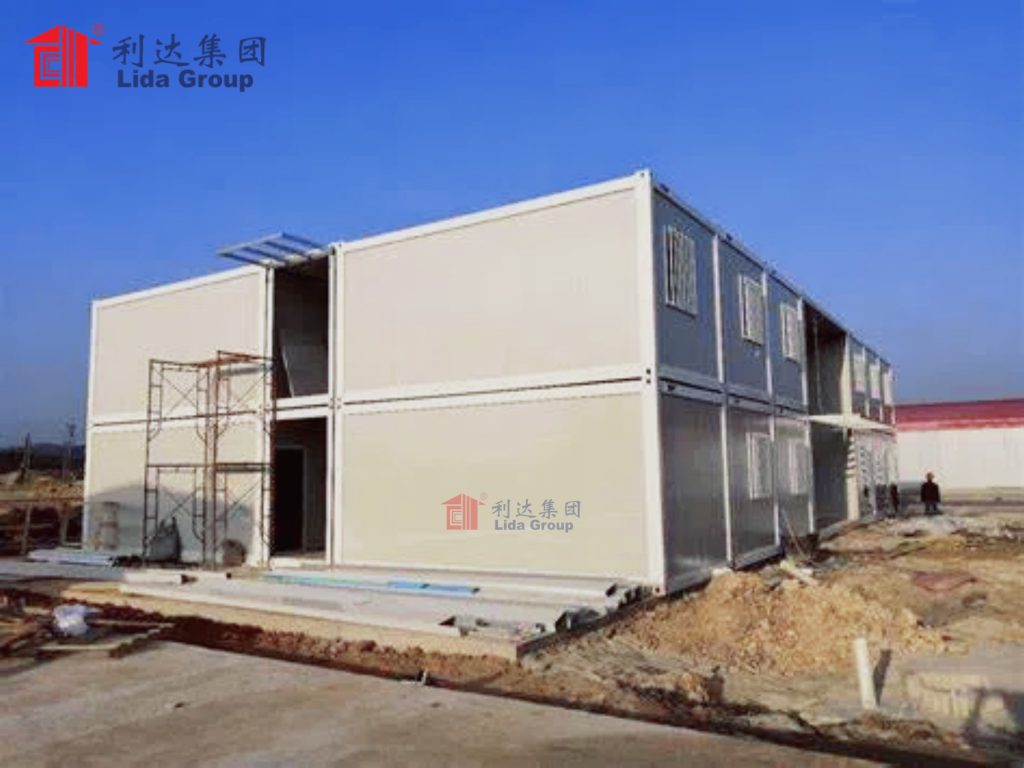
**Chapter 1: The Efficiency Advantage – Redefining Workforce Housing**
Traditional workforce accommodation has been plagued by long construction times, high costs, and poor living conditions. Lida Group’s efficient solutions tackle these challenges at every stage of the project lifecycle.
**1.1 Factory Prefabrication: Precision and Speed**
The core of Lida Group’s efficiency lies in its controlled factory environment. Using state‑of‑the‑art production lines, components such as wall panels, floor cassettes, and structural frames are manufactured with robotic precision within tolerances of just 0.2mm – a level of quality that is impossible to achieve in a windswept field. All electrical wiring, plumbing, insulation, and interior finishes are integrated into the components before they leave the factory, eliminating the sequential dependency of trades on‑site.
This approach yields dramatic time savings. Where a traditional 100‑unit workforce camp might take 12‑18 months to construct, Lida Group’s prefabricated solutions can deliver a fully operational camp in just 4‑6 weeks. For a 500‑person camp, the assembly time can be as low as 10‑15 days – a reduction of more than 60% compared to conventional building methods.
**1.2 Flat‑Pack Design: Logistics Optimised**
Lida Group’s flat‑pack container houses are engineered for maximum transport efficiency. Unlike bulky volumetric modules, flat‑pack systems ship as compact bundles of panels and components. Four separate container houses can be packed into a single standard 20‑foot shipping container, reducing shipping volume by up to 75% and slashing freight costs. This design also allows components to be transported along narrow mountain roads or carried by helicopter to roadless sites, giving Lida Group’s solutions unparalleled accessibility.
**1.3 Parallel Processing and Rapid Assembly**
Time savings are achieved by running critical work streams in parallel: while site crews install screw‑pile foundations (which require no concrete curing), factory production lines simultaneously assemble the building modules. Once components arrive, assembly is lightning‑fast. A team of 4‑6 general labourers, equipped with basic tools and guided by colour‑coded components, can erect a complete 20‑foot container house in just 4‑8 hours. In a recent project in Eastern Europe, prefabricated modules were manufactured in 25 days, shipped flat‑packed, and subsequently assembled by a six‑person crew into a complete 50‑unit camp that was operational in just 3‑4 weeks – 30% faster than traditional methods.
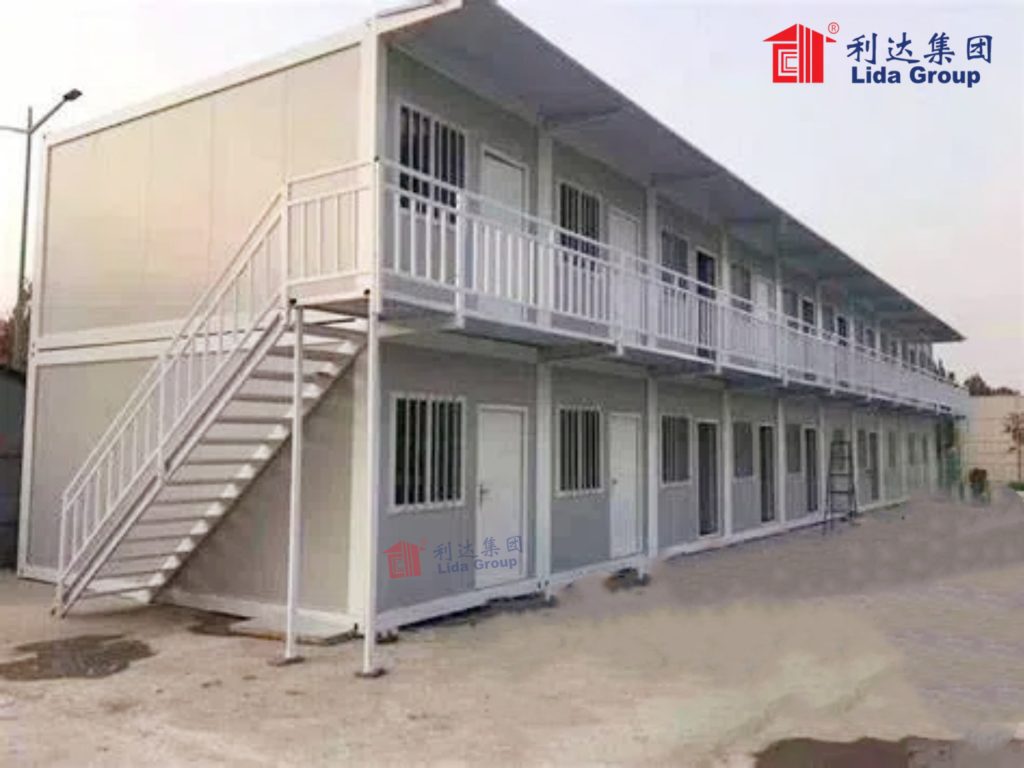
**Chapter 2: Engineered for Durability and Worker Comfort**
Efficiency is not merely about speed; it is also about long‑term reliability and the quality of the living environment. Lida Group’s container accommodation is engineered to provide superior durability and thermal comfort that directly improves worker retention and morale.
**2.1 Robust Steel Framework**
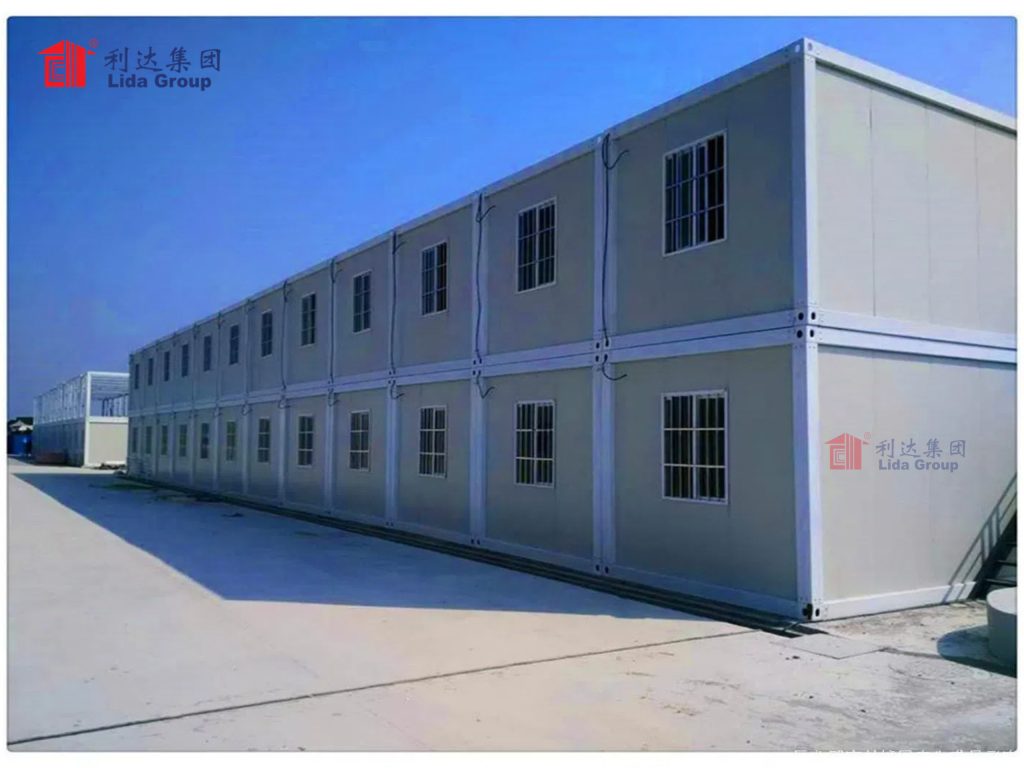
All units are built with high‑strength cold‑rolled galvanised steel, using Q235B or Q345 grade steel for the main frame. The floor frames have a thickness of 3.5mm, while the corner pillars are made of 3mm thick steel. These robust structural specifications deliver a floor live load of 2.0 KN/m², a roof live load of 0.5 KN/m², and wind resistance of up to 0.6 KN/m² – equivalent to 120‑150 mph (level 12) winds. The units are rated for Grade 8 earthquake resistance and can be stacked up to three stories high, making them suitable for use in seismically active areas and cyclone‑prone regions.
To ensure long service lives, all steel components receive a multi‑layer anti‑corrosion coating: an epoxy primer (20‑40 μm) followed by a polyurethane finishing coat (40‑50 μm), with galvanised components featuring a zinc layer exceeding 10 μm (≥80g/m²). This protection allows the units to perform reliably for 15‑20 years or more, even in harsh coastal or industrial environments.
**2.2 Superior Thermal Insulation**
Worker comfort is critical for productivity and retention. Lida Group’s sandwich panel construction – consisting of 75mm thick fibre‑glass insulation (density ≥50kg/m³, Grade A non‑flammable) for walls and 100mm fibre‑glass insulation with aluminium foil for roofs – provides exceptional thermal performance. The thermal conductivity coefficient of the wall assembly is K=0.442 W/(m·K), meaning that with outdoor temperatures at 0°C, indoor temperatures can be maintained above 17°C without excessive heating; with outdoor temperatures reaching 30°C, interiors stay around a comfortable 21°C. For extreme climates, enhanced insulation options are available, including 150mm rock wool panels that ensure stable internal temperatures across ranges from -45°C to +50°C.
In addition, double‑glazed PVC sliding windows (5mm double glass, mosquito screens, and security bars) provide both thermal and acoustic insulation, and the combination of steel mass and dense insulation creates an effective sound barrier, shielding workers from the noise of heavy machinery.
**2.3 Quality Amenities Built In**
Lida Group’s container accommodation units come with integrated, high‑quality amenities. Each 20‑foot unit (approximately 16 square metres) can be configured to include a comfortable sleeping area with a quality mattress, ample personal storage, a small workstation, and a private bathroom with shower, toilet, and sink. The units are pre‑wired with a comprehensive electrical package (rated power 5.0 kW, dual LED tube lights, five outlets including a 16A circuit for air conditioning) and pre‑plumbed for plug‑and‑play connection. All electrical systems are housed in CE‑certified, IP44 standard distribution boxes, with industrial sockets fixed in explosion‑proof boxes at the top beam for added safety.
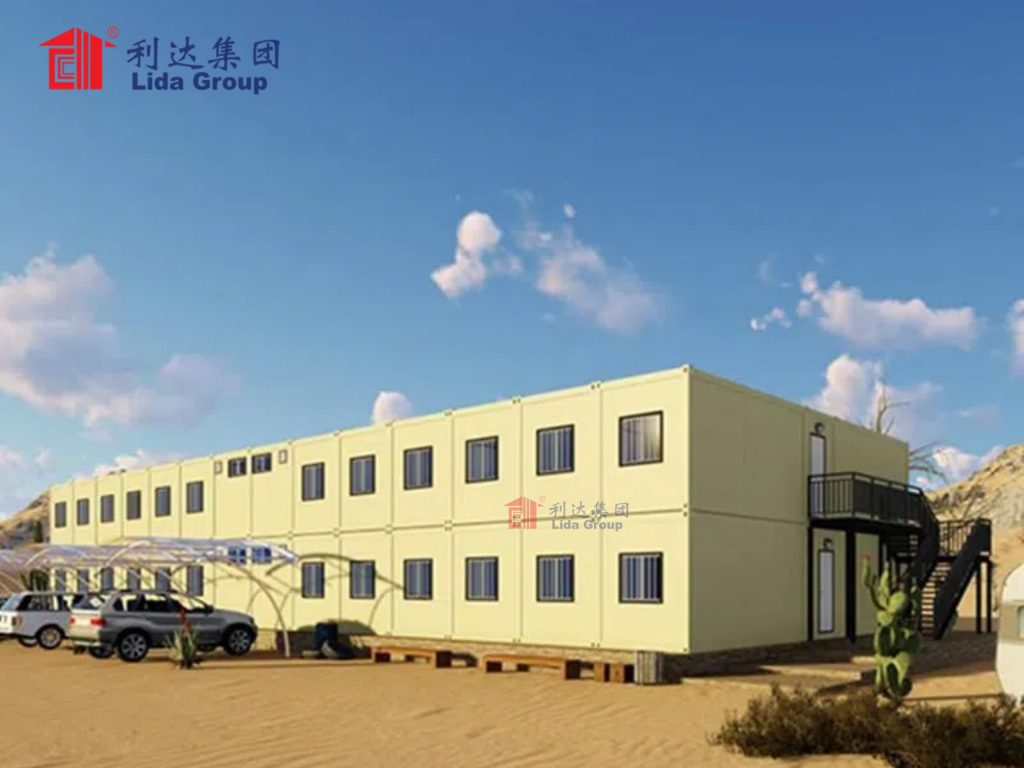
**Chapter 3: Scalable and Flexible – Adapting to Project Needs**
One of the most powerful aspects of Lida Group’s solutions is their inherent modularity. Camps can be designed to start small – perhaps just a core of 20‑30 units for an initial crew – and then expand incrementally as workforce numbers grow. Additional units are added without disrupting existing operations, thanks to bolted connection systems that allow rapid, welding‑free integration. The same modularity means that when a project phase concludes, camps can be easily contracted or reconfigured, and the units can be disassembled, relocated, and reassembled more than six times without loss of structural integrity, offering a circular economy approach that traditional site‑built camps cannot match.
Lida Group’s product range includes several interchangeable types:
– **Durable Modular Container Dormitory Series:** The flagship workforce housing solution, suitable for large‑scale camps.
– **Residential Container Homes:** For permanent or long‑term housing applications.
– **Office Container Buildings:** For site administration, project offices, and field coordination.
– **Expandable Container Homes:** Featuring sliding or fold‑out sections that double or triple usable floor space while maintaining compact shipping dimensions.
– **Flat‑Pack Container Homes:** For projects with stringent transport constraints.
– **Modular Shipping Container Homes:** For multi‑storey configurations such as apartment hotels or mixed‑use developments.
This comprehensive portfolio means that a single supplier can meet all the accommodation needs of a remote project, from sleeping quarters and dining facilities to medical clinics, recreation centres, and site offices.
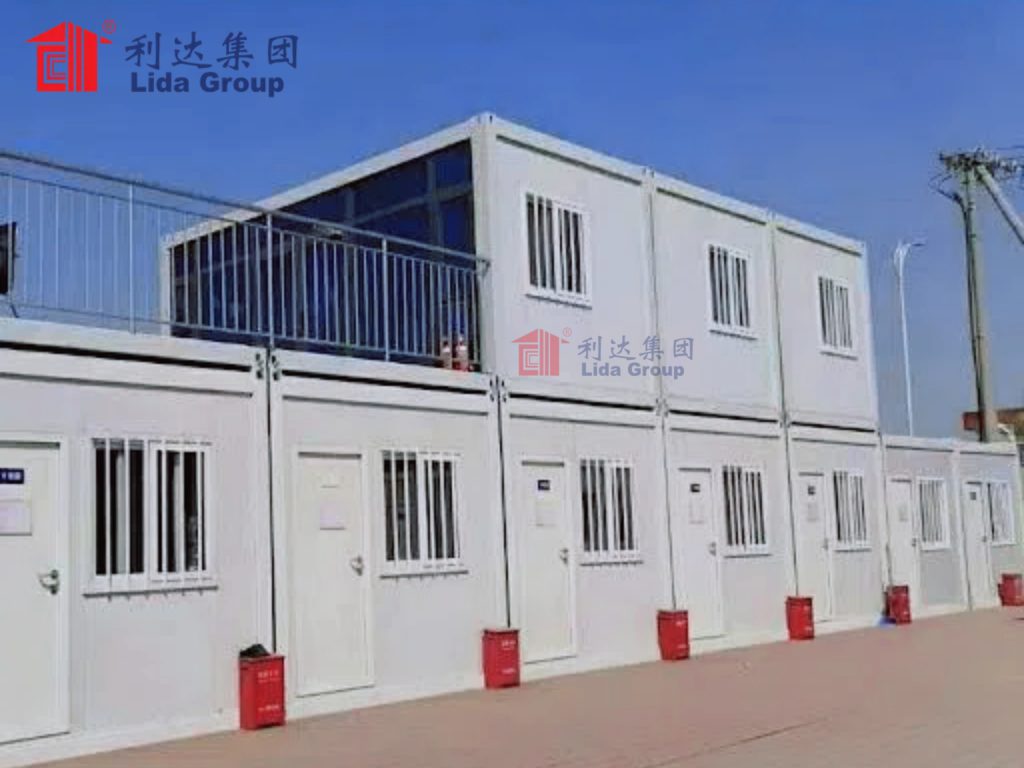
**Chapter 4: Safety, Sustainability, and Responsibility**
Modern workforce accommodation must also meet strict safety and environmental standards. Lida Group’s solutions are designed to excel in both areas.
**4.1 Safety as a Fundamental Principle**
Fire safety is a paramount concern. All sandwich panel insulation materials are rated Grade A non‑flammable, and the steel structure itself is fire‑resistant. For explosive environments such as oil and gas fields, Lida Group offers ATEX‑certified explosion‑proof camp systems, with blast‑resistant framing (8mm AR450 steel reinforcement) and pressure‑relief channels that protect personnel. Structural safety is rated for Grade 8 earthquakes and wind loads of level 12 (approximately 120‑150 mph), ensuring the integrity of the camp even in natural disasters. For dust‑prone environments such as mining sites, positive‑pressure ventilation systems and HEPA filtration can be integrated to maintain healthy indoor air quality and prevent the infiltration of hazardous particulates. Lida Group’s commitment to quality is underpinned by its ISO9001, ISO14001, ISO45001, and CE EN1090 certifications, as well as rigorous third‑party inspections by SGS, TUV, and BV.
**4.2 Environmental Performance and Circularity**
Lida Group’s prefabricated container accommodation solutions offer substantial environmental benefits. Material utilisation rates exceed 95%, compared to just 70‑80% for traditional site‑built construction, dramatically reducing construction waste. The units themselves are made of steel, the world’s most recycled material, and the insulation cores (fibre‑glass, rock wool, or polyurethane) are recoverable, making the overall system almost 100% recyclable.
Operational energy efficiency is another key advantage. The superior insulation reduces heating and cooling energy consumption by an estimated 30‑50% compared to conventional buildings, which for remote camps relying on diesel generators translates directly into lower fuel consumption, reduced carbon emissions, and significant operational cost savings. Lida Group’s units are also “solar‑ready” – roof structures feature pre‑engineered attachment points and concealed conduits for easy integration of photovoltaic panels. Combined with water conservation features such as rainwater harvesting (which can reduce water trucking by up to 65%) and greywater recycling, these measures align with the most stringent ESG (Environmental, Social, and Governance) requirements.
**Chapter 5: Real‑World Impact – Case Studies**
The efficiency of Lida Group’s prefabricated container accommodation is best demonstrated through real‑world projects.
**5.1 Southeast Asia: 150‑Unit Temporary Accommodation Project**
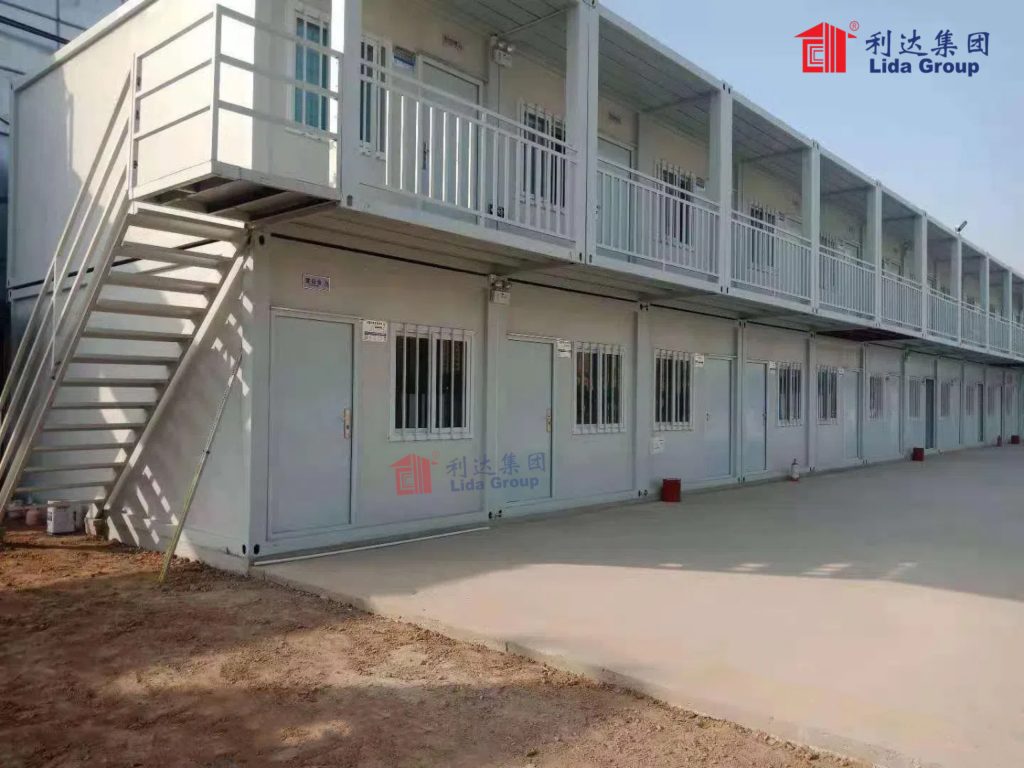
In a major Southeast Asian project, Lida Group completed the on‑site installation of 150 container housing units shipped in flat‑pack form. The units were equipped with insulation materials, energy‑efficient lighting, and double‑glazed windows to reduce environmental impact and operational costs. The modular design enabled faster installation timelines and delivered cost efficiency throughout the project.
**5.2 Eastern European Mountain Camp**
In a remote mountainous region of Eastern Europe, a hydroelectric project required workforce housing for 200 workers before winter conditions made construction impossible. Traditional construction would have required 12‑18 months. Lida Group delivered a 50‑unit camp (including sleeping quarters, dining facilities, recreation areas, and a medical clinic) using flat‑pack modules that were manufactured in 25 days and assembled by a six‑person crew in just 21 days. The project was delivered 30% faster than conventional methods, with the high‑performance insulation easily handling winter temperatures of -20°C. The bolt‑connected steel frames reduced on‑site welding and cut labour costs by 40%.
**5.3 West Africa Market Complex (Workforce Accommodation)**
In equatorial West Africa, Lida Group completed a 30,000‑square‑metre market complex that included accommodation for the construction workforce. The project faced persistent rainfall, high humidity, and temperatures consistently above 30°C. By using light steel construction with sandwich panels, the company achieved a 40% reduction in material usage compared to traditional concrete buildings, and incorporated solar‑integrated roofing producing up to 1.2 MW daily, as well as rainwater harvesting systems. The result was a project that was completed three months ahead of schedule with no issues of water intrusion or mould.
**5.4 Mining Sector Impact**
In Zambia’s Copperbelt region, Lida Group’s container apartments transformed local workforce housing. The installation of positive‑pressure ventilation and HEPA filtration to exclude copper dust particulates, along with modern living quarters, led to a 41% reduction in worker turnover and a 63% drop in illness‑related downtime. In the mining sector, such retention improvements directly translate into higher productivity and lower recruitment costs. For the oil and gas industry, a major Saudi Aramco gas project saw 800 relocatable container house units reduce build costs by 44% compared to traditional housing while delivering superior thermal performance in the harsh desert environment.
**Chapter 6: Economic Value – Total Cost of Ownership**
The true measure of efficiency is the total cost of ownership (TCO). Lida Group’s prefabricated container accommodation delivers value across the entire lifecycle.
**6.1 Lower Capital Expenditure**
Factory prefabrication and flat‑pack logistics reduce the capital expenditure required for a remote camp. For a 500‑person capacity installation, Lida Group’s “factory‑parallelised” approach can reduce construction timelines by 60‑75% compared to conventional methods, meaning that projects can mobilise crews months earlier and start generating revenue sooner – a benefit that often dwarfs the initial purchase price.
**6.2 Reduced Operating Costs**
High insulation values cut heating and cooling energy consumption by 30‑50%, directly lowering fuel or electricity bills. For a camp of 200 people over a 10‑year life, this can translate into more than $1.5 million in operating cost savings. The minimal maintenance requirements of steel construction further reduce ongoing expenses.
**6.3 Long‑Term Asset Value**
Unlike site‑built camps that are demolished and landfilled at project completion (representing a complete loss of capital), Lida Group’s container units retain significant asset value. They can be redeployed to subsequent projects, sold into a thriving secondary market, or repurposed for alternative uses such as office space or storage. A single set of units can serve multiple project cycles over more than a decade.
**Chapter 7: Global Reach and Comprehensive Service**
Lida Group’s integrated one‑stop service platform covers design, production, logistics, on‑site installation, and after‑sales support. The company’s engineering team uses advanced 3D renderings and BIM (Building Information Modelling) to visualise camp layouts, while its global logistics network – including overseas branch offices in Saudi Arabia, Qatar, Indonesia, and Chile – ensures timely delivery. For over 20 years, Lida Group has also provided on‑site installation supervisors to guide local crews, guaranteeing that every camp is assembled correctly and performs as designed.
**Conclusion**
Efficient prefabricated container worker accommodation solutions from Lida Group represent a fundamental advancement in workforce housing – one that delivers speed without compromising quality, durability without overlooking comfort, and scalability without incurring unnecessary cost. Through a potent combination of factory precision, flat‑pack transport, robust engineering, and human‑centred design, Lida Group has earned its reputation as a global leader with over 5,000 completed projects in 152 countries.
From the thermal stability of advanced sandwich panels to the circular economy benefits of reusable steel, from the rapid assembly of a 50‑unit camp in just weeks to the long‑term operational savings of energy‑efficient design, Lida Group’s solutions consistently outperform traditional site‑built accommodation. They enable project managers to mobilise crews faster, improve worker retention through superior living conditions, reduce environmental impact, and maximise return on investment through asset reusability.
In an era where delays are measured in millions of dollars and skilled labour retention is a strategic imperative, Lida Group’s efficient prefabricated container accommodation is not merely an alternative to conventional workforce housing – it is the definitive solution for modern remote projects.
Related news
-
Lida Group Expands Production of Mobile Modular Container House for Remote Projects
2026-04-27 15:48:21
-
Discover the Benefits of Prefabricated Container Worker Accommodation from Lida Group
2026-04-27 15:20:51
-
Hot Selling Container House Combines Durability and Speed with Lida Group’s Design
2026-04-27 15:28:46
contact us
- Tel: +86-532-88966982
- Whatsapp: +86-13793209022
- E-mail: sales@lidajituan.com
