



When a project moves from the drawing board to an active site, the first question is rarely about the finished building. It is about the ground itself — how the workforce will live, where materials will be stored, and how people can rest between demanding shifts. For decades, these needs were handled piecemeal: a rented warehouse here, a row of trailers there, and whatever shelter could be improvised for break times. The result was a jumble of mismatched structures, duplicated logistics, and a site that felt more like a collection of stopgaps than a workplace.
That approach is changing. More and more contractors, mining operators, energy companies, and logistics providers are turning to an integrated model of site infrastructure — one supplier delivering steel warehouses, field dormitories, and rest lounges as a single, coordinated package. The logic is simple: when the buildings that support a project are designed together, they perform better, arrive faster, and cost less to operate.
This article explores the three core components of that system — steel warehouses for storage, field dormitories for living, and rest lounges for recovery — and explains why combining them under one roof delivers value that individual buildings cannot match.
Why Integrated Infrastructure Matters
Every construction site, remote mine, or energy project shares the same operational skeleton. Materials must be protected from weather and theft. Workers must have a place to sleep, eat, and recover after long hours in the field. And everyone on site needs a safe, comfortable space to pause between tasks. When each of these needs is met by a different supplier, the project owner inherits a series of hidden costs.
Scheduling is the first casualty. A warehouse ordered from one vendor and dormitories from another arrive on separate trucks, on separate dates, with separate installation crews. The site manager becomes an unpaid coordinator, juggling deliveries that were never designed to fit together. Quality varies from building to building, and so does the appearance — a site that houses a hundred workers but looks like an afterthought does little for morale or for the client’s reputation.
An integrated approach removes these frictions. One design team, one manufacturing line, one logistics plan, and one installation crew deliver a coherent compound. Buildings are engineered to share foundations, services, and even walkways. The site is safer, neater, and faster to establish. And because a single supplier carries the full responsibility, there is a single point of accountability when something needs attention.
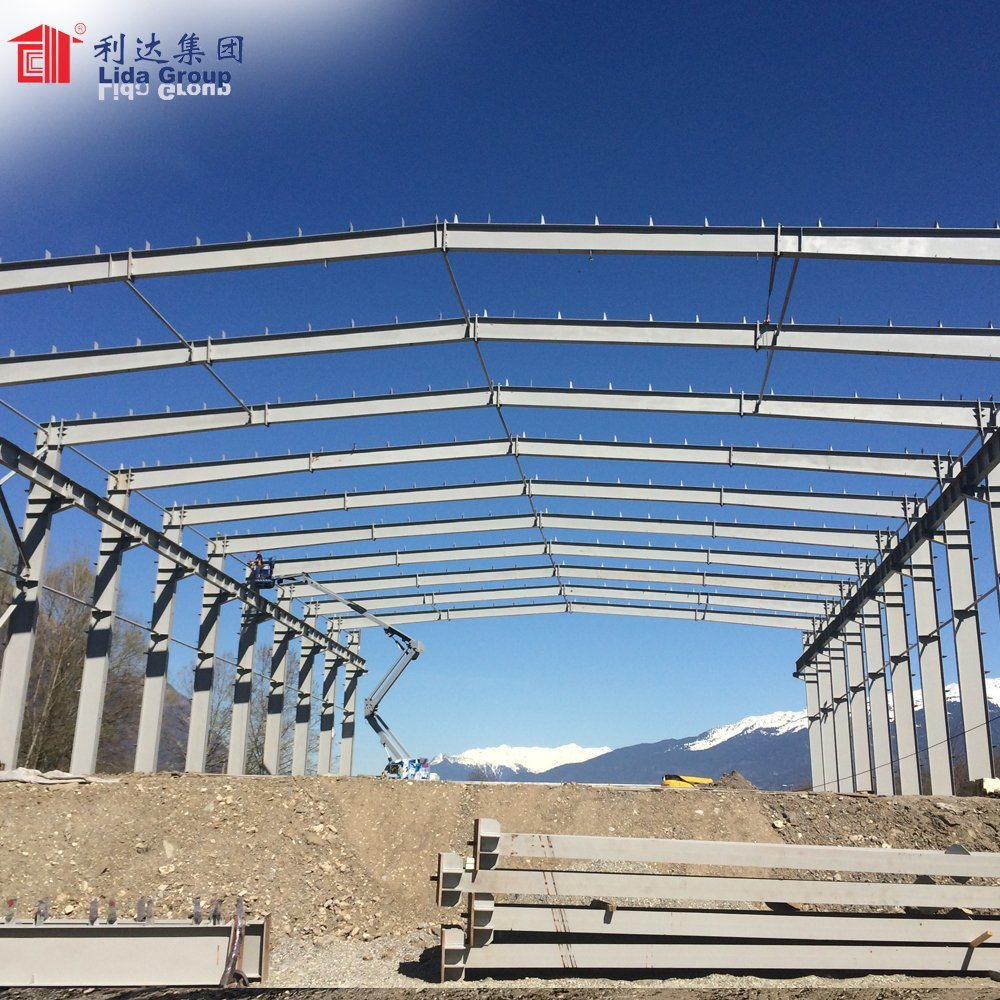
Steel Warehouses: The Backbone of Site Storage
The steel warehouse is the workhorse of any well-run site. It is where equipment is protected from rain and dust, where raw materials stay dry, and where finished goods wait for shipment. A purpose-built steel structure offers advantages that tents, tarpaulins, and improvised shelters simply cannot.
The first advantage is durability. Structural steel resists the corrosion, impact, and wear that quickly destroy lighter alternatives. In coastal zones or humid climates, protective coatings and galvanized frames keep the building serviceable for years, so the warehouse does not become a recurring cost. The second advantage is span. Steel frames can cover wide, column-free interiors, which means forklifts and cranes can move freely and pallets can be stacked high without obstructions. Every cubic metre of storage space is usable, and usable space is what pays the rent.
Flexibility matters just as much. A good steel warehouse can be sized to today’s needs and expanded when the project grows. Wall panels, roofing, and door systems are modular, so a facility can be reconfigured, relocated, or extended with minimal downtime. This is especially valuable on projects that last several years — the storage demand in month one is rarely the storage demand in month twelve.
Perhaps most important, a steel warehouse protects the asset that matters most: the material inside it. Weather-proof cladding, proper ventilation, and controlled access keep inventory intact and accounted for. On a site where lost or damaged materials translate directly into schedule delays, that protection is not a luxury. It is the difference between a smooth operation and a costly one.
Field Dormitories: Turning a Workplace into a Community
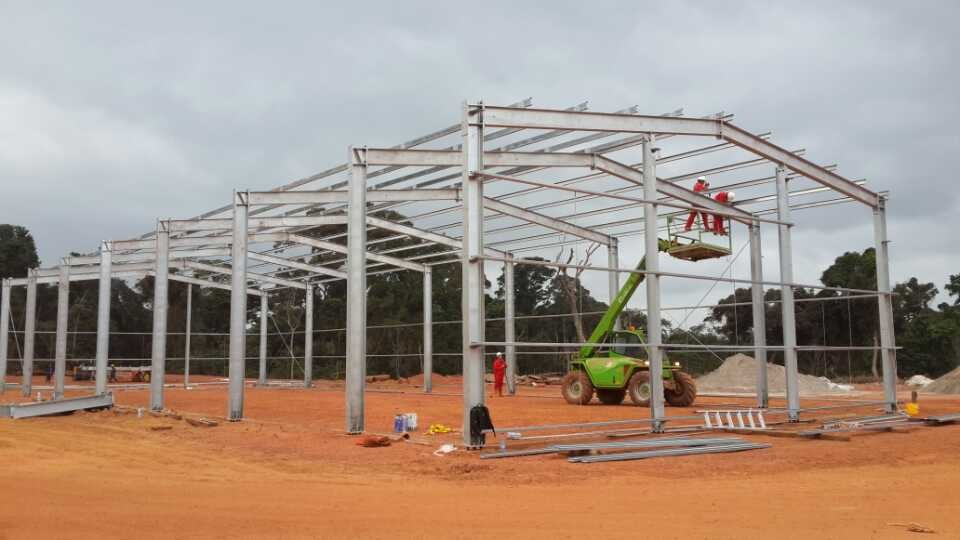
Storage keeps a project running, but people keep it alive. Field dormitories address the reality that many projects are located far from towns, hotels, and the comforts workers expect after a shift. When accommodation is poor, recruitment suffers, retention falls, and productivity follows. A well-designed dormitory, by contrast, becomes a genuine advantage in attracting and keeping skilled staff.
The modern field dormitory is a far cry from the bare prefabricated room of the past. Rooms are compact but dignified, with proper beds, storage, climate control, and natural light. Shared facilities — washrooms, laundry, and common areas — are designed for hygiene and easy maintenance. Kitchens and dining spaces support regular, nutritious meals, which matter enormously for energy and morale over a long deployment.
Safety is woven into the design. Fire-resistant materials, clear escape routes, working smoke detection, and adequate spacing between units are non-negotiable in any responsible compound. Electrical systems are installed to code and regularly inspected, eliminating the makeshift wiring that has caused so many avoidable incidents on remote sites.
There is also a human dimension that is easy to underestimate. A workforce that sleeps well, in clean and secure surroundings, is a workforce that returns to work rested. Absenteeism falls, disputes decline, and the site develops a stable, professional culture. Over the life of a long project, the return on investment in decent accommodation is measured not only in happier employees but in lower turnover and fewer disruptions.
Rest Lounges: The Space That Keeps a Team Sharp
Between the warehouse and the dormitory lies a need that many projects forget: rest. Fieldwork is physically demanding, and workers in heavy industries need more than a bench and a vending machine between tasks. A dedicated rest lounge gives people a place to recover, to eat a meal away from the noise, and to reconnect with colleagues.
The value of rest is now well understood in safety terms. Fatigue is a leading contributor to workplace accidents, and a tired operator makes mistakes that a rested one would not. Scheduled breaks taken in a comfortable, sheltered space reduce that risk directly. A rest lounge is not an indulgence; it is a safety measure with a measurable return.
The space itself should be more than a room. Thoughtful design includes seating suited to genuine relaxation, tables for meals, drinking water, and sanitation points. In hot climates, the lounge offers shade and cooling; in cold climates, warmth and shelter. Where projects run around the clock, a properly equipped lounge can serve multiple shifts in rotation, keeping each group rested and ready.
Equally important is what a rest lounge represents. Providing a clean, comfortable space for breaks sends a clear message to the workforce: the people who build the project matter. That message translates into pride, cooperation, and a reduced likelihood of the small grievances that erode morale over time. For the project owner, a well-placed lounge is one of the lowest-cost investments in productivity and goodwill a site can make.
The Strength of a Single, Integrated Solution
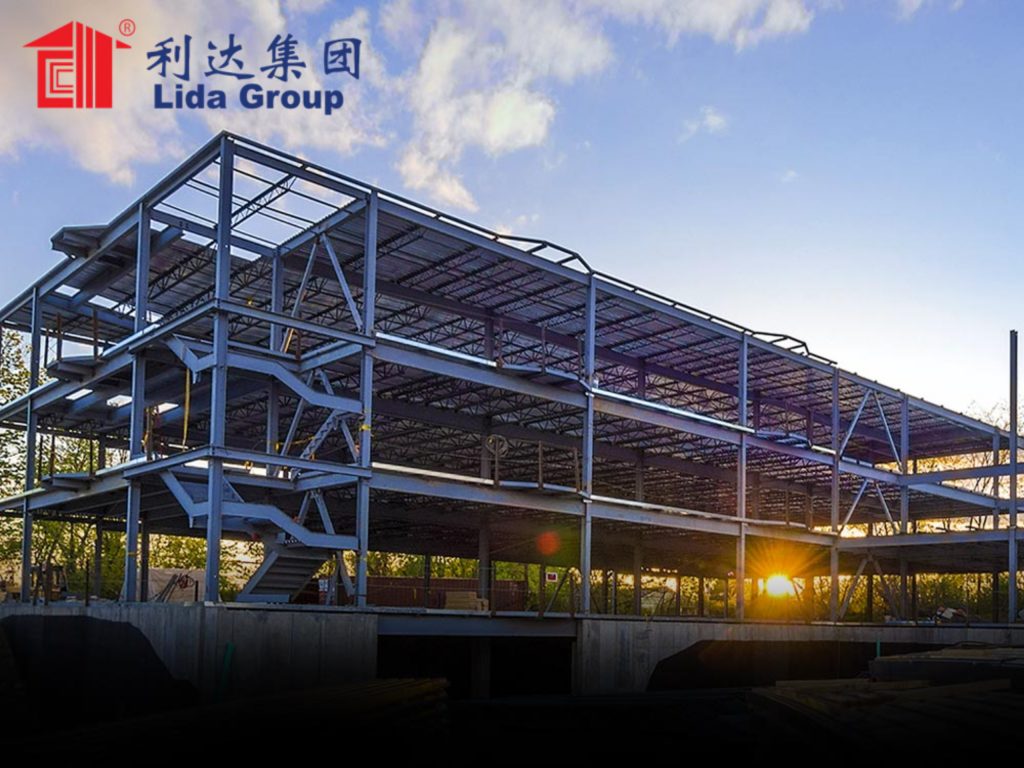
Individually, each of these buildings is useful. Together, they are transformative — and the integration itself is where the real value lies.
A unified design creates a compound that looks and operates as one system. Walkways connect dormitories to the canteen and the warehouse to the loading area, so workers move efficiently and safely without crossing vehicle traffic. Shared utilities — power, water, drainage — are planned once and installed coherently, avoiding the redundant trenches and duplicated connections that plague piecemeal sites. Maintenance is simplified because one supplier understands the entire layout.
Procurement becomes simpler as well. A single contract, a single delivery schedule, and a single point of contact replace a tangle of vendors. This matters enormously for project owners who already manage tight budgets and fixed deadlines. Fewer purchase orders mean fewer administrative hours, and a coordinated delivery means the site becomes operational sooner. Speed to readiness is often the metric that separates a winning bid from a costly delay.
Quality, too, benefits from integration. When the same team engineers, fabricates, and installs every structure, standards are applied consistently. Details such as jointing, cladding, and fit-out are handled to the same specification throughout, which produces a finished compound that is durable, safe, and presentable — qualities that reflect directly on the organization commissioning it.
Built for the Industries That Need It Most
This integrated model is not theoretical; it answers the needs of several demanding industries. Construction companies use steel warehouses to stage materials on large developments while their workforce lives in adjacent dormitories. Mining operators deploy complete compounds in remote regions, where every component must arrive, be installed, and function with minimal external support. Energy firms — oil and gas, renewables, and utilities — rely on the same package for projects far from existing infrastructure. Even logistics operators and event organizers, who need secure storage and staff facilities at short notice, benefit from a system that can be mobilized quickly and relocated as demands shift.
Across these sectors, the underlying requirement is the same: infrastructure that can be established quickly, operated safely, and adapted as the project evolves. An all-in-one approach delivers precisely that, because every element is designed with the whole in mind.

Engineering, Safety, and Compliance
No discussion of site infrastructure is complete without addressing the standards that keep people safe. Responsible suppliers engineer every component to meet or exceed applicable building and safety codes. This covers structural integrity, wind and snow loading, fire resistance, electrical safety, and sanitation. Documentation should be complete — drawings, certifications, and installation guides that give the project owner confidence and satisfy inspectors.
Compliance is not merely a legal obligation; it is a competitive advantage. On regulated sites, or in jurisdictions with strict requirements, a supplier who can demonstrate code compliance removes a significant burden from the project team. Equally, attention to worker welfare — adequate accommodation, rest facilities, and safe circulation — increasingly features in client expectations and tender evaluation. An integrated compound that visibly respects these standards strengthens the project’s standing with its own workforce and with the wider community.
Conclusion
A modern site is far more than the permanent structure it will eventually produce. For the months or years of active work, it must be a functioning community — with secure storage, dignified living quarters, and the space for people to rest and recover. Handling these needs one building at a time, with different suppliers and mismatched schedules, is a recipe for friction, cost, and delay.
The integrated answer is clear. Steel warehouses protect the materials that keep work moving. Field dormitories provide the safe, comfortable accommodation that keeps a workforce stable and motivated. Rest lounges offer the space that keeps a team alert and safe. When these three are designed, delivered, and installed as one system, the site becomes efficient, coherent, and ready to perform from day one.
For project owners weighing how to equip their next site, the question is not whether to invest in infrastructure, but whether to invest in it smartly. An all-in-one solution offers a single point of accountability, faster readiness, consistent quality, and a compound that supports both the operation and the people who carry it out. That is not just good logistics. It is good business.
Related news
-
Sustainable Field Housing: Modernizing Oil & Mining Camps with Lida Eco-Friendly Containers
2026-10-28 17:09:12
-
Heavy-Duty Prefabricated Housing: Standardized Site Facilities for Energy Development Projects
2026-10-28 16:51:23
-
Scalable Logistics Warehouses: Optimizing Industrial Storage with Lida Steel Frame Systems
2026-10-27 15:31:40
contact us
- Tel: +86-532-88966982
- Whatsapp: +86-13793209022
- E-mail: sales@lidajituan.com
