



Prefab Container Dormitory Building by Lida Group Enhances On‑Site Living Comfort
2026-Jun-29 14:20:30
By Admin
1. Introduction: The Hidden Cost of Poor On-Site Worker Accommodation
In the global construction, infrastructure, energy, and mining industries, project efficiency and workforce stability have always been core factors determining project success. While project managers usually focus on construction progress, cost control, and safety management, the quality of on-site worker accommodation is often overlooked as a secondary supporting factor. For a long time, temporary on-site dormitories have been stereotyped as crude, cramped, and uncomfortable transitional spaces, with most enterprises choosing simple color steel plate houses, makeshift shacks, or densely arranged temporary tents to solve workers’ accommodation problems. This traditional temporary housing model can only meet the most basic shelter needs, but it brings many hidden problems to project operation and workforce management.
Poor living conditions have become an important cause of high worker turnover, low work morale, and reduced work efficiency. Cramped indoor space, poor thermal and sound insulation, insufficient ventilation and lighting, imperfect supporting facilities, and unstable safety conditions make front-line workers face poor rest quality every day. Long-term residence in harsh environments will lead to physical fatigue, mental anxiety, and reduced job satisfaction, which directly affects workers’ work status and team stability. For large-scale and long-term engineering projects, frequent worker turnover will increase recruitment and training costs, delay construction progress, and even trigger safety accidents caused by unfamiliar operation of new employees. In addition, outdated temporary accommodation fails to meet modern occupational health and safety standards, which may bring compliance risks to enterprises and damage corporate social images.
With the continuous upgrading of global industrial construction standards and the increasing emphasis on humanistic care for workers, the construction industry has gradually realized that comfortable, safe, and standardized on-site accommodation is not a dispensable auxiliary facility, but an important part of improving workforce vitality and project comprehensive benefits. In response to the industry pain point of insufficient comfort in traditional temporary dormitories, Lida Group, a global leading enterprise in prefabricated modular buildings with 30 years of industry experience, has independently developed a new generation of prefab container dormitory buildings. Centering on the core demand of “improving on-site living comfort”, this product optimizes space design, living facilities, environmental performance, and functional configuration in an all-round way, completely changing the crude image of traditional temporary worker dormitories and creating high-quality, humanized, and comfortable living spaces for front-line workers. It sets a new industry benchmark for standardized and humanized on-site workforce accommodation.
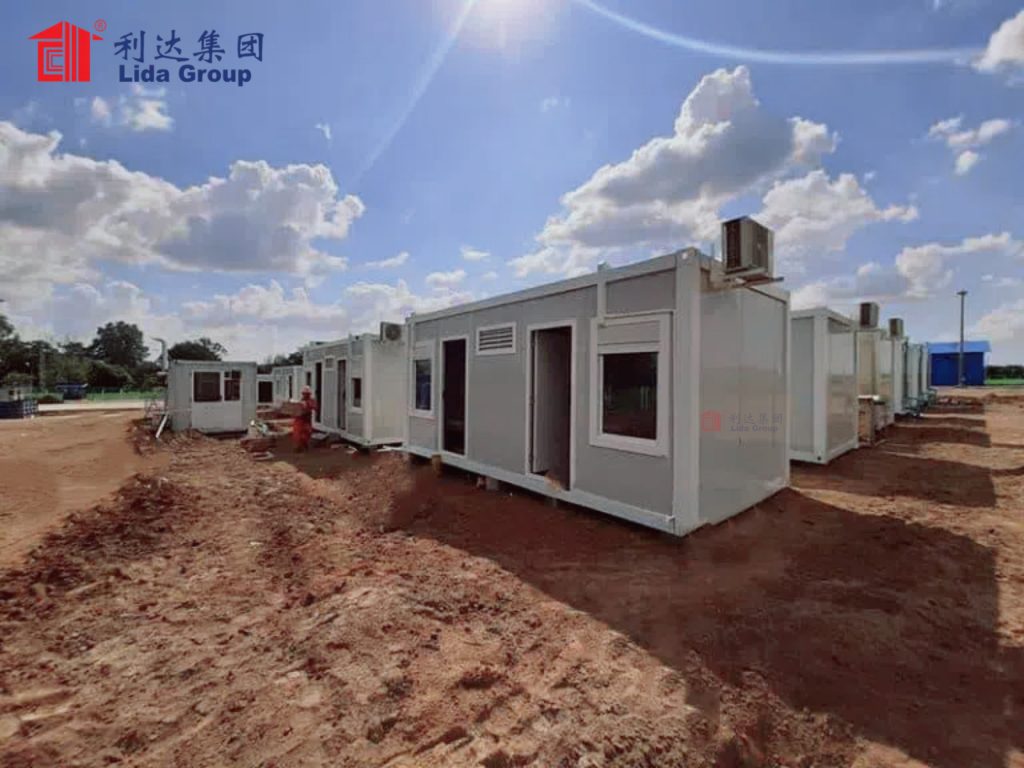
2. Defects of Traditional On-Site Worker Dormitories
To better highlight the innovation and advantages of Lida Group’s prefab container dormitories, it is necessary to analyze the inherent defects of traditional temporary dormitories in terms of living comfort. First of all, traditional color steel plate temporary houses adopt simple assembly structures with rough interior decoration and unreasonable space layout. Most dormitories are densely arranged with multiple beds, leaving narrow walking and activity spaces. The overall space is cramped and depressing, and workers have no independent rest and storage areas, resulting in extremely poor living experience.
Secondly, traditional temporary buildings have poor environmental insulation performance. Ordinary color steel plate materials have weak thermal insulation and heat preservation capabilities. In high-temperature summer, the indoor temperature is far higher than the outdoor temperature, forming a stuffy and hot living environment; in severe cold winter, the indoor heat dissipates rapidly, resulting in low indoor temperature that cannot meet basic living warmth needs. At the same time, the wall and roof structures of traditional dormitories have poor sound insulation effects. On-site construction noise, pedestrian noise, and noise from adjacent dormitories can easily penetrate the walls, seriously interfering with workers’ rest and sleep quality.
In terms of ventilation and lighting, most traditional temporary dormitories have unreasonable window design and single ventilation mode. The indoor air circulation is poor, and it is easy to breed moisture, mold, and peculiar smell in humid weather, which affects indoor air quality and endangers workers’ physical health. The lighting system is simple and single, with insufficient natural light during the day and dim artificial lighting at night, failing to create a comfortable living atmosphere.
In addition, traditional dormitories have incomplete supporting living facilities. Most temporary camps only provide simple sleeping spaces, lacking standardized bathrooms, laundry rooms, activity areas, and sanitary facilities. Workers face difficulties in daily bathing, clothes washing, and leisure relaxation. The imperfect functional supporting system makes the on-site living environment monotonous and harsh, greatly reducing workers’ sense of belonging and happiness at work. These long-standing defects have restricted the improvement of on-site accommodation standards and become a key bottleneck for the humanized development of engineering construction projects.
3. Core Design Concepts of Lida Group’s Prefab Container Dormitories
Different from traditional temporary dormitories that only focus on basic accommodation functions, Lida Group’s prefab container dormitory buildings take “humanized comfort, standardized safety, and refined living” as the core design concepts, focusing on solving various comfort pain points in on-site temporary accommodation. The product team conducts in-depth research on the living habits and accommodation needs of front-line construction workers, combines the actual environmental characteristics of construction sites, and carries out targeted optimization and innovation in space layout, material selection, environmental optimization, and facility configuration, realizing the comprehensive upgrading of temporary dormitory living quality.
The first core concept is humanized space design. Lida Group abandons the dense and crowded layout of traditional dormitories, scientifically plans the indoor space proportion of each container unit, and balances the number of residents and activity space. On the premise of meeting centralized accommodation needs, it maximizes the independent activity space of workers, avoids the cramped and crowded living state, and ensures that each worker has a comfortable rest and personal activity area. The product supports flexible space customization, which can be adjusted into 2-person, 4-person, and 6-person dormitory layouts according to project needs, meeting the differentiated accommodation standards of ordinary workers and project management personnel.
The second core concept is all-round environmental optimization. Focusing on the problems of poor temperature control, loud noise, and poor air quality in traditional dormitories, Lida Group adopts high-performance insulation, sound insulation, and ventilation systems to create a constant-temperature, quiet, and fresh indoor living environment. Through the selection of high-quality building materials and optimized structural design, the product realizes effective isolation of external harsh environments, making the indoor living environment no longer affected by seasonal and weather changes.
The third core concept is refined supporting facilities. Taking modern residential standards as the reference, Lida Group equips each container dormitory unit with complete and humanized living supporting facilities, and builds standardized public living areas in the camp. It realizes the integration of accommodation, rest, daily washing, and leisure functions, completely breaking the single functional positioning of traditional temporary dormitories and making on-site temporary accommodation close to the comfort level of daily residential buildings.
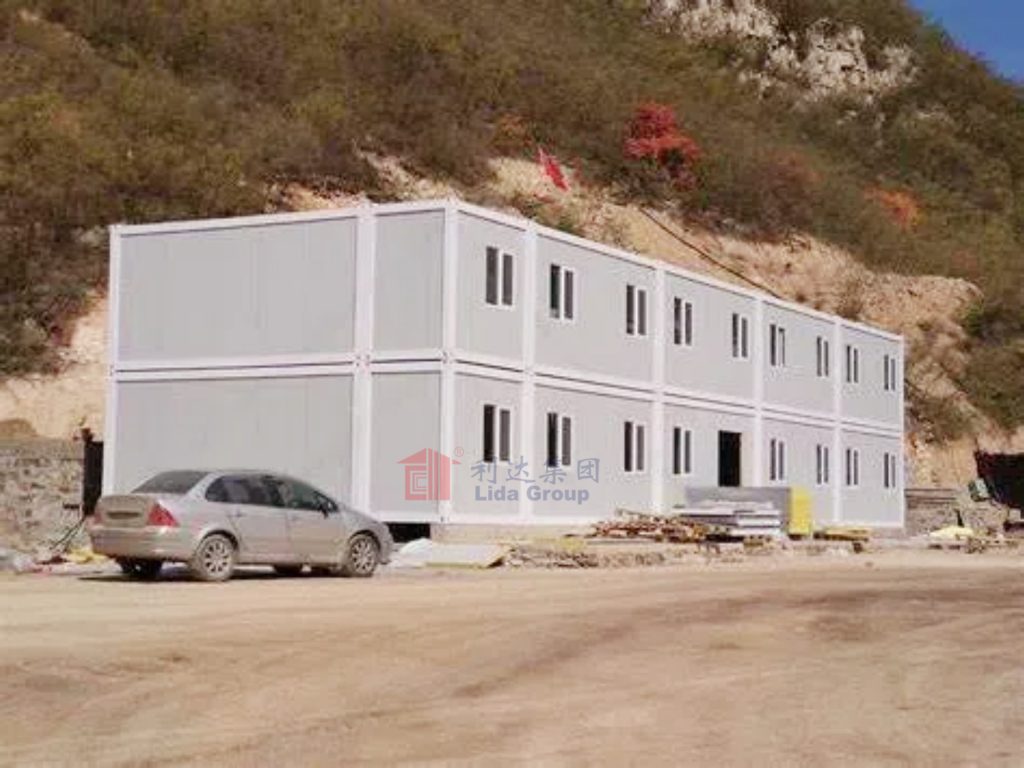
4. Key Comfort-Enhancing Features of Prefab Container Dormitories
4.1 Superior Thermal Insulation and Constant Temperature Performance
Temperature comfort is the most basic indicator of living quality. Lida Group’s prefab container dormitories adopt high-density rock wool thermal insulation sandwich panels for walls, roofs, and floors. This high-performance insulation material has excellent heat insulation and heat preservation effects, effectively blocking the heat transfer between indoor and outdoor spaces. In hot summer, the insulation layer can isolate external high temperature, keep the indoor environment cool and breathable, and avoid the stuffy heat problem of traditional dormitories; in cold winter, it can lock indoor heat, reduce heat loss, and maintain a stable and warm indoor temperature. The overall temperature adjustment effect reduces the dependence on air conditioning and heating equipment, not only improving living comfort but also saving energy consumption and reducing project operating costs.
4.2 Efficient Sound Insulation and Quiet Living Environment
Adequate quiet rest environment is crucial for workers to relieve physical fatigue and restore physical strength. Lida Group optimizes the sound insulation structure of the dormitory in an all-round way. The multi-layer composite wall structure and sealed door and window design can effectively isolate external construction noise, vehicle noise, and pedestrian noise, and also reduce the noise interference between adjacent dormitory units. The floor is paved with sound insulation and shock absorption materials, which can avoid the impact noise generated by walking and moving objects from affecting the rest of residents on the lower floor. After professional testing, the indoor noise of Lida’s container dormitories is far lower than that of traditional temporary dormitories, creating a quiet and comfortable rest space for workers and ensuring high-quality sleep every day.
4.3 Scientific Ventilation and Lighting System
To solve the problems of poor air circulation and dim lighting in traditional dormitories, Lida Group designs a multi-dimensional ventilation and lighting system for prefab container dormitories. Each dormitory unit is equipped with large-sized high-transmittance waterproof and dustproof windows, which can fully introduce natural light during the day, make the indoor space bright and transparent, and improve the overall living atmosphere. At the same time, the product is equipped with a natural cross-ventilation structure and matched with silent ventilation equipment, which can realize continuous air circulation inside the room, effectively discharge indoor moisture, peculiar smell, and dirty air, keep the indoor air fresh and dry, and avoid mold growth and bacterial breeding caused by humid and closed environment. The reasonable lighting and ventilation design greatly improves the indoor living experience and ensures the health and comfort of workers’ living environment.
4.4 Humanized Indoor Space and Functional Layout
The indoor space of Lida Group’s prefab container dormitories is designed with ergonomics, with a reasonable house height and flat and spacious indoor ground. The overall space is regular and tidy, without redundant structural barriers. The beds are made of high-quality anti-rust steel frames and matched with comfortable mattresses, which are stable and durable, effectively improving rest comfort. Each bed is equipped with independent storage facilities, including private lockers and storage racks, which can store workers’ personal clothing, daily necessities, and tools, solving the problem of messy placement of personal items in traditional dormitories. In addition, the indoor power supply interface, socket position, and lighting switch are scientifically arranged, which is convenient for workers to charge electronic equipment and adjust indoor lighting, fully reflecting humanized design details.
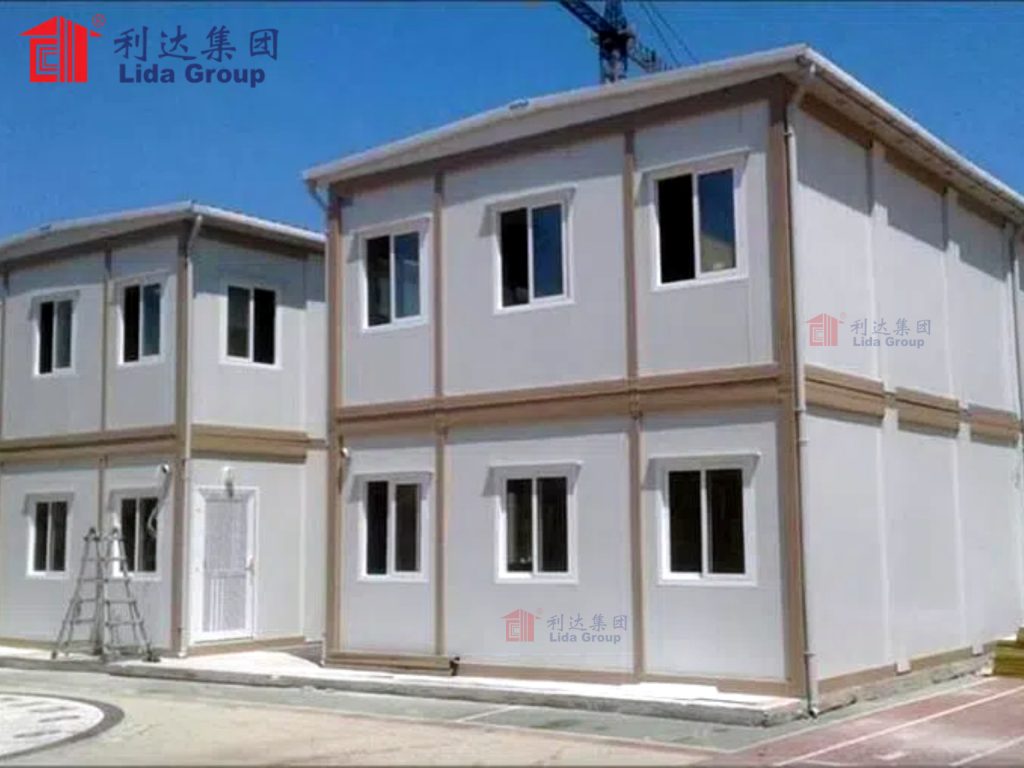
5. Complete Supporting Facilities Improve Overall Living Experience
Comfortable on-site living is not only reflected in independent dormitory units, but also depends on complete public supporting facilities. Lida Group’s prefab container dormitory camp adopts integrated modular planning, which can flexibly match various functional supporting modules according to project scale and customer needs, building a comprehensive living community integrating accommodation, catering, washing, leisure, and office.
In terms of sanitary and washing facilities, the camp can be equipped with centralized standardized bathrooms and independent toilet areas. The bathroom is equipped with hot water supply system, independent shower heads, and waterproof and anti-slip ground, which can meet the all-weather bathing needs of workers. The toilet area is equipped with automatic ventilation and deodorization equipment to keep the public sanitary area clean and hygienic. The independent laundry room is equipped with special laundry equipment and drying areas, which is convenient for workers to wash and dry daily clothes.
In terms of catering and leisure supporting, the modular canteen module has a clean and tidy dining environment and standardized kitchen operation space, ensuring safe and hygienic dining for workers. The camp can also be equipped with staff activity rooms, outdoor rest areas, and cultural and sports facilities, providing workers with leisure and entertainment spaces after work, enriching their spare time life, relieving work pressure, and enhancing workers’ sense of happiness and belonging to the project.
In terms of living safety supporting, each dormitory unit and public area is equipped with complete fire prevention, anti-theft, and emergency protection facilities. The standardized power distribution system avoids circuit safety hazards, and the emergency lighting and evacuation indication system ensures the safety of personnel in special situations. The perfect supporting system realizes the full coverage of comfortable and safe living services, making the on-site living environment of workers more standardized and humanized.
6. Safety and Environmental Protection: The Foundation of Long-Term Comfortable Residence
Living comfort must be based on safe and environmentally friendly building conditions. Lida Group always takes safety and environmental protection as the primary design standard of prefab container dormitories. The main frame of the dormitory is made of high-strength hot-dip galvanized steel structure, which has strong compression resistance, earthquake resistance, and wind resistance. It can resist level 12 strong winds and magnitude 8 earthquakes, and adapt to various complex and harsh construction site environments. The structural stability ensures the long-term safe use of the dormitory and avoids safety hazards such as structural deformation and leakage of traditional temporary buildings.
In terms of fire safety, all wall panels, indoor decorative materials, and auxiliary facilities of the dormitory adopt A-level fireproof and flame-retardant environmental protection materials, which have good fire resistance and can effectively prevent the spread of fire. The indoor materials do not contain harmful substances such as formaldehyde and benzene, with zero harmful gas volatilization, no peculiar smell, and meet international environmental protection and health standards. Workers can move in immediately after assembly without waiting for air purification, ensuring indoor living health.
In terms of environmental sustainability, Lida Group’s prefab container dormitories adopt a fully factory prefabricated production mode, with no construction waste, dust, and noise pollution during on-site assembly. All building components can be completely disassembled and reused, with a reuse rate of more than 90%, which is energy-saving and environmentally friendly. At the same time, the high-efficiency thermal insulation and energy-saving design of the dormitory reduces daily energy consumption, realizing low-carbon and green operation of the living camp, and creating a healthy and sustainable living environment for workers.
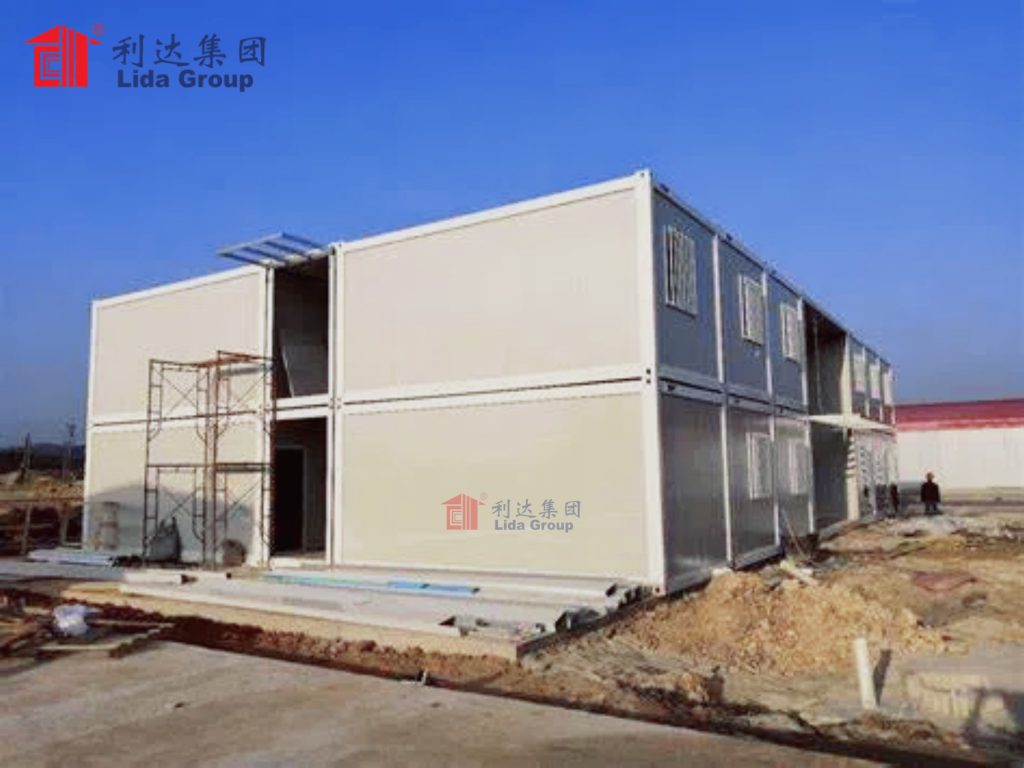
7. Practical Application Value and Industry Benefits
The popularization and application of Lida Group’s high-comfort prefab container dormitories bring dual value of humanistic care and project operation improvement to the engineering construction industry. For workers, the upgraded comfortable living environment effectively improves their rest quality and living standard, relieves the fatigue and pressure of field work, protects their physical and mental health, and greatly enhances their sense of gain and happiness in work.
For engineering enterprises, high-quality on-site accommodation is an important means to stabilize the workforce and improve work efficiency. Comfortable living conditions can effectively reduce worker turnover, reduce the human resource cost caused by frequent personnel replacement, and ensure the stability and continuity of the construction team. Good living and working environment can stimulate workers’ work enthusiasm and initiative, improve overall work efficiency, and help projects be completed on schedule or in advance. In addition, standardized and humanized staff accommodation can effectively improve the corporate social image, reflect the enterprise’s humanistic care for employees, and enhance corporate competitiveness and industry reputation.
From the perspective of industry development, Lida Group’s prefab container dormitories break the inherent low-end positioning of traditional temporary worker accommodation, promote the upgrading of the overall industry standards of on-site temporary housing, and guide the construction industry to pay more attention to workers’ living quality and humanistic management. It provides a replicable and scalable high-quality accommodation solution for global engineering projects, and promotes the standardized, humanized, and green development of the construction supporting service industry.
8. Conclusion
On-site worker accommodation is an indispensable part of engineering project operation and an important carrier of enterprise humanistic care. For a long time, the backward design and poor comfort of traditional temporary dormitories have restricted the improvement of workers’ living quality and affected the stable development of engineering projects. With its independently developed prefab container dormitory buildings, Lida Group thoroughly solves various comfort pain points of traditional on-site accommodation through innovative humanized design, high-performance building materials, and complete supporting facilities.
This series of products realizes comprehensive upgrading of on-site living comfort in terms of constant temperature insulation, silent rest environment, fresh air circulation, scientific space layout, and complete living supporting services. It not only creates a safe, comfortable, healthy, and warm living space for front-line construction workers, protects workers’ physical and mental health, and improves their work happiness, but also effectively helps enterprises stabilize their workforce, improve project operation efficiency, and enhance corporate image and comprehensive benefits.
As the global engineering construction industry continues to develop towards standardization, humanization, and greening, high-comfort modular prefab accommodation will become the mainstream trend of on-site temporary housing. In the future, Lida Group will continue to focus on user needs, continuously optimize product comfort, intelligence, and functionality, launch more high-quality modular building solutions suitable for on-site workforce accommodation, lead the iterative upgrading of the industry, and contribute to the high-quality development of the global construction industry and the improvement of workers’ living welfare.
Related news
-
Lida Group Introduces Modular Container House for Rapid Workforce Housing Solutions
2026-06-29 14:08:46
-
Lida Group Sets New Standard in Durable Steel Construction for Environmental Friendly Metal House
2026-06-24 17:45:38
-
Green Housing Solution: Environmental Friendly Metal House with Steel Structure Building Design
2026-06-24 17:34:09
contact us
- Tel: +86-532-88966982
- Whatsapp: +86-13793209022
- E-mail: sales@lidajituan.com
