



Green Housing Solution: Environmental Friendly Metal House with Steel Structure Building Design
2026-Jun-24 17:34:09
By Admin
1. Introduction: Rethinking Modern Green Housing Development
Global urbanization and residential upgrading have pushed the construction industry to shift from traditional resource-intensive development to low-carbon, eco-friendly, and sustainable operation. Traditional brick-concrete and wooden houses have long dominated the residential market, yet they face unavoidable industry drawbacks, including high resource consumption, massive construction waste, poor recyclability, and short service life. According to industry authoritative data, conventional residential construction accounts for nearly 40% of global annual energy consumption and over 35% of construction carbon emissions, becoming a key area restricting global carbon neutrality goals and ecological environment governance. In addition, traditional buildings suffer from structural aging, wall cracking, mildew, and poor thermal insulation performance within 20 to 30 years of use, requiring frequent maintenance and renovation that further increases resource waste and carbon footprint.
Against this industrial background, environmental friendly metal houses based on professional steel structure building design have emerged as an innovative and practical green housing solution. Different from ordinary temporary metal buildings that pursue low cost and simple assembly, modern steel structure metal houses integrate scientific structural design, high-quality durable steel materials, and full-cycle ecological optimization, perfectly balancing residential safety, living comfort, long-term durability, and green sustainability. As a leading global supplier of modular green building solutions, Lida Group deeply integrates advanced steel structure building technology with modern green housing concepts, optimizing every link from material selection, structural design, construction technology to post-operation recycling. This article comprehensively discusses the design logic, core advantages, technical connotation, practical application value, and industrial significance of steel structure-based environmental friendly metal houses, fully demonstrating why this innovative model has become a mainstream high-quality green housing solution for modern society.
2. Defects of Traditional Housing and Advantages of Steel Structure Green Housing
To clarify the innovation value of steel structure environmental friendly metal houses, it is essential to analyze the inherent defects of traditional residential buildings and the unique advantages of steel structure green housing design. Traditional residential construction relies heavily on non-renewable resources such as cement, sand, stone, and solid wood, with low resource utilization efficiency and no recyclable value after building demolition. A large amount of construction waste generated by old building demolition occupies land resources and pollutes soil and water environments, forming a vicious cycle of ecological consumption.
In terms of structural performance, traditional brick-concrete houses have poor seismic resistance, weak wind pressure resistance, and poor structural toughness, prone to cracking and damage under extreme weather and geological conditions. Wooden houses are susceptible to termite erosion, mildew decay, and fire hazards, with extremely poor long-term stability. In terms of energy conservation and environmental protection, traditional houses have low thermal insulation efficiency, resulting in high daily heating and cooling energy consumption, and cannot meet the long-term low-carbon living needs of modern residents.
In contrast, steel structure building design fundamentally solves the above pain points. Steel is recognized as the most sustainable green building material in the world, with a global recycling rate of over 92%. Compared with traditional concrete buildings, steel structure housing reduces construction water consumption by 39%, solid waste discharge by 51%, and comprehensive carbon emissions by 15% throughout the construction phase. With high strength, light weight, strong seismic performance, and flexible space layout, steel structures provide a solid structural foundation for high-quality green housing, making environmental friendly metal houses an ideal alternative to traditional residential buildings.

3. Core Design System: Lida Group’s Professional Steel Structure Building Framework
The excellent performance of Lida Group’s green metal housing solutions stems from its systematic and standardized steel structure building design. Breaking the rough and simplified design mode of ordinary metal houses, Lida Group adopts industrialized, scientific, and refined steel structure design logic, covering high-performance material matching, mechanical structure optimization, node sealing design, and anti-aging protection system, ensuring that the metal house has both permanent structural stability and professional green housing attributes.
3.1 High-Grade Green Steel Material Selection
Material quality determines the upper limit of green housing durability and environmental performance. Lida Group abandons low-strength ordinary galvanized steel widely used in low-end metal houses and selects high-performance eco-friendly alloy steel as the main structural material. The main load-bearing frame adopts G550 grade hot-dip aluminum-zinc steel with a yield strength of 550MPa. The scientific alloy composition of aluminum, zinc, and silicon forms a dense protective film on the steel surface, providing excellent resistance to ultraviolet aging, acid-base corrosion, salt-fog erosion, and atmospheric oxidation.
To comply with green housing sustainability requirements, more than 92% of the steel components of Lida Group’s metal houses adopt high-purity recycled steel. Recycled steel retains the same mechanical strength and structural stability as virgin steel, while reducing steel smelting energy consumption by nearly 60% and carbon emissions by 67%, effectively reducing the embodied carbon of residential buildings. All steel materials pass ISO international quality certification and ASTM industrial standards, with stable performance and no structural fatigue after long-term use, realizing the integration of high durability and low-carbon environmental protection of building materials.
3.2 Finite Element Optimized Structural Mechanics Design
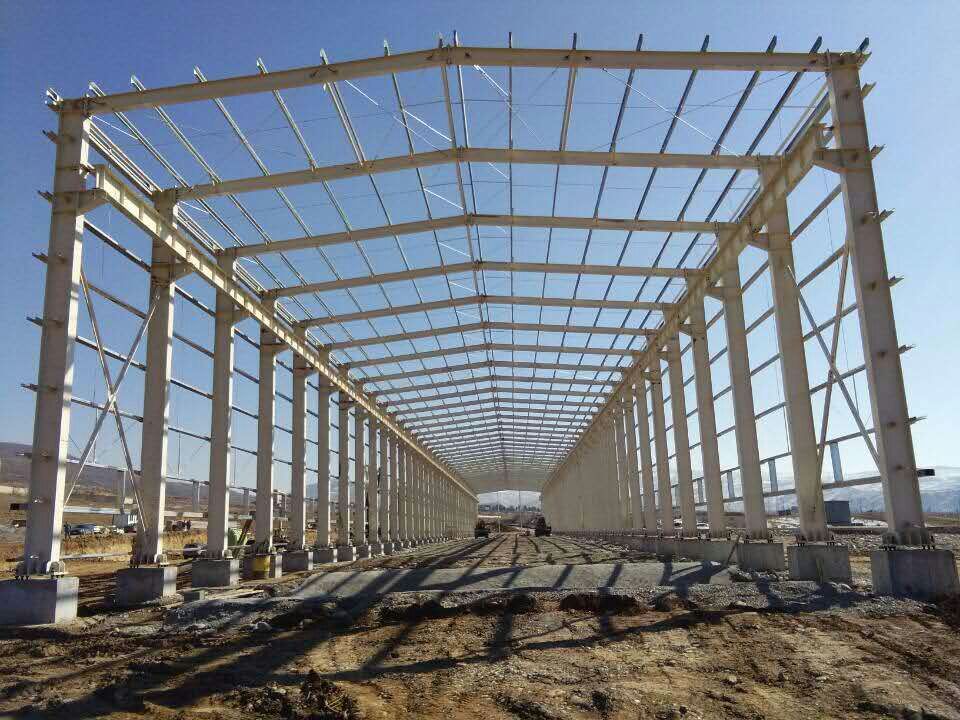
Lida Group’s professional structural design team adopts advanced finite element simulation analysis technology to conduct overall mechanical optimization for residential steel frames, solving the problems of unreasonable stress distribution and weak local bearing capacity of traditional simple steel structures. The steel keel spacing is strictly controlled at 400mm to 600mm in accordance with international permanent residential building standards. The integral frame adopts high-strength bolt integral connection technology to replace traditional welding, forming an integrated stress-bearing system that can evenly disperse external wind pressure, seismic force, snow load, and seasonal temperature stress.
This optimized steel structure design greatly improves the safety and stability of green housing. The metal house can resist magnitude 8 earthquakes and level 12 strong typhoons, with excellent structural ductility and impact resistance. Different from traditional houses that are prone to wall cracking, structural deformation, and overall loosening after long-term use, Lida Group’s steel frame maintains permanent dimensional stability without warping, shrinking, or aging deformation, ensuring decades of safe and stable living environment for residents.
3.3 Multi-Layer Eco-Friendly Anti-Corrosion and Anti-Aging Design
Structural aging and corrosion are the main factors leading to the shortened service life and degraded living performance of green houses. Lida Group innovatively designs a three-layer non-toxic green composite protection system for steel structures to build an all-round closed protective barrier. The first layer is hot-dip galvanized anti-rust treatment to completely isolate the steel matrix from air and moisture; the second layer is formaldehyde-free environmentally friendly epoxy primer to enhance coating adhesion and oxidation resistance without releasing harmful substances; the third layer is high-weather-resistance polyester topcoat to resist ultraviolet radiation and acid rain erosion.
This multi-layer green protection design enables Lida Group’s environmental friendly metal houses to achieve an ultra-long service life of more than 50 years in conventional environments and over 40 years in harsh coastal and industrial environments, three times the service cycle of ordinary green houses. The entire protection process is non-toxic and pollution-free, will not cause indoor air pollution and ecological damage, and fully meets the health and environmental protection standards of modern green residential buildings.
3.4 Modular Prefabricated Green Construction Design
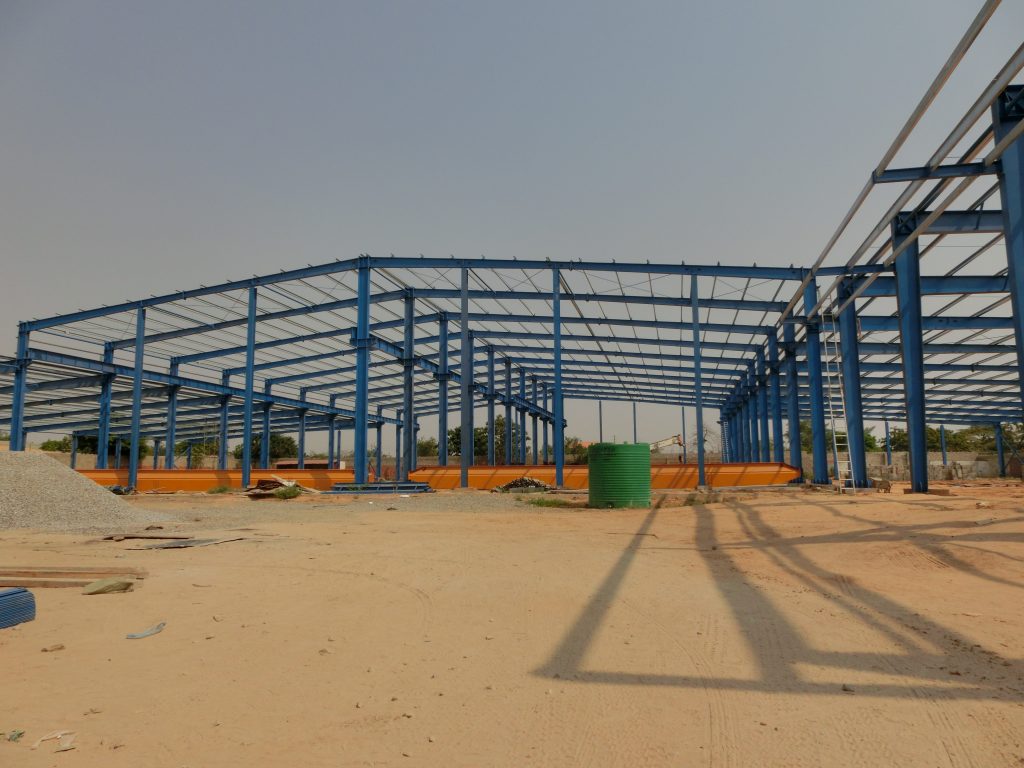
Lida Group’s steel structure green housing adopts full industrialized factory prefabrication and on-site dry assembly design, which is a key embodiment of its green attributes. All steel frames, wall keels, roof structures, and internal supporting components are precisely processed, welded, and inspected in intelligent factories, realizing zero material waste and zero processing pollution. The standardized component production mode completely eliminates the rough processing defects of traditional residential construction.
On-site construction abandons traditional wet operations such as cement mixing and brick laying, adopting pure dry assembly technology. The construction cycle is shortened by more than 60% compared with traditional houses, greatly reducing on-site mechanical energy consumption, dust pollution, and sewage discharge. The high-precision assembly design ensures tight connection of structural nodes, effectively avoiding hidden dangers such as water leakage and air leakage, improving the overall airtightness and thermal insulation performance of green houses, and laying a foundation for long-term energy-saving operation.
4. Full-Cycle Green Advantages of Steel Structure Environmental Friendly Metal Houses
Empowered by professional steel structure building design, Lida Group’s metal houses realize comprehensive green optimization throughout the whole lifecycle of material application, construction, operation, and recycling, forming a closed-loop sustainable green housing system that traditional residential buildings cannot match.
4.1 Circular Resource Utilization and Zero Waste Discharge
The modular detachable steel structure design enables Lida Group’s green houses to realize 100% component recycling and reuse. After the end of the building’s service life or residential functional adjustment, all steel frames can be completely disassembled without deformation or damage, and the recycled steel can be remolded and reused for new residential construction projects. Compared with traditional concrete buildings that produce a large amount of unrecyclable construction waste after demolition, steel structure metal houses reduce construction waste discharge by 75%, realizing zero waste green construction.
This circular utilization mode maximizes resource utilization efficiency, reduces the exploitation of non-renewable mineral resources, and cuts industrial carbon emissions fundamentally. It fully practices the circular economy concept of reduction, reuse, and recycling, and realizes real ecological sustainability in the residential construction field.
4.2 Low-Carbon and Healthy Construction Environment
The industrialized prefabricated construction mode of steel structure metal houses minimizes the ecological impact of residential construction. All component processing is completed in closed intelligent factories, avoiding on-site dust, noise, sewage, and solid waste pollution. The lightweight steel structure design reduces the building’s self-weight and foundation construction investment, further reducing resource consumption and carbon emissions in the construction stage.
In terms of indoor living environment, all supporting materials matched with the steel structure, including thermal insulation layers, wall panels, and decorative coatings, are formaldehyde-free and non-toxic green materials that pass international LEED green building certification. No harmful gases are released during long-term use, effectively avoiding indoor air pollution common in traditional renovated houses and creating a healthy, pure, and ecological living space for residents.
4.3 Efficient Energy Saving and Long-Term Low-Carbon Operation
Based on the stable steel frame structure, Lida Group optimizes the building’s thermal insulation, heat preservation, and natural ventilation system. The composite wall and roof structure equipped with high-density environmental protection thermal insulation materials forms an efficient constant-temperature protection layer, which can isolate external high-temperature heat radiation in summer and prevent indoor heat loss in winter. This passive energy-saving design significantly reduces the use frequency of air conditioning and heating equipment.
Practical application monitoring data shows that Lida Group’s steel structure green metal houses reduce daily operational energy consumption by 35% to 45% compared with traditional brick-concrete residential buildings. Combined with the ultra-long service life of 40 to 50 years, the houses avoid repeated construction and renovation, greatly reduce the full-cycle carbon footprint of residential buildings, and realize long-term low-carbon sustainable living.
5. Diversified Practical Value of Modern Green Housing Solutions
Lida Group’s steel structure environmental friendly metal houses break the stereotype that green buildings are single in style and poor in practicability. With the integrated advantages of structural safety, ecological environmental protection, living comfort, and economic efficiency, this green housing solution adapts to diversified residential scenarios and meets the multi-dimensional living needs of modern people.
5.1 Personalized Permanent Residential Scenarios
The flexible steel structure layout can realize free indoor space segmentation, supporting personalized residential design such as duplex structures, large-span living rooms, and independent functional rooms. Diverse exterior decoration styles and color matching can adapt to rural pastoral style, modern minimalist style, and suburban villa style, fully meeting the aesthetic and functional needs of different families. The ultra-long structural stability and low-maintenance performance make it completely suitable for long-term permanent residence, becoming an ideal substitute for traditional rural and urban ordinary residences.
5.2 Ecological Tourism and Homestay Residential Scenarios
In ecological scenic areas, rural tourism resorts, and pastoral homestay projects, the low-impact construction mode of steel structure metal houses will not damage the original ecological landscape. The green and energy-saving design can effectively protect the regional ecological environment, while the comfortable living experience and high-end appearance can improve the service quality of tourism supporting facilities. It realizes the organic integration of residential construction and ecological protection, and is widely recognized as a high-quality ecological tourism housing solution.
5.3 Public Welfare and Low-Cost Green Residential Scenarios
For public welfare supporting residences, community service houses, and temporary resettlement houses, Lida Group’s steel structure green houses have the advantages of fast construction speed, low comprehensive cost, green pollution-free, and stable performance. They can be quickly completed and put into use to solve residential demand, and can be disassembled and reused after functional adjustment, avoiding resource waste and repeated investment, providing economical and environmentally friendly public housing solutions for urban and rural construction.
6. Industrial Development Value and Market Prospects
Lida Group’s steel structure environmental friendly metal house solutions have innovative guiding significance for the upgrading of the global green housing industry. For a long time, the green housing market has been trapped in the dilemma of “environmental protection but poor durability, or durability but high energy consumption”. Lida Group’s professional steel structure design perfectly balances ecological performance, structural durability, living comfort, and economic practicability, setting a new industrial standard for modern green residential construction.
In terms of economic value, although high-standard steel structure design increases a small amount of upfront investment, the ultra-long service life and ultra-low later maintenance cost reduce the full-cycle comprehensive cost by more than 40% compared with traditional houses. The modular prefabricated construction mode shortens the construction cycle and reduces labor and mechanical costs, enabling users to obtain high-quality permanent green houses with lower long-term expenditure.
With the continuous advancement of global carbon neutrality strategies and the continuous improvement of residents’ green living awareness, low-carbon, recyclable, and durable steel structure green houses will surely become the mainstream development trend of the residential construction industry. Lida Group’s innovative green housing solutions have been successfully promoted to more than 100 countries and regions worldwide, providing replicable and promotable high-quality green residential models for global urban and rural construction.
7. Conclusion
In summary, the environmental friendly metal house based on professional steel structure building design is a revolutionary modern green housing solution. Scientific steel material selection, optimized structural mechanics design, multi-layer green anti-aging protection, and standardized modular construction technology jointly endow the product with ultra-long durability, high safety, full-cycle low-carbon performance, and excellent living comfort. It completely solves the inherent defects of high energy consumption, serious waste, poor durability, and low safety of traditional residential buildings.
As a high-quality green housing product, Lida Group’s steel structure metal houses realize perfect integration of ecological environmental protection and residential practicability. They not only create a healthy, energy-saving, and comfortable low-carbon living environment for residents, but also effectively reduce construction resource consumption and full-cycle carbon emissions, promoting the green and low-carbon transformation of the global residential construction industry. The diversified scenario adaptability and excellent economic performance make this green housing solution have broad market promotion value and industrial development prospects.
In the future, Lida Group will continue to focus on technological innovation and product optimization of steel structure green buildings, continuously upgrade the design system of environmental friendly metal houses, further improve building energy-saving efficiency, structural stability, and personalized design level. By adhering to the concept of ecological priority and sustainable development, Lida Group will continue to lead the upgrading of modern green housing, contribute more professional strength to global low-carbon urban construction and high-quality residential development, and help more people enjoy healthy, durable, and eco-friendly sustainable living.
Related news
-
Lida Group Engineers Durable Steel Construction for Environmental Friendly Metal House Solutions
2026-06-24 16:53:02
-
Steel Structure Building Meets Sustainability in Lida Group's Environmental Friendly Metal House
2026-06-24 16:41:27
-
Discover Sustainable Living with Environmental Friendly Metal House and Durable Steel Construction
2026-06-24 16:29:49
contact us
- Tel: +86-532-88966982
- Whatsapp: +86-13793209022
- E-mail: sales@lidajituan.com
