



**Introduction**
Across the world’s most remote and demanding industrial landscapes, a quiet revolution is changing the way we house the workforce that powers global industry. From the oil sands of northern Canada and the mining operations of the Australian outback to the pipeline projects of the Middle East and the hydropower sites of Southeast Asia, the need for workforce accommodation that can be deployed rapidly, relocated seamlessly, and lived in comfortably has never been greater. Traditional workforce housing, with its extended construction timelines, vulnerability to weather, and substandard living conditions, is increasingly inadequate for the demands of modern projects where every day of delay costs millions.
Lida Group, a global leader in modular construction since 1993, has engineered a transformative solution: the mobile modular container house. With over three decades of experience, more than 5,000 completed projects across 152 countries, and partnerships with industry giants including China State Construction, Saudi Aramco, and Salini Italy—as well as designation as an integrated camp supplier for the United Nations—Lida Group has established itself as the definitive provider of prefabricated workforce accommodation [11†L12-L17][24†L14-L16]. The company holds ISO9001, ISO14001, ISO45001, and EU CE (EN1090) certifications, has passed rigorous third‑party inspections by SGS, TUV, and BV, and operates 12 overseas subsidiaries as well as 6 factories covering 185,000 square meters [7†L8-L10][7†L12-L15][24†L17-L20].
This article explores how Lida Group’s mobile modular container house delivers both rapid deployment and uncompromising comfort. We will examine the engineering innovations that enable lightning‑fast assembly, the technical specifications that ensure structural integrity and thermal performance, the human‑centered design features that prioritize worker welfare, the real‑world projects that validate this approach, and the sustainability benefits that make these solutions attractive for modern industrial operations.
**Chapter 1 – The Need for a New Generation of Workforce Housing**
Traditional construction of workforce accommodation has long been plagued by inefficiencies. On‑site building methods are subject to weather delays, labor shortages, and logistical nightmares that can stretch project timelines by 6–18 months [17†L12-L13]. In the oil and gas sector, where daily operational costs can exceed $1 million, such delays directly erode profits [17†L10-L11]. For mining operations in frontier regions, waiting 12‑18 months for basic accommodations while capital hemorrhages and weather sabotages schedules is no longer acceptable [19†L9-L12].
Beyond the financial impact, traditional workforce housing has often delivered substandard living conditions. Overcrowded dormitories, inadequate sanitation, poor thermal insulation, and limited amenities have led to high turnover, increased safety incidents, and difficulty recruiting skilled labor. In an era where ESG compliance and operational resilience are paramount, outdated workforce accommodation is a liability that forward‑thinking organizations can no longer afford [9†L10-L13].
Lida Group’s mobile modular container houses are engineered to transform these constraints into advantages, delivering both unprecedented speed and genuine worker comfort.
**Chapter 2 – Engineering for Speed: The Rapid Deployment Advantage**
The speed of Lida Group’s mobile modular container house begins with a fundamental shift in how buildings are created. Rather than constructing on‑site piece by piece, Lida Group’s manufacturing‑first approach brings the majority of work into controlled factory environments where precision and efficiency are the norms.
**2.1 Factory Production with Robotic Precision**
Within climate‑controlled facilities, robotic welders assemble structural frames with tolerances of 0.2mm—finer than a human hair—a level of precision impossible on windswept construction sites [8†L25-L26][17†L20-L21]. CNC machines cut composite wall panels integrating high‑grade insulation, while automated coating systems apply uniform 300µm zinc‑aluminum protection resistant to abrasive dust [8†L27-L29]. This manufacturing discipline produces container building components with 98% interchangeability, allowing any unit to slot into any position across global projects and eliminating weather delays and quality variations that plague site‑built alternatives [8†L30-L33].
**2.2 Parallel Processing for Compressed Timelines**
Time savings are achieved by running critical workflows in parallel. While site crews install screw‑pile foundations (which require no concrete curing), factory production lines simultaneously manufacture the building modules [8†L39-L40]. This parallel processing, managed through an integrated one‑stop service platform, can reduce total project duration by 50‑70% compared to traditional construction [18†L30-L33].
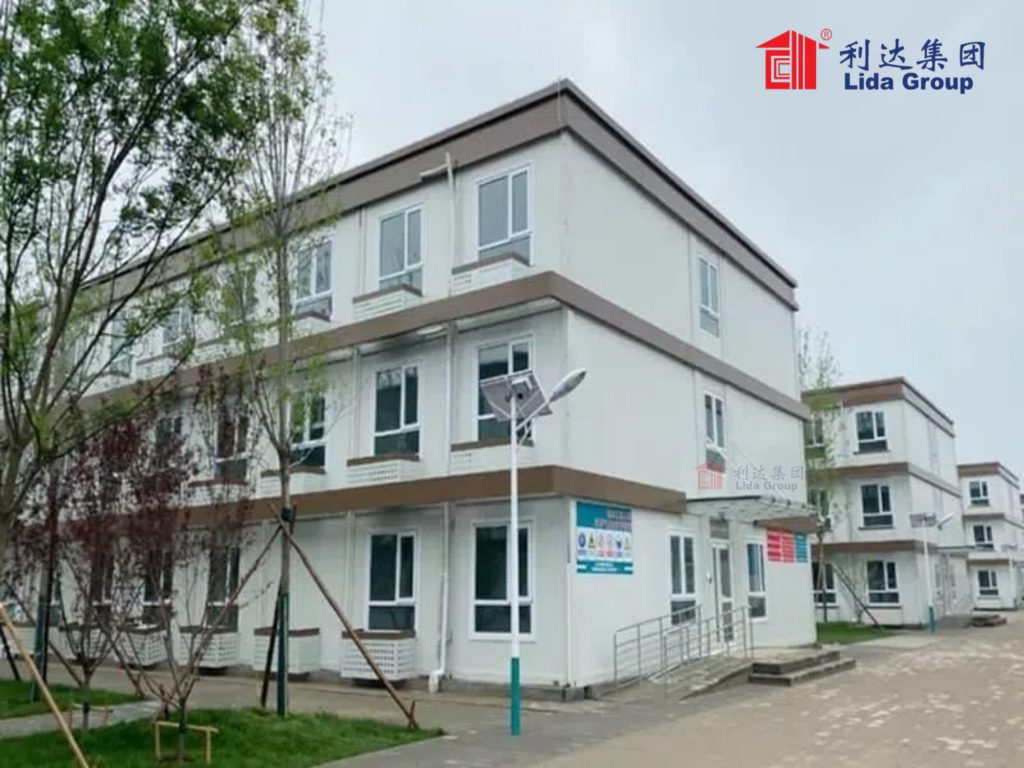
Field results speak for themselves: a 200‑bed camp was operational just 19 hours after convoy arrival [8†L44]. For larger installations, an 800‑person camp can be designed, manufactured, shipped, and installed in as little as six to ten weeks—a fraction of the time required for conventional construction [0†L41-L44]. On the Trans‑Anatolian Pipeline in Turkey, Lida Group’s mobile camp container complex advanced daily as the pipeline progressed, with leapfrog deployment methodology reducing crew transfer time by an extraordinary 78% [8†L48-L49][8†L12-L14].
**2.3 Flat‑Pack Design for Logistics Optimisation**
The flat‑pack revolution is central to Lida Group’s speed advantage. Components ship as compact bundles of wall panels, roofing sections, floor cassettes, and structural frames. A single truck carries components equivalent to 2‑3 traditional container units, and four flat‑packed cabins can be stacked together to fit into a single 20‑foot sea‑transport container—reducing shipping volume by up to 75% [19†L40-L43][23†L24-L26]. Units ship with component widths under 2.0m, eliminating the need for costly road modifications to access narrow mountain passes or tunnel clearances [19†L40-L41].
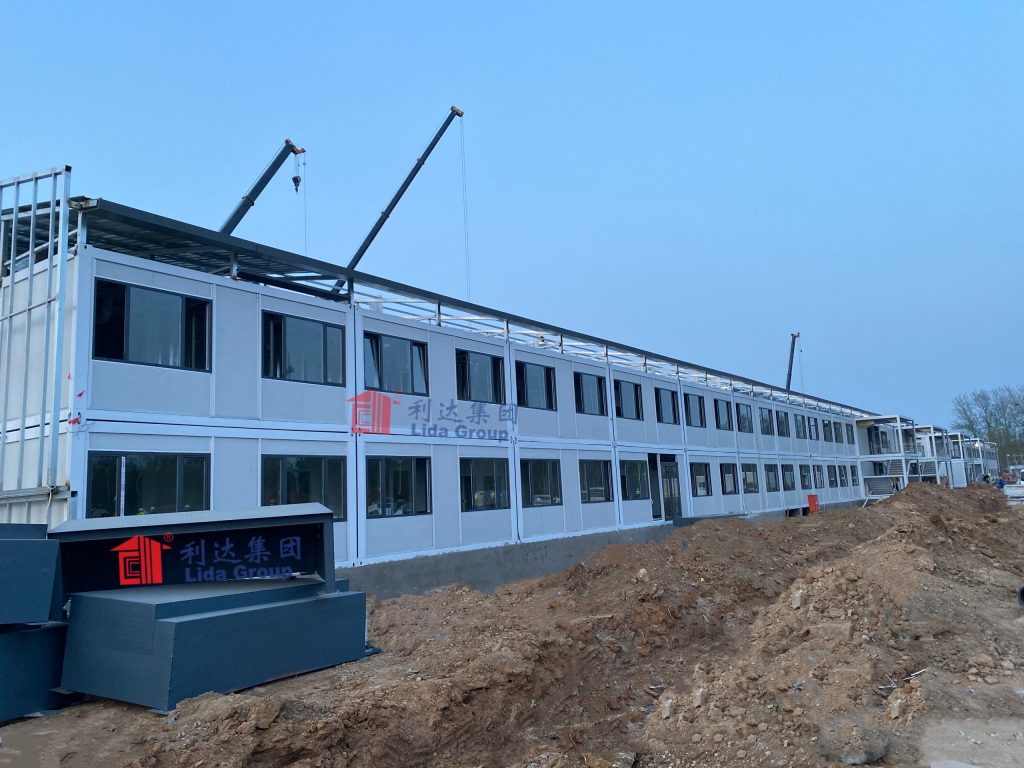
Bolt‑together connection systems require no welding, allowing local laborers to assemble complex facilities with only basic tools [8†L38-L39]. In a major Congolese cobalt belt project, 80 camp container units crossed 1,200km of African terrain in 72 hours and were assembled on‑site using bolt‑together connections and laser‑guided alignment systems that positioned units within ±3mm accuracy [3†L31-L33][8†L41-L42]. A 150‑unit installation in Southeast Asia was shipped in flat‑pack form and assembled on a large site, enabling faster installation timelines and cost efficiency throughout the project [25†L22-L27].
**Chapter 3 – Comfort by Design: The Human‑Centered Approach**
Rapid deployment does not come at the expense of quality. Lida Group’s mobile modular container houses are engineered from the ground up to prioritize both safety and comfort, merging cutting‑edge prefab manufacturing with human‑centric design [21†L23-L25].
**3.1 Superior Thermal Performance**
The foundation of comfort is a thermally stable environment. Lida Group’s 75mm fiberglass sandwich wall panels (density ≥50kg/m³, Grade A non‑flammable) and 100mm roof insulation create a continuous barrier that eliminates thermal bridging [22†L24-L28][22†L34-L36]. The result is exceptional thermal insulation—with outdoor temperatures at 0°C, indoor temperatures remain above 17°C without excessive heating; with outdoor temperatures reaching 30°C, interiors stay around a comfortable 21°C [22†L21-L23].
For extreme environments, enhanced insulation options are available. In Eastern Europe, container units used EPS and rock wool sandwich panels up to 150mm thickness, supporting thermal performance across temperatures ranging from -45°C to +50°C [0†L34-L35][12†L7-L8]. In the Canadian Arctic, Lida Group deployed a 1,200‑person camp with -60°C wind‑load certification, proving that mobile modular housing can withstand the planet’s most demanding climates [9†L43-L44].
**3.2 Private, Dignified Living Spaces**
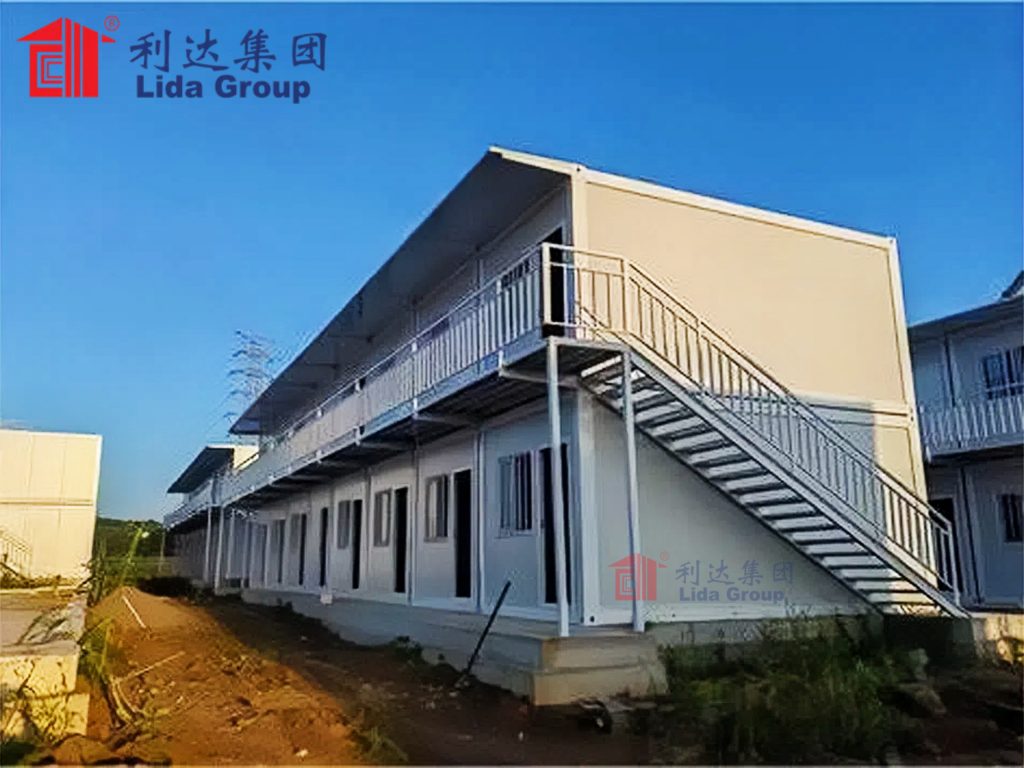
Each 20‑foot unit (approximately 16 square metres) provides a complete private living space that includes a comfortable sleeping area with quality mattress, adequate personal storage, a small workstation for off‑duty correspondence, and a private bathroom with shower, toilet, and sink [16†L18-L19]. For higher density requirements, two‑person units with bunk beds are available; for supervisors and long‑term personnel, larger units or expandable configurations can be specified.
In the Zambia Copperbelt mining region, the installation of Lida Group’s container apartments transformed worker housing conditions, leading to a 41% reduction in worker turnover and a 63% drop in illness‑related downtime—demonstrating that investment in comfort yields measurable returns in workforce stability and productivity [14†L9-L17].
**3.3 Community Amenities for Well‑Being**
A comfortable camp provides opportunities for relaxation and social connection. Lida Group’s solutions incorporate recreational amenities that boost morale on prolonged assignments while respecting workers’ privacy [16†L26-L29]. Lida’s integrated camp solutions include commercial‑grade dining modules equipped with industrial kitchens and walk‑in refrigeration, recreation rooms with televisions and gaming equipment, fitness centres, on‑site laundry facilities, and fully equipped medical clinics with examination rooms and telemedicine capabilities [10†L13-L14].
These amenities, combined with self‑contained bathrooms and kitchens that maintain hygiene where plumbing is difficult, ensure workers enjoy a dignified living experience even in the most remote locations [16†L18-L20]. One‑stop service support through proposal drawings, shop drawings, and 3D renderings allows clients to visualise and customise communal spaces before fabrication begins [11†L14-L16].
**3.4 Engineered for Safety**
Workers’ peace of mind is enhanced by safety features embedded in every unit. All units are rated for Grade 8 earthquake resistance and wind loads up to 0.6 kN/m² (approximately 120‑150 mph, level 12), making them suitable for use in seismically active regions and cyclone‑prone areas [22†L22-L23]. Steel structure assembly uses bolts and rivets for secure connections, and multi‑layer corrosion protection ensures structural integrity across multiple deployment cycles [24†L33-L35].
**Chapter 4 – Engineering Excellence: Technical Specifications**
Every Lida Group mobile modular container house is built to rigorous technical specifications that ensure durability, energy efficiency, and long‑term value.
**4.1 Structural Framework**
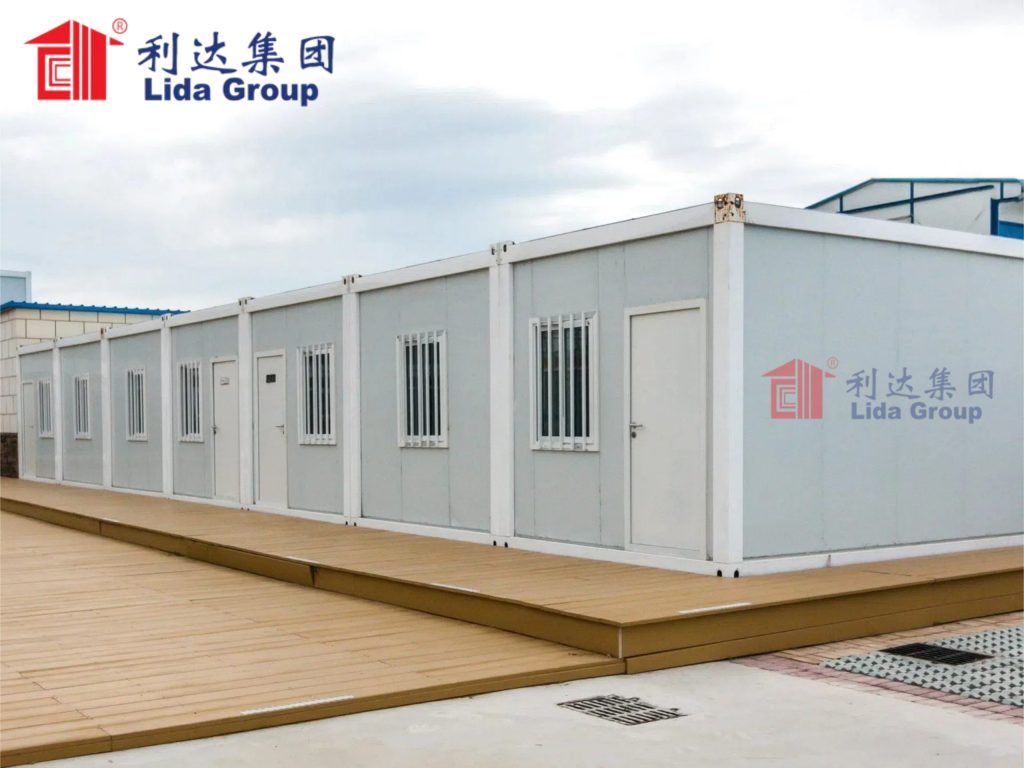
All units utilize cold‑rolled galvanized steel frames. The floor frame has a thickness of 3.5mm, the main roof frame 2.5mm, and the corner pillars 3mm of Q235B steel [22†L31-L42][22†L43-L45]. Corner pillars are connected to the main frame using hexagon socket head bolts of grade 8.8 strength, ensuring structural integrity while allowing disassembly for relocation [22†L41-L43].
**4.2 Advanced Insulation**
Wall panels are 75mm fiberglass sandwich construction (effective width 1150mm), with exterior corrugated 0.4mm aluminum‑zinc color steel sheet (PE finishing coat) and interior flat 0.4mm aluminum‑zinc color steel sheet [22†L24-L30]. Roof systems include 0.4‑0.5mm aluminum‑zinc color steel sheets with 360° full connection, overlaid with 100mm fiberglass insulation with aluminum foil [22†L31-L38]. All insulation materials are Grade A non‑flammable.
**4.3 Electrical and Plumbing Integration**
Each unit comes pre‑wired with a comprehensive electrical system rated at 5.0kW. Standard configurations include dual LED tube lights (2×15W) and five outlets (one 16A for air conditioning, four 10A for general use). Industrial sockets are fixed in explosion‑proof boxes at the top beam of the short side, with a main power plug for power connection between containers [22†L38-L40]. Pre‑installed plumbing allows rapid connection to on‑site water and waste systems.
**4.4 Lifespan and Durability**
With proper maintenance, Lida Group’s mobile modular container houses have a design lifespan of up to 20 years [15†L22-L23]. The bolt‑together connection system enables units to be assembled, disassembled, and relocated multiple times without loss of structural integrity (foldable container house models can be assembled and disassembled more than 10 times) [23†L20-L23][13†L24-L26]. Units are made of natural materials and are almost 100% recyclable, delivering great environmental benefits including thermal insulation and sound reduction [15†L13-L15].
**Chapter 5 – Real‑World Validation: Case Studies Across Continents**
Lida Group’s ability to deliver both rapid deployment and comfort is validated by successful projects across diverse global environments.
**5.1 Eastern European Mountain Camp (2025)**
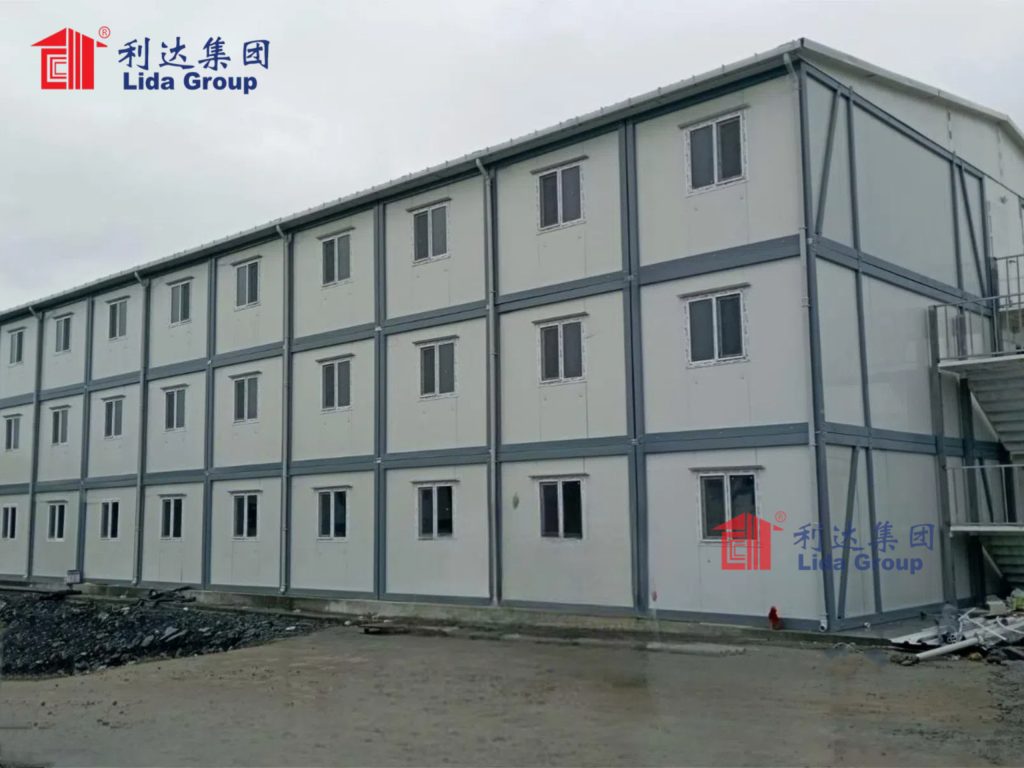
In a remote mountainous region of Eastern Europe, Lida Group completed a modular camp housing project facing severe winter conditions: temperatures dropping to -20°C, blizzards, tight construction windows, and strict environmental regulations [0†L33-L35]. The solution utilized steel frame structures with 8‑grade earthquake resistance and EPS/rock wool sandwich panels supporting thermal performance from -45°C to +50°C. Prefabricated modules were manufactured in just 25 days, shipped, and assembled by a six‑person crew with bolt‑connected steel frames reducing on‑site welding and cutting labor costs by 40% [0†L34-L36]. The project achieved 30% faster completion than traditional methods, with client feedback noting that thermal performance “exceeded expectations.”
**5.2 Saudi Aramco Gas Project**
In the harsh desert environment of Saudi Arabia, a major gas project utilized 800 relocatable container house units from Lida Group. The units reduced build costs by 44% compared to traditional housing while delivering superior thermal performance in desert conditions. The project demonstrates that mobile modular accommodation can be both cost‑effective and comfortable in one of the world’s most demanding climates [9†L44-L45][9†L11-L15].
**5.3 Southeast Asian Large‑Scale Installation**
A Southeast Asian project saw the on‑site installation of 150 container housing units shipped in flat‑pack form and assembled on a large site designated for temporary accommodations [25†L21-L24]. The units were equipped with insulation materials, energy‑efficient lighting, and double‑glazed windows to help reduce environmental impact and operational costs. The modular design enabled faster installation timelines and cost efficiency throughout the project [25†L25-L28].
**5.4 City Apartment Hotel Project**
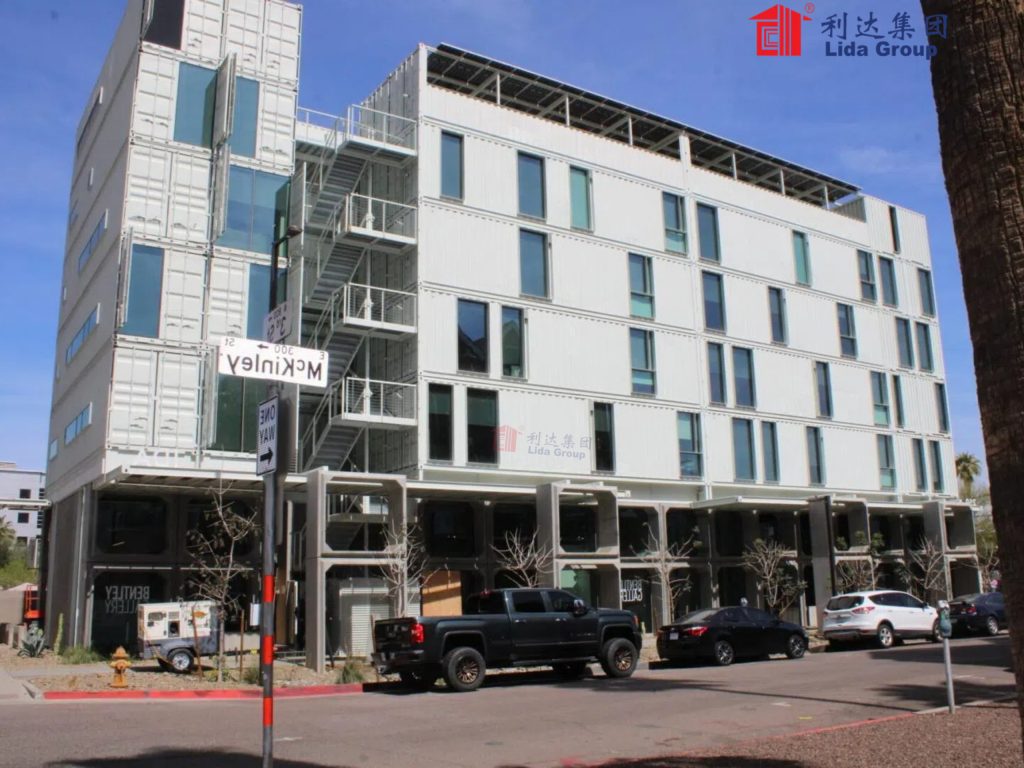
In a Southeast Asian city, Lida Group completed a container house apartment hotel project using 33 modular container units prefabricated off‑site and assembled on location using a stackable modular design [25†L10-L14]. Including private bathrooms and shared amenities, the units were customized with specific color schemes and a secondary roof for enhanced weather resistance. The structures are designed for long‑term use with an expected service life exceeding 25 years given proper maintenance [25†L15-L20].
**5.5 African Terrain Deployment**
In a Congolese cobalt belt project, 80 camp container units traversed 1,200km of African terrain in 72 hours [3†L31-L32]. Laser‑guided alignment systems achieved ±3mm positioning, and color‑coded utility quick‑connects slashed commissioning time, demonstrating that Lida Group’s mobile solutions can be deployed rapidly even in the most challenging logistical environments [3†L32-L33].
**Chapter 6 – Sustainability and Economic Value**
The sustainability credentials of Lida Group’s mobile modular container houses align with modern environmental standards while delivering compelling economic advantages.
**6.1 Circular Economy by Design**
Lida Group’s bolt‑together assembly is engineered for more than 90% steel recyclability, and zero‑waste manufacturing reduces scrap by 70% compared to traditional builds [9†L37-L40]. Units can be converted into office containers or other facilities for future projects, maximizing material utility [9†L40-L41]. Modular stacking accommodates fluctuating headcounts over construction and operations, and disassembly permits simple site restoration at decommissioning [16†L32-L34].
**6.2 Energy Efficiency**
The high insulation values of Lida Group’s container houses reduce heating and cooling energy consumption by an estimated 30‑50% compared to conventional workforce housing. For remote sites that rely entirely on diesel generators, this reduction translates directly into lower fuel costs and reduced carbon emissions. Roof structures are “solar‑ready,” with pre‑engineered attachment points allowing easy integration of photovoltaic arrays for off‑grid energy independence [16†L24-L25].
**6.3 Total Cost of Ownership**
Unlike site‑built camps that are demolished and landfilled at project conclusion (representing a complete loss of capital), Lida Group’s units retain significant asset value. They can be redeployed to subsequent projects, sold into a thriving secondary market, or repurposed for alternative uses such as warehouse space or site offices. This circular approach dramatically improves return on investment across multi‑project portfolios [9†L37-L42].
**Chapter 7 – Global Reach and Comprehensive Service**
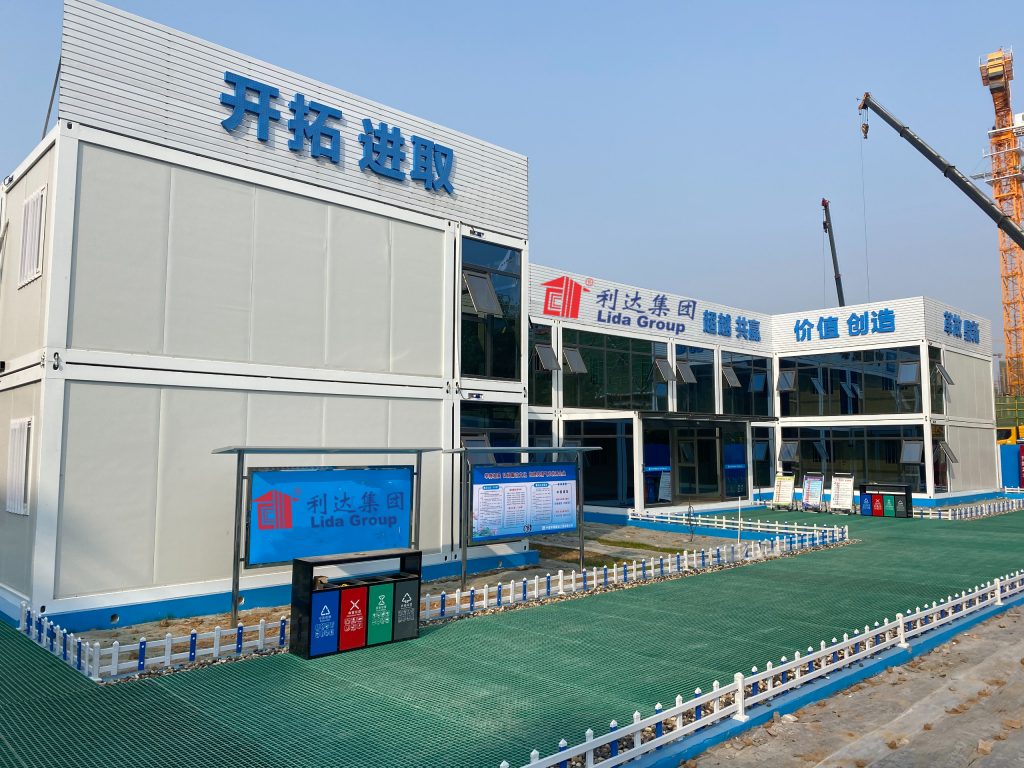
Lida Group’s ability to deliver mobile modular container houses worldwide is supported by a robust global infrastructure. The company operates overseas branches in Saudi Arabia, Qatar, Dubai, Kuwait, Russia, Malaysia, Sri Lanka, Maldives, Angola, and Chile, ensuring responsive local support for projects across six continents [11†L52-L53]. With over 32 years of experience and a one‑stop service platform covering design, manufacturing, logistics, and installation, Lida Group provides turnkey camp housing systems including proposal drawings, shop drawings, 3D renderings, material photos, and project images [11†L48-L55].
**Conclusion**
Lida Group’s mobile modular container house sets a new standard for remote workforce accommodation by delivering what the industry has long sought: rapid deployment that compresses construction timelines by 50‑70%, combined with genuine worker comfort that reduces turnover and improves productivity. Through factory precision manufacturing, flat‑pack logistics, bolted assembly, advanced insulation, and human‑centered design, Lida Group has engineered a solution that serves as a strategic asset for project managers worldwide.
The evidence is clear: from the Turkish highlands where camp relocation cut transfer times by 78%, to the Arctic where 1,200‑person camps withstand -60°C winds, to the African mining sites where turnover dropped 41%, Lida Group’s mobile modular container houses perform. Backed by ISO9001, ISO14001, ISO45001, and CE certifications, with over 5,000 completed projects in 152 countries, Lida Group has earned its reputation as the definitive partner for remote workforce accommodation. In an era where every day of delay erodes profit and every worker matters, Lida Group’s mobile modular container house stands as the definitive solution—delivering the speed to meet demanding schedules and the comfort to support the people who power global industry.
Related news
-
Why Lida Group’s Hot Selling Container House is the Choice for Project Managers
2026-04-27 15:56:14
-
Efficient Prefabricated Container Worker Accommodation Solutions by Lida Group
2026-04-27 15:52:23
-
Hot Selling Container House Combines Durability and Speed with Lida Group’s Design
2026-04-27 15:28:46
contact us
- Tel: +86-532-88966982
- Whatsapp: +86-13793209022
- E-mail: sales@lidajituan.com
