



Low Cost Metal House Built with Durable Steel Structure Building and Corrosion-Resistant Technology
2026-May-20 17:13:29
By Admin
1. Introduction
The global housing crisis continues to worsen amid rapid urbanization, population growth, and economic disparities, leaving millions of people without access to safe, affordable, and durable housing. In both developing and developed regions, the demand for low-cost housing solutions has never been higher, as traditional construction methods—such as concrete and masonry—are often expensive, time-consuming, and resource-intensive. Against this backdrop, low-cost metal houses have emerged as a practical and sustainable alternative, offering a perfect balance of affordability, speed, and structural performance. At the core of these houses lies durable steel structure building, paired with advanced corrosion-resistant technology, which addresses the key challenges of metal construction and ensures long-term reliability without compromising on cost.
Steel has long been recognized as a superior construction material, thanks to its high strength-to-weight ratio, flexibility, and recyclability. However, steel’s susceptibility to corrosion—especially in harsh environmental conditions—has historically limited its widespread adoption in low-cost housing projects. Corrosion not only degrades the structural integrity of metal houses over time but also increases maintenance costs, undermining the economic viability of low-cost initiatives. To overcome this barrier, modern construction practices have integrated cutting-edge corrosion-resistant technologies into steel structure design and manufacturing, making low-cost metal houses a viable, long-lasting solution for global housing needs.
This article provides a comprehensive overview of low-cost metal houses built with durable steel structures and corrosion-resistant technology. It explores the core advantages of steel structures in low-cost housing, details the key corrosion-resistant technologies that enhance durability, examines critical design and construction considerations, showcases real-world case studies, and discusses the market impact and future prospects of this innovative housing solution. By the end, readers will gain a clear understanding of how durable steel structures and corrosion-resistant technologies are transforming low-cost housing, making safe and affordable homes accessible to more people worldwide.
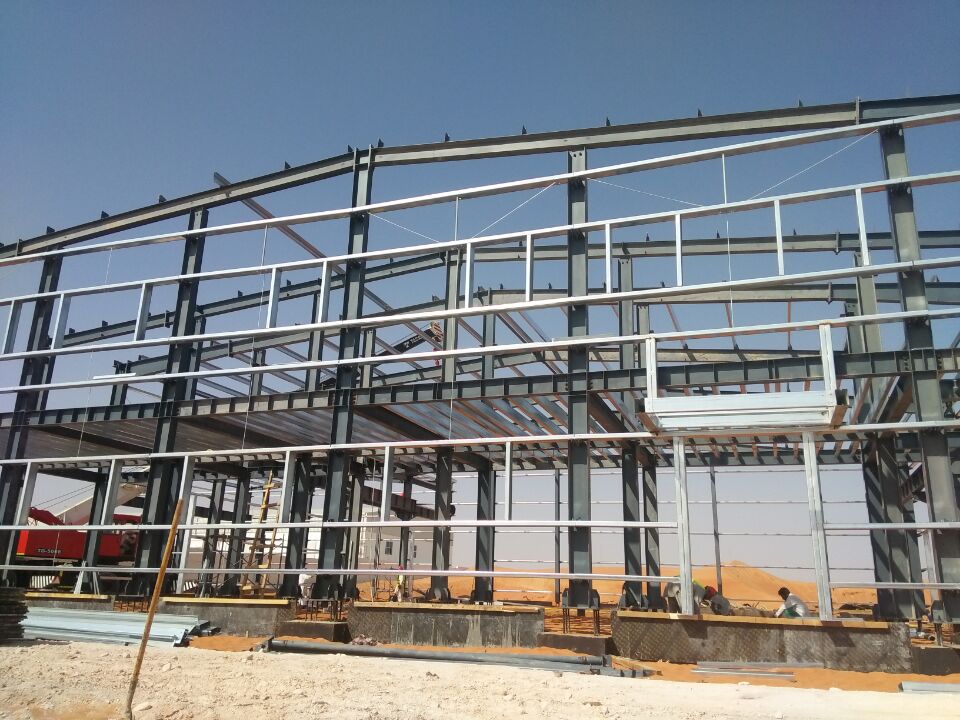
2. The Core Advantages of Durable Steel Structures in Low-Cost Metal Houses
2.1 Structural Strength and Durability
Durable steel structures are the foundation of high-quality low-cost metal houses, offering unparalleled structural strength that far exceeds traditional construction materials. Steel is inherently strong, with a tensile strength significantly higher than concrete or wood, meaning it can support heavier loads with less material. This strength translates to safer housing that can withstand extreme weather conditions—including strong winds, heavy rain, snowfall, and even minor earthquakes—making it suitable for diverse climatic regions, from tropical coastal areas to cold mountainous zones.
Unlike wood, which is prone to rot, termite infestation, and warping, or concrete, which can crack over time due to temperature changes, steel structures maintain their integrity for decades when properly protected. This durability reduces the need for frequent repairs and replacements, lowering the total cost of ownership for low-cost housing projects. For example, a well-constructed steel-framed metal house can have a service life of 50 to 100 years, compared to 20 to 30 years for traditional wooden houses and 30 to 50 years for concrete houses. This long lifespan ensures that the initial investment in low-cost metal houses delivers maximum value over time, making them a cost-effective choice for governments, developers, and low-income communities.
Additionally, steel structures are highly resistant to fire, a critical safety feature for low-cost housing. Steel does not burn or ignite, and it retains its structural strength at high temperatures much longer than wood or concrete. This reduces the risk of fire-related damage and ensures the safety of occupants, which is particularly important in densely populated low-cost housing communities where fire hazards are more prevalent.
2.2 Cost-Efficiency in Construction and Maintenance
One of the primary reasons steel structures are ideal for low-cost metal houses is their cost-efficiency. Steel is a highly abundant material with a global supply chain, which keeps raw material costs relatively low. Moreover, steel structures are lightweight, reducing transportation costs—critical for low-cost projects where budget constraints are tight. Unlike concrete, which requires heavy machinery for mixing and pouring, steel components are lightweight and easy to transport, even to remote or rural areas where infrastructure is limited.
The construction process for steel-framed metal houses is also faster and more efficient than traditional methods, further reducing costs. Steel components are prefabricated in factories, where they are cut, bent, and welded to precise specifications. This prefabrication eliminates the need for on-site cutting and welding, reducing labor costs and construction time. A typical low-cost steel-framed metal house can be assembled by a small team of workers in just a few days, compared to weeks or months for concrete or wooden houses. This speed not only lowers labor costs but also allows for faster delivery of housing, which is critical in emergency situations or when addressing urgent housing shortages.
Long-term maintenance costs are also significantly lower for steel-framed metal houses, especially when paired with corrosion-resistant technology. Unlike wooden houses, which require frequent painting, staining, and termite treatments, or concrete houses, which may need patching and resurfacing, steel structures protected by corrosion-resistant technologies require minimal maintenance. This reduces ongoing expenses for low-income families and governments, making low-cost metal houses economically sustainable in the long run.
2.3 Design Flexibility and Modularity
Steel structures offer exceptional design flexibility, making them suitable for a wide range of low-cost housing needs. Steel is highly malleable and can be shaped into various forms, allowing for customizable designs that adapt to local preferences, climate conditions, and space requirements. Whether it’s a small one-bedroom house for a single family, a multi-unit apartment building, or an emergency shelter, steel structures can be tailored to meet specific needs without increasing costs significantly.
Modularity is another key advantage of steel-framed low-cost metal houses. Prefabricated steel components are designed to fit together like puzzle pieces, allowing for easy expansion or modification. For example, a small metal house can be expanded by adding additional steel modules as a family grows, eliminating the need to build a new house from scratch. This modularity also makes steel-framed metal houses ideal for temporary or emergency housing, as they can be quickly assembled, disassembled, and relocated as needed.
Furthermore, steel structures can be combined with other materials—such as insulated panels, wood, or concrete—to enhance comfort and functionality. For example, adding insulated steel panels to the exterior of a metal house improves energy efficiency, reducing heating and cooling costs for occupants. This design flexibility ensures that low-cost metal houses are not only affordable but also comfortable and suitable for long-term living.
2.4 Environmental Sustainability
In an era of increasing focus on sustainability, steel-framed low-cost metal houses offer significant environmental benefits. Steel is one of the most recyclable materials in the world, with a recycling rate exceeding 90% globally. This means that steel components from old or decommissioned metal houses can be recycled and reused, reducing waste and minimizing the environmental impact of construction. Unlike concrete, which is difficult to recycle and often ends up in landfills, steel can be recycled indefinitely without losing its strength or quality.
The prefabrication process for steel components also reduces waste, as computer-controlled cutting ensures that materials are used efficiently. This minimizes scrap metal and reduces the environmental footprint of construction. Additionally, steel-framed metal houses require less energy to construct than traditional houses, as the prefabrication process is more efficient and requires less on-site energy use.
When paired with corrosion-resistant technologies, steel-framed metal houses also promote sustainability by extending the service life of the structure, reducing the need for frequent replacements and the associated environmental impact of manufacturing and transporting new materials. This makes low-cost metal houses a sustainable choice for addressing global housing needs while minimizing environmental harm.

3. Corrosion-Resistant Technologies for Steel Structure Low-Cost Metal Houses
3.1 Coating Technologies: The First Line of Defense Against Corrosion
Corrosion is the primary threat to steel structures, but advanced coating technologies have emerged as an effective and cost-efficient solution for low-cost metal houses. These coatings act as a barrier between the steel surface and the environment, preventing oxygen, moisture, and other corrosive elements from coming into contact with the steel. There are several types of corrosion-resistant coatings tailored to the needs of low-cost housing, each offering unique benefits in terms of cost, durability, and performance.
Hot-dip galvanizing is one of the most widely used and cost-effective coating technologies for steel-framed low-cost metal houses. This process involves immersing steel components in a bath of molten zinc, which forms a thick, durable zinc coating that bonds metallurgically with the steel. The zinc coating acts as a sacrificial anode, corroding itself instead of the steel, providing long-lasting protection. Hot-dip galvanizing is particularly suitable for low-cost projects because it requires minimal maintenance and has a service life of 50 years or more in moderate environments. Unlike traditional painting, which can chip or peel over time, hot-dip galvanizing forms a seamless, uniform coating that is resistant to scratches and damage.
For projects in extremely corrosive environments—such as coastal areas with saltwater spray, industrial regions with air pollution, or humid tropical zones—zinc-aluminum-magnesium (Zn-Al-Mg) coatings are an ideal choice. These coatings offer superior corrosion resistance compared to traditional hot-dip galvanizing, with a corrosion resistance 3 to 5 times higher than pure zinc coatings. Zn-Al-Mg coatings also require a thinner layer to achieve the same level of protection, reducing material costs and making them a cost-effective option for low-cost projects. Additionally, these coatings are more resistant to scratching and damage during transportation and installation, ensuring consistent protection.
Powder coating is another popular corrosion-resistant technology, particularly for low-cost metal houses that require aesthetic customization. Powder coating is an eco-friendly coating that is applied electrostatically and cured at high temperatures, creating a hard, scratch-resistant finish. It is available in a wide range of colors, allowing low-cost metal houses to be tailored to local preferences. When combined with hot-dip galvanizing or Zn-Al-Mg coatings, powder coating provides a dual-layer protection system that maximizes corrosion resistance while enhancing the visual appeal of the house. This makes it a versatile option for low-cost housing projects that need to balance durability, cost, and aesthetics.
3.2 Material Innovations: Corrosion-Resistant Steel Alloys
In addition to coatings, the use of corrosion-resistant steel alloys is a key component of ensuring the durability of steel-framed low-cost metal houses. These alloys are designed to resist corrosion naturally, reducing the need for additional coatings and lowering long-term maintenance costs. For low-cost projects, the goal is to select alloys that offer a balance of corrosion resistance, strength, and affordability.
Low-alloy high-strength steel (LAHSS) is a popular choice for low-cost metal houses. This alloy contains small amounts of alloying elements—such as manganese, silicon, copper, and nickel—which enhance its corrosion resistance and structural strength without significantly increasing costs. LAHSS is lightweight, easy to fabricate, and offers excellent durability, making it ideal for low-cost steel structures. It is particularly suitable for projects in moderate corrosion environments, such as rural areas with mild humidity.
Weathering steel, also known as corten steel, is another innovative material for low-cost metal houses in moderate to mild corrosion environments. Weathering steel forms a protective rust layer (patina) over time when exposed to the elements. This patina acts as a barrier, preventing further corrosion and eliminating the need for additional coatings. This makes weathering steel a cost-effective option for low-cost projects, as it reduces the initial cost of coating and eliminates long-term maintenance costs associated with repainting. Weathering steel is ideal for rural or remote low-cost housing projects where maintenance access is limited.
Stainless steel is a more corrosion-resistant alloy, but it is typically more expensive than other options. However, for low-cost projects in extremely corrosive environments—such as coastal areas or industrial regions—stainless steel can be used selectively for critical components, such as fasteners, joints, and connectors. This ensures that the most vulnerable parts of the steel structure are protected from corrosion, while keeping overall costs within budget. By using stainless steel for critical components and more cost-effective alloys for the main frame, low-cost metal houses can achieve optimal corrosion resistance without overspending.
3.3 Structural Design Optimization for Corrosion Prevention
Beyond coatings and materials, structural design optimization plays a crucial role in preventing corrosion in steel-framed low-cost metal houses. A well-designed structure can minimize the accumulation of moisture, reduce contact between steel and corrosive elements, and improve ventilation—all of which slow down the corrosion process. Design optimization is a cost-effective way to enhance corrosion resistance, as it does not require additional materials or technologies.
One key design feature is the use of elevated foundations. Raising the steel frame above the ground prevents contact with moisture and soil-borne corrosive elements, such as salt, chemicals, or organic matter. This is particularly important for low-cost metal houses in rural or wet areas, where the ground may be saturated with water or contain high levels of corrosive substances. Elevated foundations also improve drainage, reducing the risk of water accumulation around the base of the structure, which can accelerate corrosion of the steel frame.
Proper ventilation is another critical design consideration. High humidity inside the metal house can accelerate corrosion of steel components, particularly in enclosed spaces. By incorporating vents, windows, and other ventilation features, designers ensure that air circulates freely, reducing moisture levels and minimizing corrosion risks. This not only protects the steel structure but also improves the living environment for occupants, reducing the risk of mold and mildew.
The design of steel joints and connections is also optimized to prevent corrosion. Joints and connections are often the most vulnerable areas for corrosion, as they can trap moisture and debris. To address this, designers use sealed joints and corrosion-resistant fasteners—such as stainless steel bolts and screws—to minimize moisture accumulation. They also avoid sharp edges and crevices in the design, which can trap water and accelerate corrosion. By focusing on these small but critical design details, low-cost metal houses can achieve long-term corrosion resistance without increasing costs.
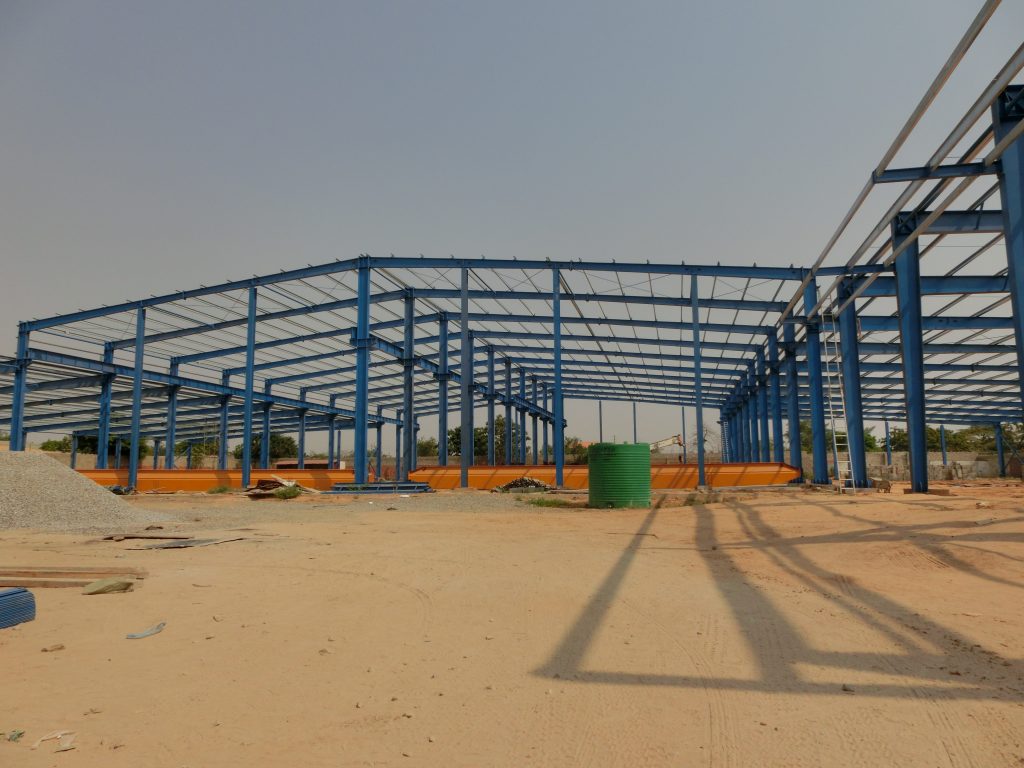
4. Key Design and Construction Considerations for Low-Cost Metal Houses
4.1 Cost Control Strategies
The primary goal of low-cost metal houses is to deliver affordable housing without compromising on quality or durability. To achieve this, cost control strategies must be integrated into every stage of design and construction. One of the most effective strategies is the use of standardized prefabricated components. Standardization reduces manufacturing costs by allowing mass production of steel components, which lowers per-unit costs. It also simplifies the construction process, reducing labor costs and construction time.
Material optimization is another key cost control strategy. By selecting the right combination of steel alloys and coatings, designers can balance corrosion resistance, strength, and cost. For example, using LAHSS for the main frame and weathering steel for non-critical components can reduce material costs while maintaining durability. Additionally, minimizing the amount of steel used by optimizing the structural design—such as using lightweight steel framing (LSF) instead of heavy steel beams—can further reduce costs.
Supply chain optimization also plays a role in cost control. Working with local suppliers for steel and other materials reduces transportation costs, which can be a significant expense for low-cost projects. Additionally, establishing long-term partnerships with suppliers allows for better pricing and ensures a steady supply of materials, reducing the risk of delays and cost overruns.
4.2 Structural Design for Affordability and Durability
The structural design of low-cost metal houses must balance affordability and durability. This means designing a structure that is strong enough to withstand environmental conditions and meet safety standards, while using the minimum amount of material necessary. Light steel framing (LSF) is an ideal choice for this purpose. LSF involves using thin-walled steel components—such as C-channels and Z-channels—which are lightweight, easy to fabricate, and require less material than traditional heavy steel beams. This reduces material costs and makes the structure easier to transport and assemble.
Another design consideration is the use of modular construction. Modular steel components are prefabricated in factories and assembled on-site, reducing construction time and labor costs. Modular design also allows for easy expansion and customization, making it suitable for a wide range of housing needs. For example, a basic modular unit can be used as a single-bedroom house, and additional units can be added to create a larger house or multi-unit apartment building.
Designers also need to consider local climate conditions when designing low-cost metal houses. For example, in areas with strong winds, the steel frame should be designed to resist wind loads, while in cold regions, the structure should be insulated to improve energy efficiency. By tailoring the design to local conditions, designers can ensure that the house is durable and comfortable, while avoiding unnecessary costs associated with over-engineering.
4.3 Construction Process Efficiency
Efficiency in the construction process is critical for low-cost metal houses, as it reduces labor costs and shortens the time to completion. Prefabrication is the cornerstone of efficient construction for steel-framed metal houses. By manufacturing steel components in a controlled factory environment, quality is ensured, and on-site construction time is minimized. Prefabricated components are delivered to the site ready for assembly, eliminating the need for on-site cutting, welding, and finishing.
The use of lightweight components also improves construction efficiency. Steel components are lightweight and easy to handle, requiring minimal specialized labor and equipment. This is particularly important for low-cost projects in remote or rural areas, where skilled labor and heavy machinery may be scarce. A small team of workers can assemble a prefabricated steel-framed metal house in just a few days, compared to weeks or months for traditional construction methods.
On-site training and support are also important for ensuring construction efficiency. Many low-cost housing projects rely on local labor, which may not have experience with steel construction. Providing training on how to assemble prefabricated steel components ensures that the construction process is efficient and that the structure is built to the highest standards. Additionally, on-site quality control inspections help to identify and address any issues early, reducing the risk of delays and cost overruns.
4.4 Quality Control and Compliance
Quality control is essential for ensuring the durability and safety of low-cost metal houses built with steel structures and corrosion-resistant technology. Quality control measures should be implemented at every stage of the process—from material sourcing and manufacturing to construction and final inspection. For example, steel materials should be tested for corrosion resistance, strength, and quality to ensure they meet international standards. Prefabricated components should be inspected for dimensional accuracy and coating quality before being shipped to the construction site.
Compliance with local building codes and safety standards is also critical. Low-cost metal houses must meet the same safety requirements as traditional houses, including structural safety, fire resistance, and energy efficiency. Designers and constructors should work closely with local authorities to ensure that the house complies with all relevant regulations. This not only ensures the safety of occupants but also avoids costly delays or modifications due to non-compliance.
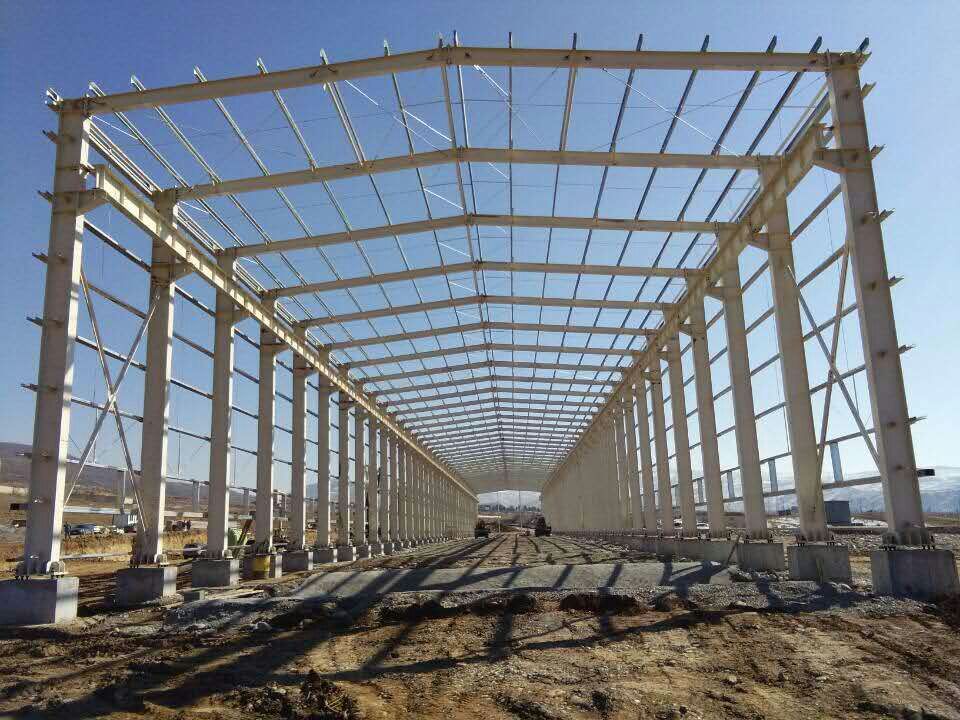
5. Real-World Case Studies of Low-Cost Metal Houses with Durable Steel Structures
5.1 Rural Low-Cost Housing Project in Kenya
In 2023, a non-governmental organization (NGO) partnered with local contractors to build 300 low-cost metal houses for rural communities in Kenya. The region is characterized by hot, dry weather, occasional heavy rainfall, and moderate corrosion risks due to dust and humidity. The project had a tight budget of $4,500 per house, requiring a cost-effective solution that would be durable and comfortable for rural families.
The solution involved using light steel framing (LSF) made from low-alloy high-strength steel (LAHSS) with hot-dip galvanizing for corrosion protection. The steel components were prefabricated in a local factory, reducing transportation costs and ensuring consistent quality. The houses were designed with elevated foundations to prevent contact with moist soil and improved ventilation to reduce indoor humidity. Each house featured one bedroom, a living area, a kitchen, and a bathroom, providing comfortable living space for a family of three to four people.
The construction process was completed in just 3 months, with local workers trained to assemble the prefabricated components. The hot-dip galvanized steel frames have been in use for over a year, with no signs of rust or structural degradation. The families living in the houses reported improved living conditions, with better ventilation and protection from the elements. The NGO also noted that the maintenance costs for the houses are less than 5% of the maintenance costs for traditional mud-brick houses in the area, making the project economically sustainable.
This case study demonstrates how durable steel structures and corrosion-resistant technologies can be used to deliver low-cost housing in rural areas. The use of LAHSS and hot-dip galvanizing ensured durability while keeping costs within budget, providing rural families with safe, long-lasting homes.
5.2 Emergency Shelter Project in Bangladesh
Following severe flooding in Bangladesh in 2024, the government partnered with international aid organizations to build 1,500 low-cost emergency shelters for displaced families. The shelters needed to be fast to construct, affordable, and durable enough to withstand future floods and humid conditions. The project required a solution that could be deployed quickly and provide long-term protection against corrosion.
The solution involved using modular steel structures made from weathering steel, which eliminates the need for additional coatings and reduces maintenance costs. The shelters were designed as lightweight, portable units that could be quickly assembled and disassembled, making them ideal for emergency situations. Each shelter was 15 square meters, providing enough space for a family of five, and featured a raised floor to protect against flooding.
The prefabricated steel components were delivered to the flood-affected regions by boat, and local workers were trained to assemble the shelters in just 2 days per unit. The weathering steel structures have been in use for over 8 months, with the protective patina forming naturally to prevent corrosion. The shelters have withstood heavy rainfall and high humidity, with no signs of structural damage. The modular design has also allowed for easy expansion, as additional units can be added to accommodate growing families.
This case study highlights the versatility of steel-framed low-cost metal houses in emergency situations. The use of weathering steel ensured durability and low maintenance, while the modular design allowed for fast deployment—critical in disaster relief efforts.
5.3 Urban Low-Cost Apartment Project in Mexico
In 2025, a local developer in Mexico City built a 10-story low-cost apartment building using steel structures and corrosion-resistant technology. The project aimed to address the city’s affordable housing shortage, with a budget of $800 per square meter. The building needed to be durable, energy-efficient, and aesthetically pleasing to blend in with the surrounding urban environment.
The solution involved using a steel frame made from LAHSS with Zn-Al-Mg coatings for superior corrosion resistance, as the city’s industrial pollution and high humidity posed significant corrosion risks. The steel frame was paired with insulated steel panels to improve energy efficiency, reducing heating and cooling costs for occupants. The building featured 120 apartments, each with one or two bedrooms, a living area, a kitchen, and a bathroom.
The prefabricated steel components were manufactured in a nearby factory and transported to the construction site, where they were assembled in just 6 months—half the time required for a traditional concrete apartment building. The Zn-Al-Mg coatings have protected the steel frame from corrosion, and the insulated panels have reduced energy costs by 30% compared to traditional apartments. The building has been well-received by occupants, who appreciate the comfortable living conditions and low maintenance costs.
This case study demonstrates that steel-framed low-cost metal houses can be used for high-rise urban apartments, providing an affordable and durable solution for urban housing shortages. The use of advanced corrosion-resistant technologies and energy-efficient design ensures that the building is sustainable and cost-effective in the long run.
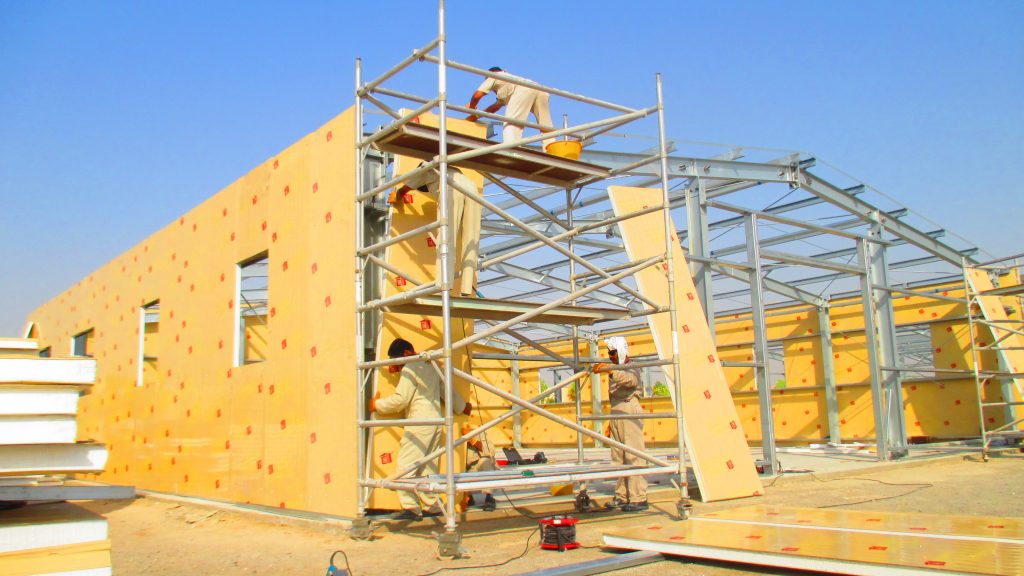
6. Market Prospects and Industry Impact
6.1 Growing Global Demand for Low-Cost Metal Houses
The global demand for low-cost metal houses built with durable steel structures and corrosion-resistant technology is expected to grow significantly in the coming years. This growth is driven by several factors, including the increasing global housing shortage, rapid urbanization, and the need for sustainable and cost-effective construction solutions. According to a recent industry report, the global low-cost housing market is projected to grow at a compound annual growth rate (CAGR) of 7.2% from 2025 to 2030, with steel-framed metal houses accounting for a growing share of this market.
In developing regions, where the housing shortage is most severe, low-cost metal houses are becoming an increasingly popular solution. Governments and NGOs are investing in steel-framed housing projects to provide safe and affordable homes for low-income families, displaced people, and rural communities. In developed regions, low-cost metal houses are being used for temporary housing, student housing, and affordable apartments, as they offer a cost-effective alternative to traditional construction.
6.2 Technological Advancements Driving Innovation
Technological advancements in corrosion-resistant coatings, steel alloys, and prefabrication are driving innovation in the low-cost metal house industry. New coating technologies—such as nanocoatings and self-healing coatings—are being developed to provide even better corrosion resistance at a lower cost. These coatings are more durable and require less maintenance than traditional coatings, making them ideal for low-cost projects.
Advancements in steel alloy technology are also improving the performance and affordability of steel structures. New low-alloy steels are being developed that offer superior corrosion resistance and strength, while remaining cost-effective. Additionally, the use of 3D printing and automated manufacturing is reducing the cost of prefabricated steel components, making low-cost metal houses even more affordable.
6.3 Industry Impact and Social Benefits
Low-cost metal houses built with durable steel structures and corrosion-resistant technology have a significant positive impact on society and the construction industry. They provide safe, affordable housing for millions of people who would otherwise be unable to afford decent homes, reducing poverty and improving quality of life. Additionally, the use of steel and prefabrication reduces the environmental impact of construction, promoting sustainability and reducing waste.
The industry also benefits from the growth of low-cost metal houses, as it creates new jobs in manufacturing, construction, and related sectors. Local economies are boosted by the construction of low-cost housing projects, as they require local labor and materials. Additionally, the adoption of steel-framed construction is driving innovation in the construction industry, leading to more efficient and sustainable building practices.
7. Conclusion
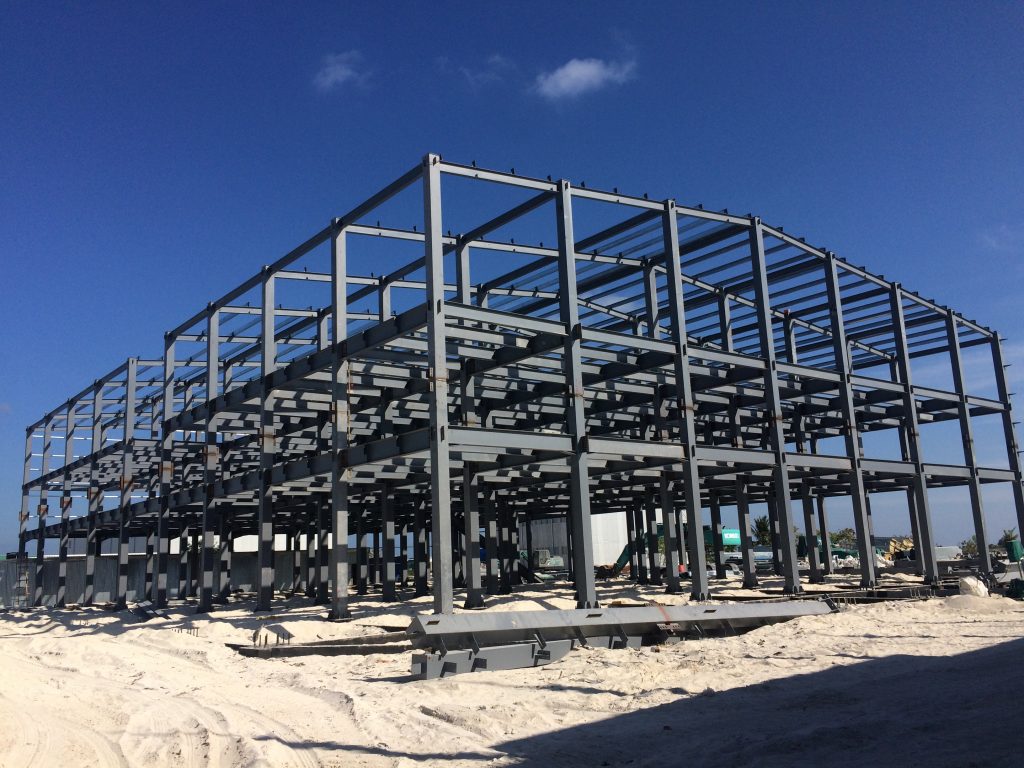
Low-cost metal houses built with durable steel structures and corrosion-resistant technology represent a transformative solution to the global housing crisis. By combining the strength, durability, and cost-efficiency of steel structures with advanced corrosion-resistant technologies, these houses offer a safe, affordable, and sustainable alternative to traditional construction methods. The core advantages of steel structures—including structural strength, cost-efficiency, design flexibility, and sustainability—make them ideal for low-cost housing projects, while corrosion-resistant coatings, materials, and design optimization ensure long-term durability and low maintenance costs.
Throughout this article, we have explored the key components of low-cost metal houses, from the benefits of steel structures to the latest corrosion-resistant technologies. We have also examined critical design and construction considerations, showcased real-world case studies, and discussed the market prospects and industry impact of this innovative housing solution. The case studies demonstrate that low-cost metal houses can be adapted to diverse environments—from rural communities to urban areas and emergency situations—providing safe and durable housing for people around the world.
As the global demand for affordable housing continues to grow, low-cost metal houses built with durable steel structures and corrosion-resistant technology will play an increasingly important role in addressing this need. Technological advancements will continue to improve the performance and affordability of these houses, making them even more accessible to low-income communities and governments. By prioritizing durability, cost-efficiency, and sustainability, the construction industry can deliver housing solutions that not only meet the needs of today but also contribute to a more sustainable future.
In conclusion, low-cost metal houses built with durable steel structures and corrosion-resistant technology are more than just affordable housing—they are a symbol of progress, innovation, and hope for millions of people around the world. By leveraging the strength of steel and the power of corrosion-resistant technology, we can build a world where everyone has access to a safe, durable, and affordable home.
Related news
-
Lida Group Delivers Corrosion-Resistant Steel Construction for Low Cost Metal House Projects
2026-05-20 16:38:05
-
New Mining Field Worker Camp Features Temporary Durable Building and Easy Install Panels
2026-05-20 16:18:59
-
Lida Group Combines Affordability and Speed in Mining Field Worker Camp Projects
2026-05-20 14:55:29
contact us
- Tel: +86-532-88966982
- Whatsapp: +86-13793209022
- E-mail: sales@lidajituan.com
