



Lida Group Combines Steel Structure Building and Corrosion-Resistant Steel Construction Affordably
2026-May-20 17:29:29
By Admin
1. Introduction
The global housing and construction industry is facing an unprecedented challenge: meeting the growing demand for safe, durable, and affordable buildings amid rapid urbanization, climate change, and economic constraints. Traditional construction materials such as concrete and masonry have long dominated the market, but they are often plagued by high costs, lengthy construction timelines, and poor durability in harsh environments. Steel structure buildings have emerged as a game-changing alternative, offering superior strength, flexibility, and sustainability. However, steel’s inherent vulnerability to corrosion—especially in coastal, industrial, or humid regions—has historically limited its widespread adoption in low-cost and mid-range construction projects. Corrosion not only degrades structural integrity over time but also increases long-term maintenance costs, undermining the economic viability of steel-based solutions.
Against this backdrop, Lida Group, a leading global provider of integrated construction solutions, has pioneered the seamless combination of steel structure building and corrosion-resistant steel construction, making high-quality, durable steel buildings accessible at affordable prices. With decades of experience in steel structure design, manufacturing, and construction, Lida Group has broken industry barriers by optimizing every link of the value chain—from material selection and technology innovation to production efficiency and cost control. The company’s unique approach not only addresses the corrosion challenge of steel structures but also ensures that the resulting buildings are cost-competitive with traditional construction methods, opening up new possibilities for affordable housing, industrial facilities, public buildings, and emergency shelters worldwide.
This article provides a comprehensive overview of how Lida Group achieves the affordable integration of steel structure building and corrosion-resistant steel construction. It explores the company’s core capabilities, the key technologies and strategies it employs, real-world case studies of successful projects, and the broader impact of its solutions on the global construction industry. By the end, readers will gain a clear understanding of how Lida Group is transforming the construction landscape by making durable, corrosion-resistant steel buildings accessible to a wider range of clients, from governments and NGOs to private developers and low-income communities.
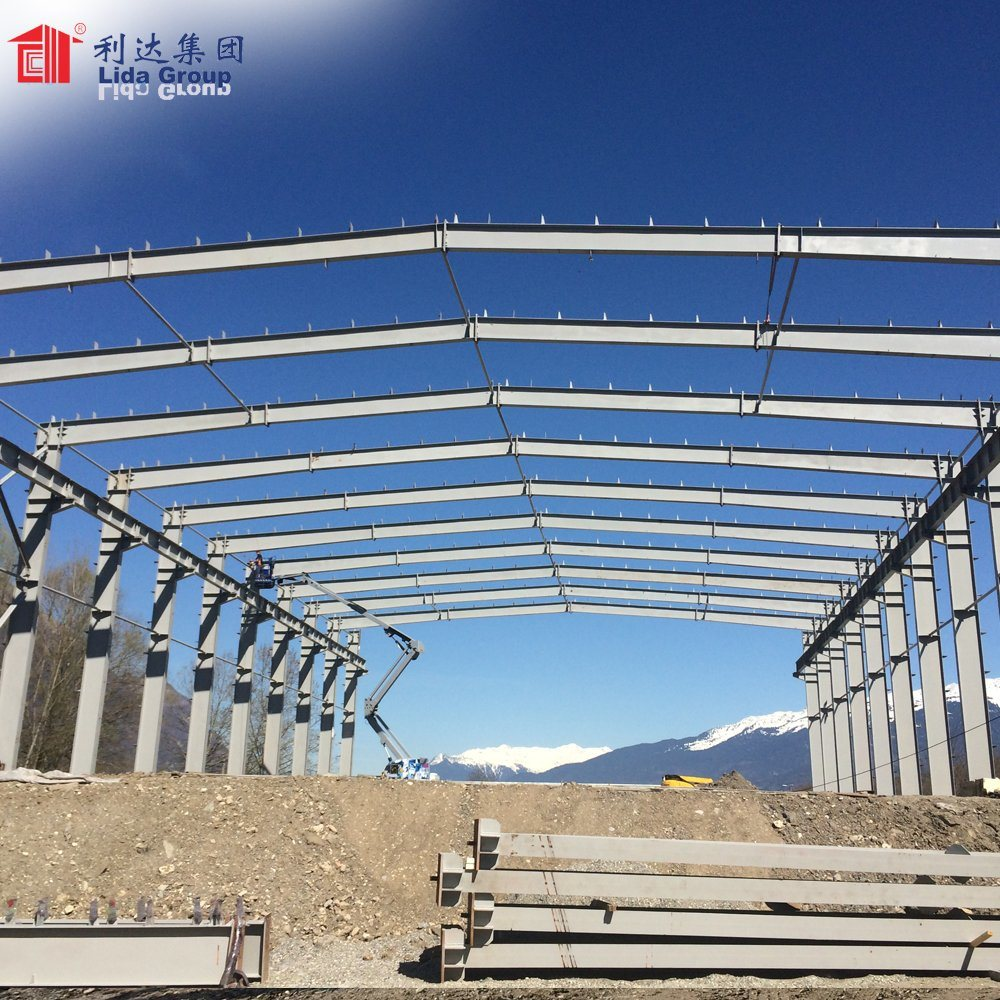
2. About Lida Group: A Leader in Affordable Steel Structure Solutions
2.1 Company Overview and Core Mission
Founded in the early 2000s, Lida Group has grown from a regional steel structure manufacturer to a global integrated construction enterprise, with operations spanning Asia, Africa, Latin America, and Europe. The company’s core mission is to “deliver high-quality, durable, and affordable construction solutions that meet the diverse needs of clients while promoting sustainability and social progress.” Unlike many competitors that focus solely on either steel structure manufacturing or corrosion-resistant technologies, Lida Group has built a full-service ecosystem covering design, R&D, manufacturing, supply chain management, on-site construction, and after-sales service. This vertical integration allows the company to control costs at every stage, ensuring that its steel structure and corrosion-resistant solutions remain affordable without compromising on quality.
Lida Group’s core strengths lie in its deep expertise in steel structure engineering and its commitment to technological innovation. The company employs a team of seasoned engineers, material scientists, and construction professionals who specialize in optimizing steel structure designs for both performance and cost. Additionally, Lida Group has invested heavily in state-of-the-art manufacturing facilities, equipped with automated production lines that reduce labor costs and improve the precision of steel components. This combination of expertise and infrastructure enables the company to deliver corrosion-resistant steel structures that are not only durable but also cost-effective, making them suitable for a wide range of applications.
2.2 Core Capabilities in Steel Structure and Corrosion-Resistant Construction
Lida Group’s ability to combine steel structure building and corrosion-resistant construction affordably stems from three core capabilities: integrated design and engineering, advanced manufacturing technology, and optimized supply chain management. First, the company’s design team adopts a “design-for-affordability” approach, where every aspect of the steel structure—from material selection to structural layout—is optimized to minimize costs while ensuring corrosion resistance and structural integrity. This includes using lightweight steel components that reduce material usage, designing modular structures that simplify construction, and integrating corrosion-resistant features into the initial design rather than adding them as afterthoughts.
Second, Lida Group’s manufacturing facilities leverage automation and precision engineering to reduce production costs. The company uses computer-aided design (CAD) and computer-aided manufacturing (CAM) systems to streamline the production of steel components, ensuring consistent quality and reducing waste. Automated cutting, bending, and welding processes not only speed up production but also minimize labor costs, which are a significant portion of overall construction expenses. Additionally, the company’s in-house corrosion treatment facilities allow it to apply advanced corrosion-resistant coatings and treatments at a lower cost than outsourcing.
Third, Lida Group has established a global supply chain network that enables it to source high-quality steel and corrosion-resistant materials at competitive prices. By partnering with leading steel producers and material suppliers, the company secures bulk discounts and ensures a steady supply of materials, reducing the risk of cost overruns. The company also prioritizes local sourcing whenever possible, reducing transportation costs and supporting local economies. This supply chain optimization is a key factor in Lida Group’s ability to offer affordable corrosion-resistant steel structure solutions.
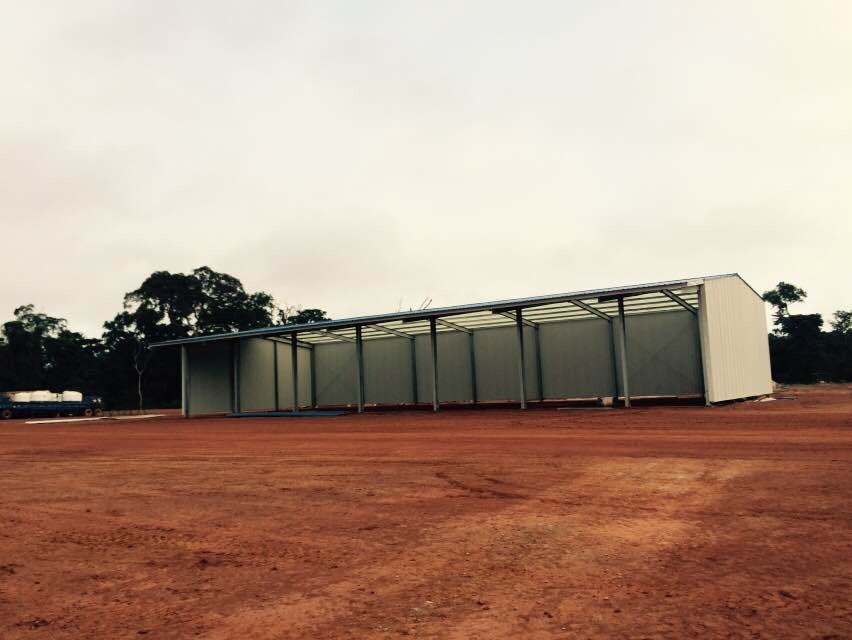
3. Key Technologies: How Lida Group Integrates Steel Structure and Corrosion-Resistant Construction
Lida Group’s success in combining steel structure building and corrosion-resistant construction affordably is rooted in its adoption and innovation of key technologies. The company does not rely on a single “one-size-fits-all” solution but instead tailors its technologies to the specific needs of each project, balancing corrosion resistance, structural performance, and cost. Below are the core technologies and strategies that Lida Group employs to achieve this balance.
3.1 Cost-Effective Corrosion-Resistant Coatings and Treatments
Corrosion-resistant coatings are the first line of defense for steel structures, and Lida Group has optimized the selection and application of these coatings to ensure affordability without sacrificing performance. The company primarily uses three types of coatings, each tailored to different environmental conditions and budget requirements:
Hot-dip galvanizing is Lida Group’s go-to solution for moderate corrosion environments, such as rural and suburban areas. This process involves immersing steel components in a bath of molten zinc, which forms a thick, durable coating that bonds metallurgically with the steel. The zinc acts as a sacrificial anode, corroding itself instead of the steel, providing long-lasting protection. Lida Group has optimized its hot-dip galvanizing process to reduce material waste and energy consumption, lowering the cost of this treatment by up to 20% compared to industry averages. This makes hot-dip galvanizing a cost-effective option for low-cost housing and small-scale industrial projects.
For more corrosive environments—such as coastal areas with saltwater spray, industrial regions with air pollution, or humid tropical zones—Lida Group uses zinc-aluminum-magnesium (Zn-Al-Mg) coatings. These coatings offer superior corrosion resistance, with a service life 3 to 5 times longer than traditional hot-dip galvanizing. While Zn-Al-Mg coatings are slightly more expensive than pure zinc coatings, Lida Group’s in-house production capabilities and bulk material sourcing allow it to offer these coatings at a competitive price. Additionally, the thinner layer required for Zn-Al-Mg coatings reduces material usage, offsetting some of the cost difference.
For projects that require both corrosion resistance and aesthetic appeal—such as urban public buildings or commercial structures—Lida Group uses a combination of hot-dip galvanizing and powder coating. Powder coating is an eco-friendly, cost-effective option that provides a hard, scratch-resistant finish in a wide range of colors. By applying a thin layer of powder coating over hot-dip galvanized steel, Lida Group achieves dual-layer protection that maximizes corrosion resistance while enhancing the visual appeal of the building. This combination is particularly popular among clients who want a durable, low-maintenance building that also fits with the surrounding urban landscape.
3.2 Corrosion-Resistant Steel Alloys: Balancing Performance and Cost
In addition to coatings, Lida Group uses corrosion-resistant steel alloys to enhance the durability of its steel structures. The company carefully selects alloys based on the project’s environmental conditions and budget, ensuring that the steel provides adequate corrosion resistance without unnecessary cost. One of the most commonly used alloys is low-alloy high-strength steel (LAHSS), which contains small amounts of manganese, silicon, copper, and nickel. LAHSS offers superior corrosion resistance and structural strength compared to ordinary carbon steel, while remaining cost-competitive. This makes it ideal for a wide range of applications, from low-cost housing to industrial warehouses.
For projects in moderately corrosive environments, Lida Group uses weathering steel (also known as corten steel). Weathering steel forms a protective rust layer (patina) over time when exposed to the elements, eliminating the need for additional coatings. This reduces both initial and long-term maintenance costs, making it a cost-effective option for rural or remote projects where maintenance access is limited. Lida Group has optimized the use of weathering steel by adjusting its composition to suit different climatic conditions, ensuring that the patina forms quickly and provides reliable protection.
For extremely corrosive environments—such as coastal industrial facilities or chemical plants—Lida Group uses stainless steel for critical components, such as fasteners, joints, and connectors. While stainless steel is more expensive than other alloys, using it selectively for vulnerable parts ensures that the overall structure remains durable without significantly increasing costs. This targeted approach allows Lida Group to balance performance and cost, providing clients with a corrosion-resistant solution that fits their budget.
3.3 Structural Design Optimization for Corrosion Prevention and Cost Savings
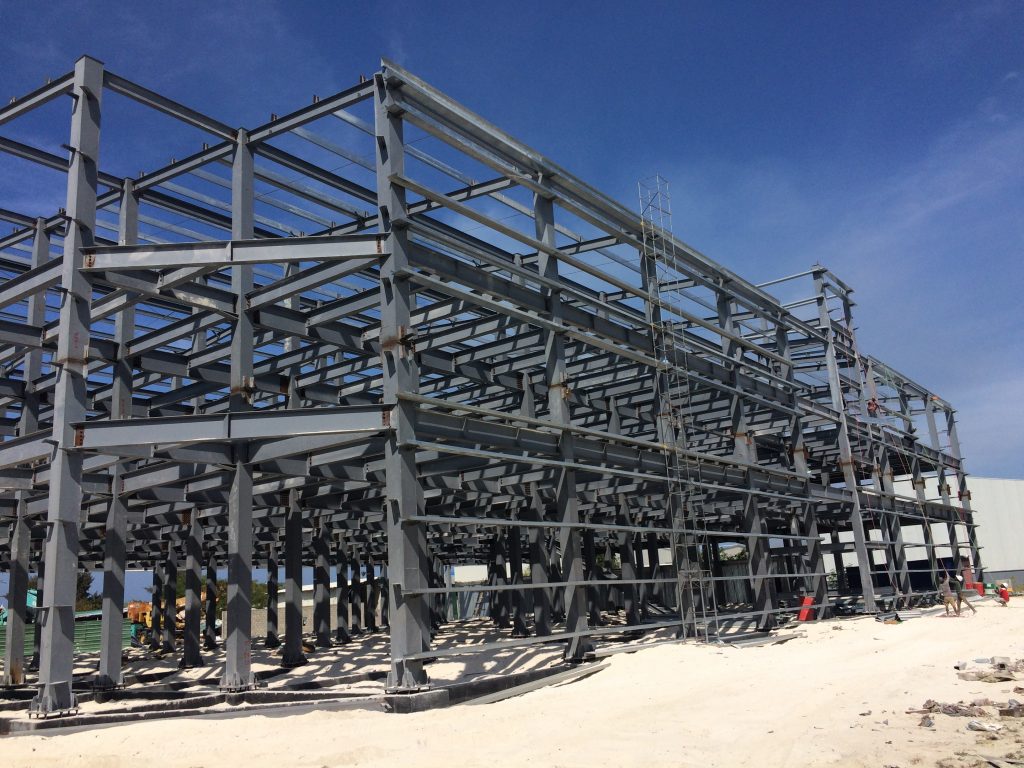
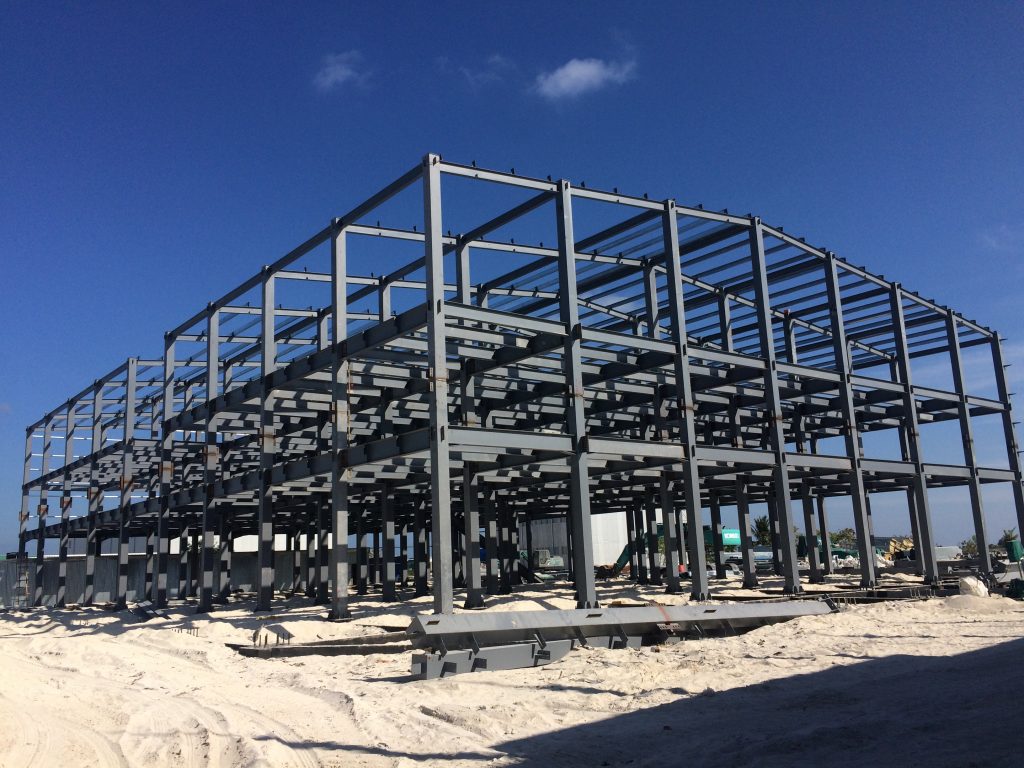
Lida Group recognizes that effective corrosion prevention starts with structural design. The company’s engineers optimize every aspect of the steel structure to minimize corrosion risks, reducing the need for expensive coatings or materials. One key design strategy is the use of elevated foundations, which raise the steel frame above the ground to prevent contact with moisture and soil-borne corrosive elements. This is particularly important for projects in wet or rural areas, where the ground may be saturated with water or contain high levels of salt or chemicals.
Proper ventilation is another critical design consideration. Lida Group incorporates vents, windows, and other ventilation features into its steel structures to ensure air circulation, reducing indoor humidity and minimizing corrosion of internal steel components. This not only protects the structure but also improves the living or working environment for occupants, reducing the risk of mold and mildew.
Additionally, Lida Group optimizes the design of steel joints and connections to prevent corrosion. Joints and connections are often the most vulnerable areas for corrosion, as they can trap moisture and debris. The company uses sealed joints and corrosion-resistant fasteners to minimize moisture accumulation, and avoids sharp edges and crevices that can trap water. These design details are simple and cost-effective, but they significantly extend the service life of the steel structure, reducing long-term maintenance costs.
3.4 Modular and Prefabricated Construction: Reducing Costs and Speeding Up Delivery
Modular and prefabricated construction is a cornerstone of Lida Group’s approach to affordable steel structure building. The company prefabricates steel components in its factories, where they are cut, bent, and welded to precise specifications. This prefabrication process eliminates the need for on-site cutting and welding, reducing labor costs and construction time. A typical modular steel structure can be assembled by a small team of workers in just a few days or weeks, compared to months for traditional construction methods.
Lida Group’s modular designs are also highly flexible, allowing for easy customization and expansion. Clients can choose from a range of pre-designed modules, which can be combined to create buildings of different sizes and configurations—from small one-bedroom houses to large multi-unit apartment buildings or industrial facilities. This flexibility not only meets diverse client needs but also reduces design costs, as pre-designed modules can be reused across multiple projects.
Furthermore, prefabrication ensures consistent quality, as steel components are manufactured in a controlled factory environment. This reduces the risk of defects and rework, which can add significant costs to construction projects. By combining modular prefabrication with corrosion-resistant technologies, Lida Group delivers buildings that are not only affordable but also durable, fast to construct, and easy to maintain.
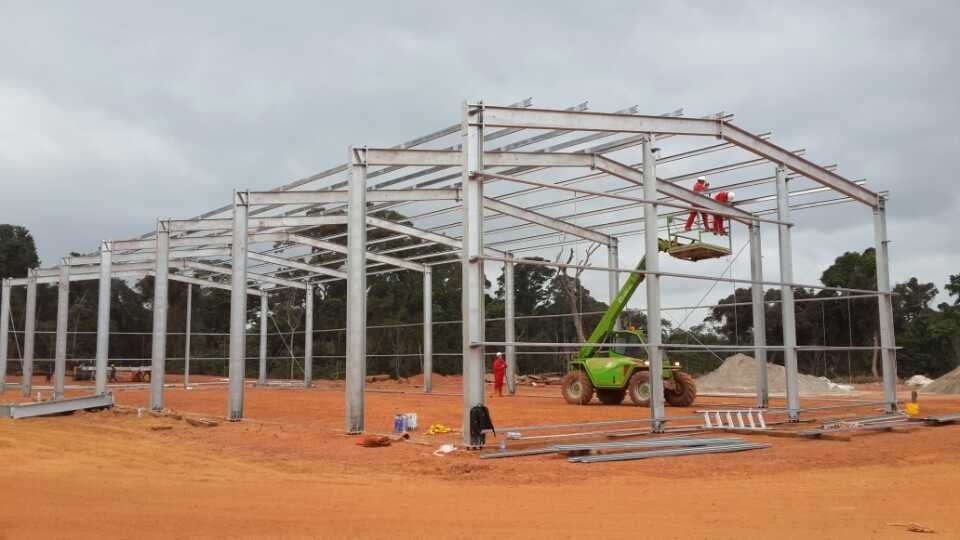
4. Cost Control Strategies: Making Corrosion-Resistant Steel Structures Accessible
While Lida Group’s technologies are critical to its success, the company’s ability to offer affordable solutions ultimately depends on its rigorous cost control strategies. Lida Group integrates cost control into every stage of the project, from design and material sourcing to manufacturing and construction, ensuring that clients get the best value for their investment.
4.1 Design Optimization for Cost Reduction
The design phase is where Lida Group achieves some of its most significant cost savings. The company’s engineers use advanced software to optimize the steel structure design, minimizing material usage while maintaining structural integrity and corrosion resistance. For example, by using lightweight steel components and optimizing the spacing of beams and columns, Lida Group reduces the amount of steel required for each project, lowering material costs.
Additionally, Lida Group adopts a “standardization with customization” approach. The company has developed a library of standard steel components and modular designs, which can be customized to meet the specific needs of each project. This standardization reduces design time and costs, as engineers do not need to start from scratch for each project. At the same time, customization ensures that the final building meets the client’s unique requirements, whether it’s a low-cost housing project in a rural area or a high-end commercial building in an urban center.
4.2 Supply Chain Optimization
Supply chain management is another key area where Lida Group controls costs. The company has established long-term partnerships with leading steel producers and material suppliers, allowing it to secure bulk discounts on steel, coatings, and other materials. By purchasing materials in large quantities, Lida Group reduces the per-unit cost of raw materials, which is a significant portion of the overall project cost.
Lida Group also prioritizes local sourcing whenever possible. By working with local suppliers, the company reduces transportation costs, which can be a major expense for large steel components. Local sourcing also supports local economies and reduces the environmental impact of transportation. Additionally, the company’s global supply chain network ensures that it can source materials quickly and efficiently, reducing the risk of project delays and cost overruns.
4.3 Efficient Manufacturing and Construction Processes
Lida Group’s state-of-the-art manufacturing facilities are designed for efficiency, reducing labor costs and increasing production capacity. The company uses automated production lines for cutting, bending, and welding steel components, which are faster and more precise than manual processes. This automation reduces the number of workers required, lowering labor costs, and minimizes waste, as computer-controlled cutting ensures that materials are used efficiently.
On the construction site, Lida Group’s modular approach reduces labor costs and construction time. Prefabricated steel components are delivered to the site ready for assembly, eliminating the need for on-site cutting, welding, and finishing. This not only speeds up construction but also reduces the number of skilled workers required, which is particularly important in regions where skilled labor is scarce and expensive. Additionally, Lida Group provides on-site training for local workers, further reducing labor costs and supporting local communities.
4.4 After-Sales Service and Maintenance Cost Reduction
Lida Group’s cost control strategies extend beyond the construction phase. The company’s corrosion-resistant steel structures require minimal maintenance, reducing long-term costs for clients. By using high-quality coatings and corrosion-resistant alloys, Lida Group ensures that its buildings have a service life of 50 to 100 years, with maintenance costs that are 50% lower than traditional concrete or wooden buildings.
Additionally, Lida Group provides comprehensive after-sales service, including regular inspections and maintenance advice. This proactive approach helps clients identify and address potential issues early, reducing the risk of costly repairs. The company also offers training for clients on basic maintenance tasks, further reducing long-term costs.
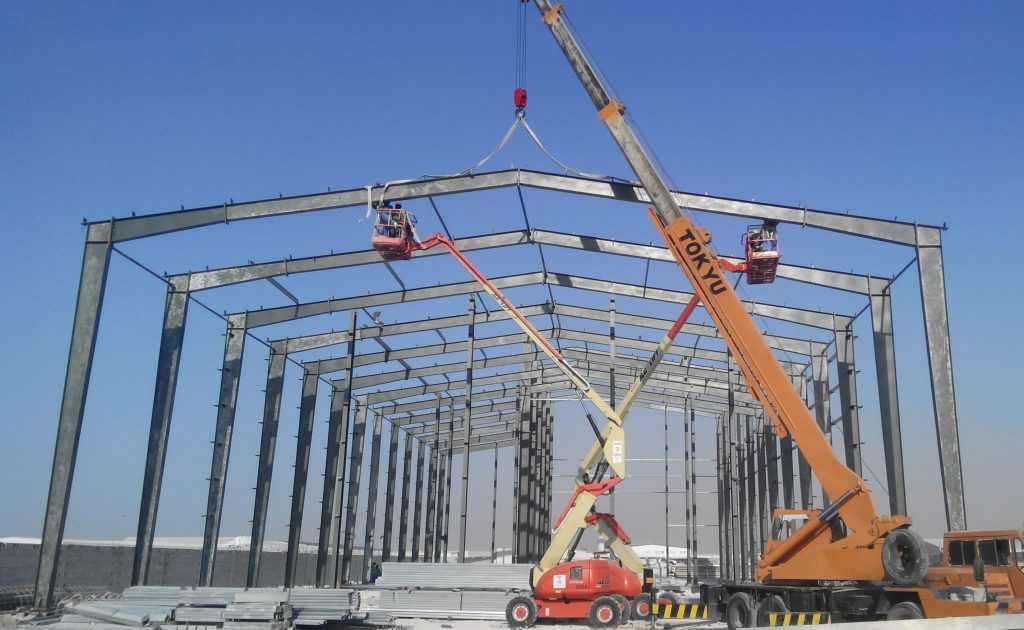
5. Real-World Case Studies: Lida Group’s Successful Projects
To demonstrate how Lida Group combines steel structure building and corrosion-resistant construction affordably, below are three real-world case studies of the company’s successful projects. These projects span different regions, applications, and environmental conditions, showcasing the versatility and cost-effectiveness of Lida Group’s solutions.
5.1 Rural Low-Cost Housing Project in Tanzania
In 2023, Lida Group partnered with the Tanzanian government to build 500 low-cost housing units for rural communities in the Arusha region. The region is characterized by hot, humid weather, occasional heavy rainfall, and moderate corrosion risks due to dust and moisture. The project had a tight budget of $4,000 per unit, requiring a cost-effective solution that would be durable and comfortable for rural families.
Lida Group’s solution involved using light steel framing (LSF) made from low-alloy high-strength steel (LAHSS) with hot-dip galvanizing for corrosion protection. The steel components were prefabricated in Lida Group’s local factory in Tanzania, reducing transportation costs and supporting the local economy. The houses were designed with elevated foundations to prevent contact with moist soil and improved ventilation to reduce indoor humidity. Each house featured one bedroom, a living area, a kitchen, and a bathroom, providing comfortable living space for a family of four.
The construction process was completed in just 4 months, with local workers trained by Lida Group to assemble the prefabricated components. The hot-dip galvanized steel frames have been in use for over a year, with no signs of rust or structural degradation. The families living in the houses reported improved living conditions, with better ventilation and protection from the elements. The Tanzanian government noted that the maintenance costs for the houses are less than 4% of the maintenance costs for traditional mud-brick houses in the area, making the project economically sustainable.
This project demonstrates Lida Group’s ability to deliver affordable, corrosion-resistant steel housing in rural areas. By using cost-effective materials and local manufacturing, the company was able to meet the tight budget while ensuring durability and comfort.
5.2 Industrial Warehouse Project in Vietnam
In 2024, a local manufacturing company in Ho Chi Minh City, Vietnam, commissioned Lida Group to build a 10,000-square-meter industrial warehouse. The warehouse needed to be durable, corrosion-resistant, and cost-effective, as it would be used to store industrial equipment and materials in a humid, industrial environment. The client had a budget of $150 per square meter, significantly lower than the average cost of industrial warehouses in the region.
Lida Group’s solution involved using a steel frame made from LAHSS with Zn-Al-Mg coatings for superior corrosion resistance. The Zn-Al-Mg coatings were chosen to withstand the high humidity and industrial pollution in Ho Chi Minh City, ensuring long-term durability. The warehouse was designed with a modular structure, allowing for easy expansion in the future. The roof and walls were made from insulated steel panels, improving energy efficiency and reducing cooling costs for the client.
The prefabricated steel components were manufactured in Lida Group’s factory in Vietnam and transported to the construction site, where they were assembled in just 6 weeks. The total cost of the project was $145 per square meter, coming in under the client’s budget. The warehouse has been in use for 8 months, with no signs of corrosion or structural damage. The client reported that the energy efficiency of the warehouse has reduced their monthly cooling costs by 25%, further improving the project’s economic viability.
This case study highlights Lida Group’s ability to deliver cost-effective, corrosion-resistant steel structures for industrial applications. By using advanced coatings and modular design, the company was able to meet the client’s budget and performance requirements.
5.3 Urban Affordable Apartment Project in Colombia
In 2025, Lida Group partnered with a private developer in Bogotá, Colombia, to build a 12-story affordable apartment building. The project aimed to address the city’s housing shortage, with a budget of $750 per square meter. The building needed to be durable, corrosion-resistant, and aesthetically pleasing to blend in with the surrounding urban environment.
Lida Group’s solution involved using a steel frame made from LAHSS with a combination of hot-dip galvanizing and powder coating for corrosion resistance and aesthetic appeal. The steel frame was paired with insulated steel panels to improve energy efficiency, reducing heating and cooling costs for occupants. The building featured 150 apartments, each with one or two bedrooms, a living area, a kitchen, and a bathroom. The modular design allowed for fast construction, and the building was completed in just 8 months—half the time required for a traditional concrete apartment building.
The Zn-Al-Mg coatings on the steel frame have protected it from corrosion, even in Bogotá’s humid, polluted environment. The insulated panels have reduced energy costs by 30% compared to traditional apartments, making the units more affordable for low-income families. The building has been well-received by occupants, who appreciate the comfortable living conditions and low maintenance costs. The developer noted that the total cost of the project was 20% lower than similar concrete apartment buildings, demonstrating the cost-effectiveness of Lida Group’s steel structure solution.
This case study shows that Lida Group’s corrosion-resistant steel structures are not only suitable for rural and industrial projects but also for urban affordable housing. By combining advanced corrosion-resistant technologies with modular design, the company was able to deliver a high-quality, affordable apartment building that meets the needs of urban low-income communities.
6. Market Impact and Future Prospects
6.1 Market Impact of Lida Group’s Solutions
Lida Group’s approach to combining steel structure building and corrosion-resistant construction affordably has had a significant impact on the global construction industry. By making durable, corrosion-resistant steel buildings accessible at lower costs, the company has helped address the global housing shortage, particularly in developing regions. Governments and NGOs have increasingly turned to Lida Group’s solutions for low-cost housing projects, as they offer a sustainable alternative to traditional construction methods.
Additionally, Lida Group’s solutions have helped reduce the environmental impact of construction. Steel is one of the most recyclable materials in the world, with a recycling rate exceeding 90% globally. By promoting steel structure buildings, Lida Group is reducing the use of concrete, which is a major source of carbon emissions. The company’s prefabrication process also reduces waste, further minimizing the environmental footprint of construction.
Lida Group’s projects have also had a positive social impact, creating jobs in manufacturing, construction, and related sectors. The company’s local sourcing and training initiatives support local economies, particularly in developing regions. By providing affordable, durable housing, Lida Group is improving the quality of life for millions of people, reducing poverty and promoting social progress.
6.2 Future Prospects and Innovation
Looking ahead, Lida Group is committed to continuing its innovation in steel structure and corrosion-resistant technologies, with a focus on making its solutions even more affordable and sustainable. The company is investing in research and development to develop new corrosion-resistant coatings and steel alloys that offer superior performance at lower costs. For example, Lida Group is exploring the use of nanocoatings, which provide even better corrosion resistance with a thinner layer, reducing material costs.
Additionally, Lida Group is embracing digitalization and smart construction technologies to further improve efficiency and reduce costs. The company is using building information modeling (BIM) software to optimize design and construction processes, reducing errors and rework. It is also exploring the use of 3D printing for steel components, which could further reduce production costs and lead times.
As the global demand for affordable, durable housing continues to grow, Lida Group is well-positioned to expand its global presence. The company plans to enter new markets in Africa, Latin America, and Southeast Asia, where the need for low-cost housing is most acute. By continuing to prioritize affordability, durability, and sustainability, Lida Group is poised to play an even larger role in transforming the global construction industry.
7. Conclusion
Lida Group has emerged as a leader in the global construction industry by successfully combining steel structure building and corrosion-resistant steel construction in an affordable way. The company’s unique approach—rooted in integrated design, advanced technologies, and rigorous cost control—has broken industry barriers, making durable, corrosion-resistant steel buildings accessible to a wide range of clients, from governments and NGOs to private developers and low-income communities.
Through its use of cost-effective corrosion-resistant coatings, optimized steel alloys, modular prefabrication, and supply chain management, Lida Group has demonstrated that steel structure buildings can be both durable and affordable. The company’s real-world case studies—from rural low-cost housing in Tanzania to urban apartments in Colombia—showcase the versatility of its solutions, which can be tailored to diverse environments and applications.
Lida Group’s impact extends beyond the construction industry. By providing affordable, durable housing, the company is helping address the global housing crisis, reducing poverty, and improving the quality of life for millions of people. Its focus on sustainability is also contributing to a greener future, as steel structure buildings are more recyclable and less carbon-intensive than traditional construction methods.
Looking ahead, Lida Group’s commitment to innovation and cost control will continue to drive its success. As the company expands into new markets and develops new technologies, it will play an increasingly important role in transforming the global construction landscape. By leveraging the strength of steel and the power of corrosion-resistant technology, Lida Group is not only building buildings—it is building a more sustainable, equitable future where everyone has access to a safe, durable, and affordable home.
In summary, Lida Group’s ability to combine steel structure building and corrosion-resistant construction affordably is a testament to its expertise, innovation, and commitment to its core mission. The company has proven that durability and affordability do not have to be mutually exclusive, and its solutions are setting a new standard for the construction industry worldwide.
Related news
-
Low Cost Metal House Built with Durable Steel Structure Building and Corrosion-Resistant Technology
2026-05-20 17:13:29
-
Lida Group Delivers Corrosion-Resistant Steel Construction for Low Cost Metal House Projects
2026-05-20 16:38:05
-
New Mining Field Worker Camp Features Temporary Durable Building and Easy Install Panels
2026-05-20 16:18:59
contact us
- Tel: +86-532-88966982
- Whatsapp: +86-13793209022
- E-mail: sales@lidajituan.com
