



Lida Group Delivers Corrosion-Resistant Steel Construction for Low Cost Metal House Projects
2026-May-20 16:38:05
By Admin
1. Introduction
In an era marked by rapid urbanization, growing housing demand, and increasing emphasis on cost efficiency and durability, low-cost metal houses have emerged as a transformative solution to address the global housing shortage. Unlike traditional concrete or masonry structures, metal houses offer unparalleled advantages such as faster construction, lighter weight, greater design flexibility, and superior structural strength. However, one of the most significant challenges facing metal house construction is steel corrosion—a natural process that degrades structural integrity over time, shortens service life, and increases maintenance costs. For low-cost metal house projects, where budget constraints are a primary concern, corrosion can undermine the economic viability of the entire project, as frequent repairs and replacements eat into limited funds.
Against this backdrop, Lida Group, a global leader in integrated prefab and modular building solutions with over three decades of expertise, has stepped forward to address this critical pain point. Founded in 1993, Lida Group has evolved from a regional steel structure manufacturer to a worldwide provider of cost-effective, durable building solutions, with a presence in 152 countries and over 5,000 completed projects. Specializing in corrosion-resistant steel construction tailored for low-cost metal house projects, Lida Group has redefined the standards of affordability and durability in the industry. By integrating advanced corrosion protection technologies, optimized material selection, and streamlined manufacturing processes, the company delivers steel structures that resist harsh environmental conditions—from coastal salt fog and humid tropical climates to industrial pollution and extreme temperature fluctuations—without compromising on cost-effectiveness.
This article explores Lida Group’s innovative approach to corrosion-resistant steel construction for low-cost metal house projects, examining the core technologies, material innovations, project implementation strategies, and real-world applications that have made the company a trusted partner for governments, developers, and communities worldwide. From the science of corrosion prevention to the practical benefits of Lida’s solutions, this piece provides a comprehensive overview of how the company is bridging the gap between affordability and durability, making high-quality metal housing accessible to more people than ever before.
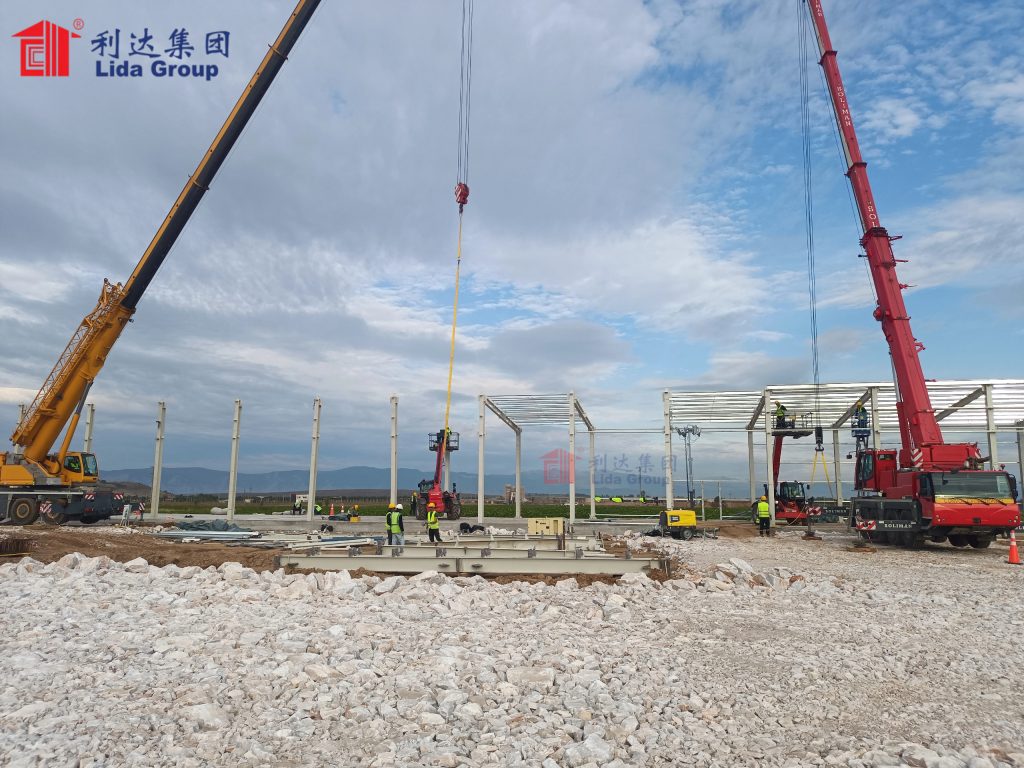
2. The Significance of Corrosion Resistance in Low-Cost Metal House Projects
2.1 The Impact of Corrosion on Metal Houses
Steel corrosion is an electrochemical process that occurs when steel is exposed to oxygen, moisture, and other corrosive elements in the environment. For metal houses, this process can lead to a range of costly and dangerous consequences. Over time, corrosion weakens steel frames, joints, and components, reducing the structure’s load-bearing capacity and increasing the risk of structural failure. In severe cases, corrosion can render a metal house uninhabitable, requiring complete replacement— a devastating outcome for low-cost projects where resources are limited.
Beyond structural safety, corrosion also increases long-term maintenance costs. Traditional metal houses often require frequent repainting, rust removal, and component replacement to slow down corrosion, which adds up over the structure’s lifetime. For low-income communities, governments, or developers working with tight budgets, these ongoing expenses can make metal houses economically unsustainable. A study conducted in emerging economies found that approximately 4% of the GDP is allocated to repairing corrosion-damaged structures, highlighting the scale of the problem.
The impact of corrosion is further exacerbated in harsh environments. Coastal areas, for example, expose metal structures to saltwater spray and high humidity, accelerating corrosion rates significantly. Similarly, industrial regions with high levels of air pollution, or tropical areas with constant rainfall and high temperatures, pose additional challenges for steel durability. In such environments, traditional unprotected steel can start to rust within months, making corrosion resistance not just a desirable feature, but a necessity for low-cost metal house projects.
2.2 Why Corrosion Resistance Matters for Low-Cost Projects
For low-cost metal house projects, the primary goal is to deliver affordable, safe, and long-lasting housing. Corrosion resistance directly supports all three objectives. By preventing or slowing down corrosion, Lida Group’s steel structures extend the service life of metal houses, reducing the need for frequent repairs and replacements. This not only lowers long-term maintenance costs but also ensures that the initial investment in the project delivers maximum value over time.
Moreover, corrosion-resistant steel structures enhance the safety and reliability of low-cost metal houses. In many developing regions, metal houses are used as permanent housing for low-income families, emergency shelters, or temporary housing for construction workers. A structurally sound, corrosion-resistant metal house protects occupants from the elements and ensures that the structure can withstand extreme weather conditions—from strong winds and heavy rain to earthquakes and sandstorms. Lida’s structures, for example, are designed to resist winds up to 180 km/h and withstand temperatures ranging from -40°C to 50°C, making them suitable for diverse environments.
Corrosion resistance also supports the sustainability of low-cost metal house projects. Steel is a highly recyclable material, with a recycling rate exceeding 90% globally, but corrosion reduces the recyclability of steel components by weakening their structural integrity. By protecting steel from corrosion, Lida Group ensures that metal house components can be recycled or reused at the end of their service life, reducing waste and promoting environmental sustainability—a critical consideration in today’s construction industry. Additionally, the reduced need for maintenance and replacement minimizes the environmental impact associated with manufacturing and transporting new components.
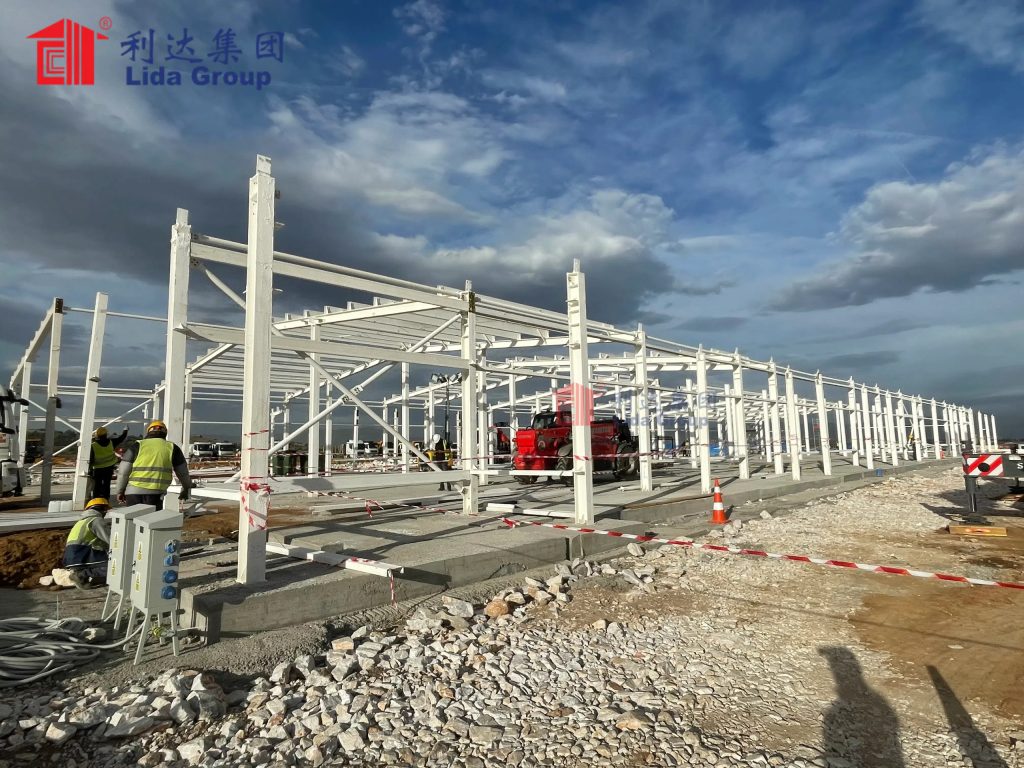
3. Lida Group: A Leader in Corrosion-Resistant Steel Construction for Low-Cost Housing
3.1 Company Overview and Expertise
Founded in 1993, Lida Group is a national high-tech enterprise integrating R&D, design, production, marketing, construction, and service. With a comprehensive industrial chain covering every stage of the building lifecycle—from design and material sourcing to manufacturing, logistics, installation, and after-sales service—the group has established six state-of-the-art prefab production bases and eight steel structure manufacturing lines, boasting an annual production capacity of 24,000 prefab units and 120,000 tons of steel structures. This scale of production allows Lida Group to leverage economies of scale, reducing per-unit costs while maintaining strict quality control.
Lida Group’s commitment to quality and compliance is evident in its extensive certifications, including ISO 9001, ISO 14001, ISO 45001, EU CE (EN1090), and TÜV, ensuring that its products meet international standards for structural safety, fire resistance, and environmental performance. The company’s 33 years of experience in executing projects across 152 countries—from extreme cold regions in Mongolia to high-temperature areas in the Middle East—has enabled it to refine its solutions for diverse climatic and regulatory environments, making it a trusted partner for global low-cost housing projects.
As a联合国 designated supplier for integrated camps and a long-term partner of major construction firms such as China State Construction, China Railway Group, and Saudi Bin Laden Group, Lida Group has a proven track record of delivering high-quality, cost-effective building solutions. The company’s focus on innovation has led to the development of over 60 patents, particularly in the areas of corrosion resistance, modular construction, and energy efficiency, ensuring that its low-cost metal house projects remain at the forefront of industry technology.
3.2 Core Philosophy: Balancing Affordability and Durability
At the heart of Lida Group’s approach to low-cost metal house projects is the belief that affordability should not come at the expense of durability or safety. The company recognizes that low-cost housing projects require solutions that are both economical and long-lasting, and it has developed a unique strategy to balance these two critical objectives. Unlike many competitors that cut corners on corrosion protection to reduce costs, Lida Group integrates corrosion-resistant technologies into every stage of the design and manufacturing process, ensuring that its steel structures deliver long-term value without increasing the project budget.
Lida Group’s philosophy is rooted in the understanding that the total cost of ownership—rather than just the initial construction cost—determines the economic viability of low-cost metal house projects. By investing in corrosion resistance upfront, the company reduces long-term maintenance costs, extends the service life of the structure, and minimizes the risk of costly repairs or replacements. This approach not only benefits developers and governments but also ensures that low-income families have access to safe, durable housing that does not become a financial burden over time.
To achieve this balance, Lida Group focuses on three key principles: material optimization, process efficiency, and technology innovation. The company selects cost-effective yet high-quality steel materials, optimizes manufacturing processes to reduce waste and labor costs, and leverages advanced corrosion protection technologies to enhance durability—all while keeping the overall project cost within reach for low-cost housing initiatives. This holistic approach has made Lida Group a leader in the industry, setting a benchmark for how corrosion-resistant steel construction can be integrated into affordable housing projects.
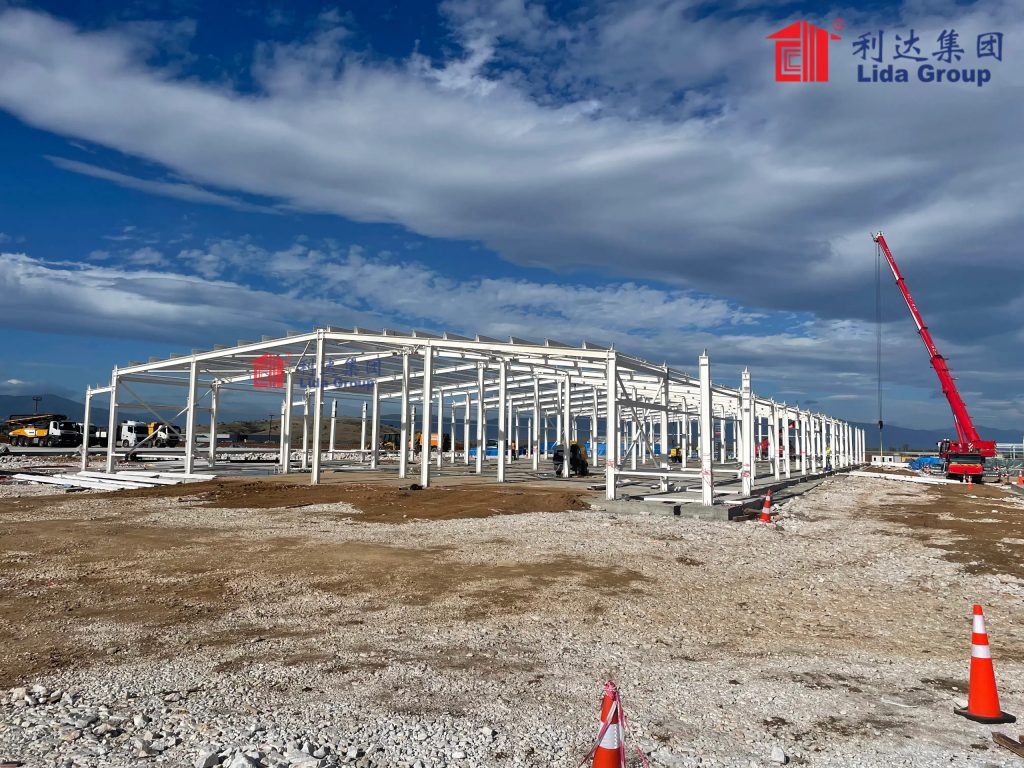
4. Lida Group’s Corrosion-Resistant Steel Technologies for Low-Cost Metal Houses
4.1 Advanced Corrosion Protection Coatings
One of the key technologies Lida Group uses to protect steel structures from corrosion is advanced coating systems. The company offers a range of cost-effective coating solutions tailored to the specific needs of low-cost metal house projects, ensuring maximum protection against corrosion while keeping costs low. These coatings act as a barrier between the steel and the environment, preventing oxygen, moisture, and other corrosive elements from coming into contact with the steel surface.
A primary coating solution used by Lida Group is hot-dip galvanizing, a process that involves immersing steel components in a bath of molten zinc. This process creates a thick, durable zinc coating that provides excellent corrosion resistance, even in harsh environments. Hot-dip galvanizing is particularly cost-effective for low-cost projects because it requires minimal maintenance and has a long service life—often exceeding 50 years in moderate environments. Unlike traditional painting, which can chip or peel over time, hot-dip galvanizing forms a metallurgical bond with the steel, ensuring long-lasting protection. A study conducted in Brazil found that hot-dip galvanization is a technically feasible and economical option for steel structures in aggressive environments, with a lower total cost over a 50-year lifespan compared to painted structures.
In addition to hot-dip galvanizing, Lida Group also uses zinc-aluminum-magnesium (Zn-Al-Mg) coatings for projects in extremely corrosive environments, such as coastal areas or industrial regions. Zn-Al-Mg coatings offer superior corrosion resistance compared to traditional hot-dip galvanizing, with a corrosion resistance 3 to 5 times higher than pure zinc coatings. These coatings also require a thinner layer to achieve the same level of protection, reducing material costs and making them a cost-effective option for low-cost projects. Lida Group has optimized the application of Zn-Al-Mg coatings, addressing industry challenges such as surface defects and welding-related issues, to ensure consistent quality and performance.
For projects with specific aesthetic requirements, Lida Group offers powder coating as an additional layer of protection. Powder coating is a durable, eco-friendly coating that comes in a range of colors, allowing low-cost metal houses to be customized to suit local preferences. The powder coating is applied electrostatically and cured at high temperatures, creating a hard, scratch-resistant finish that enhances both corrosion resistance and visual appeal. By combining powder coating with hot-dip galvanizing or Zn-Al-Mg coatings, Lida Group provides a dual-layer protection system that maximizes durability while keeping costs within budget.
4.2 High-Quality Steel Material Selection
In addition to advanced coatings, Lida Group’s corrosion-resistant steel construction relies on the selection of high-quality, cost-effective steel materials. The company uses low-alloy high-strength steel (LAHSS) for its metal house structures, which offers a unique combination of strength, durability, and affordability. LAHSS contains small amounts of alloying elements such as manganese, silicon, and copper, which enhance its corrosion resistance and structural strength without significantly increasing costs.
Lida Group sources its steel from trusted suppliers that meet international quality standards, ensuring that the material is free from impurities that can accelerate corrosion. The company’s steel materials are also tested for corrosion resistance in laboratory settings, simulating harsh environmental conditions to ensure they can withstand the demands of low-cost metal house projects. For example, the steel used in coastal projects is tested for resistance to salt spray, while steel used in industrial regions is tested for resistance to chemical corrosion.
Another key material innovation used by Lida Group is weathering steel, also known as corten steel, for projects in moderate to mild corrosion environments. Weathering steel forms a protective rust layer over time, which prevents further corrosion and eliminates the need for additional coatings. This makes it a cost-effective option for low-cost metal house projects, as it reduces the initial cost of coating and eliminates long-term maintenance costs associated with repainting. Lida Group’s weathering steel structures are designed to maintain their structural integrity for decades, even in exposed environments, making them ideal for rural or remote low-cost housing projects.
To further optimize cost and performance, Lida Group uses light steel framing (LSF) for many of its low-cost metal house projects. Light steel framing involves using thin-walled steel components such as C-channels and Z-channels, which are lighter, easier to transport, and require less labor to assemble than traditional heavy steel beams. This not only reduces construction costs but also minimizes the amount of steel used, making the project more affordable. Light steel framing also offers excellent corrosion resistance when combined with Lida’s advanced coating systems, ensuring that the structure remains durable and safe.
4.3 Structural Design Optimization for Corrosion Prevention
Beyond materials and coatings, Lida Group optimizes the structural design of its metal houses to minimize corrosion risks. The company’s engineering team designs structures that reduce water accumulation, improve ventilation, and minimize contact between steel components and corrosive elements—all of which help to slow down corrosion.
One key design feature is the use of elevated foundations, which raise the steel frame above the ground to prevent contact with moisture and soil-borne corrosive elements. This is particularly important for low-cost metal houses in rural or wet areas, where the ground may be saturated with water or contain high levels of salt or other corrosive substances. Elevated foundations also improve drainage, reducing the risk of water accumulation around the base of the structure, which can accelerate corrosion of the steel frame.
Lida Group also designs its metal houses with proper ventilation systems to reduce humidity inside the structure. High humidity can accelerate corrosion of steel components, particularly in enclosed spaces. By incorporating vents, windows, and other ventilation features, the company ensures that air circulates freely, reducing moisture levels and minimizing corrosion risks. This not only protects the steel structure but also improves the living environment for occupants, reducing the risk of mold and mildew.
In addition, Lida Group optimizes the design of steel joints and connections to prevent corrosion. Joints and connections are often the most vulnerable areas for corrosion, as they can trap moisture and debris. The company uses sealed joints and corrosion-resistant fasteners, such as stainless steel bolts and screws, to minimize these risks. The engineering team also avoids sharp edges and crevices in the design, which can trap water and accelerate corrosion. By focusing on these small but critical design details, Lida Group ensures that the entire structure is protected from corrosion, extending its service life and reducing maintenance costs.
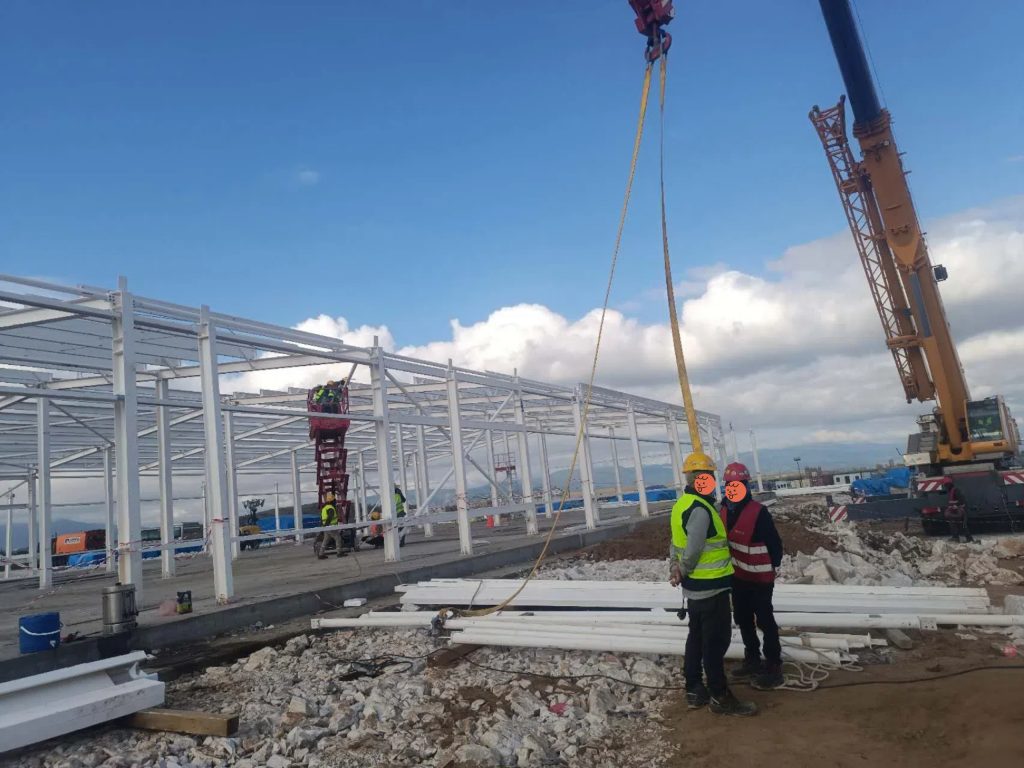
5. Lida Group’s Low-Cost Metal House Project Implementation
5.1 Streamlined Manufacturing Processes
To deliver corrosion-resistant steel construction at an affordable price, Lida Group has streamlined its manufacturing processes to reduce waste, lower labor costs, and improve efficiency. The company uses advanced automated production lines for steel cutting, bending, and welding, ensuring precision and consistency while reducing the need for manual labor. Automated processes also minimize material waste, as computer-controlled cutting ensures that steel is used efficiently, reducing the amount of scrap metal generated.
Lida Group’s prefabricated manufacturing approach is another key factor in reducing costs for low-cost metal house projects. The company manufactures steel components in its state-of-the-art factories, where conditions are controlled to ensure quality and consistency. Prefabrication allows for mass production of standard components, which reduces per-unit costs and speeds up construction time. For example, the company can produce up to 4,200 prefab affordable house units per month, ensuring that large-scale low-cost housing projects can be completed quickly and efficiently.
The prefabrication process also allows Lida Group to integrate corrosion protection technologies into the manufacturing stage, ensuring that each component is properly coated and protected before it is shipped to the construction site. This eliminates the need for on-site coating, which can be costly and time-consuming, and ensures that the corrosion protection is applied evenly and consistently. By completing the coating process in the factory, Lida Group also reduces the risk of damage to the coating during transportation and installation, further enhancing the durability of the steel structure.
In addition to automation and prefabrication, Lida Group optimizes its supply chain to reduce costs. The company has established long-term partnerships with steel suppliers, allowing it to negotiate lower prices for raw materials. It also has a global network of production bases and warehouses, including facilities in Saudi Arabia, Indonesia, and the United States, which allows for local production and delivery, reducing transportation costs and delivery times. This global footprint ensures that low-cost metal house projects around the world can access Lida’s corrosion-resistant steel components at an affordable price.
5.2 Efficient On-Site Construction
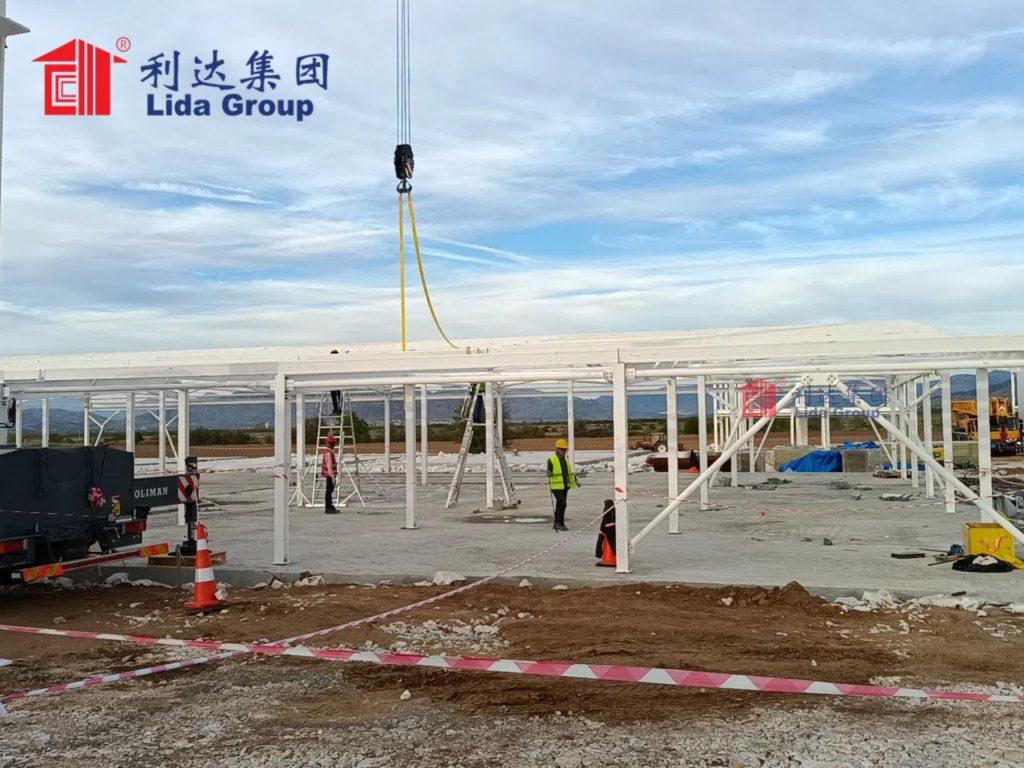
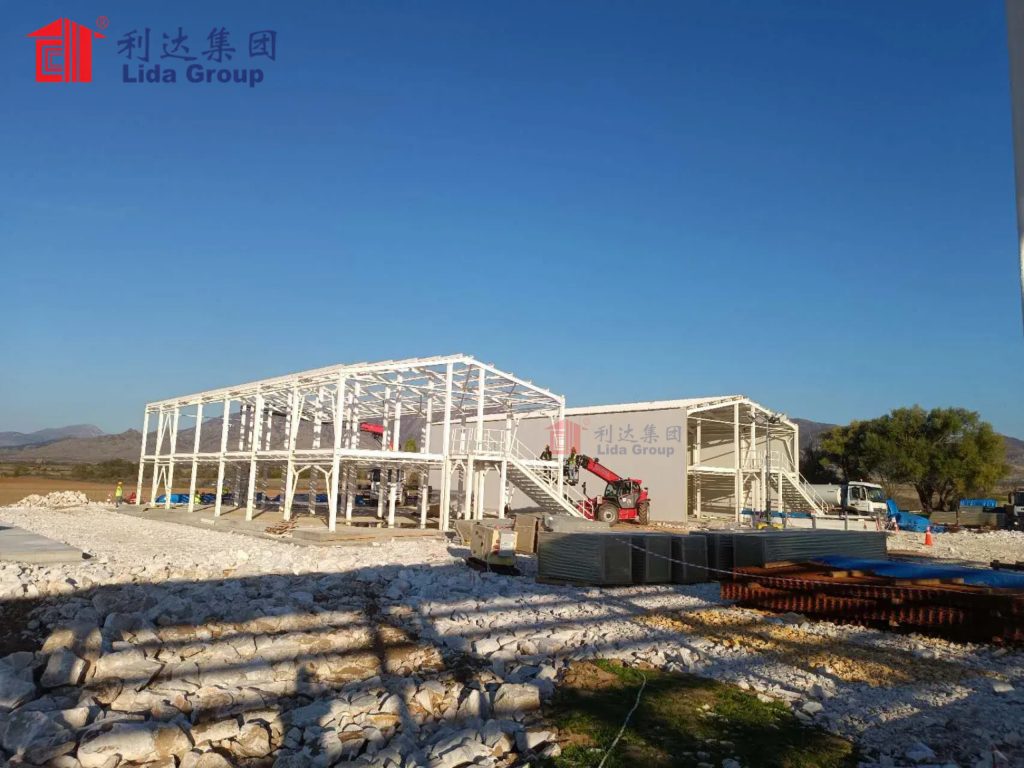
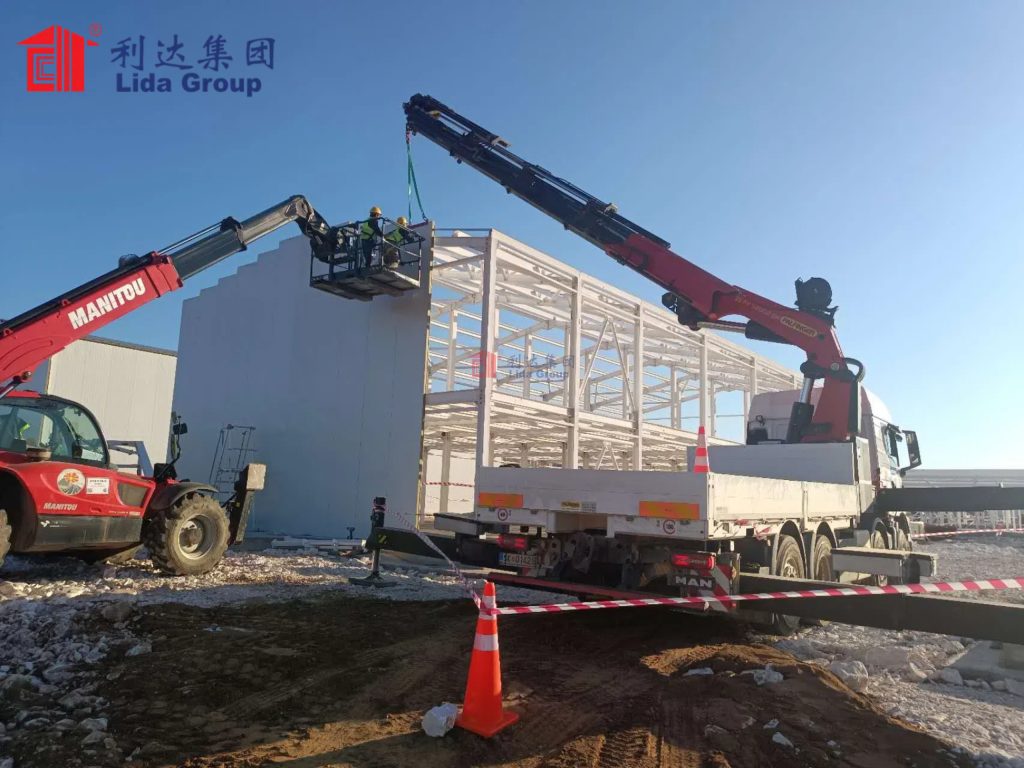
Lida Group’s low-cost metal house projects are designed for efficient on-site construction, reducing labor costs and construction time. The prefabricated steel components are lightweight and easy to assemble, requiring minimal specialized labor. This is particularly important for low-cost projects in remote or developing regions, where skilled labor may be scarce and expensive. Lida Group provides on-site training and support to local construction teams, ensuring that the assembly process is efficient and that the structure is built to the highest standards.
The company’s modular construction approach further simplifies on-site assembly. Metal house components are designed to fit together like puzzle pieces, with pre-drilled holes and standardized connections that allow for quick and easy assembly. This reduces the need for on-site welding and cutting, which can be time-consuming and costly. For example, a typical low-cost metal house from Lida Group can be assembled by a small team of workers in just a few days, compared to weeks or months for traditional concrete structures. In one project in Mongolia, Lida Group delivered a workshop that was fully operational in 8 weeks, allowing the client to capitalize on a new mining contract ahead of competitors.
Lida Group also provides comprehensive on-site support, including project management, quality control, and technical assistance. The company’s project managers work closely with local teams to ensure that the construction process runs smoothly, and its quality control inspectors check each component and connection to ensure that the structure meets international standards. This hands-on approach ensures that low-cost metal house projects are completed on time, within budget, and to the highest quality standards.
To further reduce construction costs, Lida Group uses lightweight, easy-to-transport materials that minimize transportation and handling costs. The prefabricated components are packed efficiently, allowing for more components to be transported in a single shipment. This reduces the number of trips required to deliver materials to the construction site, lowering transportation costs and reducing the environmental impact of the project. In a project in Eastern Europe, Lida Group used flat-packaged prefabricated modules that were transported in 40-foot containers, reducing transportation costs by 30% compared to traditional construction materials.
5.3 Customization for Local Needs
Lida Group recognizes that low-cost metal house projects vary widely depending on local needs, climate conditions, and regulatory requirements. To address this, the company offers customized solutions that tailor its corrosion-resistant steel construction to the specific needs of each project. Whether the project is in a coastal area requiring maximum corrosion resistance, a rural area with limited access to resources, or an urban area with strict aesthetic requirements, Lida Group adapts its solutions to meet local demands.
For example, in coastal regions such as Southeast Asia, Lida Group uses Zn-Al-Mg coatings and elevated foundations to protect steel structures from saltwater spray and high humidity. In rural areas of Africa, the company designs low-cost metal houses with weathering steel and simple, easy-to-maintain structures that can be assembled with minimal tools and labor. In urban areas, Lida Group offers customized designs with powder coating and modern aesthetics, ensuring that the metal houses blend in with the surrounding environment.
Lida Group also customizes its low-cost metal houses to meet local regulatory requirements, ensuring that the structures comply with building codes and safety standards. The company’s engineering team works closely with local authorities to ensure that all aspects of the project—from structural design to corrosion protection—meet local regulations. This eliminates the risk of costly delays or modifications, ensuring that the project is completed on time and within budget.
In addition to climate and regulatory customization, Lida Group also tailors its solutions to meet the specific needs of the target population. For example, the company designs low-cost metal houses for low-income families with multiple rooms, storage space, and ventilation features to improve living conditions. For emergency shelters, Lida Group offers lightweight, portable metal houses that can be quickly assembled and disassembled, making them ideal for disaster relief efforts. In one project in the Philippines following Typhoon Rai, Lida Group delivered 200 camp house modules in 30 days—half the time of traditional construction—providing much-needed shelter to displaced families.
6. Case Studies: Lida Group’s Corrosion-Resistant Low-Cost Metal House Projects
6.1 Rural Housing Project in Southeast Asia
In 2024, Lida Group partnered with a local government in rural Southeast Asia to deliver 500 low-cost metal houses for low-income families. The region is characterized by high humidity, heavy rainfall, and occasional saltwater spray from nearby coastal areas, making corrosion a major concern for metal house structures. The project had a tight budget, with a per-house cost limit of $5,000, requiring Lida Group to balance affordability and corrosion resistance.
Lida Group’s solution involved using light steel framing with hot-dip galvanized coatings to provide durable corrosion protection. The steel components were prefabricated in the company’s nearby factory, reducing transportation costs and ensuring consistent quality. The houses were designed with elevated foundations to prevent contact with moist soil and improved ventilation to reduce indoor humidity. Each house featured two bedrooms, a living area, a kitchen, and a bathroom, providing comfortable living space for families of four to five people.
The project was completed in just 4 months, with a team of local workers trained by Lida Group’s technical experts. The corrosion-resistant steel structures have been in use for over a year, with no signs of rust or structural degradation. The local government reported that the maintenance costs for the houses are less than 10% of the maintenance costs for traditional wooden houses in the area, making the project economically sustainable. The families living in the houses have also reported improved living conditions, with better ventilation and protection from the elements.
This project demonstrates Lida Group’s ability to deliver corrosion-resistant steel construction for low-cost rural housing projects, adapting to local climate conditions and budget constraints. The use of hot-dip galvanized light steel framing ensured durability while keeping costs within the project’s budget, providing low-income families with safe, long-lasting housing.
6.2 Emergency Shelter Project in Africa
In response to a severe drought and displacement crisis in a rural region of Africa, Lida Group was contracted to deliver 1,000 low-cost metal emergency shelters for displaced families. The project required fast delivery, affordability, and durability, as the shelters needed to withstand harsh desert conditions—including high temperatures, strong winds, and sandstorms—for at least 5 years.
Lida Group’s solution focused on speed and durability. The company used prefabricated steel components with Zn-Al-Mg coatings, which provide superior corrosion resistance in desert environments. The shelters were designed as modular units, allowing for quick assembly and disassembly, making them ideal for emergency situations. Each shelter was 20 square meters, providing enough space for a family of four, and featured a lightweight roof and walls that could withstand strong winds.
The project was completed in just 6 weeks, with Lida Group delivering prefabricated components to the site and training local workers to assemble the shelters. The Zn-Al-Mg coatings have protected the steel structures from sand and dust corrosion, and the modular design has allowed for easy expansion as the number of displaced families grows. The shelters have been in use for over two years, with minimal maintenance required, and have provided a safe and stable living environment for thousands of displaced people.
This case study highlights Lida Group’s ability to deliver fast, affordable, and corrosion-resistant metal shelters for emergency situations. The use of Zn-Al-Mg coatings ensured that the structures could withstand harsh desert conditions, while the modular design allowed for quick deployment—critical in emergency relief efforts.
6.3 Industrial Worker Dormitory Project in Eastern Europe
In 2025, Lida Group partnered with a major industrial company in Eastern Europe to deliver 200 low-cost metal dormitories for construction workers. The project was located in a remote山区 region with harsh winters (temperatures as low as -20°C) and heavy snowfall, requiring steel structures that could withstand extreme cold and corrosion from snow and ice.
Lida Group’s solution involved using low-alloy high-strength steel with hot-dip galvanizing and powder coating for dual-layer corrosion protection. The dormitories were designed with insulated walls and roofs to withstand extreme cold, and the steel frame was optimized to handle heavy snow loads. The prefabricated components were manufactured in Lida’s local factory, reducing transportation costs and ensuring quick delivery. Each dormitory featured 4 bedrooms, a common area, and a bathroom, providing comfortable accommodation for 16 workers.
The project was completed in 8 weeks, with the dormitories ready for workers to move in ahead of the construction season. The corrosion-resistant steel structures have withstood two harsh winters, with no signs of rust or structural damage. The industrial company reported that the dormitories have reduced maintenance costs by 40% compared to traditional concrete dormitories, and the workers have praised the comfortable living conditions and warmth of the structures.
This project demonstrates Lida Group’s ability to deliver corrosion-resistant steel construction for industrial low-cost housing projects, adapting to extreme weather conditions and meeting the specific needs of industrial clients. The dual-layer coating system and insulated design ensured that the dormitories were durable, comfortable, and affordable.
7. Market Impact and Industry Significance
7.1 Making Affordable Housing Accessible
Lida Group’s corrosion-resistant steel construction for low-cost metal house projects has had a significant impact on the global housing market, making affordable, durable housing accessible to millions of people. By balancing affordability and durability, the company has addressed a critical gap in the market—providing low-cost housing that does not compromise on safety or long-term value. This is particularly important in developing regions, where the housing shortage is most severe and resources are limited.
Lida Group’s projects have helped governments and developers meet their affordable housing targets, providing safe and durable homes for low-income families, displaced people, and workers. The company’s low-cost metal houses are often 30-50% cheaper than traditional concrete houses, making them accessible to communities that would otherwise be unable to afford decent housing. For example, in rural Southeast Asia, Lida’s metal houses cost just $5,000 per unit—well within the budget of low-income families and local governments.
In addition to making housing more affordable, Lida Group’s corrosion-resistant steel structures also improve the quality of life for occupants. The structures are safe, durable, and comfortable, providing protection from the elements and reducing the risk of health issues associated with poor housing conditions. This has a positive impact on communities, reducing poverty and improving overall well-being.
7.2 Driving Innovation in the Construction Industry
Lida Group’s approach to corrosion-resistant steel construction has driven innovation in the low-cost housing industry, setting new standards for durability and affordability. The company’s use of advanced coating technologies, optimized material selection, and streamlined manufacturing processes has inspired other construction firms to adopt similar approaches, leading to improvements in the quality and affordability of low-cost metal houses.
Lida Group’s focus on R&D has also led to the development of new corrosion-resistant technologies and materials, which are now being adopted across the industry. For example, the company’s optimization of Zn-Al-Mg coatings has addressed industry challenges such as surface defects and welding-related issues, making this advanced coating technology more accessible for low-cost projects. The company’s modular construction approach has also become a model for efficient, low-cost housing construction, with many other firms adopting prefabrication and automation to reduce costs and improve efficiency.
By leading the way in corrosion-resistant steel construction for low-cost housing, Lida Group has helped to shift the industry’s focus from short-term cost savings to long-term value, emphasizing the importance of durability and sustainability in affordable housing projects.
7.3 Promoting Sustainability and Environmental Responsibility
Lida Group’s corrosion-resistant steel construction for low-cost metal house projects also promotes sustainability and environmental responsibility. Steel is a highly recyclable material, and Lida Group’s focus on durability ensures that steel components can be recycled or reused at the end of their service life, reducing waste and minimizing the environmental impact of construction.
The company’s streamlined manufacturing processes and prefabrication approach also reduce waste, as computer-controlled cutting and mass production minimize scrap metal. In addition, Lida Group’s use of corrosion-resistant coatings reduces the need for frequent maintenance and replacement, which minimizes the environmental impact associated with manufacturing and transporting new components. The company also incorporates sustainable features into its low-cost metal houses, such as solar panels and rainwater collection systems, further reducing the environmental footprint of the projects.
By promoting sustainable, corrosion-resistant steel construction, Lida Group is helping to build a more sustainable future for the construction industry, reducing its environmental impact while providing affordable, durable housing.
8. Conclusion
Lida Group’s delivery of corrosion-resistant steel construction for low-cost metal house projects represents a significant breakthrough in the global affordable housing industry. By integrating advanced corrosion protection technologies, optimized material selection, and streamlined manufacturing processes, the company has successfully balanced affordability and durability, addressing a critical pain point in low-cost housing projects—steel corrosion.
Throughout this article, we have explored how Lida Group’s expertise, core philosophy, and innovative technologies have made it a leader in the industry. The company’s advanced coating systems, high-quality steel materials, and optimized structural designs ensure that its low-cost metal houses can withstand harsh environmental conditions, reducing maintenance costs and extending service life. Lida Group’s streamlined manufacturing and on-site construction processes further reduce costs, making its solutions accessible to governments, developers, and communities worldwide.
The case studies highlighted in this article demonstrate the real-world impact of Lida Group’s solutions, from rural housing projects in Southeast Asia to emergency shelters in Africa and industrial dormitories in Eastern Europe. These projects have provided safe, durable, and affordable housing to millions of people, improving their quality of life and contributing to community development.
Lida Group’s work has also had a broader impact on the construction industry, driving innovation, promoting sustainability, and setting new standards for low-cost housing. By focusing on long-term value rather than short-term cost savings, the company has shown that affordable housing can be both economical and durable, challenging the notion that low cost means low quality.
Looking to the future, Lida Group is committed to continuing its innovation in corrosion-resistant steel construction, further improving its technologies and expanding its global reach. As the global demand for affordable housing continues to grow, the company’s solutions will play an increasingly important role in addressing the housing shortage, providing safe, durable, and sustainable homes for people around the world. With its proven track record, expertise, and commitment to quality, Lida Group is poised to remain a leader in corrosion-resistant steel construction for low-cost metal house projects for years to come.
Related news
-
New Mining Field Worker Camp Features Temporary Durable Building and Easy Install Panels
2026-05-20 16:18:59
-
Lida Group Combines Affordability and Speed in Mining Field Worker Camp Projects
2026-05-20 14:55:29
-
Achieve Fast Setup for Mining Field Worker Camp Using Easy Install Sandwich Panel House
2026-05-20 14:42:15
contact us
- Tel: +86-532-88966982
- Whatsapp: +86-13793209022
- E-mail: sales@lidajituan.com
