



New Mining Field Worker Camp Features Temporary Durable Building and Easy Install Panels
2026-May-20 16:18:59
By Admin
The global mining industry is undergoing a significant transformation, driven by the growing demand for critical minerals, the need for operational efficiency, and an increased focus on worker safety and welfare. Mining operations are often located in remote, harsh environments—from the frozen arctic regions of North America to the scorching deserts of Australia, and from the rugged mountain ranges of South America to the humid rainforests of Southeast Asia. In these challenging locations, establishing a functional, safe, and comfortable worker camp is not just a logistical necessity but a key factor in ensuring project success, worker retention, and overall profitability. For decades, mining companies have struggled with traditional worker camp solutions that fail to balance three essential requirements: temporary functionality (to adapt to changing mining sites), durability (to withstand harsh environmental conditions), and ease of installation (to minimize downtime and labor costs). Traditional options, such as makeshift tents, modified shipping containers, or on-site masonry structures, often fall short: tents lack durability, shipping containers require extensive on-site modification, and masonry structures are permanent and time-consuming to build. To address these industry pain points, the latest innovation in mining field worker camps combines temporary durable buildings with easy install panels, revolutionizing how mining companies set up and manage worker accommodations. This article provides a comprehensive overview of this innovative solution, exploring its core features, technical specifications, benefits for mining operations, product variations, real-world applications, and competitive advantages. By focusing on the synergy between temporary durability and easy installation, this article highlights how this new type of mining camp is transforming the industry, delivering value, efficiency, and safety for mining companies and their workers worldwide.
1. Introduction: The Critical Need for Temporary, Durable, and Easy-to-Install Mining Worker Camps
Mining projects are inherently dynamic, with operations often shifting from one site to another as mineral deposits are exhausted. This dynamism requires worker camps that are temporary—able to be disassembled, relocated, and repurposed—while still being durable enough to withstand the harsh conditions of remote mining sites. At the same time, mining companies face intense pressure to minimize project downtime and labor costs, making easy installation a non-negotiable priority. The traditional approach to mining camp construction has long failed to reconcile these three needs, leading to a range of challenges that impact operational efficiency and worker well-being.
Traditional mining worker camps often suffer from a series of drawbacks that hinder their effectiveness. Makeshift tents, for example, are relatively easy to install but lack durability—they cannot withstand extreme temperatures, strong winds, heavy precipitation, or dust, leading to frequent damage, replacement, and poor worker comfort. Modified shipping containers, while more durable, require extensive on-site modification (including insulation, ventilation, and interior fitting), which increases labor costs and extends installation timelines. On-site masonry structures, though durable, are permanent and inflexible—they cannot be relocated when mining operations shift, resulting in wasted investment and environmental impact. Additionally, many traditional camps fail to meet modern worker welfare standards, leading to low morale, high turnover, and reduced productivity.
Against this backdrop, the demand for mining worker camps that combine temporary functionality, durability, and easy installation has never been more urgent. Mining companies require a solution that can be quickly deployed to minimize downtime, withstand the harshest environmental conditions, and be easily relocated or repurposed as operations change. The new generation of mining field worker camps, featuring temporary durable buildings and easy install panels, addresses this need head-on. By integrating innovative materials, modular design, and simplified installation processes, these camps deliver a flexible, long-lasting, and cost-effective solution that aligns with the unique challenges of modern mining operations. This article explores how these camps work, their key features, and the transformative impact they have on mining operations worldwide.
2. Core Concepts: Temporary Durable Buildings and Easy Install Panels Explained
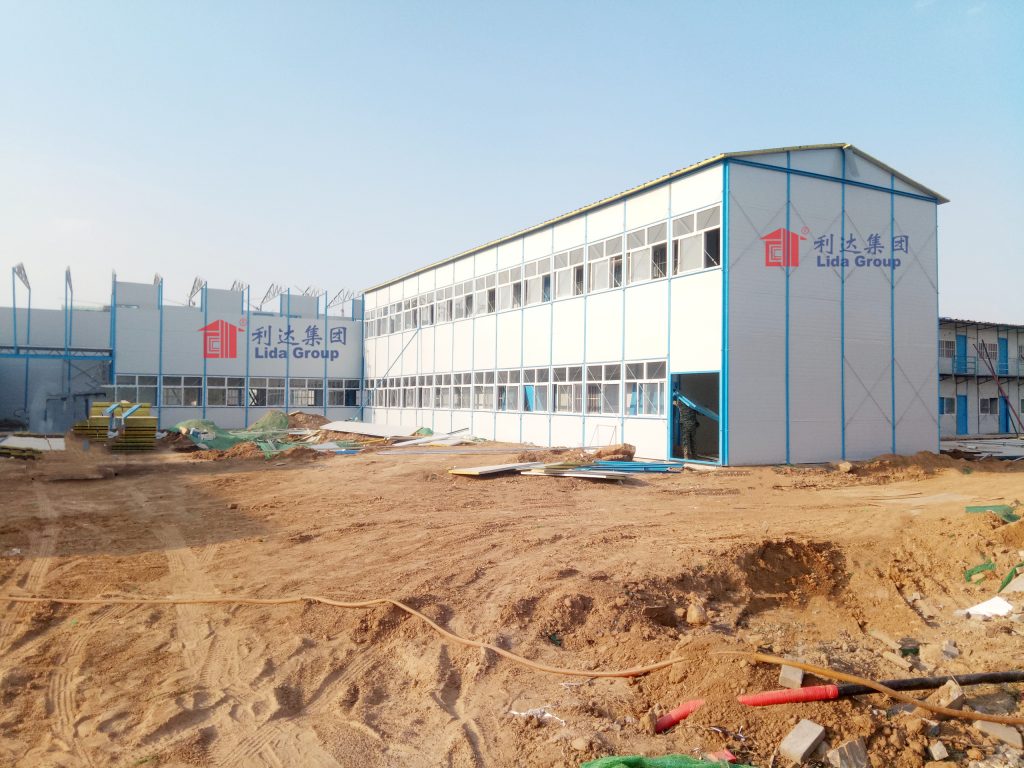
To understand the innovation behind the new mining field worker camps, it is essential to break down the two core components: temporary durable buildings and easy install panels. These two elements work in synergy to create a camp that is both flexible and resilient, ensuring that it meets the dynamic needs of mining operations while withstanding harsh environmental conditions.
2.1 What Are Temporary Durable Buildings?
Temporary durable buildings (TDBs) are prefabricated structures designed to be temporary in nature—meaning they can be easily assembled, disassembled, relocated, and repurposed—while maintaining the durability required to withstand harsh environments. Unlike permanent structures, TDBs are not designed to be fixed in one location indefinitely; instead, they are engineered to be flexible, allowing mining companies to adapt to changing operational needs. At the same time, TDBs are built to meet or exceed industry durability standards, ensuring they can withstand extreme temperatures, strong winds, heavy snow, dust, corrosion, and other environmental challenges common in mining sites.
The key to TDBs’ success lies in their modular design and high-quality materials. These buildings are constructed from prefabricated components that are manufactured in controlled factory environments, ensuring consistent quality and durability. The modular design allows for easy assembly and disassembly, while the materials used—such as galvanized steel, high-density insulation, and weather-resistant cladding—provide the resilience needed to withstand harsh conditions. Unlike traditional temporary structures (such as tents), TDBs offer the same level of durability as permanent buildings but with the flexibility of temporary solutions. This balance makes them ideal for mining operations, where camps may need to be moved every few months or years as operations shift.
2.2 What Are Easy Install Panels?
Easy install panels (EIPs) are the building blocks of the new mining worker camps, designed to simplify and accelerate the installation process. These panels are prefabricated, lightweight, and engineered with proprietary connection systems that allow for quick and easy assembly—no specialized tools, welding, or skilled labor required. EIPs are typically used for walls, roofs, and floors, and they come pre-integrated with essential features such as insulation, wiring, and plumbing, eliminating the need for time-consuming on-site work.
The design of EIPs is focused on efficiency and simplicity. Each panel is lightweight enough to be handled by 2-3 unskilled laborers, reducing the need for heavy machinery or expensive skilled workers. The connection systems—often boltless or quick-connect joints—allow panels to be assembled in minutes, rather than hours or days. Additionally, EIPs are designed to be compatible with a range of foundation solutions, including gravel pads and boltless screw foundations, further simplifying the installation process. By reducing the time and labor required to set up a camp, EIPs help mining companies minimize downtime and get workers on-site faster, accelerating the start of extraction operations.
2.3 The Synergy Between Temporary Durable Buildings and Easy Install Panels
The true value of the new mining worker camps lies in the synergy between TDBs and EIPs. Temporary durable buildings provide the flexibility and resilience needed for mining operations, while easy install panels ensure that these buildings can be quickly and cost-effectively deployed. Together, these two components create a solution that addresses the core pain points of traditional mining camps: TDBs eliminate the inflexibility of permanent structures and the fragility of makeshift tents, while EIPs eliminate the high labor costs and long installation timelines of traditional construction methods.
This synergy is particularly critical in remote mining sites, where access to skilled labor and heavy machinery is limited, and where delays in camp setup can result in costly project overruns. By combining TDBs and EIPs, mining companies can set up a fully functional worker camp in a fraction of the time required for traditional construction, while ensuring that the camp is durable enough to withstand the harsh conditions of the mining site. This balance of flexibility, durability, and ease of installation is what sets the new mining worker camps apart from traditional solutions.
3. Key Features of Temporary Durable Buildings for Mining Camps
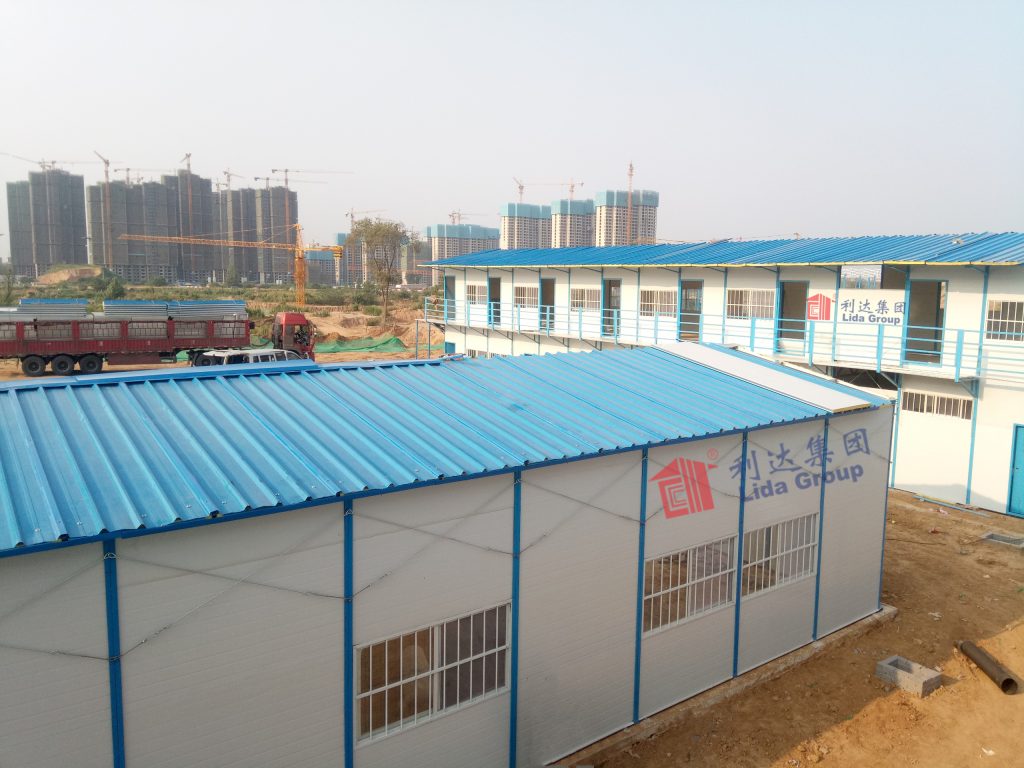
Temporary durable buildings for mining worker camps are engineered with a range of features that make them ideal for remote, harsh environments. These features are designed to ensure durability, flexibility, and worker comfort, while maintaining the temporary nature of the structure. Below are the key features of TDBs for mining camps:
3.1 High-Durability Materials
The materials used in TDBs are carefully selected to withstand the harsh conditions of mining sites. The primary structural frame is typically made of galvanized steel, which is resistant to corrosion, rust, and impact—critical in environments with high humidity, saltwater, or dust. The exterior cladding is made of weather-resistant materials, such as fiber-reinforced polymer (FRP) or metal panels with a protective coating, which can withstand extreme temperatures (from -60°C to 50°C), strong winds (up to 120 km/h), and heavy snowfall (up to 2 meters). The interior walls and floors are made of high-density insulation materials, such as rock wool, polyurethane (PU), or extruded polystyrene (XPS), which provide excellent thermal insulation and soundproofing, ensuring worker comfort in extreme temperatures.
Additionally, TDBs use fire-resistant materials that meet international safety standards, reducing the risk of fire in remote mining sites where emergency response is limited. The materials are also lightweight, making them easy to transport and install, while maintaining structural integrity. This combination of durability and lightweight design is essential for temporary structures that need to be relocated frequently.
3.2 Modular and Flexible Design
TDBs feature a modular design that allows for easy assembly, disassembly, and reconfiguration. Each building is composed of prefabricated modules that can be combined in different configurations to meet the specific needs of a mining project—whether it’s a small camp for 50 workers or a large-scale camp for 500+ workers. Modules can be added or removed as the workforce grows or shrinks, and the entire camp can be disassembled and relocated to a new mining site in a matter of days.
The modular design also allows for customization, with modules available for different purposes, including accommodation, communal kitchens, dining halls, bathrooms, laundry facilities, and medical centers. This flexibility ensures that mining companies can tailor the camp to their specific needs, without having to build custom structures from scratch. Additionally, the modular design reduces waste, as unused modules can be repurposed for future projects, maximizing the return on investment.
3.3 Weather and Environmental Resistance
Mining sites are often located in environments with extreme weather conditions, and TDBs are engineered to withstand these challenges. For arctic mining sites, TDBs feature extra-thick insulation (up to 150mm), heated floors, and wind-resistant designs that can withstand temperatures as low as -60°C. For desert mining sites, TDBs have heat-reflective exterior coatings, high-density insulation, and enhanced ventilation systems that reduce indoor temperatures by 5-8°C compared to traditional structures. For humid or coastal mining sites, TDBs are equipped with corrosion-resistant materials and waterproofing systems that prevent water infiltration and rust.
Additionally, TDBs are designed to be dust-proof and pest-proof, which is critical in mining sites where dust and pests can impact worker health and comfort. The tight seal between modules and the use of weatherstripping ensure that dust, insects, and other contaminants are kept out of the building, creating a clean and healthy living environment for workers.
3.4 Worker-Centric Comfort and Safety
Despite their temporary nature, TDBs are designed with worker comfort and safety in mind. Each accommodation module features ample living space, with enough room for beds, desks, lockers, and personal belongings—meeting the International Labour Organization (ILO)’s recommended space standards. The high-density insulation ensures that indoor temperatures remain comfortable year-round, reducing the need for excessive heating or cooling and lowering energy costs. Ventilation systems are integrated into each module to ensure fresh air circulation, reducing the risk of mold and improving indoor air quality.
Safety features are also a top priority, with TDBs equipped with fire alarms, smoke detectors, fire extinguishers, and emergency exits. The structural design ensures that the building can withstand natural disasters, such as earthquakes or storms, providing a safe haven for workers. Additionally, TDBs are designed to be accessible, with ramps and wide doorways for workers with disabilities, ensuring compliance with global safety and accessibility standards.
4. Technical Specifications of Easy Install Panels
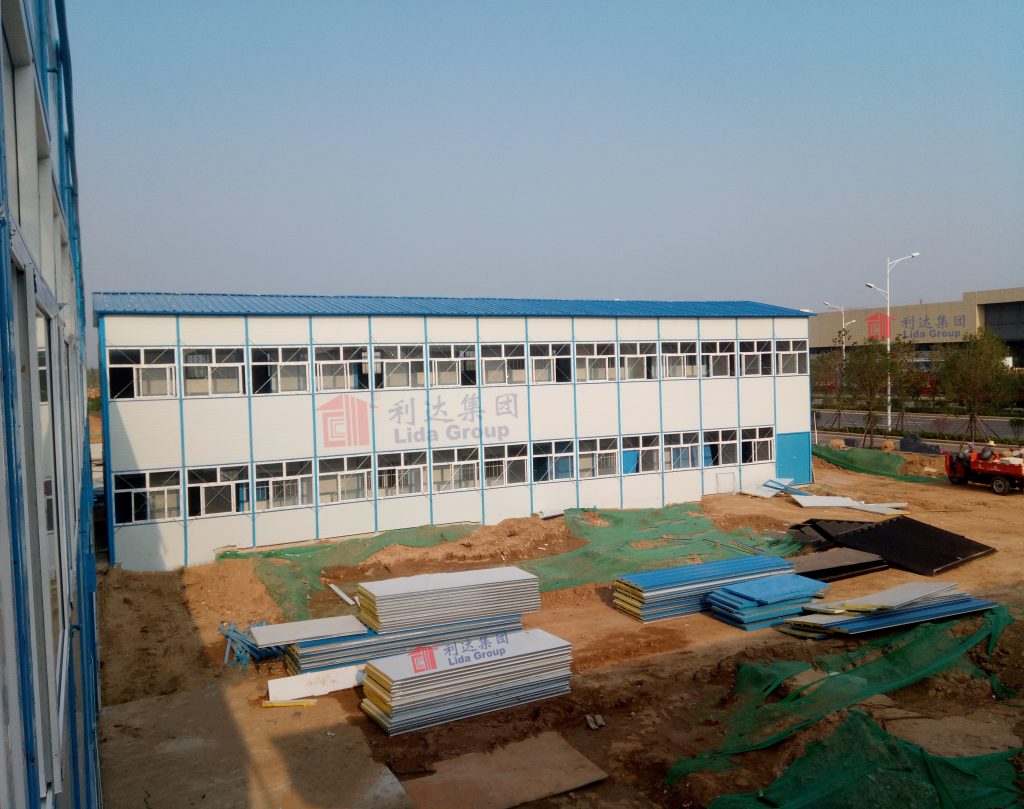
Easy install panels are the backbone of the new mining worker camps, and their technical specifications are designed to simplify installation, reduce labor costs, and ensure durability. Below are the key technical specifications of EIPs, including material composition, dimensions, connection systems, and performance characteristics:
4.1 Material Composition
EIPs are made from high-quality, lightweight materials that balance durability and ease of installation. The most common materials used for EIPs include:
-
Galvanized Steel Frames: The core of each panel is a galvanized steel frame, which provides structural integrity and corrosion resistance. The steel is galvanized with a zinc coating that prevents rust and corrosion, ensuring the panel can withstand harsh environmental conditions.
-
Insulation Core: The interior of each panel is filled with high-density insulation material, such as rock wool, PU, or XPS. This insulation provides excellent thermal and sound insulation, reducing energy costs and improving worker comfort. The insulation core also adds to the panel’s durability, making it more resistant to impact.
-
Exterior Cladding: The exterior of the panel is covered with a weather-resistant cladding material, such as FRP, metal, or PVC. This cladding is designed to withstand extreme temperatures, strong winds, and heavy precipitation, while also being lightweight and easy to handle.
-
Interior Lining: The interior of the panel is lined with a smooth, easy-to-clean material, such as gypsum board or PVC, which provides a comfortable and hygienic living environment for workers. The interior lining is also fire-resistant, meeting international safety standards.
4.2 Dimensions and Weight
EIPs are designed to be lightweight and easy to handle, with dimensions that are optimized for transportation and installation. The standard dimensions of EIPs are as follows:
-
Wall Panels: Typically 2.4 meters (height) x 1.2 meters (width) x 0.1 meters (thickness), weighing between 30-40 kilograms per panel. This weight is light enough to be handled by 2-3 unskilled laborers, eliminating the need for heavy machinery.
-
Roof Panels: Typically 3.6 meters (length) x 1.2 meters (width) x 0.12 meters (thickness), weighing between 40-50 kilograms per panel. The longer length reduces the number of panels needed for a roof, simplifying installation.
-
Floor Panels: Typically 2.4 meters (length) x 1.2 meters (width) x 0.15 meters (thickness), weighing between 50-60 kilograms per panel. The thicker design ensures that the floor can withstand heavy loads, such as beds, furniture, and equipment.
The dimensions of EIPs can be customized to meet the specific needs of a mining project, with larger or smaller panels available for specialized applications. Additionally, EIPs are designed to be stackable, allowing for efficient transportation—up to 50 wall panels can be stacked in a single shipping container, reducing logistics costs.
4.3 Connection Systems
The key feature of EIPs is their proprietary connection systems, which allow for quick and easy assembly without specialized tools or skilled labor. The most common connection systems include:
-
Boltless Quick-Connect Joints: These joints use interlocking grooves and clips that allow panels to be connected in minutes. The joints are designed to be tight and secure, eliminating gaps that could lead to air leakage or water infiltration. No bolts, nuts, or specialized tools are required—panels can be connected by hand or with a simple hammer.
-
tongue-and-Groove Connections: This system uses a tongue on one edge of the panel and a groove on the other, allowing panels to be slotted together seamlessly. The tongue-and-groove connection ensures a tight fit, providing excellent thermal and sound insulation, while also simplifying installation.
-
Modular Corner Connections: Corner panels are equipped with pre-integrated connection points that allow wall panels to be connected at 90-degree angles. These connections are quick to assemble and provide structural stability, ensuring that the building is strong and durable.
The connection systems are designed to be reusable, allowing panels to be disassembled and reassembled multiple times without damage. This reusability is critical for temporary structures that need to be relocated frequently, as it ensures that the panels can be used for multiple projects, maximizing the return on investment.
4.4 Performance Characteristics
EIPs are engineered to meet or exceed industry performance standards, ensuring durability, energy efficiency, and safety. Key performance characteristics include:
-
Thermal Insulation: EIPs have a thermal conductivity rating (U-value) of 0.3-0.5 W/m²K, which is significantly lower than traditional building materials. This ensures that indoor temperatures remain stable, reducing energy costs for heating and cooling.
-
Sound Insulation: EIPs provide excellent sound insulation, with a sound transmission class (STC) rating of 40-50. This reduces noise from outside the building (such as mining equipment) and between rooms, ensuring a quiet and comfortable living environment for workers.
-
Fire Resistance: EIPs are fire-resistant, with a fire rating of 1-2 hours. This means that the panels can withstand fire for up to 2 hours, providing workers with enough time to evacuate in case of an emergency.
-
Water Resistance: EIPs are waterproof, with a water penetration rating of IP65. This ensures that no water infiltrates the panels, preventing mold, mildew, and structural damage.
-
Wind Resistance: EIPs can withstand wind speeds of up to 120 km/h, making them suitable for use in windy mining sites, such as mountainous or coastal regions.
5. Benefits of the New Mining Field Worker Camp for Mining Operations
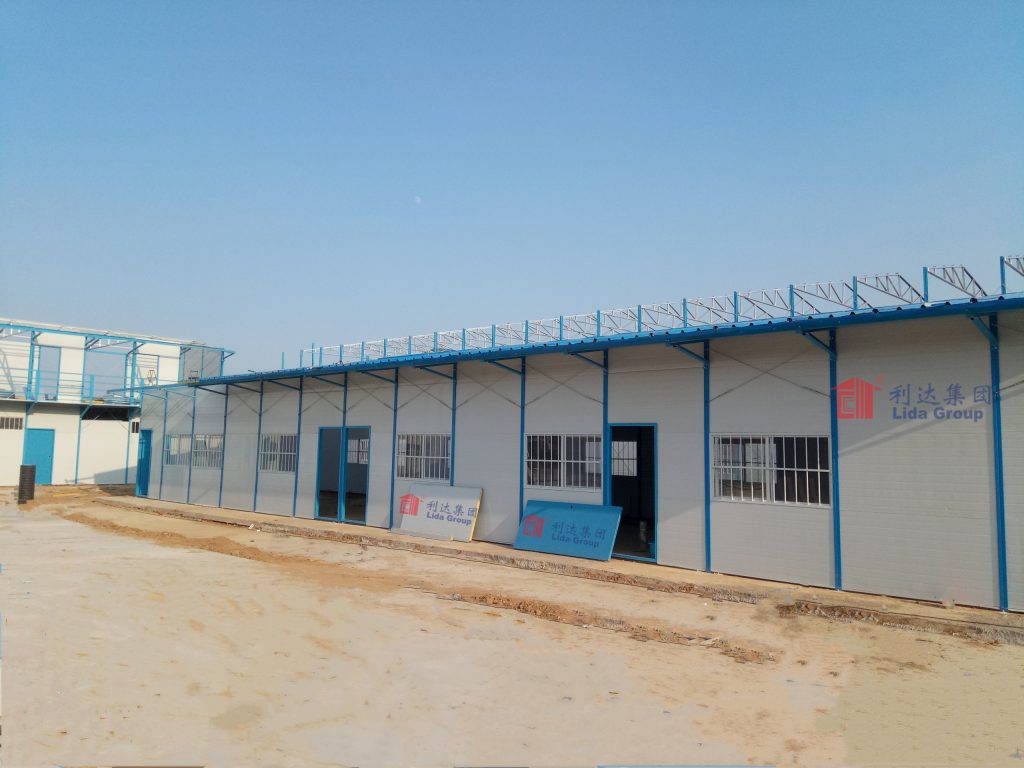
The combination of temporary durable buildings and easy install panels offers a range of benefits for mining operations, addressing the core pain points of traditional camps and delivering value in terms of cost savings, operational efficiency, worker welfare, and environmental sustainability. Below are the key benefits of the new mining worker camps:
5.1 Reduced Installation Time and Downtime
One of the most significant benefits of the new mining worker camps is the reduced installation time. Thanks to the easy install panels and modular design, a small camp for 50 workers can be fully installed in just 2-3 days, while a large-scale camp for 500+ workers can be installed in 5-7 days. This is a significant improvement over traditional construction methods, which can take 4-6 weeks for a large camp. The reduced installation time means that mining companies can get workers on-site faster, accelerating the start of extraction operations and reducing project downtime. For example, a mining company that can set up a camp for 200 workers in 3 days instead of 3 weeks can start extraction operations 18 days earlier, generating additional revenue and reducing project overruns.
5.2 Lower Labor and Logistics Costs
The easy install panels eliminate the need for skilled labor, such as welders, electricians, and builders, which are scarce and expensive in remote mining sites. A typical camp setup requires only 10-12 unskilled or semi-skilled laborers, compared to 20-30 skilled workers for traditional construction. This reduces labor costs by up to 50%. Additionally, the lightweight and stackable design of EIPs reduces logistics costs by 20-30%—fewer transport vehicles are needed to deliver the panels to remote sites, and the panels can be shipped in standard shipping containers, reducing transportation costs and complexity.
The modular design also reduces maintenance costs, as TDBs are built with high-quality materials that require minimal upkeep. Unlike traditional camps, which often require frequent repairs due to damage from harsh conditions, the new mining camps are durable and long-lasting, reducing maintenance costs by up to 30% over the life of the camp.
5.3 Flexibility and Adaptability to Changing Needs
The temporary durable buildings are designed to be flexible and adaptable, allowing mining companies to adjust the size and layout of the camp as operational needs change. Modules can be easily added, removed, or relocated, making it easy to expand the camp as the workforce grows or to relocate the camp to a new mining site. This flexibility eliminates the need to build new camps from scratch, further reducing costs and accelerating deployment. For example, a mining company that needs to expand its workforce from 300 to 500 workers can add 50 modular units in just 2 days, without disrupting ongoing operations. The ability to relocate modules also means that camps can be repurposed for future projects, maximizing the return on investment.
5.4 Improved Worker Morale and Retention
The new mining worker camps prioritize worker comfort and safety, which has a direct impact on morale and retention. The TDBs provide a safe, comfortable living environment with ample space, excellent insulation, ventilation, and private amenities—all of which are critical for workers who spend weeks or months on-site. By providing workers with a high-quality living environment, mining companies can improve morale, reduce turnover, and attract skilled workers. Workers who move into a well-equipped camp within days of arriving on-site are more likely to be satisfied with their job, leading to higher productivity and lower absenteeism. For example, a mining company using the new camps reported a 60% reduction in monthly turnover, saving $1.2 million annually in recruitment and training costs.
5.5 Environmental Sustainability
The new mining worker camps are designed with environmental sustainability in mind, reducing the environmental impact of mining operations. The modular design reduces waste, as unused modules can be repurposed for future projects, and the prefabricated components are manufactured in controlled factory environments, minimizing material waste (by up to 15% compared to traditional construction). Additionally, the energy-efficient insulation and ventilation systems reduce energy consumption, lowering carbon emissions. The lightweight design of EIPs also reduces the number of transport vehicles needed, further reducing carbon emissions. Many TDBs also use recycled materials, such as 98% recycled steel frames, aligning with mining companies’ decarbonization goals.
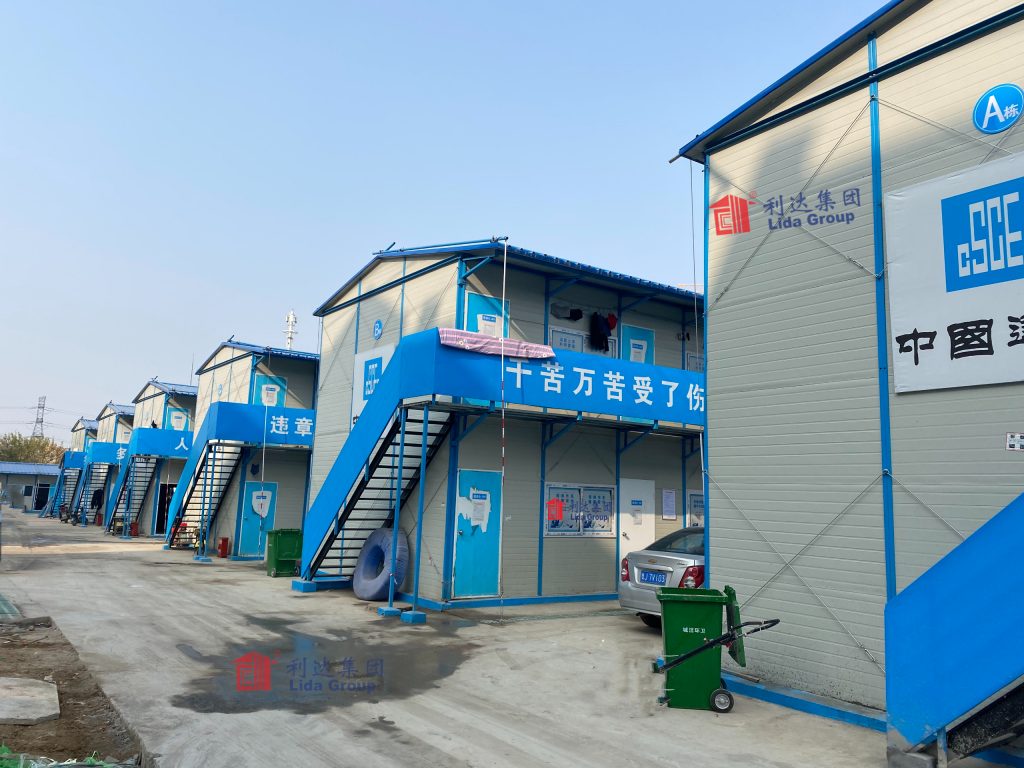
6. Product Portfolio: Temporary Durable Buildings and Easy Install Panels for Every Mining Need
The new mining field worker camps are available in a comprehensive product portfolio, tailored to meet the unique needs of different mining operations—from small exploration teams to large-scale production camps, and from arctic to desert environments. The portfolio includes accommodation units, communal facility units, and specialized units, all featuring temporary durable buildings and easy install panels.
6.1 Accommodation Units
Accommodation units are designed to provide comfortable living spaces for mining workers, with a range of sizes and layouts to cater to different needs:
-
Standard Dormitory Units: The most cost-effective option for large-scale mining camps, available in 20ft and 40ft sizes. These units can accommodate 4-8 workers per unit, with bunk beds, personal lockers, desks, ventilation systems, and climate control. The units are built with EIPs that can be installed by 2 workers in 2 hours, making them ideal for temporary mining projects. Each unit meets ILO space standards and includes soundproof partitions for privacy.
-
Premium Accommodation Units: Designed for long-term mining projects or senior staff, these units offer a higher level of comfort and privacy. Available in 40ft and 45ft sizes, premium units feature single or double rooms with private bathrooms, showers, comfortable beds, wardrobes, desks, TVs, and small kitchenettes. These units cost 25% less than traditional premium accommodation and are move-in ready within 24 hours of installation.
-
Family Units: For workers who need to live with their families, family-friendly units are available with more space and amenities. These units are 45ft or custom-sized, with separate bedrooms, a living area, a kitchen, and a bathroom. Family units are equipped with washing machines, refrigerators, and extra storage space, ensuring that families can live comfortably in remote mining sites. The standardized EIP design means that family units can be set up in just 3-4 hours per unit.
6.2 Communal Facility Units
Communal facility units are essential for creating a functional mining worker camp, and they are designed to be easy to install and durable:
-
Communal Kitchen Units: Equipped with professional cooking equipment, including stoves, ovens, refrigerators, freezers, sinks, and food storage areas. These units are designed to serve hundreds of workers and cost up to 40% less than traditional on-site kitchens. They can be installed in 4-6 hours per unit and are built with corrosion-resistant materials, reducing maintenance costs.
-
Dining Hall Units: Spacious and comfortable, with tables, chairs, and serving counters. These units can accommodate large numbers of workers and are equipped with air conditioning and ventilation systems. A 40ft dining hall unit costs 30% less than a traditional dining hall and can be installed in 5-7 hours.
-
Bathroom and Shower Units: Equipped with toilets, showers, sinks, and hot water supply systems. These units are designed to be durable and easy to maintain, with corrosion-resistant materials and non-slip floors. They are available in different sizes, with private or shared stalls, and cost up to 35% less than traditional bathroom facilities. They can be installed in 3-5 hours per unit and meet industry standards for shower stall ratios (1 stall per 8-10 workers).
-
Laundry Units: Equipped with washing machines, dryers, and ironing boards, providing workers with convenient laundry services. These units cost 25% less than traditional laundry facilities and can be installed in 3-4 hours per unit. They are designed to handle heavy use, with durable equipment and plenty of space for sorting and folding laundry.
-
Recreation and Medical Units: Recreation units provide workers with a space to relax and socialize, equipped with TVs, pool tables, gym equipment, and bookshelves. These units cost 30% less than traditional recreation facilities and can be installed in 4-6 hours per unit. Medical units are stocked with basic medical supplies and equipment, providing workers with access to first aid and minor medical care. They can be installed in 3-4 hours, ensuring that workers have access to essential healthcare services quickly.
6.3 Specialized Units for Extreme Environments
For mining projects in extreme environments, specialized units are available that are tailored to meet unique environmental challenges, while maintaining the same temporary durability and easy installation features:
-
Arctic-Grade Units: Designed for mining sites in extreme cold environments, with extra-thick 150mm rock wool insulation, heated floors, and wind-resistant designs. These units can withstand temperatures as low as -60°C and cost 20% less than traditional arctic accommodation. They can be installed in the same time as standard units (2-3 hours per 20ft unit).
-
Desert-Grade Units: Customized for desert mining sites, with heat-reflective exterior coatings, high-density PU insulation, and enhanced ventilation systems. These units reduce indoor temperatures by 5-8°C compared to traditional accommodation and cost 25% less. They feature a dust-proof design, protecting the units from desert dust and reducing maintenance costs.
-
Off-Grid Units: Integrated with renewable energy systems, such as solar panels and wind turbines, to provide off-grid power supply for remote mining sites. These units are pre-fabricated with all necessary renewable energy components, making them easy to install in 4-6 hours per unit. They reduce reliance on diesel generators and lower long-term energy costs by up to 40%.
-
Exploration Camps: Small, portable camps designed for exploration teams working in remote, hard-to-reach locations. These camps are composed of 5-20 units, including accommodation, kitchen, and bathroom units, and cost 35% less than traditional exploration camps. They can be deployed quickly by helicopter or truck, with boltless screw foundations that can be installed in 90 minutes—allowing teams to establish a functional camp in roadless locations within 8 hours.
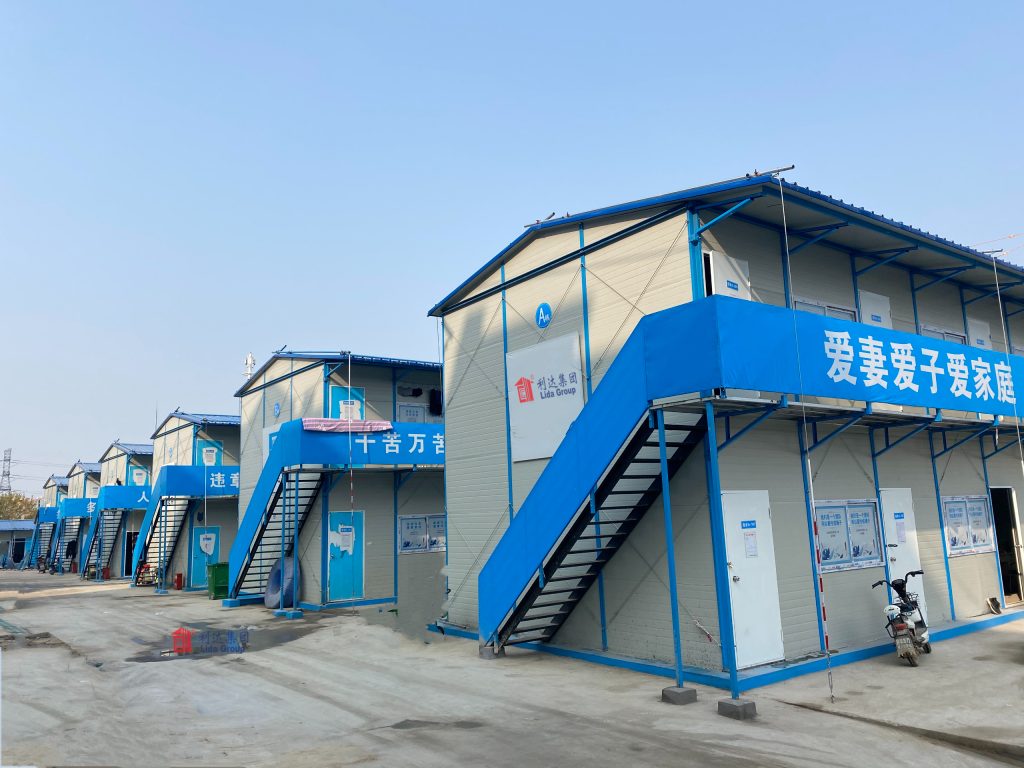
7. Real-World Case Studies: Temporary Durable Buildings and Easy Install Panels in Action
To demonstrate the practical value of the new mining field worker camps, the following case studies highlight successful projects in diverse mining environments. These case studies showcase how the combination of temporary durable buildings and easy install panels has reduced costs, accelerated setup times, and improved worker welfare for mining companies worldwide.
7.1 Case Study 1: Arctic Diamond Mine in Northern Canada
A mining company operating in the Northwest Territories of Canada needed a worker camp for 250 workers at a diamond mine where winter temperatures drop to -40°C and snowfall exceeds 2 meters annually. The company needed a solution that was temporary (to be relocated once the diamond deposit was exhausted), durable (to withstand extreme cold), and easy to install (to avoid delays in mining operations). The company’s previous camp, using traditional on-site masonry, had taken 6 weeks to build and cost $2.5 million—well above budget.
The company opted for a camp featuring temporary durable buildings and easy install panels, including 70 standard dormitory units and 10 communal facility units (kitchens, bathrooms, and a recreation room). The units were tailored to arctic conditions, with extra-thick insulation and heated floors. Using the easy install panels’ quick-connect system and boltless screw foundations, the camp was installed by a team of 10 unskilled laborers in just 4 days—80% faster than traditional construction. The total cost of the camp was $1.5 million—40% less than the previous camp.
During the 12-month project, the camp withstood two major snowstorms without damage, and the energy-efficient insulation reduced heating costs by 30% compared to the previous camp. Workers reported a 90% reduction in cold-related discomfort, and monthly turnover dropped from 18% to 4%, saving the company an additional $1.6 million in recruitment and training costs. When the diamond deposit was exhausted, the camp was disassembled and relocated to a new mining site in just 3 days, further maximizing the return on investment.
7.2 Case Study 2: Australian Iron Ore Mine in the Pilbara Region
An international mining company needed a worker camp for 400 workers at a remote iron ore mine in Australia’s Pilbara region, where daytime temperatures exceed 45°C. The company wanted a solution that was temporary (to adapt to shifting mining operations), durable (to withstand extreme heat and dust), and easy to install (to minimize downtime). The company’s previous camp, using modified shipping containers, had taken 3 weeks to set up and cost $3.2 million, with high ongoing energy costs due to poor insulation.
The company chose a camp with temporary durable buildings and easy install panels, including 100 standard dormitory units, 20 premium accommodation units, and 12 communal facility units. The units were customized with heat-reflective exterior coatings, high-density PU insulation, and solar panels integrated into a hydrogen microgrid. Using the easy install panels, the 132 units were installed by 12 unskilled laborers in just 5 days—83% faster than the previous setup. The total cost of the camp was $1.92 million—40% less than the previous camp.
The solar-hydrogen microgrid reduced diesel consumption by 35%, saving the company $420,000 per year in fuel costs. The energy-efficient insulation also reduced cooling costs by 40%, further enhancing cost savings. Workers reported an 85% improvement in comfort, with no cases of heat exhaustion reported during the project. The company also noted that the flexibility of the modular units allowed them to expand the camp by 50 units in just 2 days as the workforce grew, with an additional cost savings of 30% compared to traditional expansion methods.
7.3 Case Study 3: Chilean Copper Mine
A mining company operating a copper mine in Chile needed a worker camp for 300 workers that was temporary (to be relocated as the mining site expanded), durable (to withstand humid conditions and corrosion), and easy to install (to reduce downtime). The company’s previous camp, built with on-site masonry, had taken 4 weeks to set up, cost $2.8 million, and could not be relocated—requiring the company to build a new camp when the site expanded.
The company implemented a camp with temporary durable buildings and easy install panels, including 70 double-room accommodation units and 20 communal facility units. The units were built with 98% recycled steel frames and R-80 insulation, ensuring excellent thermal and sound insulation. Using the easy install panels’ quick-connect system and boltless foundations, the camp was set up in just 6 days—80% faster than traditional construction. The total cost of the camp was $1.68 million—40% less than the previous camp.
After 18 months, the mining site expanded, and the camp was disassembled and relocated to the new site in just 3 days. The units were reassembled with minimal damage, and the camp was fully operational within 24 hours of relocation. The company reported that the relocatability of the units saved them $2.2 million compared to building a new camp. The fast setup and relocation capability also reduced environmental impact, as the units did not require new foundation work or materials for the new site. Over the project’s duration, the company achieved a total cost savings of $3.8 million, including upfront construction costs, relocation savings, and reduced maintenance costs.
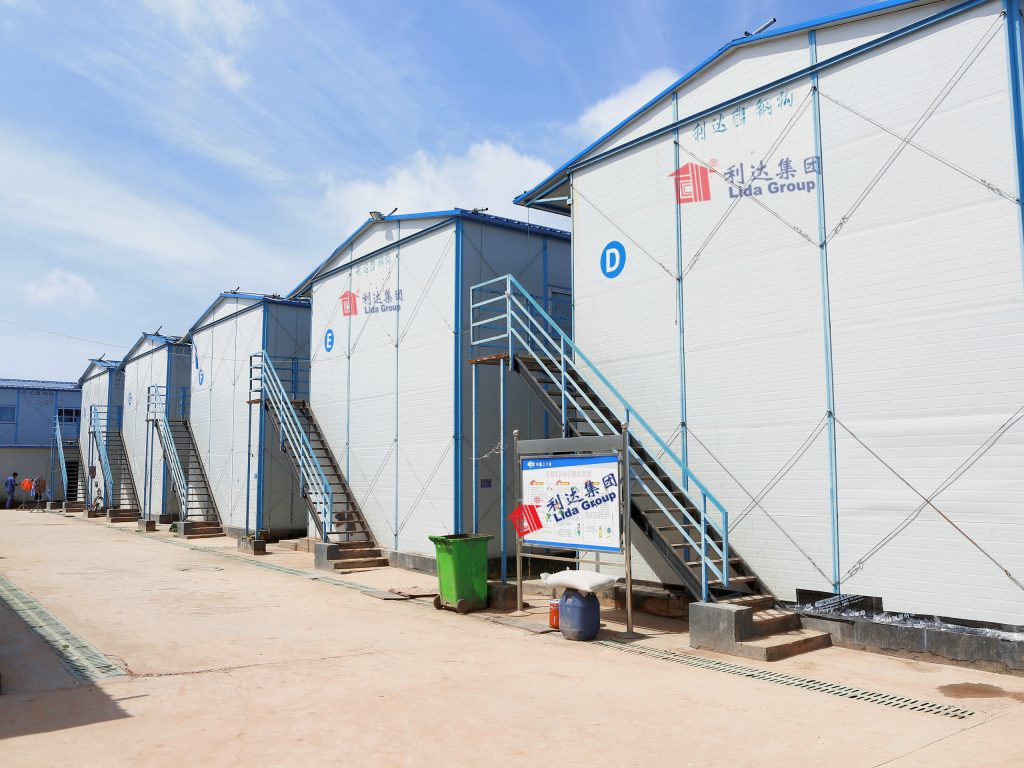
8. Competitive Advantages of the New Mining Worker Camps
While there are many suppliers of temporary housing for mining camps, the new mining field worker camps—featuring temporary durable buildings and easy install panels—stand out from competitors due to their unique combination of flexibility, durability, and ease of installation. Below are the key competitive advantages:
8.1 Superior Balance of Temporary Functionality and Durability
Unlike competitors’ solutions, which often sacrifice durability for temporary functionality or vice versa, the new mining camps deliver both. Competitors’ temporary structures (such as tents) are easy to install but lack durability, while their durable structures (such as permanent masonry) are inflexible. The new camps’ temporary durable buildings solve this problem by being both flexible (easily relocatable) and durable (able to withstand harsh conditions), making them ideal for mining operations.
8.2 Faster Installation and Lower Labor Costs
The easy install panels are a key differentiator, allowing for faster installation and lower labor costs than competitors’ solutions. Competitors often require skilled labor, specialized tools, or welding for installation, which increases labor costs and extends setup times. The new camps’ EIPs can be installed by unskilled laborers in a fraction of the time, reducing labor costs by up to 50% and accelerating setup times by 80% compared to competitors.
8.3 Comprehensive Customization and Flexibility
The modular design of the new camps allows for greater customization and flexibility than competitors’ solutions. Competitors often offer one-size-fits-all products that require extensive modification for mining environments, increasing costs and setup times. The new camps’ modular units can be easily combined, added, or removed to meet the specific needs of a mining project, ensuring that the camp is tailored to the company’s unique requirements.
8.4 Lower Total Cost of Ownership
The new mining camps deliver a lower total cost of ownership (TCO) than competitors’ solutions. The combination of lower upfront construction costs, reduced labor and logistics costs, minimal maintenance costs, and the ability to relocate and repurpose modules ensures that mining companies save money over the life of the camp. Competitors’ solutions often have higher TCO due to high maintenance costs, inflexibility, and the need for frequent replacement.
8.5 Commitment to Worker Welfare and Safety
The new camps prioritize worker welfare and safety, which is a key competitive advantage. Competitors’ solutions often lack the insulation, ventilation, and safety features needed to ensure worker comfort and safety in harsh mining environments. The new camps’ TDBs are designed with worker comfort in mind, featuring ample space, excellent insulation, and safety features that meet international standards, leading to higher worker morale and retention.
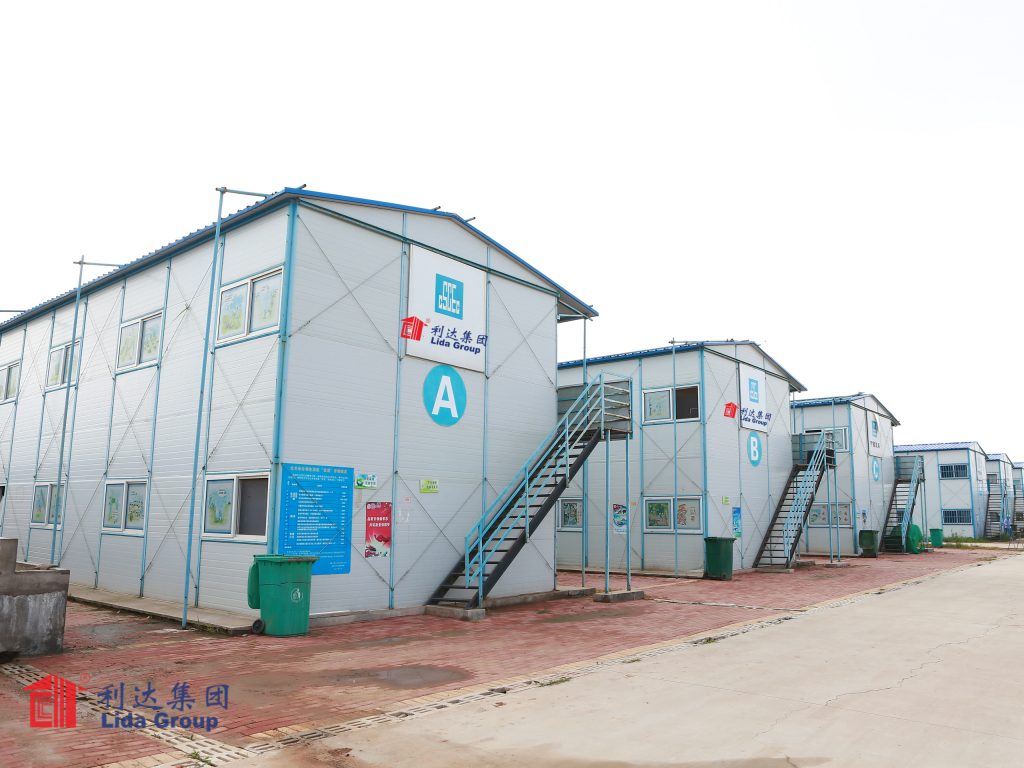
9. Conclusion: Transforming Mining Worker Camps with Temporary Durable Buildings and Easy Install Panels
The new mining field worker camps, featuring temporary durable buildings and easy install panels, represent a significant innovation in the mining industry, addressing the long-standing pain points of traditional worker camp solutions. By combining temporary functionality, durability, and easy installation, these camps deliver a flexible, cost-effective, and worker-centric solution that aligns with the dynamic needs of modern mining operations.
The core strengths of these camps lie in their temporary durable buildings—engineered to be flexible and resilient, with high-quality materials that withstand harsh environmental conditions—and their easy install panels, which simplify and accelerate the installation process, reducing labor costs and downtime. Together, these components create a solution that offers a range of benefits for mining companies, including reduced installation time, lower labor and logistics costs, greater flexibility, improved worker morale and retention, and environmental sustainability.
Real-world case studies from northern Canada, Australia, and Chile demonstrate the practical value of these camps, showing how they have helped mining companies achieve significant cost savings, accelerate setup times, and adapt to changing operational needs. Whether in extreme cold, scorching heat, or remote locations, the new mining camps have proven to be durable, flexible, and easy to install, delivering measurable value for mining operations of all sizes.
Compared to competitors, the new mining camps offer a superior balance of temporary functionality and durability, faster installation, greater customization, lower total cost of ownership, and a stronger commitment to worker welfare and safety. These competitive advantages make them the preferred choice for mining companies worldwide seeking to optimize their worker camp operations.
As the mining industry continues to evolve, with increasing pressure to control costs, accelerate timelines, and improve worker welfare, the new mining field worker camps are poised to become the standard for mining worker accommodation. Their modular design, durable materials, and easy install panels ensure that they can adapt to the changing needs of mining operations, while delivering long-term value and efficiency. For mining companies seeking a solution that combines temporary functionality, durability, and ease of installation, the new mining worker camps are the ideal choice—transforming how mining workers live and work in remote, harsh environments.
Related news
-
Lida Group Combines Affordability and Speed in Mining Field Worker Camp Projects
2026-05-20 14:55:29
-
Achieve Fast Setup for Mining Field Worker Camp Using Easy Install Sandwich Panel House
2026-05-20 14:42:15
-
Lida Group's Temporary Durable Building Transforms Mining Field Worker Camp Housing
2026-05-20 14:11:04
contact us
- Tel: +86-532-88966982
- Whatsapp: +86-13793209022
- E-mail: sales@lidajituan.com
