



Living Container House by Lida Group Combines Comfort, Durability, and Affordability
2026-May-28 13:19:58
By Admin
Introduction
Global residential markets are currently facing a prominent structural contradiction: traditional brick-and-mortar houses feature high construction costs, long building cycles, and poor spatial flexibility, while early modular container houses are often criticized for crude interiors, insufficient comfort, and unstable durability. For modern home seekers, rural residents, tourism developers, and project contractors, the ideal residential solution must balance three core indicators: livable comfort, long-term structural durability, and controllable economic cost. For a long time, the construction industry has struggled to integrate these three advantages perfectly. High-durability residential buildings often come with premium pricing, budget-friendly houses sacrifice quality and living experience, and comfortable customized residences require huge time and capital investment.
As a leading global manufacturer of modular residential buildings, Lida Group breaks the industry’s long-standing trade-off dilemma by launching upgraded living container houses that organically combine superior comfort, industrial-grade durability, and long-term affordability. Different from ordinary low-end container houses that merely provide basic shelter and high-priced customized modular buildings with redundant design, Lida’s living container houses adopt optimized material selection, humanized interior design, industrial anti-corrosion structure, and streamlined prefabricated production. The product eliminates the common defects of traditional modular housing such as poor thermal insulation, easy corrosion, single style, and high hidden costs. It delivers warm, quiet, and modern living environments, stable structural performance that can withstand long-term environmental erosion, and transparent low-full-lifecycle pricing. This article comprehensively analyzes the market drawbacks of traditional residential and modular houses, the core advantages of Lida’s container houses in comfort, durability and affordability, diversified application values, and sustainable development potential, presenting how Lida Group redefines the new benchmark for modern economical modular residential buildings.

1. Common Defects of Traditional Houses and Early Modular Container Homes
To fully reflect the comprehensive advantages of Lida’s upgraded living container houses, it is essential to clarify the inherent shortcomings of traditional residential products and early container housing. These industry pain points have long restricted the popularization of high-quality and cost-effective residential solutions for ordinary users and commercial developers.
1.1 Traditional Buildings: High Cost and Low Flexibility
Traditional concrete and brick residential buildings have mature stability but obvious limitations in economy and flexibility. The whole construction process involves foundation pouring, wall masonry, exterior decoration, and interior fitting, requiring months of construction time and massive labor and material investment. Statistical data shows that traditional residential construction generates 30% more material waste and 40% higher labor costs compared with modern prefabricated modular buildings. In addition, fixed brick-concrete structures cannot be disassembled, moved, or reconstructed. Once the living scene changes, the building loses reuse value, resulting in extremely low asset flexibility. For users pursuing mobile living, short-term residence, and rapid housing deployment, traditional buildings are far from meeting practical needs.
1.2 Early Container Houses: Poor Comfort and Low Durability
Early simple container houses occupy the low-cost market but have severe performance defects. Most products adopt thin uninsulated steel plates and single-layer anti-rust paint, lacking professional thermal insulation, sound insulation, and waterproof systems. In summer, indoor temperatures rise sharply due to rapid steel heat conduction; in winter, heat dissipates quickly, resulting in extreme indoor temperature differences. The simple sealing structure cannot block external noise, dust, and moisture, leading to damp interiors, mildew growth, and poor living experience. In terms of durability, ordinary thin steel frames are prone to rust, deformation, and loose welding joints after two to three years of outdoor exposure, especially in coastal humid and high-salt-spray environments. Without standardized anti-corrosion treatment, these houses face structural aging and functional failure in a short period, requiring frequent maintenance and even overall replacement.
1.3 Mid-Range Modular Houses: Uneconomical Long-Term Investment
Some upgraded modular residential products on the market improve comfort and durability through material upgrading, but they rely on excessive customized processing and redundant high-end materials, leading to sharply increased pricing. The excessive pursuit of high-end configuration results in serious cost redundancy, making such products unaffordable for mass users. Although these products have good performance, their high upfront investment cannot form effective cost advantages, failing to solve the core demand for balanced high performance and low cost in the civilian residential market.

2. Humanized Design Delivers Premium Living Comfort
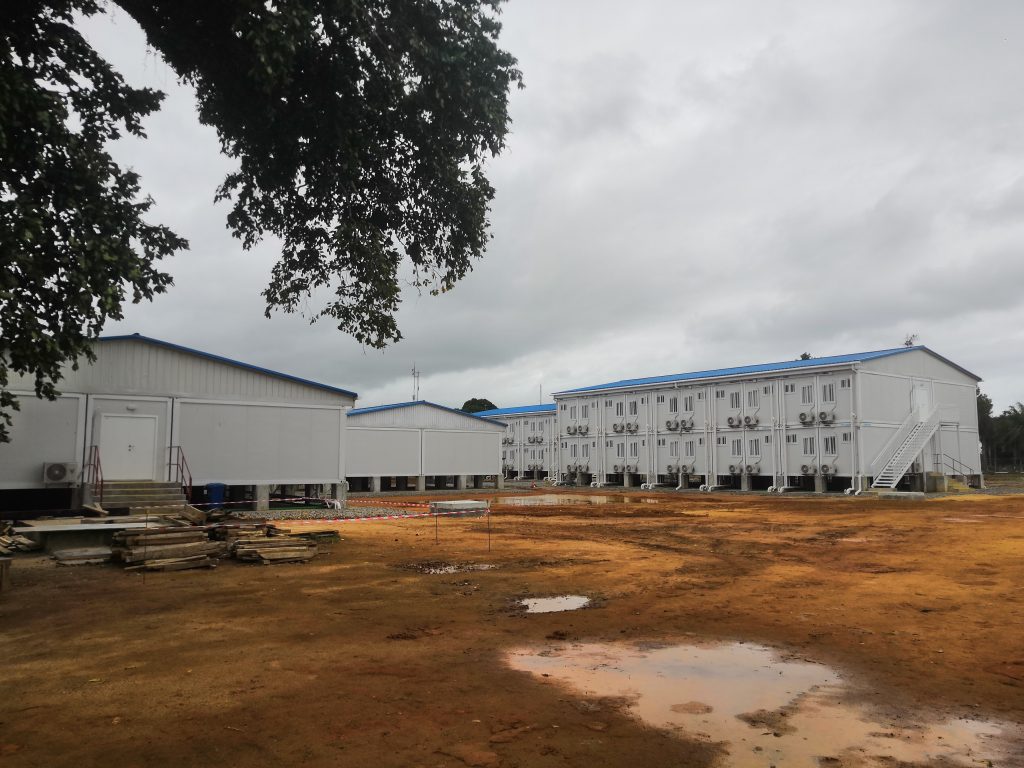
Lida Group’s living container houses take residential comfort as the primary design standard, completely abandoning the crude industrial attributes of early container houses. Through optimized enclosure structure, scientific spatial planning, and complete supporting configuration, the products achieve the same warm, quiet, and comfortable living experience as traditional formal residences, realizing qualitative improvement in modular housing livability.
2.1 Efficient Thermal Insulation and Constant Temperature Environment
To solve the hot-summer and cold-winter pain point of traditional steel container houses, Lida Group adopts high-density polyurethane rock wool composite sandwich panels for walls and roofs. The advanced thermal insulation material has ultra-low thermal conductivity, effectively blocking external heat transfer and isolating extreme temperature changes. In high-temperature summer environments, the internal thermal insulation layer prevents solar heat from penetrating into the room, keeping indoor temperature stable and cool; in cold winter, it locks indoor heat to avoid rapid heat loss. Compared with ordinary single-layer steel plate containers, Lida’s optimized structure reduces indoor and outdoor temperature difference fluctuation by more than 60%, realizing a constant-temperature living environment all year round. Matching with hollow tempered glass windows with sealing strips, the whole house forms a fully sealed thermal insulation system, completely eliminating air leakage and heat dissipation defects of early container houses.
2.2 High-Quality Sound Insulation and Dustproof Performance
Modern residential comfort is closely related to quiet and clean indoor environment. Lida’s living container houses add multi-layer sound insulation materials inside wall and roof structures, which can effectively isolate external traffic noise, construction noise, and wind noise. The professional sealing process of wall joints, window frames, and door gaps prevents outdoor dust, fine particles, and sundries from entering the room. Whether used for urban suburban residences, scenic boutique homestays, or rural temporary living, the product maintains a quiet, clean, and tidy indoor space. This optimized sound and dust insulation design completely changes the noisy and dusty living environment of traditional modular houses, greatly improving daily rest quality.
2.3 Scientific Spatial Layout and Complete Living Configuration
Lida Group’s professional design team carries out humanized spatial planning for living container houses according to modern residential habits. Standard single units have spacious and regular indoor space, which can be freely divided into bedrooms, living rooms, small study areas, and storage areas. Multiple units can be flexibly spliced and stacked to form multi-room apartment layouts suitable for family living. All residential units are pre-equipped with safe lighting systems, standardized socket positions, ventilation windows, and waterproof and moisture-proof floors. The interior adopts environmentally friendly decorative materials with no formaldehyde volatilization, ensuring healthy living conditions. Users can freely add furniture, electrical appliances, and soft decorations according to personal preferences, realizing personalized residential space creation. The neat and reasonable layout makes the container house no longer a simple temporary shelter but a warm and exquisite modern living space.
2.4 Optimized Ventilation and Lighting System
A good living environment requires sufficient natural light and smooth air circulation. Lida’s living container houses adopt large-area lighting window design, which maximizes indoor natural light intake and avoids the dim and dark problems of traditional container houses with small and single windows. At the same time, the product is equipped with multi-directional ventilation structures, which can form effective indoor and outdoor air convection, eliminate indoor peculiar smell and humid air, and keep the air fresh all day long. For closed indoor spaces that are prone to mildew in humid areas, the optimized ventilation system effectively reduces indoor humidity, prevents wall and floor mildew, and further improves living comfort and health.
3. Industrial-Grade Structure Ensures Long-Term Durability
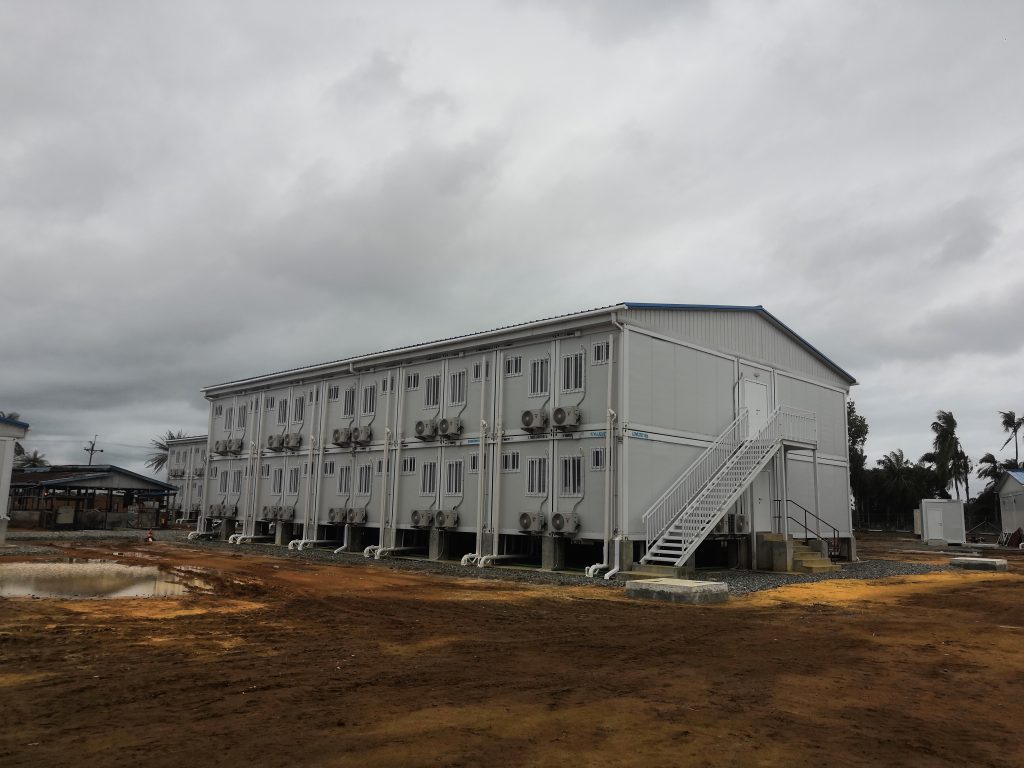
Durability is the core foundation of residential value. Lida Group’s living container houses rely on mature industrial steel structure technology and standardized anti-corrosion treatment processes to achieve excellent weather resistance, structural stability, and long service life, ensuring stable and safe use in various complex climatic and regional environments.
3.1 High-Strength Anti-Corrosion Steel Frame Structure
Different from the thin inferior steel materials used in ordinary container houses, Lida’s living houses adopt high-strength zinc-aluminum-magnesium alloy steel and hot-dip galvanized steel as the main load-bearing frames. All steel components undergo industrial high-temperature galvanizing anti-corrosion treatment to form a dense metallurgical protective layer on the surface. This protective layer has self-healing performance, which can automatically repair tiny scratches and avoid rust expansion. The overall steel frame structure passes finite element mechanical simulation tests, meeting international wind resistance, seismic resistance, and snow load safety standards. It can resist strong winds, heavy snow extrusion, and ground slight vibration, with strong structural rigidity and stability. Industry verification shows that Lida’s steel structure can maintain stable performance for more than 20 years in conventional atmospheric environments and more than 15 years in harsh coastal and industrial environments.
3.2 Full Sealed Waterproof and Weather Resistant Design
Most residential aging problems are caused by long-term rainwater erosion and ultraviolet aging. Lida Group adopts integrated waterproof roofing technology and high-elasticity waterproof sealant for all wall and component joints to realize full-coverage waterproof protection without dead ends. The surface of wall panels and roofs is coated with weather-resistant polyurethane topcoat, which has excellent anti-ultraviolet and anti-aging capabilities, avoiding surface fading, cracking, and peeling caused by long-term sunlight exposure. Whether in rainy and humid southern regions, high-temperature and strong ultraviolet plateau areas, or windy and sandy northern regions, the product can maintain intact surface and stable internal structure, effectively resisting long-term natural environmental erosion.
3.3 Stable Structural Performance for Repeated Use
Lida’s living container houses adopt full bolt assembly structure without destructive welding fixation. The standardized modular connection mode ensures that the structural tightness and stability will not be damaged during disassembly and transfer. The high-strength steel frame can withstand more than eight repeated disassembly and assembly cycles without structural deformation and performance attenuation. This reusable durable performance enables the house to adapt to mobile living and multi-scene conversion, realizing long-term cyclic utilization of residential assets, which is completely incomparable with disposable traditional temporary houses.
4. Optimized Industrial Production Realizes Comprehensive Affordability
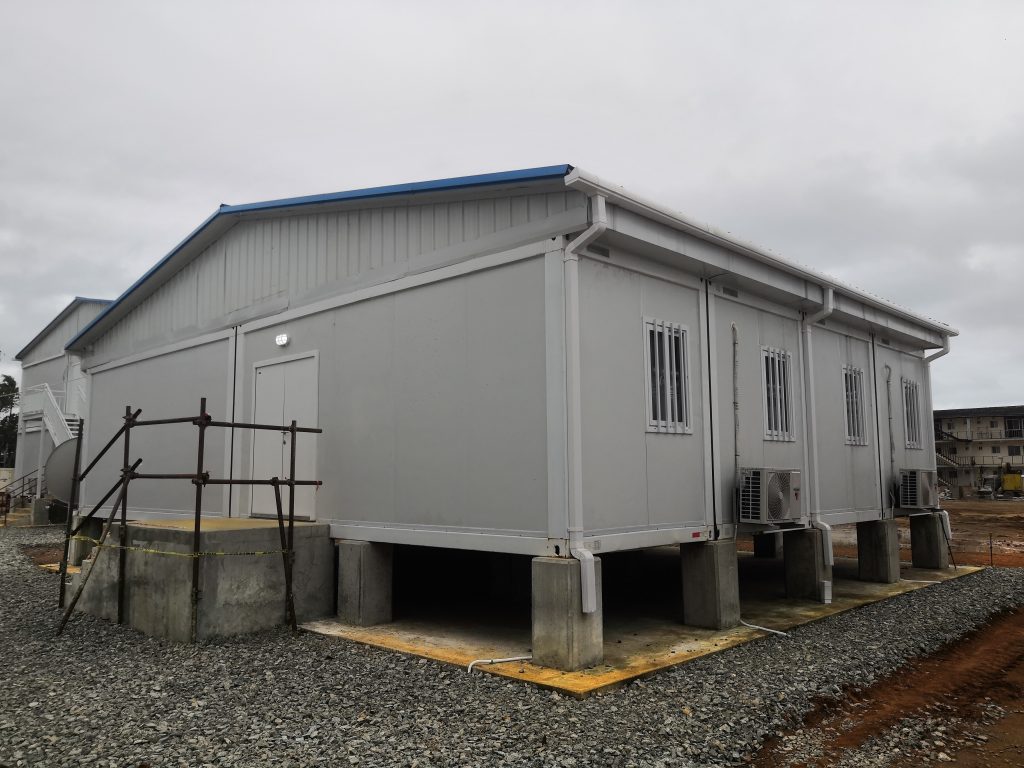
While achieving high comfort and high durability, Lida Group relies on streamlined industrial production, standardized modular design, and full-lifecycle cost control to break the high-price barrier of high-performance modular residences, delivering truly affordable living container houses for mass users.
4.1 Low Upfront Construction and Production Costs
Lida’s living container houses adopt 100% factory prefabricated production. All structural processing, interior decoration, and functional configuration are completed in batch assembly lines, which greatly reduces unit production costs through scale effect. Compared with traditional on-site construction houses, modular prefabrication saves more than 35% of raw material waste and labor costs. Meanwhile, the lightweight structure does not require complex foundation pouring and long curing cycles, eliminating foundation construction costs and shortening the overall housing completion cycle by more than 70%. Users can complete occupancy in a short time, avoiding long-term rental costs and capital occupation losses, with extremely low upfront comprehensive investment.
4.2 Ultra-Low Long-Term Maintenance Costs
Thanks to industrial-grade anti-corrosion, waterproof, and anti-aging performance, Lida’s living container houses have extremely low failure rates in daily use. There is no need for frequent rust removal, repainting, and component replacement required by ordinary container houses. The annual maintenance cost is less than 3% of the initial investment, far lower than the maintenance expenditure of traditional brick-concrete houses and low-end modular houses. The stable structural performance avoids large-scale renovation and reinforcement costs caused by structural aging, greatly reducing the long-term operational burden of users.
4.3 Reusable Value Improves Long-Term Economic Return
The detachable and movable design of Lida’s container houses brings unique reusable economic value. When users need to replace living addresses or adjust residential layouts, the houses can be completely disassembled, transported, and reassembled for reuse, without generating construction waste and invalid asset loss. For users with mobile living needs, tourism homestay operators, and project contractors, one-time investment can realize multi-scene and long-term cyclic use. Calculated over a 20-year full lifecycle, Lida’s living container house can save more than 45% of comprehensive residential costs compared with traditional fixed houses, with outstanding cost performance and economic sustainability.
5. Diversified Scenario Adaptation and Flexible Customization Value
The perfect integration of comfort, durability, and affordability makes Lida’s living container houses suitable for diversified modern residential scenarios, meeting the personalized housing needs of different user groups and different usage environments.
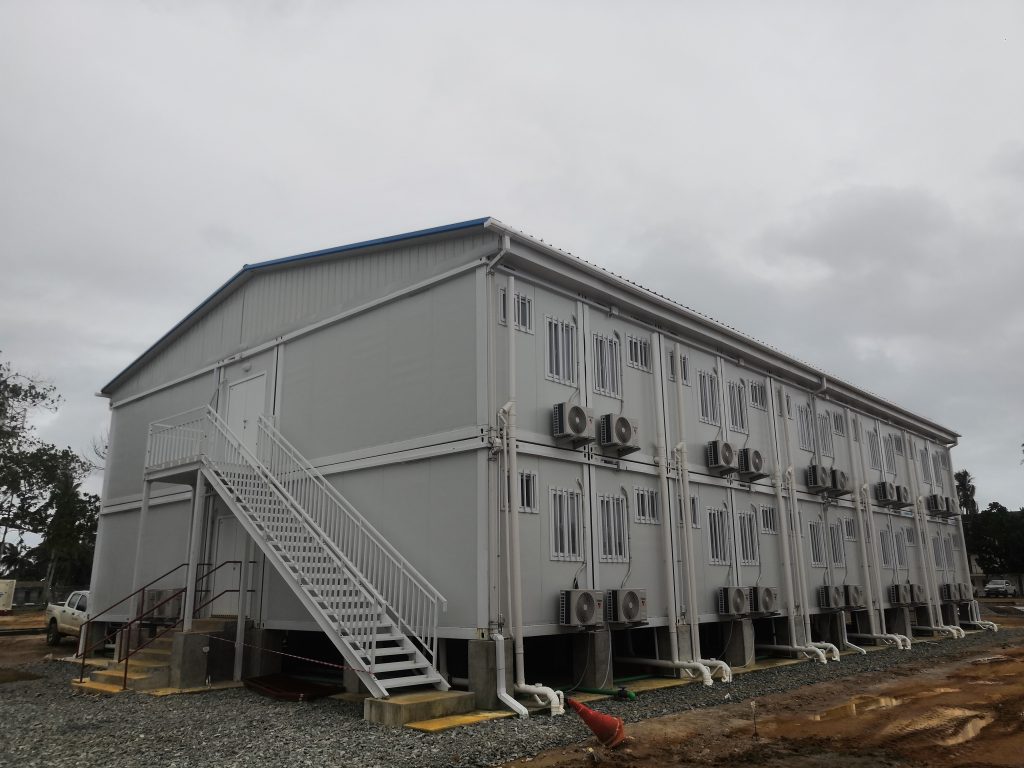
In private residential scenarios, the product can be used as long-term rural self-built houses, suburban leisure villas, and mobile holiday residences. Through personalized interior decoration and facade customization, it can be integrated into natural and residential environments, creating comfortable and exquisite private living spaces. In cultural tourism and homestay scenarios, the flexible modular design can form characteristic container homestay clusters, with unique industrial aesthetic and comfortable living experience, becoming popular scenic accommodation products with low investment and high return. In engineering and temporary living scenarios, it provides safe and comfortable long-term accommodation for construction workers and management teams, solving the problem of poor living conditions of traditional temporary dormitories. In emergency resettlement and public welfare housing scenarios, rapid deployment and low-cost advantages can quickly provide safe and warm residential resources for disaster-affected groups and low-income groups, with strong social practical value.
In addition, Lida Group supports personalized customized design according to user needs, including facade style adjustment, interior space division, functional facility matching, and multi-storey combination layout. It can freely switch between modern minimalist, pastoral fresh, and fashionable industrial styles, realizing the perfect unity of functional practicality, living comfort, and aesthetic individuality.
6. Green and Sustainable Residential Advantages
While balancing comfort, durability, and affordability, Lida’s living container houses also have prominent green environmental protection value, conforming to the global low-carbon and sustainable development trend. The factory prefabricated production mode produces no on-site construction dust, noise, and waste pollution, realizing zero pollution construction. All building materials are environmentally friendly and recyclable, without harmful substance volatilization, ensuring healthy indoor living environment. The reusable building mode avoids massive construction waste generated by traditional house demolition and reconstruction, reducing resource consumption and carbon emissions. This green and low-carbon residential feature not only improves the ecological value of the building itself but also helps users realize environmentally friendly living and sustainable asset operation.
7. Conclusion
For a long time, the global residential market has been trapped in an unbalanced development state: comfortable and high-quality residences are expensive and inflexible, low-cost houses have poor comfort and short service life, and durable industrial buildings lack livable design. This market imbalance makes it difficult for mass users to obtain residential solutions that take into account experience, quality, and economy. As an innovative modular residential product launched by Lida Group, the upgraded living container house completely breaks this industry dilemma.
Lida Group perfectly integrates three core advantages in one product: humanized thermal insulation, sound insulation and spatial design create high-comfort living experience, changing the crude living defect of traditional modular houses; industrial-grade anti-corrosion steel structure and weather-resistant technology ensure long-term structural durability and stable safety performance; standardized industrial prefabrication and reusable design greatly reduce construction and lifecycle costs, realizing high affordability. With unique comprehensive advantages, Lida’s living container houses adapt to private residence, tourism homestay, temporary accommodation, and public welfare housing scenarios, providing flexible, safe, comfortable, and economical residential choices for global users. In the future, Lida Group will continue to optimize modular residential technology, further balance product performance and cost, and lead the high-quality, popularized, and sustainable development of the global modular residential industry.
Related news
-
Efficient Prefabricated Container Worker Dormitory Now Available from Lida Group
2026-05-27 18:01:15
-
Lida Group Delivers Flat Packed Container House for Remote Construction and Mining Camps
2026-05-27 17:56:04
-
Discover the Versatility of Living Container House Designs from Lida Group
2026-05-27 17:47:34
contact us
- Tel: +86-532-88966982
- Whatsapp: +86-13793209022
- E-mail: sales@lidajituan.com
