



Lida Group’s Low-Cost Durable Building Technology Transforms Construction Site Worker Dormitory
2026-Apr-27 09:41:10
By Admin
The global construction industry relies heavily on temporary on-site accommodation to house migrant and project-based workers throughout project lifecycles. Worker dormitories serve as fundamental auxiliary infrastructure, directly affecting worker safety, daily comfort, physical health and overall work efficiency. For decades, traditional construction site dormitories have suffered from pervasive drawbacks, including high construction investment, short service life, poor structural stability, weak weather resistance and frequent maintenance needs. Most temporary wooden cabins and simple assembled buildings can only last five to eight years, prone to corrosion, deformation, water leakage and mold growth under complex outdoor construction site environments. In addition, the repeated construction and demolition of conventional dormitories generate massive resource waste and additional project costs, placing a long-term economic burden on construction enterprises.
Against the backdrop of the construction industry’s pursuit of standardized management, cost control, green development and worker welfare upgrading, advanced building technology has become the core driving force to reform traditional temporary accommodation. As a global leading manufacturer and solution provider of prefabricated modular buildings, Lida Group has independently developed mature low-cost durable building technology after decades of technical iteration and engineering practice. This innovative technology completely optimizes the material formula, structural design, manufacturing process and on-site assembly mode of construction site dormitories, effectively solving the dual industry pain points of high comprehensive cost and insufficient structural durability. By popularizing this proprietary building technology, Lida Group has comprehensively upgraded the quality, practicability and economy of construction site worker dormitories, realizing the comprehensive transformation of temporary worker accommodation from crude and low-cost to standardized, durable, economical and comfortable.
The transformation brought by Lida Group’s low-cost durable building technology is not limited to superficial architectural optimization, but covers the whole life cycle of dormitory design, factory production, on-site assembly, daily operation, maintenance and secondary reuse. Different from ordinary prefabricated building technology that simply pursues low upfront costs, Lida Group’s core philosophy is to balance ultra-low comprehensive life-cycle costs and ultra-long structural durability, ensuring that construction enterprises can reduce capital investment while obtaining stable and reliable worker accommodation facilities. At present, this technology has been widely applied in infrastructure construction, mining development, oil and gas engineering, municipal engineering and other global construction projects, becoming a standardized benchmark solution for modern construction site worker dormitories.
1. Defects of Traditional Construction Site Worker Dormitories
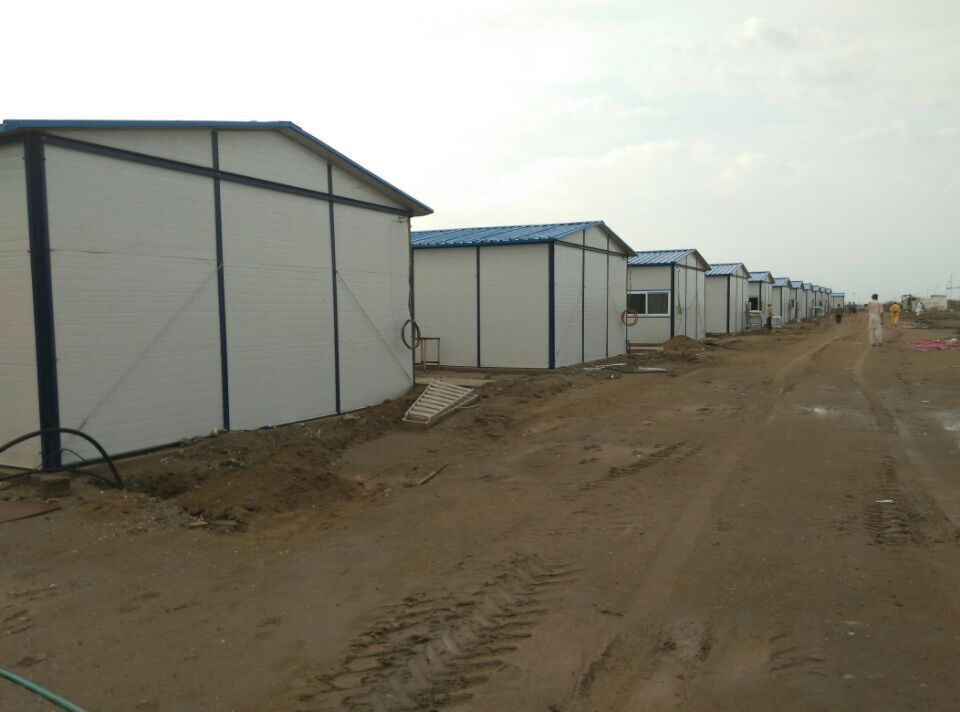
To fully understand the revolutionary value of Lida Group’s low-cost durable building technology, it is necessary to analyze the inherent defects of traditional construction site dormitories. For a long time, construction enterprises regard worker dormitories as disposable temporary facilities, resulting in a widespread industry phenomenon of emphasizing construction progress rather than accommodation quality. Most traditional dormitories adopt simple wooden structures or ordinary color steel plate assembly structures, with single structural design and backward building technology.
In terms of economy, traditional dormitories have low upfront investment but extremely high comprehensive costs. Wooden cabins require frequent anti-corrosion and insect-proof maintenance, while ordinary color steel plate dormitories are prone to wall deformation, insulation layer aging and water leakage after one to two years of use. Every project cycle requires a large amount of manpower and material resources for maintenance and renovation. Moreover, traditional temporary dormitories are non-reusable in most cases. After the completion of a single construction project, most buildings are demolished and scrapped, resulting in repeated construction investment for subsequent new projects and serious waste of building materials and social resources.
In terms of structural durability, traditional dormitories fail to adapt to complex and changeable construction site environments. Construction sites are usually exposed to open-air environments, enduring strong winds, rain erosion, high temperature exposure, low temperature frost and sand dust invasion all year round. Ordinary wooden structures are easy to rot and deform, while ordinary color steel structures lack effective anti-corrosion treatment. Their average service life is only five to eight years, and structural safety risks such as wall cracking and frame loosening are prone to occur in the later stage of use, threatening the personal safety of resident workers.
In terms of practicality and standardization, traditional dormitories have single functional design, poor thermal insulation and ventilation performance, and uneven indoor temperature. Most crude temporary buildings lack complete supporting facilities, resulting in poor worker living experience, which easily leads to low worker satisfaction and high personnel turnover, indirectly affecting construction progress and project quality. These long-standing industry defects have restricted the standardized development of construction site management, making it urgent for new building technologies to reform traditional worker dormitory systems.
2. Core Principles and Technical Advantages of Lida Group’s Low-Cost Durable Building Technology
Lida Group’s low-cost durable building technology is independently developed based on the actual application scenarios of construction site temporary buildings. Centering on the two core goals of minimizing life-cycle costs and maximizing structural durability, the technology optimizes structural framework, building materials, production processes and assembly methods in an all-round way, forming a set of mature, stable and replicable modular building systems suitable for worker dormitories. This technology abandons the backward design concept of traditional temporary buildings that sacrifice durability for low upfront costs, and realizes the organic unity of low cost, super durability, safety and practicability.
2.1 Optimized High-Strength Lightweight Structural Framework Technology
Structural framework is the core supporting part of worker dormitories and the key to determine building durability. Different from the thin and simple frames of traditional dormitories, Lida Group’s technology adopts optimized cold-formed galvanized steel frame structure. Through computer finite element stress analysis, engineers adjust the steel beam layout and force-bearing structure, removing redundant structural designs while ensuring overall stability, which effectively reduces steel consumption and lowers raw material costs. All steel frames adopt hot-dip galvanizing anti-corrosion treatment, with a zinc coating thickness meeting international industrial standards. This special anti-corrosion process can effectively resist rain erosion, oxidation rust and salt spray corrosion, solving the common structural aging problem of traditional temporary buildings.
The lightweight high-strength structural design not only reduces the overall weight of the dormitory, lowering transportation and hoisting costs, but also improves the building’s wind resistance, earthquake resistance and pressure resistance. After repeated tests, the structural frame built by this technology can resist level 12 strong winds and magnitude 8 earthquakes, and adapt to extreme climate environments such as high temperature desert, cold plateau, humid rainy areas and coastal wind and wave zones. Compared with traditional dormitories with fragile structures, Lida’s optimized steel frame extends the overall service life of dormitories to 25 to 30 years, realizing long-term reusable use of building structures.
2.2 Low-Cost Composite Energy-Saving Wall Panel Technology
Wall materials are the main component affecting dormitory cost, thermal insulation performance and weather resistance. Lida Group’s low-cost durable building technology adopts self-developed composite sandwich wall panels, which are composed of galvanized steel outer layer, high-density rock wool insulation core and anti-mold inner wall layer. Different from ordinary low-density color steel plates on the market, this composite panel integrates waterproof, heat preservation, sound insulation, fire prevention and anti-mold functions. The standardized mass production in Lida’s automated factories greatly reduces the unit production cost of wall panels, avoiding the material waste caused by on-site cutting and processing of traditional building materials.
This composite wall panel has excellent environmental adaptability. The outer steel layer effectively resists external impact and weather erosion, the middle rock wool layer provides stable thermal insulation and fireproof performance, and the inner anti-mold coating adapts to humid construction site environments to prevent wall mold and peeling. Compared with traditional wooden walls and ordinary color steel walls, the composite wall panel reduces the comprehensive maintenance cost by more than 60%, and will not crack, deform or fade after long-term outdoor use. Meanwhile, the lightweight integrated design of the wall panels simplifies on-site assembly procedures, shortens the construction cycle and further saves on-site labor costs for construction enterprises.
2.3 Modular Prefabrication and Reusable Assembly Technology
Modular prefabrication is one of the core technologies for Lida Group to realize low-cost construction. All dormitory components are standardized and prefabricated in factory closed production workshops, including wall panels, steel frames, floors, roofs and internal supporting facilities. The factory centralized production mode avoids the impact of outdoor weather on construction quality, realizes precise control of product quality, and reduces the error rate and rework rate of on-site construction. Compared with the fully on-site construction mode of traditional dormitories, modular prefabrication reduces on-site construction time by more than 50% and cuts on-site labor investment by 40%.
In addition, Lida Group innovates the detachable assembly structure design. All connecting parts of dormitory components adopt standardized quick-connection accessories without on-site welding and secondary painting. The whole dormitory can be quickly disassembled, transported and reassembled. After the completion of one construction project, the dormitory will not be scrapped. Instead, all qualified components can be transported to new construction sites for secondary assembly and reuse. This reusable design fundamentally solves the resource waste and repeated investment problems of traditional disposable dormitories, greatly reducing the average use cost of worker dormitories throughout the life cycle of construction enterprises.
2.4 Intelligent Cost Control and Anti-Aging Technology
To further improve durability and reduce long-term operating costs, Lida Group’s building technology integrates diversified anti-aging optimization designs. The roof adopts slope drainage structure and integrated waterproof membrane technology to avoid rainwater accumulation and penetration. The wall joints are equipped with sealed waterproof strips to realize fully enclosed waterproof and dustproof protection. The internal circuit pipelines adopt hidden standardized wiring and anti-leakage protection settings, reducing electrical failure rates and potential safety hazards.
At the same time, the dormitory structure reserves flexible transformation space. According to different project scales and worker accommodation needs, enterprises can freely increase or decrease dormitory modules and adjust indoor layout and supporting facilities, avoiding the fixed and single structure of traditional dormitories that cannot be adjusted. This flexible and adjustable design improves the practical reuse rate of dormitories and further optimizes the comprehensive economic benefits of temporary accommodation facilities.
3. Comprehensive Advantages of Transforming Worker Dormitories
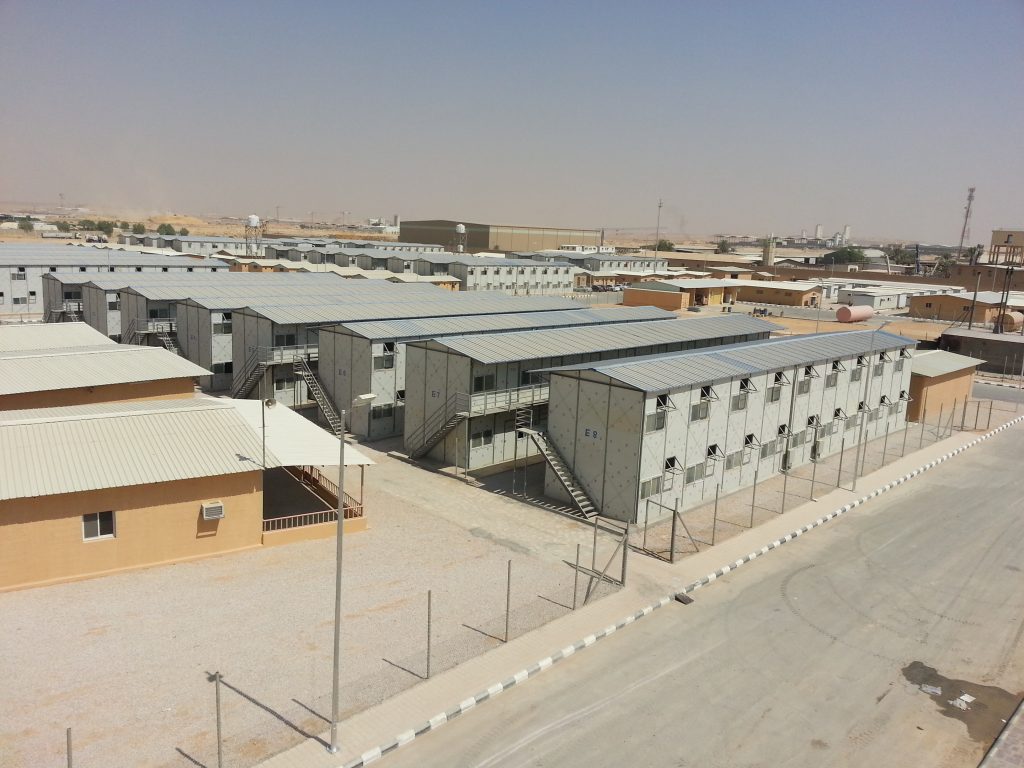
With the support of the above core technologies, Lida Group’s low-cost durable building technology has comprehensively upgraded construction site worker dormitories in terms of economic benefits, structural safety, living comfort and environmental protection performance, bringing revolutionary changes to construction site temporary accommodation management.
3.1 Outstanding Economic Benefits and Low Life-Cycle Cost
Economic benefit is the most intuitive advantage of Lida Group’s technical transformation. In terms of upfront construction cost, standardized modular production and optimized material matching reduce the overall construction cost of dormitories by 25% to 35% compared with traditional qualified temporary dormitories. In terms of later maintenance cost, excellent anti-corrosion, waterproof and anti-aging performance reduces annual maintenance investment by more than 60%. Most importantly, the reusable modular structure enables a single set of dormitory facilities to serve multiple construction projects. Calculated based on a 25-year service life, the average annual accommodation cost of enterprises is only one-third of that of traditional disposable dormitories, which greatly reduces the auxiliary operating costs of construction projects and improves the overall profit margin of construction enterprises.
3.2 Stable Structural Safety and Ultra-Long Service Life
Safety is the bottom-line requirement for worker dormitory construction. Traditional dormitories have hidden safety hazards such as poor wind resistance, fire resistance and seismic resistance, which may easily cause safety accidents in extreme weather. Lida Group’s low-cost durable building technology strictly follows international temporary building safety standards. The galvanized steel frame has stable structural bearing capacity, the rock wool sandwich wall panel has excellent fireproof performance, and the overall structure has passed professional wind resistance, seismic resistance and pressure resistance tests. The dormitories can maintain stable structural performance under various harsh construction site environments, effectively protecting the personal safety of construction workers. Compared with the 5-8 year service life of traditional dormitories, Lida’s modular dormitories can be reused stably for more than 25 years, realizing long-term safe operation.
3.3 Improved Worker Living Comfort and Reduced Personnel Turnover
While controlling costs and ensuring durability, Lida Group’s technology fully considers worker living experience. The composite wall panel has excellent thermal insulation and sound insulation performance, which can effectively isolate external high and low temperatures and construction noise, keeping the indoor temperature stable and quiet. The standardized dormitory layout is reasonable, with sufficient indoor lighting and ventilation space. Combined with supporting ventilation systems, lighting systems and sanitary facilities, it completely changes the crude and crowded living environment of traditional dormitories. A comfortable and safe living environment effectively relieves workers’ work fatigue, improves worker satisfaction and sense of belonging, reduces enterprise personnel turnover, and ensures the stability of construction teams, which is of great significance for ensuring project construction efficiency and quality.
3.4 Green and Low-Carbon, Complying with Industry Sustainable Development
Traditional construction site dormitories produce a large amount of construction waste after demolition, causing environmental pollution and resource waste. Lida Group’s modular building technology belongs to green low-carbon construction technology. All dormitory components can be disassembled and reused, with almost zero construction waste generated during demolition and reconstruction. The factory centralized production mode reduces on-site dust pollution and noise pollution during construction. In addition, the high-efficiency thermal insulation design reduces the energy consumption of indoor temperature adjustment, realizing energy saving and emission reduction in the long-term operation of dormitories. This green and environmentally friendly construction mode helps construction enterprises meet ESG assessment standards and conforms to the global construction industry’s sustainable development trend.
4. Practical Engineering Application Cases
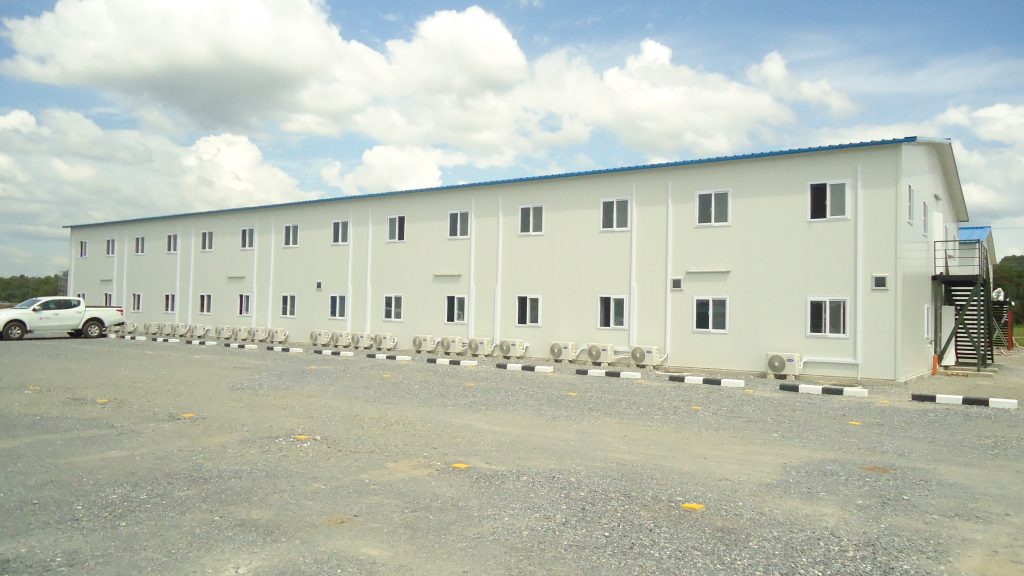
Lida Group’s low-cost durable building technology has been widely verified in global construction projects, covering infrastructure, mining, oil and gas, municipal construction and other fields, accumulating a large number of mature engineering application cases, which fully prove the practical value and stability of the technology.
In a cross-country highway infrastructure project in Southeast Asia, the project team needed to build temporary dormitories for 600 construction workers. The project site is located in mountainous areas with frequent rainstorms and strong winds, putting forward high requirements for the waterproof and wind resistance of dormitories. The construction company finally adopted worker dormitories built with Lida Group’s low-cost durable building technology. A total of 32 modular dormitory units were completed and put into use within 28 days, far shorter than the two-month construction cycle of traditional dormitories. During the four-year project cycle, the dormitories withstood multiple rainstorms and strong winds without water leakage, structural deformation or equipment damage. The annual maintenance cost was less than 40% of that of traditional dormitories. After the project was completed, all dormitory modules were disassembled and transported to a new urban municipal construction project for secondary reuse, saving nearly 40% of the new accommodation investment for the enterprise.
In an open-pit mining project in Australia, the construction site is exposed to strong sunlight, sandstorms and large temperature differences throughout the year. Traditional temporary dormitories are easy to age and damage, requiring frequent replacement and maintenance. Lida Group provided customized durable dormitory solutions based on local climatic characteristics. Through enhanced anti-corrosion coating and dustproof and thermal insulation optimization, the dormitories maintained stable performance under extreme working conditions. During the five-year project cycle, the dormitories had almost no structural failure, effectively reducing enterprise operation and maintenance costs, and the comfortable living environment significantly reduced local worker turnover.
5. Market Influence and Industry Value
With the continuous standardized development of the global construction industry, the temporary accommodation of construction workers is no longer a negligible auxiliary link, but an important part of enterprise refined management and sustainable development. The popularization of Lida Group’s low-cost durable building technology has completely changed the backward situation of traditional construction site worker dormitories, established a new industry benchmark for temporary worker accommodation, and promoted the standardized, green and intelligent upgrading of temporary construction facilities.
For construction enterprises, this innovative building technology effectively controls project auxiliary costs, reduces resource waste, improves worker welfare, stabilizes construction teams, and brings comprehensive economic and management benefits. For the entire construction industry, it solves the long-standing industry pain points of high cost, low durability and poor safety of temporary buildings, promotes the transformation of temporary buildings from disposable consumables to reusable fixed assets, and drives the overall upgrading of the industry’s green construction and refined management level.
At present, with the continuous iteration and upgrading of Lida Group’s technology, its low-cost durable modular dormitory solutions have been exported to more than 120 countries and regions worldwide, and have been widely recognized and applied by international construction enterprises, gradually becoming the mainstream standard configuration for global construction site worker accommodation.
6. Conclusion
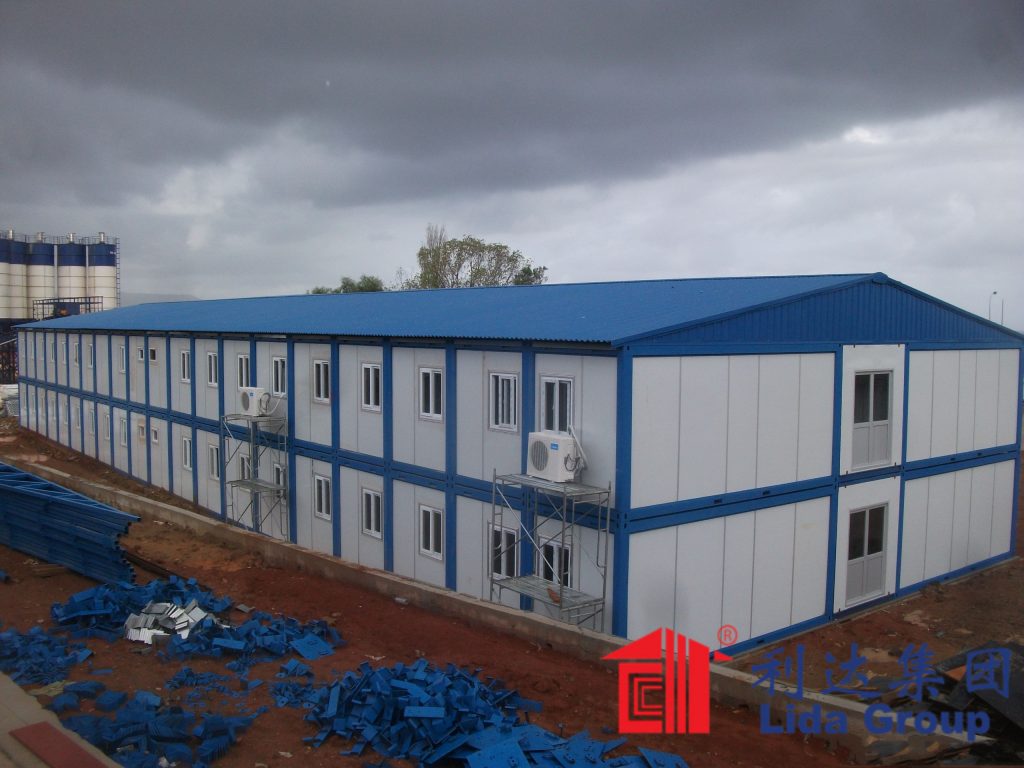
Traditional construction site worker dormitories have long restricted the refined management and sustainable development of the construction industry due to their high comprehensive cost, poor structural durability, low safety and insufficient comfort. Lida Group’s independent developed low-cost durable building technology thoroughly subverts the design and construction mode of traditional temporary dormitories through optimized lightweight high-strength structure, composite functional wall panels, modular prefabricated assembly and reusable design concepts. This innovative technology successfully balances low life-cycle cost, ultra-long structural durability, safe and comfortable living environment and green low-carbon performance, realizing the comprehensive transformation and upgrading of construction site worker dormitories.
A large number of global engineering practices have verified that dormitories built with Lida Group’s technology have significant advantages in economic benefits, structural safety, environmental adaptability and resource utilization. They not only effectively reduce the auxiliary operating costs of construction projects for enterprises, but also improve worker living quality, stabilize construction teams, guarantee project construction quality and progress, and bring positive social and economic value. In the context of the global construction industry’s continuous advancement of green construction, refined management and worker welfare upgrading, Lida Group’s low-cost durable building technology provides a mature, reliable and replicable innovative solution for temporary worker accommodation.
In the future, with continuous technological research and development and iterative optimization, Lida Group will further improve the intelligence, comfort and environmental protection performance of building technology, continue to lead the upgrading of global construction site temporary accommodation standards, empower the high-quality and sustainable development of the construction industry, and create greater value for construction enterprises and construction workers worldwide.
Related news
-
Lida Group Combines Affordability and Eco-Design in Construction Site Worker Dormitory
2026-04-24 17:37:08
-
Achieve Green Workforce Housing with Eco-Friendly Sandwich Panel House and Worker Dormitory
2026-04-24 17:53:21
-
New Construction Site Worker Dormitory Features Low-Cost Durable Building and Green Panels
2026-04-24 17:26:34
contact us
- Tel: +86-532-88966982
- Whatsapp: +86-13793209022
- E-mail: sales@lidajituan.com
