



Lida Group Sets New Standard in Corrosion-Resistant Steel Structure Building for Low Cost Housing
2026-May-21 16:20:08
By Admin
1. Introduction
Global urbanization, population expansion, and frequent natural disasters have created an unprecedented demand for affordable, reliable, and long-lasting housing solutions. Traditional low-cost housing options, including mud-brick structures, ordinary wooden buildings, and unprotected metal houses, have long struggled with fatal flaws: short service life, poor weather resistance, and high long-term maintenance expenses. Among these issues, steel corrosion remains the biggest technical bottleneck restricting the development of low-cost metal housing. For decades, the global construction industry has faced an unavoidable trade-off: low-cost metal buildings sacrifice corrosion resistance and durability, while high-performance corrosion-resistant steel structures come with prohibitive costs that prevent large-scale popularization in low-income regions.
As a world-leading integrated steel structure construction enterprise with over three decades of professional experience, Lida Group has completely broken this industry dilemma. By pioneering a set of mature, cost-effective corrosion-resistant steel structure building systems, Lida Group has redefined the technical and quality standards for global low-cost housing. Different from conventional manufacturers that simply apply basic anti-rust treatments to low-grade steel, Lida Group integrates high-quality steel material optimization, upgraded corrosion-resistant technologies, precision structural design, and full industrial chain cost control. It successfully delivers low-cost housing products that combine ultra-strong anti-corrosion performance, long service life, structural safety, and economic accessibility, setting a new industry benchmark for corrosion-resistant low-cost steel structure buildings.
This article comprehensively analyzes how Lida Group establishes new industry standards in corrosion-resistant steel structure low-cost housing. It elaborates on the industry pain points of traditional low-cost metal buildings, Lida’s core innovative anti-corrosion technologies, standardized construction systems, unique cost control models, practical project verification results, and far-reaching industry influence. With clear hierarchical sections and targeted subheadings, this paper fully demonstrates Lida Group’s leading advantages in balancing affordability, durability, and corrosion resistance, and concludes with a systematic summary of its innovative value and future development prospects.
2. Industry Pain Points of Traditional Low-Cost Corrosion-Resistant Steel Housing
2.1 Single and Inferior Anti-Corrosion Technology
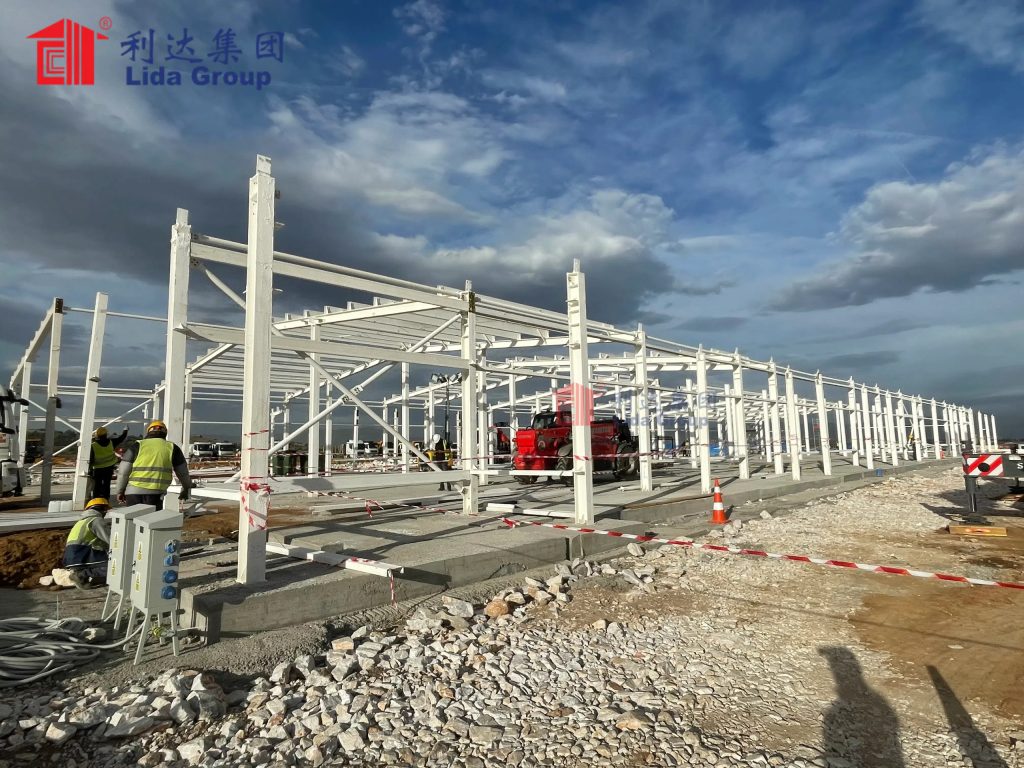
Most traditional low-cost steel structure housing manufacturers prioritize upfront cost reduction and adopt extremely simple anti-corrosion treatments. The mainstream process is manual spray painting with ordinary anti-rust paint, which forms an uneven and thin protective layer on the steel surface. This coating is prone to peeling, cracking, and fading after short-term exposure to wind, rain, and ultraviolet radiation. Once the protective layer fails, the steel frame is directly exposed to oxygen, moisture, and corrosive substances in the air, triggering rapid electrochemical corrosion. In coastal, humid, and industrial polluted areas, unprotected low-cost metal houses often develop severe rust within three to five years, leading to structural component damage.
Some manufacturers adopt low-cost hot-dip galvanizing processes with insufficient zinc coating thickness to cut costs. The zinc layer of these products is thin and uneven, lacking effective sacrificial anode protection. The anti-corrosion performance is extremely unstable, and the service life of the steel structure is often limited to 10 to 15 years, far failing to meet the long-term living needs of residential housing. Such inferior anti-corrosion treatments make traditional low-cost steel houses synonymous with “short-lived temporary buildings” in the industry.
2.2 Unmatched Material and Structural Design Defects
To further control costs, traditional low-cost steel housing mostly uses low-purity ordinary carbon steel with poor natural corrosion resistance. This type of steel contains high impurity elements, which accelerate the corrosion reaction in harsh environments. Meanwhile, traditional design schemes lack targeted anti-corrosion optimization. A large number of dead corners, gaps, and overlapping structures are reserved in steel frame connections, wall joints, and foundation contact parts. These areas easily accumulate rainwater, dust, and humid air, forming long-term local humid microenvironments that become the primary corrosion initiation points of the entire building.
In addition, traditional low-cost steel houses rarely adopt elevated foundation design and scientific ventilation systems. Long-term contact between the steel base and wet soil greatly increases the risk of soil corrosion. The closed indoor structure leads to high indoor humidity, causing internal steel components to corrode silently, which is difficult to detect and maintain, ultimately shortening the overall service life of the building.
2.3 Disordered Construction Standards and Wasted Lifecycle Costs
The traditional low-cost steel housing industry lacks unified anti-corrosion construction standards. The mixing of materials, random coating processes, and non-standard assembly lead to uneven product quality. Although these buildings have low upfront construction costs, frequent rust removal, repainting, component replacement, and structural maintenance bring huge long-term economic burdens. Statistical data shows that the annual maintenance cost of traditional low-cost corroded steel houses accounts for 8% to 12% of the initial construction cost. After 15 years of use, the comprehensive lifecycle cost even exceeds that of high-quality corrosion-resistant steel structure buildings, resulting in serious waste of social resources.
3. Lida Group’s Core Innovations: Setting New Anti-Corrosion and Low-Cost Industry Standards
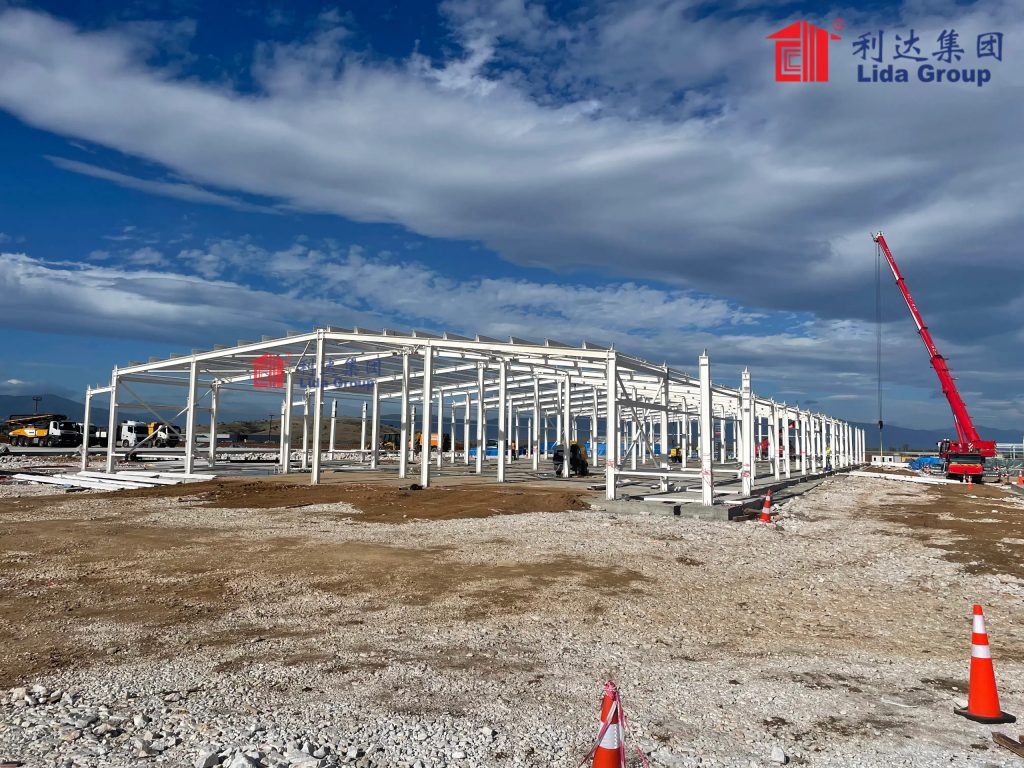
Lida Group’s new industry standards are rooted in its decades of engineering experience and continuous technological iteration. The company abandons the outdated low-cost and low-quality development model, and takes “affordable price, long-term durability, zero hidden corrosion risks, and full lifecycle cost reduction” as the core standard of product manufacturing. It has formed a standardized system covering high-quality material screening, upgraded anti-corrosion coating technology, anti-corrosion structural optimization design, and intelligent standardized construction, comprehensively solving the inherent defects of traditional low-cost steel housing.
3.1 Standardized High-Grade Steel Material System
Different from the low-purity carbon steel used by traditional manufacturers, Lida Group takes the lead in formulating a unified material standard for low-cost corrosion-resistant steel housing. It adopts high-strength low-alloy steel and G550 grade galvanized cold-formed thin-wall steel as the main structural materials. These optimized steel grades contain trace alloy elements such as copper, chromium, and nickel, which significantly improve the natural anti-corrosion and oxidation resistance of the steel matrix. The yield strength reaches 550MPa, which ensures ultra-high structural stability while enhancing environmental corrosion resistance.
To balance cost and performance, Lida Group innovatively applies recycled high-tensile steel with 80% recycled content. This material costs 15% less than pure virgin steel while retaining consistent strength and corrosion resistance, realizing low-cost material upgrading. All steel raw materials undergo strict incoming inspection, including tensile strength testing, salt spray corrosion testing, and weathering aging testing, eliminating unqualified materials from the source and establishing the first material quality standard for low-cost anti-corrosion steel housing in the industry.
3.2 Upgraded Full-Coverage Anti-Corrosion Coating Standards
Lida Group has completely reformed the traditional single anti-rust paint process and established a hierarchical anti-corrosion coating standard suitable for different global climatic environments, achieving full coverage and zero dead-angle protection for steel structures. For conventional rural and urban common environments, Lida adopts an optimized hot-dip galvanizing process. Compared with traditional processes, it increases the zinc coating uniformity and density, improving corrosion resistance by 50%, while the process cost only increases by 10%, realizing ultra-high cost performance. The zinc coating forms a stable sacrificial protective layer, isolating oxygen and moisture permanently.
For high-corrosion environments such as coastal salt fog, industrial pollution, and tropical high humidity areas, Lida Group formulates a dual-layer anti-corrosion standard of hot-dip galvanizing plus Zn-Al-Mg alloy coating. The composite coating has three to five times the anti-corrosion life of single galvanized layers, effectively resisting salt ion erosion and chemical corrosion. For residential buildings requiring aesthetic performance, the company adds environment-friendly electrostatic powder coating on the basis of anti-corrosion primer. This dual-protection system not only maintains long-term anti-corrosion stability but also achieves colorful and durable exterior decoration, breaking the single appearance limitation of traditional anti-corrosion steel houses.
All coating processes are completed in automated factory production lines, with precise computer control of coating thickness, temperature, and time. The product defect rate is controlled below 0.5%, far lower than the 3% to 5% defect rate of traditional manual processing, ensuring stable and consistent anti-corrosion performance of each batch of products.
3.3 Anti-Corrosion Oriented Structural Design Standards
Lida Group takes the lead in incorporating anti-corrosion design into the mandatory standard of low-cost steel housing structural design, eliminating potential corrosion risks from the architectural structure. First, the company uniformly adopts elevated independent foundation design for all low-cost steel houses. The steel frame is completely separated from the ground and wet soil, avoiding soil corrosion and capillary water erosion, which solves the problem of base rusting that plagues traditional steel houses for a long time.
Second, Lida Group optimizes the node connection standard of steel structures. It abandons the traditional lap gap design, adopts fully sealed welding and waterproof sealing technology for all joints and connectors, and uses stainless steel anti-corrosion fasteners in a unified manner. There are no water storage gaps or dust accumulation dead corners in the whole structure, fundamentally preventing local corrosion caused by moisture retention. In addition, scientific natural ventilation and drainage systems are standardized in all residential units to reduce indoor and structural humidity, creating a dry protective environment for steel frames.
3.4 Modular Prefabrication and Standardized Construction System
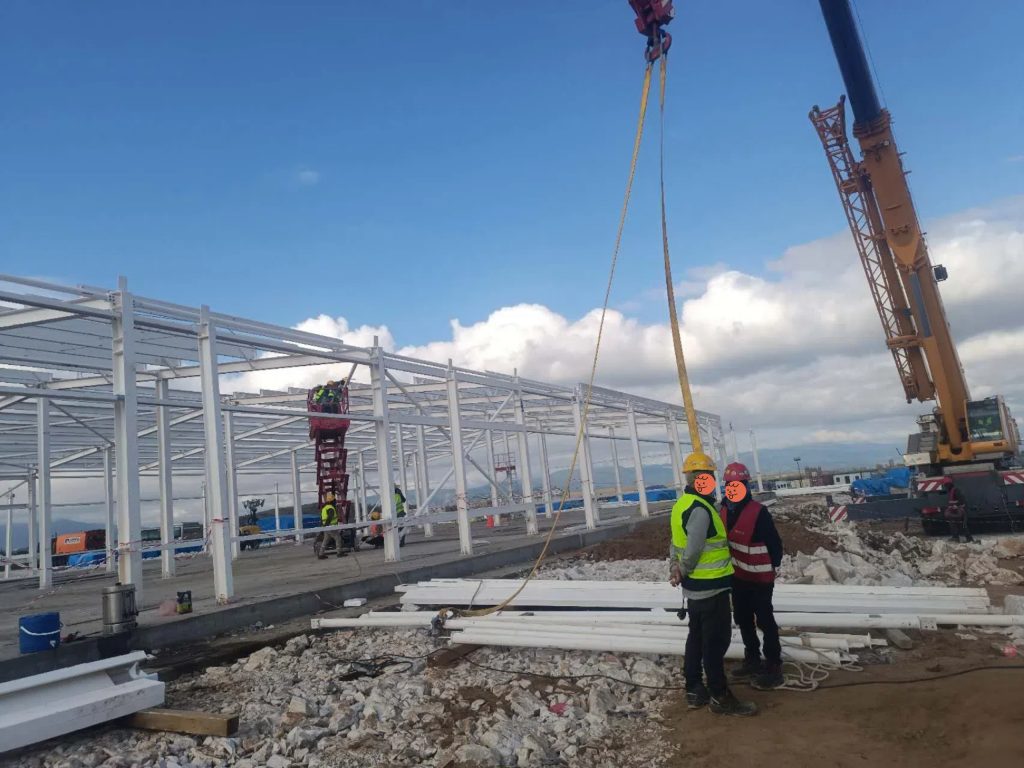
To avoid anti-corrosion performance attenuation caused by non-standard on-site construction, Lida Group has established a full-process standardized prefabrication construction system. All steel structural components, anti-corrosion coatings, and insulation decorative panels are prefabricated and processed in factory standardized workshops. CNC intelligent cutting and forming technology ensure the precise matching of all components, eliminating on-site cutting and welding operations that damage anti-corrosion layers.
The unified modular design standard realizes the reuse of standard components, greatly reducing design and production costs. Meanwhile, the on-site assembly process is simplified, shortening the construction cycle by two-thirds compared with traditional buildings, and reducing labor costs by 35%. The standardized construction process not only ensures the integrity of the anti-corrosion system but also makes the product quality of low-cost steel housing completely controllable, solving the problem of uneven quality in the traditional industry.
4. Lida Group’s Unique Full-Chain Cost Control Mode
The core value of Lida Group’s new standard lies in realizing high-standard anti-corrosion performance without increasing the comprehensive housing cost, which is inseparable from its unique full industrial chain cost control capability. Different from small manufacturers that reduce costs by cutting materials and processes, Lida Group optimizes costs through technological innovation, production efficiency improvement, and supply chain integration, ensuring that high-quality anti-corrosion technology can be popularized in low-cost housing.
In terms of supply chain management, Lida Group relies on large-scale centralized procurement and long-term strategic cooperation with upstream steel mills and coating material suppliers to obtain bulk discount prices, reducing the unit cost of high-quality anti-corrosion materials. Localized production and localized supply chain layout in global project regions further cut logistics and transportation expenses by nearly 20%.
In terms of production management, automated intelligent production lines improve material utilization rate to more than 95%, far higher than the 70% utilization rate of traditional manual production, greatly reducing material waste. The standardized modular design realizes mass production of general components, further diluting production costs. In terms of lifecycle cost control, excellent anti-corrosion performance extends the service life of low-cost steel houses to 50 years or more, and the annual maintenance cost is reduced by more than 50% compared with traditional products, realizing the real sense of low upfront cost and low long-term investment.
5. Practical Project Verification of Lida’s New Anti-Corrosion Housing Standard
5.1 Humid Rural Low-Cost Residential Project in East Africa
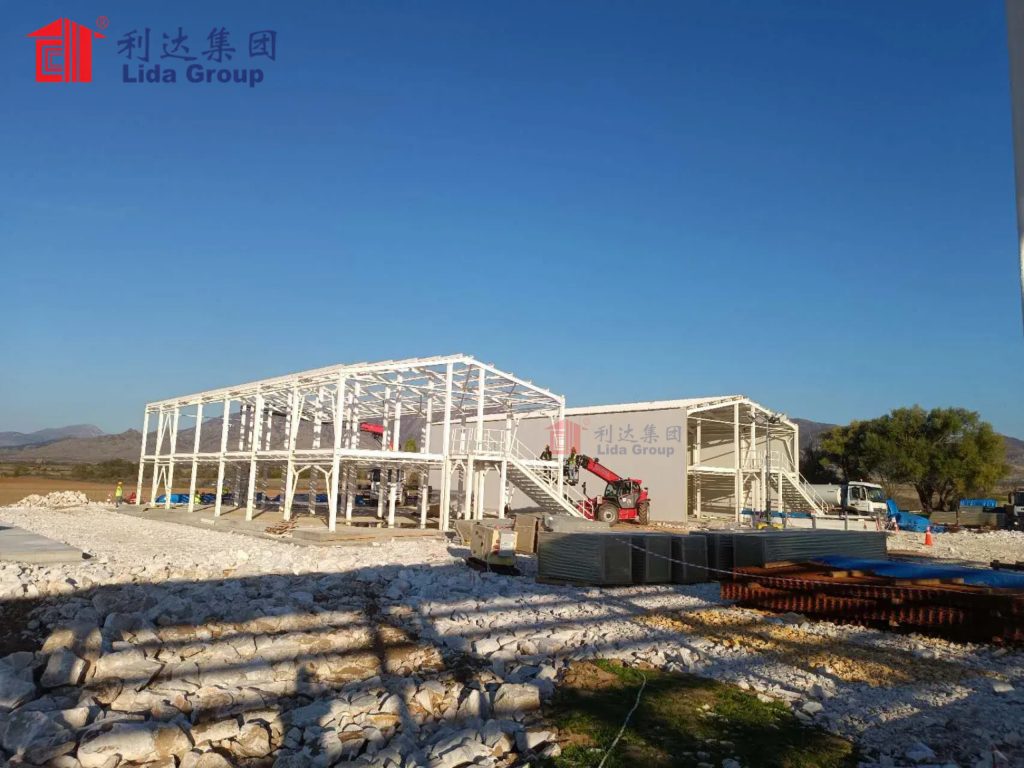
In the rural affordable housing project launched by Lida Group in Tanzania in 2020, a total of 1,000 sets of low-cost steel structure houses were delivered. The local climate is hot and humid all year round with frequent rainfall, belonging to a medium-high corrosion environment. Adopting Lida’s new anti-corrosion standard system of galvanized alloy coating plus anti-corrosion structural design, the project strictly implemented factory prefabrication and standardized assembly. After five years of field operation, all steel frames have no rust, peeling, or structural aging problems. The local government’s follow-up inspection shows that the annual maintenance cost of these houses is less than 3% of traditional local houses, and the overall structural performance remains stable, fully verifying the reliability of Lida’s new standard in humid rural environments.
5.2 Coastal Disaster-Resistant Permanent Housing Project in Southeast Asia
In the post-disaster permanent resettlement housing project in coastal Philippines launched in 2021, Lida Group applied the highest-level dual-layer anti-corrosion standard. Facing severe coastal salt fog corrosion and typhoon weather, the Zn-Al-Mg composite anti-corrosion coating and fully sealed structural design effectively resisted marine climate erosion. After four years of use, the steel structure of the residential buildings is intact, with no local corrosion damage. The project has changed the local industry’s inherent cognition that “coastal low-cost metal houses are difficult to last long”, and has become a local benchmark for anti-corrosion low-cost housing.
6. Industry Influence and Future Development Prospects
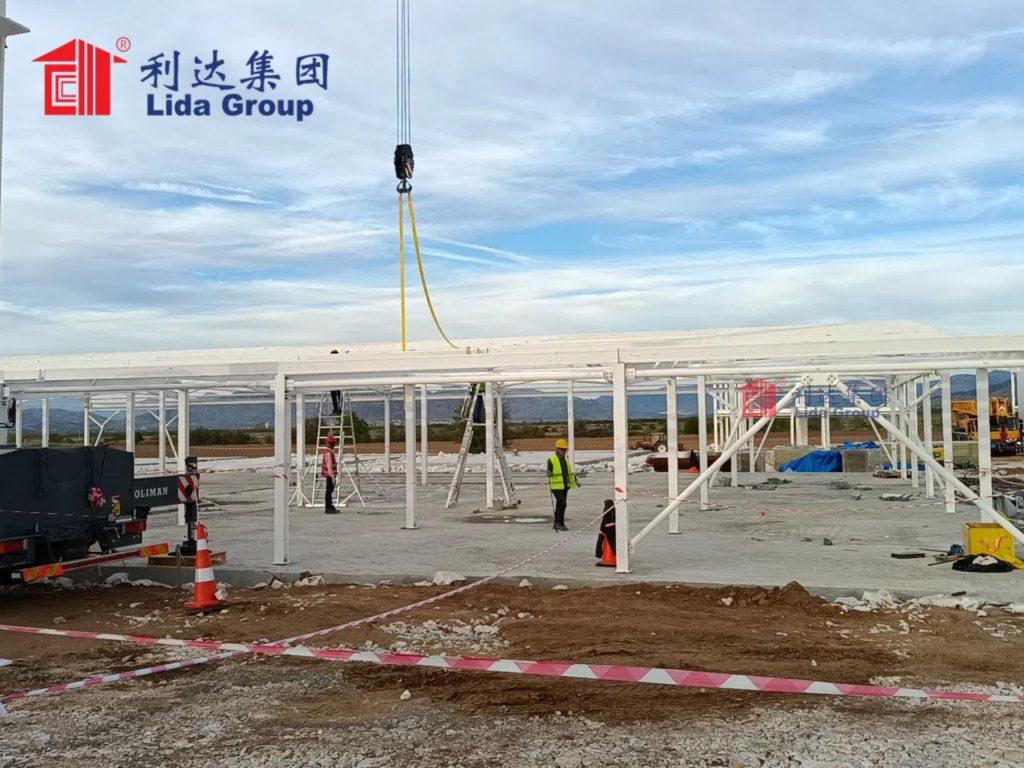
Lida Group’s new standard for corrosion-resistant steel structure low-cost housing has completely reshaped the development pattern of the global low-cost housing industry. It breaks the wrong industry consensus that “low cost must mean low durability”, establishes a unified and feasible technical and construction standard for the industry, and guides the low-cost steel housing industry to develop towards standardization, high quality, and sustainability. More and more global construction enterprises have begun to learn from Lida’s anti-corrosion technology and standardized production mode, promoting the overall upgrading of the industry’s product quality.
In terms of social value, Lida’s standardized anti-corrosion low-cost housing provides safe, durable, and affordable housing solutions for low-income groups, rural resettlement, and disaster-stricken areas around the world. It effectively reduces social housing security costs and resource waste caused by frequent building replacement, and contributes to global housing security and sustainable construction development.
In the future, Lida Group will continue to deepen technological innovation, develop new nano-environmental protection anti-corrosion coatings and ultra-low-cost high-corrosion-resistant alloy steel materials, further optimize the modular design system, and reduce the comprehensive cost of high-standard anti-corrosion housing. The company will also promote the global popularization of its standardized system, allowing more regions to obtain high-quality, long-life, and affordable steel structure housing products.
7. Conclusion
For a long time, the global low-cost steel structure housing industry has been trapped in the vicious cycle of low price, low anti-corrosion performance, and short service life. Lida Group successfully breaks the industry bottleneck by establishing a full set of new standards covering high-quality material screening, upgraded anti-corrosion coating technology, anti-corrosion structural optimization, and standardized modular construction. Different from the cost-cutting and quality-reducing model of traditional manufacturers, Lida Group relies on technological innovation and full industrial chain optimization to realize the perfect balance of low cost, high corrosion resistance, and long service life for steel structure housing, rewriting the industry’s traditional evaluation criteria for low-cost metal buildings.
A large number of global practical projects have fully verified the stability and practicability of Lida’s new standards. Its products can maintain excellent anti-corrosion performance and structural safety in humid, coastal, industrial and other harsh environments, and have obvious advantages in upfront cost control and long-term lifecycle maintenance. While improving the product quality of the industry, Lida Group has created huge social value, providing reliable housing guarantees for low-income communities worldwide.
In summary, Lida Group’s innovative standards for corrosion-resistant steel structure low-cost housing represent a major technological and model innovation in the global construction industry. It sets a new benchmark for the sustainable development of low-cost housing, leads the industry to move towards standardization, high efficiency and high durability, and will continue to play a leading role in solving the global affordable housing crisis in the future.
Related news
-
Corrosion-Resistant Steel Construction Ensures Long Life for Low Cost Metal House by Lida Group
2026-05-21 15:55:31
-
Lida Group Combines Steel Structure Building and Corrosion-Resistant Steel Construction Affordably
2026-05-20 17:29:29
-
Low Cost Metal House Built with Durable Steel Structure Building and Corrosion-Resistant Technology
2026-05-20 17:13:29
contact us
- Tel: +86-532-88966982
- Whatsapp: +86-13793209022
- E-mail: sales@lidajituan.com
