



Discover the Benefits of Corrosion-Resistant Steel Construction for Your Low Cost Metal House
2026-May-21 17:00:42
By Admin
1. Introduction
Low-cost metal houses have become one of the most popular housing solutions for individual homeowners, rural settlements, temporary workshops, disaster resettlement communities, and low-budget construction projects worldwide. Compared with traditional concrete, brick, and wooden buildings, standard metal houses feature fast construction, flexible design, lightweight structure, and low upfront investment, making them ideal for cost-sensitive construction demands. However, most conventional low-cost metal buildings rely on ordinary carbon steel with basic anti-rust treatment, which exposes a fatal defect: poor corrosion resistance. Long-term exposure to rain, humidity, ultraviolet rays, salt fog, and industrial pollutants will gradually erode unprotected steel frames, causing rust, structural deformation, component damage, and frequent maintenance troubles.
For decades, most buyers and builders have formed a fixed mindset that low-cost metal houses are merely short-term temporary facilities with a service life of only 10 to 15 years. This stereotype stems from the widespread use of inferior anti-corrosion processes and ordinary steel materials in the low-budget construction market. Fortunately, the upgrading of steel construction technology has completely changed this situation. Modern corrosion-resistant steel construction, especially the optimized solutions launched by Lida Group, integrates high-performance alloy steel, advanced protective coatings, and anti-corrosion structural design. It perfectly retains the low-cost advantage of metal houses while eliminating corrosion risks, bringing unprecedented practical, economic, and long-term value to low-cost metal buildings.
This article systematically explores the core benefits of applying professional corrosion-resistant steel construction to low-cost metal houses. It compares the defects of traditional ordinary steel buildings, analyzes the multi-dimensional advantages of corrosion-resistant steel structures in service life, maintenance cost, structural safety, environmental adaptability, and asset preservation, and combines practical engineering cases to verify its value. With standardized sections and clear subheadings, this paper fully demonstrates why corrosion-resistant steel construction has become the most cost-effective choice for modern low-cost metal houses, and summarizes its long-term development value in the conclusion section.
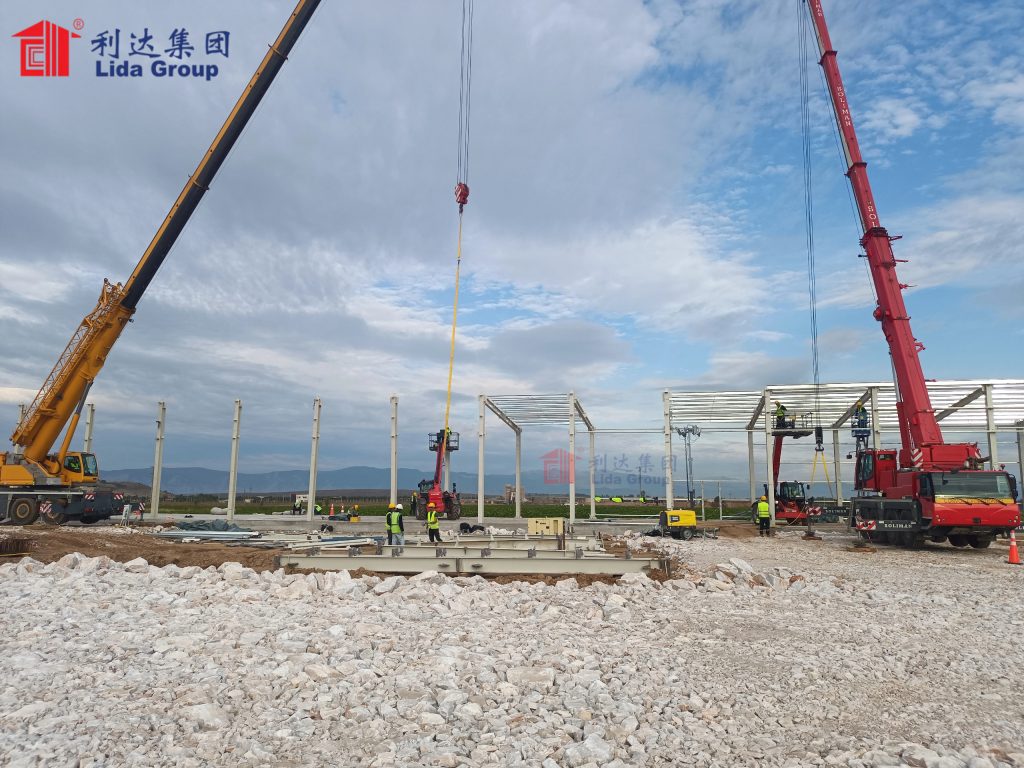
2. Hidden Drawbacks of Traditional Ordinary Steel Metal Houses
2.1 Short Service Life Caused by Uncontrolled Corrosion
Traditional low-cost metal houses mostly adopt ordinary carbon steel with low purity and single manual anti-rust paint spraying. The thin and uneven paint layer is easy to peel, crack, and fade under natural weathering. Once the protective layer fails, electrochemical corrosion occurs rapidly on the steel surface. In humid rural areas, coastal salt fog zones, and industrial polluted regions, ordinary steel structures will develop obvious rust within three to five years. Local corrosion will gradually spread to the whole frame, weakening the bearing capacity of steel beams, columns, and connectors. Without timely maintenance, the building will face structural aging and even safety hazards in merely 10 to 15 years, forcing overall renovation or demolition.
2.2 High Recurring Maintenance and Repair Costs
Although traditional ordinary steel metal houses have low initial construction costs, they bring continuous economic burdens in the later stage. To control corrosion spreading, homeowners need to conduct regular rust removal, repainting, and component replacement every one to two years. Statistical data shows that the annual maintenance cost of ordinary low-cost metal houses accounts for 8% to 12% of the initial construction investment. After ten years of use, the cumulative maintenance cost is enough to rebuild a new house. For individual users and low-budget public projects, this hidden long-term expenditure completely offsets the upfront cost advantage of traditional metal houses, resulting in severe economic waste.
2.3 Poor Structural Safety and Low Climate Adaptability
Corrosion is the biggest hidden danger to the structural safety of metal houses. Rust will reduce the thickness and mechanical strength of steel components, making the building unable to resist extreme weather such as strong winds, heavy rain, and typhoons. Traditional ordinary steel houses lack targeted anti-corrosion structural optimization, with many water storage gaps and dust accumulation dead corners at joints and foundations. These vulnerable parts accelerate local corrosion, leading to unbalanced structural stress and greatly reducing the building’s wind resistance and seismic performance. In harsh environments, ordinary metal houses are prone to deformation, leakage, and even collapse, seriously threatening living and production safety.
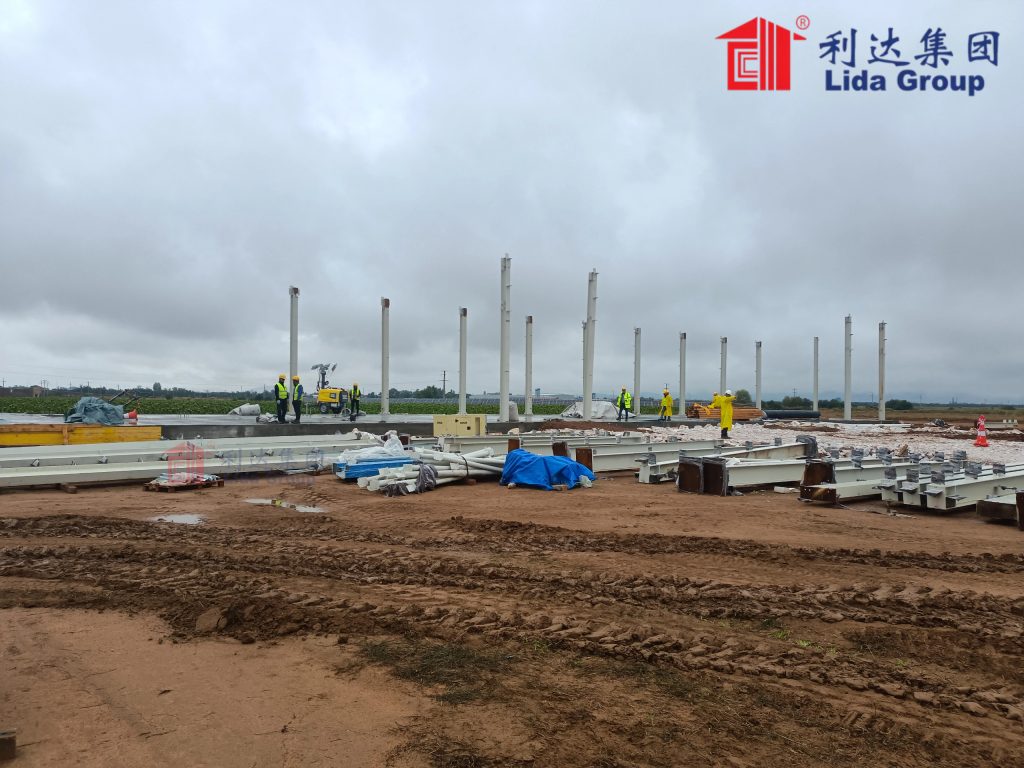
3. Core Benefits of Corrosion-Resistant Steel Construction for Low-Cost Metal Houses
3.1 Dramatically Extended Service Life and Long-Term Durability
The most intuitive and core benefit of corrosion-resistant steel construction is the substantial extension of building service life. Different from ordinary carbon steel, professional corrosion-resistant steel adopts high-strength low-alloy steel containing copper, chromium, nickel, and other trace anti-corrosion elements, which greatly improves the natural oxidation and corrosion resistance of the steel matrix. Matched with advanced hot-dip galvanizing and Zn-Al-Mg alloy composite coating technology, the steel structure forms a dense and stable protective barrier. The Zn-Al-Mg coating has excellent self-repairing performance; the magnesium element in the alloy can form a new protective film automatically at scratches and cutting sections, preventing red rust diffusion and realizing long-term all-round protection.
Under conventional urban and rural atmospheric environments, corrosion-resistant steel metal houses can maintain intact structural performance for more than 50 years. In high-corrosion areas such as coastal and industrial zones, the optimized composite anti-corrosion system still ensures a service life of over 40 years, which is three to four times that of traditional ordinary steel houses. This completely changes the positioning of low-cost metal houses as temporary buildings and turns them into durable permanent residential and production facilities.
3.2 Greatly Reduced Full-Lifecycle Maintenance Costs
Corrosion-resistant steel construction realizes true low-cost advantages from a full-lifecycle perspective. Thanks to the stable protective performance of alloy steel and high-density anti-corrosion coatings, the steel frame will not rust, peel, or age in the long term, eliminating the need for frequent rust removal and repainting. The fully sealed anti-corrosion structural design avoids local moisture accumulation and gap corrosion, further reducing potential maintenance risks.
Practical project data shows that the annual maintenance cost of corrosion-resistant low-cost metal houses is less than 3% of the initial construction cost, which is only one-quarter of that of traditional metal houses. Most buildings can maintain intact performance for 20 to 30 years without major maintenance. Although the upfront investment of corrosion-resistant steel construction is slightly higher than that of ordinary steel, the saved long-term maintenance expenses make its comprehensive lifecycle cost 40% to 50% lower than traditional schemes, bringing huge economic benefits for long-term use.
3.3 Stable Structural Safety and Improved Wind and Seismic Resistance
Corrosion damage is the main cause of structural performance degradation of metal houses. Corrosion-resistant steel construction completely solves this problem by ensuring long-term structural integrity. High-strength anti-corrosion steel has stable mechanical properties, with yield strength up to 550MPa, maintaining consistent bearing capacity for decades. Without rust erosion and component thinning, the overall stiffness and stability of the building frame are always guaranteed.
Cooperating with Lida Group’s standardized anti-corrosion structural design, all joints adopt fully sealed welding and waterproof treatment, and stainless steel anti-corrosion fasteners are used uniformly. The integrated frame structure has excellent integrity, effectively resisting typhoons, heavy snow, earthquakes, and other extreme weather and geological disasters. Compared with ordinary rust-prone metal houses, corrosion-resistant steel buildings have lower structural failure risks and higher safety factors, providing reliable living and working protection for users in all regions.
3.4 Strong Environmental Adaptability for All Climate Zones
One of the outstanding advantages of corrosion-resistant steel construction is its ultra-wide environmental adaptability. Traditional ordinary steel houses can only adapt to dry and mild inland environments and are prone to rapid corrosion in humid, coastal, tropical, and industrial pollution areas. In contrast, hierarchical corrosion-resistant steel solutions can be customized according to different climatic environments, realizing targeted anti-corrosion protection.
For ordinary inland rural and urban areas, optimized hot-dip galvanized steel structures can resist daily humidity and rainfall erosion. For coastal areas with severe salt fog erosion, Zn-Al-Mg composite coating structures can effectively resist salt ion penetration and marine climate corrosion. For industrial zones with acid and alkali pollutants, enhanced anti-corrosion treatments are adopted to prevent chemical corrosion. This customized anti-corrosion system enables low-cost metal houses to maintain stable performance in almost all global climatic environments, breaking the regional usage limitations of traditional metal buildings.
3.5 Green Environmental Protection and High Asset Preservation Rate
Corrosion-resistant steel construction conforms to the concept of sustainable green construction. Steel is a highly recyclable building material with a recycling rate of over 90%. Different from concrete and brick buildings that produce a large amount of construction waste after demolition, corrosion-resistant steel components can be completely recycled and reused after decades of service, reducing resource waste and environmental pollution. In addition, the long service life of corrosion-resistant metal houses avoids frequent building reconstruction, effectively reducing carbon emissions and construction waste generated by repeated construction.
Meanwhile, corrosion-resistant steel houses have a high asset preservation rate. Traditional metal houses will depreciate rapidly due to rust and aging, with almost no residual value after 15 years. In contrast, corrosion-resistant steel buildings still maintain complete structural performance after decades of use, with high residual value and reusability. For investment users and public construction projects, this high preservation value further enhances the cost-performance advantage of corrosion-resistant steel construction.
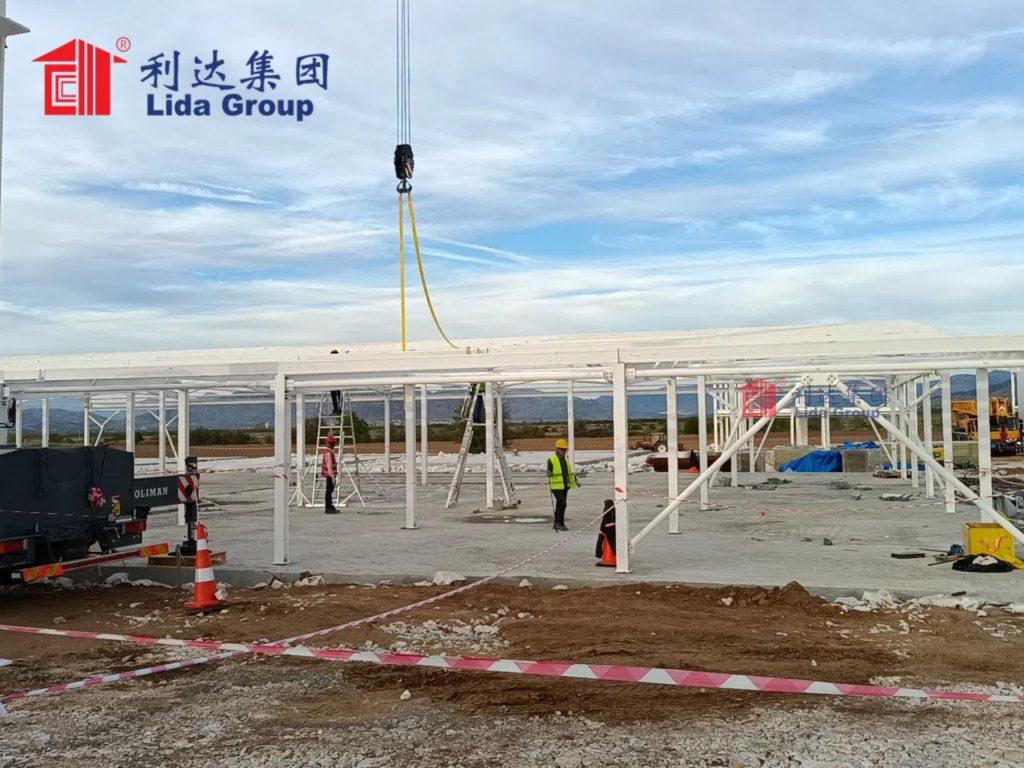
4. Lida Group’s Optimized Corrosion-Resistant Solutions for Low-Cost Metal Houses
Many users mistakenly believe that high-performance corrosion-resistant steel construction must be expensive, which is the biggest misunderstanding in the low-cost housing market. As a professional global steel structure manufacturer, Lida Group has optimized the entire industrial chain to popularize high-standard corrosion-resistant technology in low-cost metal houses without excessive price increases. Different from other manufacturers that simply upgrade materials, Lida Group realizes cost reduction and efficiency improvement through standardized design, automated production, and supply chain optimization.
In terms of material matching, Lida Group adopts graded material configuration according to project budgets and environmental conditions, avoiding excessive material waste. For low-budget conventional projects, high-quality galvanized low-alloy steel is used to balance cost and performance. For high-corrosion area projects, cost-effective Zn-Al-Mg composite coatings are matched to replace expensive pure stainless steel, ensuring anti-corrosion effect while controlling overall costs. All steel materials pass strict salt spray and weathering tests before leaving the factory, ensuring stable quality.
In terms of production and construction, Lida Group adopts fully factory prefabricated modular production. Automated CNC processing improves material utilization rate to 95%, reducing production waste and labor costs. On-site assembly shortens the construction cycle by two-thirds and avoids on-site welding and cutting that damage anti-corrosion layers. The standardized mass production mode greatly dilutes the R&D and production costs of high-performance anti-corrosion technology, making professional corrosion-resistant steel construction accessible for ordinary low-budget metal house projects.
5. Practical Project Verification of Corrosion-Resistant Steel Construction Benefits
5.1 Humid Rural Low-Cost Housing Project in Tanzania
Lida Group delivered 1,000 sets of corrosion-resistant steel metal houses for rural low-income communities in Tanzania in 2020. The local area is hot and humid all year round with frequent rainfall, belonging to a typical medium-high corrosion environment. The project adopted hot-dip galvanized low-alloy steel structure and anti-corrosion optimized structural design, with elevated foundations and full ventilation systems. After five years of field operation, all steel frames have no rust or aging phenomena. The local government’s inspection shows that the annual maintenance cost of these houses is less than 3% of traditional local buildings, and the structural safety and living comfort remain excellent, fully verifying the long-term durability of corrosion-resistant steel construction in humid rural environments.
5.2 Coastal Post-Disaster Resettlement Housing in the Philippines
In the coastal resettlement housing project in the Philippines launched in 2021, Lida Group applied Zn-Al-Mg composite anti-corrosion steel construction to cope with severe coastal salt fog and typhoon weather. After four years of operation, the steel structure of the residential buildings is intact, with no local corrosion or component damage. Compared with the surrounding ordinary metal houses that need annual anti-rust maintenance, the project buildings achieve maintenance-free long-term use, greatly reducing the living cost of displaced families. This project proves that corrosion-resistant steel construction can solve the durability problem of low-cost metal houses in harsh coastal environments.
6. Long-Term Value of Choosing Corrosion-Resistant Steel Construction
For individual homeowners, rural collective construction, and public welfare housing projects, the value of corrosion-resistant steel construction lies in completely changing the cost logic of low-cost metal houses. It abandons the short-sighted low-price and high-maintenance model of traditional buildings and creates a long-term economic model of low initial investment, ultra-low later maintenance, and super-long service life. It not only meets the basic low-cost construction needs but also provides users with safe, stable, and durable housing and production space.
For the entire construction industry, the popularization of corrosion-resistant steel construction for low-cost metal houses promotes the standardized and high-quality development of the industry. It breaks the stereotype that low-cost metal buildings are low-quality temporary facilities, expands the application scope of steel structure housing, and promotes the green and sustainable upgrading of the global low-cost housing industry.
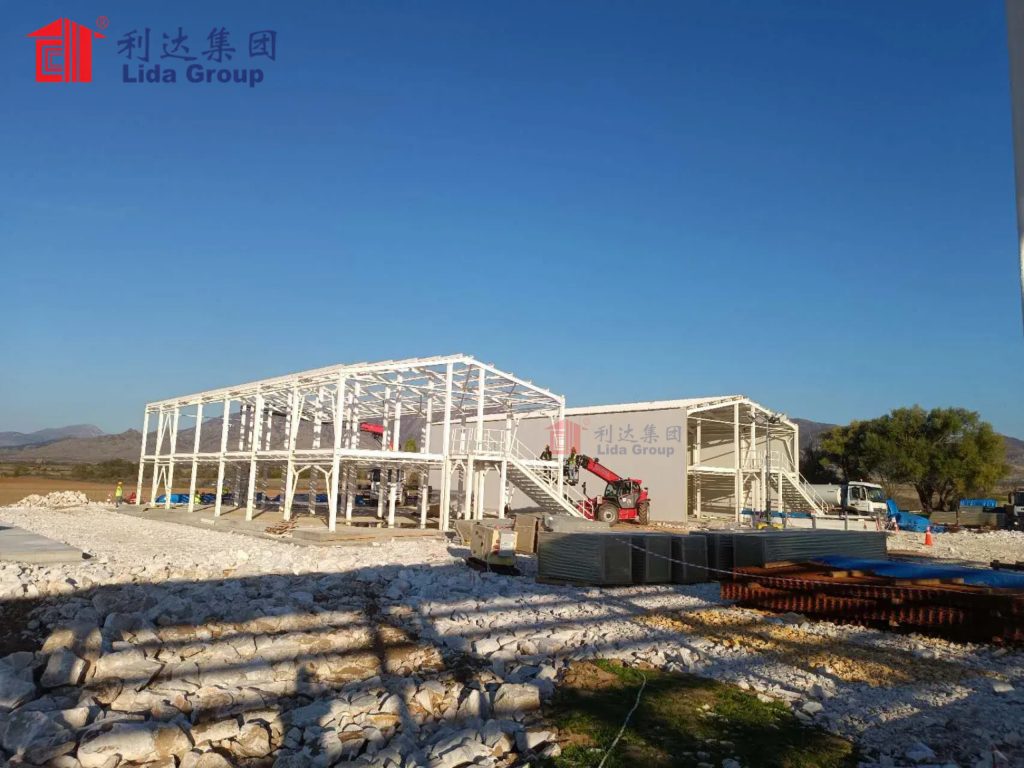
7. Conclusion
Low-cost metal houses are favored by global users for their economic and efficient advantages, but traditional ordinary steel construction has long restricted their development due to corrosion problems such as short service life and high maintenance costs. Corrosion-resistant steel construction completely subverts the defects of traditional technology and brings multi-dimensional core benefits to low-cost metal houses. It extends the building service life from 15 years to more than 50 years, greatly reduces full-lifecycle maintenance costs, improves structural safety and extreme weather resistance, and realizes wide environmental adaptability and green recyclable value.
With the optimized solution of Lida Group, high-performance corrosion-resistant steel construction no longer belongs to high-end expensive construction projects. Through graded material matching, modular prefabricated production, and full industrial chain cost control, professional anti-corrosion technology can be widely applied in low-budget metal house projects, realizing the perfect balance of low cost, high durability, and high safety. A large number of overseas practical projects have fully verified the stability and practicability of these advantages.
In short, choosing corrosion-resistant steel construction is the most cost-effective and far-sighted choice for building low-cost metal houses. It not only solves the long-standing corrosion pain points of traditional metal buildings but also maximizes the long-term economic and practical value of low-cost housing. As corrosion-resistant steel technology continues to iterate and popularize, it will become the mainstream standard for global low-cost metal house construction, leading the sustainable development of the affordable housing industry.
Related news
-
Corrosion-Resistant Steel Construction Ensures Long Life for Low Cost Metal House by Lida Group
2026-05-21 15:55:31
-
Lida Group Sets New Standard in Corrosion-Resistant Steel Structure Building for Low Cost Housing
2026-05-21 16:20:08
-
Lida Group Combines Steel Structure Building and Corrosion-Resistant Steel Construction Affordably
2026-05-20 17:29:29
contact us
- Tel: +86-532-88966982
- Whatsapp: +86-13793209022
- E-mail: sales@lidajituan.com
