



Lida Group’s Corrosion-Resistant Technology Elevates Steel Structure Building Low Cost Metal House
2026-May-21 17:31:54
By Admin
1. Introduction
Low-cost metal steel structure houses have long occupied a core position in global affordable housing, rural resettlement, temporary construction, and commercial lightweight building markets. Their inherent advantages of rapid construction, flexible spatial design, lightweight structural performance, and low upfront investment make them the preferred solution for cost-sensitive construction projects worldwide. However, the entire low-cost metal building industry has been trapped in a persistent technical bottleneck for decades: primitive anti-corrosion treatment and backward material application lead to severe structural corrosion, short service cycles, and high long-term maintenance costs. Most traditional low-cost metal houses rely on ordinary carbon steel and simple manual paint spraying, resulting in easy rusting, structural aging, and performance degradation after short-term outdoor use. This fundamental defect has made low-cost metal buildings synonymous with low-grade temporary facilities, greatly limiting their popularization and long-term application value.
As a global leading manufacturer and solution provider of integrated steel structure buildings, Lida Group has completely broken the industry’s inherent limitations through independent research and development of systematic corrosion-resistant technology. Different from conventional manufacturers that only adopt superficial anti-rust measures to reduce costs, Lida Group builds a full-set standardized anti-corrosion technical system covering material optimization, multi-layer protective coating, structural anti-corrosion design, and factory integrated processing. This innovative technology system successfully elevates the overall performance of low-cost steel structure metal houses without substantially increasing construction costs, realizing the perfect integration of low upfront investment, ultra-high corrosion resistance, long service life, and stable structural safety.
This article comprehensively elaborates on how Lida Group’s professional corrosion-resistant technology upgrades and empowers low-cost steel structure metal houses. It analyzes the technical defects of traditional anti-corrosion solutions, interprets the core principles and advantages of Lida’s innovative anti-corrosion technology, discusses the comprehensive performance improvement of low-cost metal houses brought by technological upgrading, verifies the practical value of the technology through global engineering cases, and summarizes the industry innovation significance and future development prospects of the technology. The whole text adopts hierarchical subheadings and segmented discussions to ensure clear logic, distinct levels, and complete content, presenting a full-dimensional analysis of Lida Group’s technological breakthrough in the low-cost steel building field.
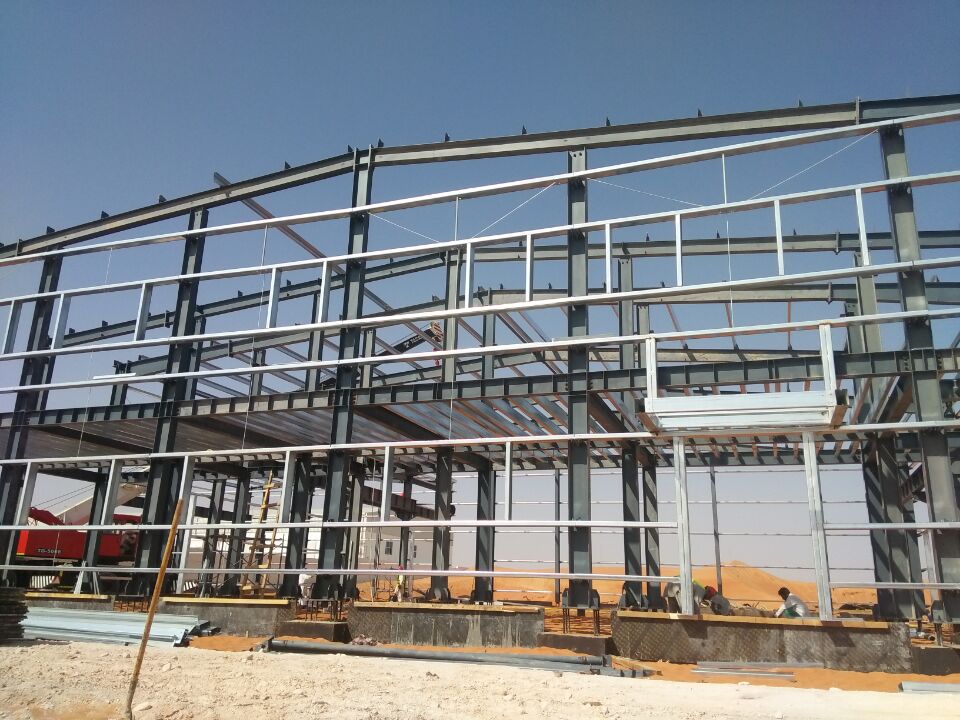
2. Technical Defects of Traditional Anti-Corrosion Solutions for Low-Cost Metal Houses
2.1 Backward Single-Layer Anti-Rust Treatment Process
To control construction costs, most traditional low-cost metal house manufacturers adopt extremely simplified anti-corrosion processes. The mainstream method is manual single-layer anti-rust paint spraying on ordinary carbon steel surfaces, lacking professional rust removal, surface polishing, and secondary protection procedures. The sprayed paint film is thin, uneven, and poorly adhesive, which is prone to cracking, peeling, and fading under long-term exposure to ultraviolet radiation, rain erosion, and temperature changes. Once the protective paint layer fails, the steel matrix is directly exposed to the atmospheric environment, triggering rapid electrochemical corrosion. In humid, coastal, and industrial polluted areas, unprotected steel structures will produce large areas of red rust within three to five years, directly damaging the structural integrity of metal houses.
Some low-cost projects adopt low-quality hot-dip galvanizing processes with insufficient zinc layer thickness. The zinc coating is discontinuous and loose, failing to form effective sacrificial anode protection. This kind of inferior anti-corrosion treatment can only delay corrosion for a short time and cannot solve the fundamental rust problem of steel structures, resulting in extremely unstable building quality.
2.2 Low-Grade Steel Materials with Poor Natural Corrosion Resistance
Traditional low-cost metal houses universally adopt low-purity ordinary carbon steel with single composition and many impurity elements. This type of steel has poor natural oxidation resistance and cannot resist the erosion of humid air, salt ions, and chemical pollutants. Its internal structure is prone to electrochemical reactions in harsh environments, accelerating the spread of corrosion. Without the cooperation of high-performance anti-corrosion technology, even if temporary surface anti-rust treatment is carried out, the steel matrix will still corrode from the inside out, leading to irreversible structural damage.
In addition, traditional material matching lacks environmental classification design. The same ordinary carbon steel and single anti-rust process are used for all climatic regions, unable to cope with the differentiated corrosion risks of inland humidity, coastal salt fog, and industrial acid-base pollution, resulting in huge differences in actual service life of buildings and poor overall stability.
2.3 Lack of Systematic Anti-Corrosion Structural Design
Traditional low-cost metal house design only focuses on structural bearing and cost control, ignoring targeted anti-corrosion optimization. A large number of structural dead corners, overlapping gaps, and unclosed joints are reserved in the connection of steel beams and columns, wall connections, and foundation contact parts. These parts easily accumulate rainwater, dust, and humid air, forming long-term local humid microenvironments and becoming the initial corrosion points of the whole building. Traditional designs also widely adopt ground-attached installation structures, making the steel base directly contact wet soil and groundwater, aggravating soil corrosion and capillary water erosion.
The lack of scientific ventilation and drainage design further leads to long-term high humidity inside the building, causing invisible corrosion of internal steel components. These unreasonable structural designs offset the limited effect of simple anti-rust treatment, making traditional low-cost metal houses unable to achieve long-term stable use.
2.4 Low Comprehensive Benefit of Short Service Life and High Maintenance
Affected by backward anti-corrosion technology and unreasonable design, the actual service life of traditional low-cost metal houses is only 10 to 15 years. After 8 to 10 years of use, the steel frame will have serious rust deformation, requiring frequent rust removal, repainting, and component replacement. The annual maintenance cost accounts for 8% to 12% of the initial construction cost, and the cumulative later investment is enough to rebuild new buildings. The low upfront cost advantage is completely offset by high lifecycle consumption, resulting in serious waste of economic and social resources, which is also the core reason why traditional low-cost metal houses cannot be used as permanent residential buildings.

3. Core Innovative Corrosion-Resistant Technologies of Lida Group
Lida Group abandons the fragmented and backward anti-corrosion mode of the traditional industry and builds a set of systematic, standardized, and hierarchical corrosion-resistant technology systems independently. Centering on the core demand of “low cost and high durability”, the company realizes technological upgrading from material matrix optimization, surface multi-layer protection, structural anti-corrosion customization, and factory integrated processing, thoroughly solving various corrosion pain points of low-cost metal houses.
3.1 High-Strength Low-Alloy Steel Matrix Optimization Technology
Different from ordinary low-purity carbon steel, Lida Group takes the lead in applying high-strength low-alloy anti-corrosion steel as the main structural material for low-cost metal houses. This optimized steel material adds trace elements such as copper, chromium, and nickel in the smelting process, which significantly improves the natural oxidation resistance and atmospheric corrosion resistance of the steel matrix. The yield strength reaches 550MPa, which is 40% higher than that of traditional carbon steel. While reducing the overall steel consumption by 20% through lightweight design, it improves the inherent anti-corrosion ability of the structure from the source.
To adapt to low-cost project positioning, Lida Group adopts graded material matching. For conventional inland mild environments, cost-effective galvanized low-alloy steel is used; for high-corrosion environments such as coasts and industrial zones, upgraded weathering steel and high-purity alloy steel are selected. All materials pass strict salt spray aging tests before leaving the factory, ensuring stable matrix performance and eliminating the hidden danger of internal corrosion of traditional steel materials.
3.2 Multi-Layer Composite Anti-Corrosion Coating Technology
Lida Group’s core technological innovation lies in the standardized multi-layer composite protective coating system, which completely replaces the traditional single-layer paint process. The company formulates differentiated coating schemes for different environments to balance anti-corrosion performance and construction cost. For conventional urban and rural environments, Lida adopts optimized hot-dip galvanizing technology with a uniform zinc layer thickness of 85 to 100μm. The dense zinc layer forms a sacrificial protective film, which can automatically protect the steel matrix when scratched, avoiding rust diffusion.
For coastal salt fog and high-humidity tropical areas, Lida applies Zn-Al-Mg alloy composite coating technology. The alloy coating containing magnesium elements has self-repairing properties, which can quickly generate new protective layers at cutting and scratch positions. Salt spray test data shows that this composite coating can resist 5000 hours of salt erosion, and the anti-corrosion life is three to five times that of traditional galvanized layers. For industrial pollution environments with acid and alkali corrosion, Lida matches epoxy primer and polyester topcoat double-layer spraying, forming a closed anti-corrosion barrier to resist chemical erosion.
All coating processes are completed in automated factory production lines with precise computer control of temperature, thickness, and time. The processing precision and uniformity are far higher than traditional manual construction, with a product defect rate lower than 0.5%, ensuring long-term stable anti-corrosion performance of each steel component.
3.3 Anti-Corrosion Oriented Structural Optimization Technology
Lida Group integrates anti-corrosion design into the whole process of building structure development and forms standardized anti-corrosion structural design specifications for low-cost metal houses. First, all residential units adopt elevated independent foundation design to completely isolate the steel frame from wet soil and groundwater, eliminating soil corrosion and capillary water erosion. Second, the company optimizes the node connection process, abandoning traditional lap gap structures, and adopts fully sealed welding and waterproof glue sealing treatment for all joints. Uniform stainless steel anti-corrosion fasteners are used to avoid galvanic corrosion of different metal materials.
In addition, Lida standardizes natural ventilation and drainage systems for all low-cost metal houses. Scientific window opening and ventilation channel design reduce indoor and structural humidity, while integrated drainage grooves avoid rainwater accumulation. These targeted structural optimizations eliminate all potential water storage and dust accumulation dead corners from the design level, fundamentally cutting off the corrosion environment of steel structures.
3.4 Factory Prefabricated Integrated Anti-Corrosion Processing Technology
Traditional on-site construction will damage the steel anti-corrosion layer due to random cutting and welding, becoming an important cause of local corrosion. Lida Group adopts full factory prefabricated modular processing to solve this problem fundamentally. All steel beams, columns, wall frames, and connectors are processed, coated, and inspected in the factory in advance. CNC intelligent equipment ensures precise component matching, and all anti-corrosion treatments are completed in a closed and standardized workshop environment.
The on-site construction only requires bolt assembly, without any secondary cutting and welding, completely protecting the integrity of the anti-corrosion system. This integrated processing technology avoids artificial damage to the protective layer in traditional construction, ensuring that the anti-corrosion performance of each component can be fully exerted, and greatly improving the overall durability of low-cost metal houses.
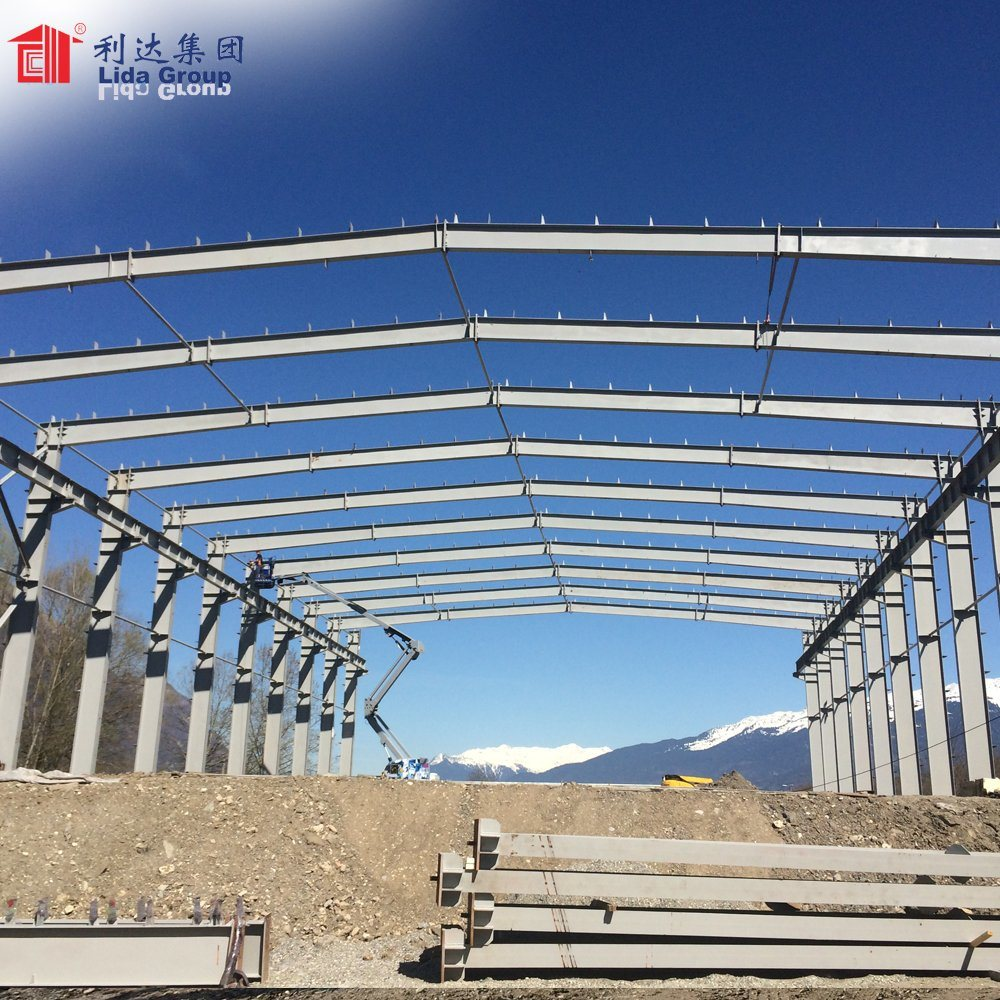
4. Comprehensive Performance Upgrade of Low-Cost Metal Houses Empowered by Anti-Corrosion Technology
4.1 Service Life Leap from Temporary to Permanent Buildings
Empowered by Lida Group’s systematic anti-corrosion technology, the service life of low-cost steel structure metal houses has achieved a qualitative leap. In conventional inland atmospheric environments, the service life of the building is extended to more than 50 years; in high-corrosion coastal and industrial areas, the stable service life can reach 40 years or above. Compared with the 10-15 year service cycle of traditional metal houses, the durability is increased by three times. This technological upgrade completely changes the industry’s stereotype that low-cost metal houses are only temporary facilities, enabling them to meet the long-term permanent use standards of residential housing, public buildings, and industrial facilities.
4.2 Full-Lifecycle Economic Benefit Maximization
Lida Group’s anti-corrosion technology realizes real low-cost advantages from the full lifecycle perspective. Although the upfront technical investment is slightly higher than that of traditional backward processes, the excellent anti-corrosion performance greatly reduces later maintenance costs. Practical project data shows that the annual maintenance cost of Lida’s anti-corrosion low-cost metal houses is less than 3% of the initial investment, which is only one-quarter of the maintenance cost of traditional buildings. Most buildings can operate stably for 20 to 30 years without major maintenance and renovation.
Calculated by the 50-year full lifecycle, the comprehensive cost of Lida’s technical solution is 40% to 50% lower than that of traditional metal houses. It avoids repeated investment caused by building aging and demolition, maximizes the economic benefits of low-cost construction, and truly realizes low upfront investment and ultra-low long-term consumption.
4.3 Improved Structural Safety and Extreme Weather Resistance
Corrosion is the main cause of structural performance degradation and safety hazards of metal houses. Lida Group’s anti-corrosion technology ensures the long-term integrity of the steel structure, maintaining stable mechanical properties and bearing capacity of components for decades without thinning or aging. Cooperated with optimized structural stress design, the integrated steel frame has excellent overall rigidity, effectively resisting typhoons, heavy snow, earthquakes, and other extreme disasters.
Different from traditional rust-prone metal houses that are easy to deform and leak in bad weather, Lida’s upgraded anti-corrosion steel structure buildings have stable structural performance and low failure risk, providing safe and reliable living and working space for users in all global climatic regions.
4.4 Universal Environmental Adaptability and Green Value Improvement
With hierarchical anti-corrosion technology matching, Lida’s low-cost metal houses have ultra-wide global environmental adaptability, breaking the regional limitation that traditional metal houses can only be used in mild inland areas. Whether it is hot and humid tropical areas, windy and rainy coastal areas, or industrial areas with severe pollution, targeted anti-corrosion schemes can ensure stable building performance. At the same time, steel structures have a recycling rate of more than 90%, and the long service life avoids frequent building reconstruction, reducing carbon emissions and construction waste, conforming to the global green and sustainable development concept.
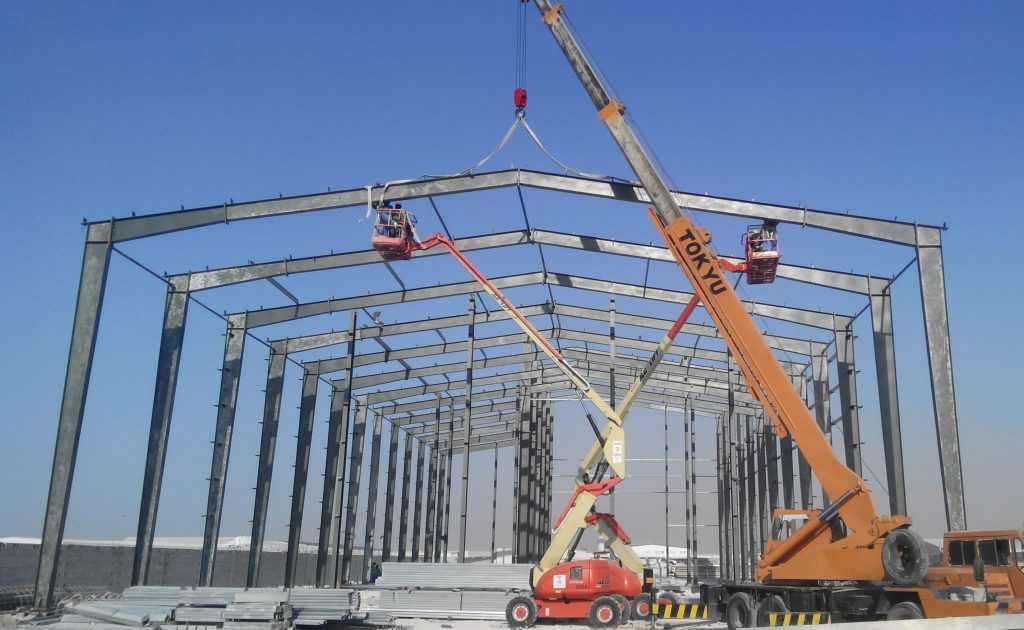
5. Engineering Case Verification of Technological Upgrade Effect
5.1 Humid Rural Affordable Housing Project in Tanzania
In 2020, Lida Group undertook a large-scale low-cost steel structure housing project in rural Tanzania, delivering 1,000 sets of residential houses for local low-income families. The local climate is hot and humid all year round with frequent seasonal rainfall, belonging to a typical medium-high corrosion environment. The project adopted Lida’s optimized hot-dip galvanized low-alloy steel anti-corrosion system, matched with elevated foundation and full ventilation structural design.
After five years of on-site operation and monitoring, all steel frames of the project have no rust, peeling, or structural aging. The local government’s annual inspection shows that the building structure remains intact, and the annual maintenance cost is far lower than that of traditional local brick and metal houses. This project fully verifies that Lida’s anti-corrosion technology can stably upgrade the durability and practicability of low-cost metal houses in humid rural environments.
5.2 Coastal Post-Disaster Resettlement Housing Project in the Philippines
In 2021, Lida Group completed a coastal permanent resettlement housing project in Cebu, Philippines, facing severe salt fog corrosion and frequent typhoon weather. The project adopted Lida’s high-end Zn-Al-Mg composite anti-corrosion coating technology and fully sealed anti-corrosion structural system to cope with harsh marine climate erosion. After four years of field use, the steel structure of all residential buildings is intact without local corrosion damage.
Compared with the surrounding traditional low-cost metal houses that need annual anti-rust maintenance and partial component replacement, Lida’s project realizes long-term maintenance-free use, greatly reducing the living burden of displaced families. This case proves that Lida’s innovative anti-corrosion technology can completely solve the durability problem of low-cost metal houses in extreme coastal environments, realizing a comprehensive upgrade of building quality.
6. Industry Value and Competitive Advantages of Technological Empowerment
Lida Group’s innovative corrosion-resistant technology has completely subverted the development mode of the traditional low-cost metal building industry. It breaks the industry’s inherent dilemma that “low cost must equal low durability”, establishes a new standardized technical system for anti-corrosion construction of low-cost steel structure houses, and guides the industry to transform from low-end temporary construction to high-quality permanent sustainable construction.
For end users, technological upgrading makes low-cost metal houses have higher safety, longer service life, and lower lifecycle cost, greatly improving the cost performance and practical value of affordable housing. For the construction industry, Lida’s systematic anti-corrosion technology provides a replicable and popularized low-cost high-durability solution, promoting the overall technological progress and quality upgrading of the global low-cost steel building industry.
Different from competitors who simply stack high-cost materials to improve anti-corrosion performance, Lida Group relies on technological innovation, structural optimization, and industrial chain efficiency improvement to realize performance upgrading without excessive price increase, maintaining the core cost advantage of low-cost metal houses while achieving high-standard anti-corrosion protection, forming irreplaceable core competitive advantages in the global market.
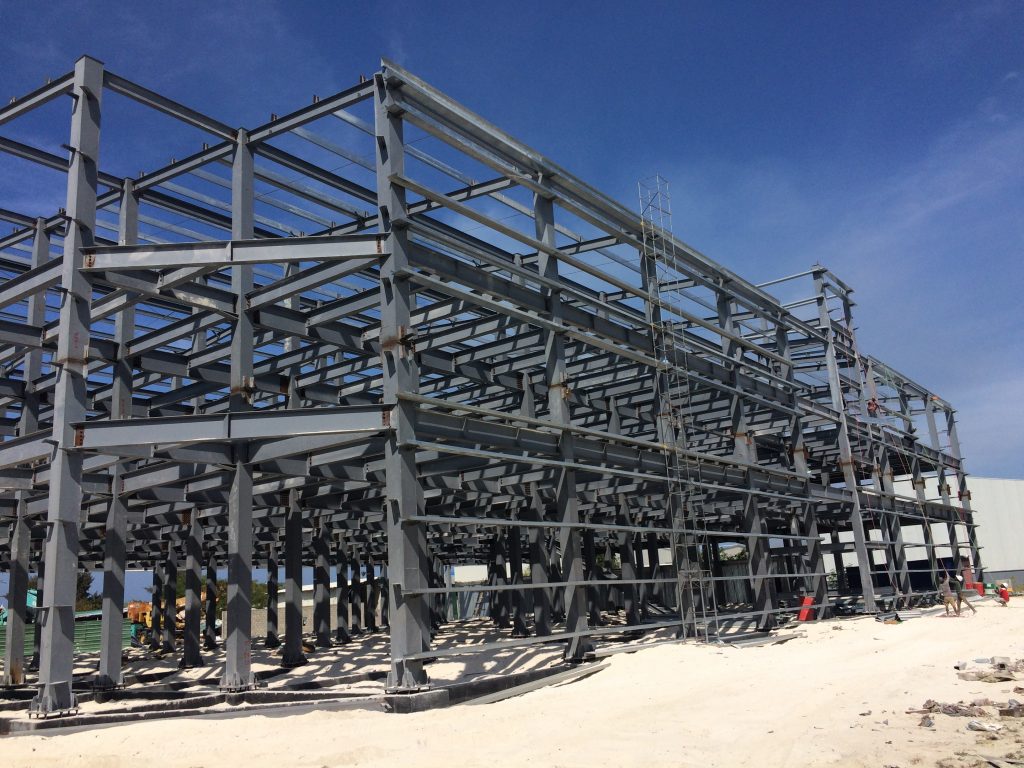
7. Conclusion
The poor anti-corrosion performance of traditional processes has long restricted the development and popularization of low-cost steel structure metal houses, making them unable to get rid of the positioning of low-grade temporary buildings. Lida Group’s independent innovative corrosion-resistant technology system fundamentally solves the core corrosion pain points of the industry and comprehensively elevates the overall quality and application value of low-cost metal houses through four core upgrades: high-quality alloy steel matrix optimization, multi-layer composite anti-corrosion coating, anti-corrosion oriented structural design, and factory integrated prefabrication processing.
Empowered by this systematic technology, low-cost metal houses achieve a qualitative leap in service life, structural safety, environmental adaptability, and full-lifecycle economic benefits. They successfully transform from short-term temporary facilities to long-term permanent green buildings, retaining the original low-cost, fast-construction, and flexible advantages of steel structure houses while possessing ultra-high durability and stability. A large number of global engineering practices have fully verified the reliability and practicability of Lida’s anti-corrosion technology, proving that low-cost construction and high-standard anti-corrosion durability are completely compatible.
In summary, Lida Group’s corrosion-resistant technology is a key technological innovation that promotes the iterative upgrading of the global low-cost steel structure building industry. It sets a new industry benchmark for balanced development of low cost and high durability, provides efficient and reliable housing solutions for global affordable housing, rural construction, and disaster resettlement projects, and will continue to lead the sustainable and high-quality development of the low-cost metal building industry in the future.
Related news
-
Discover the Benefits of Corrosion-Resistant Steel Construction for Your Low Cost Metal House
2026-05-21 17:00:42
-
Lida Group Sets New Standard in Corrosion-Resistant Steel Structure Building for Low Cost Housing
2026-05-21 16:20:08
-
Corrosion-Resistant Steel Construction Ensures Long Life for Low Cost Metal House by Lida Group
2026-05-21 15:55:31
contact us
- Tel: +86-532-88966982
- Whatsapp: +86-13793209022
- E-mail: sales@lidajituan.com
