



Lida Group Engineers Corrosion-Resistant Steel Construction to Maximize Low Cost Metal House Value
2026-May-27 10:32:00
By Admin
Introduction
Low-cost metal houses have long occupied a vital position in the global construction industry, widely applied in engineering temporary camps, rural residential buildings, industrial supporting facilities, disaster relief housing, and remote regional accommodation. Featuring lightweight structure, fast assembly, and low upfront investment, they effectively solve the urgent housing demands of various short-term and phased construction projects. However, the vast majority of conventional low-cost metal houses suffer from a fatal industry defect: simple steel configuration and rough anti-corrosion treatment lead to rapid rusting, structural aging, and performance attenuation in outdoor and harsh environments. This makes low-cost metal buildings synonymous with “low durability and high hidden consumption”, greatly restricting their service life, comprehensive cost performance, and application scenarios.
As a leading global manufacturer of modular steel structure buildings with decades of engineering R&D and field practical experience, Lida Group completely subverts the traditional dilemma of low-cost metal houses relying on backward production technology. Instead of blindly cutting material costs or adopting primitive anti-rust spraying processes, Lida Group professionally engineers a systematic corrosion-resistant steel construction system. Through precise material selection, industrial-grade layered anti-corrosion technology, optimized structural engineering design, and full-lifecycle value control, the brand effectively solves the pain points of short service life and high maintenance costs of ordinary low-cost metal houses. This article comprehensively elaborates on the value bottlenecks of traditional low-cost metal houses, Lida Group’s core engineered corrosion-resistant steel construction technologies, structural optimization advantages, full-lifecycle value improvement mechanisms, and practical application benefits, fully demonstrating how professional engineering innovation maximizes the comprehensive usage value and economic return of low-cost metal houses.
1. Value Bottlenecks of Traditional Low-Cost Metal Houses
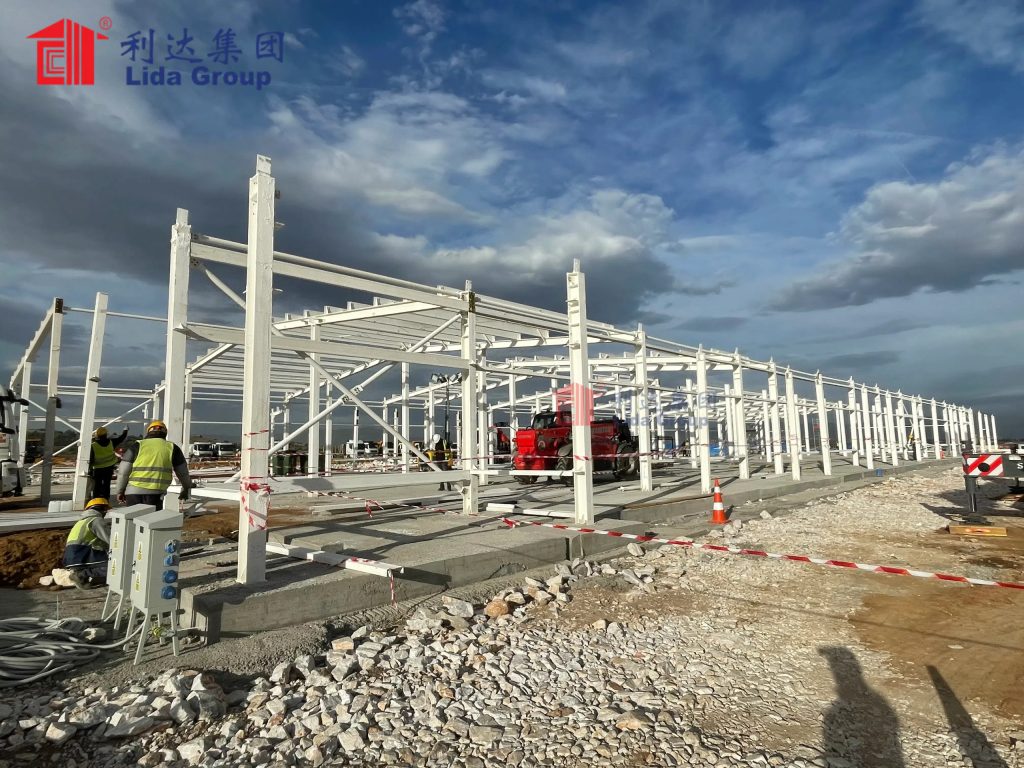
Traditional low-cost metal houses rely on ordinary thin steel plates and simple surface anti-rust treatment. Although they have low initial procurement and construction costs, their inherent structural and technological defects lead to serious value attenuation throughout the service cycle, resulting in low comprehensive cost performance and unable to form long-term usable asset value.
1.1 Single Anti-Corrosion Technology Causes Rapid Structural Aging
Most traditional low-cost metal houses only adopt one-time manual anti-rust paint spraying without professional galvanization and layered protective coating processes. Ordinary paint layers have poor adhesion, ultraviolet resistance, and weather resistance, and are prone to peeling, cracking, and fading after short-term outdoor exposure. In humid rainy areas, coastal salt-spray environments, and high-pollution industrial zones, unprotected steel substrates quickly oxidize and rust. Local rust spots gradually expand to form large-area corrosion, leading to steel plate thinning, component deformation, and loose connection structures. Without effective engineering anti-corrosion protection, the structural performance of traditional metal houses declines sharply within 3 to 5 years, losing stable usage value.
1.2 High Hidden Maintenance Costs Offset Initial Cost Advantages
The biggest value loss of traditional low-cost metal houses comes from continuous hidden maintenance investment. After rusting occurs, enterprises and users need to regularly polish rust layers, repaint anti-rust coatings, and replace severely corroded steel components. The annual maintenance cost accounts for 10% to 15% of the initial construction cost. Once the structural corrosion is serious, overall reinforcement and even overall demolition and reconstruction are required. The repeated investment of manpower, materials, and time completely offsets the low upfront cost advantage, making the full-lifecycle comprehensive cost far higher than high-quality engineered metal houses.
1.3 Short Service Life Restricts Asset Reuse Value
Traditional non-engineered metal houses have a service life of only 5 to 8 years, and corroded steel structures cannot be disassembled and reused. For engineering enterprises with multi-project cross-regional deployment demands, traditional metal houses can only be used for a single short-term project and then discarded, generating massive construction waste and zero residual asset value. The disposable usage mode leads to serious resource waste and low asset utilization rate, failing to realize long-term value iteration of building facilities.
1.4 Rough Structural Design Limits Comprehensive Usage Performance
To reduce costs, traditional low-cost metal houses adopt thin non-standard steel frames and unreasonable stress distribution design. Corrosion further weakens structural bearing capacity, resulting in poor wind resistance, seismic resistance, and snow load resistance. The unstable structure not only reduces living safety and comfort but also limits the application scope of metal houses, making them only suitable for simple temporary shelters and unable to meet the long-term residential, office, and storage usage standards of complex scenarios, further restricting their comprehensive use value.
2. Lida Group’s Core Engineered Corrosion-Resistant Steel Construction Technologies
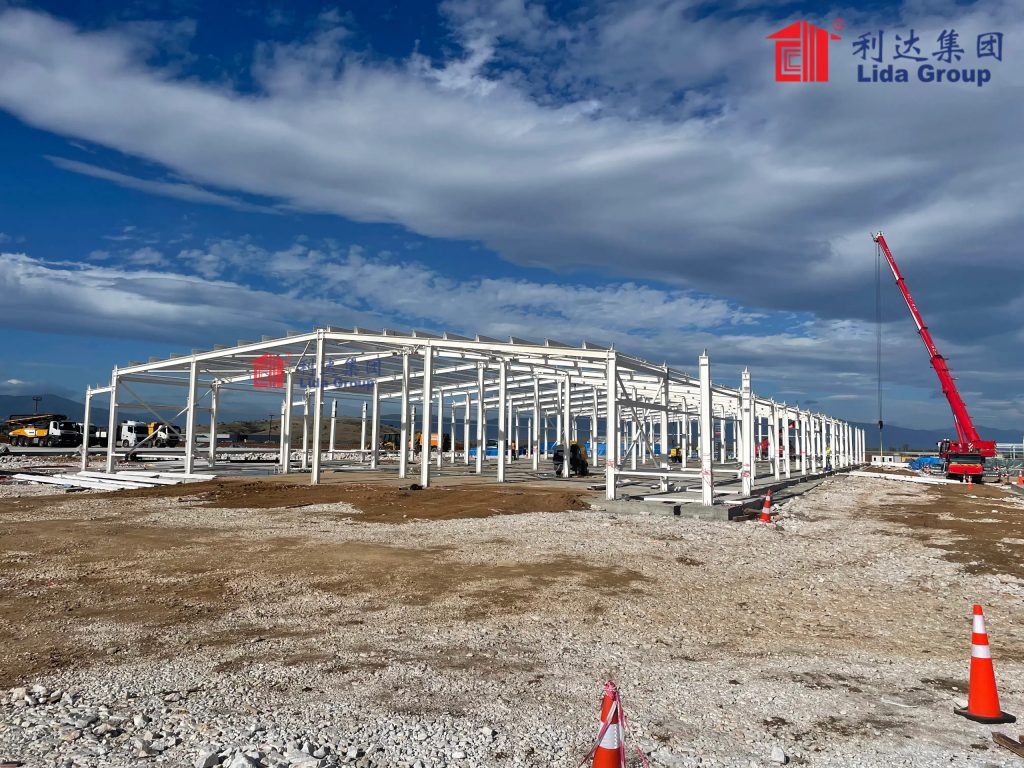
Targeting the value bottlenecks of traditional metal houses, Lida Group relies on professional steel structure engineering R&D capabilities and field test data to build a complete set of engineered corrosion-resistant steel construction systems. From substrate material optimization, metallurgical anti-corrosion treatment, layered coating protection to detail engineering reinforcement, every link adopts industrial-grade standards, fundamentally solving the corrosion aging problem of low-cost metal houses and laying a technical foundation for value maximization.
2.1 High-Grade Engineering Steel Substrate Selection
Lida Group abandons ordinary low-grade carbon steel used in traditional metal houses and adopts customized engineering-grade steel substrates for different application scenarios. Conventional scenarios adopt high-quality Q355 galvanized steel with stable mechanical properties and strong oxidation resistance; coastal high-salt-spray environments are equipped with zinc-aluminum-magnesium alloy coated steel and ASTM A588 weathering steel; high-temperature and high-pollution industrial areas use thickened anti-aging steel plates. Compared with ordinary carbon steel, Lida’s engineering steel has uniform internal structure, fewer impurities, and stronger natural corrosion resistance. The optimized substrate material eliminates the inherent defects of easy oxidation and rusting of low-quality steel, realizing passive anti-corrosion protection from the source.
2.2 Professional Hot-Dip Galvanizing Metallurgical Protection Process
Different from simple manual paint spraying of traditional products, all Lida Group steel frame components adopt standardized hot-dip galvanizing engineering technology. The steel components are immersed in 450°C high-temperature molten zinc liquid to form a dense metallurgical bonding zinc layer on the steel surface. This zinc layer not only forms a physical barrier to isolate air, moisture, and corrosive media but also provides cathodic protection. Even if the surface coating is scratched accidentally, the zinc layer will sacrifice itself to protect the internal steel substrate from rusting. Test data shows that the anti-corrosion performance of hot-dip galvanized steel components is more than three times that of ordinary painted steel, effectively resisting long-term outdoor environmental erosion.
2.3 Three-Layer Composite Anti-Corrosion Coating System
On the basis of galvanized substrate, Lida Group implements a standardized three-layer composite coating engineering process to achieve full dead-angle anti-corrosion protection. The bottom layer adopts epoxy zinc-rich primer with strong adhesion, which tightly combines with the galvanized layer to block electrochemical corrosion; the middle layer uses high-elasticity anti-rust intermediate paint to thicken the protective structure and isolate external humid air and corrosive substances; the surface layer adopts weather-resistant polyurethane topcoat, which has excellent ultraviolet resistance, anti-aging, and self-cleaning performance. The total thickness of the composite coating exceeds 80μm, forming an integrated sealing protection system. This layered engineering treatment avoids coating peeling and aging, ensuring long-term stable surface performance of steel structures.
2.4 Fine Engineering Detail Anti-Corrosion Reinforcement
Lida Group’s professional engineering team optimizes every corrosion-prone detail to eliminate hidden risks. All steel cutting, drilling, and welding positions are precisely polished and repaired with special anti-rust paint to prevent corrosion starting from damaged gaps. Bolt connection parts adopt matched stainless steel anti-corrosion fasteners and waterproof sealing gaskets to avoid moisture accumulation and gap oxidation. The overall building drainage structure is scientifically designed to prevent long-term water accumulation on steel frames and panels. The standardized detail engineering makes the whole building achieve no dead-angle anti-corrosion protection, avoiding local corrosion damage caused by construction defects.
3. Structural Engineering Optimization to Empower Value Upgrade
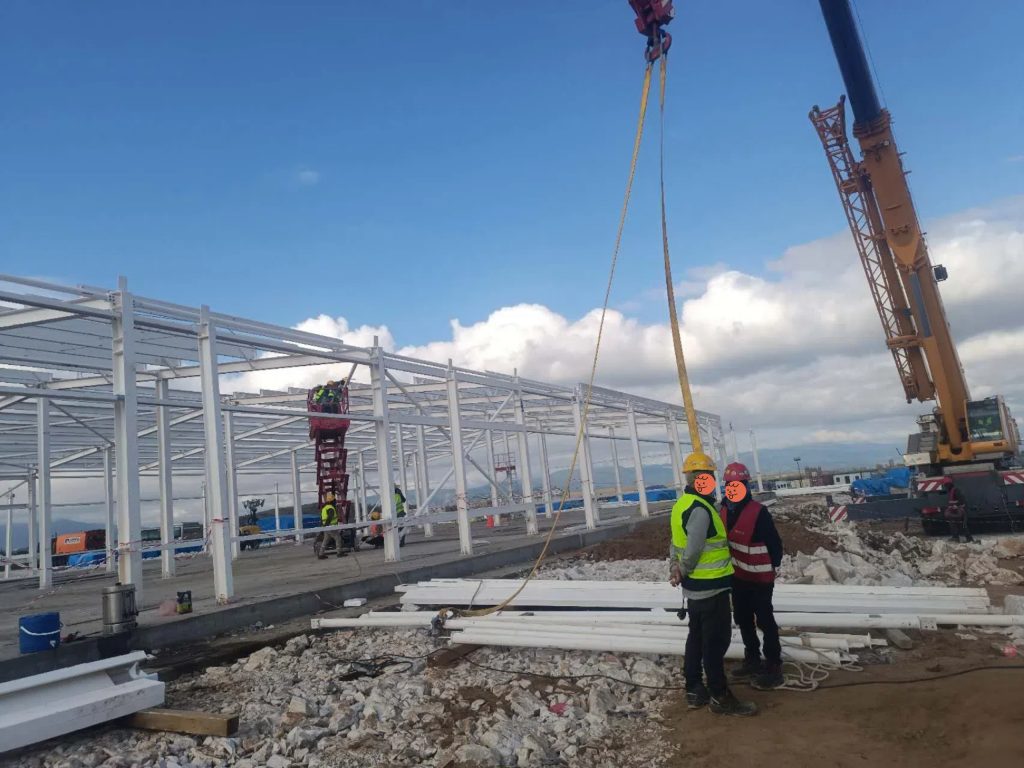
While upgrading anti-corrosion technology, Lida Group optimizes the steel structure engineering design of low-cost metal houses, realizing the perfect balance of lightweight cost control, structural stability, and long-term durability. The professional structural design further amplifies the value of anti-corrosion technology and maximizes the full-lifecycle comprehensive benefits of metal houses.
3.1 Lightweight High-Strength Structural Design Reduces Redundant Costs
Based on mechanical engineering simulation calculations, Lida Group optimizes the steel frame stress distribution and component layout. The lightweight high-strength structure removes redundant steel consumption while meeting wind resistance, seismic resistance, and snow load standards, reducing the overall self-weight of the building by 20% to 30% compared with traditional metal houses. The optimized structure lowers foundation construction requirements, eliminating the need for complex concrete foundation pouring and reducing upfront material and labor costs. Under the premise of not reducing structural safety and durability, it realizes precise cost control and retains the low-cost advantage of metal houses.
3.2 Modular Detachable Structure Improves Reuse Value
Lida Group’s engineered steel structure adopts fully detachable bolt assembly design, completely different from the disposable welded structure of traditional metal houses. All steel frames and panel components are standardized modular units, which can be freely disassembled, flat-packed, transported, and cross-project reassembled. The excellent anti-corrosion durability ensures that the steel structure still maintains stable mechanical performance after multiple disassembly and assembly cycles. This reusable engineering design turns temporary low-cost buildings into recyclable fixed assets, greatly improving asset utilization rate and realizing repeated value output.
3.3 Integrated Structural Enhancement Improves Environmental Adaptability
Combined with anti-corrosion technology, the integrated steel frame structure achieves dual upgrades of durability and environmental adaptability. The anti-corrosion and anti-aging steel structure can stably resist coastal salt spray, desert high temperature, rainy humidity, and industrial pollution erosion. The overall rigid structure avoids deformation and loosening caused by long-term environmental corrosion, maintaining stable wind resistance, seismic resistance, and structural integrity in extreme weather. The improved environmental adaptability expands the application scenarios of low-cost metal houses, enabling them to adapt to long-term residential and office needs in various complex environments and greatly enhancing comprehensive usage value.
4. Full-Lifecycle Value Maximization Mechanism
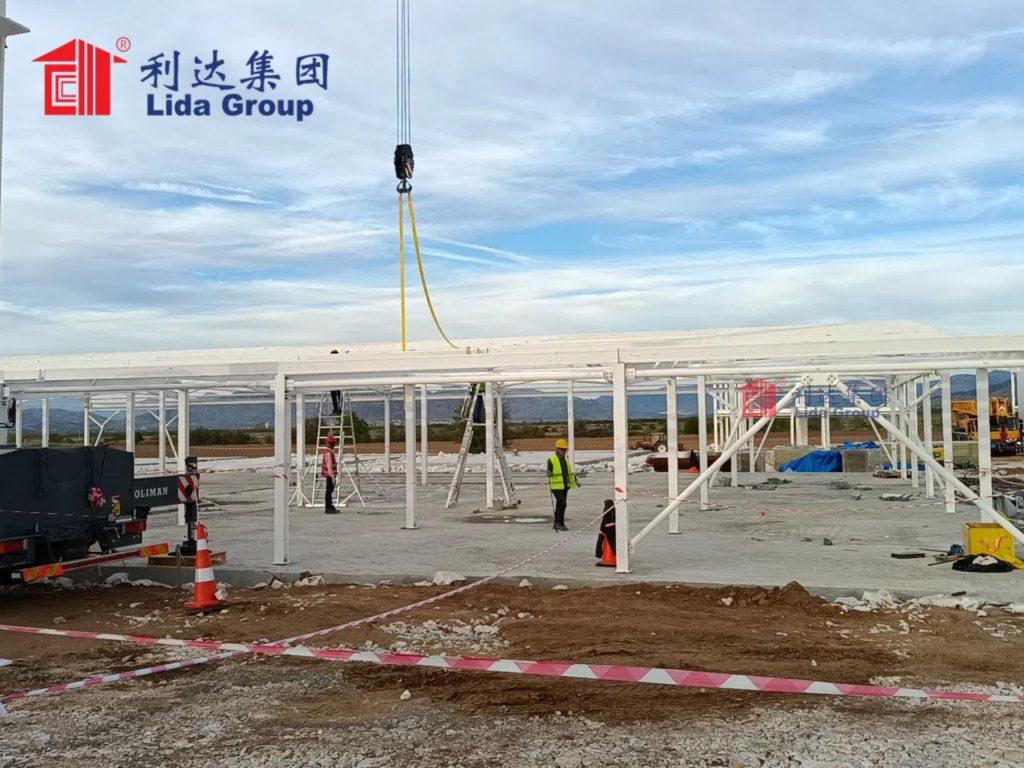
Lida Group’s engineered corrosion-resistant steel construction breaks the value shackles of traditional low-cost metal houses and realizes comprehensive value improvement throughout the entire lifecycle from upfront construction, daily operation, mid-term maintenance to later asset recycling, creating ultra-high full-lifecycle cost performance.
4.1 Stabilize Low Upfront Cost and Avoid Performance Premium Waste
Different from high-priced heavy-duty anti-corrosion buildings, Lida Group’s engineering solution realizes targeted anti-corrosion matching according to usage scenarios, avoiding excessive performance redundancy and cost waste. The standardized factory batch production of anti-corrosion steel components reduces unit processing costs, and the lightweight structural design controls foundation and assembly costs. On the premise of realizing industrial-grade anti-corrosion durability, it maintains the low-cost core advantage of metal houses, ensuring users obtain high-performance products without excessive upfront budget investment.
4.2 Reduce Long-Term Maintenance and Operational Costs
The systematic anti-corrosion engineering technology greatly reduces the failure rate and maintenance frequency of metal houses. Field verification shows that Lida Group’s corrosion-resistant steel structure metal houses have an annual maintenance cost of less than 3% of the initial investment, far lower than the 10%–15% maintenance ratio of traditional products. The stable anti-rust and anti-aging performance avoids frequent rust removal, repainting, and component replacement work. Meanwhile, the integrated sealed structure matches thermal insulation panels to reduce building energy consumption, further lowering daily operational costs and realizing long-term lean cost control.
4.3 Extend Service Life to Amplify Long-Term Return
Traditional low-cost metal houses have a stable service life of only 5–8 years, while Lida Group’s engineered corrosion-resistant metal houses can maintain intact structural performance for more than 40 years in harsh coastal and industrial environments and over 50 years in conventional atmospheric environments. The service life is increased by 6–8 times compared with traditional products. The greatly extended service life avoids repeated demolition and reconstruction investment, and the average annual usage cost is reduced by more than 70%. The long-term stable use continuously amplifies the economic return of initial investment and maximizes the time value of building assets.
4.4 Reusable Assets Realize Cyclic Value Iteration
Benefiting from excellent anti-corrosion durability and detachable modular structure, Lida’s metal houses support more than 8 times of cross-project repeated disassembly and assembly. After the completion of a single project, the building can be completely recycled and put into new project construction without generating construction waste and asset loss. This cyclic usage mode turns temporary housing investment into sustainable asset accumulation, realizing repeated value output and fundamentally solving the disposable value dilemma of traditional low-cost metal houses.
5. Practical Application Value and Market Advantages
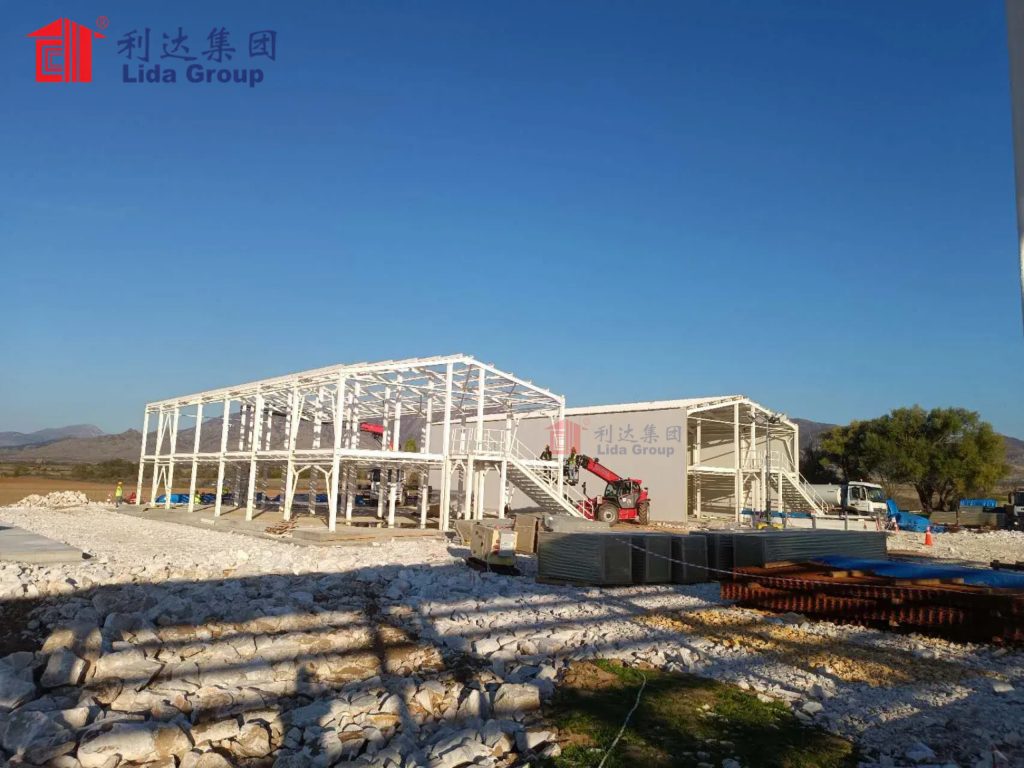
Relying on professional engineered corrosion-resistant steel construction, Lida Group’s low-cost metal houses have achieved wide market recognition and practical application in global engineering construction, rural residential renovation, industrial supporting facilities, and public welfare housing projects. The dual advantages of low cost and high durability fill the market gap between low-grade disposable metal houses and high-priced permanent steel buildings, providing users with the most cost-effective middle-end building solution.
In engineering temporary camps, the product meets the fast deployment and long-term stable accommodation needs of oilfields, mines, road and bridge construction projects, reducing project temporary facility costs and improving camp operation stability. In rural residential and scenic accommodation scenarios, the anti-corrosion and durable performance adapts to complex outdoor environments, realizing low-cost and long-term usable residential spaces. In disaster relief and emergency housing fields, the fast assembly and reusable features improve emergency response efficiency and public resource utilization rate. While creating economic value for users, Lida’s engineered metal houses also reduce construction waste generation, conforming to green and low-carbon sustainable development concepts and delivering outstanding social and environmental value.
6. Conclusion
Traditional low-cost metal houses have long been trapped in the vicious cycle of “low initial cost, high hidden loss, and short service life” due to backward anti-corrosion technology and rough structural design, resulting in severely discounted comprehensive usage value and limiting industrial development. Lida Group completely reverses this industry situation through professional engineered corrosion-resistant steel construction systems. By virtue of high-grade scenario-based steel substrate selection, hot-dip galvanizing metallurgical protection, three-layer composite anti-corrosion coating technology, and refined detail engineering reinforcement, the brand fundamentally solves the corrosion and aging pain points of low-cost metal houses.
Coordinated with lightweight high-strength structural optimization and detachable modular design, Lida Group maximizes the full-lifecycle value of low-cost metal houses. It not only retains the core advantages of low upfront investment and fast assembly of traditional metal buildings but also realizes long-term durability, low maintenance consumption, and reusable asset value. The perfect balance of low cost and high performance enables the product to adapt to diverse complex scenarios such as engineering camps, residential housing, and industrial supporting facilities. As a value-optimized innovative building solution, Lida Group’s corrosion-resistant steel structure metal house redefines the quality standard of low-cost metal buildings, provides reliable and economical construction choices for global users, and leads the high-quality and sustainable development of the modular construction industry.
Related news
-
New Oil Field Worker Dormitory Features Temporary Low Cost Building and Easy Install Panels
2026-05-25 16:17:46
-
Affordable Living Solution: Low Cost Metal House Featuring Steel Structure Building and Corrosion-Resistant Construction
2026-05-27 10:15:11
-
Lida Group Combines Affordability and Speed in Oil Field Worker Dormitory Projects
2026-05-25 16:05:44
contact us
- Tel: +86-532-88966982
- Whatsapp: +86-13793209022
- E-mail: sales@lidajituan.com
