



Hot Selling Container House Combines Durability and Speed with Lida Group Design
2026-May-15 17:20:39
By Admin
In an era defined by rapid urbanization, growing infrastructure demands, and a pressing need for efficient, sustainable building solutions, container houses have emerged as a transformative force in the global construction industry. Unlike traditional construction methods that are time-consuming, costly, and inflexible, modern container houses offer a perfect blend of practicality, affordability, and adaptability. Among the key players driving this revolution is Lida Group, a global leader in modular prefabricated construction with over three decades of expertise. Lida Group’s hot-selling container houses have captured the market’s attention by seamlessly integrating three core advantages: uncompromising durability, rapid deployment speed, and innovative design that balances functionality with aesthetics. As the global container house market continues to expand—projected to grow from $70.83 billion in 2026 to $98.08 billion by 2030 at a CAGR of 8.5%—Lida Group’s offerings stand out as a benchmark for quality and innovation. This article explores why Lida Group’s container houses are flying off the shelves worldwide, delving into their durability features, speed of deployment, design innovations, real-world applications, and the global impact that has made them a top choice for businesses, governments, and communities across 152 countries.
1. Introduction: The Rise of Container Houses and Lida Group’s Market Leadership
Container housing, also known as “cargotecture,” has evolved far beyond its humble origins as a temporary storage solution. Today, it is a mainstream building option, valued for its versatility, sustainability, and cost-effectiveness. The global surge in demand for container houses is driven by multiple factors: the need for affordable housing, the rise of remote infrastructure projects (mining, oil and gas, road construction), emergency shelter requirements, and a growing focus on sustainable construction practices that reduce carbon emissions. Traditional construction methods, responsible for 39% of global carbon emissions according to the UN Environment Programme, are increasingly being replaced by prefabricated solutions like container houses, which offer faster build times, less waste, and greater adaptability.
Lida Group, founded in 1993, has been at the forefront of this transformation. What began as a regional construction firm has grown into a global integrated building giant, offering one-stop services encompassing design, manufacturing, construction, marketing, and after-sales support. With 6 specialized container production lines, 8 steel structure manufacturing facilities, 60+ technical patents, and over 5,000 completed projects across 152 countries, Lida Group has established itself as a trusted leader in the container house market. The company’s commitment to quality is underscored by international certifications, including ISO 9001, ISO 14001, ISO 45001, EU CE (EN 1090), and audits by SGS, TUV, and BV.
Lida Group’s hot-selling container houses are not just generic conversions of shipping containers—they are meticulously engineered products that address the core pain points of modern construction. By combining industrial-grade durability, rapid deployment speed, and human-centric design, Lida has redefined what container houses can be, making them suitable for a wide range of applications: from construction worker dormitories and mining camps to emergency shelters, residential units, and even commercial spaces. This unique combination of features has made Lida’s container houses the preferred choice for clients worldwide, driving their status as a top-selling product in the global market.
2. Lida Group: Engineering Excellence Behind the Hot-Selling Container Houses
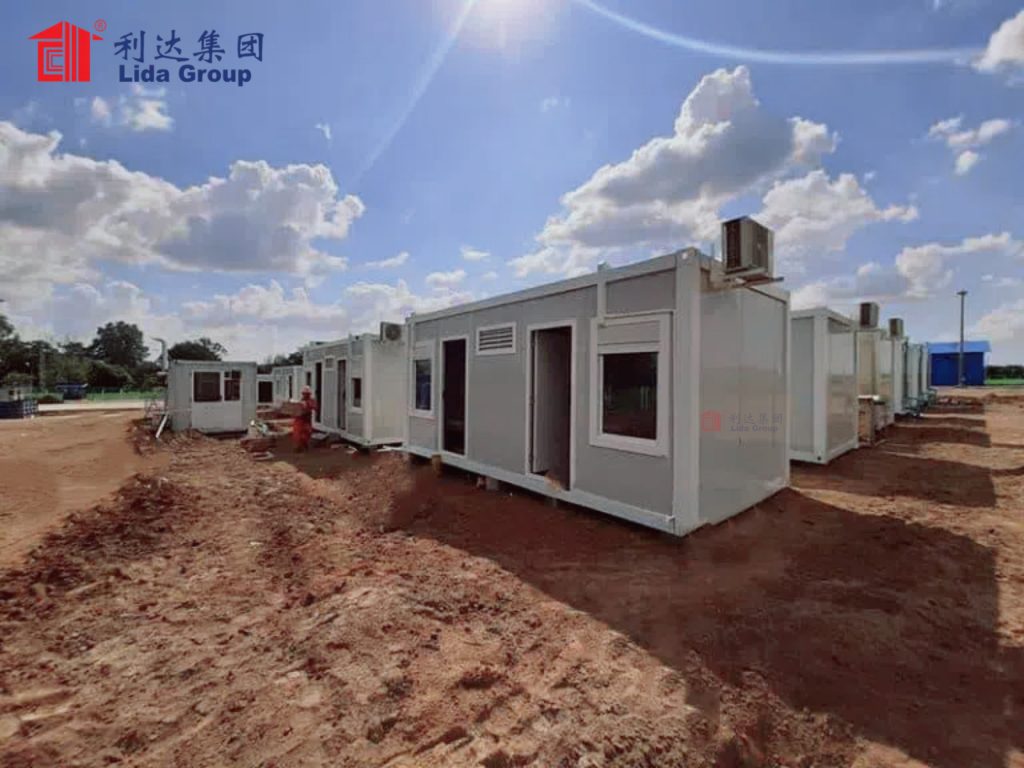
The success of Lida Group’s container houses is rooted in the company’s unwavering commitment to engineering excellence, innovation, and customer-centricity. Unlike many manufacturers that prioritize volume over quality, Lida has built its reputation on rigorous engineering practices, with a dedicated R&D team of 120+ engineers (including structural, material, and manufacturing specialists) and 42 patents for prefab-related technologies. This expertise is reflected in every aspect of its container houses, from material selection to production, ensuring that each unit meets the highest global standards for durability, speed, and design.
2.1 Advanced Production Facilities for Consistent Quality
With a monthly production capacity of 800 units, Lida Group is well-equipped to meet the surging global demand for its container houses. The company’s factories adhere to global quality standards, allowing it to deliver products that comply with the building codes of countries across Asia, Europe, North America, Australia, and Africa. This flexibility has been key to Lida’s global success, enabling it to serve diverse markets with tailored solutions.
2.2 Customer-Centric R&D and Customization Capabilities
Lida Group’s R&D team focuses exclusively on addressing the evolving needs of clients, with a particular emphasis on enhancing durability, speeding up deployment, and refining design. The team works closely with customers to understand their specific project requirements—whether it’s a container house for a remote mining site in the Arctic, a coastal construction camp, or an emergency shelter in a disaster-prone region. This collaborative approach ensures that Lida’s container houses are not just standardized products but tailored solutions that meet the unique challenges of each application.
Customization is a cornerstone of Lida’s offerings. The company can modify every aspect of its container houses, from size and layout to insulation, materials, and interior finishes. Whether a client needs a 20ft unit for a small team or a 40ft unit with multiple bedrooms and communal spaces, Lida can deliver a solution that aligns with their needs. This flexibility has made Lida’s container houses popular across industries, from construction and mining to government and humanitarian organizations.
2.3 Global Service and Support Network
For clients operating in remote or international locations, reliable service and support are critical. Lida Group provides end-to-end service, from initial design and customization to delivery, installation, and after-sales maintenance. The company’s team of experienced engineers and technicians works closely with clients to ensure that container houses are delivered on time, installed correctly, and remain in optimal condition throughout their lifecycle. Even in the most remote areas, Lida offers ongoing maintenance and repair services, ensuring minimal downtime and maximum value for clients.
Lida’s global delivery network covers 152 countries, with partnerships with local logistics providers to ensure efficient transportation of container houses—whether by truck, ship, or helicopter. This global reach, combined with local expertise, allows Lida to deliver solutions quickly and efficiently, regardless of the project’s location.
3. Core Advantage 1: Uncompromising Durability—Built to Last in Any Environment
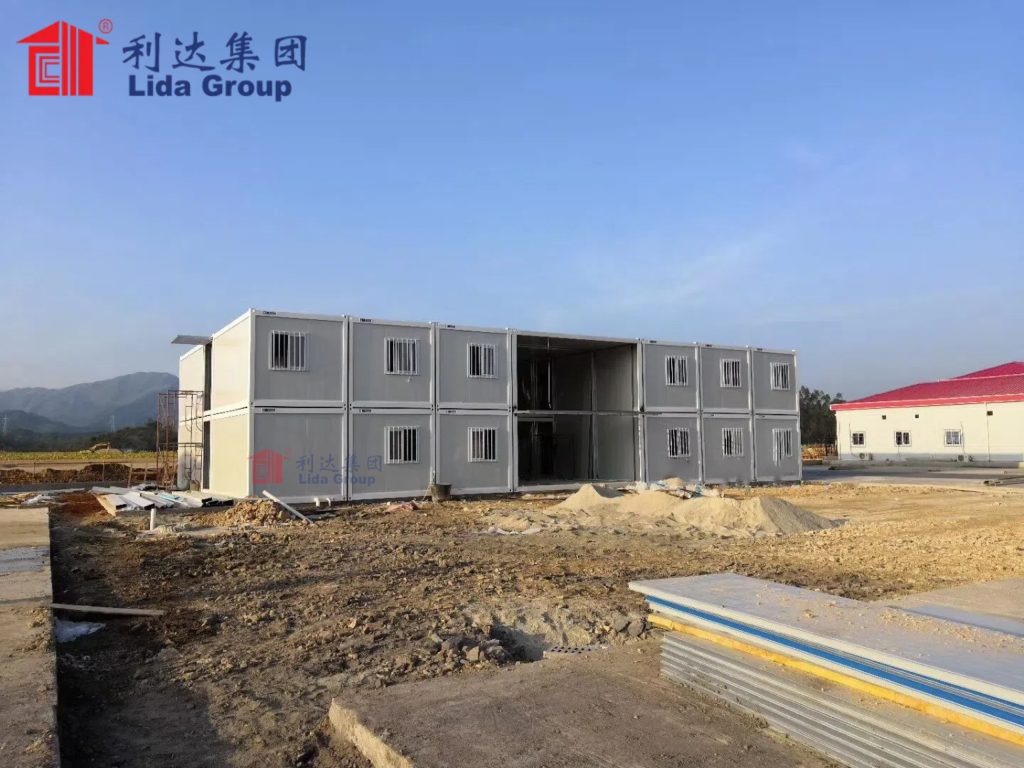
Durability is the foundation of Lida Group’s hot-selling container houses. Unlike generic container houses that sacrifice strength for cost, Lida’s units are engineered to withstand the harshest environmental conditions, from extreme temperatures and strong winds to corrosion and natural disasters. This durability ensures that clients get long-term value, with container houses that can be reused across multiple projects and withstand decades of use.
3.1 High-Quality Materials for Maximum Strength
Lida Group’s container houses are built with high-grade galvanized steel frames (2.5mm thickness) that provide exceptional strength and corrosion resistance. The steel undergoes a rigorous galvanization process, which coats the surface with a layer of zinc to protect against rust and corrosion—critical for use in coastal areas, deserts, and other harsh environments. For coastal applications, Lida uses corrosion-resistant corten steel or high-tensile steel with multi-layer coatings specifically formulated for salt-spray resistance and humidity.
The exterior walls are made of high-density sandwich panels, which combine a steel outer layer with a core of rock wool or polyurethane insulation. These panels not only provide thermal insulation but also enhance the structural strength of the container house, protecting against impact, moisture, and pests. The roof is reinforced with anti-corrosion steel and equipped with advanced drainage systems to prevent waterlogging, while the floor is made of anti-slip, wear-resistant materials that can withstand heavy use.
3.2 Structural Design for Extreme Conditions
Lida’s container houses are designed to withstand extreme weather and natural disasters, making them suitable for use in any environment. The units have a grade 8 seismic resistance rating, meaning they can withstand earthquakes of up to 8 magnitude, and can resist strong winds of up to 120km/h—critical for coastal and mountainous regions prone to storms and hurricanes. The interlocking modular design ensures that individual units connect seamlessly, creating a unified structure that distributes forces evenly, preventing catastrophic failure during extreme weather events.
For extreme cold environments (such as the Arctic Circle, where temperatures drop to -40°C), Lida’s container houses are equipped with extra-thick rock wool insulation (150mm) and heated floors to keep indoor temperatures at a comfortable 22-24°C. For extreme heat (such as the Sahara Desert, where temperatures exceed 50°C), the units feature heat-reflective exterior coatings and improved ventilation systems to keep indoor temperatures cool. These design features ensure that Lida’s container houses remain functional and comfortable, regardless of the external conditions.
3.3 Long Service Life and Reusability
Lida Group’s container houses have a service life of up to 50 years when properly maintained, significantly longer than traditional temporary housing solutions. This long lifespan is a result of the high-quality materials and rigorous engineering used in their construction. Additionally, the units are designed to be easily disassembled, transported, and reused across multiple projects—reducing waste and lowering long-term costs for clients. A single Lida container house can be relocated to 5-10 different project sites over its lifetime, making it a cost-effective and sustainable choice.
The reusability of Lida’s container houses also aligns with global sustainability goals, as it reduces the need for new construction and minimizes construction waste. Unlike traditional buildings, which are often demolished after use, Lida’s container houses can be repurposed for new projects, extending their value and reducing their environmental impact.
4. Core Advantage 2: Rapid Deployment—Speed That Transforms Project Timelines
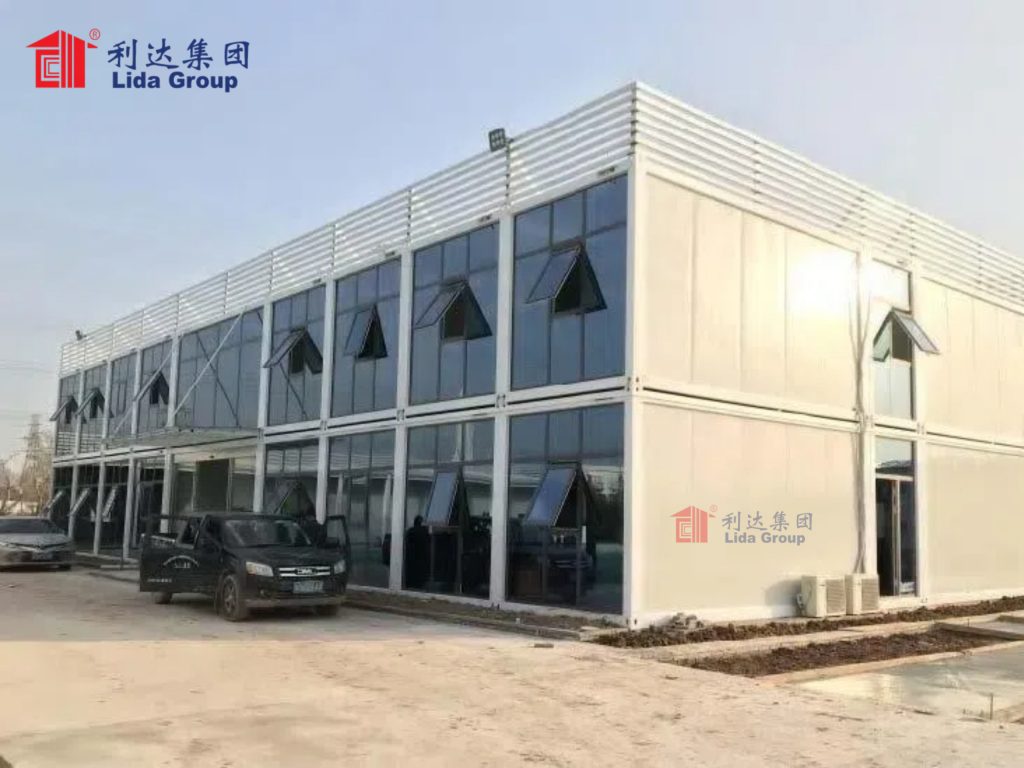
In today’s fast-paced construction industry, speed is a critical factor. Delays in deploying on-site facilities can increase costs, disrupt project schedules, and reduce productivity. Lida Group’s container houses address this challenge by offering rapid deployment, with units that can be manufactured, delivered, and installed in a fraction of the time required for traditional construction. This speed has made Lida’s container houses a top choice for projects with tight deadlines, such as emergency response, remote construction, and temporary infrastructure.
4.1 Factory Prefabrication for Time Savings
Lida’s container houses are fully prefabricated in the company’s factories, meaning that all components—from walls and floors to electrical and plumbing systems—are built off-site while site preparation is underway. This parallel process eliminates the delays associated with on-site construction, where each step must be completed sequentially. Traditional on-site construction of a similar unit can take 6-8 weeks, while Lida’s factory prefabrication process takes just 7-10 days for a standard 20ft container house and 10-14 days for a 40ft unit.
The factory prefabrication process also ensures consistent quality, as each component is built to exact specifications using automated equipment. This eliminates human error and reduces the need for on-site adjustments, further speeding up the deployment process.
4.2 Quick Installation and Easy Transportation
Once manufactured, Lida’s container houses can be shipped to the project site and installed in as little as 1-2 days for small projects, or 2-3 weeks for large-scale complexes. The units are designed to be easily loaded and unloaded using standard construction equipment (cranes, forklifts), and the modular design allows for quick assembly without the need for specialized tools or skilled labor. For example, a dormitory complex for 100 workers can be delivered and fully operational in just 3 weeks, compared to 6-8 months for traditional construction.
Transportation is also streamlined, with Lida’s container houses available in two configurations: flat-pack and pre-assembled. Flat-pack units are disassembled into lightweight components that can be stacked and transported in standard shipping containers, reducing transport costs and making them suitable for areas with limited access. Pre-assembled units are fully built in the factory and can be transported as complete units via truck, ship, or helicopter—ideal for projects that require immediate deployment.
4.3 Time and Cost Savings for Clients
The rapid deployment of Lida’s container houses translates into significant time and cost savings for clients. By reducing the time required to deploy on-site facilities, clients can start their projects sooner, reducing downtime and increasing productivity. Additionally, the quick installation process reduces on-site labor costs, as fewer workers are needed to assemble the units. Compared to traditional construction methods, Lida’s container houses can reduce total project time by 70-80% and on-site labor costs by 30-40%.
For emergency response projects, this speed is critical. Lida’s container houses can be deployed within days to provide shelter for displaced communities or emergency workers, helping to address crises quickly and effectively. For remote construction projects, the rapid deployment ensures that workers have safe, comfortable accommodation from the start, reducing turnover and improving productivity.
5. Core Advantage 3: Innovative Lida Group Design—Functionality Meets Aesthetics
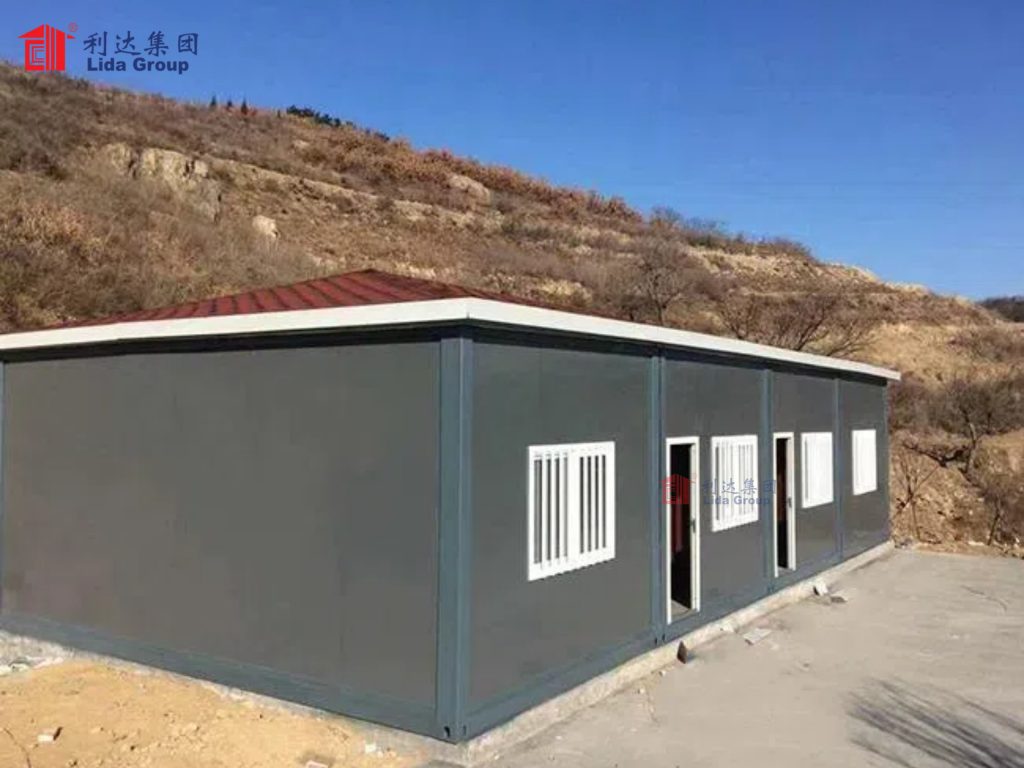
While durability and speed are critical, Lida Group understands that design matters. Unlike generic container houses that are often utilitarian and unappealing, Lida’s hot-selling container houses feature innovative designs that balance functionality with aesthetics, making them suitable for a wide range of applications—from temporary worker accommodation to permanent residential and commercial spaces. Lida’s design philosophy centers on creating spaces that are not just practical but also comfortable, sustainable, and visually appealing.
5.1 Modular Design for Flexibility and Scalability
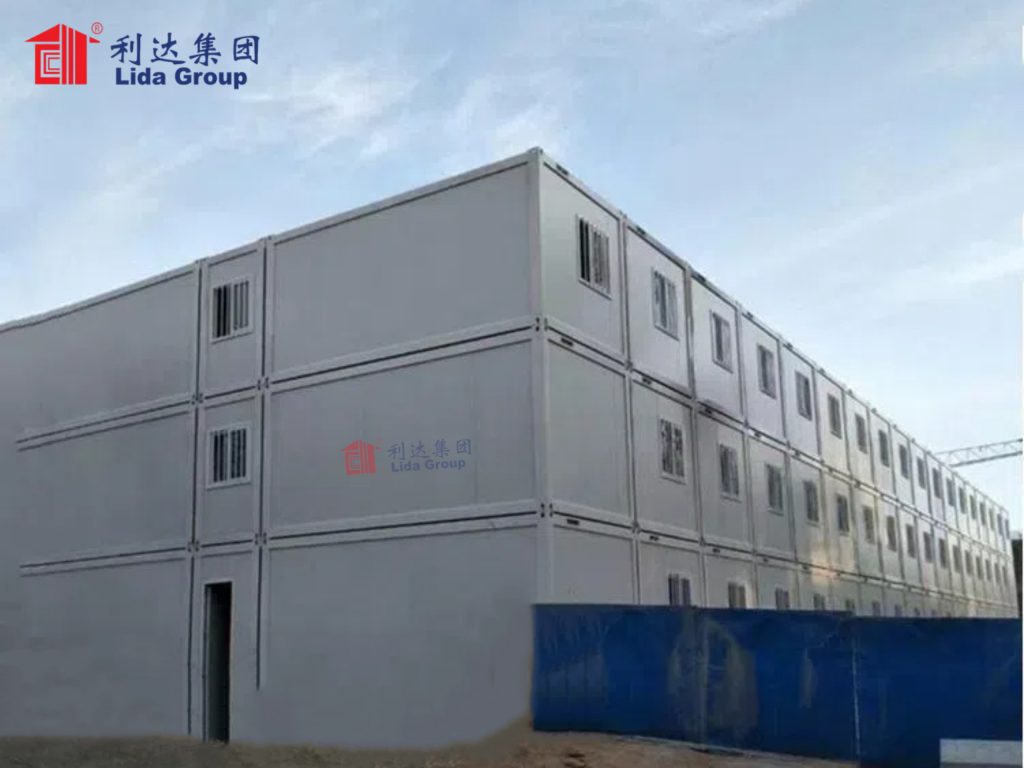
Lida’s container houses feature a modular design that allows for easy customization and scalability. The units are available in standard ISO sizes (20ft and 40ft) and can be stacked up to 3 stories high or combined side-by-side to create larger spaces. This flexibility allows clients to scale their accommodation as needed, adding or removing units as the number of workers or the project scope changes. For example, two 40ft units can be combined to create a large office or a dormitory with multiple bedrooms, while a 20ft unit can be used as a small medical clinic or storage room.
The modular design also allows for easy reconfiguration, making Lida’s container houses suitable for changing project needs. A unit that is used as a worker dormitory for one project can be reconfigured as an office or storage space for another, maximizing its utility and value.
5.2 Human-Centric Interior Design
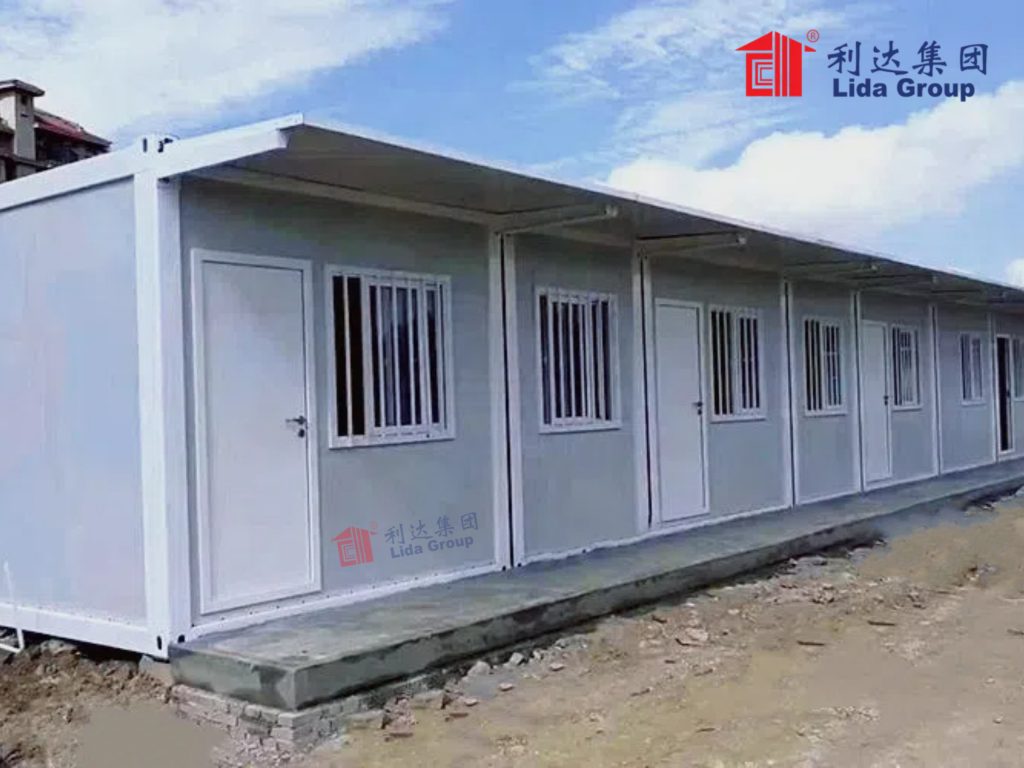
Lida’s container houses are designed with the end-user in mind, with interiors that prioritize comfort, functionality, and privacy. The units can be customized with a range of interior finishes, including wooden floors, drywall walls, and modern fixtures. For worker accommodation, Lida offers layouts with private bedrooms, en-suite bathrooms, kitchenettes, and storage spaces—ensuring that workers have a comfortable living environment, even in remote areas.
Large windows and skylights maximize natural light and ventilation, reducing the need for artificial lighting and improving air circulation. High-quality insulation maintains a stable indoor temperature, ensuring comfort in both hot and cold environments. Lida also integrates communal spaces into its designs, such as dining halls, recreation rooms, and training facilities, creating a sense of community among workers and improving morale.
5.3 Sustainable and Smart Design Features
Sustainability is a key focus of Lida’s design philosophy, with each container house incorporating eco-friendly features that reduce environmental impact. The units are built using recycled materials (such as recycled steel) and are designed to be energy-efficient, with high-quality insulation and energy-saving appliances. Lida also offers optional renewable energy systems, such as solar panels and wind turbines, which allow the units to operate off-grid, reducing reliance on fossil fuels and lowering carbon emissions.
Smart design features are also integrated into Lida’s container houses, including IoT-enabled monitoring systems that track energy usage, temperature, and humidity. These systems allow clients to optimize energy efficiency and reduce operational costs. Additionally, Lida’s container houses can be equipped with smart locks, lighting, and HVAC systems, enhancing convenience and security.
5.4 Aesthetic Appeal for Versatile Applications
Lida’s container houses are not just functional—they are also visually appealing, with exterior designs that can be customized to match the client’s brand or the surrounding environment. The units can be painted in a range of colors, and exterior finishes such as wood cladding or metal panels can be added to enhance their aesthetic appeal. This makes Lida’s container houses suitable for applications beyond temporary accommodation, including pop-up shops, cafes, offices, and even residential homes.
For example, Lida has designed container-based pop-up shops for retail clients, featuring large glass windows, modern exteriors, and customizable interiors. These units are not only quick to deploy but also attract customers with their unique, contemporary design. Similarly, Lida’s residential container houses offer a modern, minimalist aesthetic that appeals to homeowners looking for an affordable, sustainable housing option.
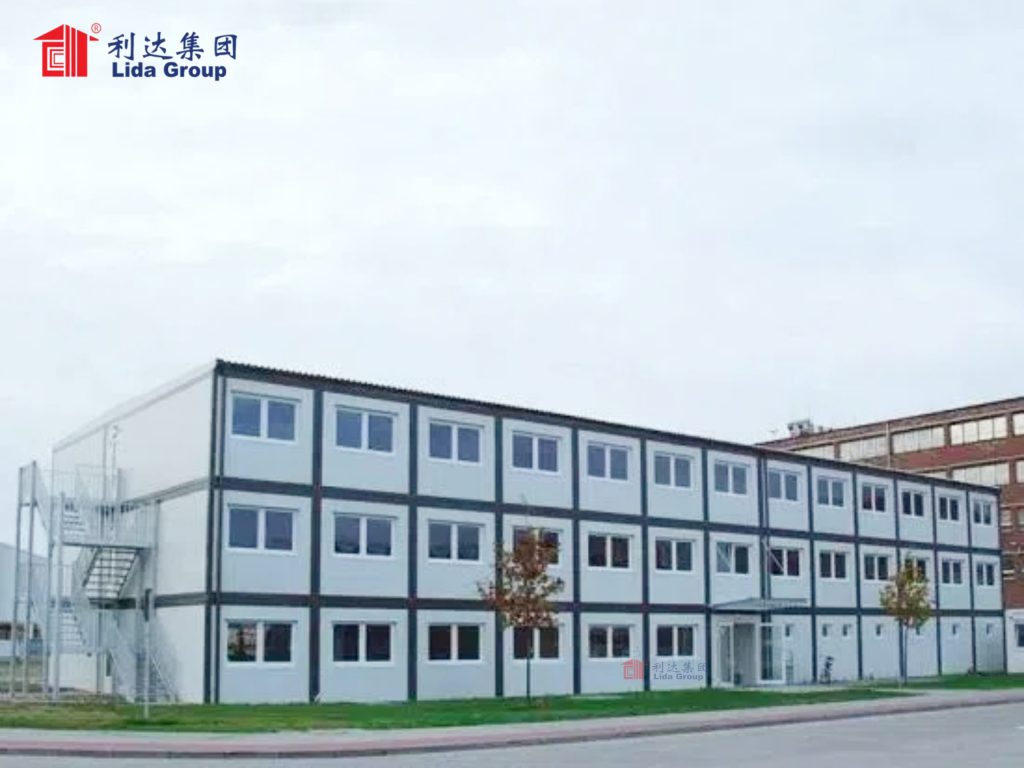
6. Global Case Studies: Lida’s Hot-Selling Container Houses in Action
The success of Lida Group’s container houses is not just theoretical—it is proven in real-world projects across the globe. The following case studies highlight how Lida’s container houses, with their combination of durability, speed, and design, have transformed projects in diverse environments and industries, solidifying their status as a hot-selling product.
6.1 Case Study 1: Coastal Construction Camp in Southeast Asia
A major construction company was tasked with building a coastal highway in Southeast Asia, requiring accommodation for 300 workers. The project site was prone to strong storms and high humidity, with saltwater exposure posing a risk of corrosion. The company needed a solution that was durable, storm-resistant, and quick to deploy, as the project had a tight 6-month deadline.
Lida Group delivered 100 container houses, customized for coastal conditions. The units were built with corrosion-resistant corten steel and multi-layer salt-spray resistant coatings to protect against saltwater damage. The structural design was reinforced to withstand strong winds of up to 120km/h, and the roofs featured advanced drainage systems to prevent waterlogging. The units were prefabricated in Lida’s factory in 14 days and shipped to the site, where they were installed in just 2 weeks.
The container houses performed exceptionally well during a major storm that hit the area, with no damage reported. The workers enjoyed comfortable, dry accommodation, and the company was able to meet its project deadline. The modular design allowed the company to add 20 additional units mid-project as the workforce grew, demonstrating the flexibility of Lida’s solution. After the project was completed, the units were relocated to another coastal construction site, extending their value.
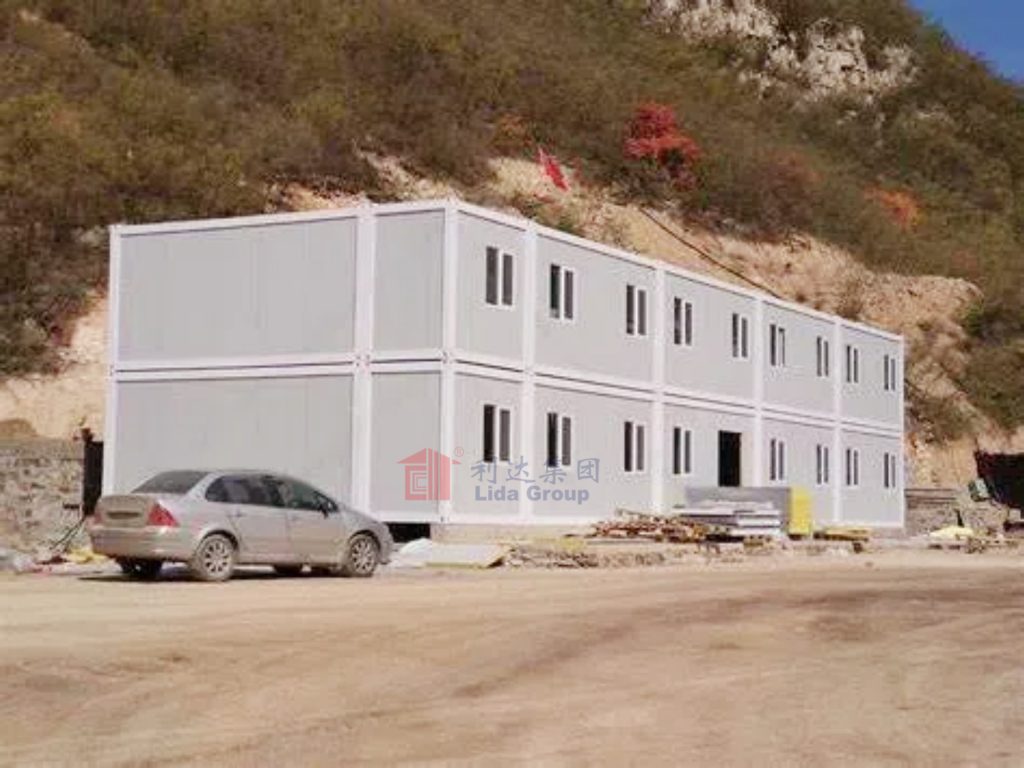
6.2 Case Study 2: Mining Camp in Western Australia
An international mining company needed accommodation for 400 workers at a remote mining site in Western Australia. The site was located in a desert environment, with daytime temperatures exceeding 45°C and nighttime temperatures dropping to 10°C. The company needed a solution that was durable, energy-efficient, and quick to deploy, as the mine was scheduled to start production within 6 weeks.
Lida Group delivered 120 container houses, customized for desert conditions. The units featured heat-reflective exterior coatings and high-density insulation to keep indoor temperatures cool during the day and warm at night. Solar panels were installed on the roofs to provide off-grid electricity, reducing reliance on diesel generators. The units were prefabricated in 10 days and shipped to the site, where they were installed in 3 weeks—well ahead of the mine’s start date.
The container houses proved to be highly durable, withstanding the harsh desert conditions without any maintenance issues. The solar-powered systems reduced the company’s fuel costs by 40%, and the workers reported a significant improvement in comfort compared to their previous accommodation. The modular design allowed the company to create communal spaces, including a dining hall, recreation room, and medical clinic, improving worker morale and reducing turnover. The units were later reused at another mining site, demonstrating their long-term value.
6.3 Case Study 3: Emergency Shelter in Haiti
After a devastating earthquake in Haiti, a humanitarian organization needed emergency shelter for 500 displaced families. The organization required a solution that was quick to deploy, durable, and suitable for the country’s tropical climate. Time was critical, as thousands of families were left homeless and vulnerable to the elements.
Lida Group responded quickly, delivering 150 container houses in just 10 days. The units were prefabricated in Lida’s factory and shipped to Haiti via cargo ship, where they were installed in 5 days. The units were equipped with mosquito nets, mold-resistant materials, and improved ventilation to combat the tropical climate and reduce the risk of disease. The modular design allowed the organization to create a temporary community, with communal kitchens and sanitation facilities.
The container houses provided safe, comfortable shelter for the displaced families, withstanding heavy rainfall and strong winds without damage. The quick deployment ensured that families had a roof over their heads within weeks of the earthquake, helping to reduce suffering and improve living conditions. After the emergency phase, the units were repurposed as schools and community centers, demonstrating their versatility and sustainability.
6.4 Case Study 4: Residential Community in Europe
A real estate developer in Germany wanted to build an affordable residential community for low-income families. The developer needed a solution that was cost-effective, sustainable, and visually appealing, with a quick construction timeline. Traditional construction was deemed too expensive and time-consuming, so the developer turned to Lida Group’s container houses.
Lida Group delivered 80 container houses, customized as residential units. The units were designed with modern exteriors, including wood cladding and large windows, to blend with the surrounding neighborhood. The interiors featured 2-3 bedrooms, bathrooms, and open-plan living spaces, with high-quality finishes and energy-efficient appliances. The units were prefabricated in 12 days and installed in 2 weeks, with the entire community completed in just 3 months—compared to 12 months for traditional construction.
The residential community was a huge success, with all units sold within 6 months. The families who moved in praised the comfort, sustainability, and modern design of the container houses. The developer reported a 30% cost savings compared to traditional construction, and the project received recognition for its innovative, sustainable approach. Lida’s container houses proved that affordable housing does not have to sacrifice quality or design.
7. Addressing Market Challenges: Lida’s Strategic Solutions
While container houses offer numerous advantages, the market faces several challenges, including transportation to remote areas, customization for diverse environments, and dispelling misconceptions about container housing (such as poor comfort or aesthetics). Lida Group has proactively addressed these challenges through strategic investments in R&D, partnerships, and innovative design, ensuring that its container houses remain the top choice for clients worldwide.
7.1 Overcoming Transportation Barriers
Transporting container houses to extremely remote areas with no roads or ports is a major challenge. Lida Group has developed lightweight, foldable modular designs that can be transported via helicopter, small planes, or even pack animals in isolated areas. For example, the company’s foldable 20ft unit weighs less than 2,000kg, making it suitable for helicopter transport. Lida also works with local logistics partners to develop customized transportation solutions, such as river barges for rainforest projects or snowmobiles for Arctic projects. The flat-pack design reduces the volume of the units, allowing more units to be transported in a single trip, reducing logistics costs.
7.2 Customizing for Diverse Environments
Container houses must adapt to diverse environmental conditions, from Arctic cold to desert heat. Lida’s R&D team works closely with clients to assess site conditions and design units optimized for those environments. For Arctic sites, Lida adds extra insulation, heated floors, and snow guards; for desert sites, heat-reflective coatings and improved ventilation; for tropical sites, mold-resistant materials and mosquito nets. This level of customization ensures that Lida’s container houses perform reliably in any environment, making them suitable for global deployment.
7.3 Dispelling Misconceptions About Container Housing
Many people still associate container houses with cramped, uncomfortable, and unsightly spaces. Lida Group is working to dispel these misconceptions through its innovative design and high-quality finishes. The company’s container houses are spacious, comfortable, and visually appealing, with interiors that rival traditional buildings. Lida also showcases its projects through case studies and testimonials, demonstrating the versatility and quality of its container houses. This effort has helped to change the perception of container housing, driving demand for Lida’s products.
7.4 Navigating Regulatory Compliance
Different countries have different building codes and regulations for container houses. Lida Group ensures that its units comply with the regulations of the countries where they are deployed, with production lines meeting the design specifications of China, Australia, America, Europe, and other regions. The units are certified by international organizations such as ISO, CE, and ANSI, ensuring compliance and reducing project delays. Lida also works closely with local authorities to obtain the necessary permits and approvals, ensuring a smooth deployment process for clients.
8. Market Performance and Global Impact of Lida’s Hot-Selling Container Houses
Lida Group’s container houses have achieved remarkable success in the global market, driven by their unique combination of durability, speed, and design. As the global container house market continues to grow, Lida has captured a significant market share, with its products sold in over 152 countries. The company’s hot-selling container houses have not only transformed the construction industry but also had a positive impact on communities, workers, and the environment.
8.1 Market Growth and Sales Performance
Lida Group’s container houses have experienced strong growth in recent years, with sales increasing by 40% in 2025 compared to the previous year. Demand is particularly strong in Africa, Asia, and North America, where remote construction projects, affordable housing needs, and emergency response efforts are driving the market. The company’s monthly production capacity of 800 units ensures that it can meet the surging demand, and it is currently expanding its production facilities to increase capacity to 1,000 units per month by 2027.
Lida’s customer base includes some of the world’s largest construction, mining, and oil and gas companies, as well as governments and humanitarian organizations. The company’s reputation for quality, reliability, and innovation has made it a trusted partner for clients worldwide, driving repeat business and referrals.
8.2 Impact on Workers and Communities
Lida’s container houses have had a profound impact on the lives of workers in remote areas. By providing safe, comfortable accommodation, Lida has improved the quality of life for thousands of workers, reducing turnover and increasing productivity. Workers no longer have to live in substandard temporary housing—they have access to private bedrooms, clean bathrooms, and communal spaces that create a sense of community. This improved well-being has led to a 15-25% increase in worker productivity, helping clients complete projects more efficiently.
In communities affected by disasters or housing shortages, Lida’s container houses have provided much-needed shelter, helping to restore normalcy and improve living conditions. The quick deployment of these units ensures that communities receive support when they need it most, reducing suffering and promoting recovery.
8.3 Environmental Impact
Lida Group’s container houses are a sustainable building solution, with a significantly lower environmental impact than traditional construction. The use of recycled materials (such as recycled steel) reduces waste, while the reusability of the units reduces the need for new construction. The energy-efficient design and optional renewable energy systems reduce carbon emissions, aligning with the UN Sustainable Development Goals. For example, a single Lida container house reused across 5 projects reduces carbon emissions by approximately 10 tons compared to building new traditional structures for each project.
Lida’s commitment to sustainability is further demonstrated by its ISO 14001-certified manufacturing facilities, which adhere to strict environmental management standards. The company’s sustainable practices have made it a preferred choice for clients looking to reduce their environmental footprint.
9. Conclusion
Lida Group’s hot-selling container houses have redefined the global construction industry by seamlessly combining three core advantages: uncompromising durability, rapid deployment speed, and innovative design. In a market where efficiency, sustainability, and value are paramount, Lida’s container houses have emerged as the top choice for clients worldwide, from construction companies and mining firms to governments and humanitarian organizations. With over three decades of expertise, advanced production facilities, a dedicated R&D team, and a global service network, Lida Group has established itself as a leader in the container house market, driving innovation and setting new standards for quality and performance.
The durability of Lida’s container houses—built with high-quality materials, reinforced structures, and resistance to extreme environments—ensures long-term value and reusability, making them a cost-effective choice for clients. The rapid deployment speed, enabled by factory prefabrication and easy installation, reduces project timelines and costs, allowing clients to start projects sooner and improve productivity. The innovative design, which balances functionality with aesthetics, makes Lida’s container houses suitable for a wide range of applications, from temporary worker accommodation to permanent residential and commercial spaces.
Real-world case studies from across the globe—from coastal construction camps and desert mining sites to emergency shelters and residential communities—demonstrate the transformative impact of Lida’s container houses. These projects highlight how Lida’s solutions address the unique challenges of diverse environments and industries, delivering on their promise of durability, speed, and design.
As the global container house market continues to grow, Lida Group is well-positioned to maintain its leadership position. The company’s ongoing investments in R&D, production capacity, and customer support will ensure that its container houses remain at the forefront of innovation, meeting the evolving needs of clients worldwide. By staying true to its commitment to quality, sustainability, and customer-centricity, Lida Group will continue to drive the growth of the container house market, transforming the way we build and live.
In a world where speed, durability, and design are critical, Lida Group’s hot-selling container houses offer a practical, sustainable, and innovative solution. They prove that container houses can be more than just temporary shelters—they can be high-quality, versatile spaces that enhance the lives of workers, support communities, and reduce environmental impact. For clients looking to prioritize value, efficiency, and quality, Lida Group’s container houses are the ideal choice, delivering on their promise of combining durability and speed with innovative design.
Related news
-
Lida Group Delivers Movable Modular Container House for Remote Construction Sites
2026-05-13 17:50:41
-
Hot Selling Container House Combines Durability and Speed with Lida Group Design
2026-05-15 17:20:39
-
Discover the Benefits of Prefabricated Container Worker Accommodation by Lida Group
2026-05-15 16:36:02
contact us
- Tel: +86-532-88966982
- Whatsapp: +86-13793209022
- E-mail: sales@lidajituan.com
