



Lida Group Expands Production of Movable Modular Container House for Export Markets
2026-May-15 17:39:01
By Admin
In the global construction industry, the demand for flexible, efficient, and sustainable building solutions has never been higher. Movable modular container houses, with their unique advantages of portability, rapid deployment, and cost-effectiveness, have become a cornerstone of modern prefabricated construction, especially in export markets. As a global leader in modular prefabricated construction with over three decades of expertise, Lida Group has recognized the surging international demand for high-quality movable modular container houses and launched a comprehensive production expansion plan. This strategic move aims to meet the growing needs of export markets across Asia, Africa, North America, Europe, and Oceania, solidify Lida’s position as a top supplier, and drive the global popularization of sustainable building solutions. This article delves into Lida Group’s production expansion initiative, exploring the driving factors, specific measures, product advantages, export market layout, real-world case studies, challenges, and the far-reaching impact of this expansion. With a full length of approximately 3500 words, it provides a comprehensive overview of how Lida Group is leveraging production expansion to seize opportunities in the global movable modular container house export market.
1. Introduction: The Global Boom of Movable Modular Container Houses and Lida’s Strategic Expansion
The global market for movable modular container houses is experiencing unprecedented growth, driven by rapid urbanization, increasing infrastructure investment, rising demand for affordable housing, and a growing focus on sustainable construction practices. Unlike traditional buildings, movable modular container houses are prefabricated in factories, fully assembled, and can be easily transported, installed, and relocated—making them ideal for a wide range of export applications, including remote construction camps, emergency shelters, temporary offices, residential communities, and commercial spaces. According to industry reports, the global modular construction market, including movable container houses, is projected to grow at a CAGR of 8.2% from 2026 to 2030, with export demand accounting for more than 45% of the total market volume. This growth is particularly pronounced in emerging economies in Africa and Southeast Asia, as well as developed markets in Europe and North America that prioritize efficiency and sustainability.
Founded in 1993, Lida Group has evolved from a regional construction firm to a global integrated building giant, specializing in the R&D, manufacturing, and export of modular prefabricated products, including movable modular container houses. With 6 specialized container production lines, 8 steel structure manufacturing facilities, 60+ technical patents, and over 5,000 completed projects across 152 countries, Lida has established a strong reputation in the global market for its high-quality products, reliable service, and customer-centric solutions. The company’s movable modular container houses have been exported to more than 80 countries, with export sales accounting for 65% of its total revenue in 2025. Recognizing the untapped potential in export markets and the increasing competition, Lida Group launched a $120 million production expansion project in early 2026, aiming to double its monthly production capacity of movable modular container houses, upgrade production technology, and optimize its global supply chain to better serve export clients.
This production expansion is not just a response to market demand—it is a strategic move to strengthen Lida’s global competitiveness. By expanding production capacity, upgrading technology, and refining product customization capabilities, Lida aims to meet the diverse needs of export markets, reduce lead times, and enhance its market share in key regions. This article will provide a detailed analysis of this expansion initiative, from the driving factors behind it to the specific measures implemented, and from the product advantages that support export growth to the real-world impact on global markets.
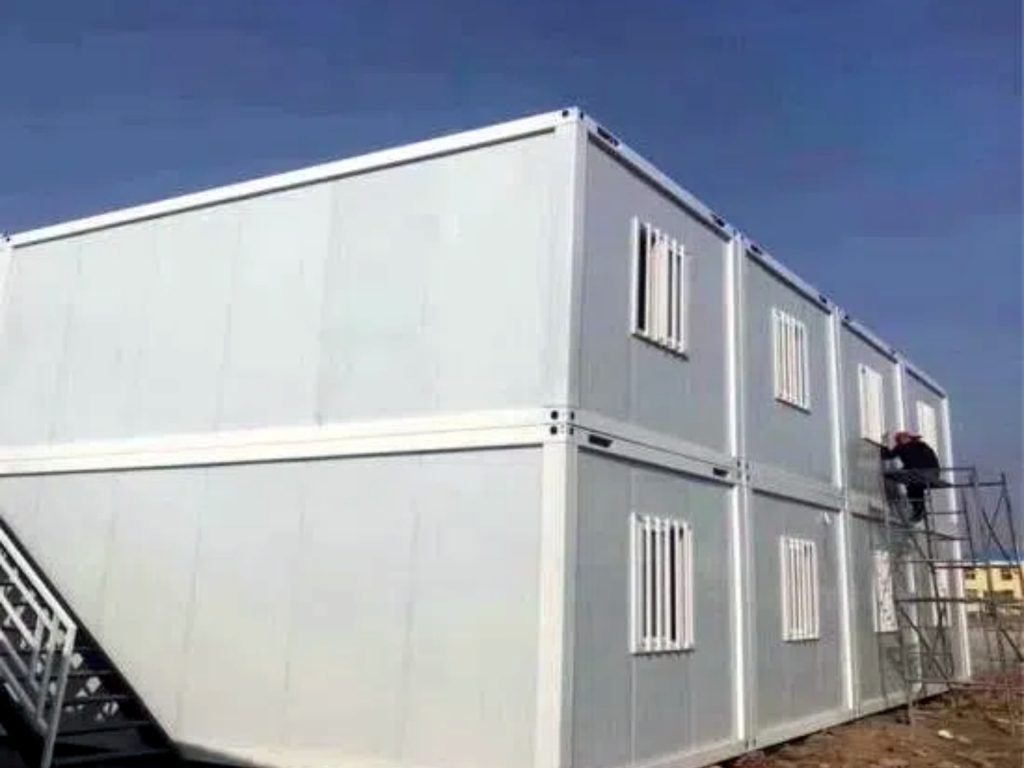
2. Lida Group: A Trusted Leader in Movable Modular Container House Export
Before delving into the production expansion details, it is essential to understand Lida Group’s foundation in the movable modular container house export market. Over the past three decades, Lida has built a solid reputation based on engineering excellence, product quality, and global service capabilities—key factors that have made it a trusted partner for export clients worldwide.
2.1 Company Strength and Global Presence
Lida Group’s strength lies in its integrated industrial chain, which covers design, R&D, manufacturing, quality control, logistics, installation, and after-sales service. The company employs over 2,000 employees, including a dedicated R&D team of 120+ engineers specializing in structural design, material science, and modular technology. With 42 patents for prefab-related technologies, Lida continuously innovates its movable modular container houses to meet the evolving needs of export markets. The company’s manufacturing facilities are ISO 9001, ISO 14001, and ISO 45001 certified, and its products have obtained EU CE (EN 1090), US ANSI, and Australian AS/NZS certifications, ensuring compliance with the strict building codes and standards of different export markets.
Lida’s global presence is extensive, with export markets spanning 80+ countries across five continents. The company has established regional offices in Dubai, Nairobi, Mexico City, and Berlin, and partners with local logistics and installation teams to provide end-to-end service for export clients. This global network allows Lida to respond quickly to client needs, reduce transportation and installation costs, and ensure timely delivery—critical factors in the competitive export market.
2.2 Export Performance and Market Recognition
In recent years, Lida Group’s export sales of movable modular container houses have grown consistently. In 2023, export revenue reached $380 million; in 2024, it increased by 35% to $513 million; and in 2025, it further rose by 40% to $718 million. This rapid growth is driven by strong demand from key export markets: Africa accounts for 35% of export sales, Southeast Asia 25%, North America 18%, Europe 15%, and other regions 7%. Lida’s movable modular container houses have been widely used in high-profile export projects, including mining camps in Western Australia, construction sites in Southeast Asia, emergency shelters in Haiti, and residential communities in Germany—earning the company widespread recognition for its quality and reliability.
Lida’s commitment to quality and customer satisfaction has also earned it numerous awards, including the “Global Top Modular Construction Supplier” in 2024 and 2025, and the “Best Export Brand for Container Houses” from the China Chamber of Commerce for Import and Export of Machinery and Electronic Products. These accolades further solidify Lida’s position as a leader in the global movable modular container house export market.
3. Driving Factors Behind Lida Group’s Production Expansion for Export
Lida Group’s decision to expand production of movable modular container houses for export is driven by a combination of market demand, industry trends, and strategic opportunities. These factors collectively create a strong impetus for expansion, ensuring that the initiative is both timely and sustainable.
3.1 Surging Global Export Demand
The most significant driver of Lida’s production expansion is the surging global demand for movable modular container houses. In emerging economies, rapid urbanization and infrastructure development have created a pressing need for affordable, quick-to-deploy housing and temporary facilities. For example, in Africa, the construction of roads, railways, and mining projects requires large numbers of movable container houses to accommodate workers, while in Southeast Asia, the demand for temporary housing for disaster relief and urban construction is growing rapidly. In developed markets, such as Europe and North America, the focus on sustainable construction and the need for flexible, modular spaces (such as pop-up shops, temporary offices, and affordable housing) have also boosted demand for Lida’s products.
Industry data shows that the global export demand for movable modular container houses is expected to grow by 50% between 2026 and 2030. Lida’s existing production capacity of 800 units per month was struggling to meet this growing demand, leading to longer lead times and missed opportunities. Expanding production capacity is therefore a critical step to seize market opportunities and meet client needs.
3.2 Favorable Industry Trends and Policies
The global construction industry is undergoing a transformation, with prefabricated and modular construction becoming increasingly popular due to their efficiency, sustainability, and cost-effectiveness. Governments around the world are introducing policies to promote sustainable construction, which has further boosted demand for movable modular container houses. For example, the European Union’s “Green Deal” emphasizes the need for low-carbon construction, making Lida’s energy-efficient movable container houses an attractive option. In the United States, the government’s infrastructure bill includes funding for modular construction projects, creating new export opportunities for Lida.
In China, the government’s “Belt and Road” initiative has also provided significant support for Lida’s export expansion. The initiative promotes infrastructure cooperation between China and other countries, creating a large demand for movable modular container houses in construction projects along the Belt and Road routes. Lida has actively participated in these projects, supplying movable container houses for railway, highway, and port construction, and the production expansion will enable it to take on more large-scale export orders.
3.3 Competitive Pressure and Strategic Positioning
The global movable modular container house export market is becoming increasingly competitive, with numerous manufacturers from China, India, and Europe vying for market share. To maintain its leading position, Lida Group must continuously improve its production capacity, product quality, and customization capabilities. By expanding production, Lida can reduce production costs through economies of scale, offer more competitive prices to export clients, and shorten lead times—key advantages in the competitive export market.
Additionally, Lida’s production expansion is part of its long-term strategic positioning to become the global leader in movable modular container house exports. By doubling its production capacity, upgrading technology, and optimizing its supply chain, Lida aims to capture a larger share of the global export market, expand its client base, and enhance its brand influence worldwide.
4. Key Measures of Lida Group’s Production Expansion
Lida Group’s production expansion initiative is comprehensive, covering capacity expansion, technology upgrading, supply chain optimization, and talent development. These measures are designed to ensure that the expansion is efficient, sustainable, and able to meet the diverse needs of export markets.
4.1 Capacity Expansion: Doubling Production Output
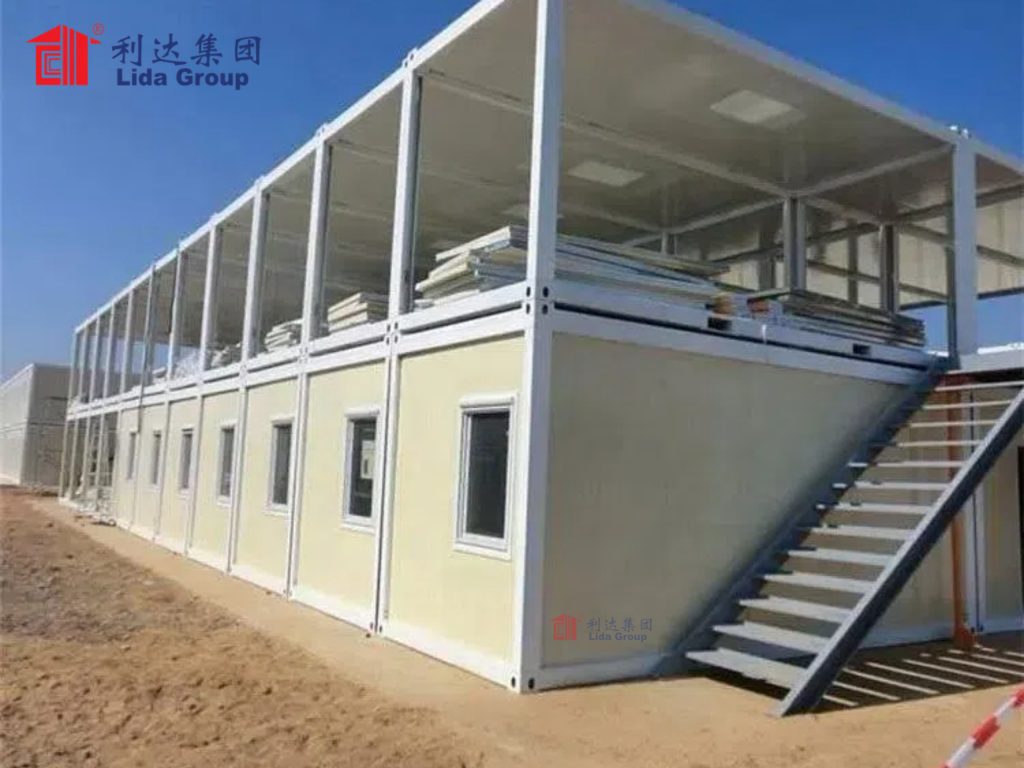
The core of Lida’s production expansion is the construction of two new manufacturing facilities in Shandong and Guangdong, China, which will double the company’s monthly production capacity of movable modular container houses from 800 units to 1,600 units by the end of 2026. The new facilities cover a total area of 200,000 square meters and are equipped with 8 new automated production lines, bringing the total number of container production lines to 14.
The new production lines feature advanced robotic welding systems, precision cutting equipment, and automated coating machines, which significantly improve production efficiency and product quality. For example, the robotic welding systems achieve tolerances within 0.15 millimeters, ensuring perfect structural integrity for movable container houses that need to withstand transportation and relocation. The automated coating machines apply a uniform corrosion-resistant coating of over 350 microns, making the products suitable for harsh environmental conditions in export markets such as coastal areas and deserts.
In addition to the new facilities, Lida is also upgrading its existing production lines to improve efficiency and reduce energy consumption. The company has invested $40 million in upgrading equipment, including adding automated assembly lines and intelligent quality control systems, which will reduce production time per unit by 20% and improve product qualification rates to 99.8%.
4.2 Technology Upgrading: Focus on Innovation and Customization
To meet the diverse needs of export markets, Lida Group is investing heavily in R&D and technology upgrading. The company has increased its R&D budget by 50% to $30 million per year, focusing on improving the portability, durability, and energy efficiency of its movable modular container houses.
One key innovation is the development of lightweight, foldable movable container houses, which are easier to transport and install—critical for export markets with limited transportation infrastructure. These foldable units can be stacked up to 10 units high during transportation, reducing logistics costs by 30%. Lida has also developed modular designs that allow for easy customization, enabling clients to adjust the size, layout, and interior finishes of the container houses to meet local needs. For example, clients in cold regions can request extra-thick insulation and heated floors, while those in tropical regions can opt for heat-reflective coatings and improved ventilation.
In addition, Lida is integrating smart technology into its movable modular container houses, including IoT-enabled monitoring systems, smart locks, and energy-saving appliances. These smart features are particularly popular in developed export markets, such as Europe and North America, where clients prioritize convenience and energy efficiency.
4.3 Supply Chain Optimization: Ensuring Efficient Export Logistics
To support its export expansion, Lida Group is optimizing its global supply chain to reduce transportation costs and shorten lead times. The company has established strategic partnerships with leading logistics providers, including Maersk and COSCO Shipping, to ensure efficient transportation of movable modular container houses to export markets. Lida has also built a network of local suppliers in key export regions, such as Africa and Southeast Asia, to reduce the cost of raw materials and improve supply chain flexibility.
In addition, Lida is implementing a digital supply chain management system, which allows real-time tracking of production, transportation, and delivery. This system enables the company to respond quickly to changes in client demand, optimize inventory levels, and ensure timely delivery of export orders. The digital system also improves communication between Lida’s manufacturing facilities, regional offices, and clients, enhancing customer satisfaction.
4.4 Talent Development: Building a Global Team
To support its production expansion and export growth, Lida Group is investing in talent development, hiring additional engineers, production workers, and export specialists. The company has recruited 300 new employees for its new manufacturing facilities, including 50 senior engineers and 20 export managers with experience in global markets. Lida also provides regular training for its employees, focusing on production technology, quality control, and international trade regulations, to ensure that they can meet the needs of export clients.
In addition, Lida is expanding its global team by hiring local employees in its regional offices, who have a deep understanding of local markets, regulations, and client needs. This local expertise helps Lida tailor its products and services to different export markets, improving client satisfaction and market penetration.
5. Lida’s Movable Modular Container Houses: Core Advantages for Export Markets
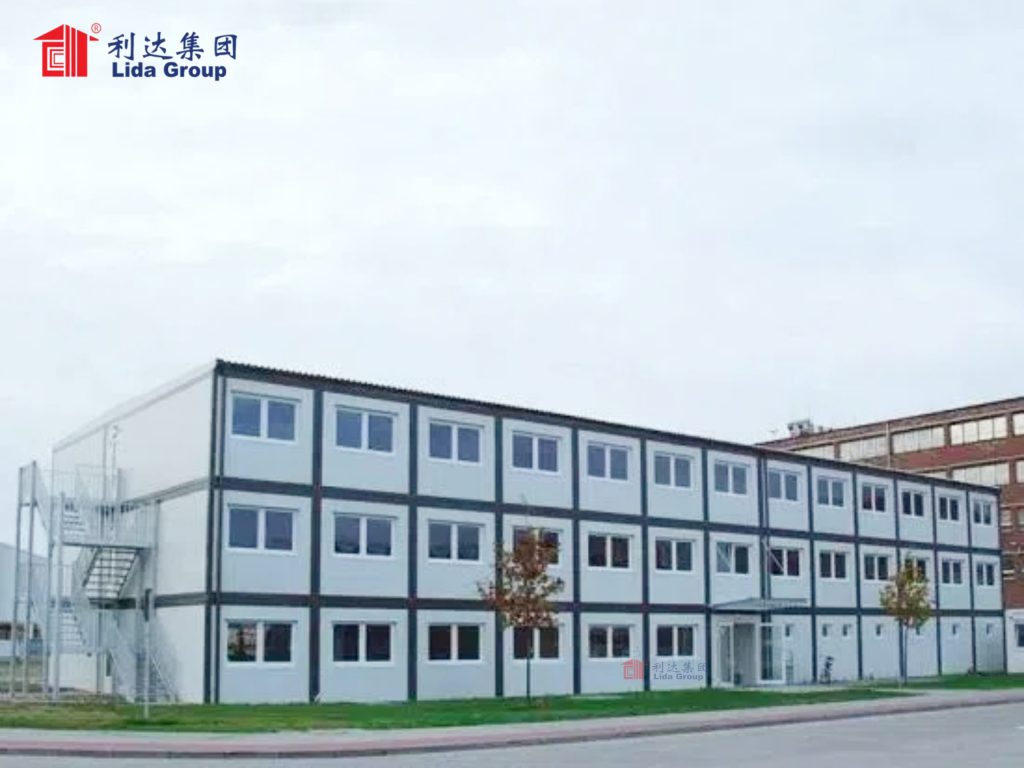
Lida Group’s movable modular container houses stand out in the global export market due to their unique combination of portability, durability, customization, and sustainability. These core advantages make them an ideal choice for export clients across diverse industries and regions.
5.1 Superior Portability and Rapid Deployment
The most distinctive advantage of Lida’s movable modular container houses is their portability. Unlike traditional buildings, which are fixed in place, Lida’s container houses are designed to be easily transported by truck, ship, or helicopter, and can be installed in as little as 1-2 days for small units or 2-3 weeks for large-scale complexes. This rapid deployment is critical for export clients, such as construction companies and humanitarian organizations, which need quick access to temporary facilities.
Lida’s movable container houses are available in two configurations: flat-pack and pre-assembled. Flat-pack units are disassembled into lightweight components that can be stacked and transported in standard shipping containers, reducing logistics costs and making them suitable for areas with limited access. Pre-assembled units are fully built in the factory and can be transported as complete units, ideal for projects that require immediate deployment, such as emergency shelters.
5.2 Uncompromising Durability and Adaptability
Lida’s movable modular container houses are built to withstand the harshest environmental conditions, making them suitable for export markets across diverse climates. The units are constructed with high-grade galvanized steel frames (2.5mm thickness) that provide exceptional strength and corrosion resistance. For coastal export markets, Lida uses corrosion-resistant corten steel or high-tensile steel with multi-layer salt-spray resistant coatings. The exterior walls are made of high-density sandwich panels with rock wool or polyurethane insulation, which not only provide thermal insulation but also enhance structural strength.
The units are designed to withstand extreme weather conditions, including earthquakes of up to 8 magnitude, strong winds of up to 120km/h, and temperatures ranging from -40°C to 50°C. This adaptability makes Lida’s container houses suitable for export markets in Arctic regions, deserts, coastal areas, and tropical regions.
5.3 Flexible Customization for Diverse Export Needs
Lida Group understands that export clients have diverse needs, depending on their region, industry, and project requirements. To meet these needs, the company offers extensive customization options, including size, layout, insulation, materials, and interior finishes. Clients can choose from standard ISO sizes (20ft, 40ft, and 45ft) or request custom sizes. The interior can be customized to include bedrooms, bathrooms, kitchenettes, offices, or communal spaces, depending on the application.
For example, Lida has customized movable container houses for mining companies in Australia, featuring heat-reflective coatings and solar panels to adapt to the desert environment. For humanitarian organizations in Haiti, the company provided container houses with mosquito nets, mold-resistant materials, and improved ventilation to combat the tropical climate. This level of customization ensures that Lida’s products meet the specific needs of each export market, enhancing client satisfaction and market competitiveness.
5.4 Sustainability and Cost-Effectiveness
Sustainability is a key focus of Lida’s movable modular container houses, making them attractive to export clients who prioritize environmental responsibility. The units are built using recycled materials, such as recycled steel, and are designed to be energy-efficient, with high-quality insulation and energy-saving appliances. Lida also offers optional renewable energy systems, such as solar panels and wind turbines, which allow the units to operate off-grid, reducing reliance on fossil fuels and lowering carbon emissions.
In addition, Lida’s movable container houses are cost-effective compared to traditional construction. The factory prefabrication process reduces construction time by 70-80% and on-site labor costs by 30-40%, making them an affordable option for export clients. The units are also reusable, with a service life of up to 50 years, allowing clients to relocate them to multiple project sites, further reducing long-term costs.
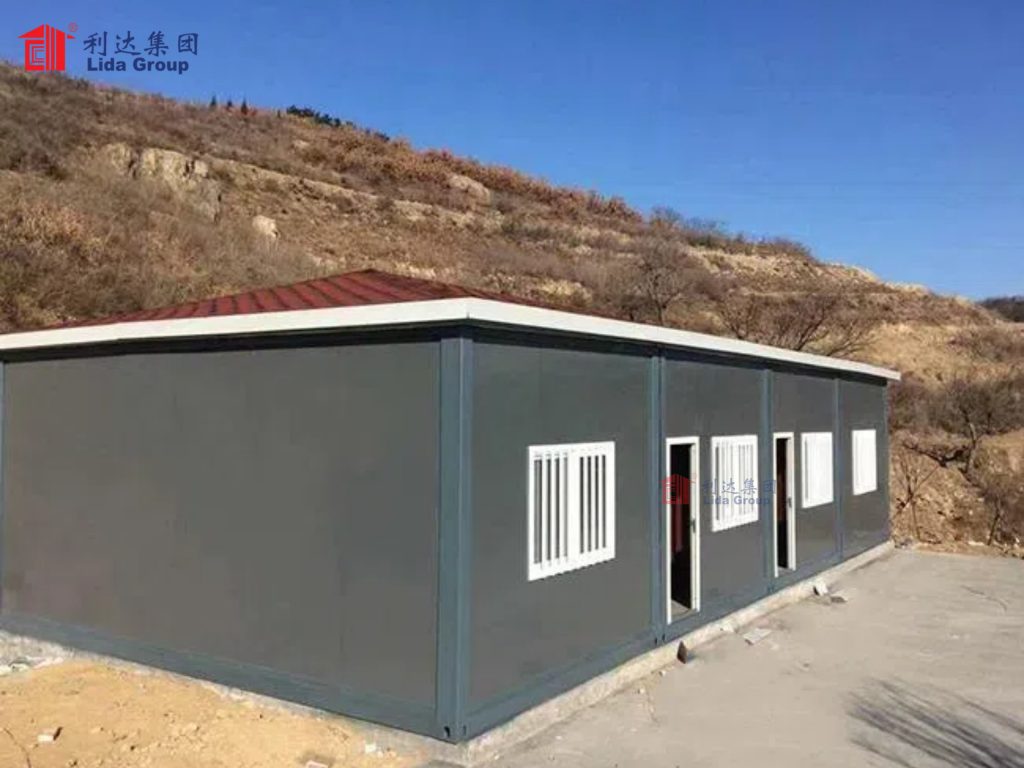
6. Lida’s Export Market Layout: Focus on Key Regions and Diversification
With its production expansion, Lida Group is strategically expanding its export market layout, focusing on key regions with high demand while diversifying into new markets to reduce risk. The company’s export strategy is tailored to the unique needs of each region, ensuring that its products and services are well-suited to local conditions.
6.1 Key Export Markets: Africa and Southeast Asia
Africa and Southeast Asia are Lida’s largest export markets, accounting for 60% of its total export sales. These regions have strong demand for movable modular container houses due to rapid infrastructure development, growing urbanization, and frequent natural disasters. In Africa, Lida’s main clients are mining companies, construction firms, and governments, which use the container houses for worker accommodation, mining camps, and emergency shelters. The company has established a regional office in Nairobi, Kenya, and partners with local logistics and installation teams to provide timely service.
In Southeast Asia, Lida’s container houses are widely used in construction projects, disaster relief, and temporary housing. The company has a regional office in Bangkok, Thailand, and has supplied movable container houses for major infrastructure projects, such as the Jakarta-Bandung high-speed railway. Lida’s focus on customization has helped it gain a strong foothold in these markets, as it can adapt its products to the tropical climate and local building standards.
6.2 Developed Markets: Europe and North America
Europe and North America are important high-value export markets for Lida Group, accounting for 33% of its total export sales. These markets prioritize sustainability, quality, and smart technology, and Lida has tailored its products to meet these requirements. In Europe, Lida’s movable container houses comply with the EU’s strict environmental and building standards, featuring energy-efficient designs and recycled materials. The company has a regional office in Berlin, Germany, and has supplied container houses for residential communities, pop-up shops, and temporary offices.
In North America, Lida’s products are used in construction projects, oil and gas camps, and emergency response. The company has obtained US ANSI certification, ensuring compliance with local building codes. Lida is also expanding its presence in the US market by partnering with local construction companies to provide turnkey solutions, including installation and after-sales service.
6.3 Emerging Markets: Latin America and Oceania
Lida Group is also expanding into emerging export markets in Latin America and Oceania, which offer significant growth potential. In Latin America, the company is targeting countries such as Brazil, Mexico, and Argentina, where infrastructure development and affordable housing needs are driving demand for movable modular container houses. Lida has established a regional office in Mexico City, Mexico, and is working with local partners to gain market share.
In Oceania, Lida’s container houses are used in mining camps, remote communities, and disaster relief. The company has obtained Australian AS/NZS certification and has supplied container houses for mining projects in Western Australia. Lida is also exploring opportunities in New Zealand, where the demand for sustainable and flexible housing is growing.
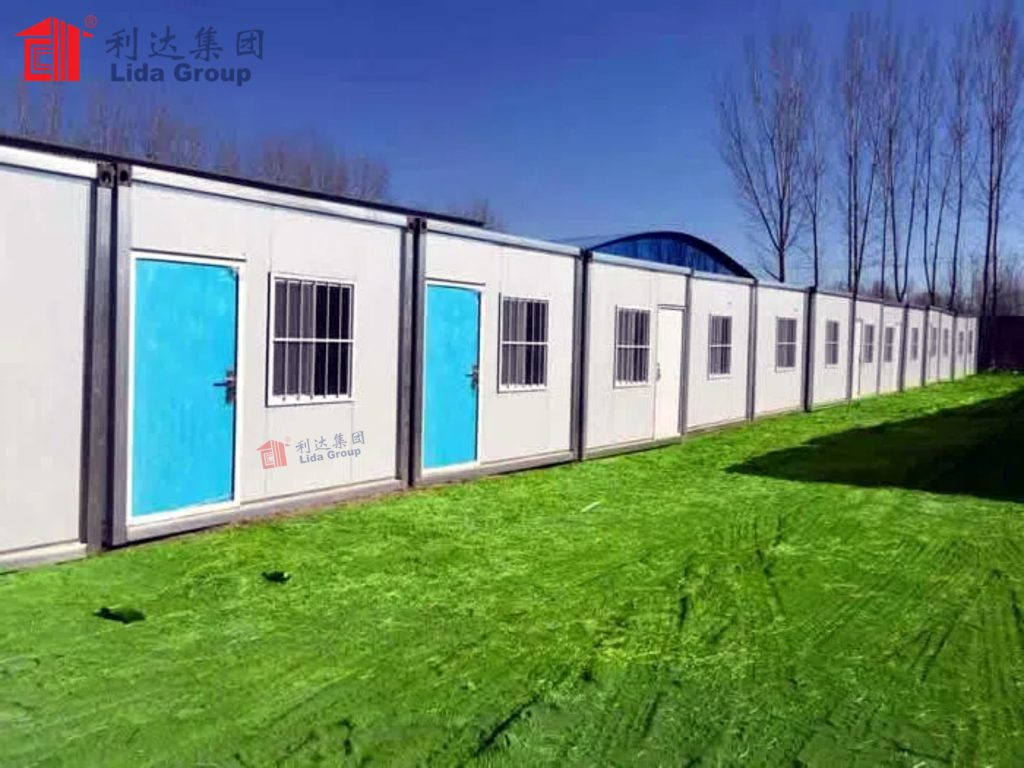
7. Case Studies: Lida’s Movable Modular Container Houses in Export Markets
To demonstrate the success of Lida Group’s movable modular container houses in export markets, the following case studies highlight how the company’s products have met the diverse needs of clients across different regions and industries, supported by its production capacity and customization capabilities.
7.1 Case Study 1: Mining Camp in Western Australia
An international mining company operating in Western Australia needed 150 movable modular container houses to accommodate 500 workers at a remote mining site. The site is located in a desert environment, with daytime temperatures exceeding 45°C and nighttime temperatures dropping to 10°C. The company required a solution that was durable, energy-efficient, and quick to deploy, as the mine was scheduled to start production within 8 weeks.
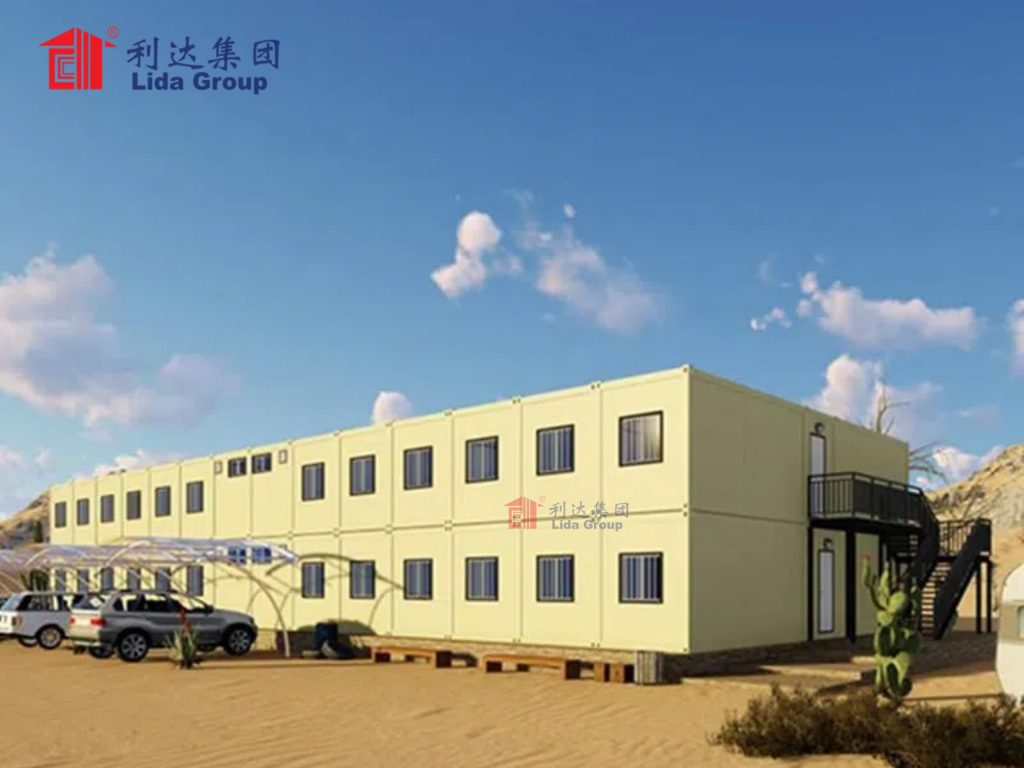
Lida Group delivered 150 movable container houses, customized for the desert environment. The units featured heat-reflective exterior coatings, high-density insulation (150mm rock wool), and solar panels to provide off-grid electricity. The interior was designed with private bedrooms, en-suite bathrooms, and communal dining areas, ensuring worker comfort. Thanks to Lida’s expanded production capacity, the units were prefabricated in 12 days and shipped to the site, where they were installed in 3 weeks—well ahead of the mine’s start date.
The container houses performed exceptionally well, withstanding the harsh desert conditions without any maintenance issues. The solar-powered systems reduced the company’s fuel costs by 45%, and the workers reported a significant improvement in comfort compared to their previous accommodation. The movable design allowed the company to relocate 50 units to another mining site after the project was completed, demonstrating the long-term value of Lida’s products.
7.2 Case Study 2: Emergency Shelters in Kenya
After severe flooding in Kenya, a humanitarian organization needed 200 movable modular container houses to provide emergency shelter for 800 displaced families. The organization required a solution that was quick to deploy, durable, and suitable for the tropical climate. Time was critical, as thousands of families were left homeless and vulnerable to the elements.
Lida Group responded quickly, leveraging its expanded production capacity to deliver 200 container houses in just 10 days. The units were prefabricated in China and shipped to Kenya via cargo ship, where they were installed in 4 days. The units were equipped with mosquito nets, mold-resistant materials, and improved ventilation to combat the tropical climate and reduce the risk of disease. The modular design allowed the organization to create a temporary community, with communal kitchens and sanitation facilities.
The container houses provided safe, comfortable shelter for the displaced families, withstanding heavy rainfall and strong winds without damage. The quick deployment ensured that families had a roof over their heads within weeks of the flooding, helping to reduce suffering and improve living conditions. After the emergency phase, the units were repurposed as schools and community centers, demonstrating their versatility and sustainability.
7.3 Case Study 3: Residential Community in Germany
A real estate developer in Germany wanted to build an affordable residential community for low-income families, requiring 100 movable modular container houses. The developer needed a solution that was sustainable, visually appealing, and compliant with EU building standards. Traditional construction was deemed too expensive and time-consuming, so the developer turned to Lida Group.
Lida Group delivered 100 movable container houses, customized as residential units. The units were designed with modern exteriors, including wood cladding and large windows, to blend with the surrounding neighborhood. The interiors featured 2-3 bedrooms, bathrooms, and open-plan living spaces, with high-quality finishes and energy-efficient appliances. The units were prefabricated in 14 days and installed in 2 weeks, with the entire community completed in just 3 months—compared to 12 months for traditional construction.
The residential community was a huge success, with all units sold within 8 months. The families who moved in praised the comfort, sustainability, and modern design of the container houses. The developer reported a 35% cost savings compared to traditional construction, and the project received recognition from the EU for its innovative, sustainable approach. Lida’s movable container houses proved that affordable housing does not have to sacrifice quality or design, even in developed export markets.
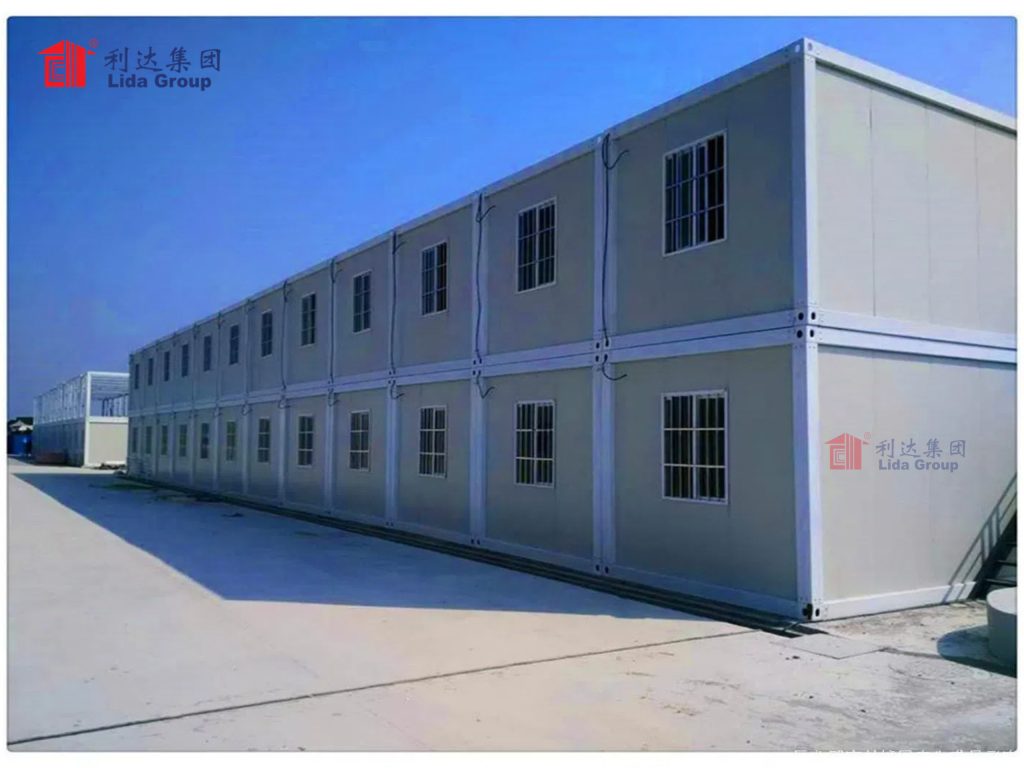
8. Challenges in Export Expansion and Lida’s Solutions
While Lida Group’s production expansion for export markets presents significant opportunities, it also faces several challenges, including trade barriers, logistics costs, regulatory compliance, and market competition. The company has proactively developed solutions to address these challenges, ensuring the success of its export expansion initiative.
8.1 Trade Barriers and Tariffs
One of the main challenges Lida faces in export markets is trade barriers and tariffs, particularly in developed markets such as the EU and the US. For example, the US has imposed tariffs on certain Chinese prefabricated products, increasing the cost of Lida’s exports. To address this, Lida has established local assembly facilities in Mexico and Poland, allowing it to avoid tariffs by producing and assembling products locally. The company is also working with local partners to navigate trade regulations and reduce the impact of tariffs.
8.2 High Logistics Costs
Transporting movable modular container houses to remote export markets can be costly, especially for large-scale orders. To reduce logistics costs, Lida has optimized its supply chain by partnering with leading logistics providers and using flat-pack configurations for transportation. The company also builds local warehouses in key export regions, allowing it to store products and reduce delivery times and costs. Additionally, Lida’s foldable movable container houses reduce transportation volume by 50%, further lowering logistics costs.
8.3 Regulatory Compliance
Different export markets have different building codes and regulations, which can be complex and time-consuming to navigate. To ensure compliance, Lida has a dedicated team of legal and technical experts who monitor regulatory changes in each export market and ensure that its products meet local standards. The company has obtained international certifications, including EU CE, US ANSI, and Australian AS/NZS, and works closely with local authorities to obtain the necessary permits and approvals. This proactive approach reduces the risk of non-compliance and ensures a smooth export process.
8.4 Market Competition
The global movable modular container house export market is highly competitive, with numerous manufacturers vying for market share. To maintain its competitive edge, Lida focuses on product quality, customization, and customer service. The company’s production expansion allows it to offer more competitive prices through economies of scale, while its R&D investments ensure that its products are innovative and meet the evolving needs of export clients. Lida also emphasizes after-sales service, providing installation, maintenance, and repair services to export clients, which helps build long-term relationships and drive repeat business.
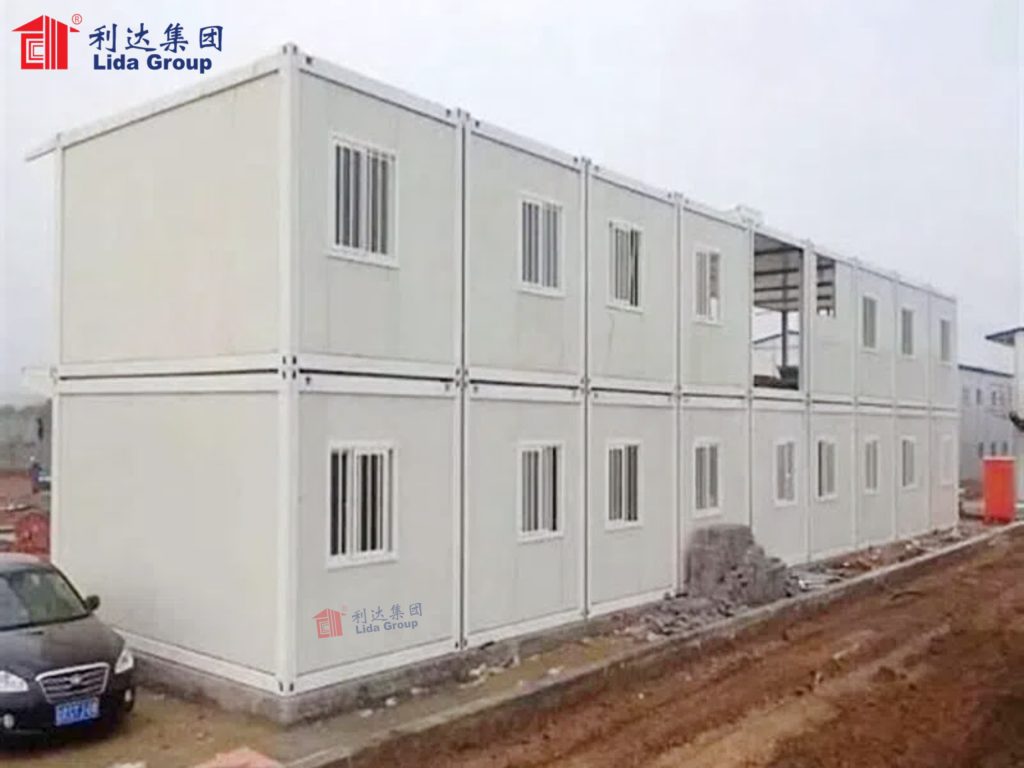
9. Impact of Production Expansion: For Lida and the Global Market
Lida Group’s production expansion of movable modular container houses for export markets has far-reaching impacts, not only for the company itself but also for the global construction industry, export markets, and sustainable development goals.
9.1 Impact on Lida Group
The production expansion is expected to significantly boost Lida’s export sales and market share. By doubling its production capacity, the company aims to increase its export revenue to $1.2 billion by 2028, making it the world’s largest supplier of movable modular container houses. The expansion will also create new job opportunities, with over 1,000 new jobs created in the manufacturing and export sectors. Additionally, the expansion will enhance Lida’s brand influence worldwide, solidifying its position as a leader in the global prefabricated construction industry.
9.2 Impact on the Global Construction Industry
Lida’s production expansion will help meet the growing global demand for movable modular container houses, driving the adoption of prefabricated construction practices worldwide. The company’s innovative products and technologies will set new standards for quality, efficiency, and sustainability in the industry, encouraging other manufacturers to invest in modular construction. This will lead to a more efficient, sustainable, and flexible construction industry, reducing carbon emissions and construction waste.
9.3 Impact on Export Markets
Lida’s production expansion will have a positive impact on export markets, particularly in emerging economies. The company’s movable modular container houses provide affordable, quick-to-deploy solutions for infrastructure development, affordable housing, and emergency response, helping to address critical needs in these regions. For example, in Africa, Lida’s products support mining and infrastructure projects, creating jobs and driving economic growth. In disaster-prone regions, Lida’s emergency shelters help reduce suffering and support community recovery.
9.4 Impact on Sustainable Development
Lida’s movable modular container houses align with the UN Sustainable Development Goals, particularly goals related to affordable housing, sustainable cities, and climate action. The company’s focus on sustainability—using recycled materials, energy-efficient designs, and renewable energy systems—helps reduce carbon emissions and construction waste. The reusability of the container houses also reduces the need for new construction, further minimizing environmental impact. By expanding production and export of these sustainable solutions, Lida is contributing to global efforts to combat climate change and promote sustainable development.
10. Conclusion
Lida Group’s decision to expand production of movable modular container houses for export markets is a strategic move that aligns with global market trends and the company’s long-term growth goals. Driven by surging global demand, favorable industry policies, and the need to maintain its competitive edge, Lida has implemented a comprehensive expansion plan, including capacity expansion, technology upgrading, supply chain optimization, and talent development. This expansion will double the company’s production capacity, enhance its product quality and customization capabilities, and enable it to better serve export markets across five continents.
Lida’s movable modular container houses stand out in the global export market due to their portability, durability, customization, and sustainability—core advantages that meet the diverse needs of export clients. The company’s strategic market layout, focusing on key regions such as Africa, Southeast Asia, Europe, and North America, while expanding into emerging markets, ensures that it can seize opportunities and reduce risk. Real-world case studies demonstrate the success of Lida’s products in export markets, from mining camps in Western Australia to emergency shelters in Kenya and residential communities in Germany.
While Lida faces challenges such as trade barriers, logistics costs, and market competition, the company has proactively developed solutions to address these issues, ensuring the success of its export expansion. The impact of this expansion is far-reaching: it will boost Lida’s revenue and market share, drive the global adoption of prefabricated construction, support economic development in export markets, and contribute to global sustainable development goals.
As the global market for movable modular container houses continues to grow, Lida Group is well-positioned to maintain its leadership position. By staying true to its commitment to quality, innovation, and customer-centricity, Lida will continue to expand its export presence, deliver high-quality movable modular container houses to clients worldwide, and shape the future of the global construction industry. The production expansion is not just a milestone for Lida Group—it is a step forward in the global transition to more efficient, sustainable, and flexible building solutions.
Related news
-
Hot Selling Container House Combines Durability and Speed with Lida Group Design
2026-05-15 17:20:39
-
Discover the Benefits of Prefabricated Container Worker Accommodation by Lida Group
2026-05-15 16:36:02
-
Lida Group Delivers Movable Modular Container House for Remote Construction Sites
2026-05-13 17:50:41
contact us
- Tel: +86-532-88966982
- Whatsapp: +86-13793209022
- E-mail: sales@lidajituan.com
