



Lida Group Delivers Movable Modular Container House for Remote Construction Sites
2026-May-13 17:50:41
By Admin
Remote construction sites—whether located in isolated mountainous regions, barren deserts, dense rainforests, or remote Arctic areas—present unique and daunting challenges for housing and on-site facilities. These sites are often characterized by poor transportation conditions, lack of basic infrastructure (such as electricity, water supply, and sewage systems), harsh environmental conditions, and temporary or mobile project needs. Construction companies and project managers operating in these areas face a critical dilemma: how to provide safe, comfortable, and functional housing and workspaces for workers while ensuring cost-effectiveness, quick deployment, and adaptability to changing project requirements. Traditional construction methods, which rely on on-site casting, heavy building materials, and long construction cycles, are simply unfeasible in such environments—they are too slow, too expensive, and unable to keep up with the dynamic needs of remote construction projects. Against this backdrop, movable modular container houses have emerged as a revolutionary solution, and Lida Group, a global leader in modular prefabricated construction, has taken the lead in delivering high-quality, customizable movable modular container houses specifically designed to address the unique needs of remote construction sites. With over three decades of expertise in modular construction, advanced production capabilities, and a deep understanding of the challenges of remote project operations, Lida Group’s movable modular container houses have become the preferred choice for construction companies worldwide, transforming the way remote construction sites operate and improving the working and living conditions of construction workers in the most isolated areas.
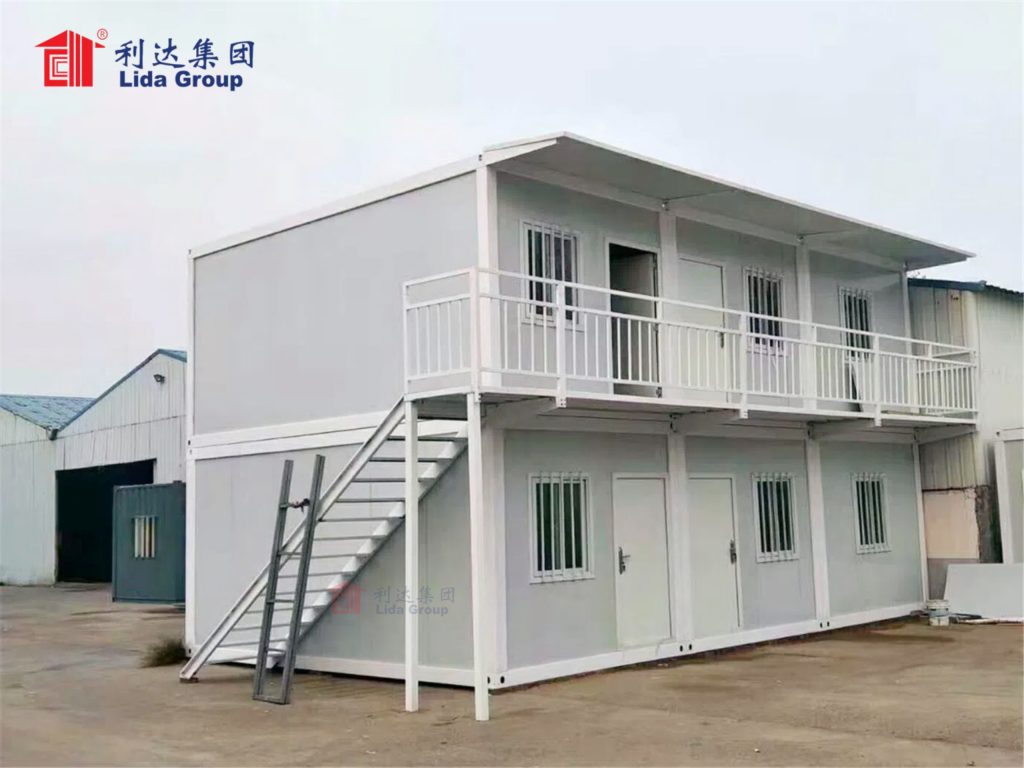
1. The Unique Challenges of Remote Construction Sites: Why Movable Modular Container Houses Are Indispensable
Remote construction sites are defined by their isolation and lack of basic infrastructure, creating a set of challenges that are distinct from urban or semi-urban construction projects. These challenges not only affect the efficiency of construction operations but also pose significant risks to the safety and well-being of workers. To understand the value of Lida Group’s movable modular container houses, it is first essential to examine the core pain points faced by remote construction projects:
1.1 Poor Transportation and Logistics Constraints
Remote construction sites are often located in areas with underdeveloped or non-existent transportation networks—dirt roads, mountain passes, or regions only accessible by air or water. This makes transporting traditional building materials (such as bricks, concrete, and steel beams) extremely difficult and costly. Heavy materials require specialized vehicles, and in many cases, roads are impassable during rainy or snowy seasons, leading to delays in construction schedules. Additionally, the cost of transporting these materials to remote areas can account for 30-40% of the total construction cost, significantly increasing project budgets. Movable modular container houses, by contrast, are designed for easy transportation—they can be shipped flat-packed or as complete units via trucks, ships, or even helicopters, reducing logistics costs and ensuring timely delivery even in the most inaccessible areas.
1.2 Lack of Basic Infrastructure
Unlike urban construction sites, remote locations typically lack access to essential infrastructure such as electricity, clean water, and sewage systems. This means that on-site facilities must be self-sufficient, capable of generating power, collecting and treating water, and managing waste without relying on external resources. Traditional construction methods cannot provide this level of self-sufficiency, as they require connection to existing utility grids. Movable modular container houses, however, can be equipped with solar panels, wind turbines, water purification systems, and composting toilets, making them fully self-sufficient and suitable for areas with no access to basic infrastructure.
1.3 Harsh Environmental Conditions
Remote construction sites often face extreme weather conditions, from freezing Arctic temperatures (-40°C or lower) to scorching desert heat (50°C or higher), from heavy tropical rainfall to strong winds and sandstorms. These conditions demand that on-site housing and facilities be durable, weather-resistant, and capable of maintaining a comfortable indoor environment for workers. Traditional temporary housing (such as tents or prefabricated shacks) is often unable to withstand these harsh conditions, leading to safety risks, discomfort, and frequent maintenance issues. Lida Group’s movable modular container houses are designed to withstand the most extreme environmental conditions, with robust structural designs and high-quality insulation materials that ensure durability and comfort year-round.
1.4 Temporary and Mobile Project Needs
Many remote construction projects—such as road construction, mining operations, and oil and gas exploration—are temporary, lasting anywhere from a few months to a few years. Once the project is completed, the on-site facilities need to be dismantled and relocated to the next project site. Traditional construction methods produce permanent structures that are difficult to move or reuse, resulting in waste and additional costs. Movable modular container houses, as their name suggests, are designed to be easily moved, disassembled, and reused multiple times, making them ideal for temporary projects. This mobility not only reduces waste but also lowers long-term costs for construction companies, as the same units can be used across multiple projects.
1.5 Worker Safety and Well-Being
The isolation of remote construction sites means that workers often live and work in the same area for extended periods, with limited access to medical care, entertainment, and other basic amenities. Ensuring their safety and well-being is not only a moral obligation but also a practical necessity—happy, healthy workers are more productive and less likely to leave the project early, reducing turnover and recruitment costs. Traditional temporary housing often lacks basic safety features (such as fire resistance and earthquake resistance) and comfort amenities (such as private bedrooms, bathrooms, and heating/cooling systems), leading to low worker morale and increased safety risks. Lida Group’s movable modular container houses prioritize worker safety and comfort, with features designed to create a safe, livable environment even in the most remote areas.
In summary, the unique challenges of remote construction sites demand a housing solution that is transportable, self-sufficient, durable, mobile, and focused on worker well-being. Lida Group’s movable modular container houses are specifically engineered to meet all these requirements, making them an indispensable tool for modern remote construction projects.

2. Lida Group: A Trusted Partner for Remote Construction Site Solutions
With over 30 years of experience in modular prefabricated construction, Lida Group has established itself as a global leader in providing innovative, high-quality solutions for a wide range of construction needs—including remote construction sites. The company’s success in this field is rooted in its unwavering commitment to quality, innovation, and customer-centricity, as well as its ability to adapt to the unique challenges of remote project operations. Below is an overview of Lida Group’s core strengths that make it the preferred partner for movable modular container houses in remote construction sites:
2.1 Advanced Production Capabilities Tailored for Movable Modular Design
Lida Group has invested heavily in advanced production lines specifically designed for the manufacturing of movable modular container houses. The company’s state-of-the-art factories are equipped with automated production equipment, precision cutting tools, and quality control systems that ensure consistent, high-quality products. Unlike generic container house manufacturers, Lida Group focuses on the unique requirements of movable designs—lightweight yet durable materials, easy-to-assemble components, and modular structures that can be quickly disassembled and relocated. The company’s production lines can meet the design specifications of China, Australia, America, Europe, Britain, and other countries, ensuring that its movable modular container houses comply with global safety and quality standards. With a monthly supply capacity of 800 units, Lida Group is well-equipped to meet the surging demand for movable modular container houses from remote construction projects worldwide.
2.2 Extensive Experience in Remote and Extreme Environment Projects
Lida Group’s track record of successful projects in remote and extreme environments speaks to its expertise in delivering movable modular container houses that can withstand the harshest conditions. The company has completed projects in the Arctic Circle, the Sahara Desert, the Amazon Rainforest, and remote mountainous regions of Africa and Asia, demonstrating its ability to adapt its products to diverse environmental and regulatory requirements. For example, Lida Group has provided movable modular container houses for mining projects in northern Canada (where temperatures drop to -40°C), oil and gas exploration projects in the Middle East (where temperatures exceed 50°C), and road construction projects in the Himalayas (where strong winds and heavy snowfall are common). These projects have tested the durability and adaptability of Lida’s products, proving that they can perform reliably in even the most challenging environments.
2.3 Comprehensive R&D Focused on Remote Site Needs
Lida Group maintains a dedicated R&D team that focuses on developing innovative solutions to address the unique needs of remote construction sites. The team consists of engineers, architects, and environmental specialists who work together to improve the design, functionality, and sustainability of Lida’s movable modular container houses. Recent R&D efforts have focused on enhancing mobility (e.g., developing lightweight, foldable designs for easier transportation), improving self-sufficiency (e.g., integrating advanced solar and wind energy systems), and enhancing worker comfort (e.g., developing better insulation materials and modular interior designs). Lida Group also invests in testing its products in extreme environments, ensuring that they meet the highest standards of durability and performance before they are delivered to customers.
2.4 End-to-End Service and Support
For remote construction projects, reliable service and support are critical—any delay or issue with on-site facilities can disrupt the entire project schedule. Lida Group provides end-to-end service, from design and customization to delivery, installation, and after-sales support. The company’s team of experienced engineers and technicians works closely with customers to understand their specific project needs, design customized movable modular container houses that meet those needs, and ensure timely delivery and installation. Additionally, Lida Group offers ongoing maintenance and repair services, even in remote areas, ensuring that its products remain in optimal condition throughout the project lifecycle. This comprehensive service approach gives construction companies peace of mind, knowing that they have a trusted partner to rely on for all their on-site facility needs.
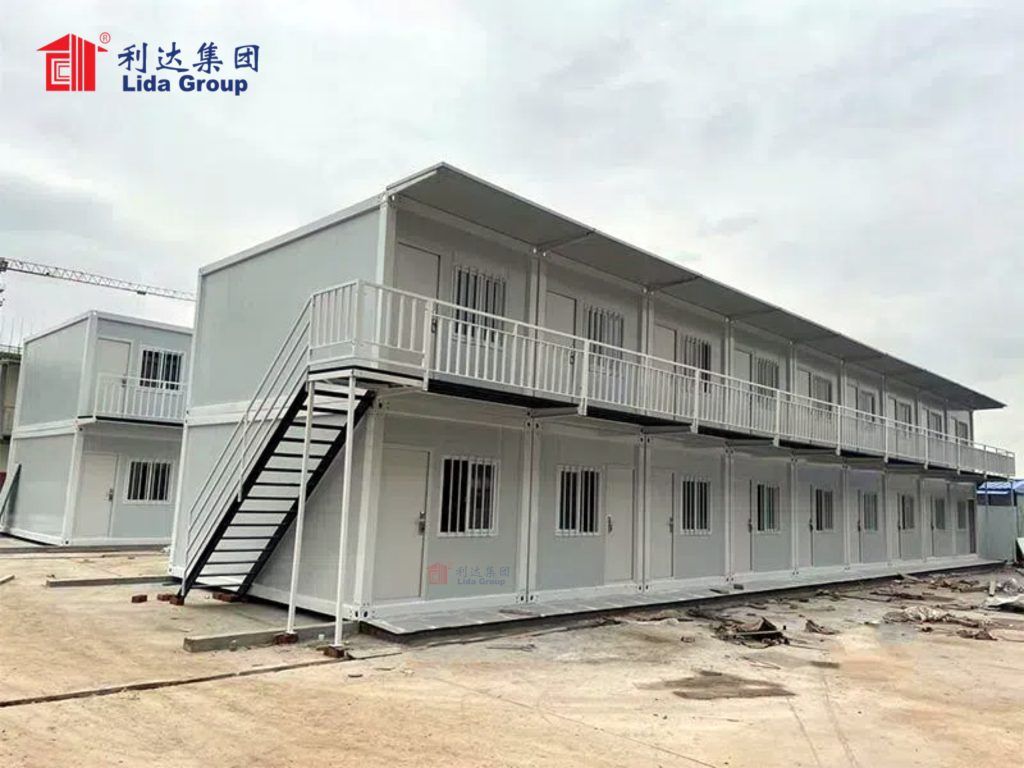
3. Core Advantages of Lida Group’s Movable Modular Container Houses for Remote Construction Sites
Lida Group’s movable modular container houses stand out from competitors due to their unique combination of mobility, durability, functionality, and comfort—all tailored to the specific needs of remote construction sites. Unlike generic movable container houses that sacrifice quality for mobility, Lida Group adheres to a balanced design philosophy that ensures its products are both easy to move and capable of providing a safe, comfortable environment for workers. The following are the key advantages that make Lida’s movable modular container houses the ideal choice for remote construction sites:
3.1 Superior Mobility and Easy Transportation
Mobility is the defining feature of Lida Group’s movable modular container houses, and the company has optimized every aspect of their design to ensure easy transportation and relocation. The houses are available in two main configurations: flat-pack and pre-assembled. Flat-pack units are disassembled into lightweight components that can be stacked and transported in standard shipping containers, reducing transport costs and making them suitable for areas with limited access. Pre-assembled units, on the other hand, are fully built in Lida’s factories and can be transported as complete units via trucks, ships, or helicopters—ideal for projects that require quick deployment. Both configurations are designed to be easily loaded and unloaded, with lifting points that are compatible with standard construction equipment (such as cranes and forklifts).
Another key mobility feature is the ability to disassemble and reassemble the units quickly. Lida’s movable modular container houses can be disassembled in as little as 1-2 days and reassembled in 2-3 days, making them ideal for temporary projects that require frequent relocation. The components are designed to be lightweight yet durable, ensuring that they can be reused multiple times without compromising quality. For example, a single movable modular container house can be relocated to 5-10 different project sites over its service life, significantly reducing long-term costs for construction companies.
3.2 Durability and Resistance to Extreme Environments
Remote construction sites often face extreme weather conditions, and Lida Group’s movable modular container houses are designed to withstand them all. The houses are built with high-quality galvanized steel frames (thickness 2.5mm) that provide exceptional strength and corrosion resistance, ensuring a service life of up to 50 years. The exterior walls are made of sandwich panels with high-density insulation, which not only provides thermal insulation but also protects against impact, moisture, and pests. For extreme cold environments (such as the Arctic), Lida offers extra-thick rock wool insulation (150mm) and heated floors to keep indoor temperatures at a comfortable 22-24°C. For extreme heat environments (such as the desert), the houses are equipped with heat-reflective exterior coatings and improved ventilation systems to keep indoor temperatures cool.
In addition to weather resistance, Lida’s movable modular container houses are also designed to withstand natural disasters such as earthquakes (grade 8 seismic resistance), strong winds (up to 120km/h), and heavy snowfall (up to 2 meters). This durability ensures that the houses remain safe and functional even in the most challenging conditions, protecting workers and on-site equipment.
3.3 Self-Sufficiency for Off-Grid Operations
One of the most critical advantages of Lida Group’s movable modular container houses for remote construction sites is their ability to operate off-grid, without relying on external infrastructure. The houses can be equipped with a range of self-sufficient systems, including solar panels (with battery storage), wind turbines, water purification systems (for treating groundwater or rainwater), and composting toilets (for waste management). These systems ensure that workers have access to electricity, clean water, and proper sanitation even in areas with no access to utility grids.
For example, a standard 40-foot movable modular container house can be equipped with a 10kW solar panel system, which provides enough electricity to power lighting, heating/cooling, kitchen appliances, and electronic devices. The water purification system can treat up to 500 liters of water per day, ensuring a steady supply of clean drinking water. The composting toilet system eliminates the need for sewage infrastructure, reducing environmental impact and maintenance costs. This self-sufficiency not only makes Lida’s houses suitable for remote areas but also reduces reliance on expensive diesel generators and imported water, lowering project costs.
3.4 Flexible Modular Design for Customization
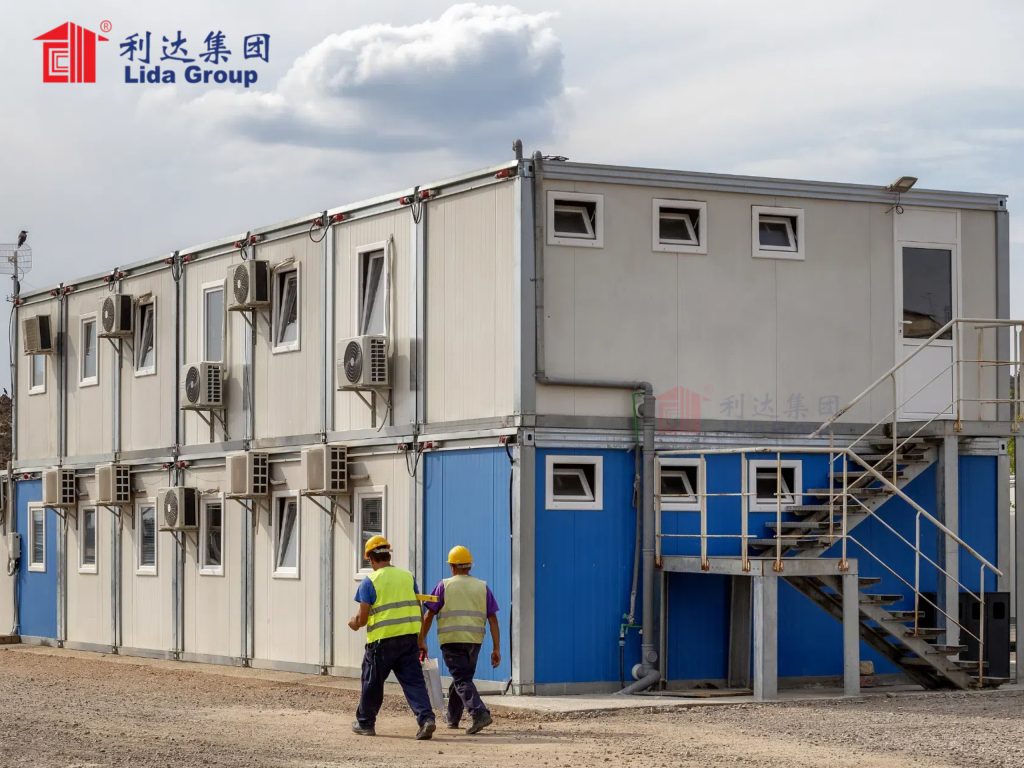
Remote construction projects have diverse needs—some require housing for workers, others need offices, meeting rooms, kitchens, or medical facilities. Lida Group’s movable modular container houses feature a flexible modular design that allows for easy customization and combination, making them suitable for a wide range of on-site needs. The houses are available in standard ISO sizes (20ft and 40ft) and can be stacked up to 3 stories high or combined side-by-side to create larger spaces. For example, two 40ft units can be combined to create a large office or a dormitory with multiple bedrooms, while a 20ft unit can be used as a small medical clinic or a storage room.
Lida Group also offers comprehensive customization services to meet the specific needs of each project. For example, for a mining project in Australia, Lida designed movable modular container houses with reinforced floors to withstand heavy equipment, while for a road construction project in Africa, the company added mosquito nets and mold-resistant materials to combat tropical diseases and humidity. The interior of the houses can also be customized with modern finishes, private bedrooms, bathrooms, and kitchen facilities, ensuring that workers have a comfortable living environment.
3.5 Cost-Effectiveness and Time Savings
Cost-effectiveness is a key consideration for remote construction projects, and Lida Group’s movable modular container houses offer significant cost savings compared to traditional construction methods. The standardized mass production of the houses reduces material waste (to less than 5%) and labor costs, while the easy transportation and quick installation reduce project timelines. For example, a traditional on-site construction project for 100 workers’ housing would take 6-8 months to complete, while Lida’s movable modular container houses can be delivered and installed in just 2-3 weeks—a time savings of 80% or more.
Additionally, the reusability of Lida’s movable modular container houses reduces long-term costs. Instead of building new facilities for each project, construction companies can reuse the same units across multiple projects, reducing waste and lowering capital expenditure. The self-sufficient systems of the houses also reduce operational costs, as they eliminate the need for expensive utility connections and diesel generators. Overall, Lida’s movable modular container houses can reduce total on-site facility costs by 20-30% compared to traditional construction methods.
3.6 Worker-Centric Design for Safety and Comfort
Lida Group recognizes that the safety and comfort of workers are critical to the success of remote construction projects. As such, its movable modular container houses are designed with a focus on worker well-being, incorporating features that enhance safety, comfort, and quality of life. The houses are equipped with fire-resistant materials (capable of withstanding 3-4 hours of fire), smoke detectors, and fire extinguishers to ensure fire safety. They also feature non-toxic, environmentally friendly materials that meet international standards, ensuring good indoor air quality.
In terms of comfort, the houses are equipped with high-quality insulation to maintain a stable indoor temperature, regardless of external conditions. They also feature large windows to maximize natural light and ventilation, reducing the need for artificial lighting and improving air circulation. For worker convenience, the houses can be equipped with private bedrooms, en-suite bathrooms, kitchenettes, and storage spaces. Additionally, Lida can integrate communal spaces such as dining halls, recreation rooms, and training facilities into the modular design, providing workers with a sense of community and improving morale. Drawing on the best practices of modern construction worker communities, Lida’s movable modular houses can also include features like safety training rooms, health check points, and even small recreation areas to support workers’ physical and mental well-being, reducing turnover and improving productivity.
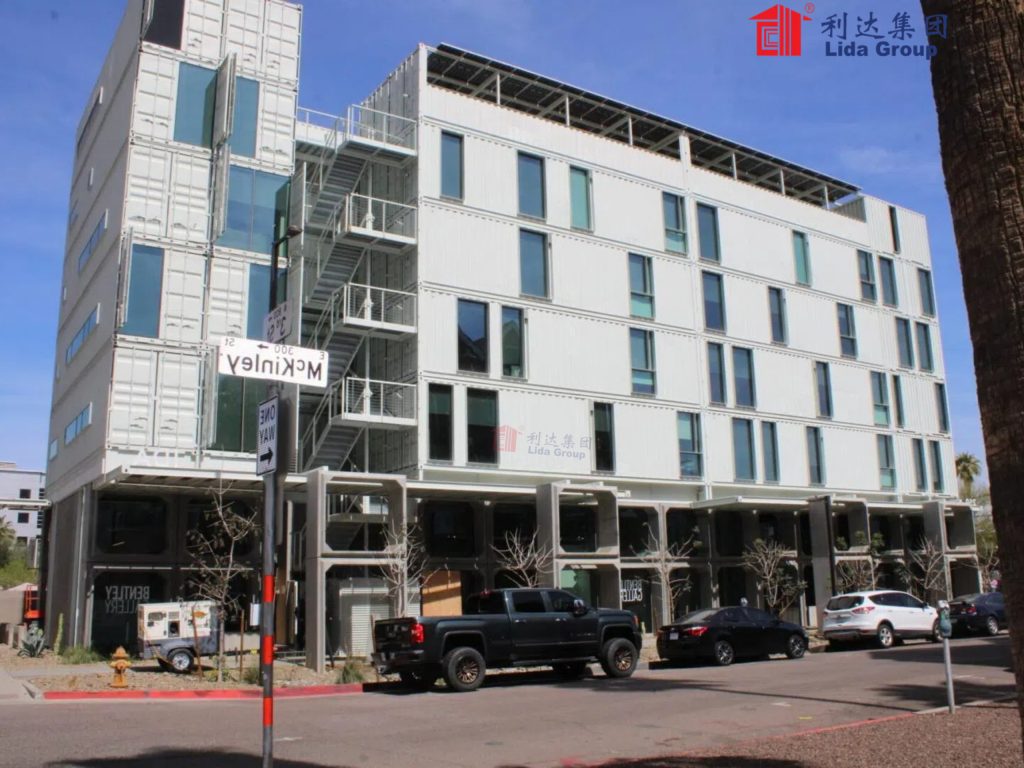
4. Global Case Studies: Lida Group’s Movable Modular Container Houses in Action
Lida Group’s movable modular container houses have been deployed in over 152 countries, supporting a wide range of remote construction projects—from mining and oil exploration to road and bridge construction. The following case studies highlight the real-world impact of Lida’s products, demonstrating how they have addressed the unique challenges of remote construction sites and improved the working and living conditions of workers.
4.1 Case Study 1: Arctic Mining Project in Northern Canada
A major mining company operating in the Northwest Territories of Canada needed movable housing and on-site facilities for 400 workers. The project site was located 200 kilometers from the nearest town, with no access to electricity, water, or sewage systems. Winter temperatures dropped to -40°C, and snowfall exceeded 2 meters annually, making traditional construction impossible. The company needed a solution that was transportable, durable, self-sufficient, and capable of providing a comfortable environment for workers during the long Arctic winter.
Lida Group delivered 120 movable modular container houses, customized for Arctic conditions. The houses were shipped flat-packed via truck to the project site, where they were assembled in just 3 weeks. Each house featured extra-thick rock wool insulation (150mm), heated floors, and ground-source heat pumps to keep indoor temperatures at 22-24°C. The houses were also equipped with solar panels (10kW per unit) and battery storage systems, providing a reliable source of electricity. For water supply, Lida installed a centralized water purification system that treated snowmelt and groundwater, ensuring a steady supply of clean drinking water. The modular design allowed the company to combine units to create communal spaces, including a dining hall, a recreation room, and a medical clinic.
The results were transformative: the workers had a safe, comfortable living environment, even in extreme cold. The self-sufficient systems eliminated the need for diesel generators, reducing operational costs by 40% and carbon emissions by 60%. The movable design allowed the company to relocate 30% of the units to a new mining site after the project was completed, reducing waste and lowering capital expenditure. The company reported a 25% reduction in worker turnover and a 15% increase in productivity, thanks to the improved living conditions.
4.2 Case Study 2: Remote Road Construction in the Amazon Rainforest, Brazil
A Brazilian construction company was tasked with building a 300-kilometer road through the Amazon Rainforest, requiring housing for 250 workers. The project site was accessible only by boat, with high humidity (80-90% year-round), heavy rainfall (up to 3 meters annually), and a high risk of malaria and other vector-borne diseases. The company needed a solution that was easy to transport via boat, resistant to moisture and pests, and capable of providing a safe, healthy environment for workers.
Lida Group delivered 80 movable modular container houses, designed for tropical rainforest conditions. The houses were shipped flat-packed via river barge to the project site, where they were assembled in 2 weeks. The exterior walls were coated with a mold-resistant, water-repellent material, and the roofs featured advanced drainage systems to prevent waterlogging. The houses were equipped with improved ventilation systems to reduce humidity and mosquito nets on all windows and doors to prevent malaria. For self-sufficiency, Lida installed solar panels and rainwater harvesting systems, providing electricity and clean water. The modular design allowed the company to create a small “worker village” with communal facilities, including a kitchen, a laundry room, and a training center for safety and skills development—mirroring the community-focused approach of modern construction worker settlements.
Within 3 months of deployment, malaria cases among workers fell from 20 per month to zero. The houses remained free of mold and water damage despite heavy rainfall, and workers reported a significant improvement in comfort and well-being. The easy transportation and assembly of the houses allowed the company to move the units along the road as construction progressed, ensuring that workers were always close to the work site. The project was completed 2 months ahead of schedule, thanks to the efficient deployment of Lida’s movable modular container houses.
4.3 Case Study 3: Oil and Gas Exploration in the Sahara Desert, Algeria
An international oil and gas company needed on-site facilities for 300 workers at a remote exploration site in the Sahara Desert. The site was located 500 kilometers from the nearest city, with no access to infrastructure. Daytime temperatures exceeded 50°C, and nighttime temperatures dropped to 10°C, creating extreme temperature fluctuations. The company needed a solution that was durable, heat-resistant, self-sufficient, and capable of withstanding strong sandstorms.
Lida Group delivered 100 movable modular container houses, customized for desert conditions. The houses featured heat-reflective exterior coatings to reduce heat absorption, and the interior walls were lined with high-density insulation to maintain a cool indoor temperature (24-26°C) during the day and a warm temperature at night. The houses were equipped with solar panels and wind turbines, providing a reliable source of electricity, and a desalination system to treat groundwater for drinking and cooking. The windows were made of shatterproof glass to protect against sandstorms, and the doors were reinforced to prevent dust from entering. Lida also designed communal spaces, including an office complex, a laboratory, and a medical facility, all built using modular units.
The houses performed exceptionally well in the harsh desert conditions, withstanding multiple sandstorms without damage. The self-sufficient systems reduced the company’s reliance on diesel generators, saving $200,000 per year in fuel costs. The workers reported a 30% improvement in comfort compared to their previous temporary housing, leading to a 20% reduction in absenteeism. The movable design allowed the company to relocate the units to a new exploration site after the project was completed, extending the life of the facilities and reducing waste.
4.4 Case Study 4: Mountain Road Construction in the Himalayas, Nepal
A Nepalese construction company was building a mountain road in the Himalayas, requiring housing for 150 workers. The project site was located at an altitude of 3,000 meters, with narrow, winding roads that made transportation of heavy materials difficult. The area faced strong winds (up to 100km/h), heavy snowfall in winter, and frequent landslides. The company needed a solution that was lightweight, easy to transport, durable, and capable of withstanding the mountainous conditions.
Lida Group delivered 50 movable modular container houses, designed for mountainous environments. The houses were shipped flat-packed via small trucks to the project site, where they were assembled in 1 week using lightweight equipment. The steel frames were reinforced to withstand strong winds and landslides, and the roofs were equipped with snow guards to prevent snow accumulation. The houses featured extra insulation to keep indoor temperatures warm during the winter, and they were equipped with solar panels and small wind turbines for electricity. The modular design allowed the company to place the houses on steep slopes, maximizing space and ensuring that they were safe from landslides. Additionally, Lida integrated a small health clinic and safety training room into the modular complex, providing workers with access to basic medical care and safety education—critical for remote mountainous sites where emergency services are limited.
The houses withstood heavy snowfall and strong winds without damage, ensuring the safety of workers. The easy transportation and assembly of the units allowed the company to quickly deploy facilities as the road construction progressed. The workers reported improved living conditions, and the company saw a 15% increase in productivity. The project was completed on schedule, and the movable modular container houses were later relocated to another mountain road project, demonstrating their long-term value.
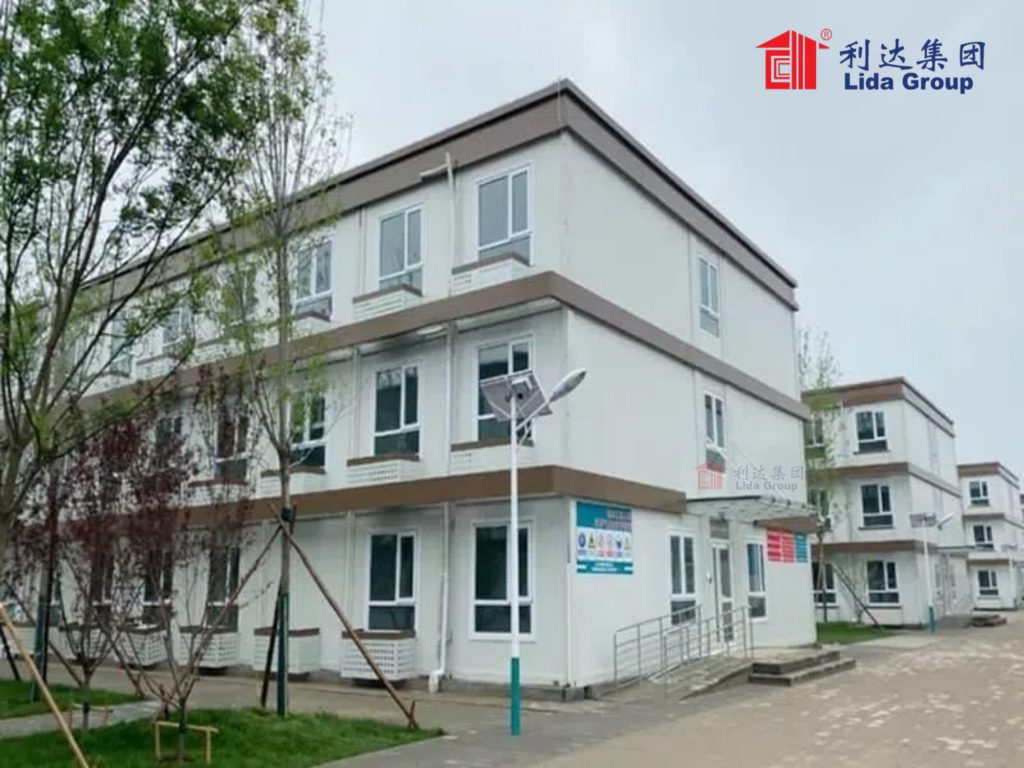
5. Addressing the Unique Challenges of Remote Construction: Lida Group’s Strategic Solutions
While movable modular container houses offer significant advantages for remote construction sites, they also face unique challenges that can hinder their widespread adoption—including transportation difficulties in extremely remote areas, customization for diverse environmental conditions, and ensuring long-term durability in harsh environments. Lida Group has proactively addressed these challenges through strategic investments in R&D, partnerships, and innovative design, ensuring that its products remain the most reliable solution for remote construction projects.
5.1 Overcoming Transportation Barriers in Extremely Remote Areas
One of the biggest challenges for movable modular container houses in remote construction is transporting them to areas with no access to roads or ports. Lida Group has addressed this challenge by developing lightweight, foldable modular designs that can be transported via helicopter, small planes, or even pack animals in extremely isolated areas. For example, the company’s foldable 20ft movable container house weighs less than 2,000kg, making it suitable for transportation via helicopter. Lida also works closely with local logistics partners to develop customized transportation solutions, such as using river barges for rainforest projects or snowmobiles for Arctic projects. Additionally, the company’s flat-pack design reduces the volume of the units, allowing more units to be transported in a single trip, reducing logistics costs.
5.2 Customizing for Diverse Environmental Conditions
Remote construction sites vary widely in their environmental conditions, from Arctic cold to desert heat, from tropical rain to mountainous winds. Lida Group addresses this challenge by offering a range of customization options tailored to specific environments. The company’s R&D team works closely with customers to assess the environmental conditions of their project site and design movable modular container houses that are optimized for those conditions. For example, for Arctic sites, Lida adds extra insulation, heated floors, and snow guards; for desert sites, the company uses heat-reflective coatings and improved ventilation; for tropical sites, it adds mold-resistant materials and mosquito nets. This level of customization ensures that Lida’s products perform reliably in any environment.
5.3 Ensuring Long-Term Durability and Maintenance in Remote Areas
In remote areas, maintenance and repair services are often limited, making it critical for movable modular container houses to be durable and low-maintenance. Lida Group addresses this challenge by using high-quality, corrosion-resistant materials that require minimal maintenance. The company’s steel frames are galvanized to prevent rust, and the exterior panels are treated to resist moisture, pests, and UV radiation. Additionally, Lida designs its products with easy-to-access components, allowing workers to perform basic maintenance and repairs on-site without specialized tools. The company also provides comprehensive maintenance training to customer teams, ensuring that they can keep the units in optimal condition. For more complex issues, Lida offers remote technical support and can dispatch technicians to remote sites if needed.
5.4 Navigating Regulatory and Compliance Requirements
Remote construction projects often operate in countries with strict regulatory and compliance requirements for on-site facilities, including safety, environmental, and labor standards. Lida Group ensures that its movable modular container houses comply with the regulations of the countries where they are deployed. The company’s production lines meet the design specifications of China, Australia, America, Europe, Britain, and other countries, and it works closely with local authorities to obtain the necessary permits and approvals. Additionally, Lida’s products are certified by international organizations such as ISO, CE, and ANSI, ensuring that they meet global safety and quality standards. This compliance ensures that customers can deploy Lida’s products without facing regulatory issues, reducing project delays.
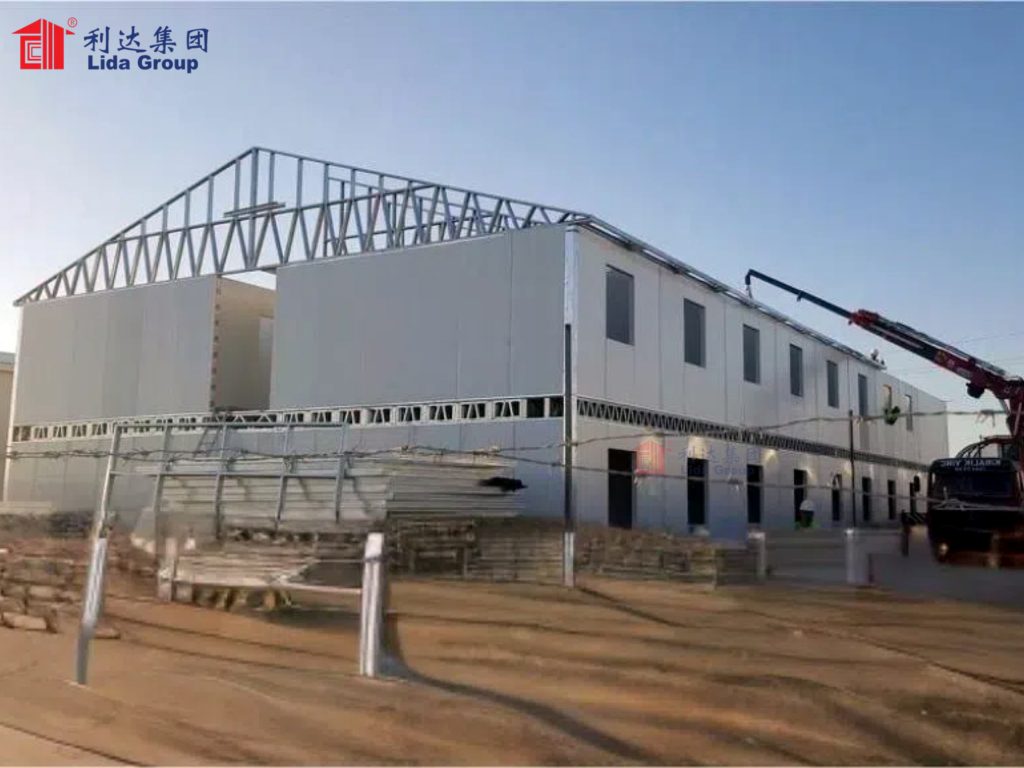
6. Market Performance and Global Impact of Lida Group’s Movable Modular Container Houses
The global market for movable modular container houses for remote construction sites is growing rapidly, driven by the increasing demand for remote infrastructure projects (such as mining, oil and gas exploration, and road construction) and the need for cost-effective, sustainable on-site facilities. According to industry forecasts, the global modular construction market size is expected to reach USD 180 billion by 2030, with a compound annual growth rate (CAGR) of 6.5%. Lida Group, as a leading player in this market, has captured a significant share, with its movable modular container houses being sold in over 152 countries.
6.1 Market Performance and Growth
Lida Group’s movable modular container houses have experienced strong growth in recent years, driven by increased demand from remote construction projects worldwide. In 2025, the company’s sales of movable modular container houses increased by 40% compared to the previous year, with particularly strong demand from Africa, Asia, and North America. The company’s monthly supply capacity of 800 units ensures that it can meet the surging demand, and it is currently expanding its production facilities to increase capacity to 1,000 units per month by 2027. Lida Group’s success is also reflected in its growing customer base, which includes some of the world’s largest construction, mining, and oil and gas companies.
6.2 Global Impact on Remote Construction Operations
Lida Group’s movable modular container houses have had a profound impact on the way remote construction projects are operated. By providing a fast, cost-effective, and sustainable solution for on-site facilities, Lida’s products have helped construction companies reduce project timelines, lower costs, and improve worker safety and well-being. In remote areas where traditional construction is impossible, Lida’s movable modular container houses have enabled the development of critical infrastructure, such as roads, mines, and oil and gas facilities, driving economic growth and development.
Additionally, Lida’s focus on sustainability has contributed to global efforts to reduce carbon emissions and promote the circular economy. The use of recycled materials in the production of the houses, combined with their reusability and self-sufficient energy systems, reduces environmental impact and aligns with the United Nations Sustainable Development Goals. For example, a single movable modular container house reused across 5 projects reduces carbon emissions by approximately 10 tons compared to building new facilities for each project.
6.3 Impact on Worker Well-Being and Productivity
Perhaps the most significant impact of Lida Group’s movable modular container houses is on the safety and well-being of construction workers in remote areas. By providing safe, comfortable, and functional housing, Lida’s products have improved the quality of life for thousands of workers, reducing turnover and increasing productivity. Workers in remote areas no longer have to live in substandard, unsafe temporary housing—they have access to private bedrooms, clean bathrooms, and communal spaces that create a sense of community. This improved well-being has a direct impact on productivity, with companies reporting increases of 15-25% in worker productivity after deploying Lida’s movable modular container houses. Additionally, the safety features of the houses have reduced workplace accidents, further improving project efficiency.
7. Conclusion
Remote construction sites present unique and daunting challenges, from poor transportation and lack of infrastructure to harsh environmental conditions and temporary project needs. Traditional construction methods are simply unable to meet these challenges, leaving construction companies with few viable options for on-site facilities. Lida Group’s movable modular container houses have emerged as a revolutionary solution, offering a unique combination of mobility, durability, self-sufficiency, flexibility, and worker-centric design—all tailored to the specific needs of remote construction sites.
With over three decades of expertise in modular construction, advanced production capabilities, and a deep understanding of remote project challenges, Lida Group has established itself as a global leader in delivering movable modular container houses for remote construction sites. The company’s products stand out from competitors due to their superior mobility, ability to withstand extreme environments, self-sufficient systems, flexible customization options, cost-effectiveness, and focus on worker safety and comfort. The real-world case studies from around the world demonstrate the transformative impact of Lida’s products, showing how they have helped construction companies overcome the challenges of remote operations, reduce costs, and improve worker well-being.
Lida Group’s proactive approach to addressing the unique challenges of remote construction—including transportation barriers, environmental customization, durability, and regulatory compliance—has ensured that its products remain the preferred choice for construction companies worldwide. As the global demand for remote infrastructure projects continues to grow, Lida Group is well-positioned to continue leading the market, expanding its product range, and investing in innovative technologies to further improve its movable modular container houses.
Looking to the future, Lida Group will continue to focus on innovation, sustainability, and customer-centricity, ensuring that its movable modular container houses remain at the forefront of remote construction solutions. By staying true to its commitment to quality and innovation, Lida Group will continue to transform the way remote construction sites operate, enabling the development of critical infrastructure in the most isolated areas and improving the lives of construction workers around the world.
In a world where remote construction projects are becoming increasingly common, Lida Group’s movable modular container houses offer a practical, sustainable, and human-centric solution. They prove that even in the most isolated and challenging environments, construction workers can have access to safe, comfortable housing, and construction companies can operate efficiently and cost-effectively. Lida Group’s commitment to excellence has made it a trusted partner for remote construction projects worldwide, and its movable modular container houses are poised to play an even greater role in shaping the future of remote construction..
Related news
-
Prefabricated Container Worker Accommodation Now Available from Lida Group Worldwide
2026-05-09 17:39:39
-
Hot Selling Container House by Lida Group Meets Global Demand for Affordable Living
2026-05-13 17:32:25
-
Lida Group Launches Movable Modular Container House for Flexible Workforce Housing
2026-05-09 15:08:23
contact us
- Tel: +86-532-88966982
- Whatsapp: +86-13793209022
- E-mail: sales@lidajituan.com
