



Hot Selling Container House by Lida Group Meets Global Demand for Affordable Living
2026-May-13 17:32:25
By Admin
In an era marked by rapid urbanization, growing population pressure, and escalating housing costs, the global demand for affordable, safe, and sustainable living solutions has never been more urgent. Traditional construction methods, plagued by high costs, long construction cycles, and excessive resource consumption, are increasingly unable to keep pace with the soaring need for accessible housing—especially in developing regions, disaster-stricken areas, and even developed countries facing housing shortages. Against this backdrop, prefabricated container houses have emerged as a transformative alternative, offering a perfect balance of affordability, durability, and flexibility. Among the leading providers in this field, Lida Group has distinguished itself with its hot-selling container houses, which have become a cornerstone in addressing global affordable living needs. With over three decades of expertise in modular construction, advanced production capabilities, and a deep understanding of global market demands, Lida Group’s container houses have gained widespread recognition across 152 countries, proving to be a practical and sustainable solution to one of the world’s most pressing social challenges.
1. The Global Affordable Housing Crisis: A Urgent Call for Innovative Solutions
The global housing crisis has evolved into a widespread structural challenge, affecting nearly every corner of the world—from bustling urban centers to remote rural areas, from developed economies to developing nations. According to the United Nations Human Settlements Programme (UN-Habitat), more than 2.8 billion people currently live in substandard housing conditions, while nearly one billion residents reside in informal settlements and slum areas. This crisis is further exacerbated by a confluence of factors, including rapid urbanization, population growth, rising land prices, and increasing costs of construction materials. Industry forecasts indicate that the world needs to build nearly 96,000 new affordable housing units every day to meet growing residential demands; otherwise, more than 3 billion people will lack adequate and qualified housing by 2030.
Traditional brick-and-mortar construction, the long-standing backbone of the housing industry, faces insurmountable bottlenecks in addressing this gap. These methods are characterized by lengthy construction cycles—often 6 to 12 months for a standard home—high material waste (typically 15-20% of all inputs), and labor shortages that drive up costs significantly. For low- and middle-income households, this translates to a painful choice between quality and affordability: either settle for substandard, informal housing that risks safety and comfort, or take on unsustainable debt to afford a basic home. Even in developed countries like the United States, Canada, and Germany, housing shortages have become a major social issue, with cities like Toronto facing a gap of over 213,600 new homes between 2016 and 2022 alone.
In disaster-stricken regions, the need for rapid, temporary, yet durable housing is even more critical. Natural disasters such as earthquakes, floods, and hurricanes often destroy thousands of homes, leaving displaced populations without shelter for extended periods. Traditional construction methods are too slow to respond to these emergencies, making modular container houses an ideal solution due to their quick deployment and robust structure. Additionally, the global shift toward sustainable development has heightened the demand for eco-friendly housing solutions, as traditional construction generates approximately 30% of global waste and contributes significantly to carbon emissions. In this context, container houses—especially those developed by industry leaders like Lida Group—have emerged as a game-changer, offering a cost-effective, fast, and sustainable alternative to traditional housing.
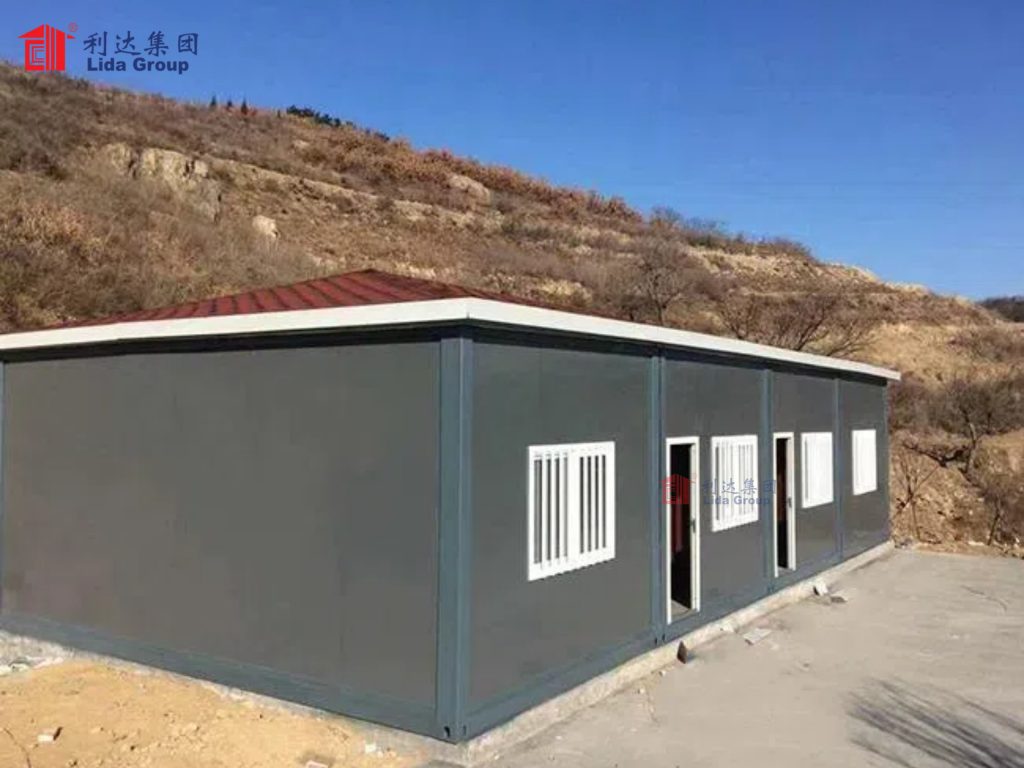
2. Lida Group: A Global Leader in Modular Container House Innovation
Founded with a commitment to providing accessible, high-quality construction solutions, Lida Group has grown into a world-leading manufacturer and solution provider of modular prefabricated buildings. With over 30 years of professional R&D and engineering experience, the company has built a comprehensive industrial chain covering integrated camp construction, industrial construction, civil construction, infrastructure construction, and the production of prefabricated buildings—including container houses, light steel villas, and modular structures. Lida Group’s success is rooted in its unwavering focus on quality, innovation, and customer-centricity, which has enabled it to deliver successful projects in over 152 countries and regions worldwide.
One of Lida Group’s core strengths is its advanced production capabilities. The company has introduced a complete set of internationally advanced production lines for steel structure buildings, prefabricated houses, and modular container houses, which can meet the design specifications of China, Australia, America, Europe, Britain, and other countries. This standardized production system ensures consistent quality, reduces material waste, and lowers production costs—key factors in delivering affordable housing solutions to global markets. With a monthly supply capacity of 800 units, Lida Group is well-equipped to meet the surging global demand for container houses.
Lida Group’s reputation is further reinforced by its impressive track record of undertaking large-scale, high-profile projects. The company successfully participated in the post-disaster reconstruction of Wenchuan in 2008, the command center project of the 2008 Olympic Sailing Center, and the construction of supporting facilities for the 2014 Qingdao World Horticultural Expo. Internationally, Lida Group has delivered projects such as the integrated camp of the United Nations Peacekeeping Force in South Sudan, Mali, and Sri Lanka, the Malaysia Cameron Hydropower Station camp project, and the Saudi Kings Saud University City camp project. These projects demonstrate the company’s ability to adapt to diverse environmental and regulatory requirements, making its container houses suitable for a wide range of global applications.
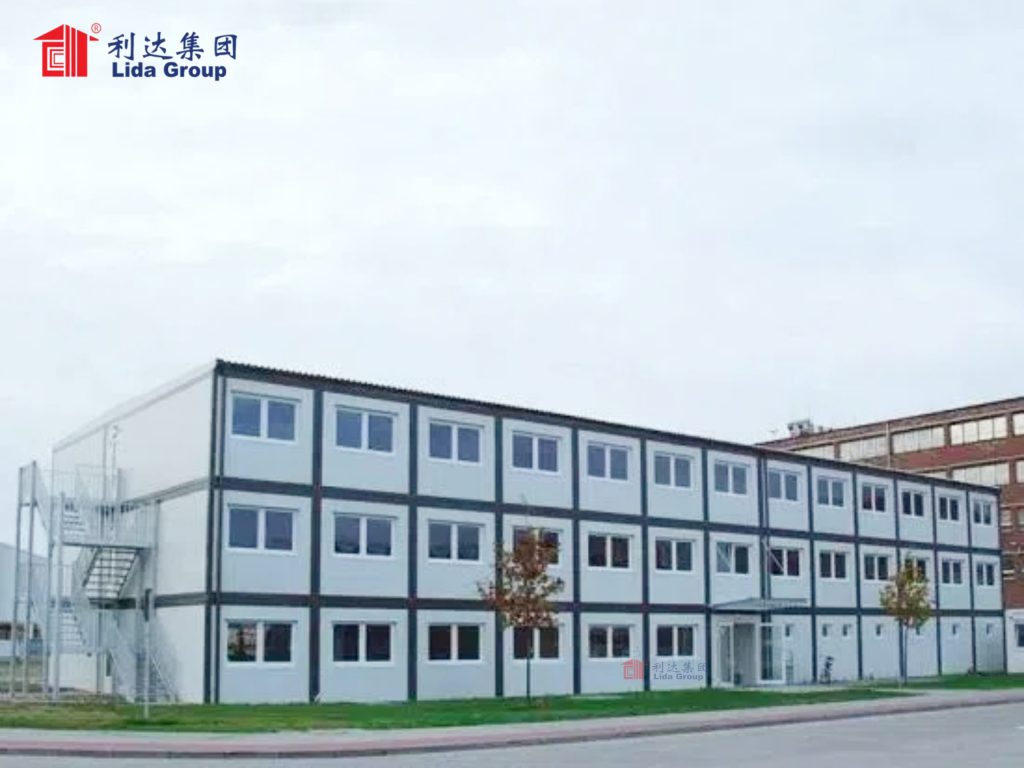
3. Core Advantages of Lida Group’s Hot-Selling Container Houses
Lida Group’s container houses have become a global bestseller due to their unique combination of affordability, durability, flexibility, and sustainability. Unlike generic low-cost container houses that sacrifice quality for lower prices, Lida Group adheres to a balanced development strategy of cost control and quality upgrading, ensuring that its products meet global safety and comfort standards while remaining accessible to communities across income brackets. The following are the key advantages that set Lida’s container houses apart in the global market:
3.1 Cost-Effectiveness: Making Affordable Living a Reality
Affordability is the cornerstone of Lida Group’s container house design. Compared to traditional brick-and-mortar buildings, Lida’s container houses can reduce construction costs by 20% to 30%—a significant margin that makes them accessible to low- and middle-income households, governments, and non-governmental organizations (NGOs). This cost advantage stems from several factors: standardized mass production, reduced material waste, and lower labor costs.
Lida Group’s automated production lines minimize material waste by ensuring precise cutting and assembly, reducing waste to less than 5%—a stark contrast to the 15-20% waste generated by traditional construction. Additionally, the use of recycled shipping containers (which are abundant globally, with over 17 million in circulation and only 5-6 million actively used) further lowers material costs while promoting sustainability. A single 40-foot container provides approximately 320 square feet of living space, and multiple units can be stacked or arranged to expand usable area without incurring excessive additional costs.
For governments and NGOs working on affordable housing projects, Lida’s container houses offer an economical solution that stretches limited budgets further. For example, in low-income communities in Africa, Lida’s container houses have enabled governments to build affordable housing units at a fraction of the cost of traditional homes, allowing more families to access safe and decent housing.
3.2 Durability and Safety: Built to Withstand Global Challenges
Lida Group’s container houses are designed to withstand the harshest environmental conditions, from freezing Arctic winters to humid tropical climates. Originally designed for marine transportation, shipping containers are inherently durable, with a steel structure that can withstand strong winds, earthquakes, and heavy snowfall. Lida Group enhances this durability through structural optimization, using high-quality galvanized steel frames (thickness 2.5mm) and corrosion-resistant materials to ensure a long service life—up to 20 years for flat-pack container houses and 50 years for shipping container-based homes.
Safety is a top priority for Lida Group, and its container houses meet strict global safety standards. The houses are equipped with fire-resistant materials that can withstand 3-4 hours of fire, smoke detectors linked to central alarm systems, and earthquake-resistant designs that meet grade 8 seismic standards. For regions prone to natural disasters, Lida offers customized solutions—such as reinforced steel frames with snow guards for Arctic climates and waterproof designs for tropical rainforests—that enhance safety and resilience.
In addition to structural safety, Lida’s container houses also prioritize occupant health and safety. The company uses non-toxic, environmentally friendly materials that meet international environmental standards, ensuring that indoor air quality is safe for residents. This is particularly important for families with children and vulnerable populations, who are more susceptible to health risks from harmful materials.
3.3 Flexibility and Customization: Adapting to Diverse Global Needs
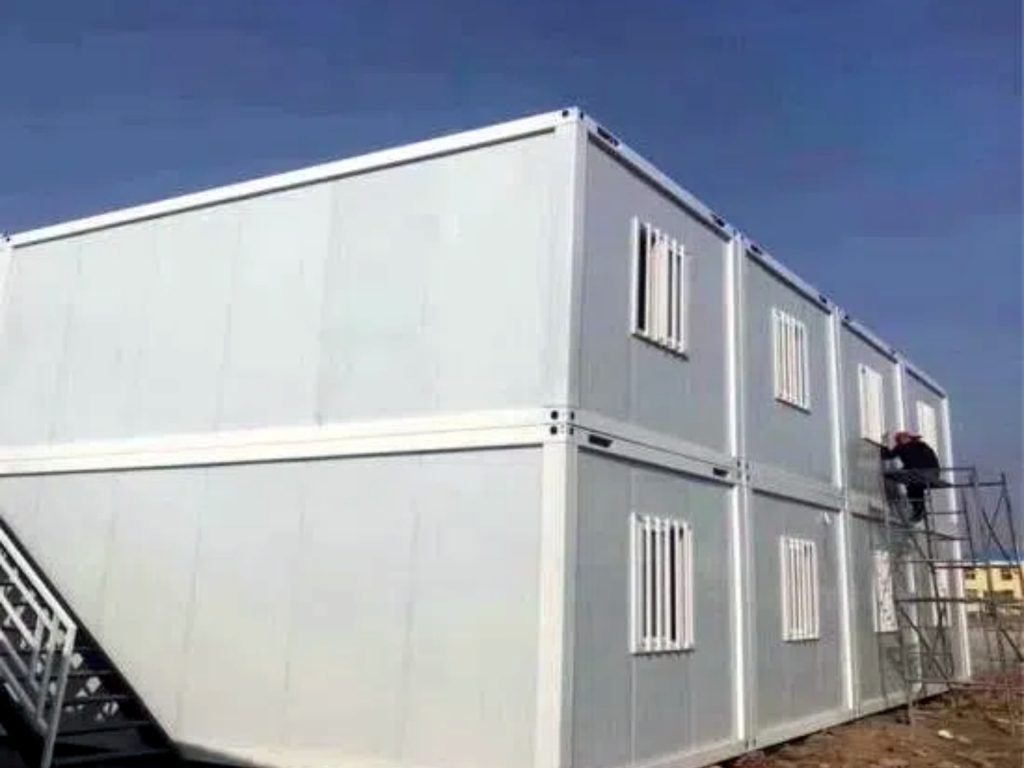
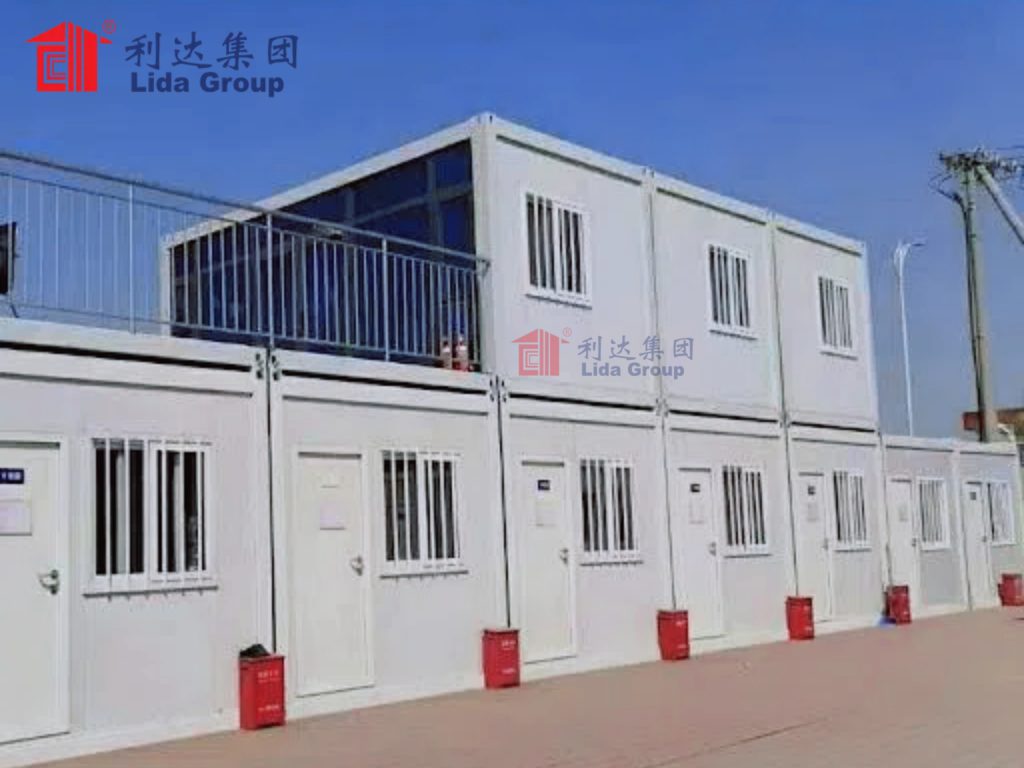
One of the key advantages of Lida Group’s container houses is their flexibility and customization options, which allow them to adapt to diverse living needs and regional conditions. The houses are available in standard ISO sizes—20ft (6055*2435*2896mm) and 40ft (12192*2435*2896mm)—and can be stacked up to 3 stories high to maximize space utilization. They can also be easily combined or expanded, making them suitable for a wide range of applications, including residential homes, emergency shelters, construction camps, offices, hotels, and even luxury apartments.
Lida Group offers comprehensive customization services to meet the specific needs of different regions and users. For example, in the Arctic region, where winter temperatures drop to -40°C, Lida’s container houses are equipped with extra-thick rock wool insulation (150mm), heated floors, and ground-source heat pumps to keep indoor temperatures at a comfortable 22-24°C. In tropical regions with high humidity and heavy rainfall, the houses feature improved ventilation systems, mold-resistant materials, and mosquito nets to prevent malaria and other vector-borne diseases. For urban areas, Lida can design container houses with modern interiors, large windows, and balconies to meet the aesthetic and functional needs of urban residents.
The modular design of Lida’s container houses also allows for quick deployment and relocation. This is particularly valuable for emergency situations, where displaced populations need shelter quickly, and for temporary housing projects, such as construction camps or event accommodations. The houses can be shipped flat-packed to reduce transport costs and assembled on-site in just a few days with minimal tools—significantly faster than traditional construction, which can take months.
3.4 Sustainability: Aligning with Global Green Development Goals
In an era of increasing environmental consciousness, sustainability has become a key factor in global housing demand. Lida Group’s container houses are designed with sustainability at their core, offering an eco-friendly alternative to traditional construction. The use of recycled shipping containers reduces steel waste, which currently exceeds 300 million tons annually, and promotes the circular economy by repurposing idle resources. Additionally, Lida’s container houses are almost 100% recyclable, meaning that at the end of their service life, the materials can be reused or recycled, minimizing environmental impact.
Lida Group also incorporates energy-saving features into its container houses to reduce carbon emissions and energy consumption. The houses are equipped with high-quality insulation materials (75mm fiber glass sandwich panels as standard) that improve thermal efficiency, reducing the need for heating and cooling systems. For off-grid applications, Lida can integrate solar panels, water harvesting systems, and composting toilets, making the houses self-sufficient and environmentally friendly. As of 2023, over 22,000 container homes globally had solar integrations, with Lida Group leading in the development of eco-smart container housing systems.
By prioritizing sustainability, Lida Group’s container houses align with the United Nations Sustainable Development Goal 11, which aims to make cities and human settlements inclusive, safe, resilient, and sustainable. This commitment to green development has not only earned Lida Group recognition from environmental organizations but also made its products more attractive to environmentally conscious consumers and governments.
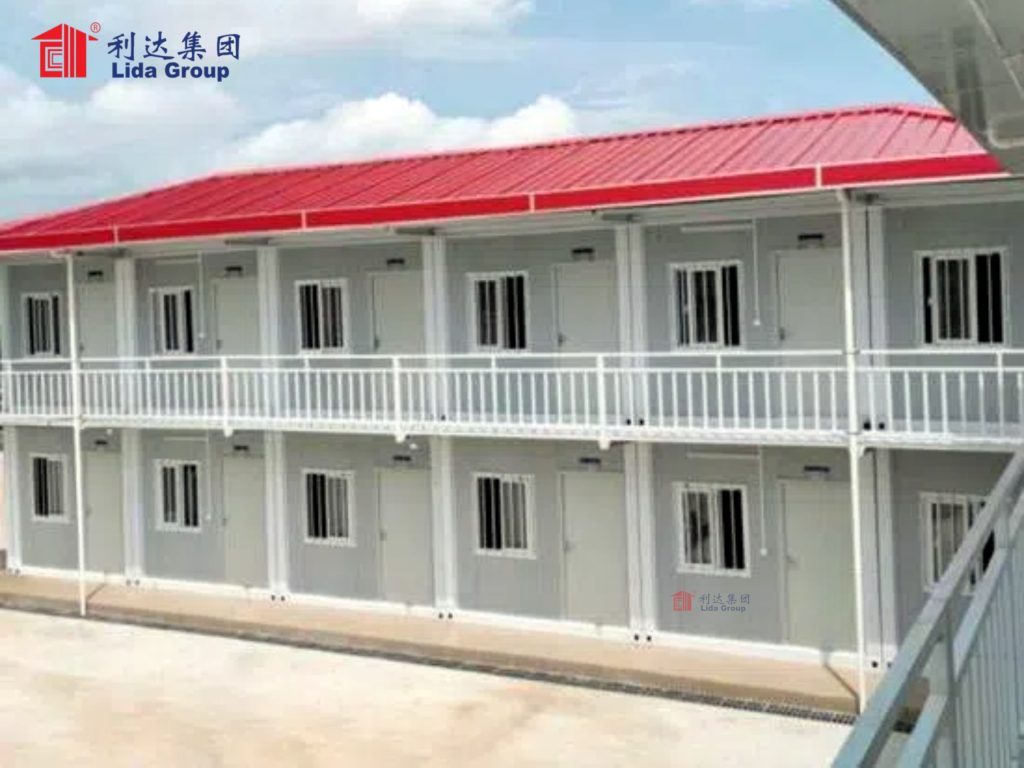
4. Global Application of Lida Group’s Container Houses: Case Studies
Lida Group’s container houses have been deployed in over 152 countries, addressing diverse housing needs across different regions and scenarios. From emergency shelters in disaster-stricken areas to affordable housing in low-income communities, from construction camps in remote regions to urban apartments in developed countries, Lida’s container houses have proven their versatility and effectiveness. The following case studies highlight the real-world impact of Lida’s hot-selling container houses:
4.1 Case Study 1: Arctic Mining Camp in Northern Canada
A mining company operating in the Northwest Territories of Canada needed housing for 300 workers in a region where winter temperatures drop to -40°C and snowfall exceeds 2 meters annually. The company’s previous housing—tents heated by propane—was unsafe (risk of carbon monoxide poisoning, tent collapse under snow) and uncomfortable (indoor temperatures fluctuated between 10-18°C, no hot water).
Lida Group provided 100 container worker houses, tailored to Arctic conditions. The houses featured reinforced steel frames with snow guards to prevent avalanches, fire-resistant materials, and ground-source heat pumps (eliminating propane use and carbon monoxide risk). For comfort, the houses were equipped with extra-thick rock wool insulation, heated floors, large windows to maximize winter sunlight, and private bathrooms with tankless hot water heaters and composting toilets (no sewage infrastructure needed).
The results were transformative: no safety incidents were reported during the 18-month project, and the houses withstood three major snowstorms without damage. Workers reported a 90% reduction in cold-related discomfort, and sleep quality improved significantly. The mining company saw a 75% drop in absenteeism due to cold-related illnesses and a 15% reduction in monthly turnover, saving $1.8 million in recruitment and training costs.
4.2 Case Study 2: Emergency Shelter in Indonesia’s Tropical Rainforest
A construction company building a highway in the rainforests of Indonesia needed housing for 150 workers in a region with high humidity (80-90% year-round), heavy rainfall (up to 3 meters annually), and a high risk of malaria. The company faced challenges in providing safe, comfortable housing that could withstand the harsh tropical conditions and prevent mosquito-borne diseases.
Lida Group delivered 50 container houses customized for tropical environments. The houses featured improved ventilation systems to reduce humidity, mold-resistant materials, and mosquito nets on all windows and doors. The roofs were designed with organized internal water draining to prevent waterlogging, and the exterior walls were coated with a heat-reflective material to keep indoor temperatures cool. Additionally, Lida provided solar-powered lighting and water purification systems to ensure access to clean water and electricity in the remote region.
Within three months of deployment, malaria cases among workers fell from 15 per month to zero. The houses remained free of mold and water damage despite heavy rainfall, and workers reported a significant improvement in comfort and well-being. The construction company was able to keep the project on schedule, thanks to reduced absenteeism and improved worker morale.
4.3 Case Study 3: Affordable Housing in South Sudan
South Sudan, one of the world’s poorest countries, faces a severe housing shortage due to decades of conflict and rapid population growth. The United Nations Peacekeeping Force (UNPKF) needed affordable, durable housing for its personnel and displaced local communities in the country. Lida Group was selected to provide container houses for the UNPKF’s integrated camp in South Sudan, as well as for low-income housing projects in urban areas.
Lida delivered 200 container houses, designed to withstand the country’s harsh climate—high temperatures during the day, cool nights, and occasional floods. The houses were equipped with lightweight, heat-resistant materials, ventilation systems, and raised foundations to prevent flood damage. They were also designed to be easily assembled and relocated, as the UNPKF’s needs often change based on conflict dynamics. For local communities, Lida provided smaller, affordable units that could be customized for family use, with basic amenities such as kitchens and bathrooms.
The project has had a lasting impact: the UNPKF personnel now have safe, comfortable housing, and over 500 local families have moved into affordable container homes, escaping informal settlements and slums. The houses have also served as a model for other affordable housing projects in the region, demonstrating how container houses can address housing shortages in conflict-affected countries.
4.4 Case Study 4: Urban Affordable Housing in Germany
Even in developed countries like Germany, housing shortages have become a major issue, with rising rents and property prices making it difficult for low- and middle-income households to find affordable housing. A local government in Berlin partnered with Lida Group to build an affordable housing complex using container houses, aiming to provide quality housing at a fraction of the cost of traditional apartments.
Lida designed a modular housing complex with 100 container units, stacked three stories high. Each unit featured a modern interior, with one or two bedrooms, a kitchen, a bathroom, and a small balcony. The complex included shared green spaces, playgrounds, and community facilities, creating a vibrant, inclusive neighborhood. The container houses were equipped with energy-saving insulation, solar panels, and efficient heating systems, aligning with Germany’s strict environmental standards.
The project was a resounding success: the housing units were rented out at 30% below the average market rent in Berlin, making them accessible to low-income families and young professionals. The complex has become a model for urban affordable housing in Germany, with other cities now considering similar projects using Lida’s container houses. The modular design also allows for future expansion, ensuring that the complex can adapt to growing housing needs.
5. Addressing Industry Challenges: Lida Group’s Strategic Solutions
While container houses offer significant advantages, the industry faces several challenges that can hinder their widespread adoption, including technical limitations, regulatory barriers, and market misconceptions. Lida Group has proactively addressed these challenges through strategic investments in R&D, partnerships, and education, ensuring that its container houses remain competitive and accessible in the global market.
5.1 Overcoming Technical Limitations
Early iterations of container housing were often criticized for rigid designs, poor insulation, and limited livability. Lida Group has addressed these issues through continuous R&D, investing in advanced materials and engineering technologies. For example, the company’s use of high-quality insulation materials (such as rock wool and fiber glass) has significantly improved thermal efficiency, making container houses comfortable in extreme climates. Lida has also developed modular interior design systems that allow for flexible layouts, eliminating the “boxy” feel of traditional container homes and creating more livable spaces.
Another technical challenge is ensuring that container houses meet local building codes and standards, which vary widely across countries. Lida Group’s production lines are designed to meet the design specifications of China, Australia, America, Europe, Britain, and other countries, ensuring that its products comply with local regulations. The company also works closely with local partners to adapt its designs to specific regional requirements, such as seismic standards in earthquake-prone areas and wind resistance in coastal regions.
5.2 Navigating Regulatory Barriers
Regulatory barriers—such as zoning restrictions, building code requirements, and permits—can delay or prevent the deployment of container houses in many regions. Lida Group has addressed this challenge by establishing strong partnerships with local governments, NGOs, and industry associations. The company works with local authorities to educate them about the benefits of container houses, including their affordability, sustainability, and safety, and to advocate for supportive policies and regulations.
For example, in many developing countries, Lida Group has partnered with governments to develop national standards for container housing, making it easier to obtain permits and approvals. In developed countries, the company has worked with industry associations to promote the recognition of container houses as a legitimate housing option, helping to overcome zoning restrictions that often favor traditional construction.
5.3 Dispelling Market Misconceptions
One of the biggest challenges facing the container housing industry is the misconception that container houses are low-quality, temporary structures unsuitable for long-term living. Lida Group has worked to dispel this myth through its high-quality products and successful case studies. The company showcases its container houses at international trade shows, provides detailed product specifications and certifications, and shares customer testimonials to demonstrate the durability, comfort, and livability of its products.
Lida Group also offers after-sales services, including maintenance, repair, and upgrades, to ensure that its container houses remain in good condition for their entire service life. This commitment to customer satisfaction has helped to build trust in the market, changing perceptions of container houses from “temporary shelters” to “permanent, affordable homes.”
6. Market Performance and Global Impact of Lida Group’s Container Houses
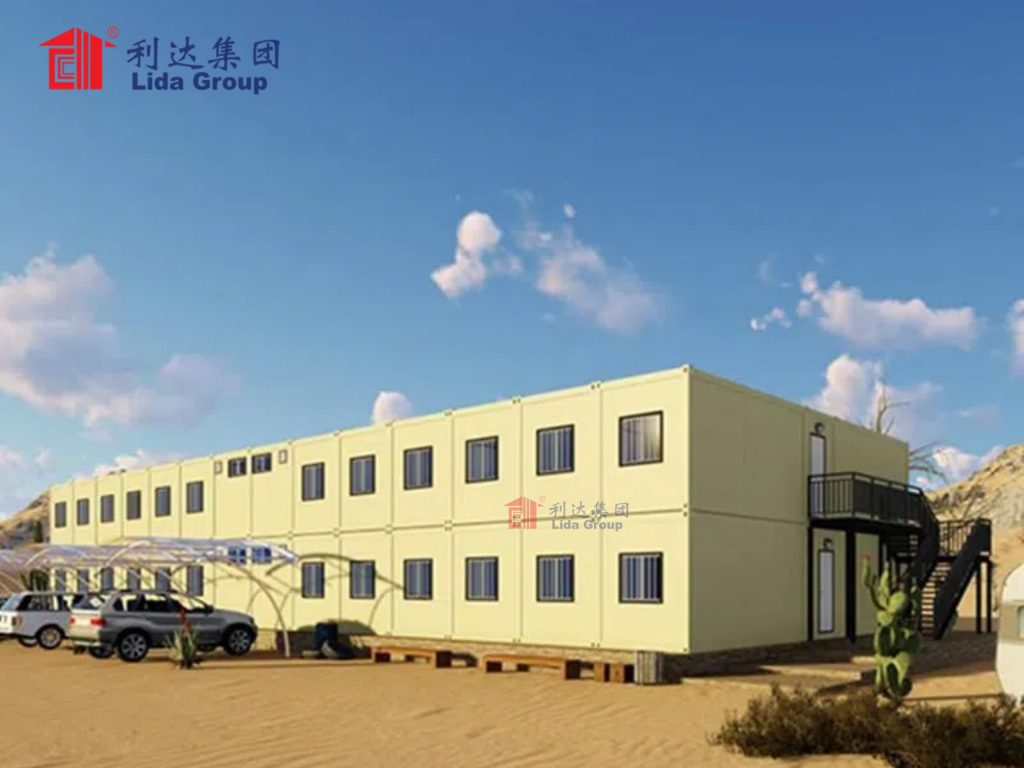
Lida Group’s container houses have achieved remarkable market performance, driven by the growing global demand for affordable, sustainable housing. The global container homes market size is estimated at USD 50,974.94 million in 2026 and is expected to rise to USD 70,695.27 million by 2035, with a compound annual growth rate (CAGR) of 3.7%. Lida Group, as a leading player in this market, has captured a significant share, with its products being sold in over 152 countries.
The company’s success is reflected in its growing sales volume and customer base. In 2025, Lida Group launched a new series of prefab mobile container houses, which received widespread market acclaim and further boosted its sales. The company’s monthly supply capacity of 800 units ensures that it can meet the surging demand from global customers, including governments, NGOs, construction companies, and individual buyers.
Beyond market performance, Lida Group’s container houses have had a profound global impact, helping to address the affordable housing crisis and improve the lives of millions of people. By providing safe, affordable, and sustainable housing, Lida’s container houses have helped to reduce poverty, improve public health, and promote social inclusion. In disaster-stricken areas, the company’s quick-deploy container houses have provided life-saving shelter to displaced populations, helping them to rebuild their lives. In low-income communities, Lida’s container houses have given families access to decent housing, improving their quality of life and creating opportunities for social and economic mobility.
Lida Group’s commitment to sustainability has also contributed to global efforts to reduce carbon emissions and promote the circular economy. By repurposing recycled shipping containers and using eco-friendly materials, the company’s container houses help to reduce waste and minimize environmental impact. This aligns with global efforts to combat climate change and achieve sustainable development goals.
7. Conclusion
The global affordable housing crisis is a complex, multifaceted challenge that requires innovative, practical solutions. Lida Group’s hot-selling container houses have emerged as a powerful tool in addressing this crisis, offering a unique combination of affordability, durability, flexibility, and sustainability. With over three decades of expertise in modular construction, advanced production capabilities, and a deep understanding of global market demands, Lida Group has established itself as a global leader in the container housing industry, delivering high-quality products to over 152 countries.
Lida Group’s container houses stand out from competitors due to their cost-effectiveness, which makes them accessible to low- and middle-income households; their durability and safety, which ensure they can withstand harsh environmental conditions; their flexibility and customization, which allow them to adapt to diverse global needs; and their sustainability, which aligns with global green development goals. The company’s successful case studies—from Arctic mining camps to urban affordable housing complexes—demonstrate the real-world impact of its products, proving that container houses are a viable, long-term solution to the global housing crisis.
By addressing industry challenges such as technical limitations, regulatory barriers, and market misconceptions, Lida Group has paved the way for the widespread adoption of container houses. The company’s strategic investments in R&D, partnerships with local governments and NGOs, and commitment to customer satisfaction have helped to build trust in the market and change perceptions of container housing.
Looking to the future, Lida Group is well-positioned to continue leading the global container housing market. As the demand for affordable, sustainable housing continues to grow, the company will likely expand its product range, invest in new technologies, and strengthen its global presence. By staying true to its commitment to quality, innovation, and affordability, Lida Group will continue to play a critical role in addressing the global affordable housing crisis, helping millions of people around the world access safe, decent, and sustainable homes.
In a world where affordable housing is increasingly out of reach for many, Lida Group’s container houses offer a beacon of hope. They prove that affordable living does not have to come at the cost of quality, safety, or sustainability—and that with innovative thinking and commitment, we can build a more inclusive, equitable world where everyone has a place to call home.
Related news
-
Lida Group Launches Movable Modular Container House for Flexible Workforce Housing
2026-05-09 15:08:23
-
Prefabricated Container Worker Accommodation Now Available from Lida Group Worldwide
2026-05-09 17:39:39
-
Lida Group Engineers Corrosion-Resistant Steel Structure Building to Deliver High Quality House
2026-04-30 09:23:47
contact us
- Tel: +86-532-88966982
- Whatsapp: +86-13793209022
- E-mail: sales@lidajituan.com
