



Lida Group Launches Movable Modular Container House for Flexible Workforce Housing
2026-May-09 15:08:23
By Admin
1. Introduction
In an era of rapid global urbanization, booming infrastructure development, and evolving workforce dynamics, the demand for flexible, efficient, and high-quality workforce housing has never been more urgent. Industries such as construction, mining, oil and gas, infrastructure construction, and emergency response rely heavily on a mobile workforce—workers who move from project to project, often to remote or temporary sites, requiring safe, comfortable, and adaptable accommodation that can keep pace with their mobility. Traditional workforce housing solutions, including temporary shanties, prefabricated board houses, and fixed buildings, have long struggled to meet these needs, plagued by inflexibility, slow deployment, poor durability, high maintenance costs, and inadequate living conditions.
Against this backdrop, Lida Group, a global leader in integrated modular and prefabricated building solutions with over three decades of expertise, has launched its innovative movable modular container house series, specifically engineered to address the unique challenges of flexible workforce housing. Founded in 1993, Lida Group has evolved from a regional construction firm into a global powerhouse, operating 6 container production lines and 8 steel structure manufacturing facilities, holding 60+ technical patents, and completing over 5,000 projects across 152 countries worldwide. This new product line represents a paradigm shift in workforce housing, combining the portability of container structures with the modularity of prefabricated construction, delivering a solution that is movable, customizable, durable, cost-effective, and environmentally sustainable.
This article systematically explores the launch of Lida Group’s movable modular container house for flexible workforce housing, delving into the industry pain points it addresses, the core features and technical advantages of the product, its diverse application scenarios, the comprehensive value it brings to businesses and workers, global project verifications, and a concluding outlook on its impact on the future of workforce accommodation. With a focus on professionalism, clarity, and accuracy, this article aims to demonstrate why Lida Group’s latest innovation is set to redefine flexible workforce housing standards worldwide.
2. Industry Pain Points: The Limitations of Traditional Workforce Housing
Traditional workforce housing solutions have long failed to keep up with the dynamic needs of modern mobile workforces, creating significant challenges for businesses and compromising the well-being and productivity of workers. These limitations, or industry pain points, highlight the critical need for innovative solutions like Lida Group’s movable modular container house.
2.1 Lack of Flexibility and Mobility
Most traditional workforce housing options, such as fixed prefabricated houses or on-site built shanties, are designed to be permanent or semi-permanent, making them difficult to relocate once installed. For projects with short lifespans—such as temporary infrastructure construction, seasonal mining operations, or emergency response efforts—this inflexibility results in wasted resources: businesses must either abandon the housing after the project ends or incur high costs to dismantle and transport it, if possible. Even portable board houses are often cumbersome to move, requiring extensive disassembly and reassembly, which is time-consuming and labor-intensive.
This lack of mobility also fails to accommodate the dynamic nature of modern workforces, where teams may need to relocate to new sites within weeks or months. The inability to move housing efficiently leads to delays in project timelines, increased costs, and unnecessary waste of materials and labor.
2.2 Slow Deployment and High Installation Costs
Traditional workforce housing typically requires on-site construction, which is subject to weather delays, labor shortages, and complex logistics—especially in remote areas. Constructing a temporary workforce camp using conventional methods can take weeks or even months, delaying project kickoff and increasing labor costs. For businesses operating on tight deadlines, this delay can result in significant financial losses and missed opportunities.
Additionally, on-site construction requires skilled labor, which is often scarce in remote project locations. This scarcity drives up labor costs and can compromise the quality of the housing, leading to safety hazards and poor living conditions for workers. Even prefabricated board houses, while faster than on-site construction, still require extensive on-site assembly and customization, adding to deployment time and costs.
2.3 Poor Durability and High Maintenance Requirements
Many traditional workforce housing solutions are built with low-quality materials to reduce upfront costs, resulting in poor durability and frequent maintenance needs. Temporary shanties and low-standard prefabricated houses are prone to damage from extreme weather—such as strong winds, heavy rain, high temperatures, or freezing conditions—leading to leaks, structural instability, and deterioration over time. These issues not only compromise worker safety but also require constant repairs, adding to long-term operational costs.
In harsh environments, such as coastal areas with salt fog, inland saline-alkali lands, or high-altitude regions with strong ultraviolet radiation, traditional housing materials degrade even faster, further shortening the service life of the accommodation and increasing maintenance burdens. This cycle of frequent repairs and replacements erodes business profits and reduces worker satisfaction.
2.4 Inadequate Living Comfort and Safety
Worker well-being is directly linked to productivity, yet traditional workforce housing often prioritizes cost over comfort and safety. Many temporary accommodations lack basic amenities such as proper insulation, ventilation, lighting, and sanitation facilities, leading to uncomfortable living conditions—extreme heat in summer, cold in winter, poor air quality, and unsanitary environments. These conditions can cause health issues, low morale, and high employee turnover, ultimately impacting project efficiency and success.
Safety is another critical concern. Low-standard temporary housing often fails to meet basic safety standards, with inadequate fire protection, poor structural stability, and insufficient security measures. This puts workers at risk of accidents, fires, and other hazards, creating legal and ethical liabilities for businesses.
2.5 Environmental Inefficiency and Waste
Traditional workforce housing construction generates significant waste, both in materials and energy. On-site construction often results in excess building materials that are discarded, contributing to environmental pollution. Additionally, many temporary housing solutions are designed for single-use, meaning they are abandoned or demolished after the project ends, creating massive construction waste. This waste not only harms the environment but also increases costs for businesses, which must bear the expense of disposal.
Furthermore, traditional housing often lacks energy-efficient features, leading to high energy consumption for heating, cooling, and lighting. This not only increases operational costs but also contributes to carbon emissions, conflicting with global efforts to promote sustainable and low-carbon construction practices.
3. Lida Group’s Movable Modular Container House: Product Overview and Core Concept
Recognizing the critical pain points of traditional workforce housing, Lida Group has leveraged its decades of experience in modular construction, steel structure engineering, and global project delivery to launch a movable modular container house series tailored specifically for flexible workforce housing. This innovative product is built on the core concept of “mobility, modularity, durability, and comfort”—four pillars that address the unique needs of modern mobile workforces and businesses alike.
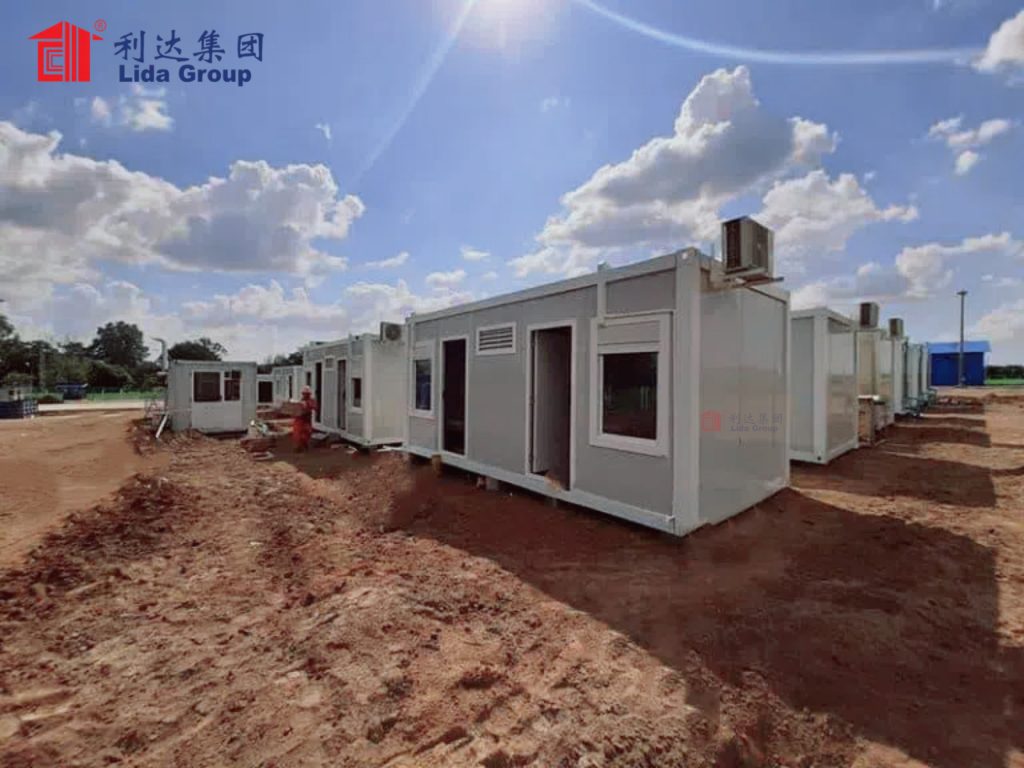
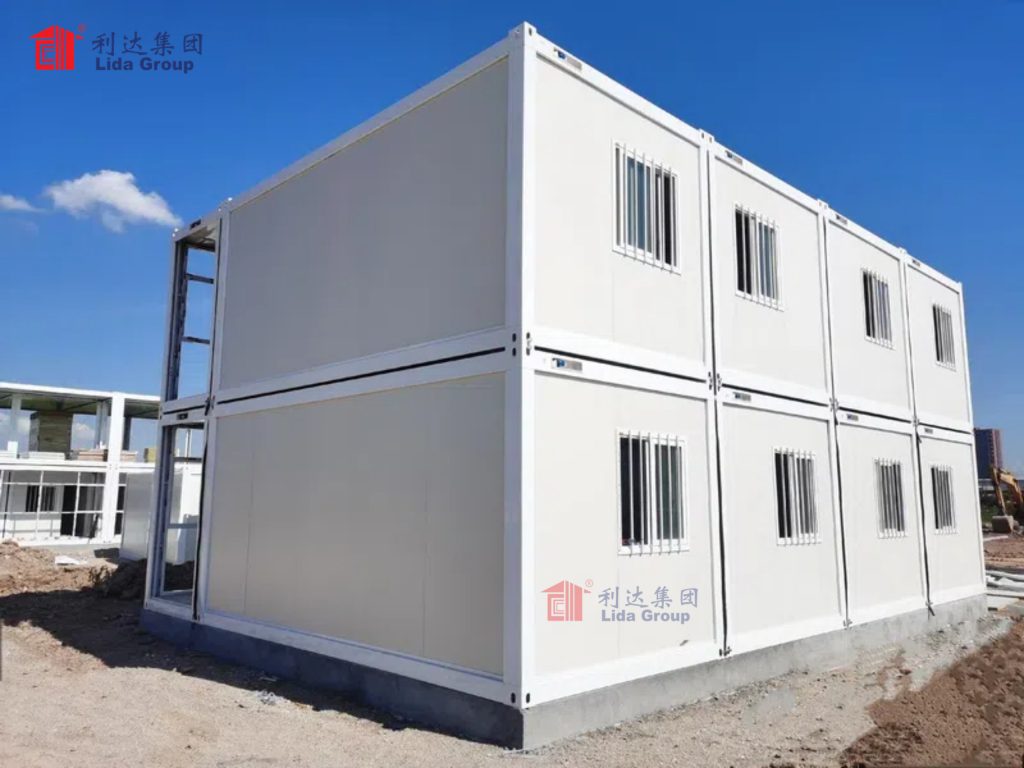
Lida Group’s movable modular container house is a prefabricated, container-based housing solution that combines the portability of shipping containers with the flexibility of modular design. Each unit is factory-manufactured to strict international standards, ensuring consistent quality, and can be easily transported, installed, relocated, and reused across multiple projects. The modular design allows for easy combination of units to create larger living spaces, such as dormitories, communal areas, offices, and sanitation facilities, making it adaptable to varying workforce sizes and project requirements.
Unlike traditional container conversions, which often lack comfort and durability, Lida Group’s product is engineered from the ground up as a high-quality living space, integrating advanced materials, energy-efficient technologies, and thoughtful design to ensure worker comfort, safety, and well-being. With a service life of up to 50 years for shipping container-based units and 20 years for flat-pack units, the product offers long-term value and sustainability, reducing waste and lowering total operational costs for businesses.
4. Core Features and Technical Advantages of Lida Group’s Movable Modular Container House
Lida Group’s movable modular container house stands out from traditional workforce housing solutions due to its advanced technical features, which address all key industry pain points. From mobility and modularity to durability and comfort, every aspect of the product is engineered to deliver superior performance and value.
4.1 Exceptional Mobility and Easy Relocation
The most distinctive feature of Lida Group’s movable modular container house is its exceptional mobility, designed to keep pace with the dynamic needs of mobile workforces. Each unit is built to ISO standard dimensions (20ft, 40ft, or custom sizes), making it compatible with standard shipping containers and easy to transport via truck, train, or ship worldwide. The units are equipped with galvanized lifting corners and reinforced structural frames, allowing for easy lifting, loading, and unloading without damage.
Unlike traditional prefabricated houses, which require disassembly before relocation, Lida’s container house can be moved intact—either as a single unit or as a combined modular system. This eliminates the need for time-consuming and costly disassembly and reassembly, reducing relocation time from weeks to days. For businesses with frequent project relocations, this mobility translates to significant cost savings and improved project efficiency. The product’s all-terrain adaptability also allows it to be deployed in remote or challenging locations, including deserts, mountains, and coastal areas, with minimal site preparation.
4.2 Flexible Modular Design for Customization
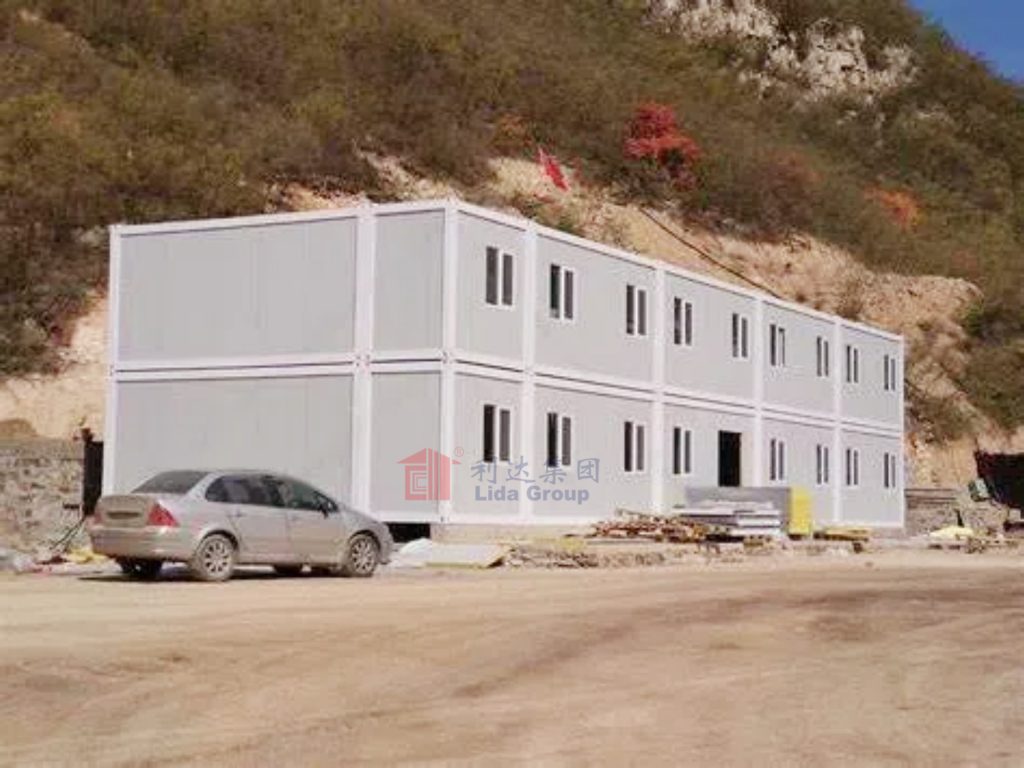
Lida Group’s container house features a flexible modular design that allows for easy customization to meet the unique needs of different industries, workforce sizes, and project requirements. Each unit can be used independently as a single bedroom, office, or storage space, or combined with other units to create larger, more complex living environments—such as dormitories with multiple bedrooms, communal kitchens, dining areas, bathrooms, and recreation spaces.
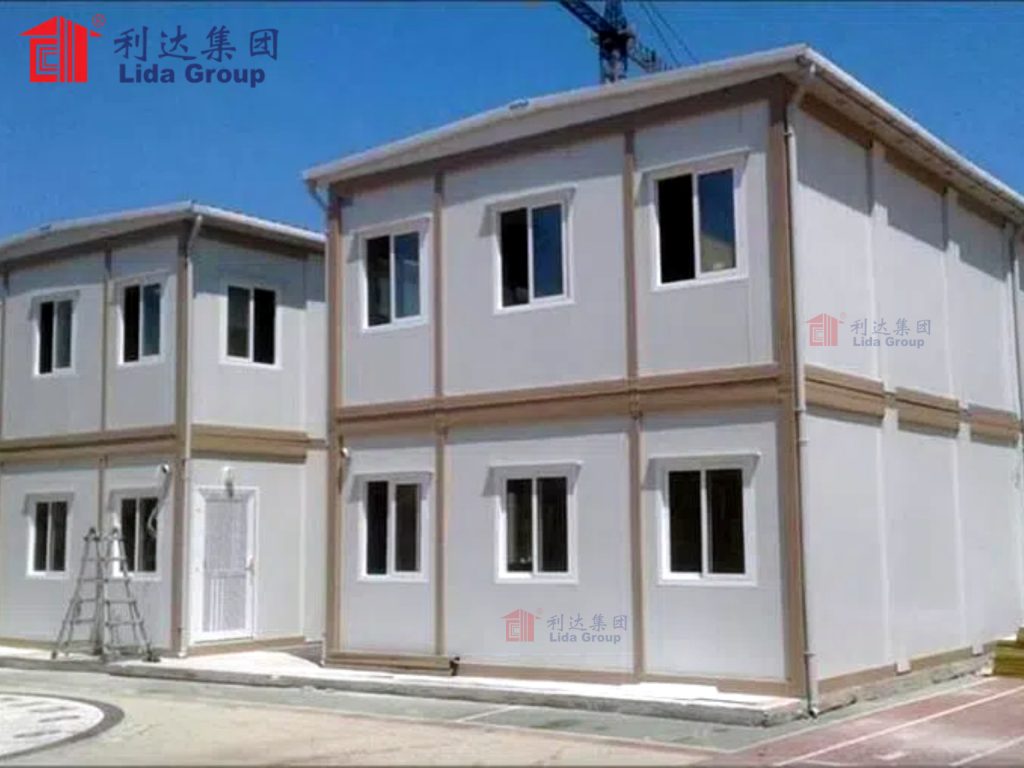
The modular system supports both horizontal and vertical combination, with standardized connection points that ensure seamless assembly and structural stability. Businesses can easily scale the housing solution up or down based on workforce size: adding units as the workforce grows, or removing units when the project scales down. This flexibility eliminates the need for over-investment in permanent housing and ensures that the accommodation perfectly matches the project’s needs at every stage. Additionally, the units can be customized with a range of interior and exterior finishes, layouts, and amenities, allowing businesses to tailor the housing to their brand and worker preferences.
4.3 Durable Construction and Weather Resistance
Lida Group prioritizes durability in its movable modular container house, using high-quality materials and advanced engineering to ensure long-term performance in even the harshest environments. The main structural frame is made of high-strength Q345B galvanized steel, with a thickness of 2.5mm, providing exceptional structural stability and corrosion resistance. The steel frame is treated with hot-dip galvanization and a multi-layer anti-corrosion coating, protecting it from rust, salt fog, and chemical erosion—critical for use in coastal, saline-alkali, or industrial areas.
The exterior walls and roof are constructed with 75mm to 100mm fiber glass sandwich panels, which offer excellent thermal insulation, sound insulation, and fire resistance. The panels feature a corrugated aluminum-zinc color steel exterior with a PE finishing coat, ensuring weather resistance and a long service life. The roof is designed with an organized internal water draining system to prevent leaks, even in heavy rain, and the units are built to withstand wind loads of 0.6 kn/m² and seismic activity up to Level 8, ensuring safety in extreme weather conditions. These features make the container house suitable for use in diverse climates, from arid deserts and high-altitude cold regions to tropical rainforests and coastal areas.
4.4 Rapid Deployment and Low Installation Costs
Lida Group’s movable modular container house is designed for rapid deployment, addressing the industry’s need for quick, efficient workforce housing. All units are fully prefabricated in Lida’s closed, climate-controlled factories, where precision manufacturing ensures consistent quality and eliminates weather-related delays common in on-site construction. The factory production process uses advanced equipment, including CNC cutting machines and automated welding systems, to ensure precise component fabrication and seamless assembly.
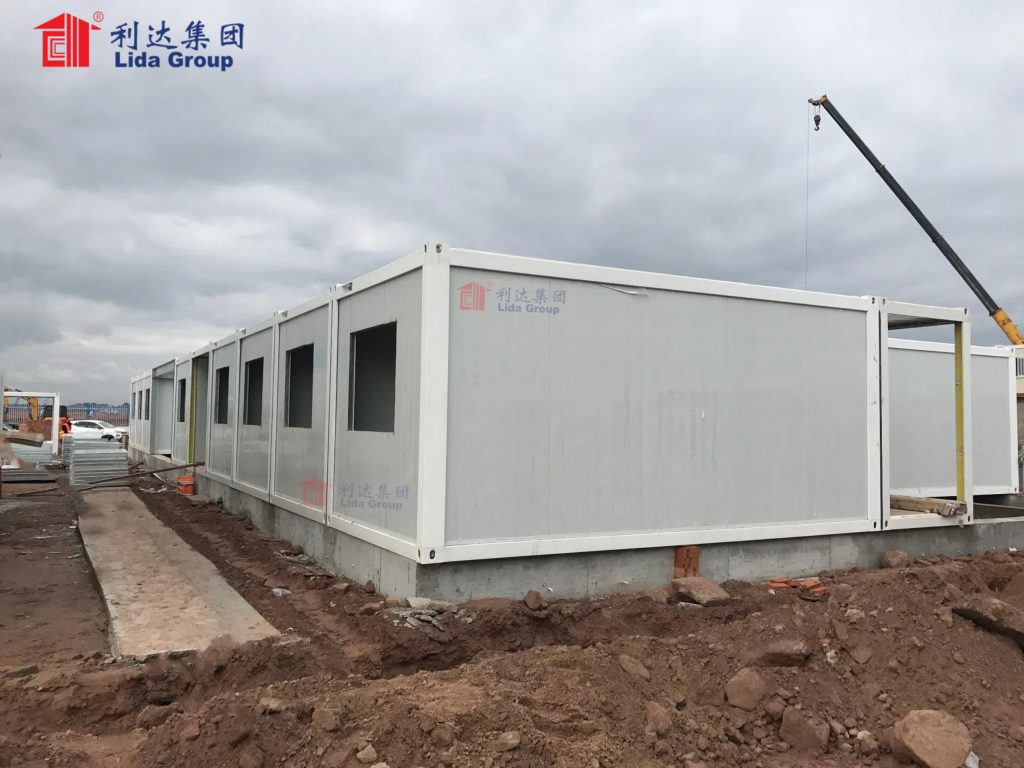
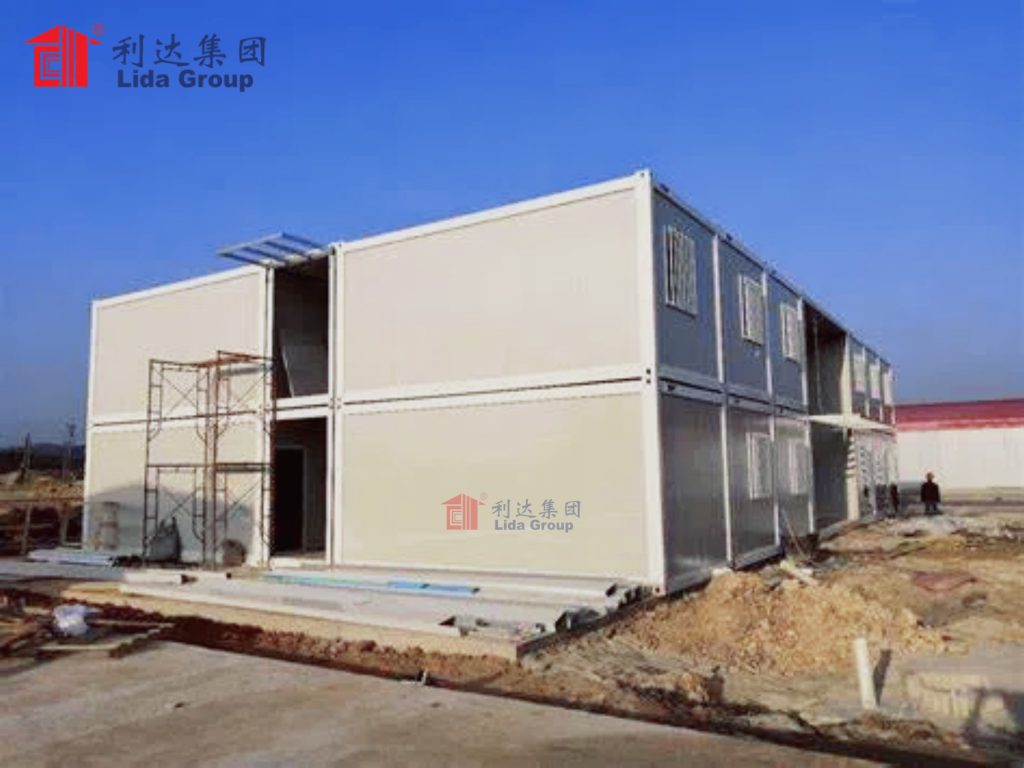
On-site installation is simple and efficient, requiring only a small team of unskilled labor and basic tools. A single 20ft unit can be installed in as little as 4 hours, and a complete workforce camp with multiple units can be fully operational within 3 to 7 days—far faster than traditional on-site construction, which can take weeks or months. This rapid deployment reduces project delays, lowers labor costs, and allows businesses to start their projects sooner. Additionally, Lida provides on-site supervision and installation guidance, as well as installation videos, to ensure a smooth and efficient setup process.
4.5 Comfortable and Safe Living Environment
Lida Group’s movable modular container house prioritizes worker comfort and safety, addressing the inadequacies of traditional workforce housing. The interior of each unit is designed to be spacious, well-ventilated, and thermally efficient, with high-quality insulation to maintain a comfortable temperature year-round—cool in summer and warm in winter. The units are equipped with modern ventilation systems, natural lighting, and electrical wiring, ensuring a healthy and comfortable living environment.
Basic amenities include built-in beds, storage cabinets, desks, and lighting, while optional upgrades include air conditioning, heating, refrigerators, and sanitation facilities. The units are also designed with fire safety in mind, featuring fire-resistant materials, smoke detectors, and fire extinguishers, meeting international fire safety standards (up to 3-4 hours of fire resistance). Additionally, the units can be equipped with security features such as locks, surveillance cameras, and perimeter fencing, ensuring worker safety and peace of mind. These features not only improve worker well-being and morale but also reduce employee turnover and increase productivity.
4.6 Environmental Sustainability and Cost-Efficiency
Lida Group’s movable modular container house is designed to be environmentally sustainable, aligning with global efforts to reduce carbon emissions and construction waste. The prefabricated manufacturing process generates minimal waste, as materials are cut and assembled with precision in the factory, reducing material waste by up to 90% compared to traditional on-site construction. Additionally, the units are fully reusable and recyclable—steel components can be recycled 100% at the end of their service life, reducing environmental impact and promoting a circular economy.
The product’s energy-efficient design also reduces operational costs: the thermal insulation and energy-efficient windows minimize the need for heating and cooling, lowering energy consumption by up to 30% compared to traditional workforce housing. The long service life of the units (up to 50 years) and their reusability across multiple projects further reduce long-term costs, as businesses do not need to replace the housing for each new project. Overall, the container house offers a cost-effective solution, with lower upfront costs, reduced maintenance costs, and lower operational costs compared to traditional workforce housing options.
5. Diverse Application Scenarios for Flexible Workforce Housing
Lida Group’s movable modular container house is highly versatile, making it suitable for a wide range of industries and application scenarios that require flexible workforce housing. Its mobility, modularity, and durability make it an ideal solution for temporary, semi-permanent, or even permanent workforce accommodation across diverse sectors.
5.1 Construction Industry
The construction industry is one of the largest users of flexible workforce housing, with teams moving from project to project—often to remote or urban construction sites—for periods ranging from a few months to several years. Lida’s movable modular container house is perfect for construction worker dormitories, on-site offices, and storage facilities. The units can be quickly deployed to the construction site, providing workers with safe, comfortable accommodation close to their work, reducing commute times and improving productivity. When the project is completed, the units can be easily relocated to the next construction site, eliminating waste and reducing costs. Lida has successfully delivered numerous container house camps for construction projects worldwide, including large-scale highway and building construction in Southeast Asia and Europe.
5.2 Mining and Oil & Gas Industry
Mining and oil & gas projects are often located in remote, harsh environments—such as deserts, mountains, or offshore areas—where traditional housing is difficult to deploy and maintain. Lida’s movable modular container house is designed to withstand these harsh conditions, with corrosion-resistant materials, weatherproof construction, and all-terrain adaptability. The units can be used as worker dormitories, mess halls, medical facilities, and administrative offices, providing a comfortable and safe living environment for mining and oil & gas workers. The mobility of the units allows businesses to relocate the housing as the mining or drilling site expands or shifts, ensuring that workers are always close to their work. Lida has extensive experience in delivering container house solutions for mining and oil & gas projects, with installations in remote regions across Africa, Australia, and South America.
5.3 Infrastructure and Public Works
Infrastructure projects—such as road construction, bridge building, and water treatment facilities—often require temporary workforce housing for teams working in remote or rural areas. Lida’s movable modular container house is an ideal solution, as it can be deployed quickly and easily, even in areas with limited access to infrastructure. The modular design allows for the creation of large workforce camps, with dormitories, communal areas, and office spaces, ensuring that workers have all the amenities they need to live and work comfortably. When the infrastructure project is completed, the units can be relocated to other projects or repurposed for other uses, such as community centers or emergency housing.
5.4 Emergency Response and Disaster Relief
In times of natural disasters—such as earthquakes, floods, or hurricanes—emergency response teams and displaced populations require rapid, temporary housing. Lida’s movable modular container house can be deployed within 72 hours, providing safe, durable, and comfortable accommodation for emergency workers and displaced people. The units are equipped with basic amenities, including sanitation facilities, lighting, and ventilation, and can be easily customized to meet the specific needs of the emergency situation. The mobility of the units allows them to be transported to remote disaster areas, even where infrastructure is damaged, providing critical support during times of crisis. Lida has participated in numerous disaster relief efforts worldwide, delivering container houses to provide temporary shelter for those in need.
5.5 Seasonal and Temporary Workforce
Industries with seasonal workforce needs—such as agriculture, tourism, and event management—require flexible housing that can be deployed during peak seasons and stored or relocated during off-seasons. Lida’s movable modular container house is perfect for this, as it can be quickly installed and removed, depending on the workforce size. For example, in agricultural regions, the units can be used to house seasonal farm workers during harvest season, and then relocated or stored during the off-season. In tourism, the units can be used as temporary accommodation for staff at remote resorts or event venues. This flexibility allows businesses to avoid the cost of permanent housing and only pay for the accommodation when they need it.
6. Global Project Verification and Market Recognition
Since its launch, Lida Group’s movable modular container house has been widely adopted in projects across 152 countries, earning recognition from businesses, governments, and workers worldwide. The product’s performance in diverse environments and applications has been thoroughly verified, demonstrating its reliability, durability, and value.
In Southeast Asia, Lida delivered a fleet of movable modular container houses for a large-scale highway construction project, providing accommodation for 200 construction workers. The units were deployed within 7 days, and their mobility allowed them to be relocated as the construction project advanced. Workers reported significant improvements in living conditions compared to traditional temporary housing, with better insulation, ventilation, and sanitation facilities. The client noted that the container houses reduced relocation costs by 40% and cut deployment time by 70% compared to their previous housing solution.
In Africa, Lida supplied modular container houses for a remote mining project in a desert region, where temperatures often exceed 40°C. The units’ thermal insulation and corrosion-resistant construction ensured that the interior remained cool and comfortable, and the durable design withstood strong winds and sandstorms. The client reported that the units required minimal maintenance over a 5-year period, reducing operational costs by 35% compared to traditional housing. Workers also reported higher morale and productivity, leading to a 15% reduction in employee turnover.
In Europe, Lida’s movable modular container houses were used for a temporary workforce camp during a major infrastructure renovation project. The modular design allowed the client to scale the housing solution up from 50 to 150 units as the workforce grew, and the units were easily relocated to another project once the renovation was completed. The product’s compliance with EU CE (EN 1090) and ISO 9001 certifications ensured that it met strict European safety and quality standards, earning praise from the client and local authorities.
These global projects demonstrate that Lida Group’s movable modular container house delivers on its promises of mobility, durability, comfort, and cost-efficiency. The product has earned a reputation as a reliable and innovative solution for flexible workforce housing, with businesses praising its ability to reduce costs, improve worker well-being, and enhance project efficiency. Lida Group’s extensive global experience, combined with its commitment to quality and innovation, has established it as a trusted partner for workforce housing solutions worldwide.
7. Conclusion
The global workforce is becoming increasingly mobile, and businesses across industries are seeking flexible, efficient, and high-quality housing solutions to support their teams. Traditional workforce housing options have long failed to meet these needs, plagued by inflexibility, slow deployment, poor durability, inadequate comfort, and high costs. Lida Group’s launch of its movable modular container house for flexible workforce housing addresses these pain points head-on, offering a revolutionary solution that redefines the standards of workforce accommodation.
Lida Group’s movable modular container house stands out as a game-changer in the workforce housing market, thanks to its exceptional mobility, flexible modular design, durable construction, rapid deployment, comfortable living environment, and environmental sustainability. Built on Lida’s three decades of expertise in modular construction and global project delivery, the product combines the portability of containers with the customization of modular design, making it adaptable to diverse industries, workforce sizes, and environmental conditions. From construction and mining to emergency response and seasonal work, the container house provides a cost-effective, reliable, and sustainable solution for businesses and workers alike.
The product’s global project verification and market recognition demonstrate its ability to deliver real value: reducing costs, improving worker well-being and productivity, accelerating project timelines, and minimizing environmental impact. By choosing Lida Group’s movable modular container house, businesses can not only meet their flexible workforce housing needs but also gain a competitive advantage in an increasingly dynamic global market.
As the demand for flexible workforce housing continues to grow, Lida Group remains committed to innovating and optimizing its movable modular container house series. The company will continue to invest in research and development, improving the product’s performance, customization options, and sustainability, to meet the evolving needs of businesses and workers worldwide. With its focus on quality, innovation, and customer satisfaction, Lida Group is poised to lead the future of flexible workforce housing, delivering safe, comfortable, and efficient accommodation solutions that empower mobile workforces and drive business success.
Related news
-
Why Choose Lida Group for Corrosion-Resistant Steel Structure Building and High Quality House?
2026-04-30 09:14:13
-
Lida Group Engineers Corrosion-Resistant Steel Structure Building to Deliver High Quality House
2026-04-30 09:23:47
-
Sustainable and Long-Lasting: Corrosion-Resistant Construction for High Quality House by Lida Group
2026-04-30 09:19:36
contact us
- Tel: +86-532-88966982
- Whatsapp: +86-13793209022
- E-mail: sales@lidajituan.com
