



Sustainable and Long-Lasting: Corrosion-Resistant Construction for High Quality House by Lida Group
2026-Apr-30 09:19:36
By Admin
1. Introduction
The global construction industry is undergoing a profound transformation from traditional short-term functional construction to sustainable, low-carbon, and long-lifespan development. Modern high-quality residential buildings are no longer evaluated merely by appearance design and basic living functions. Instead, long-term structural durability, low resource consumption, minimal maintenance waste, stable living performance, and eco-friendly attributes have become core criteria for premium housing evaluation. Traditional residential solutions, including concrete, masonry, and wooden structures, struggle to balance living comfort, structural stability, and environmental sustainability, restricting the upgrading of modern residential construction standards.
Steel structure residential buildings have emerged as a mainstream sustainable construction option due to their lightweight structure, high mechanical strength, flexible architectural design, and outstanding recyclability. According to World Steel Association data, steel ranks among the most recyclable building materials worldwide, with a recycling rate exceeding 85%, effectively supporting the circular economy of the construction industry. However, structural corrosion remains the biggest obstacle limiting the sustainable value and service life of steel houses. Unprotected steel components degrade rapidly under humid, saline, ultraviolet, and alternating temperature environments, leading to structural aging, frequent repairs, repeated component replacement, and massive construction waste. Such continuous performance attenuation completely offsets the green advantages of steel structures, making ordinary steel houses unable to achieve genuine long-term sustainability.
As a global leading provider of modular steel structure construction solutions, Lida Group redefines high-quality sustainable residential construction through professional standardizedcorrosion-resistant construction technology. Different from superficial single anti-rust measures adopted by most manufacturers, Lida Group builds a full-chain systematic anti-corrosion system covering material optimization, factory refined processing, multi-layer composite protection, structural upgrading, and scenario-based customization. This article systematically explores how Lida Group’s professional corrosion-resistant construction empowers steel structure houses to achieve dual advantages of long-term durability and green sustainability, analyzes industry technical pain points, core technological innovations, and comprehensive lifecycle value, and demonstrates the pivotal role of standardized anti-corrosion technology in modern sustainable high-quality residential construction.
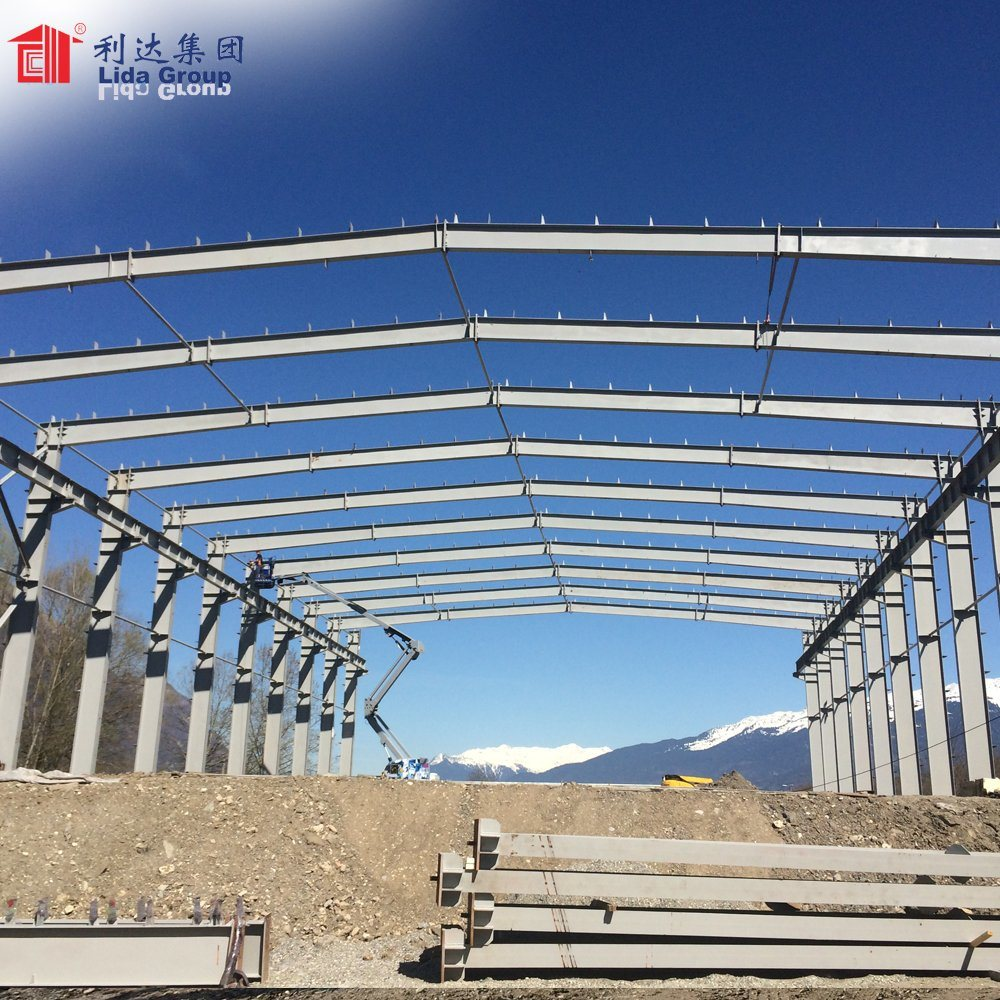
2. How Corrosion Undermines Residential Sustainability and Service Life
Building sustainability refers to the capability of residential structures to maintain stable performance, reduce resource consumption, minimize environmental emissions, and avoid waste generation throughout the entire lifecycle from construction, operation to dismantling. Structural corrosion is the primary invisible factor that destroys the sustainable attributes of steel houses, leading to comprehensive degradation of building quality and ecological value.
2.1 Shortens Structural Service Life and Triggers Frequent Reconstruction
Ordinary unprotected steel structures are highly susceptible to electrochemical corrosion in outdoor open environments. Without standardized anti-corrosion construction, steel frames and connecting components will develop rust spots and coating peeling within three to five years. Continuous corrosion erodes steel thickness, reduces structural toughness and bearing capacity, and causes subtle deformation and loose assembly of building frames. Most ordinary steel houses face overall aging and functional failure within 15 years, requiring large-area component replacement or even overall reconstruction. Frequent building renovation and reconstruction consume massive raw materials, generate abundant construction waste, and greatly increase carbon emissions, completely breaking the sustainable operation cycle of residential buildings.
2.2 Increases Full-Lifecycle Maintenance Resource Consumption
Corrosion-induced structural aging brings continuous high maintenance costs and resource waste. Traditional steel houses require regular rust removal, repainting, structural inspection, and reinforcement every two to three years. Each maintenance operation consumes new coating materials, auxiliary construction supplies, and human resources. Meanwhile, residual rust materials and waste coatings generated during maintenance become non-degradable construction waste, increasing landfill pressure and environmental pollution. The repetitive maintenance model makes ordinary steel structure houses high-consumption and low-efficiency residential products, failing to meet the low-carbon and low-consumption requirements of modern sustainable buildings.
2.3 Damages Living Stability and Long-Term Residential Value
Local corrosion of structural nodes easily causes uneven structural stress, resulting in minor deformation of walls and roofs, indoor air leakage, water seepage, and poor thermal insulation performance. These problems continuously reduce living comfort and destroy the stable indoor living environment. Moreover, persistent structural aging and unstable building quality lead to continuous depreciation of residential asset value. Houses with poor anti-corrosion performance cannot maintain long-term premium quality, lacking sustainable investment and residential value, which is inconsistent with the construction concept of modern high-quality permanent residences.
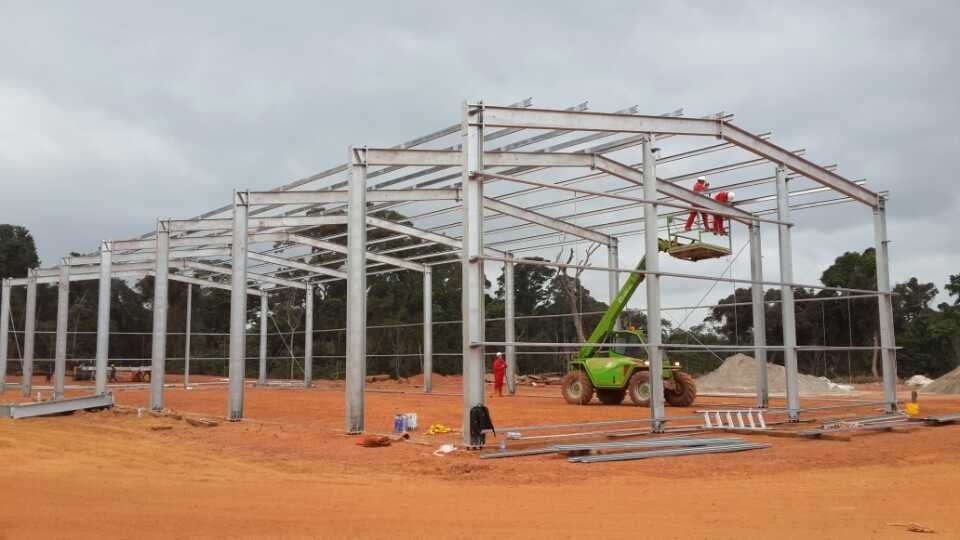
3. Core Sustainable Corrosion-Resistant Construction Technologies of Lida Group
Targeting the sustainability damage caused by structural corrosion, Lida Group iterates and upgrades traditional steel structure anti-corrosion technology. The enterprise abandons fragmented and experience-based construction methods and builds a standardized, systematic, and customizable full-process corrosion-resistant construction system. Every technical link focuses on dual goals of structural durability and green sustainability, fundamentally solving the industry pain point of unsustainable steel house operation.
3.1 High-Grade Recyclable Corrosion-Resistant Substrate Materials
Material quality determines the upper limit of building sustainability. Different from ordinary low-carbon steel used in low-end steel buildings, Lida Group’s high-quality houses adopt ASTM-standard hot-dip galvanized steel and aluminum-zinc alloy coated steel substrates. The optimized alloy formula forms a dense protective oxide layer on the steel surface, which can actively isolate moisture, salt fog, and corrosive dust in the external environment and inhibit electrochemical corrosion from the source. More importantly, all high-grade alloy steel materials are 100% recyclable and can be repeatedly processed and reused without attenuation of mechanical and anti-corrosion performance, perfectly fitting the circular economy development model of green buildings.
Compared with ordinary steel materials, Lida’s customized alloy steel has stronger weather resistance and structural stability, avoiding frequent component replacement caused by corrosion failure. It effectively reduces raw material consumption and construction waste generation throughout the building lifecycle, laying a solid material foundation for sustainable residential construction.
3.2 Closed Factory Refined Pretreatment System
Most traditional steel structure anti-corrosion treatments are completed on open construction sites, which are easily affected by temperature, humidity, and dust, resulting in uneven pretreatment quality and low coating adhesion. Lida Group uniformly completes all steel component surface purification and pretreatment in closed constant-temperature and constant-humidity factories. Professional sand blasting and pickling processes thoroughly remove surface oxide scale, welding slag, and oil impurities, ensuring uniform surface roughness and cleanliness of components.
Subsequent chemical passivation treatment forms a dense passive isolation film on the steel matrix, further enhancing anti-corrosion stability. Factory standardized pretreatment avoids repeated rework and material waste caused by unqualified on-site construction. Meanwhile, the closed production environment effectively controls construction dust and sewage discharge, reducing the ecological environmental impact of building component processing and realizing low-pollution pretreatment production.
3.3 Three-Layer Composite Environmental Protection Coating Technology
Lida Group’s mature three-layer composite closed coating system is the core of durable and sustainable anti-corrosion construction, including eco-friendly epoxy zinc-rich primer, adhesive intermediate coating, and weather-resistant fluorocarbon topcoat. All coating materials comply with international green environmental protection standards, featuring formaldehyde-free, non-toxic, low volatile organic compound content, and no environmental pollution during construction and long-term use.
The zinc-rich primer provides sacrificial cathodic protection for steel substrates. Even if the surface coating is slightly scratched, it can continuously protect the steel structure from rust damage. The thickened intermediate coating strengthens moisture isolation and impact resistance, blocking external water vapor penetration. The high-performance fluorocarbon topcoat has ultra-strong ultraviolet aging resistance and salt fog corrosion resistance, maintaining stable color and structural protection performance for more than 30 years. Compared with ordinary single-layer paint coatings that fail rapidly, the long-life composite coating greatly reduces the frequency of later repainting maintenance, cuts down the consumption of coating materials, and reduces harmful substance emissions generated by repeated painting construction.
3.4 Full-Scenario Structural Node Anti-Corrosion Optimization
Structural node corrosion is the main cause of local structural failure and shortens building service life. Lida Group thoroughly optimizes structural design and construction technology, abandoning traditional destructive on-site welding processes and fully adopting factory prefabrication and bolt assembly structures. All connecting nodes are precisely preset and processed in factories to avoid secondary on-site cutting and welding damage to protective layers.
For bolt gaps, component lap joints, wall base connections, and other vulnerable corrosion points, standardized waterproof and anti-corrosion sealing gaskets and supplementary environmental-friendly touch-up coatings are installed. The integrated gradient drainage structure of the roof eliminates rainwater accumulation, and the customized wall base moisture-proof skirts isolate ground saline-alkali erosion. The all-round node optimization eliminates local corrosion hidden dangers, avoids partial structural failure and component replacement, and ensures the overall long-term stable and sustainable operation of steel structure houses.
3.5 Environment-Adaptive Customized Anti-Corrosion Solutions
Different environmental conditions bring differentiated corrosion pressure to residential buildings. A single anti-corrosion scheme cannot balance protection quality and resource utilization efficiency. Lida Group classifies global residential environmental corrosion levels and formulates targeted customized anti-corrosion construction schemes for coastal salt fog areas, inland saline-alkali lands, high-altitude strong ultraviolet areas, and perennial humid rainy areas.
The graded customized construction mode avoids insufficient protection in harsh environments and redundant over-protection in mild environments, realizing precise matching of anti-corrosion performance and environmental demand. It effectively saves unnecessary raw material investment, reduces construction resource waste, and achieves the optimal balance of structural durability, economic cost, and ecological benefit, further improving the comprehensive sustainability of residential buildings.
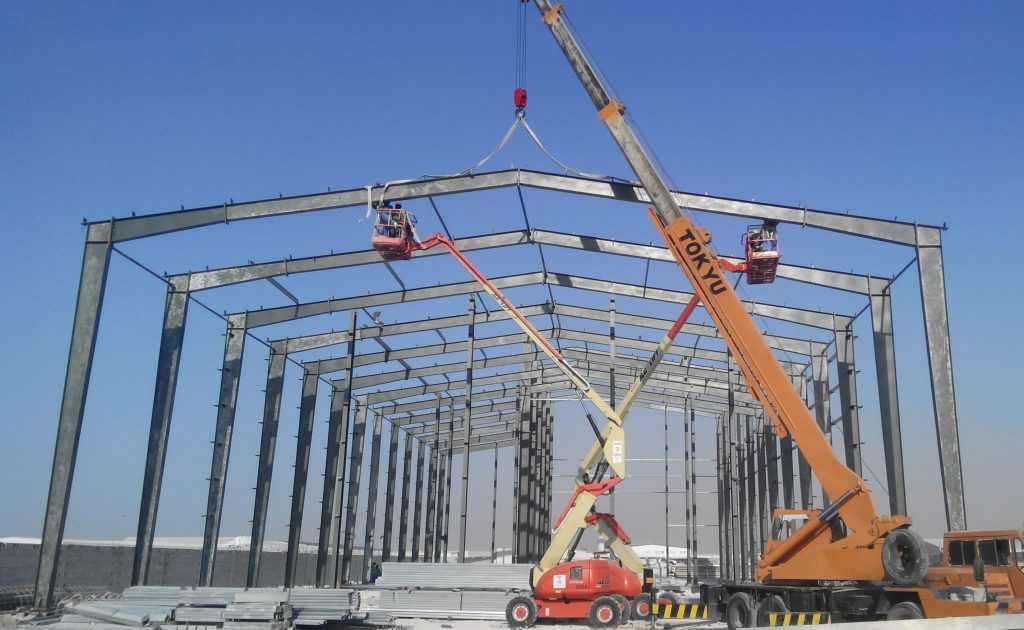
4. Comprehensive Sustainable and Long-Lasting Value of Lida’s Steel Houses
Supported by systematic corrosion-resistant construction technology, Lida Group’s high-quality steel structure houses break the sustainability bottleneck of traditional residential buildings and realize multi-dimensional value upgrades including ultra-long service life, low full-cycle consumption, stable living quality, and green ecological operation.
4.1 Ultra-Long Service Life Reduces Reconstruction Waste
Ordinary unstandardized steel structure houses have an effective service life of less than 20 years, while Lida Group’s corrosion-resistant steel houses can maintain stable structural performance for more than 50 years. The ultra-long service life greatly extends the effective operation cycle of residential buildings, reduces the frequency of building reconstruction and renovation, and drastically cuts down construction waste generation and building material consumption. Long-life structural durability is the most core foundation for residential building sustainability, enabling a single residential project to achieve decades of stable green operation.
4.2 Low Full-Cycle Maintenance Achieves Low-Carbon Operation
Lida Group’s composite anti-corrosion protection system requires almost no professional rust removal and repainting maintenance within 20 years after project delivery. Compared with ordinary steel houses that need frequent maintenance, it saves a large amount of manpower, material resources, and energy consumption throughout the lifecycle. Reduced maintenance operations effectively lower construction carbon emissions, auxiliary material waste, and environmental pollution, realizing genuine low-carbon and low-consumption sustainable operation of residential buildings.
4.3 Stable Structural Safety and Persistent Living Comfort
Corrosion-induced structural aging will not only damage building sustainability but also reduce residential safety and comfort. Lida Group’s standardized anti-corrosion construction completely avoids structural performance attenuation caused by environmental erosion. The high-toughness alloy steel frame maintains excellent seismic resistance, wind resistance, and structural stability, effectively resisting extreme weather and slight geological changes. Matched with high-performance corrosion-resistant thermal insulation and sound insulation enclosure panels, the building has stable sealing, heat preservation, and noise reduction performance, permanently maintaining a dry, quiet, and healthy indoor living environment. Stable long-term living quality ensures continuous residential use value and avoids functional depreciation caused by structural aging.
4.4 Modular Detachability Improves Circular Utilization Rate
In addition to anti-corrosion durability, Lida Group’s modular steel structure design has excellent disassembly and reuse characteristics. All building components are connected by standard bolts, supporting non-destructive disassembly, cross-project transportation, and reassembly, with a component reuse rate of over 85%. When the land functional planning changes, steel components can be completely recycled and reused instead of becoming construction waste. Combined with the 100% recyclable attribute of steel materials, the building realizes full-lifecycle circular utilization, perfectly conforming to global green building and circular economy development strategies.
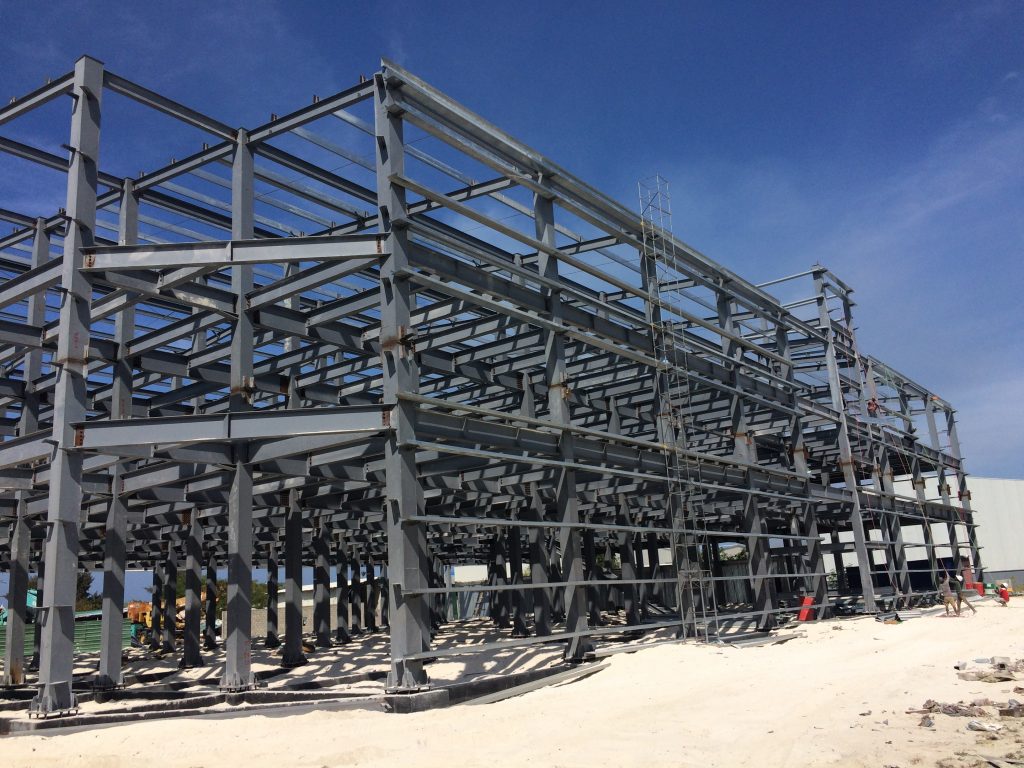
5. Practical Engineering Verification of Sustainable Anti-Corrosion Residential Construction
After years of global engineering practice and technical iteration, Lida Group’s corrosion-resistant sustainable steel structure residential construction technology has been widely applied in more than 100 countries and regions worldwide. The project types cover high-end customized villas, green residential communities, scenic eco-residences, and low-carbon staff living camps. All projects are distributed in diversified complex environments such as coastal high-corrosion areas, inland saline-alkali lands, high-altitude cold regions, and arid ultraviolet-intensive areas.
Long-term project operation verification shows that all Lida Group’s steel structure houses maintain intact protective layers, stable structural performance, no rust deformation, and extremely low maintenance demand. Compared with traditional residential buildings, these projects reduce full-lifecycle resource consumption by more than 40% and cut construction carbon emissions significantly. A large number of practical cases fully prove that professional corrosion-resistant construction is the core prerequisite for steel structure houses to exert green advantages and achieve long-term sustainable operation, winning wide recognition and trust from global developers and residential users.
6. Conclusion
With the global construction industry accelerating towards low-carbon, green, and sustainable upgrading, modern high-quality houses are no longer limited to basic living functions but pursue long-term structural durability, low resource consumption, stable living quality, and circular economic value. Steel structure residential buildings have inherent green advantages such as high recyclability and low construction pollution, but structural corrosion has long restricted their sustainable development value. Ordinary non-standard anti-corrosion measures lead to short building service life, frequent maintenance, massive resource waste, and unstable residential quality, making it impossible for steel houses to achieve genuine long-term green operation.
Lida Group’s professional corrosion-resistant construction technology effectively solves the core sustainability pain points of steel structure houses. Through high-grade recyclable anti-corrosion substrates, closed factory refined pretreatment, eco-friendly three-layer composite coating, full-scenario structural node optimization, and environment-adaptive customized schemes, Lida Group builds a comprehensive dead-angle-free anti-corrosion protection system. This systematic technology extends the service life of high-quality steel houses to more than 50 years, greatly reduces full-lifecycle maintenance consumption and construction waste, maintains persistent structural safety and living comfort, and realizes circular reuse of building components.
In the future, sustainable and long-lasting construction will become the universal standard of global high-quality residential engineering. Lida Group will continue to optimize anti-corrosion construction processes and green building technologies, further improve the durability, low-carbon performance, and circular utilization efficiency of steel structure houses, and continuously lead the upgrading of global green and sustainable residential construction standards, providing reliable long-life and eco-friendly housing solutions for global users.
Related news
-
Why Choose Lida Group for Corrosion-Resistant Steel Structure Building and High Quality House?
2026-04-30 09:14:13
-
Lida Group's Corrosion-Resistant Construction Technology Elevates Steel Structure Building Homes
2026-04-30 08:58:06
-
Discover the Benefits of Corrosion-Resistant Steel Structure Building for Your High Quality House
2026-04-30 08:53:53
contact us
- Tel: +86-532-88966982
- Whatsapp: +86-13793209022
- E-mail: sales@lidajituan.com
