



Discover the Benefits of Corrosion-Resistant Steel Structure Building for Your High Quality House
2026-Apr-30 08:53:53
By Admin
1. Introduction
A high-quality house is defined not merely by exquisite interior decoration and stylish exterior design, but more importantly, by lasting structural stability, reliable environmental adaptability, comfortable living experience, and sustainable asset value. In the modern residential construction industry, homeowners and property developers are gradually abandoning the outdated concept of focusing only on short-term visual effects and upfront construction costs. Instead, they prioritize long building service life, low maintenance consumption, structural safety, and eco-friendly performance when selecting residential building solutions.
Traditional concrete, masonry, and ordinary wooden houses have dominated the residential market for decades, yet they expose unavoidable defects in long-term operation. Concrete buildings are prone to water seepage, structural aging, wall cracking, and mold growth in humid and coastal environments. Wooden houses suffer from rot, insect infestation, and poor wind resistance. Ordinary unprotected steel structure houses face severe corrosion risks, leading to rust deformation, loose structures, and rapid quality attenuation. These inherent shortcomings make traditional buildings difficult to meet the high-standard, long-life, and low-consumption construction requirements of modern premium residences.
With the continuous innovation of construction materials and engineering technology, corrosion-resistant steel structure buildings have become the optimal choice for high-quality house construction. Through professional material optimization, surface anti-corrosion treatment, and structural engineering upgrading, corrosion-resistant steel structures thoroughly solve the core pain point of steel material rusting and aging. As a leading global provider of modular steel structure construction solutions, Lida Group’s corrosion-resistant steel residential systems integrate durability, safety, flexibility, comfort, and economy, bringing comprehensive value upgrades to modern high-quality houses. This article systematically explores the core advantages of corrosion-resistant steel structure buildings, analyzes their differentiation from traditional residential buildings, and verifies their practical application value in premium residential projects.
2. Common Defects of Traditional High-Quality Residential Buildings
Many high-end residential projects relying on traditional building materials often encounter quality degradation and value loss after several years of use. Whether concrete masonry, wooden structures, or ordinary unprotected steel structures, inherent material limitations and technological defects restrict the long-term quality maintenance of high-quality houses.
2.1 Concrete and Masonry Structure Limitations
Concrete and brick masonry are the most widely used traditional residential building forms. Although they have stable compressive strength and low upfront material costs, their porous internal structure leads to poor waterproof and moisture-proof performance. In perennial rainy, humid, and coastal areas, rainwater continuously penetrates the wall interior, causing steel bar rust expansion, concrete peeling, hollow walls, and structural cracks. These problems not only damage building structural safety but also lead to indoor dampness, mold growth, and peeling wall paint, seriously affecting living comfort and residential aesthetics.
In addition, concrete structures have poor ductility and weak seismic and deformation resistance. Once encountering earthquakes, strong winds, and other extreme natural disasters, brittle structural damage is likely to occur. Meanwhile, traditional concrete construction relies heavily on manual on-site pouring and long-term curing, with uncontrollable construction quality and lengthy project cycles. The rigid structural design also limits indoor space layout flexibility, unable to meet the personalized design demands of modern high-quality customized houses.
2.2 Wooden Structure Environmental Vulnerability
Wooden houses have natural texture advantages and good thermal insulation performance, which are favored by high-end customized residential projects. However, wooden materials have extremely poor environmental resistance. Long-term exposure to humid air will cause wood rot, mildew, and deformation. Dry and hot environments will lead to wood cracking and shrinkage. Moreover, wooden structures are vulnerable to termite erosion and open fire hazards, resulting in extremely low structural safety and short service life.
To maintain the quality of wooden high-quality houses, homeowners need regular anti-mold, anti-insect, and fire-proof maintenance. Frequent manual maintenance and material replacement generate high long-term operational costs. The poor environmental adaptability and unstable structural performance make wooden structures unable to become mainstream long-life high-quality residential solutions.
2.3 Ordinary Unprotected Steel Structure Corrosion Risks
Ordinary steel structure houses have outstanding advantages such as light weight, high strength, and flexible design, but the lack of systematic corrosion-resistant construction leads to fatal quality defects. Bare steel materials are chemically active and prone to electrochemical corrosion when contacting humid air, salt fog, and dust. Most traditional steel residential projects only adopt simple single-layer anti-rust paint treatment, with thin protective layers and poor weather resistance.
After 3 to 5 years of outdoor operation, ordinary steel components will suffer large-area coating peeling and rusting, resulting in reduced structural strength, loose connection nodes, and uneven structural stress. Continuous corrosion erosion leads to gradual attenuation of building safety performance, shortened service life, and frequent maintenance demands, which cannot meet the long-term stable quality requirements of high-quality houses..
3. Working Principle of Corrosion-Resistant Steel Structure Technology
Different from ordinary unprotected steel structures, high-quality corrosion-resistant steel structure buildings adopt a systematic multi-dimensional protection system, fundamentally blocking environmental corrosion factors and protecting steel structural components for long-term stable operation. Lida Group’s mature corrosion-resistant technology combines material optimization, physical isolation, chemical protection, and structural optimization to form a closed-loop anti-corrosion system.
3.1 High-Quality Corrosion-Resistant Base Materials
Lida Group’s residential steel structures adopt high-strength hot-dip galvanized steel and aluminum-zinc alloy coated steel as the base material. Compared with ordinary low-carbon steel, the optimized alloy steel formula has natural oxidation resistance and chemical corrosion resistance. The dense metal alloy layer formed on the steel surface can effectively isolate external moisture, salt ions, and corrosive dust, reducing the chemical activity of the steel matrix and inhibiting rust reactions from the source.
3.2 Multi-Layer Composite Protective Coating
On the basis of high-quality steel substrates, all components undergo standardized multi-layer composite coating treatment, including epoxy zinc-rich anti-rust primer, adhesive intermediate coating, and weather-resistant fluorocarbon topcoat. The zinc-rich primer provides sacrificial electrochemical protection for steel components. The thickened intermediate coating resists physical impact and moisture penetration. The high-performance fluorocarbon topcoat withstands long-term ultraviolet aging, wind and rain scouring, and salt fog chemical erosion. The three-layer closed protective system realizes dead-angle-free coverage of steel components.
3.3 Structural Anti-Corrosion Optimization Design
In addition to material and coating protection, structural design optimization further eliminates corrosion hidden dangers. The bolted assembly structure replaces traditional on-site welding, reducing stress concentration and coating damage at welding joints. The integrated gradient drainage structure avoids rainwater accumulation on the building surface. Special sealing gaskets and moisture-proof skirt structures are installed at connection gaps and wall bases to isolate ground moisture and environmental corrosive media, realizing comprehensive structural anti-corrosion protection.
4. Core Benefits of Corrosion-Resistant Steel Structure for High-Quality Houses
Equipped with systematic anti-corrosion technology, corrosion-resistant steel structure buildings break all quality limitations of traditional residential buildings and provide multi-dimensional core value upgrades for modern high-quality houses in terms of structural durability, safety performance, economic benefits, living comfort, and green environmental protection.
4.1 Ultra-Long Service Life and Permanent Structural Stability
Structural durability is the core standard of high-quality houses. Traditional residential buildings have an effective service life of only 15 to 30 years, accompanied by continuous structural aging and quality degradation. Verified by long-term outdoor engineering tests, Lida Group’s corrosion-resistant steel structure houses can maintain stable structural performance for more than 50 years. The complete anti-corrosion protection system effectively resists environmental erosion in coastal salt fog areas, inland saline-alkali lands, high-altitude ultraviolet regions, and humid rainy areas.
During long-term service, the steel frame will not rust, deform, or loosen, and the overall structural rigidity and bearing capacity remain stable. The ultra-long service life and permanent structural stability enable high-quality houses to maintain consistent premium quality throughout the whole life cycle, realizing long-term asset preservation and appreciation for residential properties.
4.2 Superior Structural Safety and Disaster Resistance
Corrosion is the invisible killer of building structural safety. Long-term rust erosion will continuously reduce steel strength and structural toughness, weakening the building’s ability to resist natural disasters. Corrosion-resistant steel structures completely avoid structural performance attenuation caused by environmental erosion. The high-toughness alloy steel frame has excellent deformation resistance and energy absorption capacity, realizing Level 8 earthquake resistance and Level 12 strong wind resistance.
Different from brittle concrete structures that are prone to overall collapse after cracking, corrosion-resistant steel structures can maintain structural integrity under extreme weather and slight geological changes. Matched with high-standard fireproof and heat-insulating enclosure panels, the building’s fire resistance and impact resistance are further improved, fully protecting indoor personnel and property safety and meeting the ultra-high safety standards of modern premium residential projects.
4.3 Low Full-Cycle Maintenance Cost and High Cost Performance
Although corrosion-resistant steel structure buildings have slightly higher upfront construction investment than ordinary traditional houses, they have extremely low full-cycle operational costs. Traditional high-quality houses require regular rust removal, wall repair, anti-corrosion painting, and structural reinforcement every 2 to 3 years, generating continuous labor and material consumption. Wooden houses also need frequent anti-mold and anti-insect maintenance.
In contrast, Lida Group’s corrosion-resistant steel houses hardly require professional maintenance in the first 20 years of operation. The durable multi-layer protective system avoids coating failure and structural aging, saving a large amount of long-term maintenance costs. In addition, modular steel structures have detachable and reusable characteristics, with a component reuse rate of more than 85%. Building components can be disassembled and reassembled across projects, converting residential infrastructure into sustainable circulating assets and greatly optimizing the full-cycle economic benefits of high-quality houses.
4.4 Flexible Customization and Superior Architectural Aesthetics
High-quality premium houses require personalized architectural design and diverse spatial styles. Traditional concrete and wooden structures are limited by material characteristics, with fixed spatial layouts and single design styles, unable to meet customized design demands. Corrosion-resistant steel structures adopt lightweight high-strength frame design, which supports free adjustment of indoor partition layout, storey height, and building scale.
The flexible structural system can adapt to various high-end architectural styles including modern minimalist, pastoral, and industrial styles. The smooth and flat steel surface and stable coating color will not fade or peel for a long time, permanently maintaining the exquisite exterior aesthetics of residential buildings. Diversified exterior wall materials and decorative accessories can be matched to create personalized and exclusive high-quality residential styles for homeowners.
4.5 Comfortable Living Environment and Excellent Sealing Performance
Corrosion-resistant steel structure houses are equipped with high-performance composite sandwich enclosure panels. The sealed assembly structure effectively avoids water seepage, air leakage, and dust penetration problems common in traditional houses. The high-density core material has excellent thermal insulation, heat preservation, and sound insulation performance, isolating external high and low temperatures and environmental noise.
The scientific daylighting and ventilation design ensures sufficient natural light and smooth indoor and outdoor air circulation, keeping the indoor environment warm in winter and cool in summer, quiet, dry, and clean. It effectively avoids indoor dampness, mold growth, and stale air caused by poor sealing of traditional buildings, creating a healthy and comfortable long-term living environment for residents.
4.6 Green Environmental Protection and Sustainable Development Value
Modern high-quality house construction not only pursues living quality but also focuses on green low-carbon and sustainable development. Traditional concrete construction produces massive dust, sewage, and solid waste pollution, with high resource consumption and carbon emissions. Wooden houses consume a large amount of forest resources, causing ecological damage.
Corrosion-resistant steel structure buildings belong to typical green building products. All steel materials can be 100% recycled and reused. Factory prefabrication and on-site dry assembly modes produce almost no construction pollutants, greatly reducing construction energy consumption and carbon emissions. The ultra-long building service life reduces repeated reconstruction and resource waste. The eco-friendly construction characteristics enable high-quality residential projects to meet international green building certification standards and have excellent social and ecological value.
5. Scenario Adaptability of Corrosion-Resistant Steel Structure Houses
One of the outstanding advantages of corrosion-resistant steel structure high-quality houses is strong scenario adaptability. Through differentiated anti-corrosion design and structural optimization, Lida Group’s products can maintain stable high-quality performance in almost all complex residential environments. In coastal areas with severe salt fog corrosion, thickened salt-fog-resistant coatings and hot-dip galvanized structures effectively resist chemical erosion. In inland saline-alkali lands, enhanced moisture-proof and anti-corrosion structures isolate soil corrosion.
In high-altitude cold areas and arid high-temperature areas, high-weather-resistance protective coatings avoid ultraviolet aging and extreme temperature structural damage. Whether used for urban high-end residential communities, suburban customized villas, remote scenic supporting houses, or field staff boutique camps, corrosion-resistant steel structure buildings can perfectly adapt to environmental characteristics and stably maintain premium residential quality for a long time.
6. Practical Engineering Application and Market Recognition
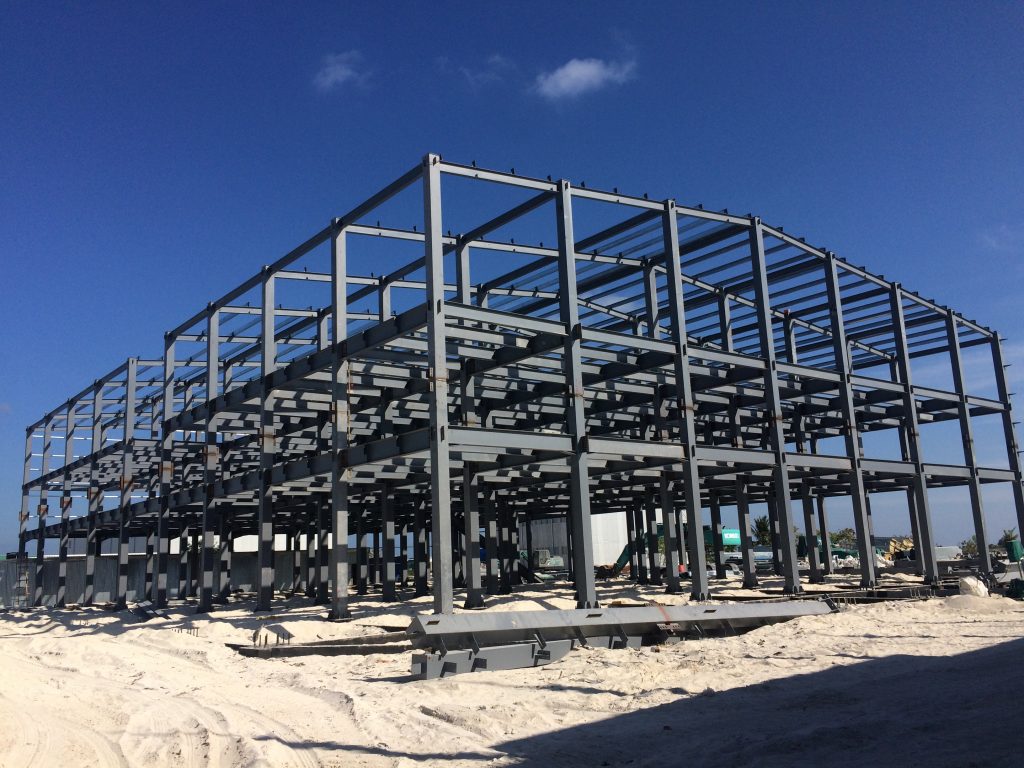
After years of technical iteration and practical engineering verification, Lida Group’s corrosion-resistant steel structure high-quality houses have been widely promoted and applied in global residential construction projects. A large number of practical cases verify that corrosion-resistant steel residential buildings comprehensively surpass traditional residential buildings in structural durability, safety performance, living comfort, and economic benefits.
All delivered projects operate stably in diversified complex environments without rusting, coating peeling, structural deformation, and quality attenuation. Homeowners and construction developers generally recognize that corrosion-resistant steel structure buildings are the most cost-effective and reliable solution for modern high-quality residential construction, which can permanently preserve building quality and residential asset value.
7. Conclusion
High-quality house construction focuses on long-term structural stability, lasting living comfort, sustainable economic benefits, and green ecological value. Traditional concrete, wooden, and ordinary unprotected steel structure houses have inherent defects such as poor environmental adaptability, easy structural aging, high maintenance costs, and short service life, which are difficult to meet the high-standard construction requirements of modern premium residences.
Corrosion-resistant steel structure buildings thoroughly break the quality bottleneck of traditional residential construction. Through high-quality alloy steel substrates, multi-layer composite closed anti-corrosion coatings, and optimized structural anti-corrosion design, this building system realizes comprehensive environmental corrosion resistance. It brings multiple core benefits to high-quality houses, including ultra-long service life, superior structural safety, low full-cycle maintenance cost, flexible personalized design, comfortable living environment, and green low-carbon performance.
With the continuous upgrading of the global construction industry, residential buildings are developing toward durability, standardization, customization, and green sustainability. Corrosion-resistant steel structure building technology will become the mainstream choice for modern high-quality house construction. In the future, Lida Group will continue to optimize anti-corrosion construction technology and steel structure performance, continuously upgrade high-standard residential solutions, and help global users build safer, more durable, more comfortable, and higher-value premium houses.
Related news
-
Lida Group Sets New Standard in Corrosion-Resistant Construction for Steel Structure Building Houses
2026-04-29 17:55:02
-
Corrosion-Resistant Construction Ensures Long Life for Steel Structure Building High Quality House
2026-04-29 17:51:01
-
Lida Group Combines Steel Structure Building and Corrosion-Resistant Construction for Premium Homes
2026-04-29 17:41:08
contact us
- Tel: +86-532-88966982
- Whatsapp: +86-13793209022
- E-mail: sales@lidajituan.com
