



1. Introduction
Modern residential construction is increasingly shifting from short-term functional fulfillment to long-term asset value creation. High-quality residential buildings require stable structural performance, outstanding environmental adaptability, low maintenance consumption, and lasting service life. Among various mainstream building forms, steel structure houses stand out in premium residential projects due to their high strength, lightweight properties, flexible architectural design, and superior seismic resistance. Compared with traditional concrete and wooden houses, standardized steel structure buildings have obvious advantages in construction efficiency, structural safety, and space flexibility, gradually becoming the preferred solution for modern high-quality house construction.
Nevertheless, structural corrosion has always been the biggest restrictive factor for steel structure residential buildings. Bare steel materials are chemically active and prone to oxidation and electrochemical corrosion when exposed to humid air, coastal salt fog, saline-alkali soil, and intense ultraviolet radiation. Unprotected steel components will gradually rust, deform, and suffer performance attenuation, leading to loose connections, reduced bearing capacity, and shortened building service life. Without professional and systematic corrosion-resistant construction, even high-precision high-strength steel structures cannot maintain long-term stable quality, which severely limits the comprehensive quality and sustainable value of premium steel houses.
Professional corrosion-resistant construction technology is the core guarantee to extend the service life and preserve the premium quality of steel structure houses. As a leading enterprise specializing in modular steel structure building design, production, and construction, Lida Group adopts full-process standardized corrosion-resistant construction systems covering raw material pretreatment, multi-layer composite anti-corrosion coating, optimized structural anti-corrosion design, and scenario-based customized protection schemes. Scientific corrosion-resistant construction perfectly compensates for the inherent material defects of steel structures, effectively extending building service life, stabilizing structural safety, and realizing long-term high-quality operation of steel structure residential buildings. This article systematically discusses the corrosion risks of traditional steel houses, core technologies of professional corrosion-resistant construction, comprehensive performance advantages, and practical engineering value in high-quality residential projects.
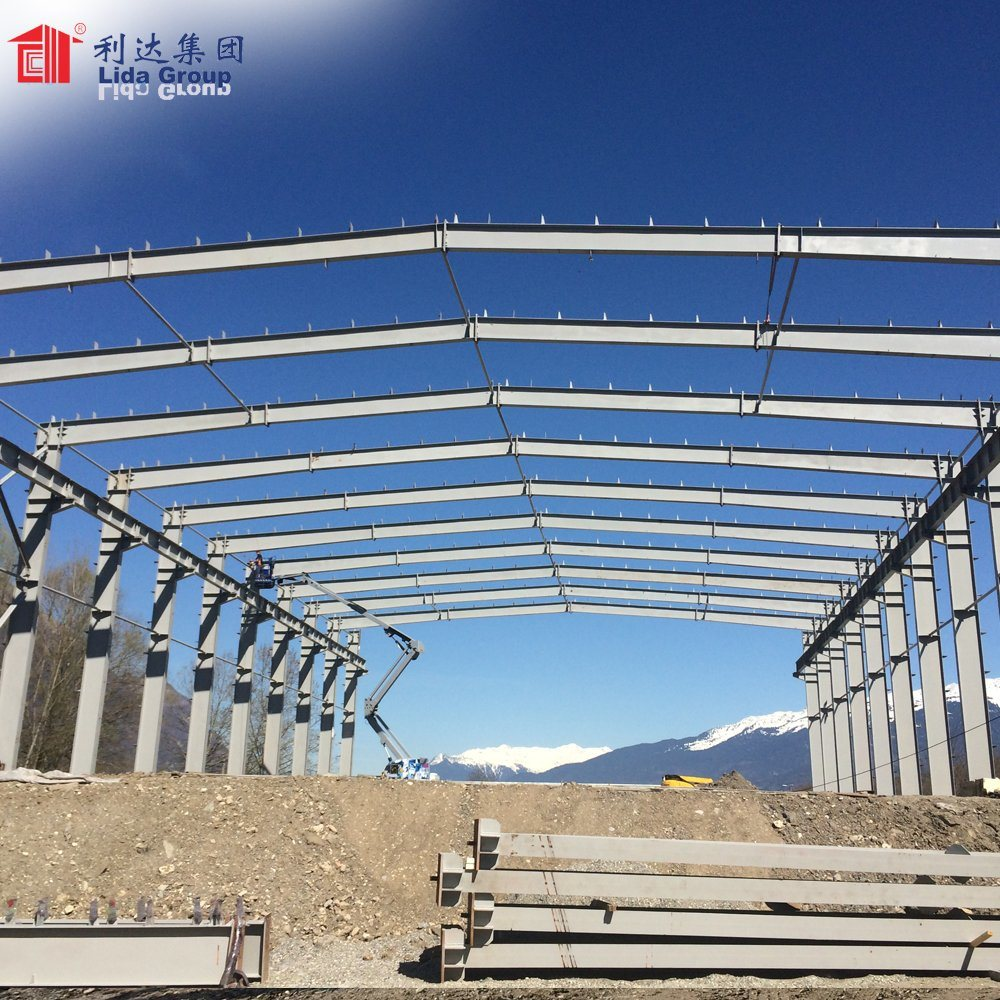
2. Hidden Corrosion Risks of Traditional Steel Structure Houses
Most traditional steel structure residential projects only focus on structural bearing capacity and architectural aesthetics while ignoring systematic corrosion-resistant construction design. Simple single-layer anti-rust painting and irregular on-site protection processes leave numerous hidden corrosion risks, resulting in rapid structural aging, frequent maintenance, and shortened building service life, failing to meet the quality standards of modern high-quality houses.
2.1 Incomplete Surface Protection and Rapid Component Aging
Ordinary traditional steel houses usually only adopt a single-layer ordinary anti-rust paint coating after on-site welding and assembly. This thin protective layer has poor adhesion and weak weather resistance. Under outdoor open environments with temperature changes, wind and rain scouring, and ultraviolet radiation, the paint layer is prone to fading, chalking, cracking, and peeling within several years. Once the protective coating fails, bare steel components directly contact external corrosive media, triggering large-area rust formation.
Rust accumulation will continuously erode steel substrates, reducing component thickness and structural rigidity. Local rust expansion may cause micro deformation of steel frames, loose bolt connections, and uneven structural stress distribution. These subtle structural changes will not cause obvious safety accidents in the short term but will continuously accumulate structural damage, greatly shortening the overall service life of residential buildings and destroying the long-term stability of high-quality houses.
2.2 Unprotected Structural Node Weak Points
Structural connection nodes are the most vulnerable corrosion areas of steel structure houses. Traditional on-site construction methods rely heavily on manual welding and random painting. Weld joints, cutting sections, bolt gaps, and component lap joints often lack targeted anti-corrosion treatment. Residual welding stress also leads to uneven surface tension of protective coatings, making node coatings easier to fall off than flat steel surfaces.
Rainwater, dust, and moisture are easy to accumulate in connection gaps, forming long-term local humid microenvironments and accelerating electrochemical corrosion. Node corrosion gradually spreads to surrounding steel components, forming chain structural aging. Most traditional construction teams lack professional node anti-corrosion construction specifications, resulting in concentrated corrosion damage at building connections, which becomes the key reason for the shortened service life and degraded safety of steel residential buildings.
2.3 Scenario Mismatch of Single Anti-Corrosion Scheme
Different living environments put forward completely different corrosion resistance requirements for steel houses. Coastal areas are dominated by salt fog corrosion, inland saline-alkali regions face chemical soil erosion, and plateau areas suffer from strong ultraviolet aging and extreme temperature differences. However, traditional steel house construction adopts unified single anti-corrosion painting schemes for all scenarios without personalized adjustment.
The mismatched protective technology cannot resist regional environmental erosion effectively. In high-corrosion areas, ordinary anti-rust coatings fail rapidly, while low-corrosion areas face redundant protection and wasted investment. The one-size-fits-all backward construction mode makes traditional steel structure houses unable to adapt to complex environments, resulting in unstable building quality and inconsistent service life, which cannot meet the standardized and high-quality construction requirements of premium residential projects.
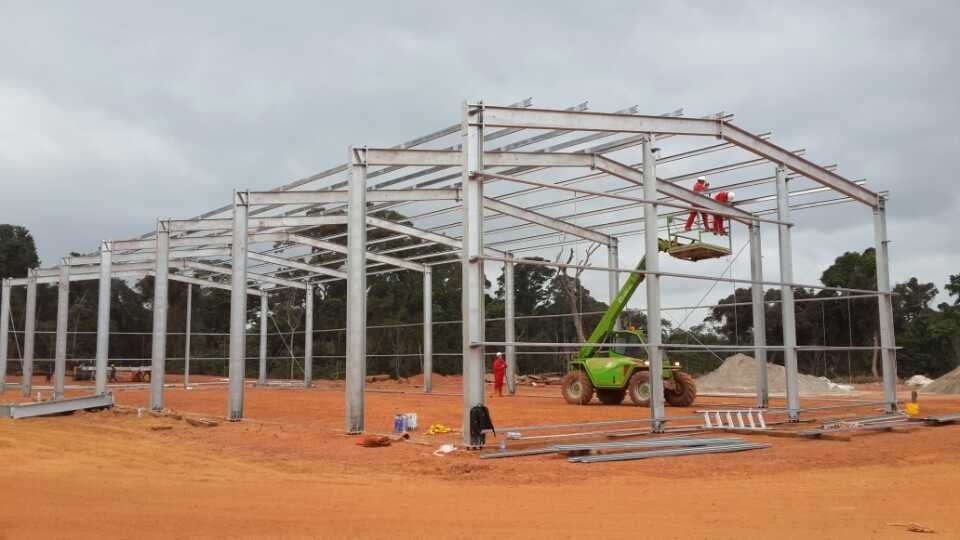
3. Core Corrosion-Resistant Construction Technologies for Long-Life Steel Houses
Targeting various hidden corrosion risks of traditional steel structure residential buildings, Lida Group builds a full-chain standardized corrosion-resistant construction system. The systematic technology covers factory pretreatment, multi-layer composite coating protection, structural node optimization, and scenario-based customized construction, forming comprehensive and dead-angle-free corrosion protection for steel structures, fundamentally extending the service life of high-quality steel houses.
3.1 Strict Factory Pretreatment and Surface Purification
High-quality corrosion resistance starts with standardized raw material processing. All steel components of Lida Group’s high-quality houses undergo professional factory pretreatment before delivery. Firstly, sand blasting and pickling processes are adopted to completely remove surface oxide scale, rust stains, oil impurities, and residual welding slag. This process ensures a clean and rough steel surface, significantly improving the adhesion of subsequent protective coatings and avoiding coating peeling caused by surface impurities.
After surface purification, steel components pass through professional surface passivation treatment to form a dense chemical isolation film on the steel matrix. The passivation layer suppresses electrochemical oxidation reactions from the source, effectively reducing the chemical activity of the steel surface and laying a solid foundation for long-term anti-corrosion performance. All pretreatment procedures are completed in closed standardized factories to avoid environmental interference and ensure consistent component surface quality.
3.2 Three-Layer Composite Anti-Corrosion Coating System
Different from the single-layer painting process of traditional buildings, Lida Group adopts a mature three-layer composite coating system including anti-rust primer, adhesive intermediate coating, and weather-resistant fluorocarbon topcoat. Each coating layer undertakes independent protective functions and cooperates to form a closed durable protective system.
The epoxy zinc-rich primer closely fits the steel matrix, providing excellent electrochemical anti-rust protection. Even if the outer coating is partially scratched, the zinc-rich material can continuously protect the steel substrate from rusting. The thickened intermediate coating enhances coating toughness, impact resistance, and isolation performance, resisting external physical friction and moisture penetration. The high-performance fluorocarbon topcoat features ultra-strong ultraviolet resistance, weather resistance, and salt fog resistance, effectively coping with long-term wind and rain scouring and environmental aging.
Coordinated with hot-dip galvanizing integral treatment for main load-bearing steel frames, the dual physical and chemical protection system realizes long-term stable anti-corrosion performance. Verified by professional environmental aging tests, the composite protective layer can maintain intact performance for more than 30 years in harsh outdoor environments.
3.3 Structural Node Anti-Corrosion Optimization Construction
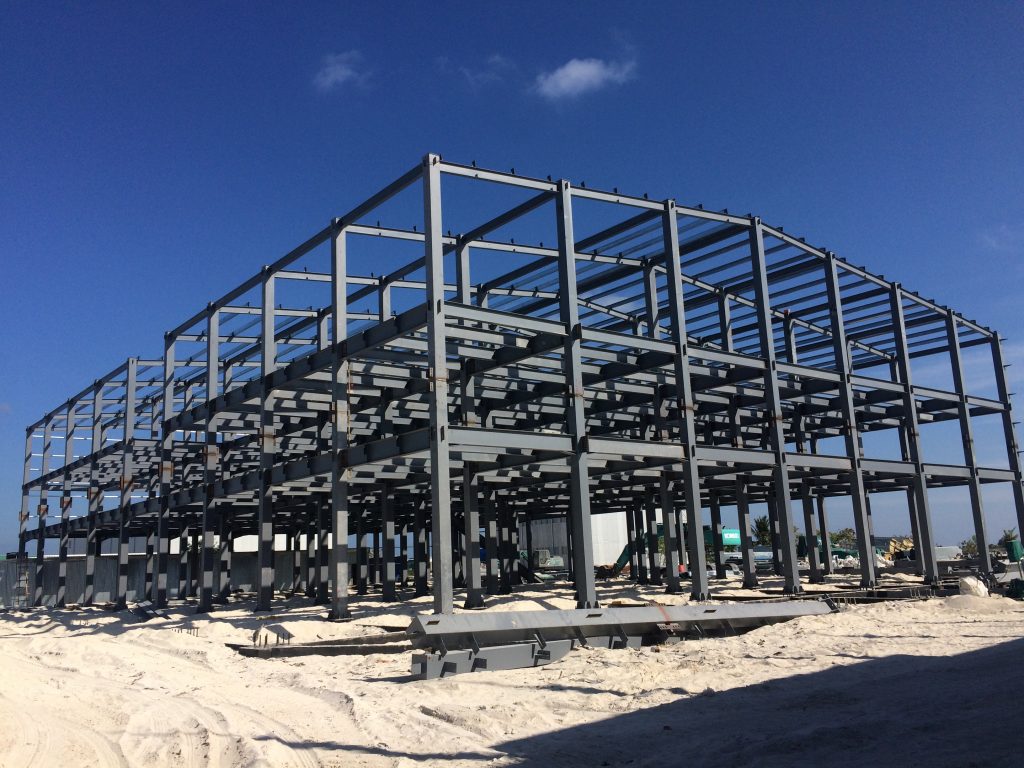
To solve the corrosion vulnerability of traditional structural nodes, Lida Group abandons backward on-site welding construction and adopts full factory prefabrication and bolt assembly design. All component connection structures are precisely preset in factories, reducing on-site secondary processing and avoiding coating damage caused by field welding and cutting.
For bolt connection gaps, lap joints, and other easily corroded weak points, professional waterproof and anti-corrosion sealing gaskets and supplementary touch-up coatings are applied. The building roof adopts integrated drainage structure with scientific gradient design and centralized drainage grooves to avoid long-term rainwater accumulation on steel surfaces. The wall base is equipped with customized moisture-proof skirts to isolate ground moisture and saline-alkali erosion. The overall optimized structural construction eliminates node corrosion hidden dangers in all directions.
3.4 Scenario-Based Customized Anti-Corrosion Construction Solutions
Lida Group formulates differentiated corrosion-resistant construction schemes according to regional environmental characteristics. For coastal high-salt-fog residential areas, thickened hot-dip galvanized layers and special salt-fog-resistant coatings are configured to enhance chemical corrosion resistance. For inland arid and strong ultraviolet areas, high-weather-resistance fluorocarbon finishes are used to delay surface aging and fading. For perennial humid rainy regions, enhanced waterproof sealing structures and multi-channel drainage systems are added to reduce moisture erosion.
The targeted customized construction mode ensures that every high-quality steel house obtains matched anti-corrosion protection according to local environmental conditions, avoiding insufficient protection in harsh scenarios and redundant investment in mild environments, realizing the optimal balance of anti-corrosion performance and economic benefits.
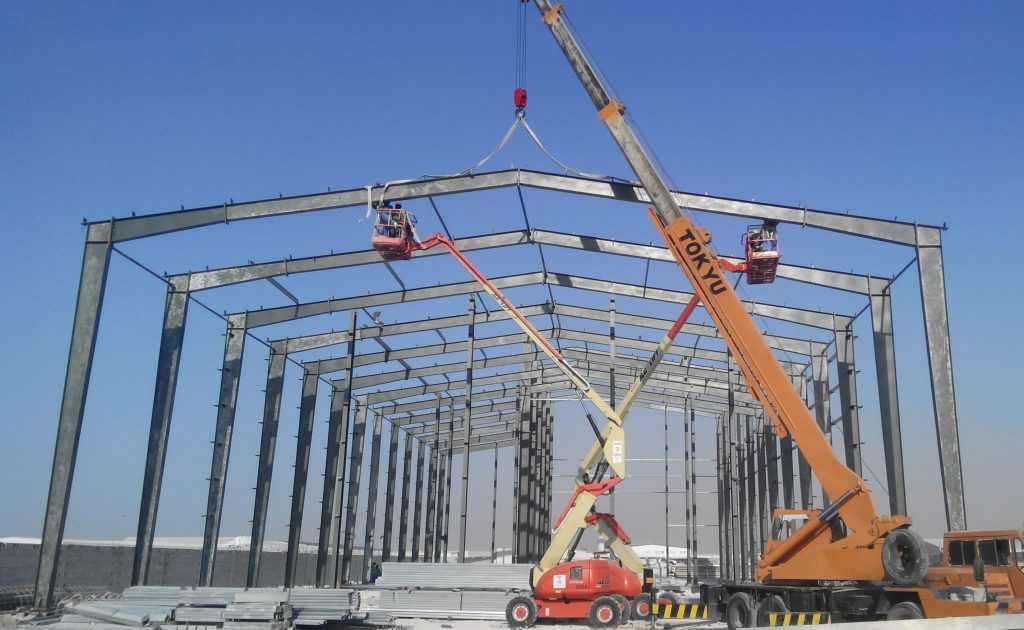
4. How Corrosion-Resistant Construction Improves House Quality and Service Life
Professional corrosion-resistant construction technology is not a single auxiliary process but a core guarantee for the long-term high-quality operation of steel structure houses. Systematic anti-corrosion protection comprehensively improves structural stability, safety performance, living quality, and full-cycle economic value of residential buildings.
4.1 Extend Overall Building Service Life
Without standardized corrosion-resistant construction, ordinary steel structure houses will suffer obvious structural aging within 5 to 8 years, requiring large-area maintenance and component replacement, with an effective service life of less than 15 years. After adopting Lida Group’s full-process corrosion-resistant construction system, steel frames and enclosure components maintain stable mechanical properties and intact surface protection for a long time. The overall design service life of high-quality steel houses can reach more than 50 years, reaching the service standard of premium permanent residential buildings.
Long-term stable structural performance avoids periodic structural aging and quality attenuation, ensuring that steel houses maintain consistent high-quality living conditions throughout the whole life cycle, realizing long-term asset preservation and appreciation for residential properties.
4.2 Stabilize Structural Safety and Disaster Resistance
Structural corrosion is the invisible killer of building safety. Continuous rust erosion reduces steel strength and structural toughness, weakening the building’s wind resistance, seismic resistance, and deformation resistance. Professional corrosion-resistant construction completely avoids structural performance attenuation caused by environmental erosion. The intact high-strength steel frame maintains excellent ductility and energy absorption capacity, realizing Level 8 earthquake resistance and Level 12 strong wind resistance.
Stable structural safety performance ensures that high-quality steel houses can resist extreme weather and slight geological changes during long-term service, effectively protecting indoor personnel and property safety, and meeting the ultra-high safety standards of modern premium residential projects.
4.3 Reduce Full-Cycle Maintenance Costs
Traditional unprotected steel houses require regular rust removal, repainting, structural inspection, and component replacement every 2 to 3 years, generating continuous high maintenance costs. In contrast, houses constructed with standardized corrosion-resistant technology almost do not need professional maintenance in the first 20 years of service. The durable protective layer avoids frequent coating repair and structural reinforcement, greatly reducing long-term manual and material investment.
Combined with the detachable and reusable characteristics of modular steel structures, high-quality steel houses can realize cross-project disassembly and reassembly, further optimizing full-cycle economic benefits and creating higher cost performance than traditional concrete and ordinary steel residences.
4.4 Maintain Long-Term Architectural Aesthetics and Living Comfort
Structural corrosion often accompanies surface fading, rust spots, coating peeling, and wall deformation, seriously damaging the architectural aesthetics of premium houses and affecting indoor living comfort. Professional corrosion-resistant construction ensures uniform and stable building surface color and flat structure for a long time, maintaining the exquisite exterior decoration effect of high-quality residences.
Matched with high-performance corrosion-resistant composite sandwich enclosure panels, the steel house has excellent thermal insulation, heat preservation, and sound insulation performance. Stable enclosure structure avoids water seepage, air leakage, and dust penetration caused by structural aging, keeping the indoor environment warm in winter and cool in summer, quiet and clean, and permanently maintaining the high-standard living comfort of premium houses.
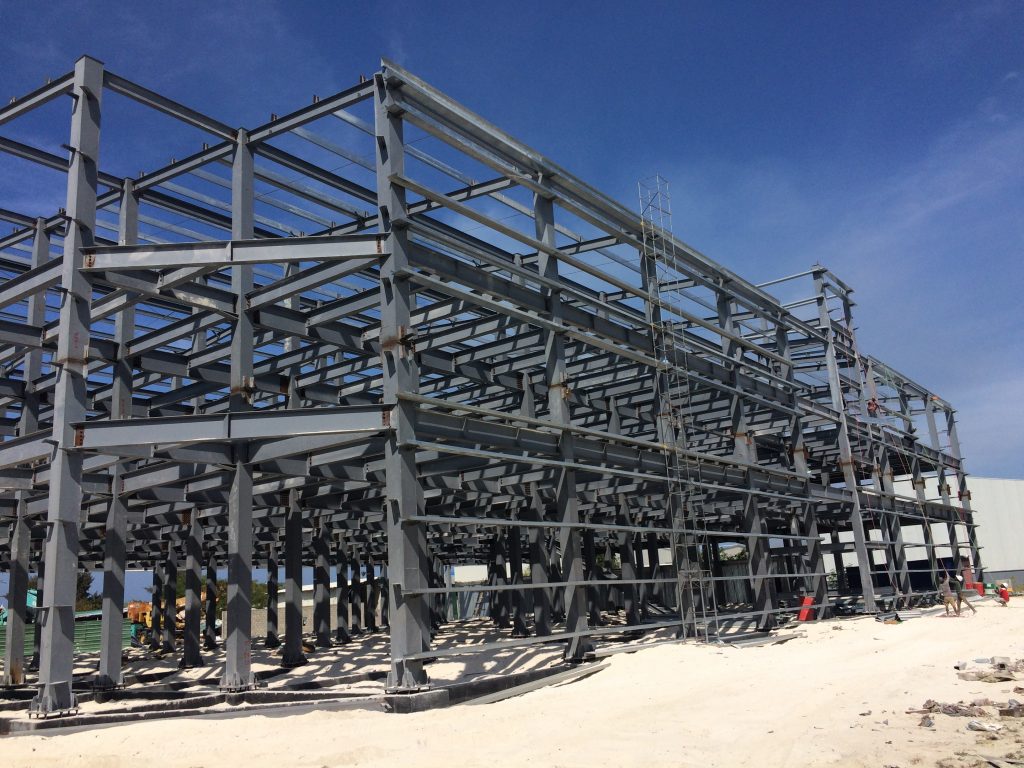
5. Green and Sustainable Value of Corrosion-Resistant Steel Residential Construction
Modern high-quality house construction not only pursues structural safety and living comfort but also focuses on green environmental protection and sustainable development. Traditional residential reconstruction and repeated maintenance will generate massive construction waste and resource consumption. Lida Group’s corrosion-resistant steel structure house construction belongs to typical green low-carbon construction mode.
Steel materials can be 100% recycled and reused. The ultra-long service life brought by professional corrosion-resistant construction reduces building reconstruction frequency and resource waste. Factory prefabrication and on-site dry assembly produce almost no construction dust, sewage, and solid waste, reducing construction energy consumption and ecological damage. Long-term durable and recyclable building characteristics conform to global green building certification standards and low-carbon economic development trends, endowing high-quality residential projects with lasting ecological value and social benefits.
6. Global Engineering Verification and Market Recognition
After years of technical iteration and practical engineering accumulation, Lida Group’s corrosion-resistant construction technology for steel structure high-quality houses has been widely applied worldwide. The project scenarios cover premium customized residences, high-standard residential communities, boutique scenic supporting houses, and high-end staff living camps. The buildings operate stably in diversified complex environments including coastal salt fog zones, inland saline-alkali lands, high-altitude cold areas, and arid high-temperature regions.
A large number of practical engineering cases verify that systematic corrosion-resistant construction thoroughly solves the long-standing corrosion and aging problems of traditional steel residential buildings. All delivered high-quality steel houses maintain stable structural quality, excellent environmental adaptability, low maintenance demand, and lasting residential aesthetics during long-term operation. Global real estate developers and construction partners have fully recognized that professional corrosion-resistant construction is the core foundation for high-quality steel houses to achieve long life, high safety, and sustainable value.
7. Conclusion
Steel structure buildings have become an important development direction of modern high-quality residential construction by virtue of superior structural performance, flexible design, and efficient construction. However, environmental corrosion has always been the key bottleneck restricting the service life and quality stability of steel residential buildings. Traditional single and irregular anti-corrosion protection methods cannot avoid structural aging, frequent maintenance, and shortened service life, making it difficult to meet the long-term quality requirements of premium residential projects.
Professional standardized corrosion-resistant construction thoroughly breaks the quality limitations of traditional steel structure houses. Through strict factory component pretreatment, multi-layer composite closed coating protection, structural node anti-corrosion optimization, and scenario-based customized construction schemes, Lida Group realizes comprehensive dead-angle-free corrosion protection for steel structures. Systematic anti-corrosion technology effectively extends the overall service life of steel structure high-quality houses to more than 50 years, stabilizes structural safety and disaster resistance, reduces full-cycle maintenance costs, and permanently maintains architectural aesthetics and indoor living comfort.
In addition, the green, low-carbon, and recyclable characteristics of corrosion-resistant steel structure construction conform to the sustainable development trend of the global construction industry. With the continuous upgrading of residential construction standards toward durability, safety, and high efficiency, corrosion-resistant construction technology will become the standard configuration for high-quality steel structure houses. In the future, Lida Group will continue to optimize anti-corrosion construction processes and steel structure system performance, continuously empower global high-quality residential construction projects, and create safer, more durable, more comfortable, and higher-value long-life steel structure houses for the modern construction industry.
Related news
-
Lida Group Combines Steel Structure Building and Corrosion-Resistant Construction for Premium Homes
2026-04-29 17:41:08
-
High Quality House Built with Durable Steel Structure Building and Corrosion-Resistant Construction
2026-04-29 17:28:03
-
Lida Group Delivers Corrosion-Resistant Steel Structure Building for High Quality House Projects
2026-04-29 17:13:17
contact us
- Tel: +86-532-88966982
- Whatsapp: +86-13793209022
- E-mail: sales@lidajituan.com
