



High Quality House Built with Durable Steel Structure Building and Corrosion-Resistant Construction
2026-Apr-29 17:28:03
By Admin
1. Introduction
In the modern global construction industry, high-quality residential and auxiliary buildings are no longer defined merely by basic enclosure and shelter functions. Developers, investors, and end-users increasingly prioritize long-term structural durability, stable environmental adaptability, low maintenance consumption, and comprehensive service value. Traditional building solutions dominated by brick, concrete, and ordinary lightweight structures struggle to meet upgraded construction standards due to inherent material limitations and backward construction techniques. Most conventional buildings face common problems such as structural aging, environmental corrosion, short service life, and frequent later maintenance, which greatly restrict the comprehensive quality and sustainable utilization of construction projects.
Durable steel structure construction combined with professional corrosion-resistant construction technology has emerged as a mainstream solution for modern high-quality house projects. Steel structure materials feature high tensile strength, excellent structural ductility, and flexible architectural scalability, which can effectively improve building stability and safety. However, environmental corrosion has always been the biggest obstacle restricting the long-term service of steel buildings. Humid air, coastal salt fog, saline-alkali soil, ultraviolet radiation, and industrial floating corrosives will continuously erode exposed steel components, causing rusting, structural attenuation, and performance degradation. Therefore, standardized and systematic corrosion-resistant construction technology is the key to releasing the inherent durability advantages of steel structures and realizing high-quality house construction.
As a leading enterprise focusing on modular steel structure R&D, production, and engineering construction, Lida Group has accumulated rich practical experience in high-quality steel building projects worldwide. By integrating durable steel structure design philosophy and professional corrosion-resistant construction technology, Lida Group builds standardized, high-standard, and long-service-life houses suitable for residential camps, commercial supporting facilities, and remote field accommodation. This article systematically expounds on the defects of traditional building structures, the core value of durable steel structures and corrosion-resistant construction processes, key technical implementation points, comprehensive project advantages, and practical engineering application effects, verifying how integrated steel building systems create high-quality, low-maintenance, and long-lasting modern houses.
2. Inherent Defects of Traditional High-Quality House Construction
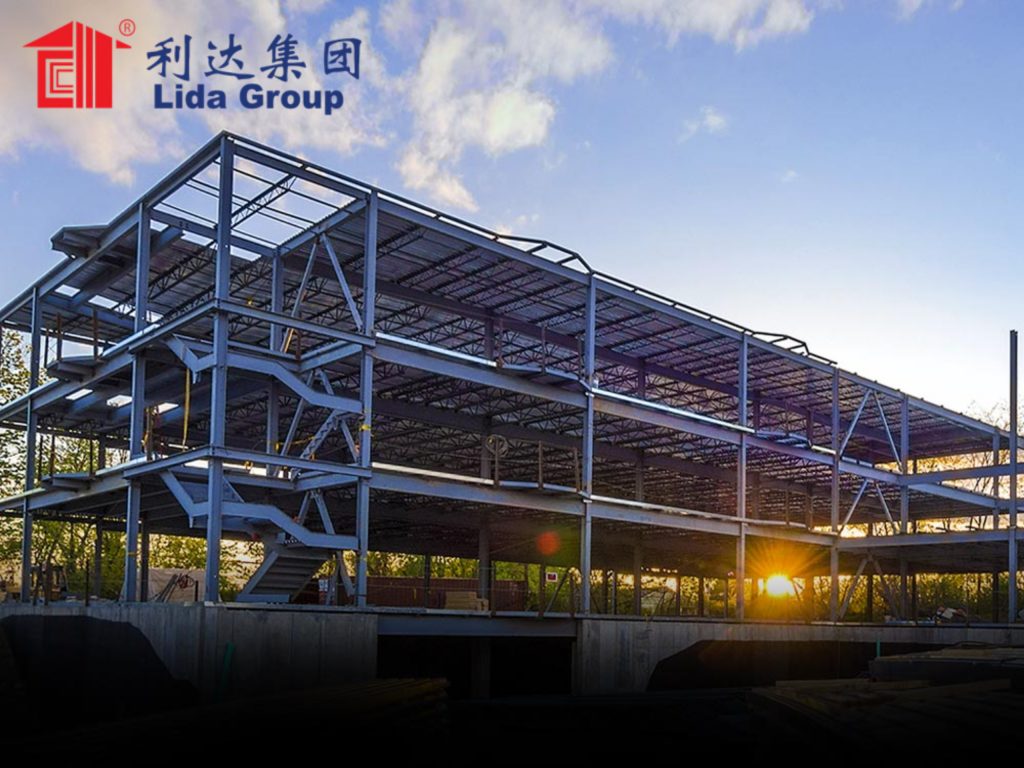
Many traditional buildings are designed with excessive focus on upfront appearance and basic bearing capacity while ignoring long-term durability and environmental corrosion resistance. Whether concrete masonry buildings or ordinary unprotected steel buildings, they have unavoidable performance defects in complex outdoor and semi-outdoor environments, making it difficult to meet the long-term quality requirements of modern high-quality house projects.
2.1 Concrete Structure Aging and Environmental Erosion
Concrete masonry is the most widely used traditional residential construction method. Concrete has stable compressive strength and low initial material cost, but its porous internal structure makes it extremely vulnerable to environmental erosion. In rainy and humid regions, rainwater penetrates concrete gaps, causing internal steel bar rust expansion, concrete peeling, wall hollowing, and structural cracking. In coastal and saline-alkali areas, salt ions continue to corrode concrete interiors, accelerating structural aging and reducing building bearing capacity year by year.
In addition, concrete structures have poor ductility and weak deformation resistance. When encountering natural disasters such as strong winds and earthquakes, brittle damage is prone to occur, bringing hidden safety hazards. Meanwhile, concrete construction requires lengthy on-site pouring and curing cycles, highly dependent on manual operation. Disordered on-site construction leads to uneven overall project quality, which cannot form standardized high-quality house construction systems.
2.2 Ordinary Steel Structure Corrosion and Short Service Life
Ordinary untreated steel structures have the advantages of light weight, high strength, and fast assembly, but poor corrosion resistance severely limits their service quality. Bare steel components are chemically active and prone to oxidation reaction when exposed to humid air, rainwater, and salt fog. Long-term environmental erosion will cause surface rust, component thickness attenuation, connection gap loosening, and overall structural instability.
Most traditional steel building projects only adopt single-layer anti-rust paint treatment. The thin protective layer has poor weather resistance and cannot resist long-term ultraviolet aging and wind and rain scouring. Within three to five years after project completion, steel components will suffer large-area rusting and coating peeling, requiring frequent manual rust removal, repainting, and structural maintenance. Continuous maintenance investment increases the full-cycle cost of the building, and frequent structural repairs also affect the stable use and overall quality of high-quality houses.
2.3 Disconnected Structure and Anti-Corrosion Construction
Many traditional steel building projects separate structural construction and anti-corrosion treatment. Structural fabrication and on-site assembly are completed first, followed by simple anti-corrosion painting. This backward construction logic leads to many hidden dangers. Welding joints, bolt connection gaps, and cutting sections lack targeted anti-corrosion protection, becoming key corrosion-prone weak points. The disconnection of structural design and anti-corrosion construction makes it impossible for traditional buildings to achieve true long-term durability, restricting the quality upgrading of modern residential projects.
3. Core Value of Durable Steel Structure for High-Quality Houses
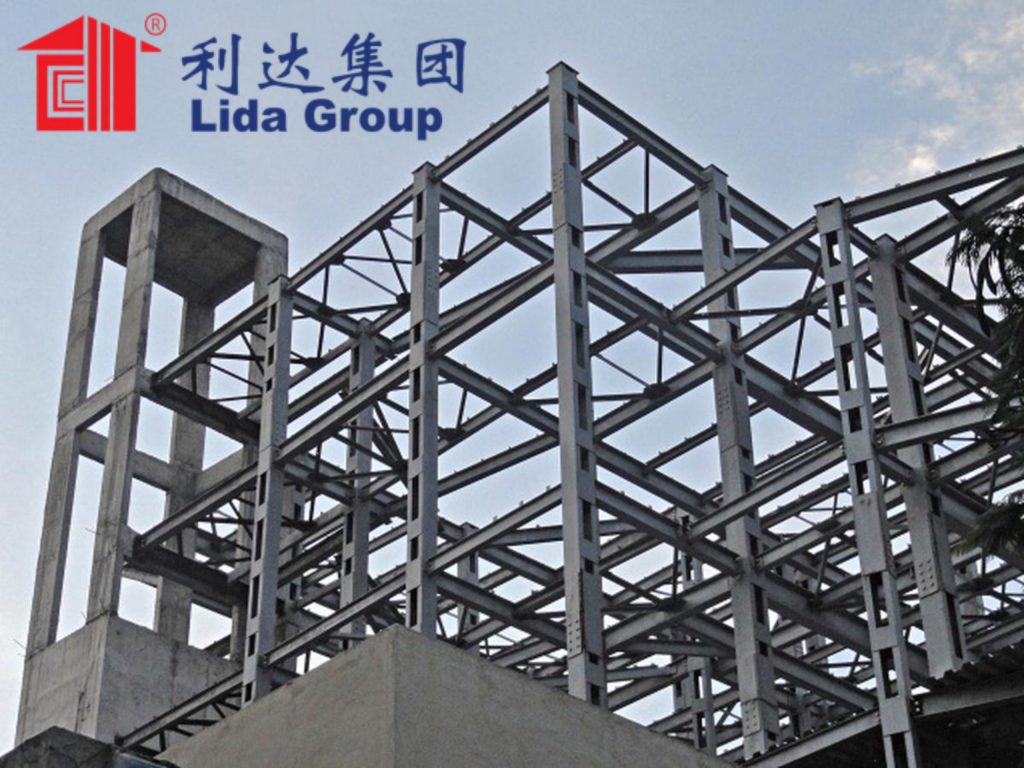
High-quality house construction requires stable structural bearing performance, excellent environmental adaptability, and long service life. The durable steel structure system customized by Lida Group abandons the lightweight and low-strength design of ordinary temporary steel buildings, and adopts high-strength structural steel and optimized mechanical design to lay a solid foundation for building quality.
3.1 High-Strength Steel Material Foundation
Different from ordinary low-carbon steel used in low-standard temporary buildings, Lida Group’s durable steel structure houses adopt high-tensile structural steel equivalent to international ASTM standard grades. The optimized steel formula has stable mechanical properties, excellent toughness, and strong deformation resistance. The steel frame can bear uniform and impact loads stably, effectively resisting external wind pressure, seismic force, and temperature stress, avoiding structural deformation and damage caused by environmental changes.
The standardized factory processing process ensures uniform component precision and structural consistency. All steel frames are precisely cut, bent, and drilled by numerical control equipment, avoiding manual processing errors of traditional on-site construction. The precise assembly tolerance ensures close cooperation between components, improving the overall stability and structural rigidity of the building, realizing long-term stable bearing performance, and meeting the structural safety standards of high-quality residential buildings.
3.2 Optimized Modular Structural Design
Lida Group’s durable steel structures adopt bolted modular assembly design instead of traditional on-site welding structures. Welded structures are prone to welding stress concentration and local metal fatigue, which easily cause structural cracking and corrosion diffusion. The bolted connection mode disperses structural stress evenly, improves overall structural ductility, and enhances the building’s ability to resist natural disasters such as earthquakes and strong winds.
At the same time, the modular design realizes flexible space layout. According to residential functional demands, indoor partitions, building width, and storey height can be freely adjusted, breaking the rigid and single space limitation of traditional concrete buildings. While ensuring structural durability and safety, it optimizes indoor space utilization and living comfort, perfectly matching the diversified design demands of modern high-quality houses.
3.3 Long Service Life and Stable Structural Performance
Cooperated with professional corrosion-resistant construction technology, Lida Group’s durable steel structure buildings achieve ultra-long service life. Verified by long-term outdoor engineering tests, the optimized steel structure can maintain stable mechanical performance for more than 50 years under normal environmental conditions. Even in harsh environments such as coastal salt fog, inland saline-alkali land, and high-altitude strong ultraviolet radiation, the building structure will not suffer obvious aging and performance attenuation, far exceeding the service life of traditional concrete and ordinary steel buildings, fully meeting the long-term use requirements of high-quality house projects.
4. Professional Corrosion-Resistant Construction Technology System
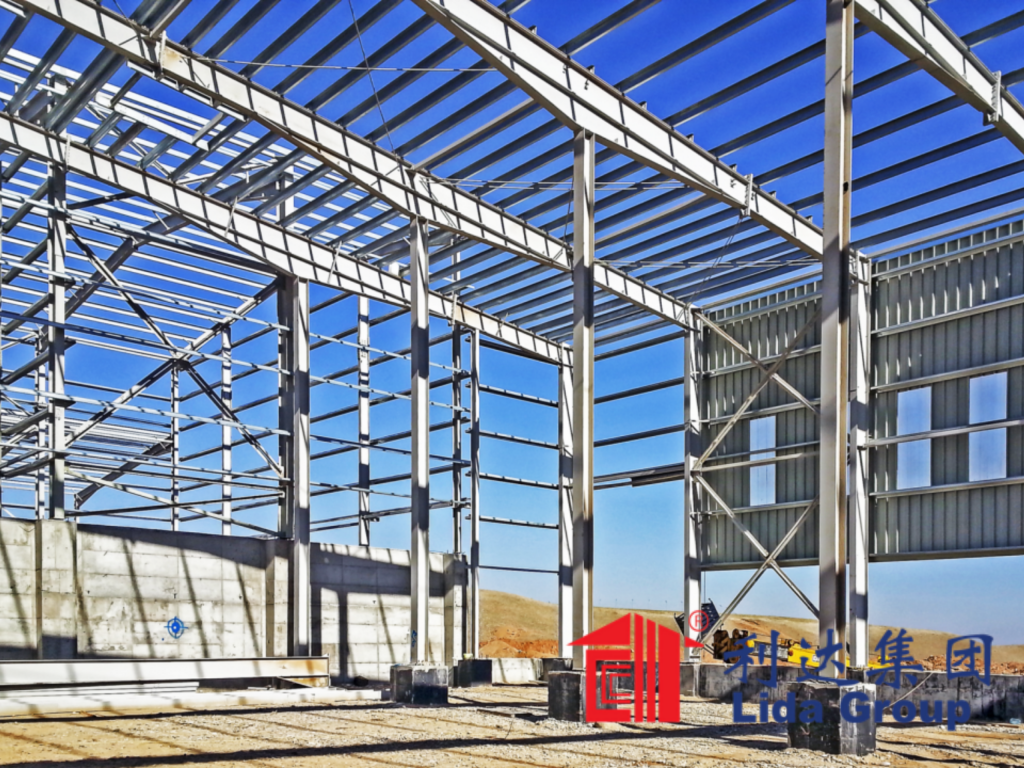
Durable steel structures need matched professional corrosion-resistant construction processes to maximize structural performance. Lida Group builds a systematic full-process corrosion-resistant construction system covering factory pretreatment, multi-layer composite protection, on-site construction optimization, and post-completion maintenance, fundamentally solving the environmental corrosion problem of steel buildings.
4.1 Strict Factory Pretreatment Process
All steel components undergo standardized anti-corrosion pretreatment before leaving the factory. Firstly, professional sand blasting and acid pickling processes are used to completely remove surface rust, oxide scale, and oil stains, ensuring a clean steel matrix surface and improving the adhesion of subsequent protective coatings. Then, surface passivation treatment is carried out to form a dense chemical protective film on the steel surface, inhibiting electrochemical corrosion reactions.
Different from the simple painting process of traditional buildings, Lida Group adopts three-layer composite coating technology, including anti-rust primer, intermediate adhesive coating, and weather-resistant fluorocarbon topcoat. The primer closely fits the steel matrix to prevent internal rusting; the intermediate coating enhances coating thickness and impact resistance; the topcoat resists ultraviolet aging, wind and rain erosion, and salt fog corrosion. The closed composite protective system realizes all-round coverage of steel components without dead angles.
4.2 On-Site Anti-Corrosion Construction Optimization
During on-site assembly construction, Lida Group avoids secondary damage to anti-corrosion coatings caused by on-site welding and cutting. All component connection nodes are preset in factories, and on-site construction only adopts bolt assembly without destructive processing. For bolt joints, cutting sections, and other vulnerable corrosion points, professional supplementary anti-corrosion paint and waterproof sealing gaskets are used for secondary protection to eliminate hidden corrosion risks at connection gaps.
In terms of overall building construction, the roof adopts integrated drainage design with scientific gradient and centralized drainage grooves to avoid long-term rainwater accumulation on the steel structure surface. The wall bottom is equipped with special moisture-proof and anti-corrosion skirts to isolate ground moisture and saline-alkali erosion. The standardized on-site anti-corrosion construction process ensures that the factory’s high-standard anti-corrosion performance is completely retained, avoiding quality attenuation caused by irregular on-site operation.
4.3 Targeted Customization for Complex Environments
According to different project environmental characteristics, Lida Group adopts differentiated corrosion-resistant construction schemes. For coastal high-salt fog environments, thickened hot-dip galvanized layers and salt-fog-resistant special coatings are matched to enhance anti-corrosion capability. For inland arid and strong ultraviolet areas, high-weather-resistance fluorocarbon coatings are used to delay surface aging and fading. For humid rainy areas, enhanced waterproof and drainage structures are added to reduce moisture erosion. The targeted customized construction mode ensures that high-quality houses maintain stable anti-corrosion performance in diverse complex scenarios.
5. Comprehensive Advantages of High-Quality Steel Structure Houses
5.1 Excellent Safety and Seismic Performance
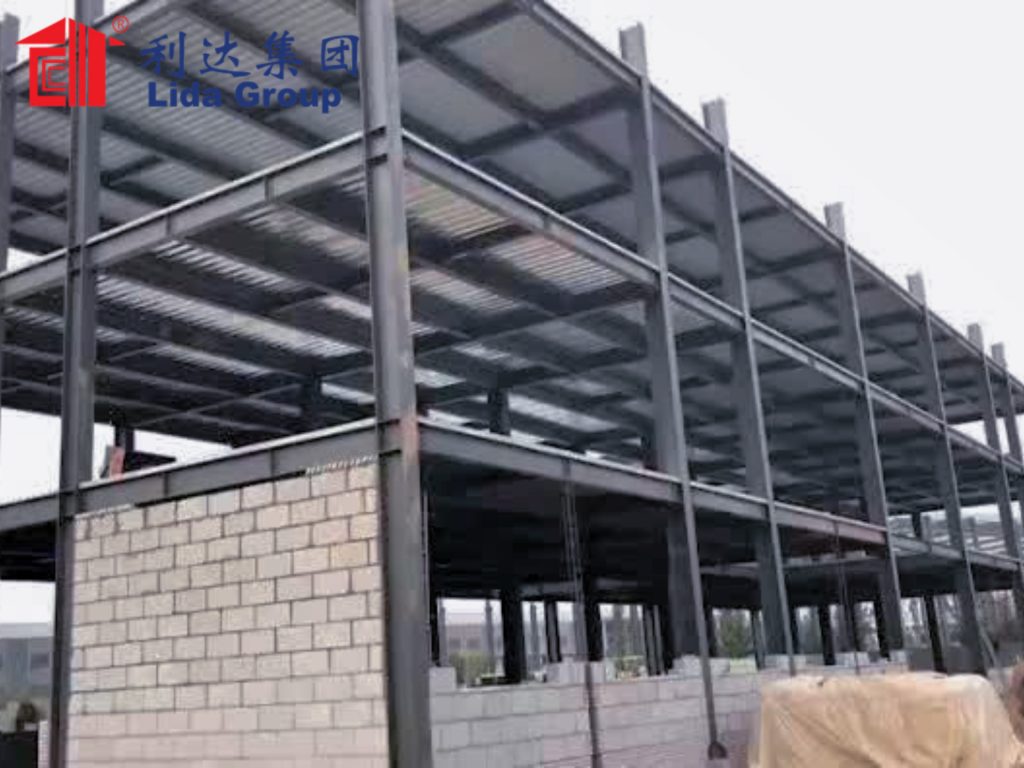
Durable steel structures have excellent ductility and energy absorption capacity. Compared with rigid brittle concrete structures, steel frames can effectively absorb and disperse external seismic force and wind pressure, realizing Level 8 earthquake resistance and Level 12 strong wind resistance. Even under extreme weather and slight geological changes, the building structure can maintain overall integrity without collapse or cracking, ensuring indoor personnel and property safety. Matched with fireproof sandwich panels and fire-resistant coatings, the building’s fire resistance is further improved, fully complying with international high-standard building safety specifications.
5.2 Efficient Construction and Short Project Cycle
The integration of durable steel structure production and corrosion-resistant pretreatment is completed in standardized factories. On-site construction only requires modular assembly, eliminating lengthy concrete pouring, curing, and repeated on-site anti-corrosion painting procedures. The construction efficiency is increased by more than 70% compared with traditional concrete buildings. The efficient construction mode shortens the project delivery cycle, accelerates investment recovery, and ensures high-quality and rapid completion of residential projects without sacrificing structural durability and anti-corrosion performance.
5.3 Low Full-Cycle Operational Cost
Although high-quality durable steel structure and professional corrosion-resistant construction slightly increase upfront project investment, they greatly reduce later operational costs. The multi-layer anti-corrosion protective system avoids frequent rust removal, coating repair, and structural reinforcement. The stable and durable structure does not produce aging damage and structural failure, saving a large amount of manual maintenance and material replacement costs every year. In addition, the detachable modular steel structure can be disassembled, transported, and reused across projects, with a component reuse rate of more than 85%, realizing sustainable asset circulation and significantly optimizing the full-cycle economic benefits of high-quality house projects.
5.4 Superior Living Comfort and Environmental Performance
High-quality steel structure houses equipped with corrosion-resistant enclosure panels have excellent thermal insulation, heat preservation, and sound insulation performance. The composite sandwich enclosure structure isolates external temperature changes and environmental noise, keeping indoor temperature constant and the living environment quiet and comfortable. Scientific daylighting and ventilation design ensure sufficient natural light and smooth indoor and outdoor air circulation, avoiding indoor dampness, peculiar smell, and stale air caused by poor sealing of traditional buildings.
At the same time, steel structure materials can be 100% recycled and reused. Factory prefabrication and on-site dry assembly produce almost no construction dust, sewage, and solid waste, which conforms to global green low-carbon building standards. Durable and recyclable construction materials reduce repeated reconstruction and resource consumption, helping high-quality house projects obtain green building certification and shape eco-friendly construction brands.
6. Global Engineering Application and Market Recognition
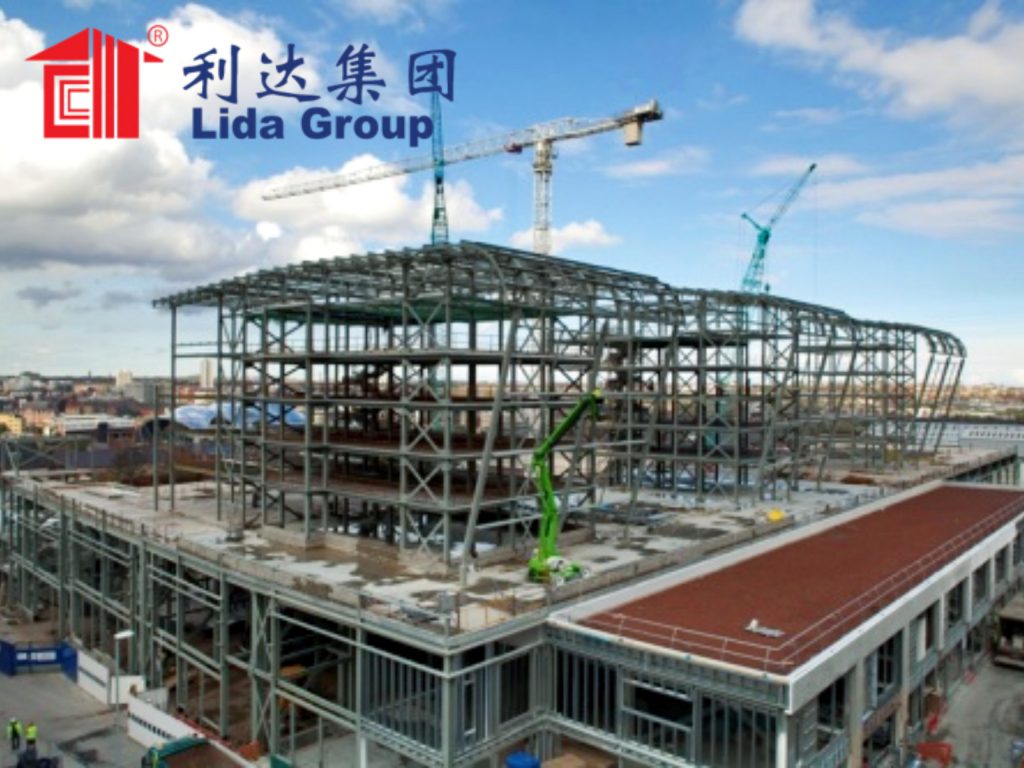
After long-term technical iteration and engineering verification, Lida Group’s high-quality houses built with durable steel structures and professional corrosion-resistant construction technology have been widely promoted and applied worldwide. The projects cover commercial residential supporting buildings, industrial staff camps, remote mining residential facilities, and scenic area supporting houses, stably operating in coastal salt fog areas, inland saline-alkali areas, high-altitude cold areas, and arid high-temperature areas.
A large number of practical engineering cases prove that the integrated construction mode of durable steel structure and standardized corrosion-resistant technology effectively solves the common aging and corrosion problems of traditional buildings. The completed houses maintain stable structural quality, excellent environmental adaptability, low maintenance demand, and superior living comfort in long-term outdoor operation. Global project developers and construction partners have unanimously recognized that this high-standard construction system perfectly balances structural safety, long-term durability, construction efficiency, and economic benefits, becoming a reliable solution for modern high-quality house construction.
Supported by a complete one-stop service system, Lida Group provides full-cycle professional services including project site survey, personalized scheme design, standardized factory production, strict corrosion-resistant construction, on-site assembly guidance, and long-term after-sales maintenance, ensuring that every delivered house meets consistent high-quality construction standards.
7. Conclusion
High-quality house construction is a systematic project that integrates structural safety, environmental adaptability, long-term durability, living comfort, and economic efficiency. Traditional concrete and ordinary steel buildings cannot meet modern high-standard construction requirements due to inherent material defects and backward construction technology, such as easy aging, poor corrosion resistance, short service life, and high later maintenance costs.
The integration of durable steel structure building technology and professional corrosion-resistant construction thoroughly breaks the quality bottleneck of traditional residential construction. High-strength optimized steel structures provide stable long-term structural bearing capacity and excellent safety performance for houses, while systematic full-process corrosion-resistant construction technology fundamentally solves the environmental corrosion problem restricting steel building development. The two core technologies complement each other, realizing ultra-long building service life, low full-cycle maintenance cost, efficient modular construction, superior living comfort, and green environmental protection performance.
As the global construction industry continues to upgrade toward standardization, greening, and high durability, high-quality houses built with durable steel structures and standardized corrosion-resistant construction will become the mainstream choice for modern construction projects. With mature technical systems and rich engineering experience, Lida Group will continue to optimize steel structure durability and anti-corrosion construction processes, continuously upgrade high-standard residential building solutions, and empower global construction projects to achieve higher-quality, safer, and more sustainable residential construction development.
Related news
-
Lida Group Delivers Corrosion-Resistant Steel Structure Building for High Quality House Projects
2026-04-29 17:13:17
-
Lida Group Combines Affordability and Speed in Mining Field Worker Dormitory Projects
2026-04-29 16:49:15
-
New Mining Field Worker Dormitory Features Low-Cost Durable Building and Easy Install Panels
2026-04-29 16:56:25
contact us
- Tel: +86-532-88966982
- Whatsapp: +86-13793209022
- E-mail: sales@lidajituan.com
