



Temporary Construction Meets Comfort in Lida Group’s Oil Gas Field Worker Housing
2026-Jun-29 17:57:54
By Admin
1. Introduction: Balancing Practicality and Comfort in Modern Oilfield Temporary Housing
The global oil and gas industry operates predominantly in remote, harsh, and uninhabited regions, including arid deserts, frigid high-altitude plateaus, windy Gobi terrains, and humid coastal offshore zones. These extreme working environments and phased project cycles determine that on-site worker accommodation must adopt temporary construction solutions rather than permanent buildings. For decades, the industry’s temporary housing design has long prioritized practical indicators such as rapid deployment, structural durability, fire safety, and low cost, while ignoring workers’ basic living comfort. Most traditional oilfield temporary camps are positioned as simple functional shelters, featuring crude space, poor air quality, excessive noise, extreme indoor temperatures, and incomplete supporting facilities.
With the continuous upgrading of global energy industry HSE (Health, Safety, Environment) management standards and the increasing emphasis on front-line worker welfare, the single functional positioning of traditional temporary housing can no longer meet modern project operation needs. Long-term stay in uncomfortable temporary living environments easily leads to worker physical fatigue, low mental well-being, reduced work efficiency, and high team turnover, indirectly restricting project progress and safe production. Modern oilfield temporary housing is evolving from a single “protective shelter” to a comprehensive “humanized living space”, requiring temporary construction to balance industrial practicality, extreme environment adaptability, and high-standard living comfort.
As a leading global provider of customized modular temporary construction solutions for the energy industry, Lida Group breaks the long-standing industry dilemma that “temporary housing cannot achieve high comfort”. By optimizing modular structure design, upgrading high-performance building materials, and integrating humanized supporting systems, Lida Group perfectly integrates efficient temporary construction technology and refined comfortable living design. Its oil and gas field worker housing retains all core practical advantages of traditional temporary buildings, including rapid assembly, convenient disassembly, reusable utilization, industrial safety, and extreme weather resistance, while comprehensively improving indoor living comfort and humanistic experience. This article deeply discusses the imbalance between construction practicality and living comfort in traditional oilfield temporary housing, the core innovative design of Lida Group’s comfortable temporary housing, key technical advantages, practical application effects, and industrial value, fully interpreting how Lida Group realizes the perfect integration of temporary construction and high-quality living experience in oil and gas field worker camps.
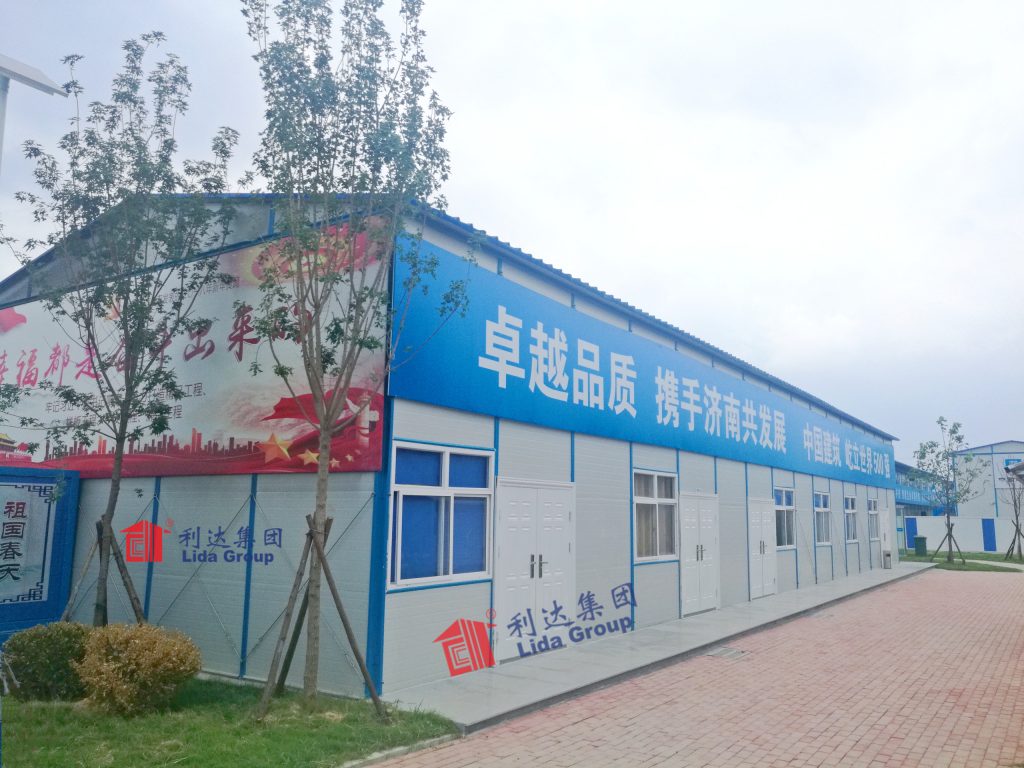
2. Industry Pain Point: Imbalance Between Practicality and Comfort in Traditional Oilfield Temporary Housing
Traditional oilfield temporary construction represented by welded color steel houses and canvas tents takes project practicability as the only design goal, completely sacrificing living comfort to reduce construction cycle and cost. This single design concept leads to a serious imbalance between functional practicability and residential comfort, forming a common industry pain point that restricts worker welfare improvement and standardized camp construction.
2.1 Overemphasis on Construction Efficiency While Ignoring Basic Living Experience
To adapt to the fast-paced startup and phased construction characteristics of oilfield projects, traditional temporary housing pursues extremely low construction difficulty and ultra-short construction cycle. The oversimplified structural design cuts off almost all comfortable living configurations. Most traditional camps adopt cramped and crowded spatial layout with low storey height, single lighting structure, and unbalanced ventilation design. Indoor spaces are prone to stuffiness, darkness, and poor air circulation. In order to save materials and construction time, traditional houses lack professional sound insulation and temperature regulation structures, resulting in serious external wind and sand noise, equipment operation noise interference, and extreme indoor temperature differences. Workers often face sweltering heat in summer and freezing cold in winter, with no basic comfortable living conditions after high-intensity field work.
2.2 Rigorous Industrial Safety Design Contradicts Humanized Comfort
Oil and gas fields belong to high-risk flammable and explosive industrial scenarios, so temporary housing must meet strict fireproof, anti-corrosion, and structural safety standards. Traditional temporary housing simply stacks safety functional materials, resulting in rigid and unreasonable space design. Ordinary fireproof and thermal insulation materials have single performance, failing to balance flame retardant safety and breathable comfort. Fully closed safety structures lead to poor indoor air fluidity, prone to humid mildew and peculiar smell in humid environments, and dry and stuffy air in dry desert areas. In addition, traditional electrical and water supply systems only meet the most basic functional needs, lacking constant temperature adjustment, air purification, and silent power supply design, making it impossible to create a humanized living environment while ensuring industrial safety.
2.3 Disposable Temporary Structure Restricts Long-Term Comfort Optimization
Traditional oilfield temporary houses adopt fixed welded integrated structures with poor adjustability and no reusable value. Once constructed, the spatial layout and functional configuration cannot be modified or upgraded. Most oilfield projects last for 3 to 5 years, and workers need to live in unoptimized crude temporary camps for a long time. With the aging of traditional housing structures, sealing failure, material aging, and functional attenuation occur gradually, leading to declining living comfort year by year. Problems such as wall water seepage, dust penetration, noise increase, and ineffective temperature control become increasingly prominent, seriously affecting workers’ long-term living quality and physical and mental health.
2.4 Simplified Supporting Facilities Lead to Incomplete Living Scenarios
Traditional temporary camp construction only focuses on dormitory and office functional areas, ignoring the construction of supporting living facilities. Most camps lack independent cleaning spaces, constant-temperature bathroom systems, professional ventilation and dehumidification equipment, leisure rest areas, and standardized storage spaces. Workers face problems such as inconvenient cleaning, messy indoor storage, single rest mode, and poor living privacy. The incomplete living scenario makes the already harsh field working environment lack of warm guarantee, resulting in low worker happiness and high team mobility, which indirectly increases the personnel management cost of oilfield enterprises.
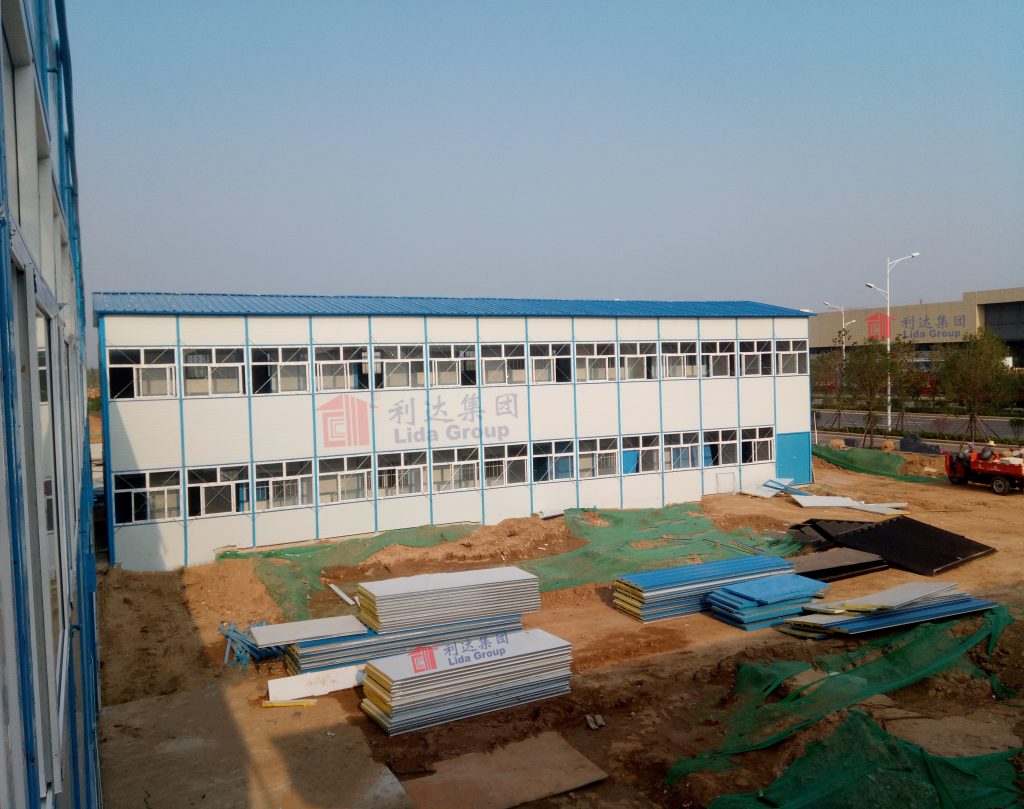
3. Core Design Concepts of Lida Group: Integrating Temporary Practicality and Residential Comfort
Aiming at the long-standing imbalance between temporary construction practicality and living comfort in the oil and gas industry, Lida Group takes “efficient temporary construction + humanized comfortable residence” as the core design concept of oilfield worker housing. On the premise of retaining all excellent practical attributes of modular temporary buildings, Lida Group carries out all-round comfort optimization from spatial layout, material performance, functional configuration, and supporting system design, realizing the organic unity of industrial practicability, environmental adaptability, safety stability, and living comfort, and redefining the construction standard of modern oilfield temporary camps.
3.1 Adhere to Dual-Core Balance of Practicality and Comfort
Lida Group abandons the single design thinking of traditional temporary housing, and builds a dual-core design system of “practicality first, comfort empowerment”. All housing designs first meet the core practical needs of oilfield temporary construction, including rapid assembly and disassembly, modular scalable layout, industrial-grade fireproof safety, extreme weather resistance, and cyclic reusable performance. On this basis, all comfort optimization designs are embedded without damaging any practical functions, ensuring that the improvement of living experience does not sacrifice construction efficiency, structural safety, and economic benefits. This balanced design concept completely solves the industry pain point of mutual restriction between practicality and comfort.
3.2 Scenario-Based Comfort Optimization for Extreme Oilfield Environments
Different from the generalized comfort design of civilian residential buildings, Lida Group’s comfortable temporary housing carries out targeted personalized optimization according to the extreme climatic characteristics of different oilfield regions. For high-temperature desert oilfields, it focuses on heat insulation, cooling, dust prevention, and ventilation comfort optimization; for severe cold plateau oilfields, it strengthens thermal insulation, anti-freezing, and warm air circulation design; for coastal salt spray and high-humidity oilfields, it optimizes dehumidification, anti-mildew, and fresh air purification systems. The scenario-based customized design enables temporary housing to provide adaptive comfortable living experience in different harsh environments, making up for the one-size-fits-all comfort defects of traditional temporary housing.
3.3 Modular Flexible Design Supports Dynamic Comfort Upgrading
Based on the detachable and scalable modular temporary construction structure, Lida Group’s oilfield housing supports dynamic adjustment and personalized upgrading of comfort configurations. According to project cycle length, workforce scale, and regional environmental differences, enterprises can flexibly increase or optimize comfortable functional modules such as fresh air systems, constant-temperature water supply, silent lighting, and independent storage. The flexible modular design changes the fixed and unchangeable defects of traditional temporary housing, realizing the synchronous upgrading of camp construction standards and worker comfort needs, and adapting to the refined management development trend of modern oilfield projects.
3.4 Humanized Detail Design Focuses on Workers’ Physical and Mental Health
Lida Group’s comfort design covers all living details closely related to workers’ physical and mental health. Starting from spatial experience, air environment, auditory environment, temperature experience, and living privacy, it carries out refined optimization. The design breaks the functional limitations of traditional temporary industrial buildings, injects humanistic care into temporary construction, turns cold functional camps into warm living spaces, and effectively relieves workers’ occupational fatigue and psychological pressure in harsh field environments.
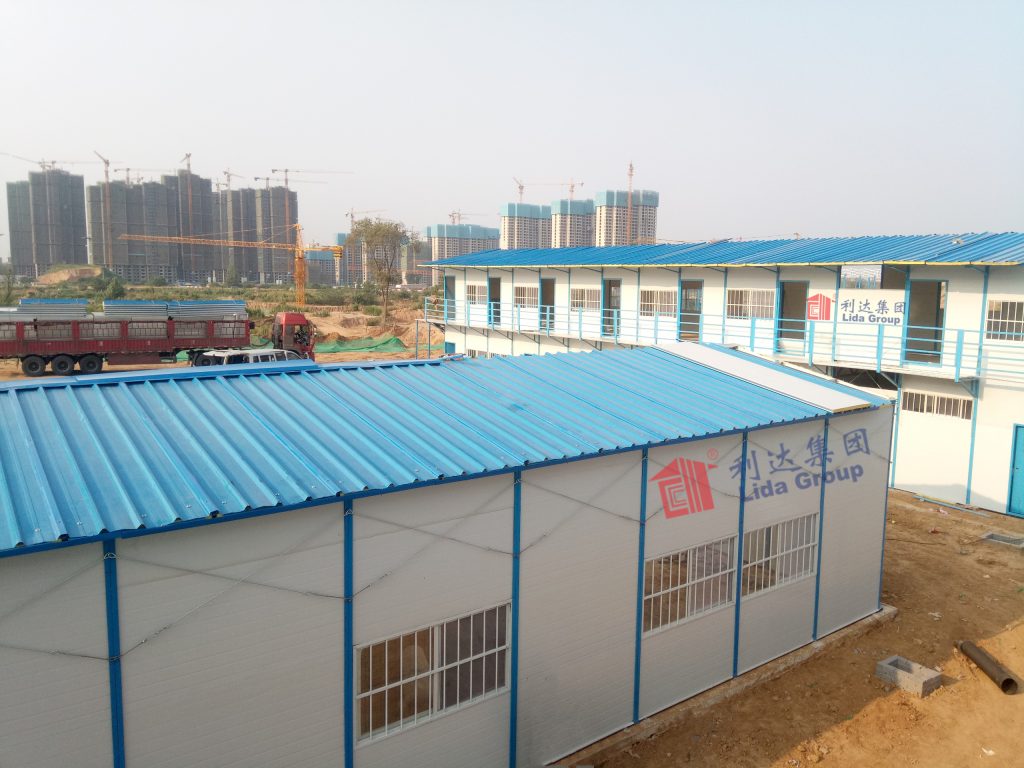
4. Key Technical Advantages of Lida Group’s Comfortable Temporary Oilfield Housing
Relying on advanced modular building technology and high-performance new material research and development capabilities, Lida Group realizes the perfect integration of temporary construction practicality and high-standard comfort through multiple technical innovations. While ensuring rapid deployment, safe operation, and reusable use of temporary housing, it comprehensively upgrades indoor living comfort indicators, forming unique technical advantages that traditional oilfield temporary housing cannot match.
4.1 Optimized Spatial Layout Improves Living Privacy and Sense of Space
Lida Group abandons the cramped and crowded layout of traditional temporary houses, and adopts scientific ergonomic spatial design for oilfield worker housing. The standardized unit structure increases indoor storey height and effective activity space, eliminating the depressing feeling of narrow space. The independent partition design realizes functional separation of rest, storage, and simple office, effectively improving living privacy. For large-scale camps, modular units are arranged in a scientific staggered mode, avoiding dense and messy layout of traditional camps, reserving public activity spaces and ventilation channels, and creating a spacious, orderly, and comfortable overall camp spatial environment. The optimized spatial design does not increase assembly difficulty and construction cycle, fully retaining the efficient deployment advantages of temporary modular construction.
4.2 High-Performance Composite Panels Balance Safety, Thermal Insulation and Silence
Different from single-performance building materials of traditional temporary housing, Lida Group’s oilfield-specific sandwich panel materials realize multi-functional integration of fire safety, constant temperature, and sound insulation. The outer layer adopts high-strength anti-corrosion color steel plates with anti-ultraviolet and anti-aging properties, ensuring the durability of temporary buildings in extreme environments. The inner core uses high-density A-level fireproof rock wool materials, which not only meet the strict fire protection standards of oil and gas high-risk scenarios, but also have excellent thermal insulation and sound absorption performance. The composite panel structure forms an efficient constant-temperature isolation layer, effectively isolating external extreme high and low temperatures and keeping indoor temperature within a comfortable range throughout the year. At the same time, the multi-layer sound absorption structure can eliminate more than 80% of external wind, sand, and mechanical operation noise, creating a quiet indoor rest environment.
4.3 Full-Cycle Ventilation and Purification System Optimizes Indoor Air Quality
Aiming at the problems of poor air circulation, easy mildew, and dust accumulation in traditional closed temporary houses, Lida Group equips comfortable temporary housing with a scientific cross-ventilation system and optional fresh air purification modules. Large-size high-transmittance lighting windows are symmetrically arranged indoors to form natural cross ventilation, accelerating indoor air circulation and avoiding stuffy and turbid air. For closed oilfield camps with poor natural ventilation conditions, the supporting mechanical fresh air system can realize automatic air exchange, filter external dust and harmful particles, and maintain indoor air freshness and cleanliness. In humid coastal and rainy seasons, the matching dehumidification and mildew prevention functions effectively avoid indoor wall mildew and peculiar smell, ensuring long-term healthy and comfortable indoor air environment.
4.4 Refined Supporting Systems Create All-Round Comfortable Living Scenarios
On the basis of basic temporary construction functions, Lida Group’s oilfield housing integrates complete humanized supporting systems to build a full-scene comfortable living environment. The constant-temperature water supply system ensures stable hot water supply all day long, solving the problem of inconvenient cleaning in field environments. The silent low-power electrical system and soft lighting design avoid glare and noise interference, adapting to workers’ rest habits. The standardized independent storage lockers and customized indoor finishing design realize neat indoor storage and beautiful space layout. In addition, the modular camp can be flexibly equipped with standardized canteens, independent bathrooms, laundry rooms, and leisure activity areas, forming a complete and comfortable living community in remote oilfield sites, completely changing the crude living mode of traditional temporary camps.
4.5 Durable Sealing Technology Maintains Long-Term Stable Comfort
Traditional temporary housing is prone to sealing failure after short-term use, resulting in dust penetration, water seepage, and air leakage, leading to continuous decline of living comfort. Lida Group adopts integral waterproof and dustproof sealing technology and high-elastic aging-resistant sealing strips for wall and roof joints, door and window gaps. The professional sealing system can resist long-term extreme weather erosion, avoiding dust penetration in sandstorm weather, water leakage in rainy weather, and air leakage in strong wind weather. The durable sealing performance ensures that the indoor comfortable environment does not decay with the extension of service time, maintaining stable high-standard living experience throughout the long-term operation cycle of oilfield projects.
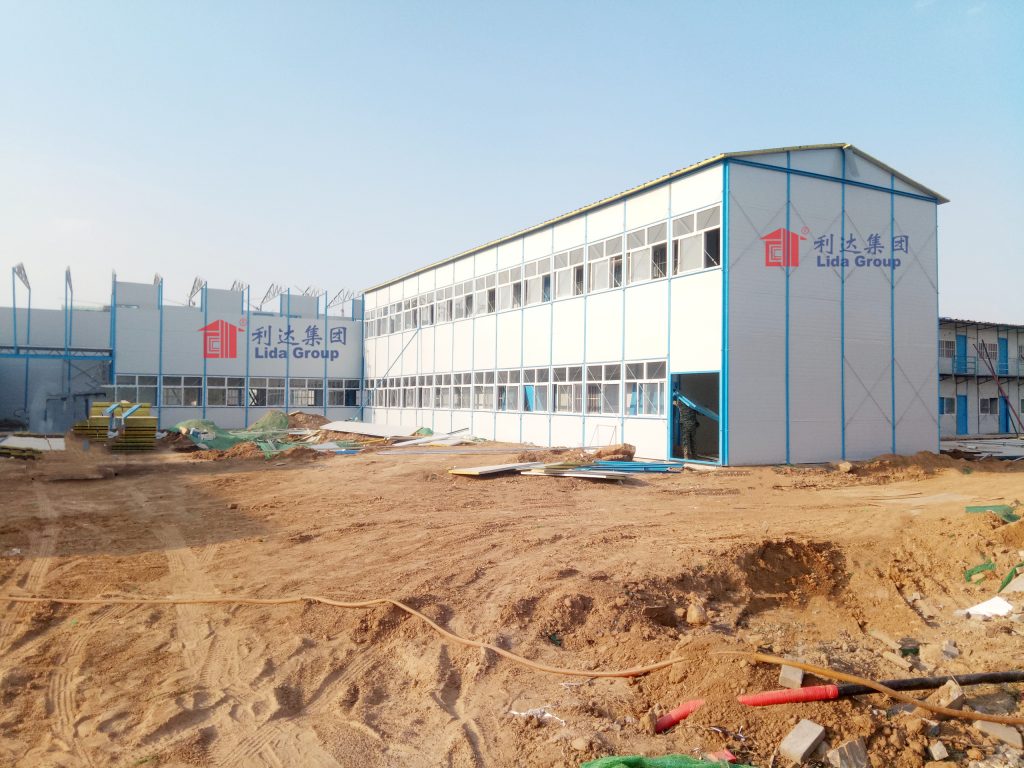
5. Practical Application Scenarios and Comfort Effects of Lida Group’s Oilfield Housing
Lida Group’s temporary housing solutions that balance practicality and comfort are widely applicable to various oil and gas field project scenarios. Whether it is short-term mobile exploration projects or long-term fixed development projects, they can maintain excellent temporary construction performance and high-standard living comfort, bringing remarkable experience upgrading for field workers.
5.1 Long-Term Fixed Development Camps: Stable Comfort for Long-Duration Residence
For large-scale oil and gas field development projects with a service cycle of 3 to 10 years, Lida Group builds standardized comprehensive comfortable camps through modular splicing and stacking. The multi-functional integrated design realizes the integration of safe accommodation, office command, catering leisure, and daily life services. The stable structural performance and durable comfortable configuration ensure that workers can live in a constant-temperature, quiet, clean, and warm environment for a long time. Compared with traditional camps with decaying comfort year by year, Lida’s camps maintain stable living quality throughout the project cycle, effectively improving workers’ long-term field living happiness and team stability.
5.2 Desert and Plateau Extreme Climate Camps: Adaptive Comfort Against Harsh Environments
In extreme climate areas such as high-temperature deserts and severe cold plateaus where traditional temporary housing is difficult to adapt, Lida Group’s scenario-based comfortable design shows outstanding advantages. The high-efficiency thermal insulation and heat dissipation system resists desert high temperature and plateau cold, solving the core pain point of extreme indoor temperature. The dust-proof and fresh air system adapts to desert sandstorm weather to ensure indoor air cleanliness. The anti-freezing and dehumidification design adapts to plateau low temperature and high humidity, avoiding indoor freezing and mildew. The adaptive comfortable design enables workers to get effective rest and recovery in extremely harsh field environments, providing physical and mental guarantee for high-intensity field operations.
5.3 Short-Term Mobile Exploration and Emergency Camps: Rapid Comfortable Support
For short-term mobile exploration and emergency rescue projects that require rapid deployment and frequent transfer, Lida Group’s housing retains ultra-fast assembly and flexible disassembly advantages of temporary construction, while integrating lightweight comfortable configurations. The quickly deployed temporary units can provide clean, quiet, and temperature-appropriate rest spaces for mobile operation teams, avoiding the fatigue accumulation caused by long-term accommodation in crude tents and simple houses. The portable comfortable temporary construction solution improves the temporary living standard of mobile field operations and fills the gap of comfortable accommodation in short-term oilfield emergency projects.
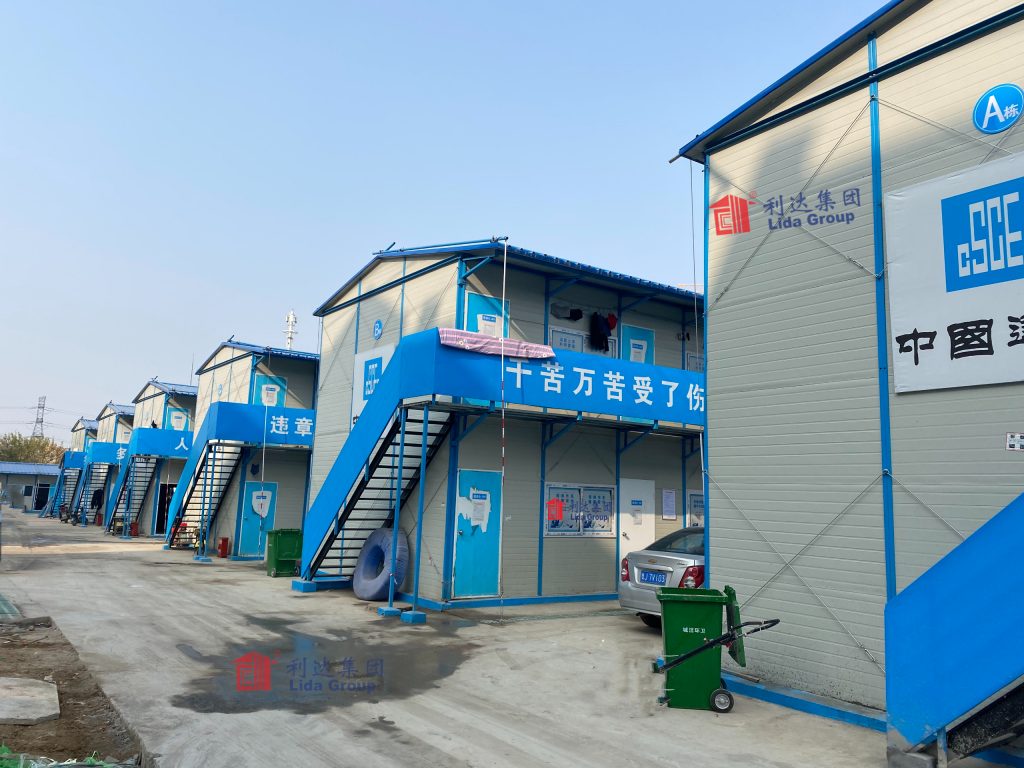
6. Comprehensive Value of Integrating Temporary Construction and Living Comfort
Lida Group’s innovative solution of integrating temporary construction practicality and residential comfort brings multi-dimensional value upgrading to oil and gas field project operation, worker management, and industry development, breaking the inherent industry limitations of temporary housing.
In terms of worker welfare, the high-standard comfortable living environment effectively improves workers’ rest quality and physical and mental health, relieves occupational fatigue and psychological pressure caused by harsh working conditions, enhances workers’ sense of belonging and job satisfaction, and fundamentally reduces the turnover rate of front-line construction teams.
In terms of project operation, stable and comfortable living conditions help maintain workers’ good working status, improve on-site work efficiency and construction quality, and reduce operational errors caused by physical discomfort and mental fatigue. The efficient temporary construction performance ensures synchronous progress of camp construction and main projects, and the reusable modular structure reduces project operating costs, realizing the dual improvement of project efficiency and economic benefits.
In terms of safety management, the multi-functional high-performance materials and standardized structural design realize the integration of comfort and industrial safety. While optimizing the living environment, they maintain ultra-high fire resistance, structural stability, and environmental adaptability, eliminating potential safety hazards and improving the standardized safety management level of oilfield camps.
In terms of industrial upgrading, Lida Group’s design concept of balancing temporary practicality and humanized comfort changes the single functional positioning of traditional oilfield temporary housing, promotes the transformation of energy industry temporary camps from functional-oriented to humanistic-oriented, and leads the standardized and humanized development trend of global oilfield supporting infrastructure.
7. Conclusion
For a long time, the global oil and gas industry has formed a fixed cognition that temporary construction only needs to meet functional practicality and can sacrifice living comfort. Traditional oilfield worker camps have long been in an unbalanced state of “emphasizing function over experience”, resulting in poor worker living environment and insufficient humanistic care, which restricts the stable development of field teams and the high-quality operation of projects.
Lida Group breaks the industry’s inherent design limitations and perfectly realizes the organic integration of temporary construction and residential comfort in oil and gas field worker housing. By optimizing modular spatial layout, upgrading multi-functional composite materials, building scenario-based adaptive comfort systems, and refining humanized supporting facilities, Lida’s housing retains all core advantages of modern temporary construction including rapid deployment, convenient disassembly, cyclic reuse, industrial safety, and extreme weather resistance. Meanwhile, it comprehensively solves the problems of extreme indoor temperature, poor air quality, serious noise interference, cramped space, and incomplete supporting facilities in traditional camps, creating a safe, comfortable, healthy, and warm living environment for front-line oilfield workers.
With the continuous improvement of the energy industry’s HSE management system and the increasing attention to worker humanistic welfare, the balanced design of “practical temporary construction + high-standard living comfort” will become the mainstream development direction of oilfield temporary housing. In the future, Lida Group will continue to deepen technological innovation and scene customization optimization, further balance construction efficiency, safety performance, economic benefits, and humanized comfort, provide more high-quality integrated temporary housing solutions for global oil and gas field projects, and empower the sustainable and humanized high-quality development of the energy industry.
Related news
-
Lida Group Completes Oil Gas Field Worker Accommodation Using Easy Assembly Panel Houses
2026-06-29 17:52:23
-
Quick Assembly Sandwich Panel House Perfect for Oil Gas Field Worker Temporary Camps
2026-06-29 17:46:34
-
Lida Group Offers Durable Temporary Construction for Oil Gas Field Worker Accommodation
2026-06-29 17:40:41
contact us
- Tel: +86-532-88966982
- Whatsapp: +86-13793209022
- E-mail: sales@lidajituan.com
