



Sustainable and Affordable: Corrosion-Resistant Steel Structure Building for Low Cost Metal House
2026-May-21 17:55:20
By Admin
1. Introduction
Global housing insecurity, rapid urbanization, and growing awareness of green construction have redefined the standards for low-cost residential and commercial buildings worldwide. For decades, the construction industry has struggled with a pervasive dilemma: affordable low-cost buildings often sacrifice durability and environmental sustainability, while eco-friendly high-performance structures come with prohibitive upfront prices that exclude low-budget projects. Traditional low-cost metal houses, widely adopted for rural resettlement, disaster relief housing, small commercial warehouses, and temporary residential buildings, deliver low initial investment and fast construction but suffer from fatal flaws of poor corrosion resistance, short service life, high waste generation, and recurring maintenance consumption.
Corrosion is the primary factor that undermines the economic and environmental value of conventional low-cost metal buildings. Unprotected steel frames degrade rapidly under humidity, ultraviolet radiation, salt fog, and industrial pollution, leading to frequent repairs, partial component replacement, and early building demolition. This continuous cycle of reconstruction and maintenance not only increases long-term economic burdens for users but also generates massive construction waste and carbon emissions, violating the core principles of sustainable green construction. In response to this industry pain point, corrosion-resistant steel structure buildings have emerged as an optimal solution that perfectly balances low-cost advantages and long-term environmental sustainability.
Supported by advanced industrial manufacturing and optimized anti-corrosion technologies represented by Lida Group, modern corrosion-resistant low-cost metal houses break the long-standing trade-off between affordability and sustainability. Through standardized material optimization, multi-layer anti-corrosion protection, modular prefabrication, and full-lifecycle cost control, these buildings retain the low-price, high-efficiency advantages of traditional metal structures while achieving ultra-long durability, low carbon consumption, and high recyclability. This article systematically explores the dual advantages of corrosion-resistant steel structure buildings in economic affordability and environmental sustainability, analyzes technical innovations, lifecycle value, practical application effects, and industry development prospects, providing a comprehensive interpretation of why this building type has become the mainstream sustainable solution for global low-cost construction.
2. The Dual Defects of Traditional Low-Cost Metal Houses
2.1 Economic Defects: Hidden Lifecycle Cost Waste
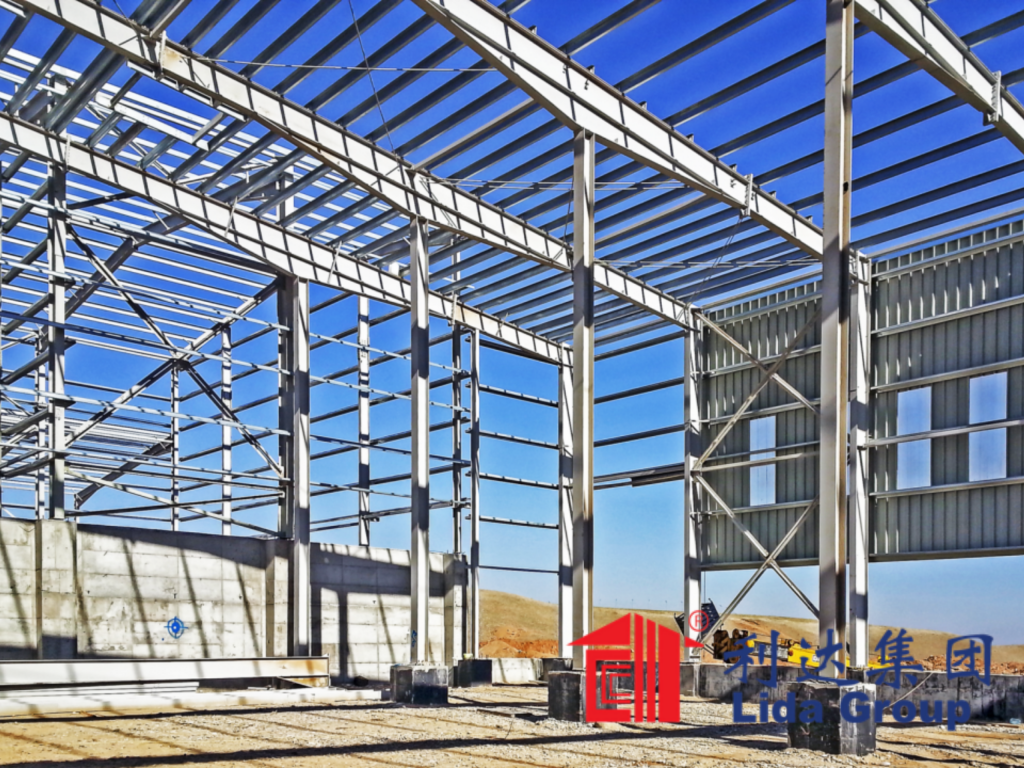
Traditional low-cost metal houses rely on ordinary low-purity carbon steel and simple single-layer anti-rust paint treatment, which can only provide superficial short-term protection. Within three to five years of outdoor use, the paint layer peels and fades, exposing the steel matrix to natural corrosion. Rust erosion gradually thins structural components, reduces mechanical strength, and causes structural deformation, water leakage, and safety hazards. To maintain basic usability, users must conduct regular rust removal, repainting, and component replacement every one to two years. Industry data shows that the annual maintenance cost of traditional low-cost metal buildings accounts for 8% to 12% of the initial construction investment. After 15 years of use, the cumulative maintenance cost is enough to complete building reconstruction, completely offsetting the upfront low-price advantage.
In addition, the short service life of only 10 to 15 years forces frequent overall demolition and reconstruction. Repeated construction investment leads to severe economic waste, making traditional metal houses low in short-term cost but extremely inefficient in long-term capital utilization. For government public welfare housing, rural collective construction, and long-term private investment projects, this economic model is unsustainable.
2.2 Sustainability Defects: High Waste and Low Environmental Efficiency
From the perspective of green sustainable development, traditional low-cost metal houses have prominent environmental shortcomings. First, their short service life leads to frequent building renewal, generating a large amount of steel scrap, construction garbage, and building waste. Most rusted and deformed steel components cannot be recycled efficiently and are directly discarded, causing resource waste and land pollution. Second, non-standard on-site construction of traditional metal houses produces extra construction waste, noise pollution, and dust emissions, with a material utilization rate of only 70% to 80%, far lower than modern prefabricated buildings.
Moreover, frequent reconstruction and maintenance activities generate additional carbon emissions. Unlike durable green buildings that achieve long-term low-carbon operation, traditional low-cost metal houses form a vicious cycle of “construction-corrosion-demolition-reconstruction”, which seriously conflicts with the global goal of energy conservation, emission reduction, and sustainable construction development. These dual defects of economy and environment make traditional metal houses unable to adapt to modern low-cost green construction needs.
3. Core Advantages of Corrosion-Resistant Steel Structure: Balancing Affordability and Sustainability
3.1 Ultra-Low Full-Lifecycle Economic Cost
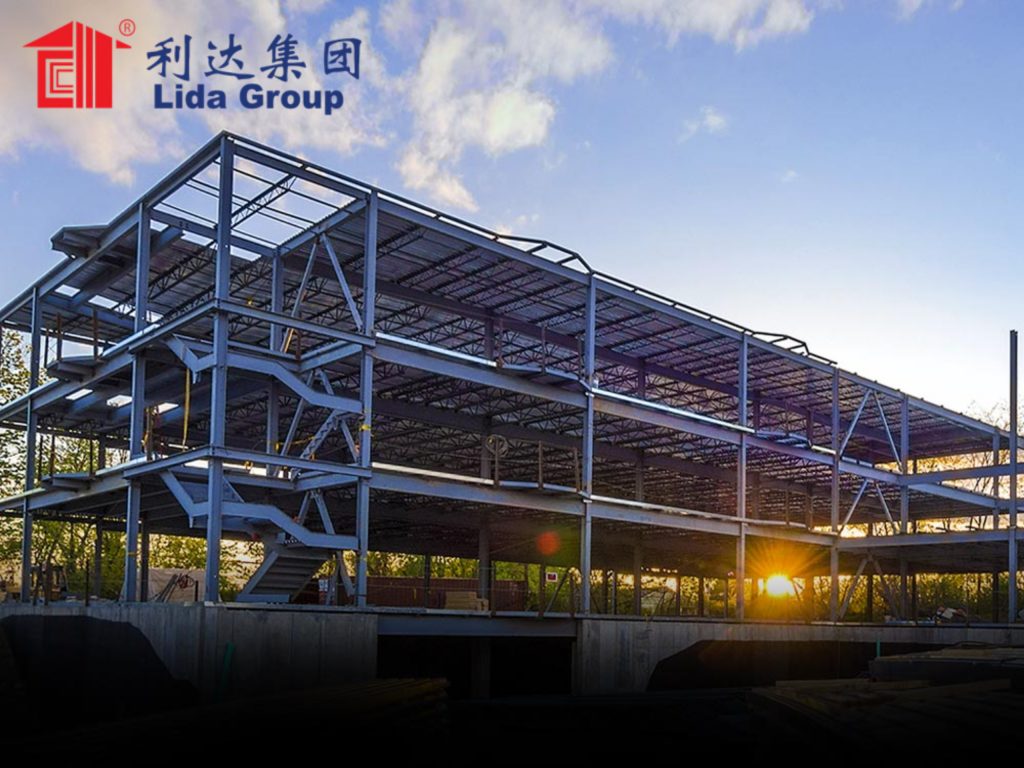
The greatest core value of corrosion-resistant steel structure low-cost metal houses lies in realizing real low-cost operation from the full lifecycle dimension. Different from traditional buildings that only pursue low upfront costs, modern anti-corrosion steel structures optimize comprehensive costs through technological upgrading and structural innovation. Adopting high-strength low-alloy anti-corrosion steel and hierarchical composite coating technology, the steel frame achieves excellent anti-rust and weather resistance, with a stable service life of 40 to 50 years, three to four times that of traditional metal houses. The ultra-long service cycle avoids frequent demolition and reconstruction, greatly reducing repeated construction investment.
In terms of daily operation and maintenance, the dense and stable anti-corrosion protective layer effectively resists environmental erosion, eliminating the need for frequent rust removal and repainting. Practical project verification shows that the annual maintenance cost of high-quality corrosion-resistant metal houses is less than 3% of the initial investment, reducing long-term maintenance expenditure by more than 70% compared with traditional products. According to statistics from the American Institute of Steel Construction (AISC), optimized anti-corrosion steel buildings can reduce comprehensive lifecycle costs by 40% within 30 years, bringing stable and long-term economic benefits for users.
3.2 High Recyclability and Low-Carbon Environmental Protection
Corrosion-resistant steel structures are typical green sustainable building materials with outstanding resource circulation advantages. High-quality anti-corrosion steel components maintain complete structural performance after decades of use without severe rust deformation, achieving a steel recycling rate of over 90%, far higher than the 5% recycling rate of traditional concrete buildings. The residual value of anti-corrosion steel buildings is eight times that of concrete structures, realizing maximum resource utilization and reducing construction waste discharge.
The modular prefabrication mode of corrosion-resistant steel houses further improves environmental benefits. All components are precisely processed in factory standardized workshops, with a material utilization rate of over 95%, minimizing production waste. On-site bolt assembly replaces traditional welding and cutting construction, reducing on-site noise, dust, and sewage pollution. The long service life of the building avoids repeated construction and effectively reduces carbon emissions generated by building renewal, perfectly conforming to global low-carbon and sustainable development policies.
3.3 Strong Environmental Adaptability and Long-Term Stable Value
Sustainable construction requires buildings to adapt to local climatic environments and maintain stable performance for a long time. Corrosion-resistant steel structure buildings adopt hierarchical anti-corrosion design schemes for different regional environments. Conventional hot-dip galvanizing processes adapt to dry and humid inland areas, while Zn-Al-Mg alloy composite coatings cope with high-corrosion environments such as coastal salt fog and industrial acid-base pollution. This targeted anti-corrosion design enables low-cost metal houses to maintain structural integrity and stable performance in all global climate zones, avoiding performance degradation and premature scrapping caused by environmental discomfort.
Long-term stable structural performance ensures the continuous use value of buildings, improves asset preservation capacity, and avoids resource waste caused by premature building elimination. This durable and adaptable feature makes corrosion-resistant steel structures the most reliable sustainable carrier for global low-cost housing construction.
4. Lida Group’s Technical System: Empowering Low-Cost and Sustainable Anti-Corrosion Buildings
4.1 Graded Anti-Corrosion Material and Coating Technology
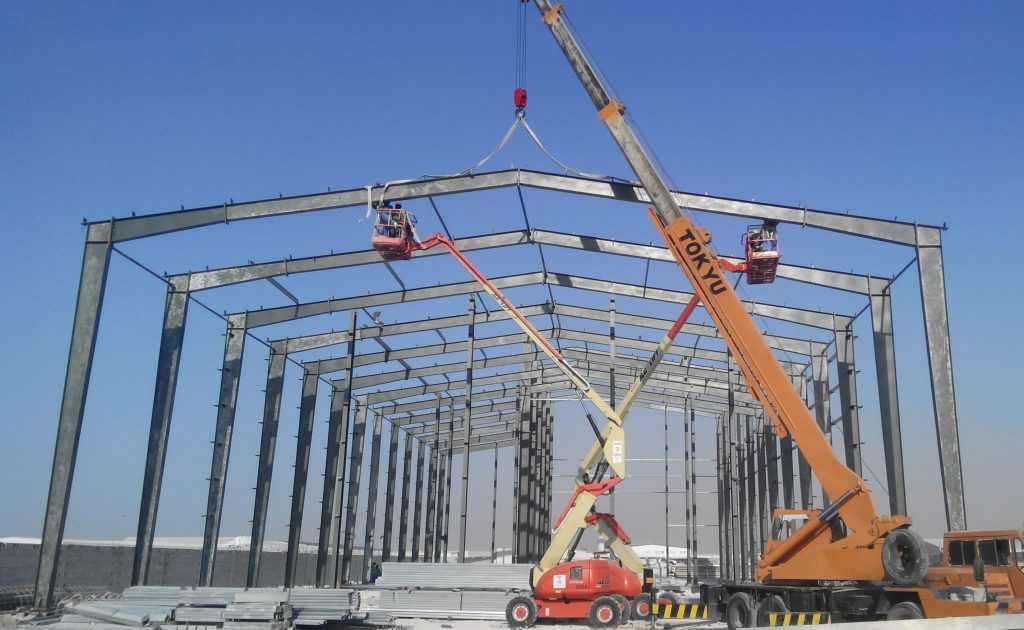
Lida Group, as a leading provider of sustainable low-cost steel structure solutions, has built a mature graded anti-corrosion technical system to match different budget and environmental needs, realizing the perfect balance of low cost and high durability. For conventional low-budget projects in inland mild environments, Lida adopts high-quality hot-dip galvanized low-alloy steel with a standardized zinc layer thickness of 85 to 100μm, which provides stable atmospheric corrosion resistance at low material cost. For high-corrosion coastal and industrial areas, the company applies upgraded Zn-Al-Mg alloy composite coatings with self-repairing functions, which can resist more than 5,000 hours of salt spray testing and maintain long-term anti-corrosion performance in harsh environments.
All coating processes are completed in automated factory production lines with precise digital control, ensuring uniform and stable protective layer quality. Compared with the uneven manual spraying of traditional manufacturers, Lida’s standardized process reduces product defect rates to below 0.5%, eliminating hidden corrosion risks from the source without excessive cost increase.
4.2 Anti-Corrosion Structural Optimization and Modular Prefabrication
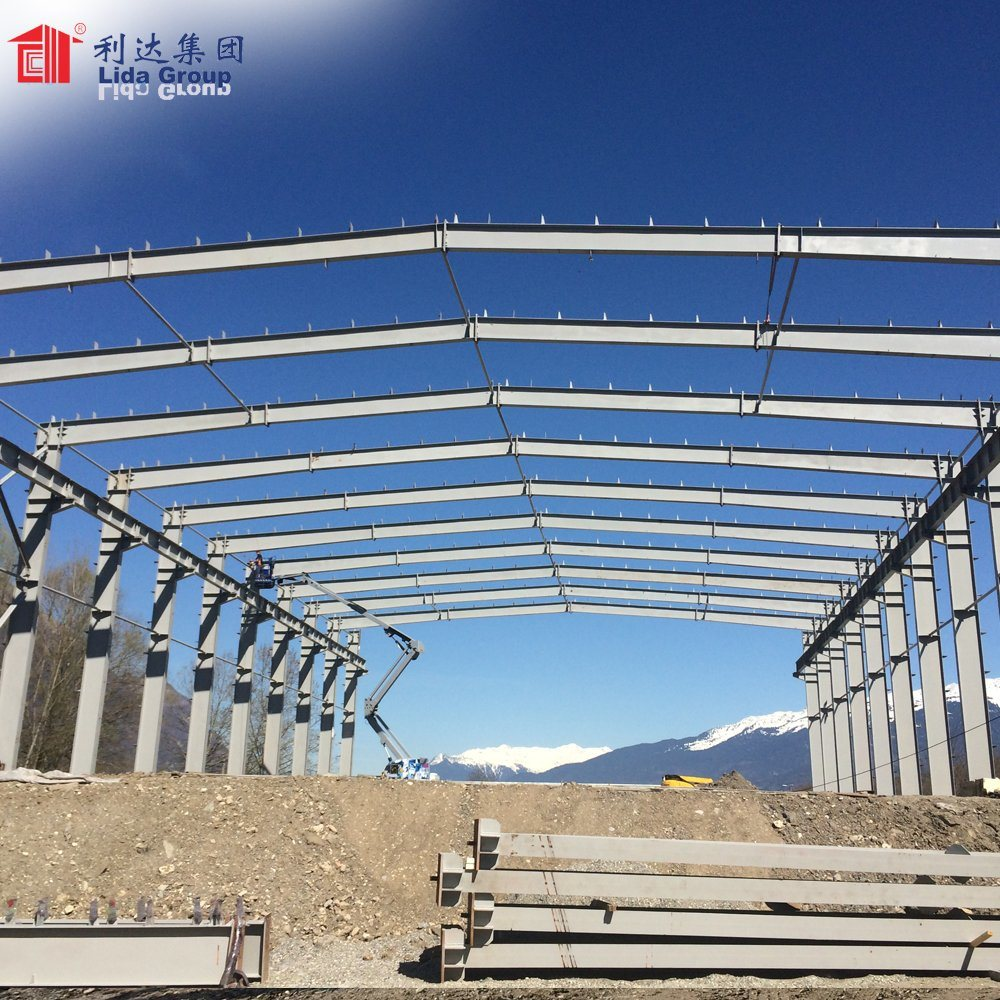
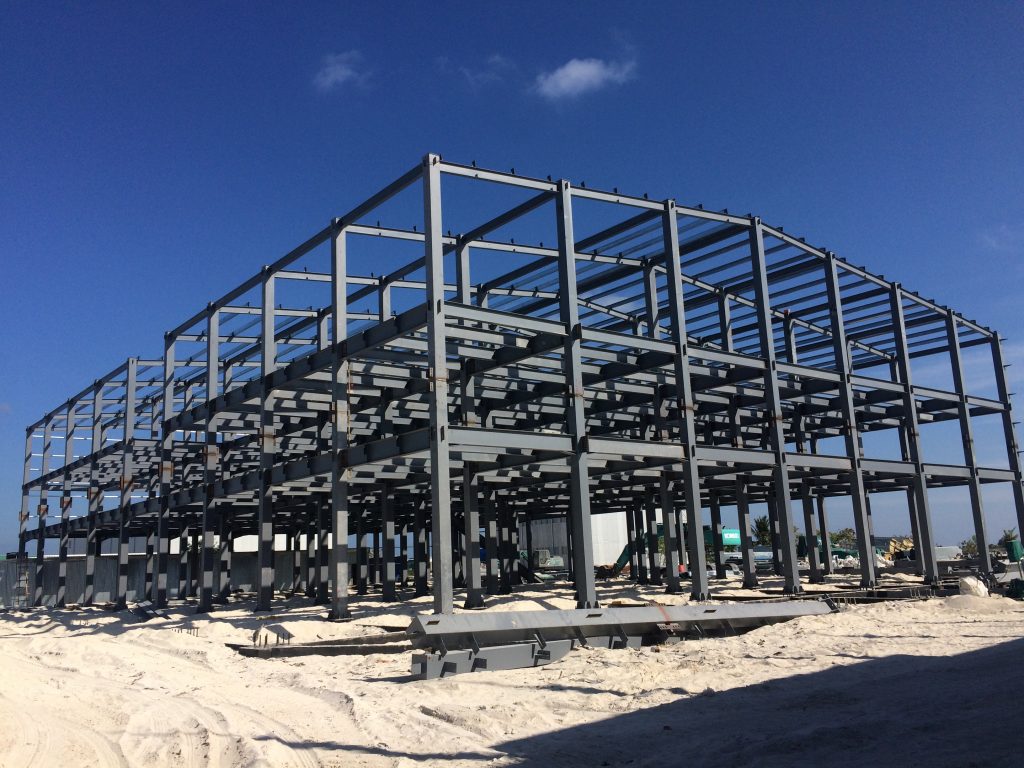
To further enhance the sustainability and durability of low-cost metal houses, Lida Group innovates anti-corrosion oriented structural design. All residential and commercial units adopt elevated independent foundations to isolate steel frames from wet soil and groundwater, preventing soil corrosion and capillary water erosion. Fully sealed welding and waterproof sealing treatment are applied to all structural joints, eliminating water storage and dust accumulation dead corners that easily cause local corrosion. Scientific ventilation and drainage systems reduce internal structural humidity, creating a dry and stable service environment for steel components.
The full factory modular prefabrication mode is another core advantage of Lida’s sustainable construction. All steel beams, columns, and decorative components are precisely processed and pre-protected in workshops, with no secondary cutting or welding on site. This mode not only completely protects the integrity of the anti-corrosion system but also shortens the construction cycle by two-thirds, reduces labor costs by 25%, and minimizes on-site construction pollution. The standardized mass production mode effectively dilutes technical costs, enabling high-standard sustainable anti-corrosion technology to be widely used in low-cost projects.
4.3 Full Industrial Chain Lifecycle Cost Control
Lida Group breaks the industry’s stereotype that “high sustainability equals high price” through full industrial chain optimization. Relying on long-term strategic cooperation with upstream raw material suppliers, centralized bulk procurement reduces material unit prices. Localized production and regional logistics layout cut transportation costs by nearly 60%. Automated production lines improve material utilization rate and reduce waste loss, further compressing comprehensive production costs.
While controlling upfront construction costs, Lida focuses on long-term sustainable value output. The ultra-low maintenance demand and ultra-long service life of its products reduce users’ long-term capital investment, and the high recyclability of steel components improves residual asset value. The full-chain cost control system realizes low initial investment, low later consumption, and low environmental loss, creating a triple advantage of economy, durability, and sustainability for low-cost metal houses.
5. Practical Project Verification of Sustainable and Affordable Advantages
5.1 Humid Rural Affordable Housing Project in Tanzania
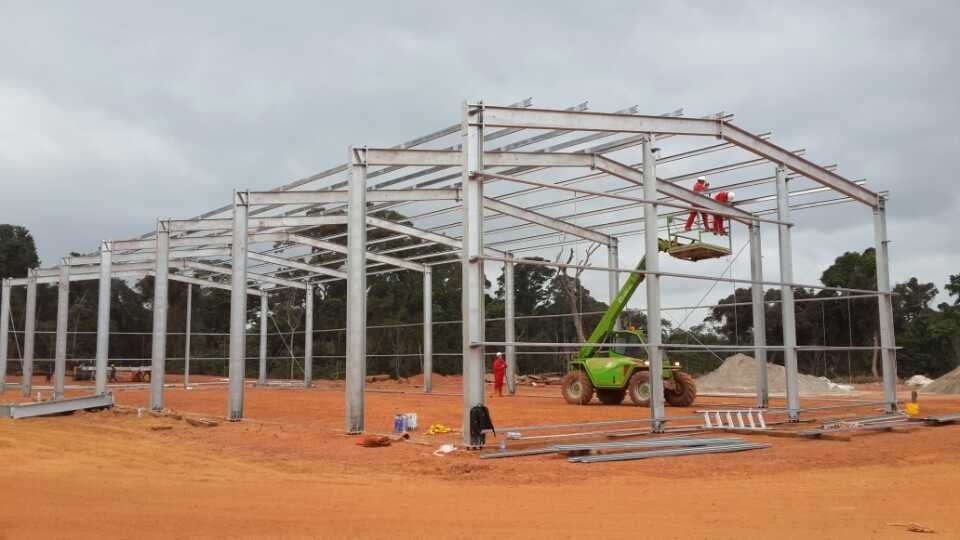
In 2020, Lida Group completed a large-scale sustainable low-cost housing project in rural Tanzania, delivering 1,000 sets of corrosion-resistant steel structure metal houses for local low-income families. The local area is hot and humid all year round with high atmospheric humidity, belonging to a typical medium-corrosion environment. The project adopted Lida’s optimized hot-dip galvanized anti-corrosion system and elevated ventilation structural design, strictly implementing factory prefabrication and standardized assembly.
After five years of stable operation, all steel structures have no rust or aging problems, and the buildings remain intact and usable. Compared with local traditional metal houses that require annual maintenance and replacement, Lida’s project saves nearly 70% of annual maintenance costs. Meanwhile, the high recyclable steel structure avoids construction waste generated by frequent building renewal, bringing significant economic and environmental benefits to local rural construction. This project fully verifies that corrosion-resistant steel structures can provide sustainable and affordable housing solutions for humid underdeveloped regions.
5.2 Coastal Post-Disaster Resettlement Project in the Philippines
In 2021, Lida Group undertook a coastal permanent resettlement housing project in Cebu, Philippines, facing severe salt fog corrosion and frequent typhoon disasters. The project adopted high-performance Zn-Al-Mg composite anti-corrosion technology and fully sealed structural optimization design to adapt to harsh marine climate conditions. After four years of field operation, all residential buildings maintain stable structural performance without corrosion damage or water leakage.
The project eliminates the need for frequent anti-rust maintenance and component replacement, greatly reducing the long-term living burden of displaced families. The durable and recyclable steel structure avoids repeated post-disaster reconstruction waste, realizes sustainable cyclic utilization of building resources, and sets a benchmark for green and affordable post-disaster resettlement construction in coastal high-corrosion areas.
6. Industry Significance and Future Development Trends
The popularization of corrosion-resistant steel structure low-cost metal houses has crucial guiding significance for the sustainable development of the global construction industry. It completely subverts the traditional low-cost building model of “low price, low durability, high waste”, and establishes a new development paradigm of “affordable price, long service life, low carbon emission, and high resource utilization”. For government public welfare projects, rural revitalization construction, and poverty alleviation housing projects, this building type effectively reduces public financial pressure and social resource waste, promoting the sustainable development of social housing security systems.
With the continuous advancement of global carbon neutrality goals and green building policies, low-cost high-sustainability buildings will become the mainstream trend of the industry. In the future, Lida Group will continue to iterate anti-corrosion technology, develop new nano-environmental protection coatings and low-carbon alloy steel materials, further reduce production costs, and improve building energy-saving performance. The continuous optimization of modular design and intelligent construction technology will further enhance the economic and environmental advantages of corrosion-resistant steel structure houses, making green and durable low-cost housing accessible to more regions and groups worldwide.
7. Conclusion
Traditional low-cost metal houses have long been trapped in the dual dilemma of poor economic sustainability and low environmental friendliness due to backward anti-corrosion technology and non-standard construction. Corrosion-resistant steel structure buildings represented by Lida Group’s innovative solutions perfectly solve these industry pain points, realizing the organic unity of economic affordability and ecological sustainability. Through graded high-performance anti-corrosion technology, scientific structural optimization, modular green construction, and full-lifecycle cost control, this new type of low-cost metal house achieves an ultra-long service life of 40 to 50 years, ultra-low long-term maintenance costs, and over 90% steel recycling rate, completely upgrading the quality connotation of low-cost construction products.
From an economic perspective, corrosion-resistant steel structures eliminate the hidden waste of repeated maintenance and reconstruction, maximizing the long-term return on user investment with low full-lifecycle costs. From a sustainable perspective, their low waste generation, low carbon emission, and high resource recyclability fit the global green construction development trend, reducing the environmental burden of low-cost housing construction. A large number of global engineering practices have fully verified that high durability and environmental sustainability do not conflict with low construction costs, and professional technical optimization can completely balance the two core demands.
In summary, sustainable and affordable corrosion-resistant steel structure buildings have become the new standard for global low-cost metal house construction. Driven by technological innovation and green development concepts, this building solution will continue to empower global affordable housing construction, rural revitalization, and post-disaster reconstruction projects, providing reliable, economical, and eco-friendly building support for the sustainable development of the global construction industry.
Related news
-
Lida Group’s Corrosion-Resistant Technology Elevates Steel Structure Building Low Cost Metal House
2026-05-21 17:31:54
-
Why Choose Lida Group for Corrosion-Resistant Steel Construction and Low Cost Metal House?
2026-05-21 17:53:41
-
Discover the Benefits of Corrosion-Resistant Steel Construction for Your Low Cost Metal House
2026-05-21 17:00:42
contact us
- Tel: +86-532-88966982
- Whatsapp: +86-13793209022
- E-mail: sales@lidajituan.com
