



Prefabricated Container Worker Dormitory Offers Fast Assembly and Long Service Life
2026-May-22 17:36:13
By Admin
Introduction
Modern engineering construction, mining exploitation, remote field operations, and infrastructure projects rely heavily on stable, efficient, and cost-effective on-site workforce accommodation. Worker dormitories serve as fundamental supporting facilities that directly influence project scheduling, team stability, on-site safety management, and overall construction efficiency. For decades, traditional temporary housing solutions, including brick-built temporary rooms, simple wooden shanties, and canvas tents, have dominated construction site layouts. Nevertheless, these conventional options suffer from inherent drawbacks such as time-consuming on-site construction, unstable structural quality, poor weather resistance, and extremely short service cycles, which frequently cause project delays, frequent facility replacement, and unnecessary capital waste for construction enterprises.
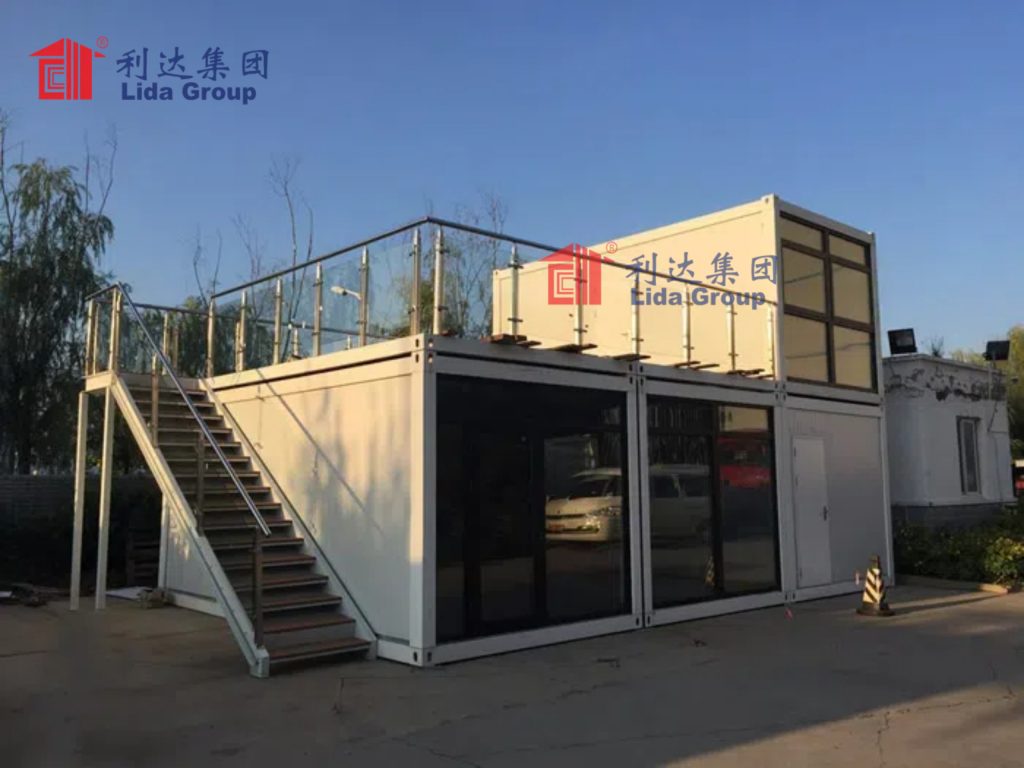
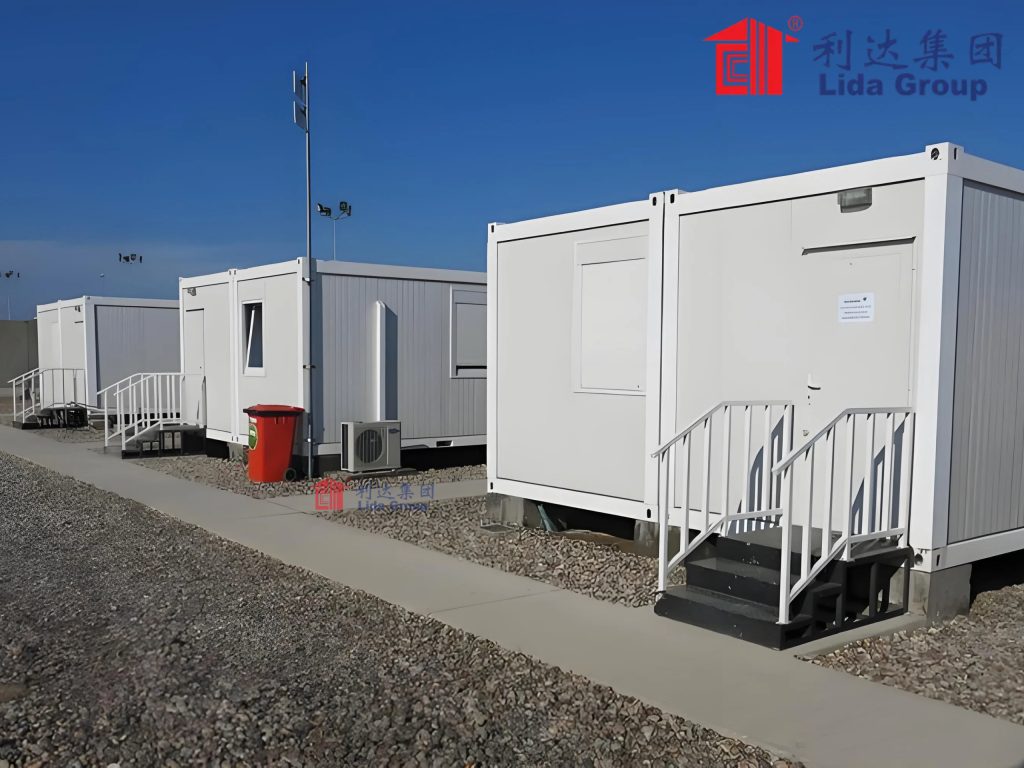
With the rapid development of modular prefabricated building technology, prefabricated container worker dormitories have emerged as a transformative alternative that perfectly solves the dual pain points of low deployment efficiency and short service life in traditional temporary housing. Optimized and manufactured by leading modular building enterprises represented by Lida Group, modern prefabricated container dormitories integrate factory integrated prefabrication, standardized modular design, high-strength durable materials, and simplified on-site assembly technology. The product stands out in the global engineering market with two core competitive strengths: ultra-fast on-site assembly efficiency and ultra-long service life. It completely subverts the industry stereotype that temporary worker housing must sacrifice speed for durability or vice versa. This article comprehensively analyzes the defects of traditional on-site dormitories, the core technical advantages of prefabricated container dormitories in fast assembly and long-term durability, the synergy of dual performance strengths, diverse application scenarios, and long-term economic and engineering value, providing an in-depth interpretation of why modern container dormitories have become the mainstream choice for global workforce accommodation.
1. Core Defects of Traditional Temporary Worker Dormitories
To fully reflect the advancement and superiority of prefabricated container dormitories, it is essential to clarify the fundamental flaws of traditional temporary housing that have long restricted the standardized and efficient operation of construction projects. Traditional worker dormitories face prominent bottlenecks in construction efficiency and service durability, failing to adapt to the fast-paced and long-cycle operation needs of modern engineering projects.
1.1 Slow On-Site Construction Severely Restricts Project Progress
Traditional brick-concrete temporary dormitories and manually assembled simple houses require a complete set of on-site construction procedures, including foundation leveling, raw material transportation, manual masonry, welding assembly, heat insulation laying, and interior decoration. The entire construction process is highly dependent on weather conditions, professional construction workers, and mechanical equipment. Under normal climatic conditions, a small-scale dormitory area for dozens of workers takes 15 to 30 days to complete, while large-scale worker camps for hundreds of workers require more than one month of continuous construction. In rainy, snowy, or typhoon seasons, the construction cycle will be further extended. For urgent engineering projects with tight delivery schedules, the slow deployment of worker accommodation directly delays worker settlement and project startup, resulting in intangible time losses and increased construction costs.
1.2 Fragile Structure and Short Service Cycle Cause Frequent Replacement
Most traditional temporary dormitories adopt low-cost and low-strength building materials with simple structural design and insufficient anti-aging and weather resistance capabilities. On complex construction sites with dust, vibration, and extreme temperature changes, these temporary buildings are prone to wall cracking, structural loosening, water leakage, and thermal insulation failure. The average effective service life of traditional temporary dormitories is only 2 to 3 years. After a single project cycle, most facilities are severely worn and cannot be reused, forcing enterprises to demolish old buildings and rebuild new dormitories for subsequent projects. The frequent demolition and reconstruction not only generate massive construction waste and environmental pollution but also cause repeated capital investment and serious resource waste, greatly reducing the economic efficiency of project operation.
1.3 High Labor Dependence and Unstable Construction Quality
Traditional temporary building construction requires a large number of skilled workers such as welders, bricklayers, and decorators, with high labor thresholds and strong manpower dependence. In peak construction seasons, the shortage of professional workers often leads to delayed construction progress and uneven building quality. Manual on-site operation is affected by personal proficiency and construction environment, resulting in inconsistent structural stability, fire resistance, and waterproof performance of dormitories. Unstable quality further shortens the actual service life of traditional dormitories and brings potential safety hazards such as structural collapse and electrical leakage, increasing the difficulty of on-site safety management.
2. Ultra-Fast Assembly: Core Efficiency Advantage of Prefabricated Container Dormitories
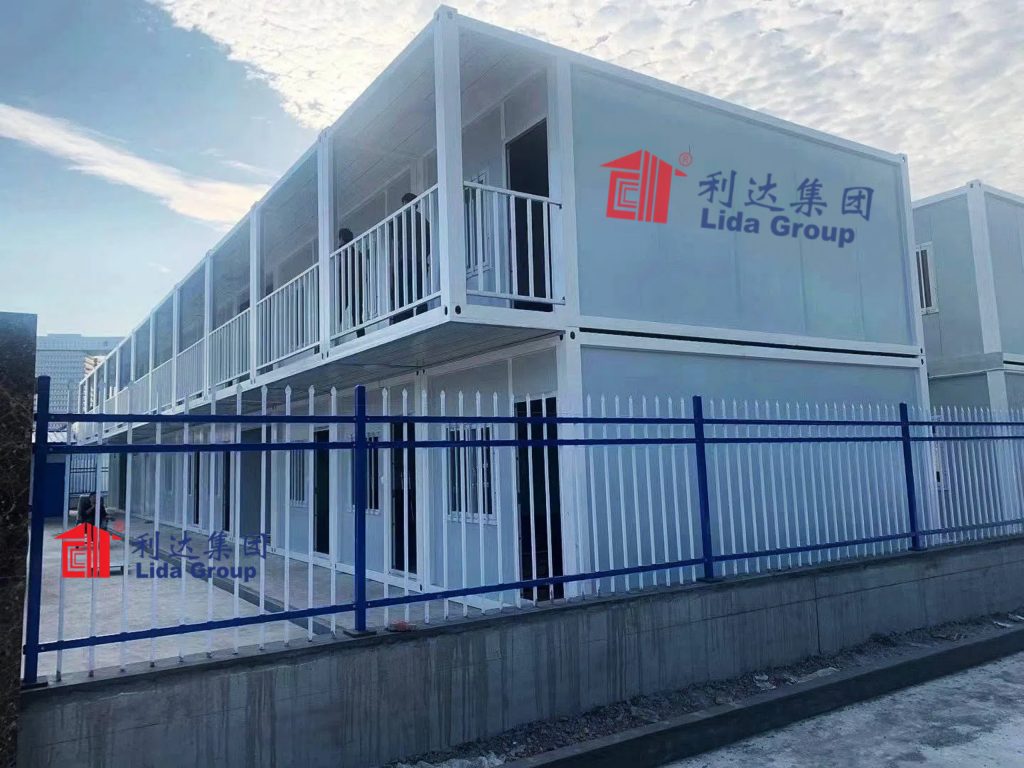
Different from the labor-intensive and time-consuming on-site construction mode of traditional dormitories, prefabricated container worker dormitories adopt a factory prefabrication and modular assembly mode, realizing revolutionary breakthroughs in construction speed and deployment efficiency. Relying on mature industrial manufacturing technology and optimized structural design, modern container dormitories achieve rapid occupancy in a short time, completely solving the problem of slow accommodation deployment in engineering projects.
2.1 90% Factory Prefabrication Eliminates On-Site Construction Delay
All core components of high-quality prefabricated container dormitories, including steel frame structures, wall and roof panels, thermal insulation layers, waterproof layers, electrical circuits, lighting systems, doors, windows, and basic interior decorations, are fully prefabricated and integrated in standardized intelligent factories. The factory production environment is not affected by external weather, seasons, and site conditions, ensuring continuous and efficient production. After strict factory quality inspection, the finished modular units are directly transported to the construction site for assembly and placement. This mode transfers almost all complex construction processes from the outdoor site to indoor standardized production, eliminating the waiting period caused by bad weather and insufficient on-site conditions, and laying a solid foundation for ultra-fast on-site deployment.
2.2 Tool-Free Bolt Connection Simplifies On-Site Assembly
Modern prefabricated container dormitories abandon the traditional welding and cutting assembly process and adopt a standardized universal bolt connection structure. All modular components are designed with unified positioning interfaces and color-coded matching marks, realizing precise docking without professional welding equipment and technical operations. Ordinary untrained workers can complete unit assembly according to detailed English visual manuals and remote online guidance videos. A team of 3 to 4 workers can finish the assembly, sealing, and debugging of a single standard dormitory unit within 3 to 4 hours. Compared with the weeks-long construction cycle of traditional dormitories, the assembly efficiency is increased by more than 80%, and the whole worker camp can be fully put into use within 2 to 3 days.
2.3 Integrated Finished Design Realizes Instant Occupancy
Each prefabricated container dormitory unit is an independent finished living space with complete supporting functions. The interior is pre-installed with ventilation systems, lighting facilities, power supply circuits, and anti-slip floor materials, with reserved interfaces for air conditioning, network, and water supply and drainage. After on-site assembly and simple connection of water and electricity, the dormitory can be occupied immediately without secondary decoration, facility installation, and environmental arrangement. This one-stop finished deployment mode saves a lot of post-construction processing time, realizes synchronous worker settlement and project preparation, and effectively guarantees the continuous progress of engineering construction.
2.4 Flexible Combined Assembly Adapts to Dynamic Project Scales
Prefabricated container dormitories support free horizontal splicing and vertical stacking of single modules. According to the dynamic changes of project workforce scale, construction enterprises can quickly assemble new dormitory units in peak construction periods and disassemble redundant modules in the later stage of the project. The flexible assembly mode realizes real-time matching of accommodation scale and project demand, avoiding the time waste of fixed construction and reconstruction of traditional dormitories. Whether it is a small temporary project with dozens of workers or a large-scale engineering camp with hundreds of employees, container dormitories can complete rapid layout and adjustment, with extremely high deployment flexibility and efficiency.
3. Long Service Life: Durable Structural and Material Core Advantages
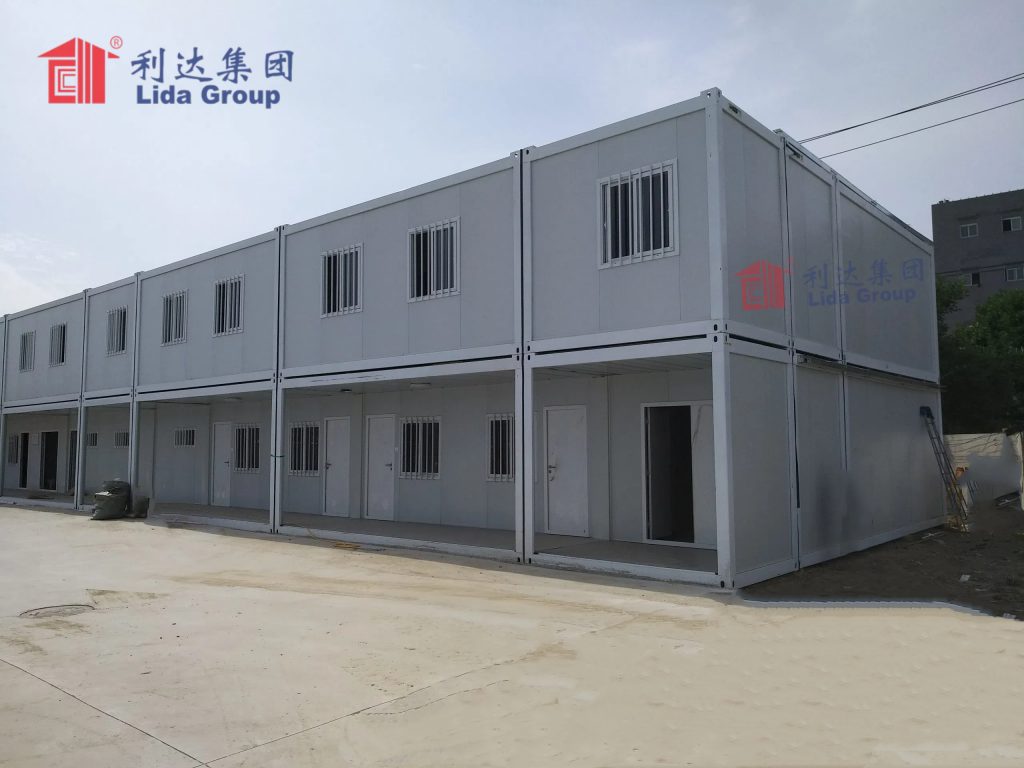
While achieving ultra-fast assembly efficiency, high-quality prefabricated container worker dormitories also achieve industry-leading long-term durability through high-strength material selection, optimized structural technology, and multi-layer protective design. Breaking the limitation of short service life of traditional temporary buildings, modern container dormitories realize long-term stable use and repeated cyclic deployment, bringing long-term economic benefits for construction enterprises.
3.1 High-Strength Galvanized Steel Frame Ensures Structural Stability
The main load-bearing structure of prefabricated container dormitories adopts high-strength hot-dip galvanized steel frames processed by automated precision welding and integral anti-corrosion treatment. Different from ordinary thin steel structures of low-quality temporary buildings, this rigid steel frame has excellent compression resistance, tensile resistance, and deformation resistance. The overall structural stability meets international high-standard seismic and wind resistance requirements, capable of resisting level 12 strong winds and adapting to seismic fortification standards in most regions worldwide. The professional hot-dip galvanizing process forms a dense protective layer on the steel surface, effectively isolating air, moisture, and chemical erosion, preventing structural rust and aging. The integral frame structure avoids loose connection and local deformation problems of traditional assembled buildings, providing a solid structural foundation for long-term service.
3.2 Multi-Layer Composite Materials Achieve Weather and Aging Resistance
The wall panels, roof systems, and floor accessories of prefabricated container dormitories adopt high-density rock wool or polyurethane sandwich composite materials with integrated functions of fire prevention, heat insulation, waterproofing, and anti-aging. The outer protective layer uses UV-resistant and weather-resistant color steel plates, which can resist long-term sun exposure, rain erosion, sandstorm impact, and low-temperature frost cracking. The inner thermal insulation layer maintains stable physical performance in extreme high temperature and severe cold environments, without deformation, powdering, or failure. The fully sealed waterproof structure eliminates hidden dangers of indoor water leakage and wall mildew. After strict environmental simulation tests, these composite materials can maintain stable performance after years of outdoor open-air use, greatly extending the overall service life of the dormitory.
3.3 Professional Anti-Corrosion and Maintenance Design Extends Service Cycle
Aiming at the harsh dust, humidity, and vibration environment of construction sites, prefabricated container dormitories adopt targeted anti-corrosion and anti-wear optimization design. All connecting bolts and hardware accessories are made of stainless steel materials to avoid rust and sticking. The structural joints are filled with waterproof and weather-resistant sealant to prevent rainwater and dust from invading the internal structure. The interior floor and wall surfaces adopt wear-resistant and easy-to-clean decorative layers, which can resist daily friction and pollution damage. Under standardized daily maintenance, the main steel structure of high-quality container dormitories has a stable service life of more than 15 years, and key functional components can work normally for 8 to 12 years, far exceeding the service cycle of traditional temporary dormitories.
3.4 Reusable Design Realizes Cross-Project Cyclic Utilization
The modular detachable structure of prefabricated container dormitories supports multiple times of disassembly, transportation, and cross-site reassembly. After the completion of one engineering project, the dormitory units can be quickly disassembled, flat-packed, and transported to new construction sites for secondary deployment. The structural performance and functional configuration have almost no loss after repeated assembly and disassembly. Different from disposable traditional temporary buildings that need to be demolished after single use, container dormitories can serve multiple project cycles, realizing maximum asset utilization. The reusable design further amplifies the long-term use value of the product and reduces the comprehensive replacement cost of enterprise accommodation facilities.
4. Synergistic Value of Fast Assembly and Long Service Life
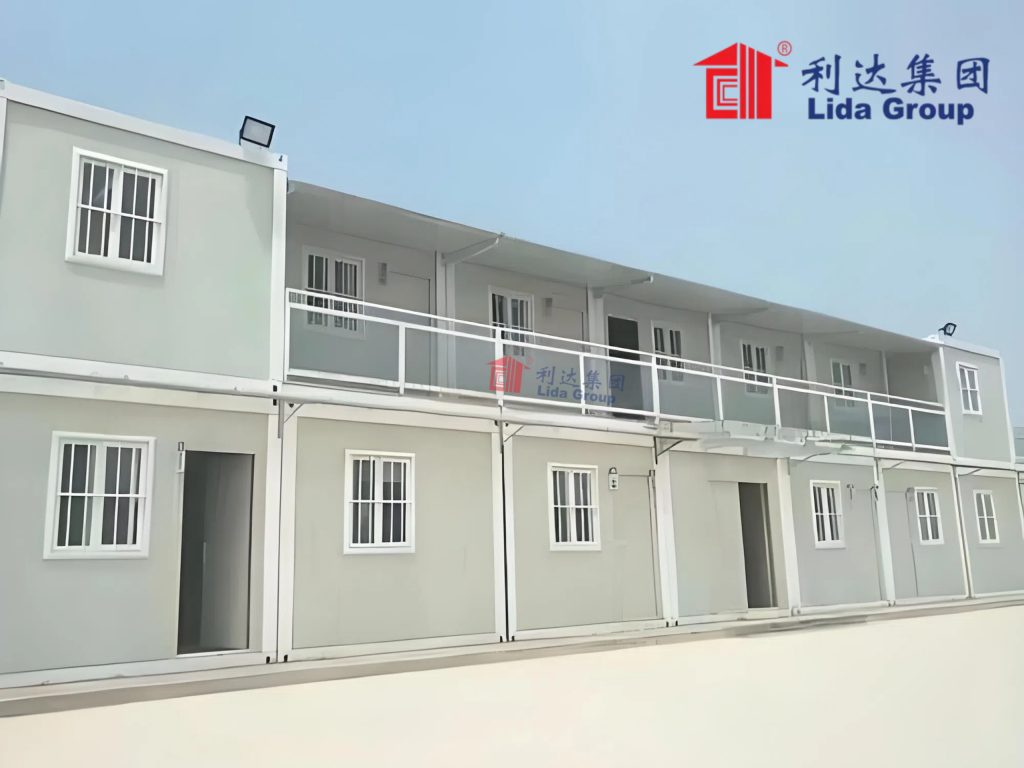
The greatest competitive advantage of prefabricated container worker dormitories lies in the perfect synergy of fast assembly efficiency and long durable service life, breaking the long-standing industry trade-off between rapid deployment and long-term usability. Fast assembly solves the time efficiency problem of project preparation, ensuring timely worker settlement and on-site standardization; long service life solves the economic waste problem of frequent facility replacement and demolition. The two core advantages empower each other, forming a dual high-value system of efficiency and durability that traditional temporary buildings cannot match.
Ultra-fast assembly efficiency greatly shortens the project preparation cycle, enabling the rapid start of engineering construction and creating more economic benefits for enterprises. On this basis, the ultra-long service life ensures that the rapidly deployed dormitory facilities can maintain stable and safe use for a long time, avoiding repeated investment and construction delays caused by frequent facility damage and replacement. For long-term continuous engineering projects and enterprises with multiple cross-region projects, this synergy effect is more prominent. It not only improves the short-term deployment efficiency of the project but also reduces the long-term operation and maintenance costs, realizing double improvement of project time benefit and economic benefit.
5. Diverse Application Scenarios for Long-Term and Rapid Deployment Needs
Benefiting from the dual advantages of rapid assembly and long service life, prefabricated container worker dormitories are widely applicable to various engineering scenarios requiring rapid deployment and long-term stable operation, covering multiple fields such as urban construction, remote engineering, energy mining, and public emergency support.
5.1 Urban Construction and Municipal Engineering Projects
Urban municipal construction, building construction, and road renovation projects have tight construction schedules and standardized on-site management requirements. Prefabricated container dormitories can be quickly deployed to complete worker settlement, meeting the rapid preparation needs of urban projects. The durable structure can adapt to long-term construction cycles of urban projects, maintaining neat and standardized on-site accommodation environment, which is in line with urban civilized construction standards.
5.2 Remote Mining and Energy Field Projects
Remote mining, oil and gas exploration, and power engineering projects are located in harsh environments with inconvenient transportation and long construction cycles. Traditional dormitories are difficult to construct and have short service life. Container dormitories can be transported in flat-pack mode and assembled rapidly on site, adapting to remote construction conditions. The excellent weather resistance and long service life enable the facilities to stably serve long-cycle field operation projects, solving the accommodation dilemma of remote workforce for a long time.
5.3 Emergency Resettlement and Temporary Public Projects
In post-disaster resettlement, temporary project support, and public welfare construction scenarios, rapid deployment is the primary demand, while long-term reusability can meet subsequent emergency reserve needs. Prefabricated container dormitories can be put into use in a short time to complete personnel resettlement, and can be disassembled and stored after the completion of emergency tasks for repeated use in future public projects, realizing efficient emergency response and sustainable resource utilization.
6. Long-Term Economic and Sustainable Development Value
The integration of fast assembly and long service life brings significant economic and sustainable development value to construction enterprises and the entire engineering construction industry. In terms of economic benefits, the rapid assembly mode saves a large amount of on-site labor costs, mechanical equipment costs, and time costs for enterprises. The ultra-long service life and reusable design eliminate repeated construction and demolition investment, reducing the comprehensive accommodation cost by more than 30% compared with traditional temporary buildings in the whole life cycle. The low maintenance rate of durable structures also saves daily operation and maintenance expenses, realizing lean cost control.
In terms of sustainable development, factory prefabrication and rapid assembly produce almost no construction waste, dust, and noise pollution, realizing green and low-carbon construction. The long service life reduces the frequency of building demolition and reconstruction, decreases resource consumption and environmental damage, and conforms to the global green engineering development concept. In addition, the stable and comfortable long-term living environment effectively improves worker satisfaction and team stability, reduces personnel turnover rate, and ensures the continuous and efficient advancement of engineering projects, bringing indirect long-term value to enterprise development.
7. Conclusion
Traditional temporary worker dormitories have long restricted the high-efficiency and standardized development of engineering projects due to slow construction speed, short service life, unstable quality, and high comprehensive costs. Prefabricated container worker dormitories completely break through the dual bottlenecks of efficiency and durability of traditional temporary housing with two core strengths: ultra-fast modular assembly and ultra-long service life. Through full factory prefabrication, simplified bolt assembly, and integrated finished design, the product realizes rapid on-site deployment and instant occupancy, greatly shortening the project preparation cycle and improving construction efficiency. Relying on high-strength steel structures, weather-resistant composite materials, and professional anti-aging design, it achieves long-term stable service and cross-project cyclic reuse, solving the pain points of frequent replacement and resource waste of traditional dormitories.
The perfect synergy of fast assembly and long service life enables prefabricated container dormitories to adapt to diverse complex engineering scenarios, bringing dual improvements in time efficiency and economic benefits for construction enterprises. While optimizing on-site workforce accommodation conditions and stabilizing construction teams, it also promotes the green, efficient, and sustainable upgrading of the modern modular construction industry. With the continuous development of global engineering modularization, prefabricated container worker dormitories with efficient deployment and durable performance will become the mainstream standard configuration for global project temporary housing, continuously empowering the high-quality development of the construction industry.
Related news
-
Lida Group Expands Range of Flat Packed Modular Container House for Export Markets
2026-05-22 17:26:02
-
Living Container House by Lida Group Combines Comfort, Durability, and Affordability
2026-05-22 17:15:28
-
Efficient Prefabricated Container Worker Dormitory Now Available from Lida Group
2026-05-22 17:09:13
contact us
- Tel: +86-532-88966982
- Whatsapp: +86-13793209022
- E-mail: sales@lidajituan.com
