



Prefab Container Campsite Dormitory Solutions by Lida Group Enhance Remote Accommodation
2026-Jun-08 16:18:51
By Admin
1. Introduction
Remote engineering operations have always been the cornerstone of global infrastructure development, covering mining exploitation, offshore wind energy construction, mountain highway and railway projects, desert oil and gas exploration, and remote regional infrastructure upgrading. These large-scale projects require long-term on-site residence of construction teams, technical personnel, and management staff, making stable, safe, and comfortable remote accommodation an essential guarantee for project smooth progress. However, most remote construction sites are located in inaccessible areas with harsh natural conditions, inconvenient transportation, and incomplete supporting facilities, bringing great challenges to the construction of staff dormitories and living camps. Traditional remote accommodation modes, including temporary masonry houses, simple tents, and crude renovated containers, have long restricted the operational efficiency of remote projects and the well-being of on-site workers.
As a global leading enterprise in modular prefabricated building research and development and manufacturing, Lida Grouphas long been deeply engaged in the field of remote engineering supporting facilities. After years of market research, technical iteration, and practical project verification, the company has launched professional prefab container campsite dormitory solutions tailored for remote accommodation scenarios. Different from general temporary container houses, this series of solutions is fully optimized targeting the pain points of harsh remote environments, difficult construction, poor living conditions, and high operating costs. It integrates extreme environment resistance, rapid on-site assembly, humanized living design, flexible camp layout, and green reusable performance, providing one-stop standardized dormitory camp construction services for various remote engineering projects. This article comprehensively analyzes the advantages, core technologies, practical applications, and industrial value of Lida Group’s prefab container campsite dormitory solutions in empowering remote accommodation upgrading.
2. Core Challenges of Traditional Remote Workforce Accommodation
Remote construction sites are far away from urban supporting facilities, with complex terrain, changeable climates, and scarce construction resources. Traditional accommodation modes cannot adapt to the long-term operation needs of modern remote engineering projects, and there are prominent practical challenges in safety, comfort, economy, and construction efficiency, which have become key bottlenecks restricting project development.
First, harsh environmental adaptability and hidden safety hazards. Most remote areas face extreme weather such as strong winds, heavy snow, high temperature, sandstorms, and high humidity and salinity. Simple tents and temporary masonry buildings have low structural strength, poor wind and earthquake resistance, and weak corrosion resistance. They are prone to structural damage, water leakage, and collapse in extreme environments, bringing direct safety threats to workers’ lives and property. Ordinary renovated containers lack professional thermal insulation and anti-corrosion treatment, and are easy to rust, deform, and mildew after long-term use in remote harsh environments, with extremely poor stability.
Second, difficult construction and long cycle with resource constraints. Remote areas lack professional construction teams, building materials, and mechanical equipment. Traditional masonry dormitories require foundation pouring, on-site masonry, plastering, and water and electricity installation, which rely heavily on local construction resources. The whole construction cycle often lasts for one to two months, seriously delaying the project start-up progress. At the same time, the transportation cost of building materials in remote areas is high, which greatly increases the construction cost of temporary accommodation camps.
Third, poor living comfort affecting worker retention. The living environment of traditional remote accommodation is extremely rough. Most temporary houses have no professional thermal insulation and ventilation design, resulting in sweltering heat in summer and freezing cold in winter. The lighting and ventilation conditions are poor, the indoor air is humid and stuffy, and supporting living facilities such as bathing, toilet, and storage are incomplete. Long-term residence in such a harsh environment will seriously affect workers’ physical and mental health, reduce work enthusiasm, and even cause high staff turnover, bringing hidden dangers to project manpower stability.
Fourth, low reusability and serious resource waste. Traditional remote temporary accommodation is basically disposable buildings. After the completion of the project, masonry buildings can only be demolished on-site, generating a large amount of construction waste and causing serious environmental damage and resource waste. Ordinary container houses have short service life and poor durability, and are difficult to be disassembled and reused across projects, resulting in repeated investment and high comprehensive operating costs for enterprises undertaking multiple remote projects.
Fifth, irregular camp layout and difficult standardized management. Traditional remote dormitories are built on-site according to random terrain, with disorderly functional partition, mixed living and working areas, and imperfect fire protection and safety facilities. It is difficult for enterprises to implement unified personnel management, safety inspection, and daily operation management, which increases the management difficulty and safety risks of remote projects.
3. Core Design Advantages of Lida Group Prefab Container Campsite Dormitories
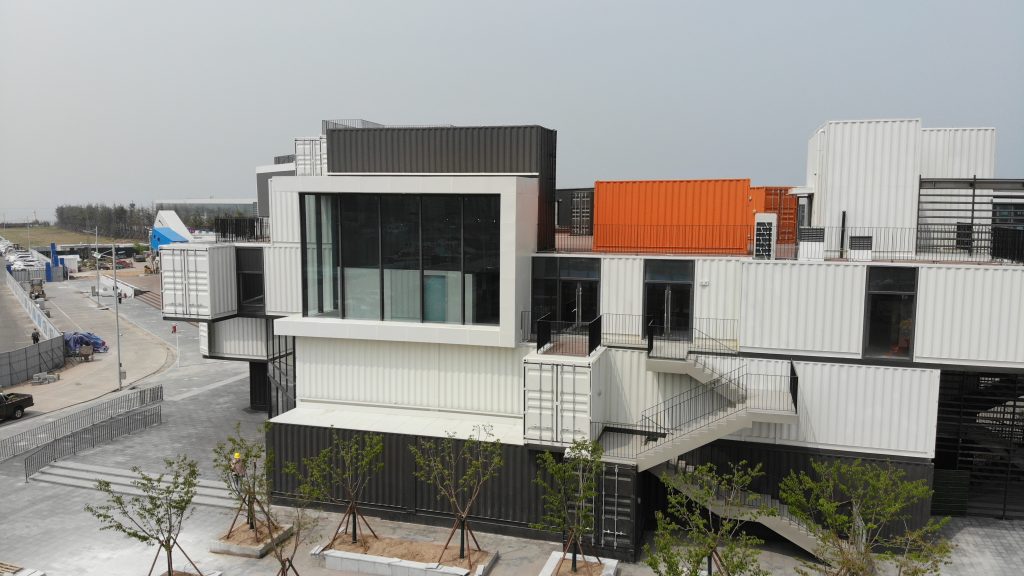
Aiming at the multiple pain points of remote accommodation, Lida Group’s prefab container campsite dormitory solutions adopt industrial integrated prefabrication and modular standardized design. All core modules are produced and assembled in the factory, realizing on-site rapid assembly and flexible layout, which perfectly adapts to the special construction and operation environment of remote projects. The core design advantages are reflected in modular flexibility, industrial high-quality manufacturing, and ultra-strong remote deployment adaptability.
3.1 Modular Standardized Layout for Customized Camp Construction
Lida Group’s container dormitories adopt unified industrial standard modular design, with independent and complete single dormitory units. Each module has standardized size specifications and reserved universal connection interfaces, which can be freely combined, spliced, and stacked according to the project scale, terrain conditions, and number of employees. For small remote teams of dozens of people, a compact single-layer dormitory camp can be built; for large-scale mining and energy projects with hundreds of workers, multi-layer centralized dormitory camps with complete functional partitions can be formed through multi-module combination.
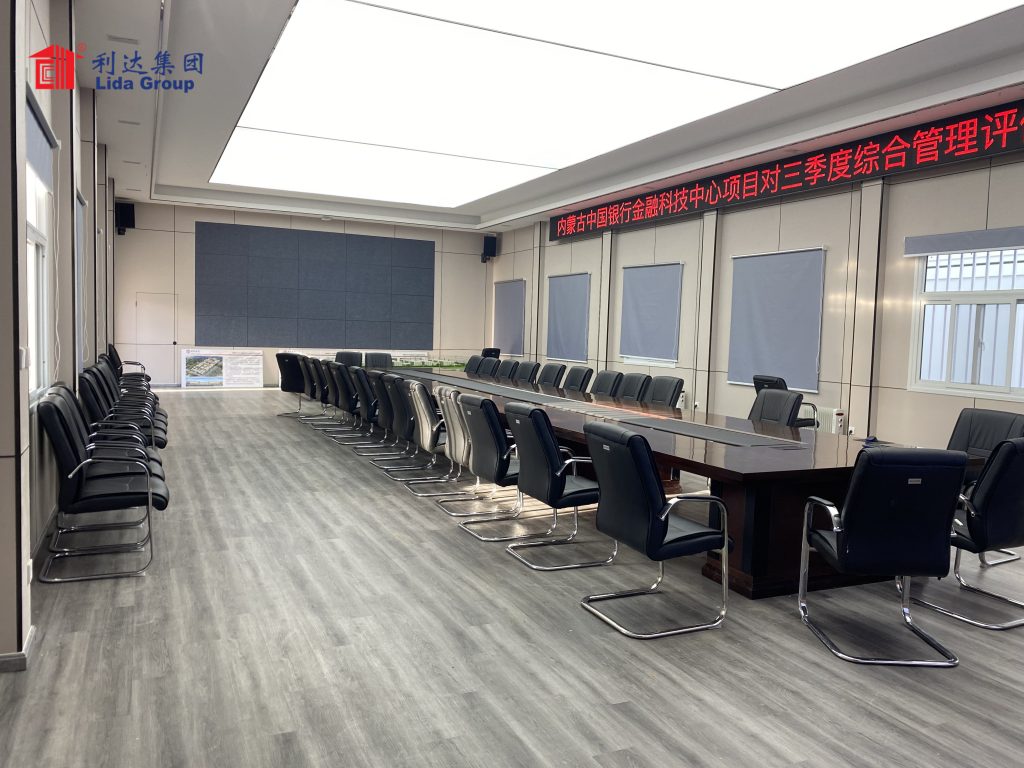
In addition to basic dormitory units, the solution supports the flexible matching of supporting functional modules, including staff canteens, office rooms, conference rooms, bathing and toilet modules, storage rooms, medical rooms, and security rooms. All functional modules adopt unified modular standards, which can be freely combined to build a fully functional closed-loop living and working camp. This customized modular layout completely solves the problem of disorderly construction of traditional remote camps, realizing standardized and orderly camp planning and greatly facilitating enterprise daily management.
3.2 Full Factory Prefabrication to Adapt to Remote Resource Shortages
More than 95% of the production and assembly work of Lida Group’s container dormitories is completed in the intelligent factory, including steel frame manufacturing, wall and roof assembly, thermal insulation and waterproof treatment, internal water and electricity wiring, lighting system installation, and basic interior decoration. The whole factory production process is not affected by remote site environment and resource conditions. After the finished modules are transported to the remote construction site, only simple hoisting, positioning, and interface connection are required for on-site deployment, without a large number of construction workers, building materials, and mechanical equipment.
This highly prefabricated mode completely gets rid of the dependence on remote construction resources. A small professional installation team can complete the assembly and commissioning of a medium-sized camp in 3 to 5 days, which is 80% faster than the construction cycle of traditional temporary buildings. It effectively solves the problem of slow camp construction caused by insufficient remote construction resources and greatly shortens the project preparation cycle.
3.3 Diversified Transportation and Terrain Adaptability
Remote engineering sites are often limited by complex terrain such as mountains, deserts, Gobi, and coastal tidal flats, with narrow transportation channels and uneven ground. Lida Group optimizes the product transportation and installation design for remote scenarios, supporting two modes of integral transportation and split packaging transportation. Integral packaged modules are suitable for sites with accessible transportation roads, which can be directly hoisted and installed after arrival; split packaged parts are compact in size and convenient for vehicle and ship transportation, adapting to mountain winding roads and remote areas with limited transportation conditions.
In terms of terrain adaptation, the container dormitory has a reinforced load-bearing chassis and adjustable support feet, which can adapt to uneven ground without complex foundation pouring and leveling. It can be normally installed and used on slopes, sandy land, and tidal flat ground, with ultra-strong terrain adaptability, fully meeting the complex site conditions of remote projects.
4. Extreme Environment Resistance and Safety Performance for Remote Scenarios
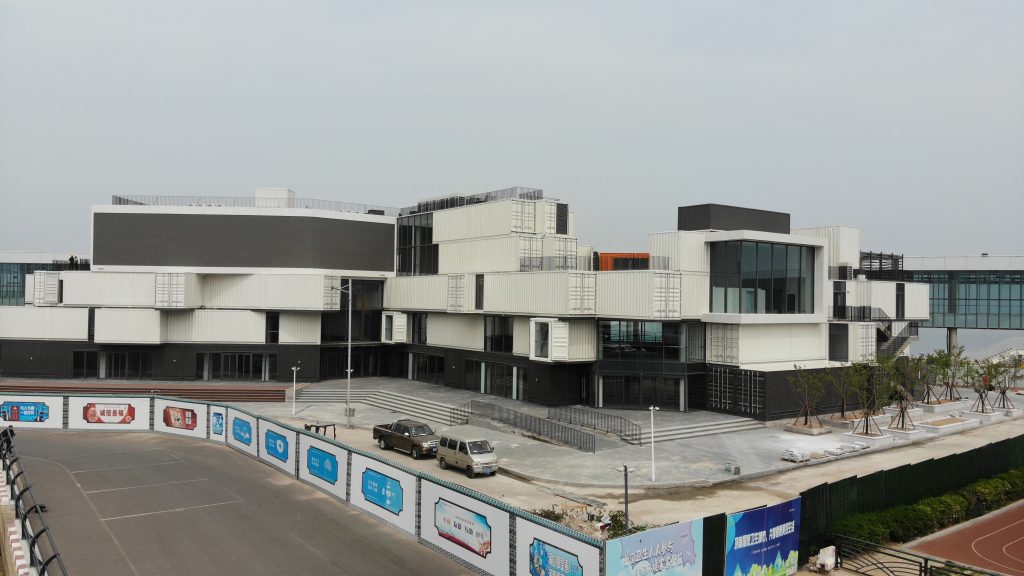
Safety and durability are the core indicators of remote accommodation facilities. Lida Group’s prefab container dormitories are specially optimized for extreme remote environments, with excellent structural stability, weather resistance, and safety protection performance, which can maintain long-term stable operation in harsh working conditions and provide reliable safety guarantees for remote workers.
4.1 High-Strength Structural Design for Wind and Earthquake Resistance
The whole dormitory module adopts hot-dip galvanized cold-formed high-strength steel frame structure, with integrated welding and reinforcement treatment at the joints. The overall structural rigidity is high, meeting international 8-level seismic resistance and 12-level strong wind resistance standards. For remote desert and coastal wind-prone areas, the steel frame structure can resist strong sandstorms and gales without deformation and damage; for mountainous remote areas with frequent geological activities, the flexible and tough steel structure can effectively buffer seismic impact and avoid overall collapse risks. The bottom reinforced load-bearing chassis can bear heavy pressure, preventing structural settlement and deformation caused by soft remote ground.
4.2 Professional Anti-Corrosion and Thermal Insulation for Extreme Climates
Aiming at the humid and saline-alkali coastal remote areas, dry and hot desert areas, and cold alpine mountain areas, Lida Group adopts targeted material and process optimization. All steel components are treated with multiple anti-corrosion and anti-rust processes such as hot-dip galvanizing and high-temperature anti-corrosion coating, which can effectively resist salt spray corrosion, oxidation, and rust, with a service life of more than 20 years. The wall, roof, and floor adopt high-density rock wool thermal insulation composite boards, with excellent heat preservation, heat insulation, and cold resistance performance.
In high-temperature desert remote sites, the multi-layer thermal insulation structure can isolate external high temperature, keeping the indoor temperature stable and comfortable and avoiding stuffy heat; in alpine remote areas with low temperature in winter, the thermal insulation material can effectively lock indoor heat, prevent frosting and freezing, and solve the problem of poor thermal insulation of traditional remote accommodation. At the same time, the whole house adopts fully sealed waterproof and moisture-proof treatment, which can avoid rainwater leakage and indoor mildew in rainy and humid remote areas, ensuring a dry and safe indoor environment all year round.
4.3 Standardized Fire Protection and Electrical Safety System
Remote construction sites are far away from urban fire-fighting facilities, and fire safety is extremely critical. Lida Group’s container dormitories strictly follow international fire protection standards. The wall, ceiling, and partition materials are all non-combustible fire-proof materials with high fire resistance. The indoor circuit layout adopts hidden standardized wiring, equipped with professional overload protection, leakage protection, and short-circuit protection devices. Each dormitory unit and functional area is equipped with fire extinguishers, smoke sensors, and emergency escape indicators, forming a complete fire safety system. The standardized electrical design avoids electrical aging, short circuit, and fire risks caused by irregular on-site wiring of traditional remote dormitories, effectively improving the overall safety level of remote camps.
5. Humanized Comfort Optimization to Improve Remote Living Experience
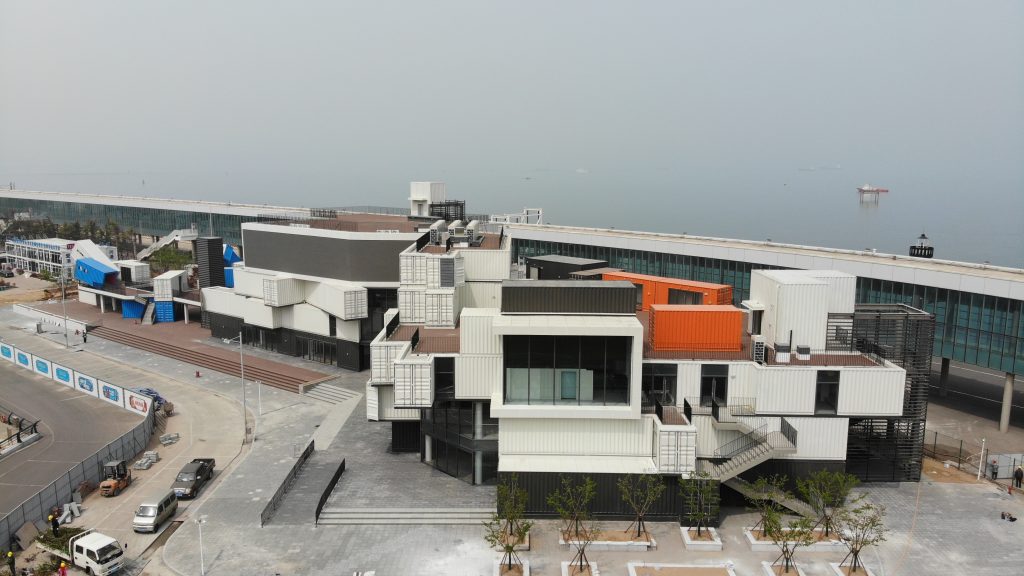
Long-term remote work requires high-quality living accommodation to protect workers’ physical and mental health. Lida Group abandons the crude design of traditional temporary dormitories, integrates humanized design concepts into every detail of the container campsite, and creates a comfortable, healthy, and convenient living environment for remote workers, effectively improving worker satisfaction and retention rate.
5.1 Scientific Space and Lighting Ventilation Design
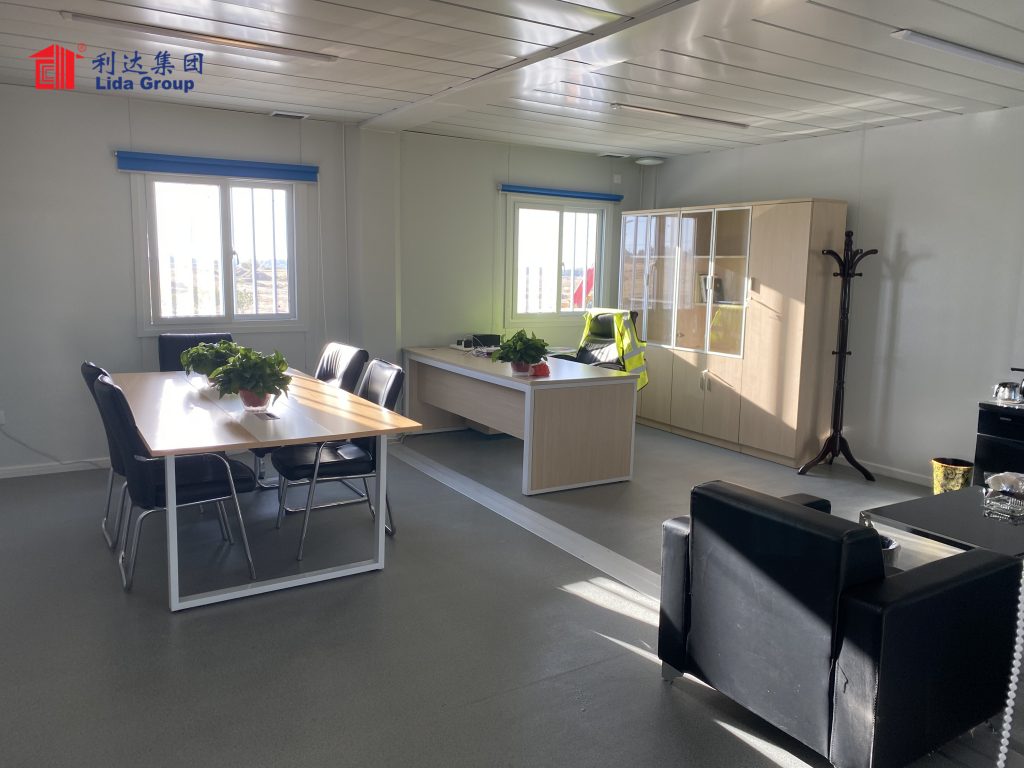
The interior of the container dormitory adopts a spacious and reasonable spatial layout, with no redundant structural barriers, avoiding the cramped and depressed feeling of traditional temporary houses. According to the living needs of workers, it can be flexibly designed into single rooms, double rooms, and four-person dormitories, with independent private space and standardized rest areas. The wall is equipped with large-size energy-saving hollow glass windows, which not only ensures sufficient natural light indoors during the day but also has good heat insulation and sound insulation effects. The optimized cross-ventilation design forms a smooth indoor air circulation system, effectively eliminating indoor peculiar smell and humid air, keeping the indoor air fresh and solving the problems of stuffiness and poor ventilation of traditional remote accommodation.
5.2 Complete Supporting Living Facilities
Lida Group’s prefab dormitory modules support full set of factory pre-installed living facilities, including integrated beds, storage cabinets, desks and chairs, LED energy-saving lighting, air conditioning systems, and water supply and drainage systems. The supporting public functional areas are complete, with independent centralized bathing rooms, toilet areas, laundry areas, and rest lounges, fully meeting the daily living and rest needs of workers. All facilities are installed and debugged in the factory, and workers can move in with luggage after on-site assembly, without secondary decoration and facility installation. For long-term remote projects, the camp can also be equipped with intelligent monitoring systems, campus broadcasting systems, and water and electricity metering systems to realize intelligent and convenient camp management.
5.3 Noise Reduction and Environment Optimization Design
Remote construction sites often have mechanical operation noise, which affects workers’ rest. Lida Group’s container dormitories adopt multi-layer sound insulation wall panels and sealed noise reduction doors and windows, which can effectively isolate external construction noise and create a quiet rest environment. At the same time, the camp adopts standardized planning, with reasonable partition between living area and construction working area, avoiding the interference of construction operations on workers’ rest. The indoor environment is clean and tidy, with smooth walls and floors, easy to clean and maintain, effectively improving the overall living quality of remote camps.
6. Typical Application Scenarios of Lida Group’s Remote Campsite Solutions
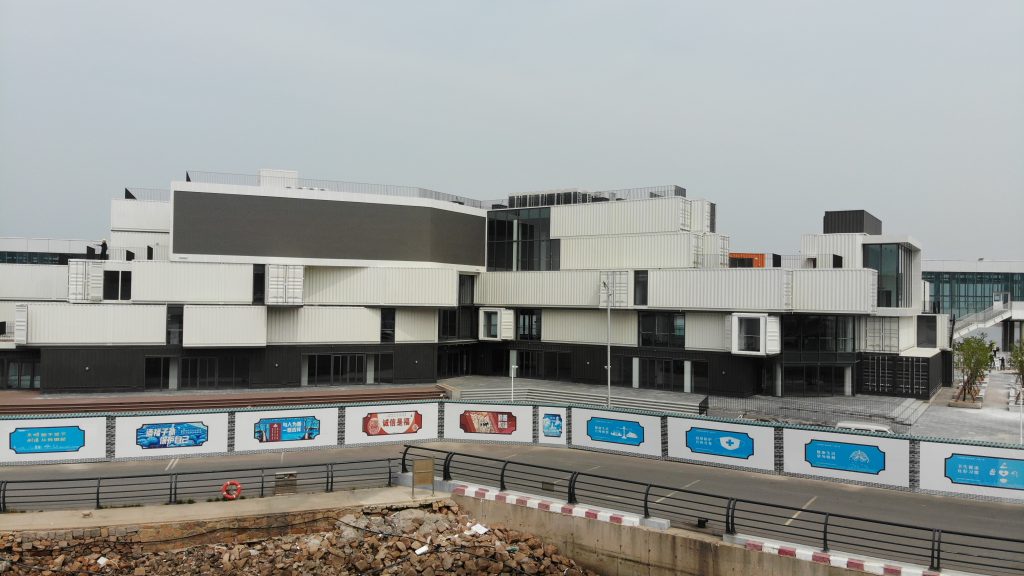
With ultra-strong environmental adaptability, flexible layout, and high cost-effectiveness, Lida Group’s prefab container campsite dormitory solutions have been widely applied in various remote engineering fields, providing reliable accommodation support for different types of long-term and short-term remote projects.
6.1 Mining and Energy Remote Camps
Mining, oil, gas, and new energy projects are mostly located in remote deserts, mountains, and wilderness areas, with harsh living conditions and long project cycles. Lida Group’s container dormitories can adapt to long-term high-intensity use in extreme environments. The reusable design is suitable for the mobile operation characteristics of energy and mining projects. After the completion of one mining area operation, the camp can be disassembled and transported to the next construction site, greatly saving the repeated construction cost of enterprise accommodation camps. At present, the solution has been applied in many domestic and foreign mining and wind power projects, winning high recognition for its stable performance and comfortable living environment.
6.2 Remote Infrastructure Engineering Projects
Large-scale infrastructure such as mountain highways, cross-river bridges, remote railway trunk lines, and water conservancy projects are constructed in remote areas with scattered construction points and mobile teams. The modular container dormitory camp can be quickly deployed with the movement of the construction team, realizing rapid construction and use. The standardized camp layout is convenient for construction enterprises to carry out unified personnel management and safety training, effectively improving the standardized management level of remote engineering projects.
6.3 Emergency Remote Construction and Disaster Relief Projects
In the face of sudden remote engineering tasks and natural disaster relief work, rapid accommodation deployment is the key to smooth task progress. Lida Group’s container dormitories can be quickly transported to remote disaster-stricken areas and emergency construction sites, completing camp construction in a short time and providing safe and comfortable temporary accommodation for rescue workers and construction teams. Compared with traditional disaster relief tents, the container camp has higher safety and comfort, which can support long-term emergency work in remote areas.
7. Green Environmental Protection and Full-Cycle Cost Advantages
In addition to safety and comfort advantages, Lida Group’s prefab container campsite dormitories also have outstanding green environmental protection performance and full-cycle economic advantages, which conform to the sustainable development concept of modern remote engineering construction and help enterprises reduce operating costs.
7.1 Full-Process Green and Low-Carbon Construction
The whole life cycle of the product realizes zero pollution and low energy consumption. The factory integrated production mode avoids a large amount of dust, noise, and construction waste generated by on-site construction of traditional dormitories. The on-site assembly process is dry operation, without concrete pouring and masonry construction, which will not damage the fragile ecological environment of remote areas. All raw materials are environmentally friendly and non-toxic, meeting international environmental protection standards. After the completion of the project, the container modules can be completely disassembled and reused, with a recycling rate of more than 95%, realizing zero construction waste discharge, which is far more environmentally friendly than disposable traditional temporary buildings.
7.2 Excellent Full-Cycle Cost-Effectiveness
In terms of comprehensive economic benefits, Lida Group’s container dormitory camps have obvious advantages over traditional remote accommodation modes. Although the one-time investment is slightly higher than that of simple temporary buildings, the long-term reuse value is prominent. The product can be reused for more than 10 project cycles, with only routine low-cost maintenance required in the later stage. Compared with traditional disposable masonry dormitories, it can save more than 60% of comprehensive accommodation costs for enterprises undertaking multiple remote projects.
At the same time, the rapid deployment characteristic shortens the project preparation cycle, enabling the engineering team to start construction in advance and create greater economic benefits. The excellent thermal insulation and energy-saving design can reduce the power consumption of air conditioning and heating, saving nearly 30% of daily energy costs for remote camps. The low failure rate and high durability reduce the time and labor costs of later maintenance and replacement, further optimizing the full-cycle cost of remote project operation.
8. Conclusion
Remote accommodation construction has always been a key and difficult part of remote engineering project operation, and the backward traditional accommodation modes have long restricted the high-quality development of the global engineering industry. Lida Group’s prefab container campsite dormitory solutions completely solve the multiple pain points of difficult construction, poor safety, low comfort, serious resource waste, and difficult management of traditional remote accommodation through modular industrial design, extreme environment adaptive optimization, humanized comfort upgrading, and green reusable performance. These professional and customized camp solutions perfectly adapt to the complex terrain and harsh climate of various remote construction sites, providing safe, comfortable, standardized, and economical long-term accommodation guarantees for front-line engineering workers.
Different from ordinary temporary container houses, Lida Group’s remote campsite dormitories focus on the actual operation needs of remote projects, realizing the organic unity of rapid deployment, extreme resistance, living comfort, environmental protection, and cost savings. They not only improve the living quality and happiness of remote workers, stabilize project manpower, and improve engineering operation efficiency, but also reduce the ecological damage and resource waste caused by remote temporary construction, conforming to the global green engineering development trend.
With the continuous acceleration of global remote infrastructure, energy, and mining construction, the market demand for professional remote accommodation solutions will continue to grow. In the future, Lida Group will continue to focus on the innovation and iteration of modular prefabricated building technologies, continuously optimize the performance and functional design of container campsite dormitories, launch more intelligent, personalized, and high-adaptability remote accommodation solutions, and continue to empower the efficient, safe, and sustainable development of global remote engineering projects.
Related news
-
Lida Group Introduces Prefabricated Container House for Rapid Deployment Workforce Housing
2026-06-08 15:49:03
-
Lida Group Delivers Low Cost Metal House with Easy Operation Steel Construction Technology
2026-06-05 17:56:58
-
Easy Operation Steel Construction Powers Durable Steel Structure Building for Low Cost Metal House
2026-06-05 17:51:01
contact us
- Tel: +86-532-88966982
- Whatsapp: +86-13793209022
- E-mail: sales@lidajituan.com
