



Discover Durable Living Container House Designs from Lida Group for Various Applications
2026-Jun-08 16:35:18
By Admin
1. Introduction
With the rapid development of modular construction and mobile living concepts worldwide, container houses have evolved from simple temporary accommodation facilities into versatile, long-term living and working spaces. Modern construction, commercial operation, emergency rescue, and outdoor tourism industries all put forward higher requirements for building durability, stability, and adaptability. Traditional temporary buildings and ordinary container houses are plagued by short service life, poor weather resistance, easy structural aging, and single functionality, which can no longer meet the diverse and long-term use needs of modern scenarios. Durability has become the core benchmark for measuring the quality of modern container living houses.
As a leading global manufacturer of modular prefabricated buildings, Lida Group has long focused on the pain points of insufficient durability and limited application of traditional container houses. Relying on years of structural technology research and development, material innovation, and engineering practice accumulation, the company has launched a new series of durable living container house designs. Breaking the inherent cognition that container houses are only suitable for short-term temporary use, Lida Group’s durable container houses adopt high-strength structural materials, anti-aging industrial processes, and multi-scenario customized design logic. They achieve long-term stable service in complex environments and can be widely applied in engineering accommodation, commercial operation, residential living, emergency support, and many other fields. This article systematically explores the core design concepts, durable technical advantages, diversified application scenarios, and industrial value of Lida Group’s durable living container houses.

2. Core Defects of Traditional Container House Designs
Most ordinary container houses on the market adopt simplified structural design and low-cost materials to pursue low short-term investment, resulting in prominent durability defects and narrow application scope, which greatly restrict their popularization and long-term use. These shortcomings are mainly reflected in material aging, structural instability, poor environmental adaptability, and single functional design.
In terms of material performance, traditional container houses mostly use ordinary thin steel plates and low-grade thermal insulation materials. The steel frame lacks professional anti-corrosion and anti-rust treatment, and is prone to rust, oxidation, and deformation after one to two years of use in humid, saline-alkali, and high-temperature environments. The internal thermal insulation and wall materials are easy to age, mildew, and peel after long-term exposure to wind, sun, and rain, leading to reduced thermal insulation performance and damaged indoor environment.
In terms of structural durability, ordinary container houses adopt lightweight simplified frames with low overall rigidity and poor pressure resistance. Long-term stacking, wind and rain erosion, and ground settlement will cause structural distortion, loose interfaces, and water leakage problems. Most products can only maintain normal use for 3 to 5 years, and require frequent maintenance and replacement, resulting in high long-term comprehensive costs for users.
In terms of scenario adaptability, traditional container houses have a single fixed design, lacking targeted optimization for different usage environments and functional needs. They can only meet simple temporary dormitory use, and cannot adapt to harsh outdoor environments, long-term residential needs, and high-standard commercial usage scenarios. The poor durability and single functionality make them unable to support diversified and high-value application scenarios.
3. Core Durability Design Concepts of Lida Group Container Houses
Aiming at the durability defects of traditional container houses, Lida Group takes “long-term stability, environmental resistance, multi-scenario adaptation, and low maintenance” as the core design concepts, and builds a full-dimensional durable system covering material selection, structural optimization, process upgrading, and functional customization. Different from ordinary products that only focus on basic use functions, Lida Group’s designs prioritize long-term service performance, realizing durable use for more than 20 years under normal working conditions, and greatly expanding the application boundary of container houses.
First, whole-life cycle durable design. Lida Group takes the full service life of the product as the design standard, and all structural components and auxiliary materials are selected and configured according to long-term use standards. It abandons disposable low-cost design, and realizes long-term stable use of the product through high-standard material matching and precision structural design.
Second, extreme environment adaptive design. All designs are verified by extreme climate simulation experiments, targeting high temperature, severe cold, strong wind, sandstorm, coastal salt spray, and humid environments. The product maintains stable structural performance and functional integrity in various harsh scenarios, avoiding performance attenuation caused by environmental erosion.
Third, modular scalable durable design. The standardized modular structure ensures the stability of assembly interfaces. The disassembly, transportation, and reassembly process will not damage the structural performance, realizing repeated cyclic use without loss of durability, which is suitable for mobile and multi-cycle project use.
Fourth, differentiated customized durable design. For different application scenarios such as residence, commerce, and engineering, targeted structural reinforcement and material optimization are carried out to match the durable performance requirements of different usage environments, realizing precise adaptation of durability and scenarios.

4. High-Strength Material and Process Technology for Long-Term Durability
The excellent durability of Lida Group’s living container houses is derived from high-quality raw material selection and mature industrial anti-aging processes. The company builds a solid durable foundation from steel frame structure, wall and roof materials, to surface protection technology, ensuring that the product resists corrosion, aging, deformation, and damage in long-term use.
4.1 High-Strength Steel Frame Structure with Super Load Resistance
Lida Group’s container house main frame adopts high-grade Q355 high-strength structural steel, which has higher tensile strength, compression resistance, and toughness than ordinary Q235 steel. The overall cold-formed integrated frame structure avoids the structural looseness caused by multi-piece assembly. The key stress parts such as bottom chassis, corner columns, and top beams are reinforced with thickened materials and integrated welding technology, which greatly improves the overall structural rigidity and load-bearing capacity. The optimized frame structure can resist level 12 strong winds and level 8 earthquakes, and can bear long-term stacking load and outdoor environmental pressure without permanent deformation, ensuring structural stability throughout the service life.
4.2 Multi-Layer Anti-Corrosion and Anti-Rust Process System
To solve the common rust and corrosion problems of traditional container houses, Lida Group adopts a dual anti-corrosion process of hot-dip galvanizing and high-temperature environmentally friendly anti-rust coating. All steel components are treated with hot-dip galvanizing at 450℃, forming a dense zinc layer on the steel surface to isolate air and moisture. On this basis, the surface is sprayed with weather-resistant anti-rust paint and decorative protective paint, forming a three-layer anti-corrosion protective film. This process can effectively resist coastal salt spray erosion, humid mildew, and high-temperature oxidation, ensuring that the steel frame does not rust or peel off for more than 20 years. Even in high-humidity and high-salinity coastal areas and desert strong ultraviolet radiation environments, the structural performance remains stable.
4.3 Weather-Resistant and Aging-Proof Envelope Materials
The wall, roof, and floor of Lida Group’s durable container houses adopt high-density rock wool composite thermal insulation boards and weather-resistant color steel plates. The outer layer of the enclosure is made of high weather-resistant color-coated steel plates, which have anti-ultraviolet, anti-aging, and anti-fading properties, and will not fade, crack, or age after long-term outdoor exposure. The internal thermal insulation core material has stable physical properties, does not shrink or deteriorate after long-term use, and maintains lasting thermal insulation and heat preservation effects. The whole house adopts fully sealed waterproof and moisture-proof structural design, with high-elastic waterproof sealing strips at all assembly gaps, completely avoiding water seepage and moisture damage, and ensuring the long-term integrity of the indoor living environment.
5. Diversified Durable Design Series for Full-Scenario Applications
Lida Group designs differentiated durable container house products according to different application scenarios, realizing precise matching of durability performance and usage needs. The diversified product series cover temporary engineering use, long-term residential use, commercial operation, and emergency public facilities, meeting the durable use standards of different industries and environments.
5.1 Heavy-Duty Engineering Durable Container Series
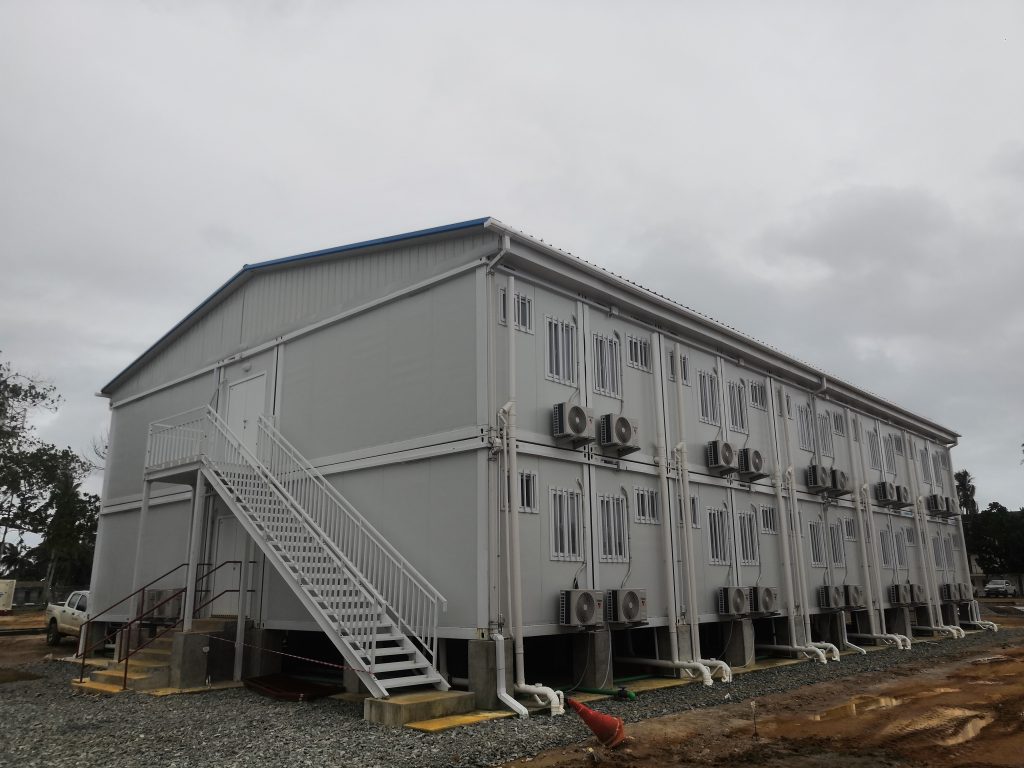
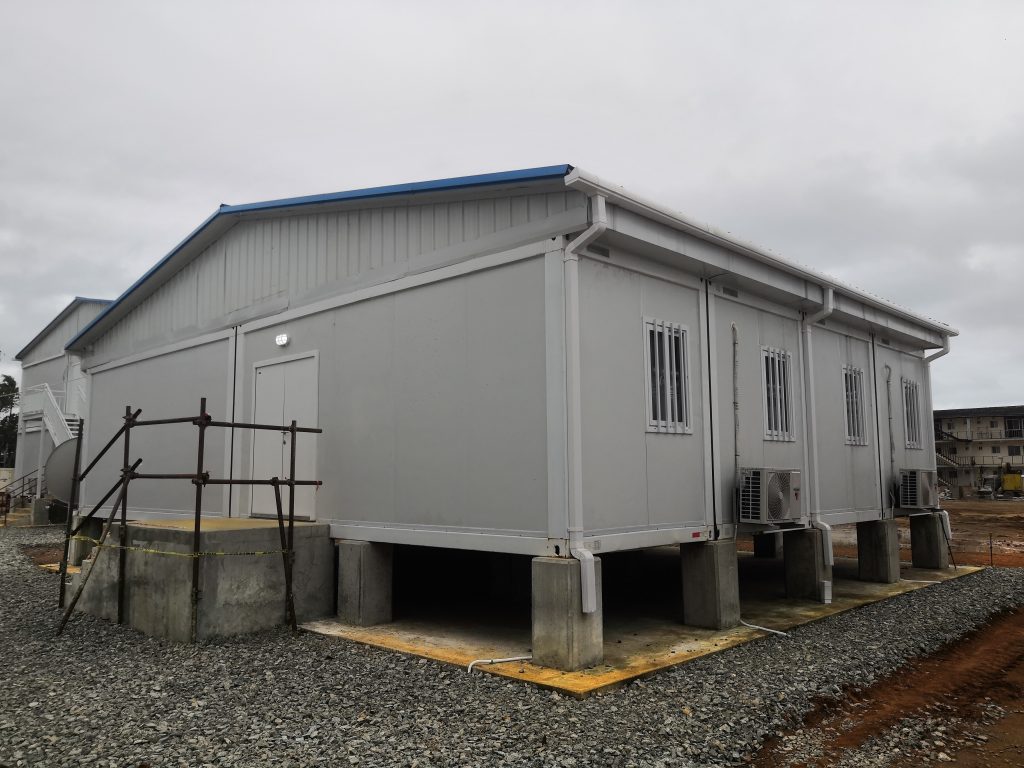
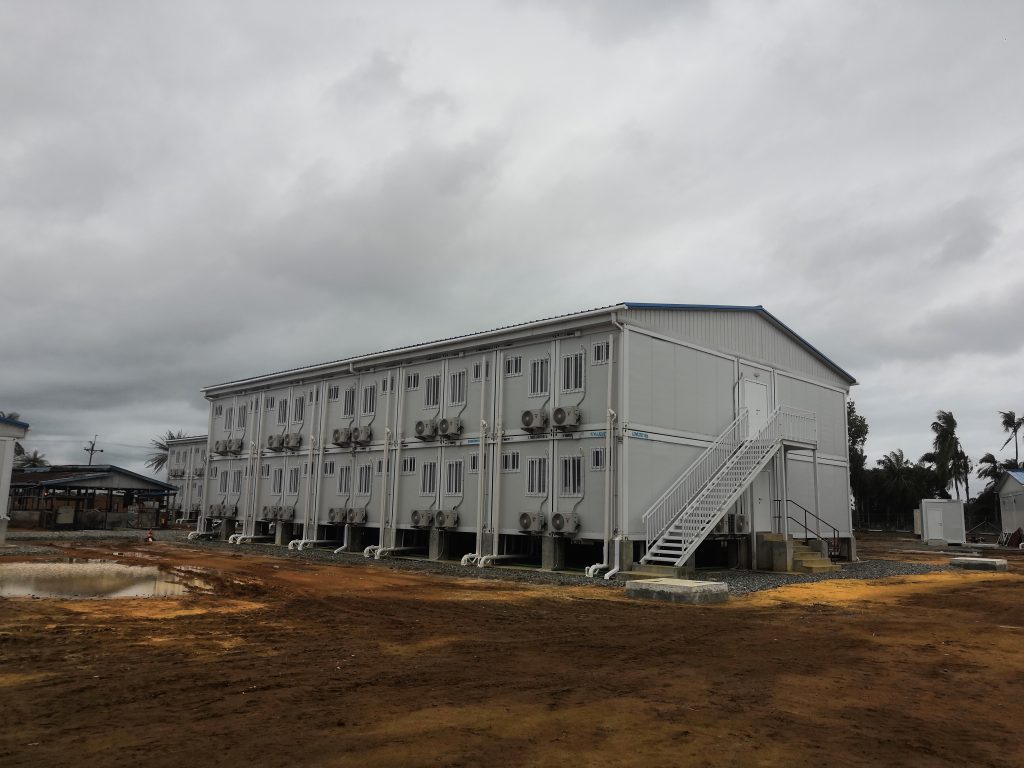
This series is specially designed for long-term engineering camps in harsh environments such as mines, deserts, and remote mountainous areas. It adopts thickened steel frame reinforcement design and enhanced anti-corrosion process, with super strong wind resistance, sand resistance, and compression resistance. The product can adapt to long-term high-intensity outdoor operation in extreme climates, and supports repeated disassembly, transportation, and reuse across projects. It solves the problem of short service life and frequent replacement of traditional engineering temporary houses, and is the most cost-effective durable accommodation solution for long-cycle engineering projects.
5.2 Residential Grade Durable Living Container Series
Aiming at long-term family living, off-grid residence, and suburban homestay scenarios, this series focuses on balancing durability, comfort, and safety. On the basis of high-strength durable structure, it optimizes indoor sealing, sound insulation, and thermal insulation performance. The surface materials adopt residential grade anti-aging and environmental protection finishes, which are wear-resistant, easy to clean, and never fade. The internal water and electricity pipelines adopt embedded durable wiring design, with long service life and low failure rate. The overall performance fully meets the long-term residential construction standards, realizing safe and comfortable permanent living.
5.3 Commercial Grade Durable Container Series
Suitable for scenic homestays, container cafes, retail stores, exhibition halls, and other commercial scenarios, this series combines durable performance with aesthetic design. While maintaining high-strength anti-corrosion and anti-aging capabilities, it adopts customized appearance decoration and high-grade waterproof and wear-resistant interior materials. The product can withstand long-term pedestrian flow and commercial operation wear, with stable performance and beautiful appearance, and can maintain high-quality commercial display effects for a long time. It is a fashionable and durable mobile commercial building solution.
5.4 Emergency Durable Container Shelter Series
For disaster relief shelters, field medical stations, and emergency command centers, this series focuses on rapid deployment and long-term standby durability. The product has ultra-light and high-strength structural characteristics, which can be quickly transported and assembled. It can be stored for a long time without performance attenuation, and can be put into stable use immediately after emergency start-up. It has excellent weather resistance and safety performance, and can provide long-term stable shelter guarantees in post-disaster reconstruction and field emergency scenarios.
6. Outstanding Practical Advantages of Lida Group’s Durable Designs
Compared with traditional container houses and temporary buildings, Lida Group’s durable living container houses have prominent comprehensive advantages in service life, maintenance cost, environmental adaptability, and use value, bringing long-term practical benefits to users.
First, ultra-long service life and stable performance. The overall service life of Lida Group’s durable container houses reaches more than 20 years, which is 4 to 5 times that of ordinary container houses. During the service period, the structural strength, thermal insulation performance, and waterproof effect remain stable, without obvious aging and attenuation, avoiding frequent equipment replacement and structural maintenance.
Second, low full-cycle maintenance cost. The high-strength durable materials and anti-aging processes greatly reduce the later maintenance frequency and cost. The steel frame does not need regular anti-rust maintenance, the enclosure materials are wear-resistant and anti-aging, and the internal facilities have low failure rate. Compared with traditional products, it can save more than 70% of long-term maintenance costs for users.
Third, strong reusable durability. The product’s structural stability is not affected by disassembly and assembly. It can be repeatedly disassembled, transported, and reassembled for more than 10 times, and the durability performance remains unchanged after multiple cycles of use. It is especially suitable for enterprises with mobile project operation needs, realizing one-time investment and long-term repeated benefits.
Fourth, high environmental and economic value. The long service life reduces the waste of building materials caused by frequent house replacement. The high recycling rate of steel structures realizes green low-carbon use, which conforms to sustainable development standards. At the same time, long-term stable use greatly reduces the average annual use cost, with far higher comprehensive cost-effectiveness than traditional temporary buildings.
7. Wide Application Value and Market Prospects
With its excellent durable performance and multi-scenario adaptability, Lida Group’s living container house designs have been widely promoted and applied in global markets, covering engineering construction, residential living, commercial tourism, emergency public welfare, and other fields, and have won unanimous recognition from users in various industries.
In the engineering construction industry, durable container houses replace traditional temporary masonry buildings and ordinary simple containers, solving the problem of poor durability and high replacement cost of engineering camps. They provide stable long-term accommodation guarantees for mining, water conservancy, transportation, and energy projects, and greatly improve the standardization and durability of engineering supporting facilities.
In the residential and tourism industry, durable container houses, with their long service life, comfortable living experience, and flexible and changeable appearance design, become a new favorite of characteristic homestays, scenic accommodation, and off-grid residences. They break the stereotype that container houses can only be used temporarily, and realize the transformation from temporary buildings to high-value permanent living spaces.
In the public emergency field, the durable and standby stable performance of container shelters provides reliable guarantee for national disaster prevention and mitigation and emergency rescue. They can be deployed rapidly in emergency situations and maintain long-term stable operation in post-disaster reconstruction, improving the sustainability of emergency public service facilities.
With the continuous upgrading of global modular building standards and the increasing demand for green and low-carbon buildings, durable, reusable, and low-energy-consumption container houses will gradually replace traditional temporary buildings and become the mainstream choice of modern mobile building solutions. Lida Group’s optimized durable design concept leads the iterative upgrading of the industry and promotes the high-quality development of the global modular construction industry.
8. Conclusion
Durability is the core bottleneck restricting the long-term development and multi-scenario application of traditional container houses. Lida Group’s newly optimized durable living container house designs completely break through the durability limitations of traditional products through high-strength material selection, innovative anti-aging processes, differentiated scenario customization, and scientific structural optimization. The series of products realize ultra-long service life, low maintenance loss, strong environmental adaptability, and high reusable value, perfectly solving the pain points of short service life, easy aging, poor stability, and single application of ordinary container houses.
Lida Group’s durable container house designs not only focus on structural safety and long-term stability, but also take into account living comfort, aesthetic diversity, and green environmental protection, realizing the organic unity of practicality, durability, and economy. The diversified product series can accurately cover engineering temporary accommodation, long-term residential living, commercial operation, and emergency shelter scenarios, providing standardized and high-quality modular building solutions for various industries.
In the future, with the continuous innovation of modular building technology and the expansion of market application scenarios, Lida Group will continue to optimize the durable design of container houses, further improve product environmental adaptability and intelligent level, and create more high-value, long-life, and multi-functional modular living products. It will continue to empower the green, efficient, and sustainable development of global construction, residential, and commercial fields, and lead the new development trend of the modular container building industry.
Related news
-
Prefab Container Campsite Dormitory Solutions by Lida Group Enhance Remote Accommodation
2026-06-08 16:18:51
-
Lida Group Introduces Prefabricated Container House for Rapid Deployment Workforce Housing
2026-06-08 15:49:03
-
Lida Group Delivers Low Cost Metal House with Easy Operation Steel Construction Technology
2026-06-05 17:56:58
contact us
- Tel: +86-532-88966982
- Whatsapp: +86-13793209022
- E-mail: sales@lidajituan.com
