



Lida Group Delivers Environmental Friendly Metal House with Durable Steel Construction Systems
2026-Jun-24 13:39:10
By Admin
1. Introduction: The Paradigm Shift in Modern Green Construction
The global construction industry is undergoing an unprecedented green transformation, driven by escalating environmental crises, stringent carbon emission regulations, and growing public awareness of sustainable living. Traditional construction methods, which rely heavily on concrete, brick, and natural timber, have long been criticized for excessive resource consumption, massive construction waste, and high carbon footprints. According to global construction industry statistics, conventional building projects generate over 30% of global solid waste and account for nearly 40% of worldwide carbon emissions, posing a severe threat to ecological balance and sustainable urban development. In response to these industry pain points, modular metal buildings supported by advanced steel construction systems have emerged as a revolutionary alternative, redefining the standards of eco-friendly, long-lasting, and cost-effective architecture.
As a leading global enterprise with over 30 years of professional experience in steel structure engineering and modular building manufacturing, Lida Group has long been at the forefront of sustainable construction innovation. The company has broken the inherent industry stereotype that metal houses are merely temporary, low-quality makeshift facilities. By integrating eco-friendly design concepts, high-performance durable steel construction systems, and circular manufacturing technologies, Lida Group independently develops and delivers high-quality environmental friendly metal houses that balance ecological sustainability, structural durability, functional practicality, and aesthetic versatility. These innovative buildings have been widely applied in residential housing, commercial spaces, industrial workshops, rural revitalization projects, and emergency construction scenarios worldwide, providing a mature, replicable, and high-value green construction solution for the global construction industry. This paper comprehensively explores the core advantages, technical innovations, production mechanisms, practical applications, and industry influence of Lida Group’s environmental friendly metal houses with durable steel construction systems.
2. Core Environmental Advantages of Lida Group’s Eco-Friendly Metal Houses
Sustainability is not an optional add-on but a core design principle embedded in every link of Lida Group’s metal house development, from raw material selection and production processing to on-site construction and post-service recycling. Different from traditional buildings that cause irreversible ecological damage throughout their lifecycle, Lida’s metal houses realize full-cycle environmental protection, effectively reducing resource waste and carbon emissions while protecting the ecological environment.
2.1 High Recyclability of Steel Building Materials
Steel is recognized as one of the most environmentally friendly and recyclable building materials in the modern construction industry, with a global steel recycling rate as high as 92%, far exceeding the recycling rate of 3% for concrete and 15% for wood building materials. Lida Group fully leverages the circular characteristics of steel materials in product development, adopting high-purity recycled steel for 92% of all metal frame components of its metal houses. This material selection strategy drastically reduces the demand for virgin steel smelting, cutting the carbon footprint of each building project by nearly 50% compared with traditional buildings using full virgin steel materials.
Unlike concrete and brick structures that are difficult to reuse and can only be discarded as construction waste after demolition, Lida Group’s steel structural components are all standardized, modular, and detachable. After the end of the building’s service life or the adjustment of land use functions, all steel frames, wall panels, and support components can be completely disassembled, recycled, and remolded for secondary construction use. This zero-waste lifecycle model fundamentally solves the problem of construction solid waste accumulation, greatly reducing the environmental pressure of construction demolition and reconstruction.
2.2 Low-Carbon and Pollution-Free Construction Process
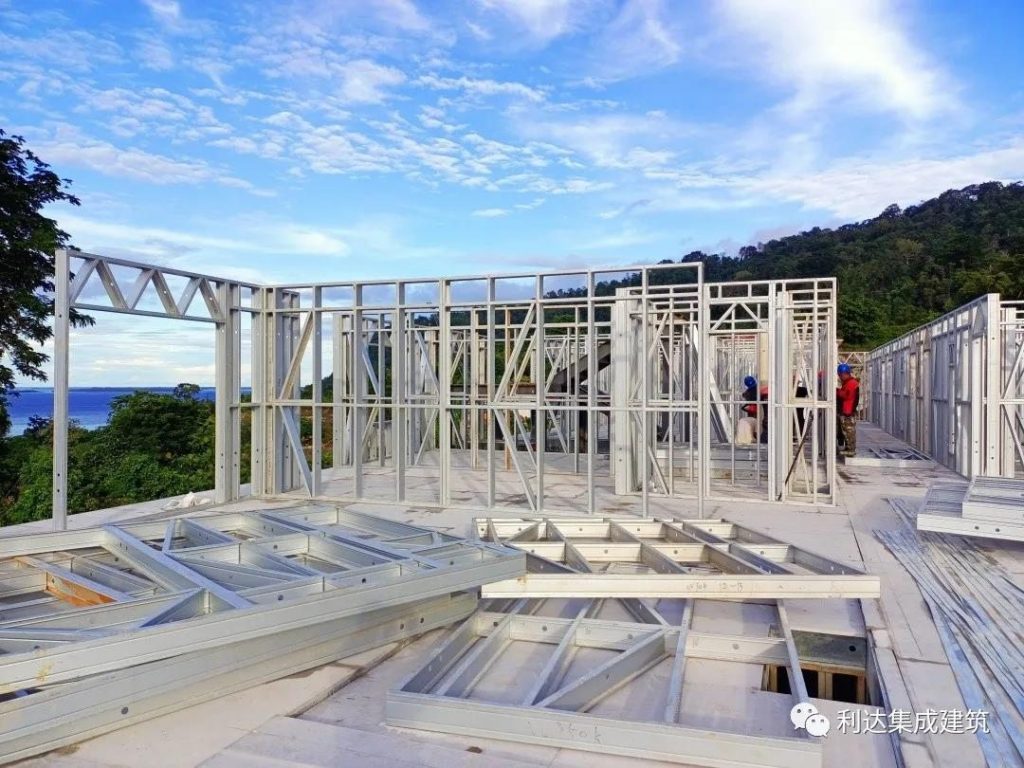
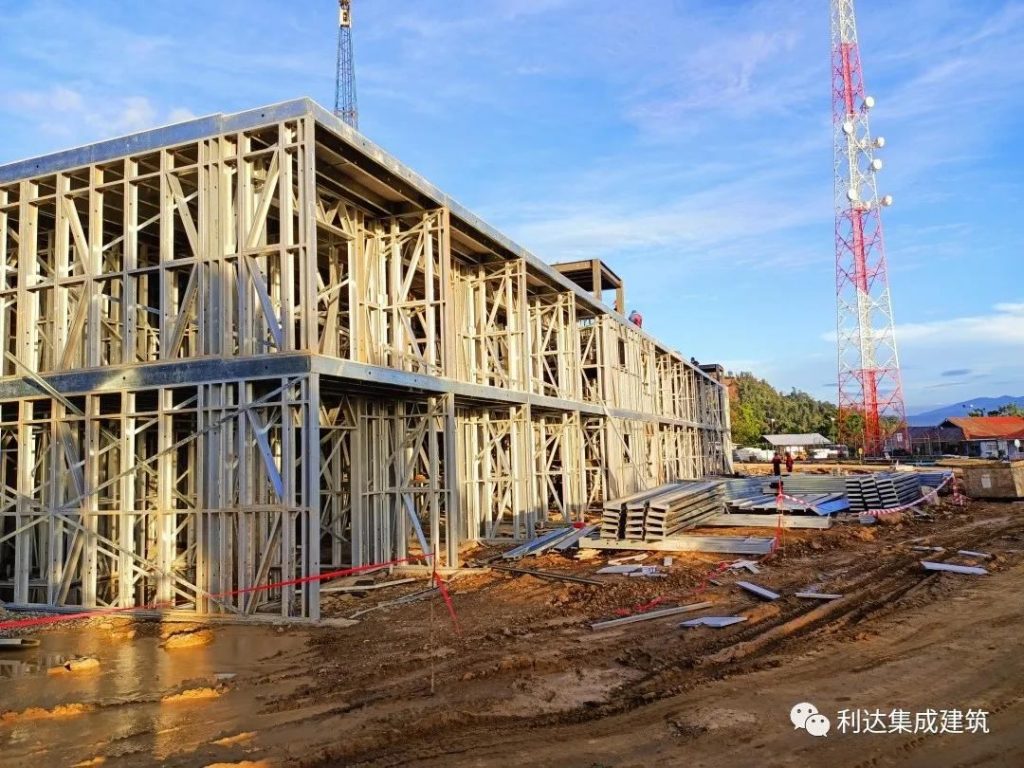
Traditional on-site pouring construction involves extensive cement mixing, brick cutting, and wet operation processes, which produce a large amount of dust, noise, and sewage pollution, seriously affecting the construction site and surrounding ecological environment. In contrast, Lida Group’s metal houses adopt a fully industrialized prefabricated construction mode. All steel structural parts, wall systems, roof systems, and interior decoration components are prefabricated, processed, and assembled in the company’s standardized intelligent factory. Only simple assembly, fixing, and sealing operations are required on the construction site, eliminating wet construction links almost entirely.
This factory prefabrication and on-site assembly mode shortens the construction cycle by more than 60% compared with traditional buildings, while effectively controlling on-site pollution. The entire construction process produces no construction dust, no production sewage, and minimal construction noise, realizing green and low-carbon construction. In addition, Lida Group strictly selects eco-friendly auxiliary materials such as formaldehyde-free thermal insulation materials, environmentally friendly color steel plates, and non-toxic waterproof coatings for metal houses. All materials pass international environmental protection certifications, ensuring no harmful gas volatilization during the building’s service life and creating a healthy and safe indoor living and working environment for users.
2.3 Excellent Energy-Saving and Ecological Protection Performance
Lida Group’s environmental friendly metal houses are designed with systematic energy-saving optimization, effectively reducing the building’s long-term energy consumption and realizing energy conservation and emission reduction in the operation stage. The building adopts a composite thermal insulation wall structure composed of high-density thermal insulation cotton and color steel plates, which has excellent heat insulation and heat preservation performance. It can effectively block external heat transfer in summer and prevent indoor heat loss in winter, reducing the use frequency of air conditioning and heating equipment. Practical application data shows that Lida’s metal houses can reduce building operation energy consumption by 35% to 45% throughout the year compared with traditional brick-concrete buildings of the same area.
Moreover, the lightweight design of steel structures greatly reduces the load on the building foundation, enabling the houses to adapt to various complex terrains such as hills, wetlands, and coastal beaches without large-scale foundation excavation and land reconstruction. This avoids damage to local vegetation, soil structure, and ecological landscape caused by construction, realizing harmonious coexistence between buildings and nature. For rural ecological protection areas, scenic spots, and ecological restoration zones, this non-destructive green construction mode has extremely high application value.
3. Durable Steel Construction Systems: Core Technical Support for Long-Term Service
While adhering to environmental protection design, Lida Group abandons the lightweight and low-strength defects of ordinary traditional metal houses, and independently develops a high-durability steel construction system, which comprehensively improves the structural stability, weather resistance, and service life of metal houses. Through high-grade material selection, innovative structural design, and multi-layer anti-corrosion technology, Lida’s steel construction system enables metal houses to achieve permanent building-level service performance, completely changing the industry’s inherent impression that metal buildings are short-lived and unstable.
3.1 High-Strength Raw Material Selection
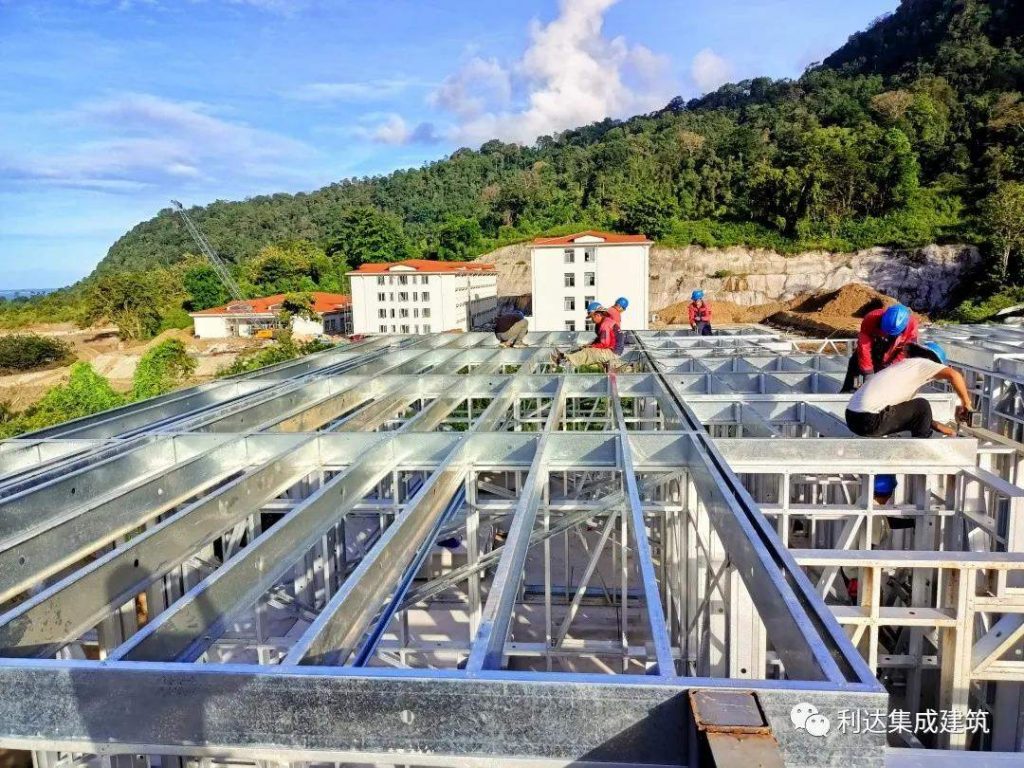
The durability of building structures fundamentally depends on the quality of raw materials. Lida Group’s durable steel construction system adopts G550 grade hot-dip aluminum-zinc cold-formed thin-walled steel as the main structural frame material, with a yield strength as high as 550MPa. The alloy coating is composed of 55% aluminum, 43.4% zinc, and 1.6% silicon, which forms a dense and stable protective film on the surface of the steel material. This special alloy coating has far stronger oxidation resistance and corrosion resistance than ordinary galvanized steel materials, laying a solid foundation for the long-term stable operation of the building structure.
For buildings in special harsh environments, Lida Group adopts targeted material matching strategies. For coastal high-salt fog corrosion areas and industrial heavy pollution areas, the company uses high-purity weathering Corten steel; for extreme environments such as offshore engineering bases and chemical plants, it is equipped with nano-ceramic composite coatings. Different from ordinary metal houses that use low-grade thin steel plates, all steel materials of Lida Group pass ISO 1461 international quality certification, with uniform thickness and stable mechanical properties, avoiding structural deformation and damage caused by material fatigue.
3.2 Professional Structural Optimization Design
Lida Group’s engineering team relies on decades of steel structure design experience and finite element simulation analysis technology to carry out systematic optimization of the steel frame structure. The steel keel spacing is strictly controlled at 400mm to 600mm in accordance with international high-standard construction specifications. Combined with OSB structural plates and overall tensioning and fixing technology, a stable skin effect is formed between the steel frames, realizing integrated force bearing of the overall structure and greatly improving the building’s seismic resistance, wind resistance, and pressure resistance.
In terms of structural stability, Lida’s steel construction system can resist magnitude 8 earthquakes and strong typhoons of level 12 or above. In the practical application of tropical Philippine resort apartment projects, Lida’s modular steel structure metal houses have withstood multiple super typhoon attacks, and the overall structure remains intact after five years of operation, with only minor cosmetic maintenance required. In Zambia’s hot and dry industrial climate, 50,000 square meters of steel structure industrial buildings invested and constructed by Lida Group have been in stable operation for more than seven years, enduring long-term high-temperature exposure and heavy industrial load without major structural maintenance, fully verifying the reliability of the structural design.
3.3 Multi-Layer Anti-Corrosion and Wear-Resistant Protection Technology
Corrosion is the primary factor leading to the aging and damage of steel structure buildings. To solve the pain point of short service life of traditional metal houses caused by corrosion, Lida Group innovates and adopts a three-layer composite anti-corrosion coating system, forming a full-dimensional protective barrier for steel structures. The first layer is 85μm thick hot-dip zinc galvanization, which isolates the steel body from air and moisture; the second layer is 60μm epoxy primer, which enhances adhesion and anti-oxidation performance; the third layer is 40μm polyester topcoat, which resists ultraviolet radiation, weathering, and industrial acid-base corrosion.
This multi-layer anti-corrosion technology enables Lida’s metal houses to achieve ultra-long service life in different environments. In conventional inland atmospheric environments, the service life of the building can exceed 50 years; in high-corrosion coastal and industrial areas, the stable service life can still reach more than 40 years, which is three times the service cycle of 10 to 15 years of ordinary traditional metal houses. Individual high-grade customized steel structure houses can even achieve a service life of 100 to 150 years with ultra-low maintenance, fully meeting the design standards of permanent residential and commercial buildings.
3.4 Low Maintenance and Long-Term Stable Performance
Traditional wooden houses are prone to rot, worm erosion, and deformation, while brick-concrete buildings are easy to crack and peel under temperature changes and external pressure, requiring frequent maintenance and renovation in the later stage, with high comprehensive use costs. In contrast, Lida Group’s durable steel construction system has natural advantages of anti-termite, anti-mildew, anti-deformation, and anti-cracking. The high-strength steel frame structure will not warp, shrink, or deform with the change of external environment, and the closed anti-corrosion coating can effectively avoid rust and aging.
In the whole service cycle, Lida’s metal houses almost do not need structural maintenance, only regular simple cleaning and local cosmetic repair are required, which greatly reduces the later operation and maintenance cost of the building. For industrial parks, rural residential areas, and remote scenic areas with high maintenance difficulty, this low-maintenance and long-life performance greatly improves the practical value and economic benefit of the building.
4. Diversified Product Functions and Scalable Application Scenarios
Based on eco-friendly concepts and durable steel construction systems, Lida Group’s metal houses break the single functional limitation of traditional metal buildings. Through modular combination and personalized customized design, the products have diversified functional attributes and can adapt to multiple application scenarios, covering residential, commercial, industrial, public welfare, and emergency construction fields, meeting the differentiated construction needs of different users and regions.
4.1 Residential Living Scenarios
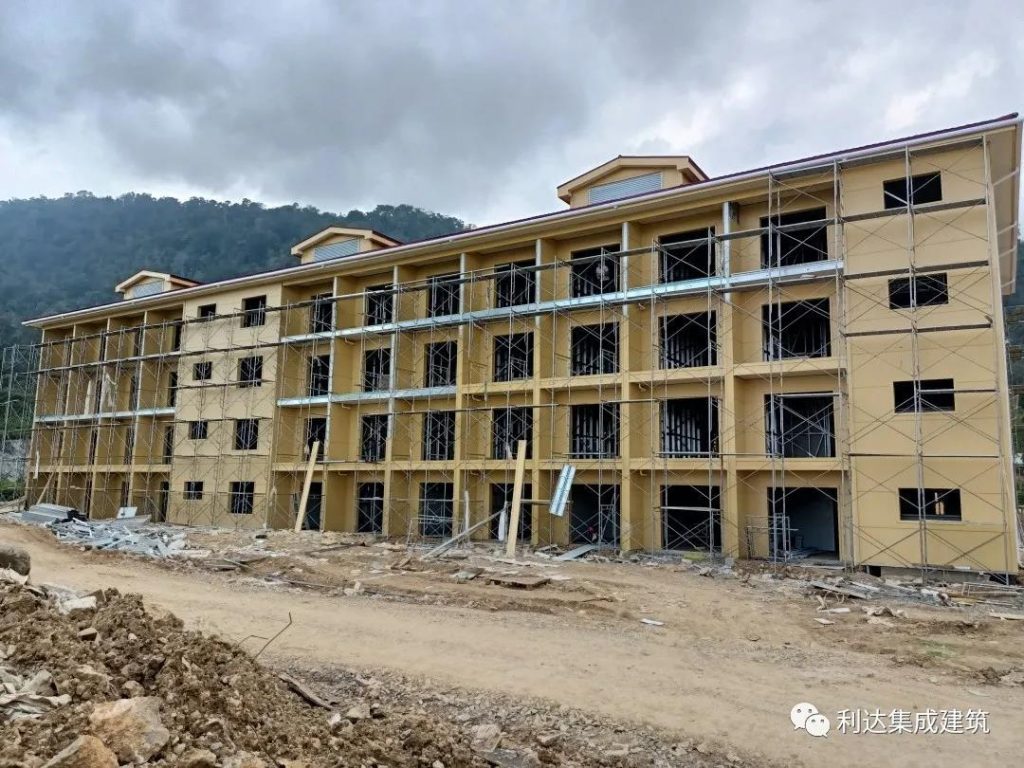
Lida Group’s eco-friendly metal villas and modular residential houses are the mainstream products in the green residential field. The buildings adopt humanized space design, with flexible and changeable interior layout, which can meet the living needs of families of different sizes. While ensuring structural durability and environmental protection, the products are equipped with modern thermal insulation, sound insulation, and ventilation systems. The sound insulation performance of wall and floor structures far exceeds the national standard, effectively isolating external noise and creating a quiet and comfortable living environment. At the same time, the exterior decoration of the metal house can be customized with various styles such as modern simplicity, rural idyllic, and European elegance, solving the aesthetic single problem of traditional metal houses and realizing the integration of practicality, environmental protection, durability, and beauty.
4.2 Industrial and Commercial Scenarios
For industrial production, warehouse storage, office commerce, and supermarket exhibition scenarios, Lida Group’s large-span steel structure metal houses have significant advantages. The high-strength steel frame can realize large-span unsupported space design, with a maximum span of more than 30 meters, which is convenient for industrial equipment placement, cargo storage, and commercial space planning. The durable steel structure can bear heavy industrial loads and long-term frequent use, and the eco-friendly materials meet the environmental protection inspection standards of industrial production sites. At present, a large number of Lida’s steel structure metal workshops and commercial buildings have been put into use in domestic industrial parks and overseas infrastructure projects, with stable operation and excellent user feedback.
4.3 Public Welfare and Emergency Construction Scenarios
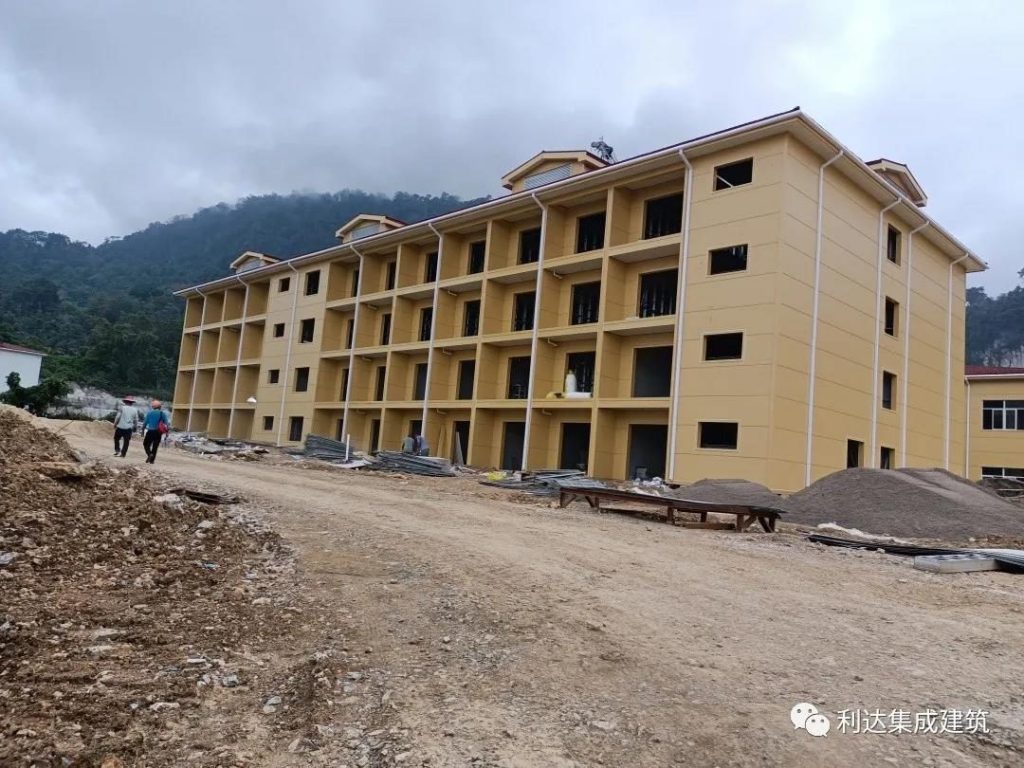
With the advantages of rapid construction, environmental protection and no pollution, and stable structure, Lida Group’s metal houses are widely used in public welfare construction such as rural revitalization, school classrooms, medical stations, and scenic service rooms, as well as emergency construction such as disaster relief resettlement houses and temporary quarantine stations. The factory prefabrication mode can complete the production of building components in a short time, and the on-site rapid assembly can realize rapid delivery and use, which can effectively solve the urgent construction demand of public infrastructure and emergency projects. In rural construction projects in many remote areas, Lida’s eco-friendly metal houses have helped local areas realize green and low-cost infrastructure upgrading, boosting rural ecological development.
5. Lifecycle Cost Advantages and Market Competitiveness
In addition to environmental protection and durability, Lida Group’s environmental friendly metal houses with durable steel construction systems have outstanding comprehensive economic advantages, realizing the perfect unity of environmental benefit, structural quality, and economic benefit. Many users mistakenly believe that modular metal buildings have low quality, but in fact, Lida’s products have far higher lifecycle cost performance than traditional buildings.
In terms of construction cost, the industrialized prefabricated production of Lida Group saves a lot of on-site labor, material waste, and mechanical equipment investment. The overall construction cost is 20% to 30% lower than that of traditional brick-concrete buildings of the same area. In terms of time cost, the construction cycle is greatly shortened, which can help users put the building into use in advance and create economic benefits as soon as possible. More importantly, in the long-term use stage, the ultra-long service life and ultra-low maintenance cost of the steel structure greatly reduce the repeated investment cost of building renovation and reconstruction.
Traditional buildings need large-scale maintenance every 10 to 15 years, and the overall renovation cost is huge, while Lida’s metal houses basically have no structural maintenance cost within 40 to 50 years of service life. From the perspective of full lifecycle economic accounting, the comprehensive cost of Lida’s eco-friendly durable metal houses is more than 40% lower than that of traditional buildings. This excellent cost performance makes the products have strong market competitiveness in both domestic civilian and engineering markets and overseas international construction markets.
6. Industry Influence and Sustainable Development Value
As a benchmark product of green modular construction, Lida Group’s environmental friendly metal house with durable steel construction systems has profoundly changed the development pattern of the global modular building industry. For a long time, the modular metal building industry has been trapped in the dilemma of “low environmental protection, short service life, and low grade”, and most products can only be used as temporary makeshift facilities. Lida Group breaks through the technical bottlenecks of the industry, upgrades the product positioning of metal houses from temporary facilities to permanent green buildings, and sets a new industry standard for eco-friendly and durable modular construction.
In the context of global dual-carbon goals and sustainable urban development, Lida Group’s green steel structure construction model provides a feasible and replicable solution for the transformation and upgrading of the construction industry. The full-cycle low-carbon, zero-waste, and high-durability product concept guides the industry to abandon the extensive construction mode of high energy consumption and high pollution, and promotes the construction industry to develop towards industrialization, modularization, greenization, and high-quality development.
At the same time, Lida Group has been adhering to the concept of social responsibility while developing products. The company’s green building products have been exported to more than 100 countries and regions around the world, participating in local infrastructure construction, rural revitalization, and disaster relief and reconstruction projects. It not only brings high-quality green building resources to local areas, but also helps reduce local construction carbon emissions, protect regional ecological environment, and contribute to the global ecological environmental protection cause and sustainable economic development.
7. Conclusion
In summary, Lida Group’s environmental friendly metal house with durable steel construction systems is a high-quality green building product that integrates environmental protection, durability, practicality, and economy. Relying on high-recycling steel material selection, low-carbon industrialized construction technology, and optimized multi-layer anti-corrosion durable steel construction systems, the product thoroughly solves the dual pain points of environmental pollution and short service life of traditional buildings and ordinary metal houses. It realizes full-cycle ecological environmental protection from production and construction to use and recycling, and achieves ultra-long stable service performance with low maintenance cost.
With diversified application scenarios, excellent lifecycle cost performance, and leading industry technical standards, Lida Group’s eco-friendly metal houses have been widely recognized and applied in global construction markets, covering residential, industrial, commercial, and public welfare fields. While creating high economic value for users, the products effectively promote the green transformation of the construction industry and contribute to the realization of global carbon neutrality goals.
In the future, with the continuous deepening of global sustainable development concepts and the continuous upgrading of construction industry technologies, green modular steel structure buildings will surely become the mainstream trend of the construction industry. Lida Group will continue to focus on technological innovation and product upgrading, further optimize the environmental protection performance, structural durability, and functional diversity of steel construction systems, continue to deliver high-quality eco-friendly metal house products for global users, and lead the high-quality and sustainable development of the global construction industry.
Related news
-
New Oil Gas Field Worker Dormitory Features Temporary Building and Easy Assembly Panels
2026-06-24 13:28:29
-
Lida Group Combines Affordability and Speed in Oil Gas Field Worker Dormitory Construction
2026-06-18 13:37:51
-
Fast Deployment of Oil Gas Field Worker Dormitory with Easy Assembly Sandwich Panels
2026-06-12 16:55:02
contact us
- Tel: +86-532-88966982
- Whatsapp: +86-13793209022
- E-mail: sales@lidajituan.com
