



Lida Group Combines Steel Structure Building with Durable Steel Construction for Green Homes
2026-Jun-24 14:10:35
By Admin
1. Introduction: The Rise of Steel-Based Green Residential Architecture
Global residential construction is undergoing a pivotal shift from traditional resource-intensive development to eco-friendly, long-lasting green construction. For centuries, residential buildings have relied heavily on brick, concrete, and solid wood materials, which feature simple construction techniques but come with prominent drawbacks. These conventional housing solutions consume massive amounts of natural resources, generate huge volumes of construction waste, emit high levels of carbon dioxide, and suffer from poor structural durability, frequent aging problems, and short service cycles. According to international green building industry reports, traditional residential buildings account for nearly 38% of global building carbon emissions and over 30% of urban construction waste, becoming a major obstacle to low-carbon urban development and ecological environmental protection.
Against the backdrop of global carbon neutrality goals and escalating demands for healthy, sustainable living environments, green homes have become the mainstream trend of modern residential construction. As a leading global supplier of steel structure buildings and modular green construction solutions, Lida Group deeply grasps the dual needs of residential safety and ecological sustainability. The company innovatively integrates professional steel structure building systems with high-standard durable steel construction technologies, creating a new generation of high-performance green homes that perfectly balance environmental friendliness, structural durability, living comfort, and economic efficiency. Different from ordinary green buildings that only focus on superficial energy-saving decoration, Lida Group’s green homes take steel as the core carrier, realizing deep integration of structural optimization, durable construction, and full-cycle ecological protection. This article comprehensively elaborates on the integration logic, core technical advantages, environmental value, residential performance, and practical application effects of Lida Group’s steel structure and durable construction technology in green home construction, and summarizes the development prospects of steel-based green residential architecture.
2. Core Integration Logic: Steel Structure and Durable Construction for High-Quality Green Homes
Green home construction is not a simple superposition of environmental materials and building structures, but a systematic project that integrates structural safety, long-term durability, low-carbon environmental protection, and humanized living experience. Lida Group clearly recognizes that the core bottleneck restricting the development of traditional green homes is the contradiction between environmental protection performance and structural durability. Many lightweight green buildings sacrifice structural stability and service life for ecological effects, resulting in high maintenance costs and poor safety performance in the later stage, which cannot meet the long-term living needs of residents.
Lida Group’s innovative integration of steel structure building systems and durable steel construction technologies fundamentally solves this industry pain point. The steel structure building system provides the overall framework and spatial layout for green homes, featuring lightweight, high strength, flexible design, and modular assembly, which lays the foundation for low-carbon construction and diverse residential functions. Meanwhile, the supporting durable steel construction technology optimizes material selection, structural stress, anti-aging protection, and construction precision, making up for the defects of ordinary steel structures such as easy corrosion, poor weather resistance, and insufficient long-term stability. The organic combination of the two technologies enables Lida’s green homes to achieve full-cycle low-carbon environmental protection in construction and operation stages, while obtaining ultra-long service life and extreme environmental resistance, realizing the organic unity of green ecology, structural safety, and long-term durability.
3. Lida Group’s Professional Steel Structure Building System: The Framework Foundation of Green Homes
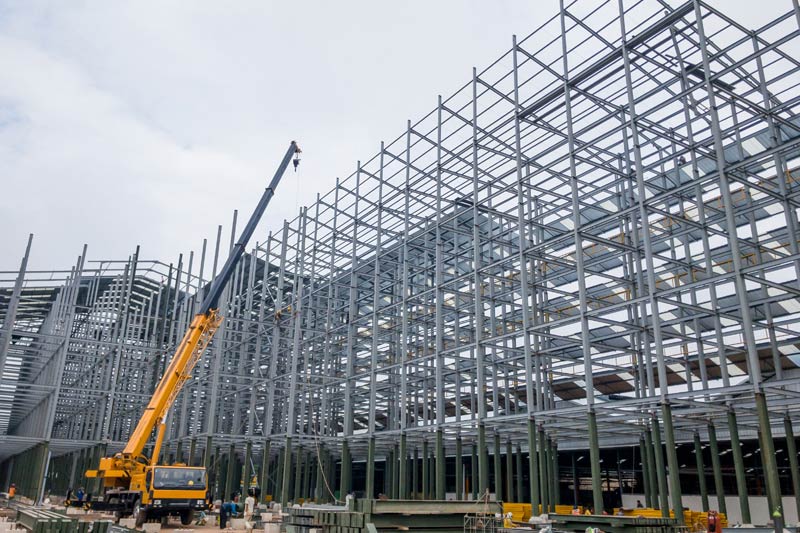
The steel structure building system is the core framework of Lida Group’s green homes, determining the basic ecological performance, spatial flexibility, and construction efficiency of residential buildings. After decades of technical iteration and engineering practice, Lida Group has formed a mature, standardized, and personalized steel structure residential system, which is completely different from the rough and single temporary steel buildings in the market, and meets the permanent living standards of modern green residences.
3.1 Lightweight and High-Strength Structural Framework
Lida Group’s green home steel structure framework adopts optimized cold-formed thin-walled steel and hot-rolled section steel composite design, with an ultra-high strength-to-weight ratio. Compared with traditional brick-concrete structures, the steel frame is 40% lighter in self-weight but 30% higher in overall structural strength. The lightweight feature greatly reduces the bearing pressure on the building foundation, avoiding large-scale foundation excavation and mountain vegetation damage during construction. It can adapt to complex terrains such as hills, wetlands, and coastal areas, realizing non-destructive green construction and effectively protecting the original ecological environment of the construction site.
In terms of structural safety, the steel frame has excellent ductility and seismic resistance. It can absorb seismic energy through slight structural deformation in extreme earthquake scenarios, avoiding brittle collapse of the building. Professional simulation tests and actual engineering verification show that Lida’s steel structure green homes can resist magnitude 8 earthquakes and level 12 strong typhoons, far exceeding the safety standards of traditional residential buildings, and providing solid safety guarantees for family living.
3.2 Modular Low-Carbon Construction Mode
The steel structure building system adopts fully factory prefabricated and on-site assembly construction mode, which is the key to realizing low-carbon and pollution-free construction of green homes. All steel frame components, wall keels, roof structures, and floor supports are precisely processed, welded, and inspected in Lida Group’s intelligent standardized factory. The production process adopts automated cutting and forming technology, with precise material calculation, zero excess material waste, and greatly reduced resource consumption compared with traditional on-site pouring construction.
On the construction site, workers only need to assemble and fix standardized steel components, completely abandoning wet operations such as cement mixing and brick laying. The whole construction process produces no dust pollution, no construction sewage, and little noise, realizing real green site construction. At the same time, the modular assembly mode shortens the residential construction cycle by more than 65%, greatly reducing the energy consumption of on-site mechanical equipment and labor input, and effectively reducing the carbon footprint of the whole construction stage.
3.3 Flexible Spatial and Ecological Design
Different from the fixed and rigid spatial layout of traditional residential buildings, Lida Group’s steel structure system has flexible spatial combination characteristics. The large-span and small-keel design eliminates redundant load-bearing walls, enabling free segmentation and layout of indoor space. Residents can adjust room functions and spatial patterns according to living needs, realizing personalized customization of green homes and improving space utilization efficiency.
In terms of ecological matching, the steel structure framework can be perfectly combined with various green energy-saving systems, including solar power generation panels, thermal insulation and heat preservation wall systems, rainwater recycling devices, and natural ventilation systems. The reserved installation positions of the steel structure facilitate the layout of green energy-saving equipment, effectively reducing the building’s dependence on traditional electric energy and realizing energy conservation and emission reduction in the long-term operation stage of the residence.
4. High-Standard Durable Steel Construction Technology: Long-Term Guarantee for Green Home Quality
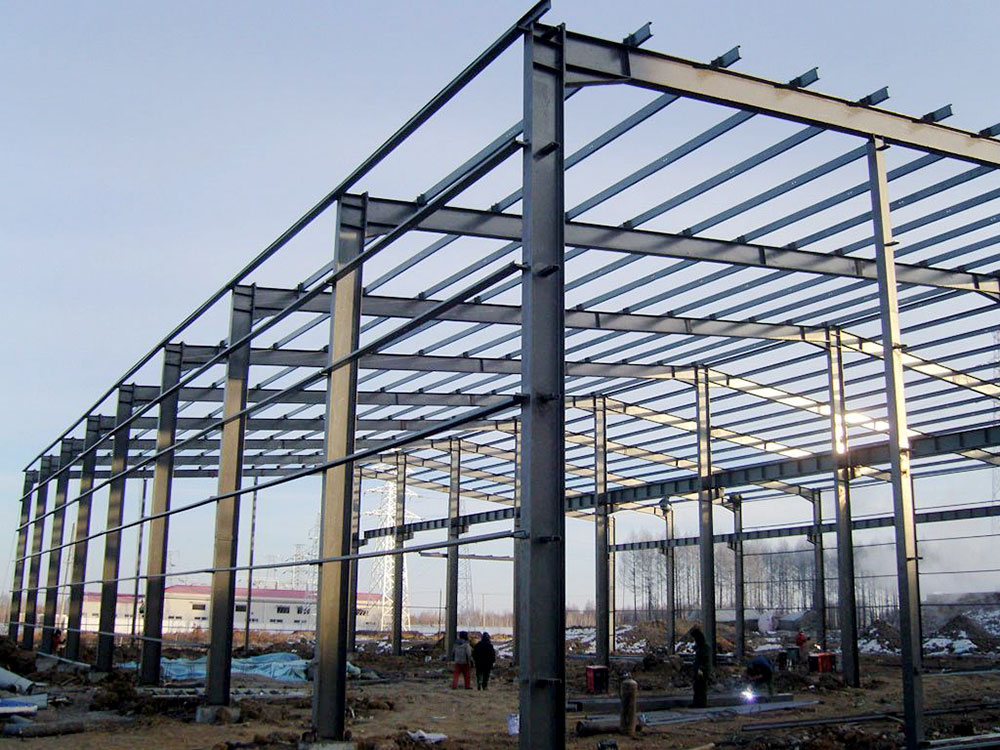
On the basis of the steel structure framework, Lida Group empowers green homes with independent research and development of durable steel construction technology, solving the industry’s common problems of steel structure aging, corrosion, and short service life. Through high-quality material selection, precise construction technology, multi-layer anti-corrosion protection, and structural stress optimization, the company comprehensively improves the durability, stability, and weather resistance of green homes, ensuring that ecological performance and structural quality remain stable for decades.
4.1 Premium Durable Steel Material Selection
Material quality is the primary factor determining building durability. Lida Group abandons ordinary low-cost galvanized steel widely used in the industry, and selects G550 grade hot-dip aluminum-zinc steel and high-purity weathering steel as the core construction materials for green homes. The aluminum-zinc alloy coating with a scientific ratio of 55% aluminum, 43.4% zinc, and 1.6% silicon forms a dense protective film on the steel surface, which has excellent oxidation resistance, acid and alkali corrosion resistance, and ultraviolet aging resistance.
For residential projects in different climatic zones, Lida Group implements differentiated material matching strategies. For coastal high-salt fog areas, high-corrosion-resistant weathering steel is used to resist marine climate erosion; for high-temperature and dry inland areas, high-thermal-stability steel is selected to avoid structural deformation caused by long-term high-temperature exposure. All steel materials pass ISO international quality certification and ASTM industrial standards, with stable mechanical properties and no structural fatigue, laying a solid material foundation for the long-term stable operation of green homes.
4.2 Precise Construction Technology and Structural Optimization
Durable construction runs through every construction link of green homes. Lida Group adopts finite element simulation analysis technology to optimize the stress distribution of steel structures in advance, accurately calculating the load-bearing capacity, wind resistance, and seismic performance of each component. The steel keel spacing is strictly controlled at 400mm to 600mm in accordance with international high-standard residential construction specifications, and high-strength bolts and overall tension fixing technology are used to make the steel frame form an integrated stress-bearing structure, avoiding local stress concentration and structural loosening.
In the construction process, the company implements standardized fine construction management, strictly controls component assembly accuracy and welding quality, and eliminates hidden dangers such as gaps and loose connections. The optimized construction technology makes the overall structure of green homes have excellent dimensional stability. The steel frame will not warp, shrink, or deform with seasonal temperature changes and long-term use, ensuring the flatness and stability of walls and floors for a long time.
4.3 Multi-Layer Composite Anti-Corrosion and Anti-Aging System
Steel corrosion and aging are the main factors leading to the quality decline of steel structure residences. To solve this problem, Lida Group applies a three-layer composite anti-corrosion and anti-aging protection system in durable construction, building an all-round protective barrier for steel structures. The first layer is hot-dip galvanized anti-rust treatment to isolate air and moisture; the second layer is environmentally friendly epoxy primer to enhance coating adhesion and anti-oxidation performance; the third layer is high-weather-resistance polyester topcoat to resist ultraviolet radiation and atmospheric corrosion.
The whole protection system is non-toxic and environmentally friendly, does not release harmful substances, and is compatible with the green positioning of residential buildings. After professional testing, the green homes equipped with this durable construction system have a stable service life of more than 50 years in conventional atmospheric environments, and can still operate stably for more than 40 years in harsh coastal and industrial environments. The service life is three times that of ordinary steel structure residences, realizing long-term green and stable use.
4.4 Low-Maintenance Durable Performance
Traditional green homes often require frequent maintenance and renovation due to material aging and structural damage, which generates secondary resource waste and carbon emissions and increases the living cost of residents. Lida Group’s durable steel construction technology endows green homes with excellent low-maintenance performance. The steel structure is naturally resistant to termites, mildew, and moisture, avoiding the decay, mildew, and worm erosion problems of wooden residential structures.
Throughout the long-term service cycle, Lida’s green homes basically have no structural maintenance needs, only regular simple cleaning and cosmetic maintenance are required. The ultra-low maintenance performance avoids secondary construction waste and energy consumption caused by building renovation, ensures the continuous and stable ecological environmental protection performance of the residence, and realizes real low-carbon and sustainable living.
5. Comprehensive Green Advantages of Integrated Steel Structure Durable Homes
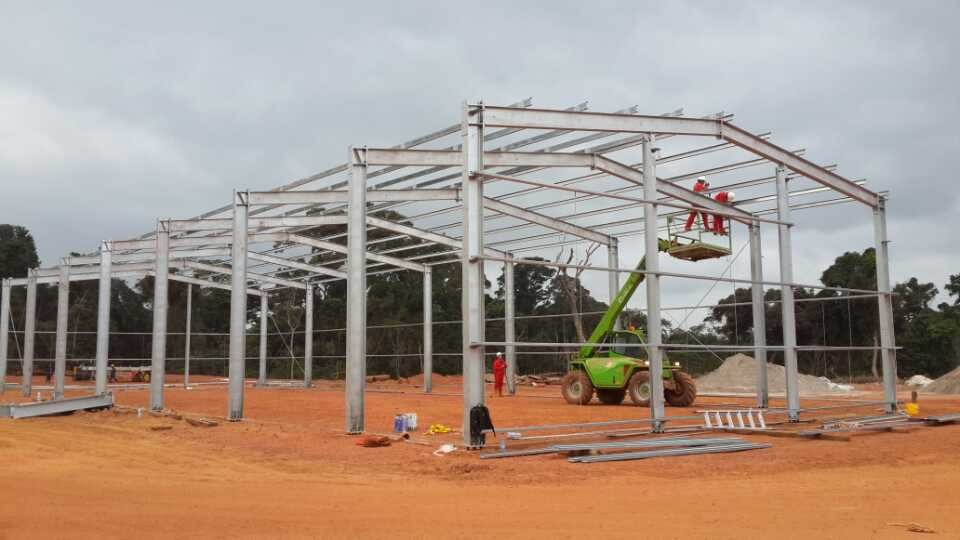
Benefiting from the deep integration of steel structure building systems and durable steel construction technology, Lida Group’s green homes have outstanding full-cycle environmental protection advantages, covering material application, construction process, daily operation, and later recycling, forming a complete closed-loop green ecological system.
5.1 High Recyclability to Realize Circular Green Development
Steel is the most recyclable green building material in the world, with a global recycling rate of over 92%, far higher than that of concrete and wood materials. Lida Group’s green homes use 92% high-purity recycled steel for all structural steel components. The recycled steel retains the same high strength and durability as virgin steel, while greatly reducing the energy consumption and carbon emissions generated by virgin steel smelting.
All steel components of the residence are standardized and detachable. After the end of the building’s service life or the adjustment of residential functions, the steel frame can be completely disassembled, recycled, and remolded for secondary construction use, realizing zero construction waste discharge. This circular development mode fundamentally solves the waste problem of traditional residential construction and demolition, and creates a sustainable green residential model.
5.2 Low-Carbon and Pollution-Free Whole-Process Construction
Different from the high-pollution and high-energy-consumption construction mode of traditional residences, Lida’s integrated steel structure durable homes realize full-process green construction. Factory prefabrication processing reduces on-site resource waste and energy consumption, and on-site assembly construction eliminates dust, sewage, and noise pollution. All supporting materials matched with steel structures, including thermal insulation materials, wall panels, and waterproof coatings, are formaldehyde-free and non-toxic environmental protection materials, which pass international green building certification.
During long-term residence, the building will not release harmful gases, ensuring indoor air quality and creating a healthy and safe green living environment for residents. Meanwhile, the excellent thermal insulation and heat preservation performance of the steel structure composite wall reduces the energy consumption of air conditioning and heating, cutting the daily operation carbon emission of the residence by 35% to 45% compared with traditional brick-concrete houses.
5.3 Ecological Compatibility and Low-Impact Living
The lightweight steel structure and non-destructive construction mode enable Lida’s green homes to coexist harmoniously with the natural ecological environment. The project does not need large-scale land excavation and vegetation destruction during construction, which can effectively protect the regional soil structure and ecological landscape. In rural ecological areas, scenic spots, and suburban green belts, this low-impact green residential model can perfectly integrate into the natural environment, realizing the organic unity of human habitation and ecological protection.
6. Practical Application Value and Market Prospects
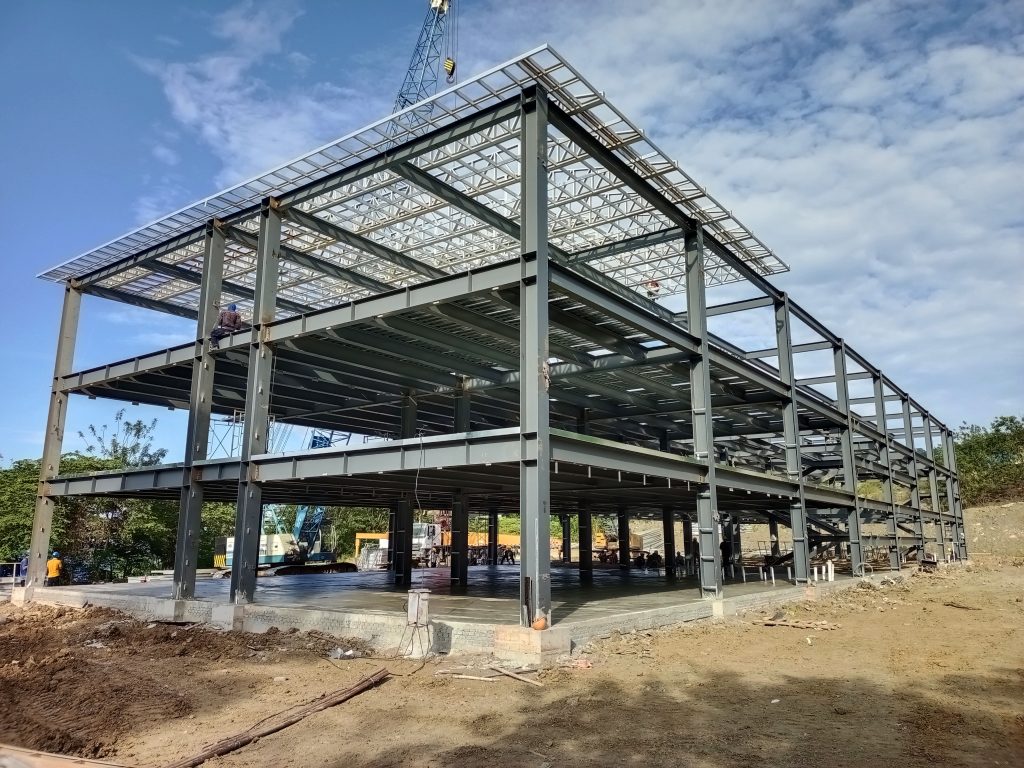
Lida Group’s green homes integrating steel structure and durable steel construction have broken the market stereotype that steel structure houses are only temporary buildings. With the dual advantages of ecological environmental protection and long-term durability, the products have been widely applied in rural green residential renovation, suburban high-end green villas, scenic eco-lodging, and post-disaster permanent resettlement housing projects worldwide.
In terms of economic value, the modular prefabricated construction mode reduces the overall construction cost by 20% to 30% compared with traditional green residences. The ultra-long service life and ultra-low maintenance cost reduce the full-cycle comprehensive cost by more than 40%, enabling ordinary families to enjoy high-quality green living at a lower cost. In terms of social value, the popularization of steel structure durable green homes effectively reduces residential construction carbon emissions, promotes the upgrading of green residential construction technology, and provides a replicable and promotable solution for global low-carbon residential development.
At present, Lida Group’s green home products have been exported to more than 100 countries and regions, helping local areas carry out green residential construction, and winning wide recognition from global customers for their stable quality, excellent environmental protection performance, and high cost performance.
7. Conclusion
In summary, the perfect combination of advanced steel structure building systems and high-standard durable steel construction technology is the core competitiveness of Lida Group’s green home products. The steel structure building system provides a lightweight, flexible, low-carbon, and efficient overall framework for green residences, realizing innovative breakthroughs in residential construction mode, spatial design, and ecological performance. The supporting durable steel construction technology effectively solves the durability defects of ordinary steel structure buildings, greatly extending the service life of green homes, reducing long-term maintenance costs, and ensuring the continuous and stable play of green environmental protection performance throughout the building lifecycle.
This integrated construction model perfectly solves the industry’s long-standing contradiction between green environmental protection and structural durability of residential buildings, realizing full-cycle low-carbon construction, healthy green living, and long-term stable use. It not only meets modern people’s pursuit of healthy, comfortable, and sustainable living environments, but also conforms to the global development trend of energy conservation, emission reduction, and ecological environmental protection.
In the future, with the continuous acceleration of global green urbanization construction, steel structure durable green homes will surely become the mainstream form of modern residential construction. Lida Group will continue to deepen technological innovation, further optimize the integration effect of steel structure systems and durable construction technologies, continuously upgrade the quality and ecological performance of green home products, and contribute more professional strength to the high-quality development of global green residential construction and the realization of carbon neutrality goals.
Related news
-
Durable Steel Construction Powers Lida Group's Environmental Friendly Metal House Projects
2026-06-24 13:46:30
-
Lida Group Delivers Environmental Friendly Metal House with Durable Steel Construction Systems
2026-06-24 13:39:10
-
New Oil Gas Field Worker Dormitory Features Temporary Building and Easy Assembly Panels
2026-06-24 13:28:29
contact us
- Tel: +86-532-88966982
- Whatsapp: +86-13793209022
- E-mail: sales@lidajituan.com
