



Lida Group Combines Steel Structure Building and Metal Frame Construction for Premium Homes
2026-Apr-27 11:20:11
By Admin
The global residential construction industry is experiencing a significant shift from basic functional housing to premium, high-performance residential spaces. Modern premium home buyers and project developers no longer prioritize only basic shelter functionality. Instead, they pursue integrated value including structural safety, architectural aesthetics, spatial flexibility, long-term durability, energy efficiency, and eco-friendly sustainability. Traditional residential construction methods, dominated by concrete masonry, pure wooden frames, and single lightweight metal frames, struggle to meet the diversified and high-standard demands of premium housing. Single steel structure buildings feature high bearing capacity and outstanding stability but lack refined lightweight modular flexibility. Independent metal frame construction delivers precise assembly and flexible layout but has limitations in large-span structural bearing and extreme weather resistance. The inherent performance gaps between the two independent construction systems have long restricted the quality upgrading of high-end residential buildings.
As a global pioneer in modular building research, manufacturing, and engineering innovation, Lida Group accurately grasps the performance differences and complementary advantages of steel structure building technology and metal frame construction technology. Breaking through the industry convention of independent application of single structural systems, Lida Group organically combines high-strength integral steel structure bearing systems and refined lightweight metal frame assembly structures, creating an innovative dual-structure construction system exclusively for premium homes. This integrated construction mode perfectly integrates the high stability, large-span performance, and extreme environmental adaptability of traditional steel structures with the high precision, lightweight flexibility, modular assembly efficiency, and diverse customization capabilities of metal frames. It effectively solves the performance shortcomings of single structural buildings and delivers high-quality, high-comfort, and high-durability premium residential products for global commercial residential, villa, and high-end temporary habitation scenarios.
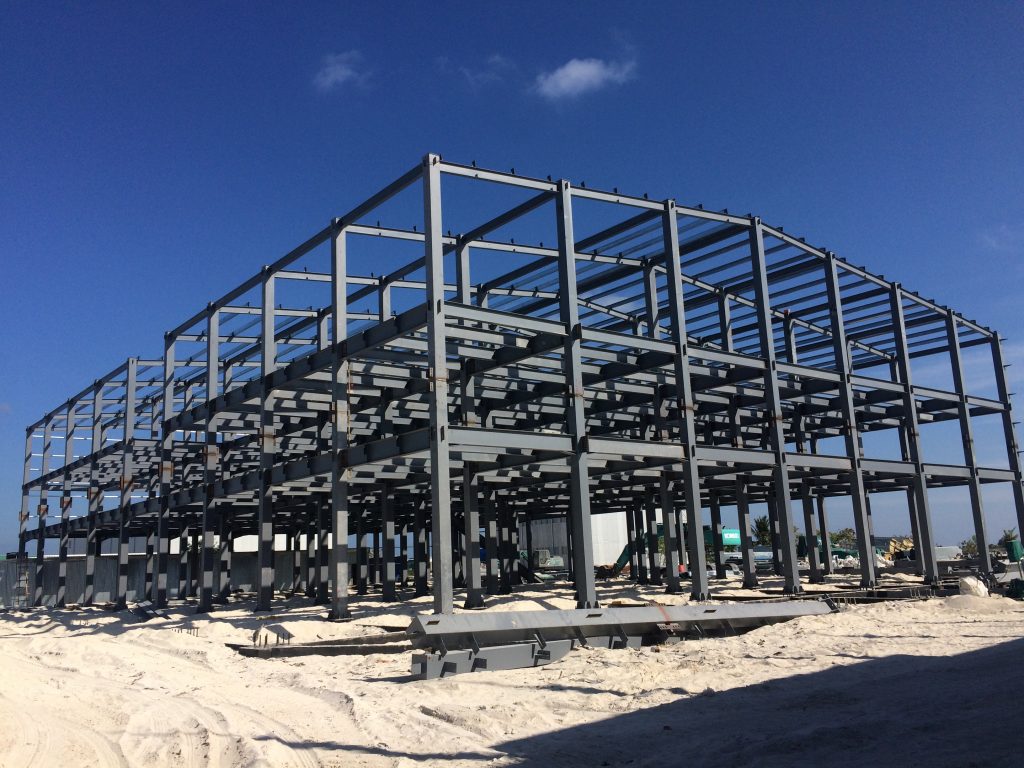
Different from ordinary residential buildings that simply stack structural materials, Lida Group’s dual-structure integrated design follows scientific architectural mechanics and modern premium residential design concepts. The main body adopts standardized hot-dip galvanized steel structures to undertake overall building loads and resist external natural impact, while partition walls, secondary support structures, and detail frameworks adopt optimized lightweight metal frame construction. Through precise mechanical matching and node connection innovation, the two structural systems achieve seamless coordination and complementary advantages. Supported by multi-layer anti-corrosion treatment, digital factory prefabrication, bolt modular assembly, and green energy-saving enclosure systems, Lida Group’s dual-structure premium homes surpass traditional residential buildings in structural safety, spatial aesthetics, construction accuracy, service life, and environmental friendliness, setting a new benchmark for modern high-end modular residential construction.
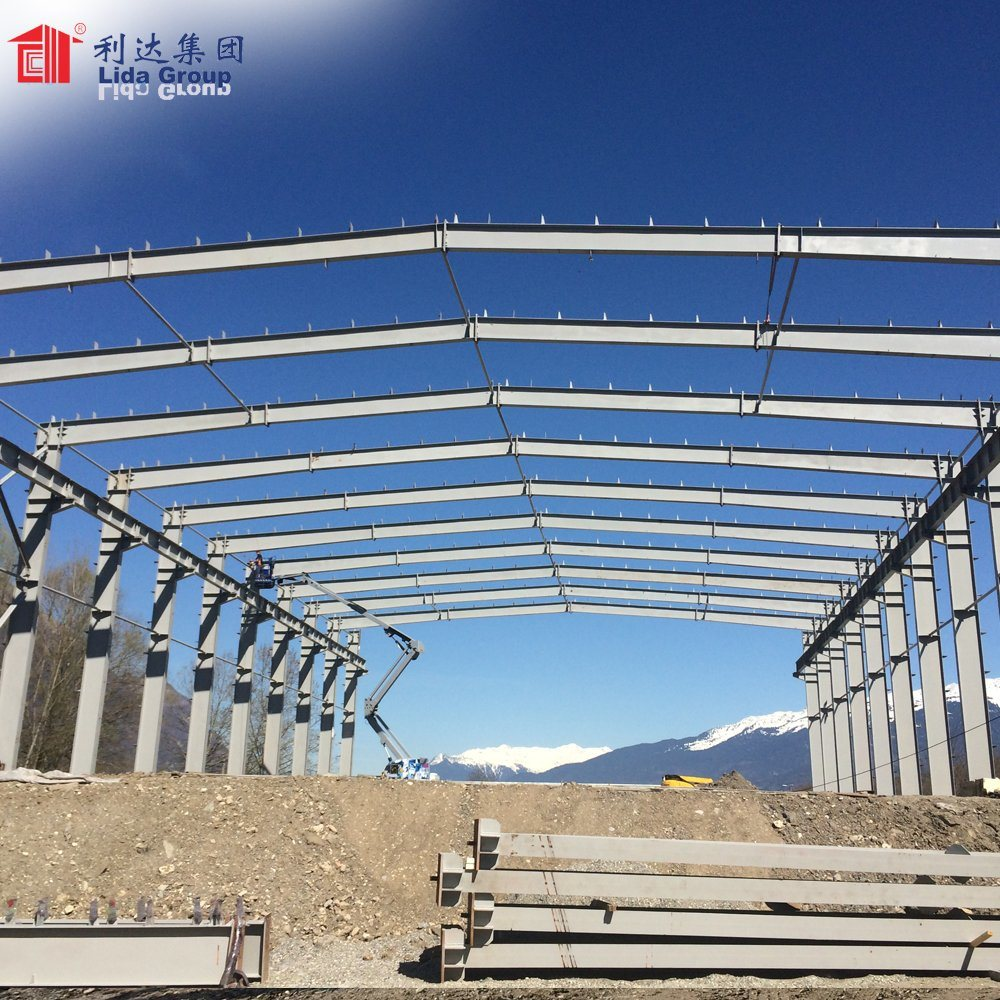
1. Performance Limitations of Single Structural Residential Construction
Traditional premium residential buildings mostly adopt single construction systems including pure concrete structures, independent steel structures, and single lightweight metal frames. Each single structural mode has irreparable performance limitations, making it difficult to meet the comprehensive quality standards of modern premium homes that require safety, aesthetics, flexibility, and durability simultaneously.
Concrete masonry residential buildings are the most common traditional housing form with high rigidity and stable compression resistance. However, their fatal drawbacks restrict high-end residential quality improvement. Concrete structures have heavy self-weight, leading to high foundation bearing requirements and poor seismic toughness. Under earthquake disasters, rigid concrete walls are prone to brittle cracking and collapse, bringing potential safety hazards. Meanwhile, solid concrete walls limit spatial layout flexibility, unable to support large-span open indoor spaces and personalized architectural design. In addition, concrete buildings have poor thermal insulation performance, high operational energy consumption, no recyclable value, and generate massive construction waste during demolition, failing to meet green and low-carbon premium residential standards.
Independent pure steel structure residential buildings solve the seismic and spatial flexibility problems of concrete structures. High-strength steel main frames provide excellent bearing capacity and large-span expansion space. Nevertheless, single steel structures have obvious disadvantages in refined construction and detail control. Thick steel components lead to large self-weight and high transportation and assembly costs. The single structural form lacks refined partition framework support, resulting in single indoor layout and insufficient detail structural precision. Moreover, pure steel structures require complex auxiliary processing and repeated anti-corrosion maintenance in later stages, increasing the comprehensive operation cost of premium homes and affecting long-term residential value.
Single lightweight metal frame buildings feature low weight, high assembly precision, flexible splicing, and fast construction speed, which are suitable for rapid construction scenarios. However, limited by material thickness and structural design, independent metal frames have insufficient overall bearing capacity and poor extreme weather resistance. They cannot resist strong winds, heavy snow accumulation, and severe seismic impact, and are only applicable to low-rise and small-span temporary buildings. The insufficient structural stability makes single metal frames unable to meet the safety and durability standards of long-term inhabited premium residential buildings. In general, the unilateral advantages of single structural systems cannot cover the comprehensive demands of modern premium homes, urgently requiring innovative integrated structural construction technology to break through industry limitations.
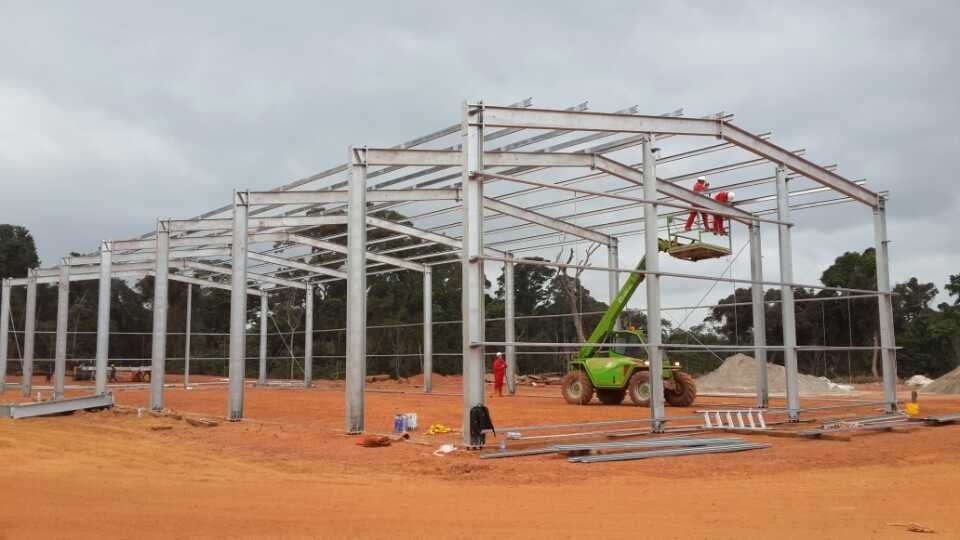
2. Core Principles of Lida Group’s Dual-Structure Integrated Construction
Lida Group’s innovative solution, which combines steel structure building technology and metal frame construction technology, takes “structural complementarity, precise coordination, safety upgrading, and premium customization” as the core design concept. Through hierarchical structural division, optimized material matching, innovative node connection, and integrated factory prefabrication, the dual systems give full play to their respective advantages, completely making up for the performance defects of single structures, and creating exclusive structural systems for high-quality premium homes.
2.1 Hierarchical Structural Division and Functional Complementarity
Lida Group implements scientific hierarchical functional division for the two structural systems. The main load-bearing system of premium homes adopts high-standard hot-dip galvanized steel structures, including main steel columns, bearing steel beams, and roof truss structures. As the primary force-bearing framework, the steel structure undertakes the building’s vertical gravity load and horizontal external impact force. With ultra-high tensile strength and compressive performance, it supports multi-story building construction and large-span open indoor space design, ensuring the overall structural stability, seismic resistance, wind resistance, and load-bearing safety of premium homes.
The secondary auxiliary structure and indoor partition framework adopt optimized lightweight metal frame construction, including wall partition frames, ceiling keel frames, door and window auxiliary frames, and indoor functional support frames. The lightweight metal frame features thin thickness, high precision, flexible cutting and splicing, which can adapt to complex indoor layout design, personalized space division, and diverse architectural modeling. While reducing the overall building self-weight and redundant material consumption, it greatly enriches the spatial design sense and architectural aesthetics of premium homes, realizing the perfect combination of overall structural stability and local refined customization.
2.2 Optimized Material Matching and Anti-Aging Protection
To ensure the long-term stable operation of dual-structure premium homes, Lida Group adopts differentiated high-performance anti-corrosion and anti-aging treatment for steel structures and metal frames respectively. The main steel structure undergoes heavy-duty hot-dip galvanizing treatment with a thickened zinc layer to cope with long-term outdoor atmospheric erosion, salt spray corrosion, and extreme temperature changes, maintaining stable bearing performance for more than 25 years.
The lightweight metal frame adopts multi-layer polymer electrostatic spraying and micro-galvanizing composite technology. On the premise of ensuring lightweight advantages, it effectively solves the problems of metal oxidation, surface rust, and paint peeling. The surface coating has excellent scratch resistance, ultraviolet resistance, and anti-fading performance, ensuring that indoor and outdoor auxiliary frames maintain flat and beautiful appearance for a long time without daily maintenance. The differentiated material processing technology realizes hierarchical safety protection and appearance protection of the building structure, matching the durable and high-standard attributes of premium homes.
2.3 Innovative Integrated Node Connection Technology
The biggest technical difficulty of dual-structure composite buildings lies in the stable connection and coordinated force transmission between different structural systems. Lida Group independently develops transition connecting accessories and standardized bolted docking technology. All steel structure main frame connection nodes and metal frame auxiliary nodes reserve unified high-precision connecting holes through digital factory prefabrication.
The customized transition connectors realize seamless docking between thick steel bearing structures and thin lightweight metal frames. The bolted assembly mode abandons traditional on-site welding, avoiding welding deformation, joint rust, and structural stress concentration. All connection nodes have uniform stress, stable coordination, and strong toughness, ensuring that the dual structural systems can synchronously disperse external impact force when encountering earthquakes and strong winds. It effectively solves the hidden danger of structural separation and loose connection in traditional composite buildings, greatly improving the overall structural integrity and safety redundancy of premium homes.
2.4 Full Digital Prefabrication and Modular Assembly
All steel structure and metal frame components of Lida Group’s premium homes are processed and pre-assembled in fully automated digital factories. Supported by CNC precision cutting, finite element stress simulation analysis, and 3D architectural modeling technology, all structural components achieve millimeter-level manufacturing accuracy. Before leaving the factory, each batch of components undergoes strict bearing testing, assembly simulation, and quality inspection to ensure 100% qualified component precision and structural performance.
On the construction site, workers only need to complete sequential assembly of steel main frames and metal auxiliary frames. The whole construction process requires no wet operation, no dust and sewage pollution, and shortens the construction cycle by more than 60% compared with traditional concrete buildings and single welded steel buildings. The standardized modular assembly mode ensures consistent finished quality of each premium home, eliminating random quality defects caused by manual construction errors.
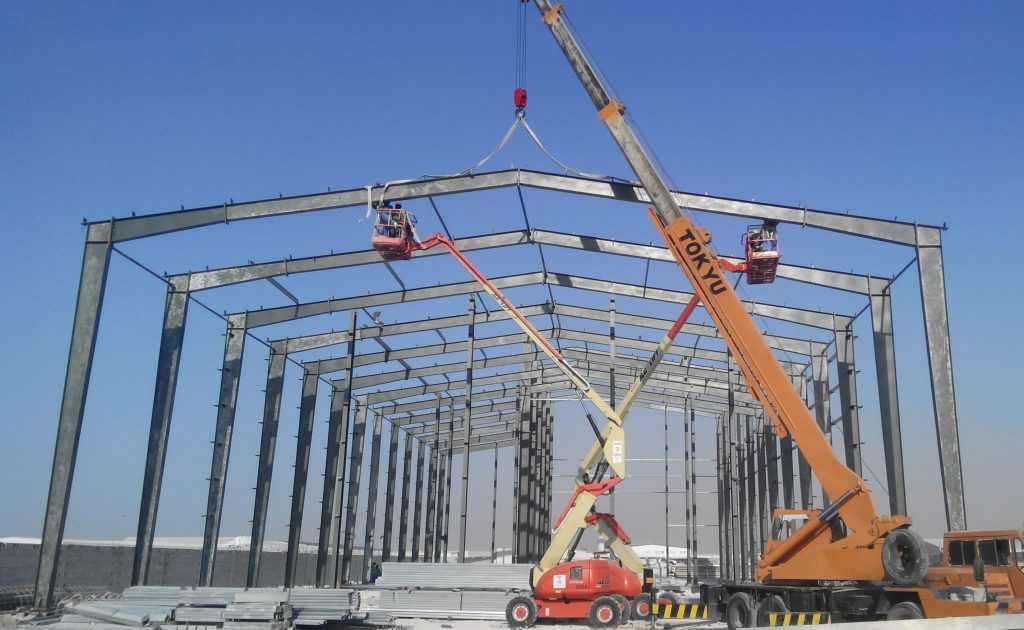
3. Comprehensive Core Advantages of Dual-Structure Premium Homes
By combining the advantages of steel structure bearing performance and metal frame refined construction technology, Lida Group’s premium homes achieve comprehensive upgrades in structural safety, spatial aesthetics, living comfort, durability, and green environmental protection, possessing irreplaceable competitive advantages compared with traditional single-structure residential buildings.
3.1 Superior Structural Safety and Extreme Weather Adaptability
The integrated dual-structure system realizes dual safety guarantee of overall bearing and local stability. The high-strength steel main frame provides ultra-high seismic resistance, wind resistance, and pressure resistance, which can resist magnitude 8 earthquakes and level 12 strong winds. The lightweight metal auxiliary frame enhances the overall structural flexibility and deformation buffering capacity, absorbing external impact energy through micro flexible deformation. The coordinated operation of the two structures avoids brittle fracture and local collapse of single rigid structures. Whether in coastal typhoon areas, alpine low-temperature frozen areas, desert high-temperature and strong ultraviolet areas, or earthquake-prone mountain areas, the dual-structure premium homes can maintain complete structural stability and safe long-term residence.
3.2 Flexible Spatial Layout and Premium Architectural Aesthetics
Traditional residential buildings are limited by single structural characteristics, resulting in fixed indoor layout and single architectural style. Lida Group’s dual-structure system breaks spatial design limitations. The large-span steel main frame removes redundant bearing columns, supporting open and transparent indoor large-space design. The flexible spliced metal partition frame can freely adjust indoor functional partitions, realizing personalized layout of bedrooms, living rooms, kitchens, and activity spaces according to user preferences.
In terms of architectural aesthetics, the thin metal frame optimizes the wall and keel structure, realizing ultra-thin wall design and larger window opening ratio, improving indoor lighting and ventilation effects. Diversified metal frame modeling designs can match modern, minimalist, pastoral, and high-end villa architectural styles, meeting the personalized aesthetic and customized spatial demands of premium residential users.
3.3 Ultra-Long Durability and Low Maintenance Cost
Dual anti-corrosion and anti-aging protection technology ensures the ultra-long service life of premium homes. The hot-dip galvanized steel main frame maintains stable bearing performance for more than 25 years, and the sprayed metal auxiliary frame is not easy to rust, fade and deform for a long time. Compared with concrete buildings prone to wall cracking and water seepage, wooden buildings easy to decay and burn, and single metal buildings with insufficient stability, Lida Group’s dual-structure buildings have extremely low failure rates.
During long-term residence, the building structure does not need frequent anti-corrosion treatment, wall repair and reinforcement maintenance, greatly reducing the later operation and maintenance costs for users. The stable structural durability ensures that premium homes maintain high-quality residential experience and lasting asset value throughout the long service cycle.
3.4 Excellent Living Comfort and Humanized Performance
Lida Group optimizes residential comfort through dual-structure matching design. The steel main frame forms a stable external enclosure skeleton, matching high-performance thermal insulation and waterproof enclosure materials to isolate external temperature changes and rainwater penetration. The refined metal frame keel structure cooperates with sound insulation and shock absorption materials to effectively isolate external environmental noise and indoor structural vibration.
The integrated thermal insulation, sound insulation, waterproof and dustproof design solves the common problems of cold and hot leakage, noisy environment, damp and moldy indoor space of traditional residential buildings. The sufficient lighting, ventilated and quiet indoor environment fully meets the humanized living standards of modern premium homes, improving users’ residential happiness and physical and mental health.
3.5 Green Environmental Protection and Recyclable Sustainability
Both steel structures and metal frames are typical green recyclable building materials. All metal components of Lida Group’s premium homes can be completely disassembled, recycled and reused, with a material recycling rate of over 95%. The whole construction process adopts factory prefabrication and modular assembly, realizing zero on-site construction waste, dust and sewage pollution.
The lightweight dual-structure design reduces foundation earthwork excavation and resource consumption. The optimized building envelope structure effectively reduces indoor heating and cooling energy consumption, lowering residential carbon emissions. Different from disposable high-pollution traditional residential construction, Lida Group’s dual-structure premium homes fully comply with global green building certification and low-carbon sustainable development standards, realizing the organic unity of high-end residential quality and ecological environmental protection.
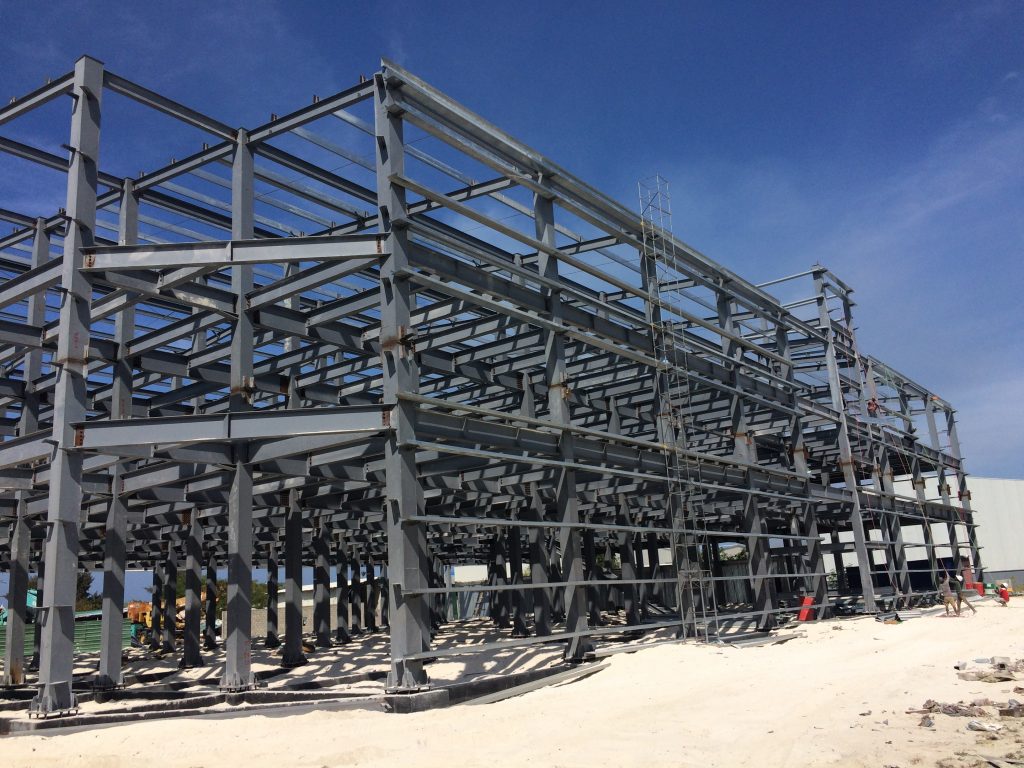
4. Global Engineering Application Cases
Lida Group’s innovative dual-structure premium home solutions have been successfully applied in global high-end residential, villa, and high-standard staff accommodation projects, verifying excellent comprehensive performance in multiple complex scenarios.
In a high-end scenic resort supporting residential project in Southeast Asia, the project requires residential buildings to integrate natural landscape aesthetics, maintain stable operation in perennial high temperature, heavy rain and humid environments, and achieve low-carbon green construction. Traditional single-structure buildings cannot balance aesthetics, durability and environmental protection. Lida Group adopted integrated steel structure and metal frame construction technology for customized design. The high-strength steel main frame resisted seasonal rainstorms and typhoon impacts, ensuring overall structural stability. The flexible metal frame realized diversified villa modeling and refined indoor layout design, matching the scenic high-end residential positioning. The dual-structure anti-corrosion and waterproof design avoided indoor dampness and structural aging. After three years of continuous operation, all residential buildings maintained perfect structural quality and beautiful architectural appearance, winning high recognition from project developers and users.
In a high-standard enterprise staff villa camp project in Central Asia, the construction site is located in a temperate desert marginal area with large day and night temperature differences, strong ultraviolet radiation and frequent winds. The project puts forward high requirements for building safety, thermal insulation comfort and durability. Lida Group’s dual-structure premium homes gave full play to complementary structural advantages. The steel main frame resisted desert strong winds and structural deformation, while the metal frame refined structure optimized indoor thermal insulation and airtight performance. The multi-layer anti-ultraviolet and anti-corrosion protection system avoided structural aging and paint fading. The modular assembly completed the construction of the entire high-end residential camp within 15 days. During the five-year project operation cycle, the buildings required almost no maintenance, providing safe, comfortable and high-quality residential spaces for enterprise employees, and effectively reducing the camp’s long-term operation costs.
5. Market Value and Industrial Significance
With the continuous upgrading of global residents’ living standards and residential quality requirements, single-structure traditional residential buildings can no longer meet the market demand for high-quality, personalized, safe and green premium homes. Lida Group’s innovative integration of steel structure and metal frame construction technology subverts the single structural design mode of the traditional residential construction industry and creates a new generation of dual-structure premium residential solutions.
For residential developers, this dual-structure integrated construction mode realizes balanced upgrading of residential safety, aesthetics, comfort and durability. It shortens project construction cycles, controls comprehensive construction costs, improves residential product quality and market competitiveness, and helps enterprises build high-end residential brand images. For end residential users, high-stability, low-consumption, green and personalized premium homes effectively guarantee residential safety, improve living quality, and create lasting residential asset value.
For the global construction industry, Lida Group’s dual-structure composite construction technology breaks through the independent application limitation of steel structures and metal frames. It forms a mature and replicable integrated construction system, enriches the structural design categories of modern premium residential buildings, promotes the transformation of the residential construction industry from extensive single-structure construction to refined composite modular construction, and drives the overall upgrading of high-end residential construction standards and green sustainable development level.
6. Conclusion
Traditional residential buildings adopting single concrete, steel or metal frame structures have long been restricted by unilateral structural performance defects, unable to meet the comprehensive high-standard requirements of modern premium homes in terms of structural safety, spatial flexibility, architectural aesthetics, living comfort and ecological sustainability. As a leading global modular building innovation enterprise, Lida Group makes full use of the complementary advantages of steel structure building technology and metal frame construction technology to create innovative dual-structure premium residential systems.
Through scientific hierarchical structural division, differentiated high-performance material processing, innovative integrated node connection technology and full digital modular assembly, Lida Group’s dual-structure buildings perfectly combine the high stability and extreme environmental adaptability of steel structures with the high precision, flexible customization and refined aesthetics of metal frames. A large number of global engineering practices have verified that this integrated construction mode effectively solves the common pain points of single-structure residential buildings such as insufficient safety, single layout, poor durability and high energy consumption. It delivers safe, comfortable, beautiful, durable and eco-friendly high-quality premium homes for global users.
In the future, with the continuous upgrading of global high-end residential construction standards and low-carbon development requirements, composite multi-structure modular buildings will become the mainstream development trend of the premium residential industry. Lida Group will continue to iterate dual-structure integrated construction technology, further optimize building structural performance, personalized design capability and intelligent residential experience. By continuously outputting high-quality premium home solutions, Lida Group will lead the innovative upgrading of global residential construction technology and empower the long-term high-quality and sustainable development of the modern construction industry.
Related news
-
Innovative Metal Frame Construction by Lida Group Creates Durable High Quality House
2026-04-27 11:15:33
-
Lida Group Delivers High Quality House with Advanced Steel Structure Building Technology
2026-04-27 11:06:13
-
Eco-Friendly Sandwich Panel House by Lida Group Ideal for Construction Site Worker Dormitory
2026-04-27 10:36:49
contact us
- Tel: +86-532-88966982
- Whatsapp: +86-13793209022
- E-mail: sales@lidajituan.com
