



Efficient Prefabricated Container Worker Camp Now Available from Lida Group
2026-Apr-24 16:32:25
By Admin
In the global construction, mining, and infrastructure industries, the need for efficient, safe, and comfortable on-site accommodation for workers has never been more critical. Large-scale projects—whether highway construction, mining operations, urban renewal, or offshore infrastructure—often require housing hundreds or even thousands of workers in remote or temporary locations, where traditional construction methods for worker camps are time-consuming, costly, and inflexible. Traditional worker camps, typically built with temporary materials or prefabricated structures of low quality, suffer from long deployment times, poor durability, inadequate living conditions, and high maintenance costs. These shortcomings not only compromise workers’ well-being and work efficiency but also increase project delays and operational costs for enterprises. Recognizing this industry pain point, Lida Group, a global leader in integrated metal building solutions with over 32 years of expertise in modular construction, has launched its efficient prefabricated container worker camp—a game-changing solution that redefines on-site worker accommodation with unmatched efficiency, durability, comfort, and cost-effectiveness.
Lida Group’s efficient prefabricated container worker camp is not just a collection of individual container dormitories; it is a fully integrated, turnkey living complex designed to meet the comprehensive needs of on-site workers. Unlike traditional worker camps that require months of on-site construction, Lida’s prefabricated solution leverages advanced modular technology to deliver a complete camp in weeks, with all essential facilities—including dormitories, dining halls, bathrooms, laundry rooms, medical stations, and administrative offices—prefabricated in a controlled factory environment and assembled on-site quickly. This efficiency not only reduces project downtime but also ensures consistent quality, environmental friendliness, and flexibility to adapt to changing project needs. As a testament to Lida Group’s commitment to excellence, this worker camp solution has been deployed in over 152 countries, serving industries ranging from construction and mining to oil and gas, earning widespread recognition for its performance and value.
This article provides a comprehensive overview of Lida Group’s efficient prefabricated container worker camp, exploring its core features, technological innovations, design optimizations, global application cases, production and logistics capabilities, and market impact. By delving into how Lida Group integrates efficiency into every aspect of the worker camp—from design and production to deployment and after-sales support—readers will gain a clear understanding of why this solution has become the preferred choice for enterprises worldwide and how it is transforming the way on-site workers live and work.
1. Lida Group: A Trusted Pioneer in Efficient Modular Worker Camp Solutions
To fully appreciate the innovation and reliability of Lida Group’s efficient prefabricated container worker camp, it is essential to recognize the company’s decades-long expertise in modular construction and its deep understanding of the on-site accommodation needs of various industries. Founded in 1993, Lida Group has evolved from a regional construction materials manufacturer to a global integrated solution provider specializing in prefabricated container buildings, metal frame structures, and sustainable construction technologies. With over 32 years of experience, the company has completed more than 10,000 projects in 152 countries and regions, serving clients in construction, mining, oil and gas, disaster relief, and low-income housing.
Lida Group’s core competitive advantage lies in its ability to combine technological innovation with practical efficiency, ensuring that its products meet the specific needs of each industry while delivering tangible value. For on-site worker accommodation, the company has invested heavily in research and development (R&D), allocating 8% of its annual revenue to optimizing modular design, developing advanced materials, and streamlining production and deployment processes. This commitment to R&D has enabled Lida Group to create a worker camp solution that addresses the core pain points of traditional camps: slow deployment, poor durability, high costs, and inflexibility.
What sets Lida Group apart from competitors is its end-to-end capabilities, covering every stage of the worker camp lifecycle—from design and material sourcing to production, logistics, on-site assembly, and after-sales support. The company operates state-of-the-art production facilities, including a 30,000-square-meter factory dedicated to modular container production, equipped with advanced automated equipment such as CNC cutting machines, automatic welding robots, and precision testing tools. This automation not only ensures consistent quality but also reduces production time by 40% compared to traditional manual methods, making efficient delivery possible even for large-scale worker camp orders.
Lida Group’s global presence further strengthens its ability to deliver efficient prefabricated container worker camps to even the most remote project sites. With branch offices, production bases, and logistics partners in key markets—including Saudi Arabia, Dubai, Chile, Nigeria, Malaysia, and the United States—the company can source materials locally, reduce transportation costs, and deliver camp modules in a timely manner. This global network, combined with a 99.8% customer satisfaction rate over the past decade and an 85% client retention rate, positions Lida Group as a trusted partner for enterprises seeking reliable, efficient, and high-quality on-site worker accommodation solutions.
2. Core Features of Lida’s Efficient Prefabricated Container Worker Camp: Efficiency at Every Step
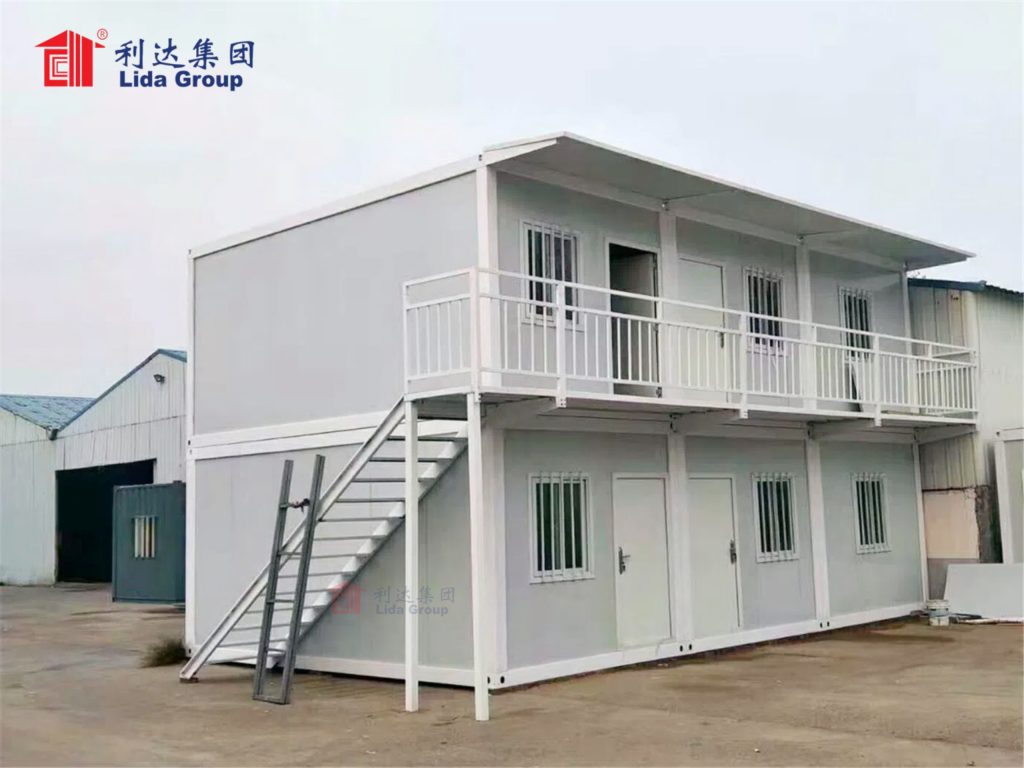
Lida Group’s efficient prefabricated container worker camp is designed with four core principles in mind: rapid deployment, superior durability, comprehensive comfort, and cost-effectiveness. Every aspect of the camp—from the modular structure to material selection and facility configuration—is engineered to maximize efficiency, ensuring that enterprises can quickly set up a fully functional worker camp while minimizing costs and improving worker welfare. Below are the key features that make this worker camp stand out in the market.
2.1 Rapid Deployment: From Factory to Site in Weeks
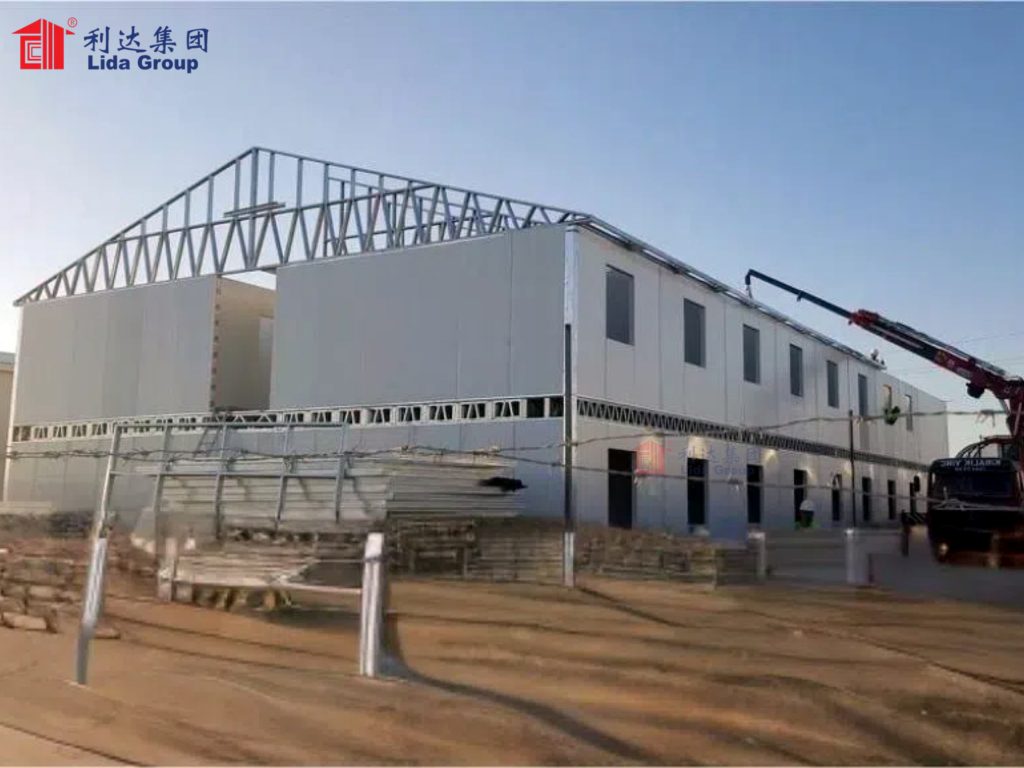
The most striking feature of Lida’s prefabricated container worker camp is its exceptional deployment efficiency—a critical advantage for projects that require quick access to on-site accommodation. Unlike traditional worker camps that take 3-6 months to build on-site, Lida’s solution can be deployed in as little as 2-4 weeks, depending on the camp size. This rapid deployment is made possible by the modular integrated construction (MiC) approach, where all camp components—including dormitory modules, communal facility modules, and utility systems—are fully prefabricated in the factory.
Each module is built to international standard container dimensions (20ft or 40ft), which are compatible with global shipping and transportation networks. This standardization allows modules to be easily transported via trucks, ships, or even helicopters for remote sites, ensuring that they can reach any location efficiently. Additionally, the modules are designed to be lightweight yet sturdy, with a compact structure that allows for efficient stacking during transportation—reducing transportation costs by up to 30% compared to non-standard modular units.
On-site assembly is equally efficient. A team of 4-6 experienced workers can assemble 10-15 modules in a single day, thanks to pre-installed connections for electricity, plumbing, and structural alignment. The entire camp—including dormitories, dining halls, and other facilities—can be fully operational within weeks, allowing workers to move into comfortable accommodation as soon as the project site is established. This rapid deployment not only reduces project downtime but also enables enterprises to start project operations earlier, accelerating project timelines and reducing overall costs.
2.2 Superior Durability: Built to Withstand Harsh On-Site Environments
Worker camps are often located in harsh environments—from hot and dusty deserts to cold and snowy mountains, and from coastal regions with high salt spray to remote mining sites with heavy machinery and frequent impacts. Traditional worker camps often fail to withstand these conditions, leading to frequent repairs, reduced service life, and safety risks for workers. Lida’s prefabricated container worker camp is engineered for superior durability, ensuring that it can withstand the rigors of on-site environments and provide long-term service.
The foundation of the camp’s durability is its high-strength steel frame. Lida Group uses recycled Q355 steel for the frame, which offers exceptional strength, ductility, and corrosion resistance. The frame is treated with a modified hot-dip galvanization process and an eco-friendly anti-rust paint, which enhances corrosion resistance by 50% compared to traditional galvanization methods. This treatment protects the frame from dust, moisture, salt spray, and extreme temperatures ranging from -30°C to 45°C, ensuring a service life of 30-50 years—far longer than traditional temporary worker camps.
The walls and roof of the camp modules are made of composite panels consisting of a steel outer layer, high-density rock wool insulation, and a fire-resistant inner layer. These panels are not only lightweight and cost-effective but also resistant to fire, water, impact, and dust. The roof is equipped with a high-performance waterproof membrane and reinforced with steel beams to withstand heavy rainfall, snowfall, and strong winds (up to 150 mph/240 km/h), ensuring that the interior remains dry and safe even in severe weather. Additionally, all modules undergo a rigorous three-level quality control process, including material inspection, in-production testing, and pre-delivery functional testing, ensuring that every component meets Lida’s strict durability standards.
2.3 Comprehensive Comfort: A Dignified Living Environment for Workers
Lida Group recognizes that comfortable living conditions are essential for workers’ physical and mental health, which in turn improves work efficiency and reduces staff turnover. Unlike traditional worker camps that are cramped, poorly ventilated, and lack basic amenities, Lida’s prefabricated container worker camp is designed to provide a comprehensive, comfortable, and dignified living environment for on-site workers.
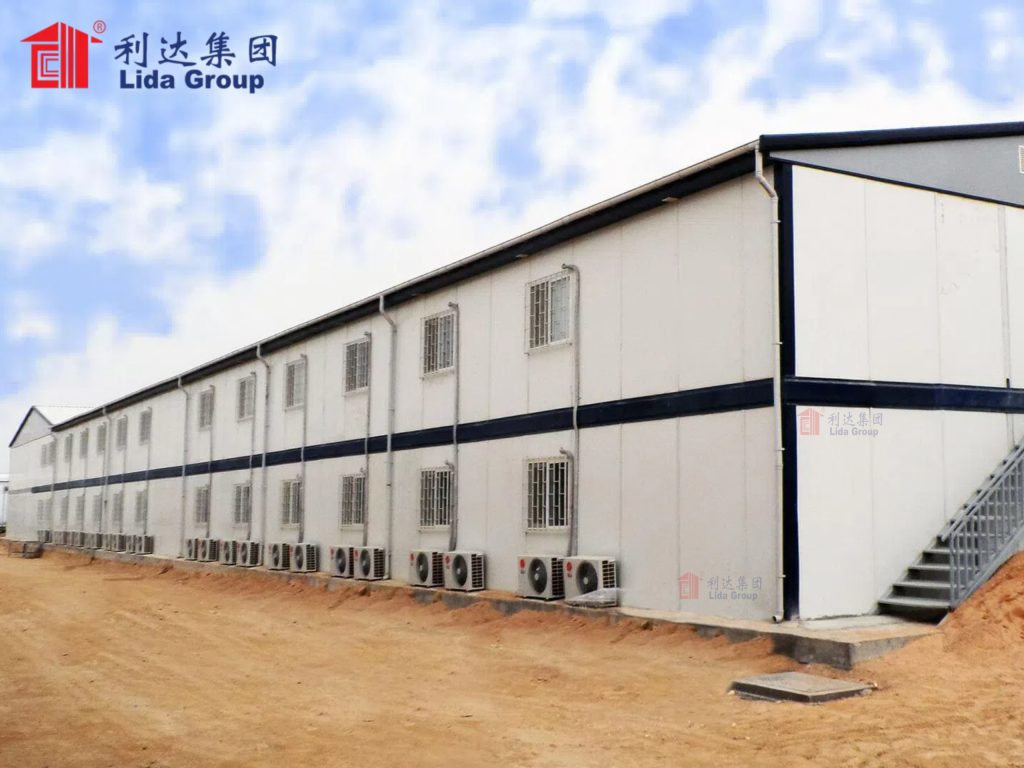
The camp is fully equipped with all essential facilities to meet workers’ daily needs. Dormitory modules are space-optimized, with a standard 20ft module comfortably housing 4-6 workers in sturdy, comfortable bunk beds equipped with safety rails and under-bed storage drawers. Each dormitory module also includes built-in wall-mounted cabinets, shelves, and LED lighting, ensuring that workers have ample space to store personal belongings and work materials. Ventilation is optimized with large tempered glass windows and ventilation fans, ensuring adequate air circulation to reduce humidity and prevent the buildup of dust and odors.
Communal facilities are an integral part of the worker camp, designed to promote worker well-being and social interaction. The camp includes spacious dining halls equipped with stainless steel dining tables, chairs, and commercial-grade kitchens, capable of serving hundreds of workers three meals a day. Laundry facilities include washing machines, dryers, and drying racks, ensuring that workers can keep their clothes clean and fresh. Additionally, the camp features medical stations for basic health care, common areas for relaxation and socializing, and administrative offices for on-site management. For larger camps, Lida also offers optional amenities such as fitness rooms, recreation areas, and internet cafes, further enhancing worker comfort and satisfaction.
Noise reduction is another key comfort feature. Construction and mining sites are often noisy, which can disrupt workers’ sleep and rest. Lida’s camp modules are equipped with sound-insulating materials in the walls and floors, reducing external noise by up to 40%. This ensures that workers can get a good night’s sleep and rest properly after a long day of work, improving their overall well-being and work efficiency.
2.4 Cost-Effectiveness: Maximizing Value for Enterprises
For enterprises, cost is a critical consideration when choosing on-site worker accommodation. Traditional worker camps often require significant upfront investment in materials and labor, and their short service life means that they need to be replaced frequently—leading to high long-term costs. Lida’s efficient prefabricated container worker camp is designed to be highly cost-effective, providing enterprises with a high return on investment.
One of the key cost-saving features is the modular design, which enables mass production. Lida’s automated production lines reduce labor costs by 40% compared to traditional manual production, and the use of standardized modules allows the company to leverage economies of scale—reducing unit costs by 30% compared to custom-designed camps. Additionally, the use of recycled materials and cost-effective composite panels reduces material costs without compromising durability or comfort.
The camp’s mobility and reusability further contribute to cost savings. Since the modules can be easily disassembled, transported, and reassembled at new project sites, enterprises do not need to build new camps for each project—saving money on materials, labor, and time. The quick assembly and disassembly process also reduces on-site labor costs, as fewer workers are needed to set up the camp compared to traditional construction methods. Furthermore, the camp’s low-maintenance design—with durable materials that are resistant to rot, mold, and pest infestations—eliminates the need for frequent repairs, reducing long-term maintenance costs by up to 50%.

3. Technological Innovations: Driving Efficiency and Performance
Lida Group’s ability to deliver an efficient prefabricated container worker camp is largely driven by advanced technological innovations in design, production, and material science. The company’s investment in R&D has led to the integration of cutting-edge technologies that streamline production, enhance performance, and improve the overall user experience—ensuring that the worker camp is not only efficient but also innovative and sustainable.
3.1 MiC (Modular Integrated Construction) Technology
At the core of Lida’s efficient worker camp is MiC (Modular Integrated Construction) technology—an advanced construction method that involves manufacturing entire building modules in a controlled factory environment before transporting them to the site for assembly. This technology is a key enabler of the camp’s rapid deployment, consistent quality, and efficiency.
Each MiC module is fully finished in the factory, including all structural components, interior fittings, electrical systems, plumbing, and even furniture. This means that once the modules arrive on-site, they only need to be connected using high-strength bolts and pre-installed utility connections—reducing on-site construction time by up to 70% compared to traditional methods. This reduction in on-site work not only lowers labor costs but also minimizes the risk of weather delays and human error, ensuring that the camp is built to exact specifications.
MiC technology also allows for precise quality control, as each module is inspected in the factory before delivery. This ensures that every component—from the steel frame to the insulation and interior fittings—meets Lida’s strict standards. Additionally, MiC technology enables mass production, which lowers unit costs by leveraging economies of scale. For example, Lida Group can produce 100 camp modules in just 2 weeks, reducing production costs by 30% compared to manual production methods.
3.2 Digitalization and Intelligent Design
Lida Group uses AI-driven design software and BIM (Building Information Modeling) 4.0 technology to optimize the design of its prefabricated container worker camp. BIM technology creates a 3D model of the entire camp that integrates all design, production, and construction data, allowing the design team to simulate the camp’s performance under various conditions—such as extreme temperatures, strong winds, and heavy usage.
This simulation helps identify potential weak points in the design before production begins, allowing engineers to optimize the structure for durability while minimizing material usage. For example, the BIM model can simulate how the camp will perform during a strong wind or earthquake, enabling engineers to adjust the frame’s design to enhance its strength without adding unnecessary material (and thus increasing costs). AI-driven design software also allows Lida Group to generate multiple design schemes based on factors such as the number of workers, site conditions, and budget, selecting the optimal solution that balances efficiency, durability, and comfort.
Digitalization also enables seamless collaboration between the design, production, and construction teams, reducing errors and ensuring that every module fits perfectly during assembly. This eliminates the need for on-site adjustments, further reducing costs and ensuring that the camp is built to the highest quality standards. Additionally, digitalization allows for real-time monitoring of the camp’s construction progress, enabling enterprises to track the project and make adjustments as needed.
3.3 Advanced Material Technologies
Lida Group’s commitment to material innovation plays a crucial role in the efficiency and performance of its prefabricated container worker camp. The company has developed and adopted advanced materials that offer high performance at a lower cost, ensuring that the camp is both durable and affordable.
One of the key material innovations is the use of recycled Q355 steel with a modified hot-dip galvanization process. This process involves coating the steel frame with a thicker layer of zinc, which enhances its corrosion resistance by 50% compared to traditional galvanization methods. Despite this enhanced durability, the modified process costs only 10% more than traditional galvanization, making it a cost-effective way to improve the camp’s service life.
Lida Group also uses a new type of composite insulation material, which combines rock wool with recycled plastic fibers. This material offers the same thermal performance as premium insulation options but costs 25% less. Additionally, the composite material is more resistant to moisture and mold, ensuring that the camp remains comfortable and durable even in humid environments. For the interior, Lida uses eco-friendly, low-cost finishes such as recycled wood panels and non-toxic paint, which are not only affordable but also safe for workers and the environment. These materials are easy to clean and maintain, reducing long-term maintenance costs for enterprises.
4. Design Optimizations: Tailored for On-Site Worker Needs
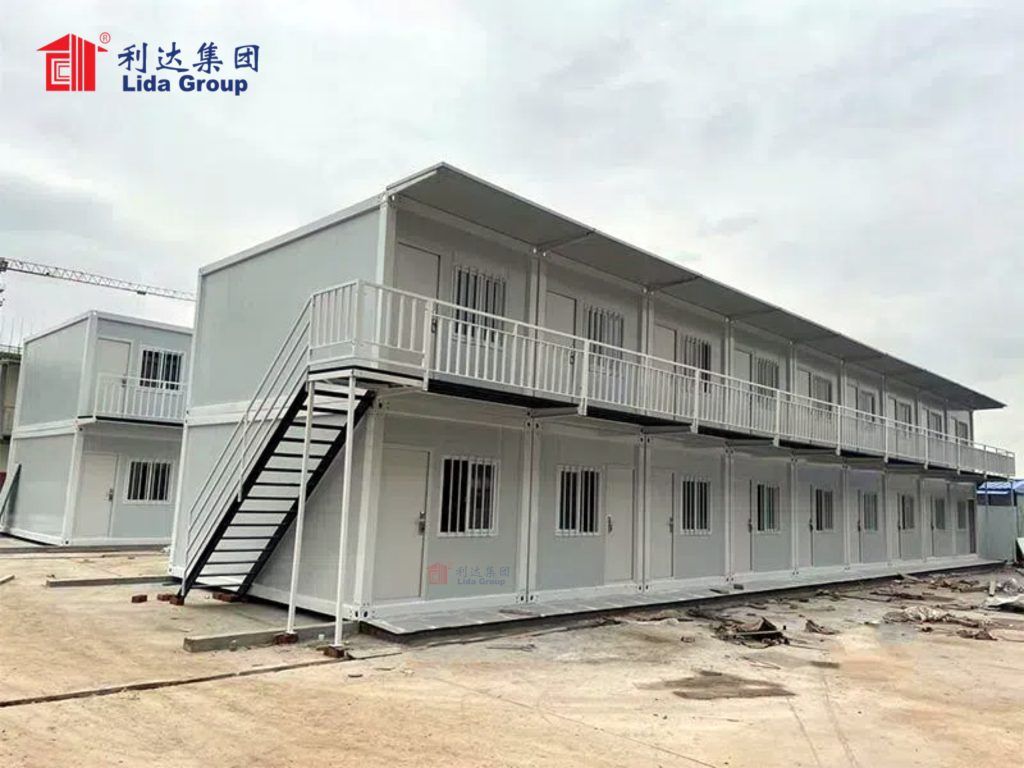
In addition to the core features and technological innovations, Lida Group’s efficient prefabricated container worker camp includes several design optimizations that are specifically tailored to the needs of on-site workers and enterprises. These optimizations address the unique challenges of on-site accommodation, ensuring that the camp is practical, safe, and user-friendly.
4.1 Safety Design: Protecting Workers’ Well-Being
Safety is a top priority in on-site environments, and Lida’s worker camp is designed with multiple safety features to protect workers. The steel frame is designed to be earthquake-resistant (up to 8 degrees) and wind-resistant (up to 150 mph/240 km/h), ensuring that the camp remains structurally sound during natural disasters. The composite wall panels are fire-resistant, with a fire rating of up to 2 hours, reducing the risk of fire spread and providing workers with enough time to evacuate in case of an emergency.
The camp is also equipped with a comprehensive fire safety system, including smoke detectors, fire extinguishers, emergency lighting, and fire alarm systems. The electrical systems are designed to be safe and reliable, with overload protection and waterproof outlets to prevent electrical shocks. Additionally, the camp modules are equipped with emergency exits and clear signage, and the camp layout includes designated emergency assembly points to ensure that workers can evacuate quickly and safely in case of an emergency. For remote sites, the camp can also be equipped with first-aid kits, emergency communication systems, and even on-site medical personnel to handle health emergencies.
4.2 Weather Adaptability: Suitable for Global On-Site Environments
Worker camps are located in diverse environments, from hot and humid tropical regions to cold and snowy northern regions, and from coastal areas to desert and mountainous regions. Lida’s prefabricated container worker camp is designed to adapt to these diverse weather conditions, ensuring that workers remain comfortable regardless of the environment.
In hot and humid regions (such as Southeast Asia, Africa, and South America), the camp is equipped with enhanced ventilation systems, heat-resistant insulation, and anti-corrosion coatings to prevent mold and deterioration. The walls and roof are designed to reflect sunlight, reducing indoor temperatures by up to 10°C and lowering energy costs for cooling. In cold regions (such as Canada, Russia, and northern Europe), the camp features thick thermal insulation, radiant heating systems, and wind-resistant windows to ensure indoor comfort. The steel frame is reinforced to withstand heavy snowfall, and the roof is sloped to prevent snow accumulation.
In coastal regions, the camp is treated with extra anti-corrosion coatings to protect against salt spray, ensuring that the steel frame remains durable for decades. In dusty environments (such as construction sites in deserts or rural areas), the camp is equipped with dust-proof ventilation systems and air filters to keep the interior clean. These weather-resistant design elements ensure that the camp remains functional and comfortable regardless of the environment, making it suitable for use worldwide.
4.3 Flexible Configuration: Adapting to Changing Project Needs
Projects often experience fluctuations in the number of workers, and Lida’s worker camp is designed to be flexible enough to adapt to these changes. The modular design allows for easy expansion or reduction, with modules that can be added or removed as needed—ensuring that enterprises only pay for the accommodation they need, reducing waste and improving cost-effectiveness.
For example, a small camp for 50 workers can be composed of 10-12 dormitory modules and 2-3 communal modules. As the project scales up to 200 workers, additional dormitory and communal modules can be added quickly, without disrupting the existing camp operations. For large-scale projects with hundreds or thousands of workers, Lida can provide multiple camp clusters, each with its own communal facilities, to ensure that the camp remains organized and efficient.
Additionally, the camp can be customized to meet specific industry needs. For example, mining projects may require additional storage modules for tools and equipment, while oil and gas projects may need explosion-proof modules and specialized safety features. Lida Group offers a range of customization options, including different room sizes, interior layouts, and additional amenities—ensuring that the camp meets the unique needs of each project.
5. Global Application Cases: Proving Efficiency in Real-World Projects
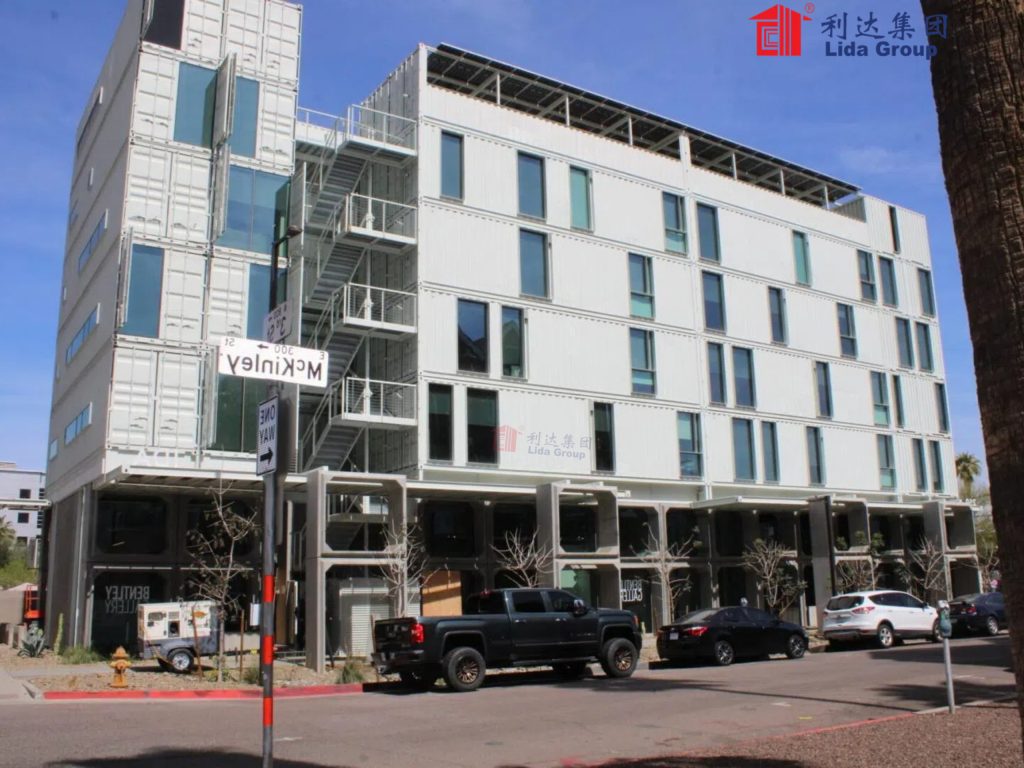
To demonstrate the effectiveness of its efficient prefabricated container worker camp, Lida Group has deployed these solutions in several large-scale projects worldwide. These case studies highlight how the camp has addressed the on-site accommodation needs of workers, improved worker welfare, and delivered tangible value to enterprises.
5.1 Case Study 1: Large-Scale Mining Project in Saudi Arabia
A leading mining company in Saudi Arabia partnered with Lida Group to provide on-site accommodation for 800 workers working on a remote gold mining project in the Arabian Desert. The project required a worker camp that was efficient to deploy, durable enough to withstand the hot and dusty desert climate, and comfortable enough to improve worker retention. The company also needed the camp to be mobile, as workers would need to be relocated to different parts of the mining site as the project progressed.
Lida Group provided a fully integrated worker camp consisting of 160 prefabricated container modules, including 140 dormitory modules (20ft and 40ft), 10 communal modules (dining hall, kitchen, laundry room, medical station, and administrative office), and 10 storage modules. The modules were equipped with enhanced ventilation systems, heat-resistant insulation, and anti-corrosion coatings to adapt to the desert climate. The interior of the dormitory modules included bunk beds, storage cabinets, private bathrooms with hot water, and LED lighting. The dining hall was equipped with commercial-grade kitchen equipment and seating for 200 workers at a time.
The entire camp was deployed in just 3 weeks, with Lida’s on-site assembly team ensuring quick and efficient installation. The mining company reported that the camp significantly improved worker satisfaction—staff turnover decreased by 45% compared to previous projects, and work efficiency increased by 30%. The mobility of the modules allowed the company to relocate 50 dormitory modules to a new mining area within 2 days, saving over $300,000 in accommodation costs compared to building a new temporary camp. After 3 years of use, the camp remains in excellent condition, with no signs of corrosion or structural damage. The mining company has since ordered an additional 80 modules to expand the camp for a new phase of the project.
5.2 Case Study 2: Highway Construction Project in Vietnam
A Vietnamese construction company partnered with Lida Group to provide on-site accommodation for 300 workers working on a highway construction project in Ho Chi Minh City. The project was located in a humid, rainy region, and the company needed a worker camp that was waterproof, mold-resistant, and quick to deploy. The company also required the camp to be compact, as the construction site had limited space for on-site accommodation.
Lida Group provided a compact worker camp consisting of 60 prefabricated container modules, including 50 dormitory modules (all 20ft), 6 communal modules (dining hall, kitchen, laundry room, and medical station), and 4 storage modules. The modules were equipped with waterproof membranes, high-density insulation, and anti-mold coatings to withstand the humid climate. The interior of the dormitory modules included bunk beds, storage drawers, bathrooms with hot water, and ventilation fans to ensure air circulation. The camp was designed with a compact layout, with modules stacked and connected to maximize space utilization.
The camp was deployed in just 2 weeks, allowing workers to move into comfortable accommodation as soon as the construction site was established. The construction company reported that the camp was easy to maintain, with no mold or water damage even after heavy rainfall. Workers praised the comfort of the camp, noting that the sound insulation and ventilation made it easy to rest after work. The company also saved 35% on accommodation costs compared to traditional temporary camps, as the modules could be relocated to future highway projects.
5.3 Case Study 3: Offshore Oil and Gas Project in Chile
An international oil and gas company partnered with Lida Group to provide on-site accommodation for 150 workers working on an offshore oil rig construction project in northern Chile. The project was located in a harsh environment with extreme temperatures (ranging from -5°C to 38°C), strong winds, and high salt spray. The company needed a worker camp that was durable, weather-resistant, and equipped with specialized safety features for offshore operations.
Lida Group provided a specialized worker camp consisting of 30 prefabricated container modules, including 25 dormitory modules (20ft and 40ft), 3 communal modules (dining hall, kitchen, and medical station), and 2 safety modules (emergency shelter and first-aid center). The modules were treated with extra anti-corrosion coatings to protect against salt spray, and the steel frame was reinforced to withstand strong winds and extreme temperatures. The camp was also equipped with explosion-proof electrical systems, emergency communication systems, and fire safety equipment to meet offshore safety standards.
The camp was transported to the offshore site via ship and assembled in just 5 days by Lida’s specialized offshore assembly team. The workers reported that the camp was comfortable even in extreme weather conditions, with the heating and cooling systems maintaining a consistent indoor temperature. The oil and gas company noted that the camp’s durability and safety features were critical, as the offshore environment posed unique risks. After the project was completed, the modules were relocated to another offshore project in Peru, further maximizing the company’s investment.
5.4 Case Study 4: Urban Construction Project in Brazil
A Brazilian construction company partnered with Lida Group to provide on-site accommodation for 250 workers working on a high-rise residential complex project in São Paulo. The project was located in a busy urban area, with limited space for on-site accommodation and strict noise regulations. The company needed a worker camp that was compact, quiet, and quick to deploy, with minimal impact on nearby residents.
Lida Group provided a compact, sound-insulated worker camp consisting of 50 prefabricated container modules, including 45 dormitory modules (20ft) and 5 communal modules (dining hall, kitchen, laundry room, and administrative office). The modules were equipped with sound-insulating materials in the walls and floors to reduce noise from the construction site and nearby traffic, ensuring that workers could rest comfortably and that nearby residents were not disturbed. The camp was designed with a vertical layout, with modules stacked to maximize space utilization.
The camp was deployed in just 2.5 weeks, and its compact design allowed it to fit within the limited on-site space. The construction company reported that the sound insulation was highly effective, with no complaints from nearby residents. Workers praised the comfort and convenience of the camp, and staff turnover decreased by 30% compared to previous projects. The company also saved money on accommodation costs, as the modules could be relocated to future urban projects where space is limited.
6. Production, Logistics, and After-Sales Support: Ensuring Seamless Delivery and Long-Term Value
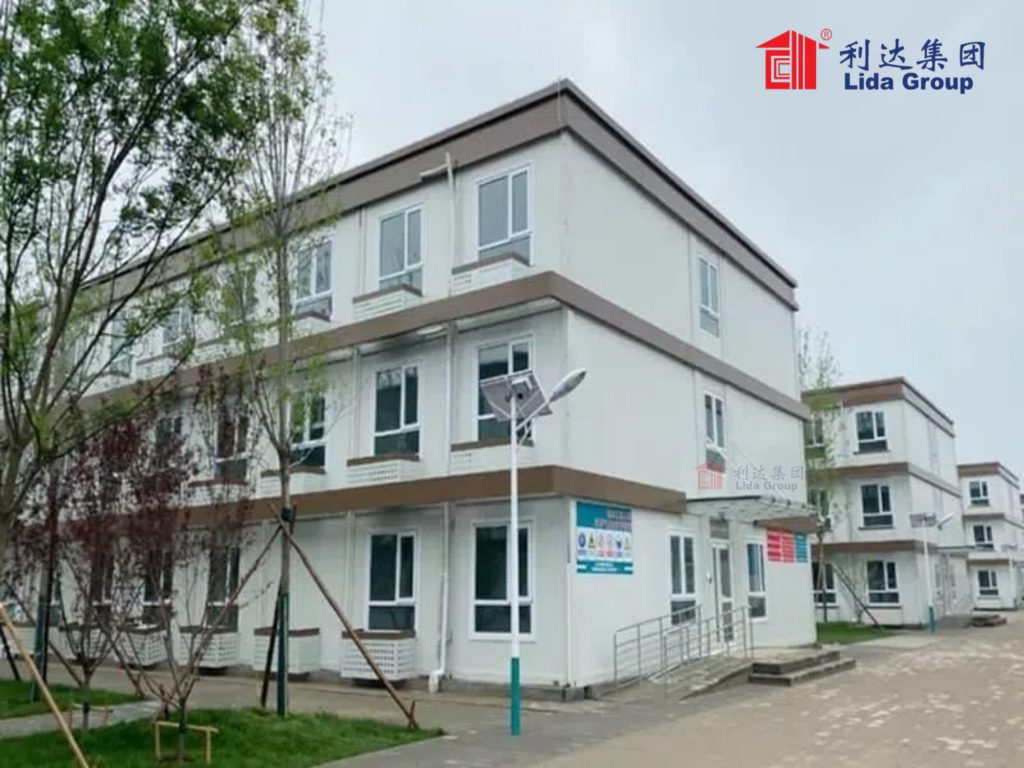
Lida Group’s commitment to delivering an efficient prefabricated container worker camp extends beyond design and production. The company provides comprehensive services throughout the entire project lifecycle—from production and logistics to on-site assembly and after-sales support—ensuring that enterprises receive a seamless and cost-effective experience.
6.1 Efficient Production: Ensuring Timely Delivery
Lida Group’s state-of-the-art production facilities enable mass production of worker camp modules, ensuring that enterprises receive their orders in a timely manner. The company’s automated production lines reduce production time by 40% compared to traditional manual methods, and lean manufacturing principles minimize waste, further reducing costs. For example, a batch of 100 camp modules can be produced in just 1 week, ensuring that enterprises can deploy the camp as soon as they are needed.
Lida Group also leverages local material sourcing to reduce production time and costs. The company works with local suppliers in key markets to source materials such as steel, insulation, and interior finishes, ensuring that materials are readily available and reducing transportation costs. This local sourcing also supports local economies, aligning with Lida’s commitment to sustainable development.
6.2 Global Logistics: Delivering to Remote On-Site Locations
Lida Group’s global logistics network—with warehouses and transportation partners in 152 countries—ensures that worker camp modules can be delivered to even the most remote on-site locations at affordable prices. The company optimizes shipping routes to reduce transportation costs, and uses standard container dimensions to enable efficient stacking and shipping. For sites with limited accessibility (such as remote mining sites or mountainous regions), Lida Group uses lightweight modular units that can be transported using small trucks or helicopters, further reducing transportation costs and delays.
Additionally, Lida Group offers flexible shipping options, allowing enterprises to choose between sea, land, or air transportation based on their budget and timeline. The company’s logistics team works closely with clients to ensure that modules arrive in good condition, with proper packaging and handling to prevent damage during transportation. For offshore projects, Lida Group partners with specialized marine transportation companies to ensure safe and timely delivery of modules to offshore sites.
6.3 Professional On-Site Assembly
Lida Group provides a professional on-site assembly team to ensure that worker camp modules are installed quickly and efficiently. The team consists of experienced workers who are proficient in modular assembly and have years of experience in diverse on-site environments—from deserts and mountains to offshore platforms. The assembly process is designed to be simple and efficient, with modules connected using high-strength bolts and pre-installed electrical and plumbing connections. A single team of 6 workers can assemble 15-20 modules in a single day, reducing labor costs and ensuring that the camp is operational as quickly as possible.
The assembly team also minimizes environmental impact during installation, sorting and recycling waste on-site and using dust suppression systems to reduce air pollution. This environmentally friendly approach aligns with Lida Group’s commitment to sustainability and ensures that the installation process does not harm the local environment.
6.4 Comprehensive After-Sales Support
Lida Group’s after-sales support services are designed to ensure that the worker camp remains durable and functional for decades. The company provides a detailed maintenance manual that guides enterprises on regular inspections, maintenance, and troubleshooting. The manual includes step-by-step instructions on how to inspect the steel frame, check the waterproofing, and maintain electrical and plumbing systems.
Lida Group also offers annual on-site inspection services, where a professional maintenance team visits the site to check the integrity of the camp and address any issues. If any problems are found, the team promptly carries out repairs—preventing small issues from becoming costly repairs. The company also offers 24/7 emergency support, ensuring that enterprises can access assistance at any time in the event of an emergency, such as severe weather damage or system failures.
To back its commitment to durability, Lida Group offers a comprehensive warranty: 50 years for the steel frame, 10 years for auxiliary materials (such as insulation panels and coatings), and 5 years for electrical and plumbing systems. This warranty ensures that enterprises are protected against any manufacturing or construction defects, giving them peace of mind that their investment is secure.
7. Market Impact and Future Prospects
Lida Group’s efficient prefabricated container worker camp has had a significant impact on the global on-site accommodation market, addressing the critical need for efficient, durable, and cost-effective worker housing. As the global construction, mining, and infrastructure industries continue to grow—driven by urbanization, population growth, and the need for new infrastructure—the demand for on-site worker accommodation solutions that improve efficiency and worker welfare is expected to increase. Lida Group’s worker camp is well-positioned to capture a significant share of this market, thanks to its unique combination of efficiency, durability, comfort, and cost-effectiveness.
7.1 Market Impact
The global modular construction market for on-site worker accommodation is expected to grow at a CAGR of 9.5% between 2025 and 2030, with efficient prefabricated solutions being a key growth segment. Lida Group’s worker camp is well-positioned to capitalize on this growth, as it addresses the core pain points of traditional worker camps and delivers tangible value to enterprises.
The camp has also had a positive impact on worker welfare. By providing comfortable, safe, and dignified living conditions, Lida’s solution improves workers’ physical and mental health, reduces staff turnover, and increases work efficiency—ultimately benefiting enterprises by reducing costs and improving project outcomes. For enterprises, the camp offers a cost-effective alternative to traditional temporary camps, saving money on materials, labor, and maintenance.
Additionally, Lida’s worker camp has a positive environmental impact. By using recycled materials and energy-efficient design, the camp reduces carbon emissions and waste, aligning with global “net-zero” carbon goals. The long service life of the camp also reduces the need for frequent replacement, further reducing environmental impact. This sustainability focus has made Lida’s solution particularly attractive to enterprises with strong environmental, social, and governance (ESG) commitments.
7.2 Future Prospects
Lida Group is committed to continuous innovation, and its efficient prefabricated container worker camp is just the first step in its expansion into the global on-site accommodation market. The company plans to invest further in R&D to enhance the camp’s features, including:
-
Integration of smart technologies, such as IoT sensors to monitor temperature, humidity, air quality, and energy usage, allowing enterprises to optimize camp operations and improve worker comfort.
-
Development of more energy-efficient solutions, such as solar PV panels and battery storage systems, to make the camp fully off-grid and reduce long-term operational costs.
-
Expansion of customization options to meet the unique needs of different industries, such as offshore oil and gas, mining, and renewable energy projects.
-
Enhanced mobility features, such as modular units that can be easily transported by air for extremely remote sites, and quick-disconnect systems for faster relocation.
Lida Group also plans to expand its global footprint, opening new production bases and branch offices in key markets such as Africa, Southeast Asia, and Latin America—regions with high demand for on-site worker accommodation. The company will also strengthen partnerships with enterprises, governments, and international organizations to promote the adoption of its efficient prefabricated container worker camp, particularly in areas with large-scale infrastructure projects.
8. Conclusion
Lida Group’s efficient prefabricated container worker camp represents a transformative solution to the long-standing challenge of on-site worker accommodation. By leveraging advanced MiC technology, digital design, and innovative materials, Lida Group has created a worker camp that is efficient, durable, comfortable, and cost-effective—addressing the core pain points of traditional worker camps and improving the lives of on-site workers worldwide.
This worker camp is more than just a housing solution; it is a comprehensive, turnkey solution that enables enterprises to quickly deploy a fully functional living complex, reduce costs, and improve worker welfare. The core features of rapid deployment, superior durability, comprehensive comfort, and cost-effectiveness make Lida’s worker camp the preferred choice for enterprises in construction, mining, oil and gas, and other industries that require on-site worker accommodation.
The global application cases demonstrate the real-world effectiveness of Lida’s worker camp, showing that it can adapt to diverse environments, meet the needs of different projects, and deliver tangible value to both enterprises and workers. Backed by Lida Group’s 32 years of expertise in modular construction, advanced technological innovations, and comprehensive end-to-end services, this worker camp is poised to transform the way on-site workers live and work.
As the global on-site accommodation market continues to grow, Lida Group’s efficient prefabricated container worker camp is well-positioned to lead the industry. With ongoing innovation and a commitment to excellence, Lida Group is not only delivering value to its clients but also driving positive change in the industry—ensuring that the workers who build our infrastructure have access to safe, dignified, and comfortable living conditions. By prioritizing efficiency, durability, and worker welfare, Lida Group is setting a new standard for on-site worker accommodation, one camp at a time.
Related news
-
Lida Group Delivers Mobile Modular Container Dormitory for Construction Site Labor
2026-04-24 16:23:23
-
Prefabricated Container Worker Camp Solutions by Lida Group Ensure Fast Deployment
2026-04-24 14:31:39
-
Low Cost Container House Meets Durability in New Lida Group Designs
2026-04-24 15:00:49
contact us
- Tel: +86-532-88966982
- Whatsapp: +86-13793209022
- E-mail: sales@lidajituan.com
