



Low Cost Container House Meets Durability in New Lida Group Designs
2026-Apr-24 15:00:49
By Admin
In the global housing market, the demand for affordable, durable, and sustainable housing solutions has never been more pressing. Rapid urbanization, population growth, and the need for cost-effective housing in both developing and developed countries have pushed the construction industry to seek innovative alternatives to traditional brick-and-mortar buildings. Container houses, once limited to temporary storage or remote worker accommodation, have emerged as a viable solution—but many existing designs sacrifice either cost-effectiveness for durability or vice versa. Recognizing this critical gap, Lida Group, a global leader in integrated metal building solutions with over 32 years of expertise, has launched new low-cost container house designs that seamlessly blend affordability with uncompromising durability, redefining the standards for accessible, long-lasting housing.
Lida Group’s new low-cost container houses address the core pain points of the market: high construction costs, short service life, and poor adaptability to diverse environments. By leveraging advanced prefabrication technologies, optimized material selection, and streamlined production processes, the company has created housing solutions that are not only budget-friendly but also built to withstand harsh weather conditions, heavy usage, and the test of time. These designs cater to a wide range of applications, from low-income residential housing and rural settlements to temporary shelters, small commercial spaces, and disaster relief housing—providing a practical, cost-effective option for individuals, communities, and organizations worldwide.
This article provides a comprehensive overview of Lida Group’s new low-cost, durable container house designs, exploring their core features, technological innovations, material selection strategies, design optimizations, global application cases, and market impact. By examining how Lida Group balances cost efficiency with durability, readers will gain a clear understanding of how these innovative designs are transforming the affordable housing landscape and why they have become a preferred choice for cost-conscious yet quality-focused clients.
1. Lida Group: A Trusted Pioneer in Affordable, Durable Modular Housing
To fully appreciate the innovation behind Lida Group’s new low-cost container houses, it is essential to recognize the company’s decades-long expertise in modular construction, material science, and cost optimization. Founded in 1993, Lida Group has evolved from a regional construction materials manufacturer to a global integrated solution provider specializing in prefabricated container buildings, metal frame structures, and sustainable construction technologies. With over 32 years of experience, the company has completed more than 10,000 projects in 152 countries and regions, earning a reputation for delivering high-quality, cost-effective solutions that meet the diverse needs of clients across industries.
Lida Group’s core competitive advantage lies in its ability to balance cost, quality, and durability—a skill honed through years of research and development (R&D) and hands-on project experience. The company allocates 8% of its annual revenue to R&D, focusing on optimizing production processes, developing cost-effective materials, and enhancing the durability of modular structures. This commitment to innovation has enabled Lida Group to overcome the traditional trade-off between low cost and long-term performance, creating container houses that are both affordable and built to last.
What sets Lida Group apart from competitors is its end-to-end capabilities, from design and material sourcing to production, logistics, and after-sales support. The company operates state-of-the-art production facilities—including a 30,000-square-meter factory dedicated to modular container production—equipped with advanced automated equipment such as CNC cutting machines, automatic welding robots, and precision testing tools. This automation not only reduces production costs by minimizing labor errors and waste but also ensures consistent quality, a key factor in delivering durable low-cost housing.
Lida Group’s global presence further strengthens its ability to deliver affordable solutions. With branch offices, production bases, and logistics partners in key markets—including Saudi Arabia, Dubai, Chile, Nigeria, Malaysia, and the United States—the company can source materials locally, reduce transportation costs, and deliver container houses to even the most remote regions at competitive prices. This global network, combined with a 99.8% customer satisfaction rate over the past decade and 85% client retention rate, positions Lida Group as a trusted partner for affordable, durable container housing solutions.
2. Core Design Principles: Balancing Low Cost and Durability
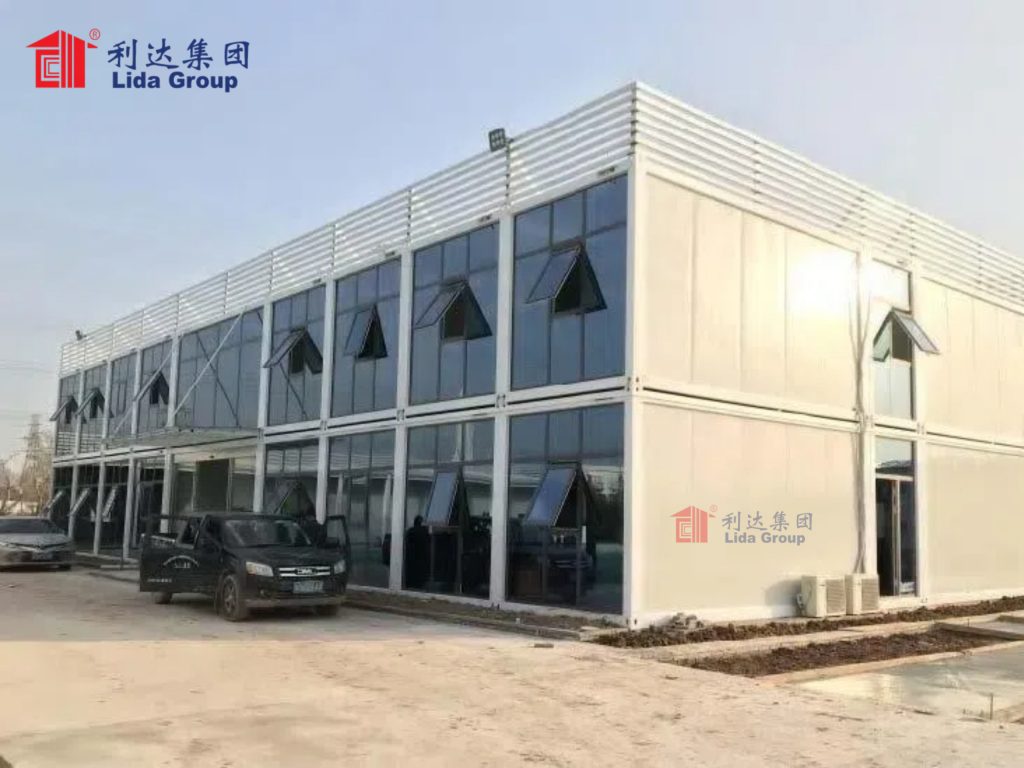
Lida Group’s new low-cost container house designs are guided by three core principles: cost optimization, structural durability, and functional adaptability. Every aspect of the design—from material selection to structural engineering and production processes—is engineered to minimize costs without compromising on the house’s ability to withstand wear, weather, and time. Below are the key design principles that enable this balance, along with the specific features that make Lida’s container houses stand out in the market.
2.1 Cost Optimization: Streamlining Every Stage to Reduce Expenses
Lida Group’s approach to low-cost design is rooted in efficiency—eliminating waste, leveraging economies of scale, and using cost-effective yet high-performance materials. Unlike traditional container house manufacturers that cut corners on quality to reduce costs, Lida Group optimizes every环节 of the design and production process to achieve affordability without sacrificing durability.
One of the key cost-saving strategies is the use of standardized modular design. All container houses are built to international standard dimensions (20ft or 40ft), which are compatible with global shipping and transportation networks. This standardization reduces design costs, as the same basic module can be adapted for multiple applications, and minimizes transportation costs by allowing efficient stacking and shipping. Additionally, standardized modules enable mass production, which lowers unit costs by spreading fixed production expenses across a larger number of units. For example, a 20ft low-cost container house from Lida Group can be produced at a 30% lower cost than custom-designed container houses, thanks to standardized production processes.
Another critical cost-saving measure is optimized material sourcing. Lida Group partners with trusted suppliers to source high-quality yet affordable materials, focusing on recycled and locally available materials where possible. The company uses recycled Q355 grade steel for the container frames—recycled steel costs 20-25% less than virgin steel while maintaining the same strength and durability. Additionally, Lida Group uses cost-effective insulation materials, such as high-density rock wool panels, which provide excellent thermal performance at a lower cost than premium insulation options. These material choices reduce upfront costs without compromising the house’s structural integrity or energy efficiency.
Streamlined production processes further contribute to cost optimization. Lida Group’s automated production lines reduce labor costs by 40% compared to traditional manual production, as robots handle tasks such as cutting, welding, and assembly with greater efficiency and precision. The company also implements lean manufacturing principles, minimizing waste in materials and time. For example, leftover steel from cutting processes is recycled and reused, reducing material waste by up to 15%. These efficiency gains are passed on to clients, resulting in low-cost container houses that are affordable for individuals and organizations with limited budgets.
2.2 Structural Durability: Built to Withstand the Test of Time
While cost optimization is a priority, Lida Group’s new container house designs do not compromise on durability. The company’s engineers have developed structural systems that are built to withstand harsh environmental conditions, heavy usage, and long-term wear—ensuring that the houses have a service life of 30-50 years, comparable to traditional brick-and-mortar buildings.
The foundation of the container house’s durability is its steel frame. Lida Group uses high-strength Q355 recycled steel for the frame, which offers exceptional strength, ductility, and corrosion resistance. The frame is treated with a hot-dip galvanization coating and an eco-friendly anti-rust paint, which protects it from salt spray, high humidity, and extreme temperatures (ranging from -30°C to 45°C). This treatment ensures that the frame does not corrode or deteriorate over time, even in coastal or humid regions. Additionally, the frame is designed to be earthquake-resistant (up to 8 degrees) and wind-resistant (up to 150 mph/240 km/h), making it suitable for use in disaster-prone areas.
The walls and roof of the container house are also engineered for durability. Lida Group uses composite wall panels consisting of a steel outer layer, high-density rock wool insulation, and a fire-resistant inner layer. These panels are not only lightweight and cost-effective but also resistant to fire, water, and impact. The roof is equipped with a high-performance waterproof membrane and reinforced with steel beams to withstand heavy rainfall, snowfall, and strong winds. This combination of materials ensures that the house remains structurally sound and leak-free for decades.
Quality control is another key factor in ensuring durability. Lida Group’s quality control system is certified to ISO 9001, the international standard for quality management, and includes a three-level testing process. All materials are inspected upon arrival at the factory, with samples sent to third-party testing institutions (such as SGS, TUV, and BV) for verification. During production, each module is inspected at every stage, from steel cutting and welding to interior fitting. Before delivery, each container house is fully assembled and tested for functionality, ensuring that it meets Lida’s strict durability standards. This rigorous quality control ensures that every container house is built to last, even in the harshest conditions.
2.3 Functional Adaptability: Maximizing Value Without Increasing Cost
Lida Group’s low-cost container houses are not only affordable and durable but also functionally adaptable, making them suitable for a wide range of applications. The modular design allows for easy customization, enabling clients to adjust the layout, size, and amenities to meet their specific needs—without incurring significant additional costs. This adaptability ensures that the container houses provide long-term value, as they can be repurposed or expanded as needs change.
The container houses are available in multiple configurations, including single-room, two-room, and multi-room designs, with customizable floor plans. For low-income residential use, the houses can be equipped with basic amenities such as beds, storage cabinets, and a small kitchenette. For commercial use, they can be converted into small shops, offices, or clinics. For disaster relief, they can be quickly deployed as temporary shelters with essential amenities such as water purification systems and emergency lighting. This flexibility means that clients can invest in a single container house and adapt it to different uses over time, maximizing their return on investment.
Additionally, Lida Group’s container houses are designed to be energy-efficient, reducing long-term operational costs. The high-density rock wool insulation reduces energy consumption for heating and cooling by up to 60% compared to traditional container houses. The houses can also be equipped with optional energy-saving features such as LED lighting, solar PV panels, and rainwater collection systems—further reducing utility costs for users. These energy-efficient design elements not only lower long-term expenses but also align with global sustainability goals, making the container houses an environmentally friendly option.
3. Technological Innovations: Driving Affordability and Durability
Lida Group’s ability to balance low cost and durability is largely driven by advanced technological innovations in design, production, and material science. The company’s investment in R&D has led to the integration of cutting-edge technologies that streamline production, enhance structural performance, and reduce costs—ensuring that its container houses are both affordable and long-lasting.
3.1 MiC (Modular Integrated Construction) Technology
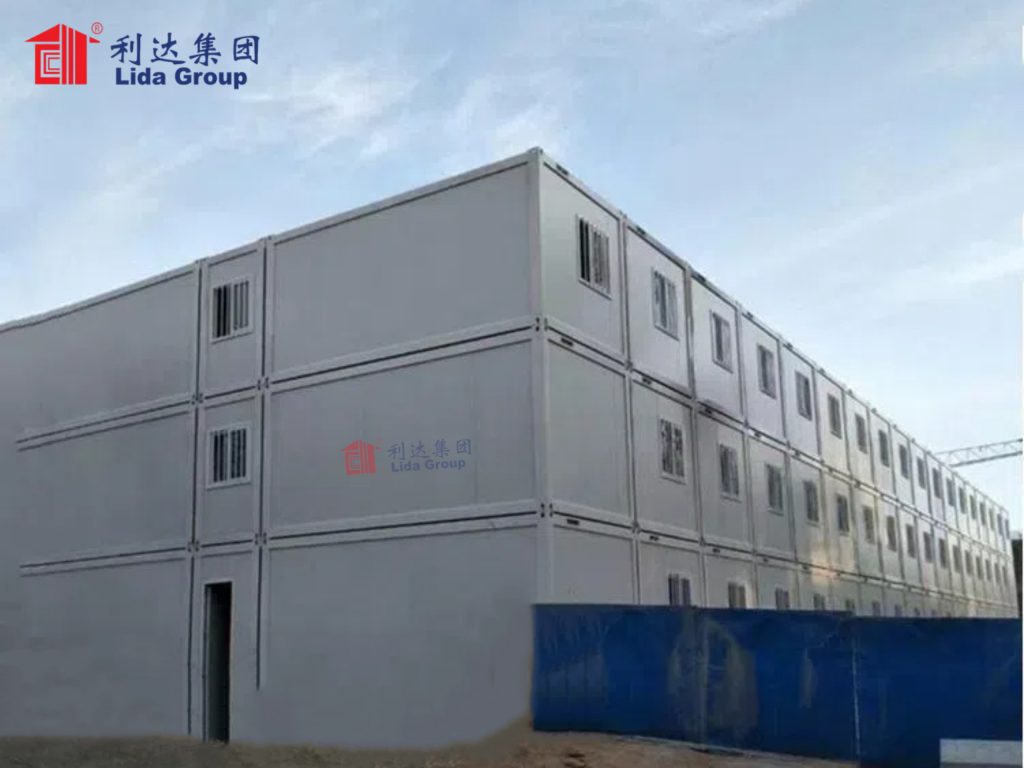
Lida Group has adopted MiC (Modular Integrated Construction) technology for the production of its low-cost container houses. MiC is an advanced construction method that involves manufacturing entire building modules in a controlled factory environment before transporting them to the site for assembly. This technology is a key enabler of both cost efficiency and durability, as it eliminates the need for extensive on-site construction work and ensures consistent quality.
Each MiC module is fully finished in the factory, including all structural components, interior fittings, electrical systems, and plumbing. This means that once the modules arrive on-site, they only need to be connected using high-strength bolts—reducing on-site construction time by up to 70% compared to traditional methods. This reduction in on-site work not only lowers labor costs but also minimizes the risk of weather delays and human error, ensuring that the container houses are built to exact specifications.
MiC technology also allows for precise quality control, as each module is inspected in the factory before delivery. This ensures that every component meets Lida’s strict durability standards, from the steel frame to the insulation and interior fittings. Additionally, MiC technology enables mass production, which lowers unit costs by leveraging economies of scale. For example, Lida Group can produce 100 container house modules in just 2 weeks, reducing production costs by 30% compared to manual production methods.
3.2 Digitalization and Intelligent Design
Lida Group uses AI-driven design software and BIM (Building Information Modeling) 4.0 technology to optimize the design of its low-cost container houses. BIM technology creates a 3D model of the container house that integrates all design, production, and construction data, allowing the design team to simulate the performance of the house under various environmental conditions—such as extreme temperatures, strong winds, and seismic activity.
This simulation helps identify potential weak points in the design before production begins, allowing engineers to optimize the structure for durability while minimizing material usage. For example, the BIM model can simulate how the steel frame will perform during an earthquake, enabling engineers to adjust the frame’s design to enhance its strength without adding unnecessary material (and thus increasing costs). AI-driven design software also allows Lida Group to generate multiple design schemes based on factors such as budget, size, and intended use, selecting the optimal solution that balances cost and durability.
Digitalization also enables seamless collaboration between the design, production, and construction teams, reducing errors and ensuring that every module fits perfectly during assembly. This eliminates the need for on-site adjustments, further reducing costs and ensuring that the container houses are built to the highest quality standards.
3.3 Advanced Material Technologies
Lida Group’s commitment to material innovation plays a crucial role in balancing low cost and durability. The company has developed and adopted advanced materials that offer high performance at a lower cost, ensuring that its container houses are both affordable and long-lasting.
One of the key material innovations is the use of recycled Q355 steel with a modified hot-dip galvanization process. This process involves coating the steel frame with a thicker layer of zinc, which enhances its corrosion resistance by 50% compared to traditional galvanization methods. Despite this enhanced durability, the modified process costs only 10% more than traditional galvanization, making it a cost-effective way to improve the container house’s service life.
Lida Group also uses a new type of composite insulation material, which combines rock wool with recycled plastic fibers. This material offers the same thermal performance as premium insulation options but costs 25% less. Additionally, the composite material is more resistant to moisture and mold, ensuring that the container house remains comfortable and durable even in humid environments.
Another material innovation is the use of eco-friendly, low-cost interior finishes. Lida Group uses recycled wood panels and non-toxic paint for the interior of the container houses, which are not only affordable but also safe for occupants and the environment. These materials are easy to clean and maintain, reducing long-term maintenance costs for users.
4. Design Highlights: Tailored for Affordability, Durability, and Comfort
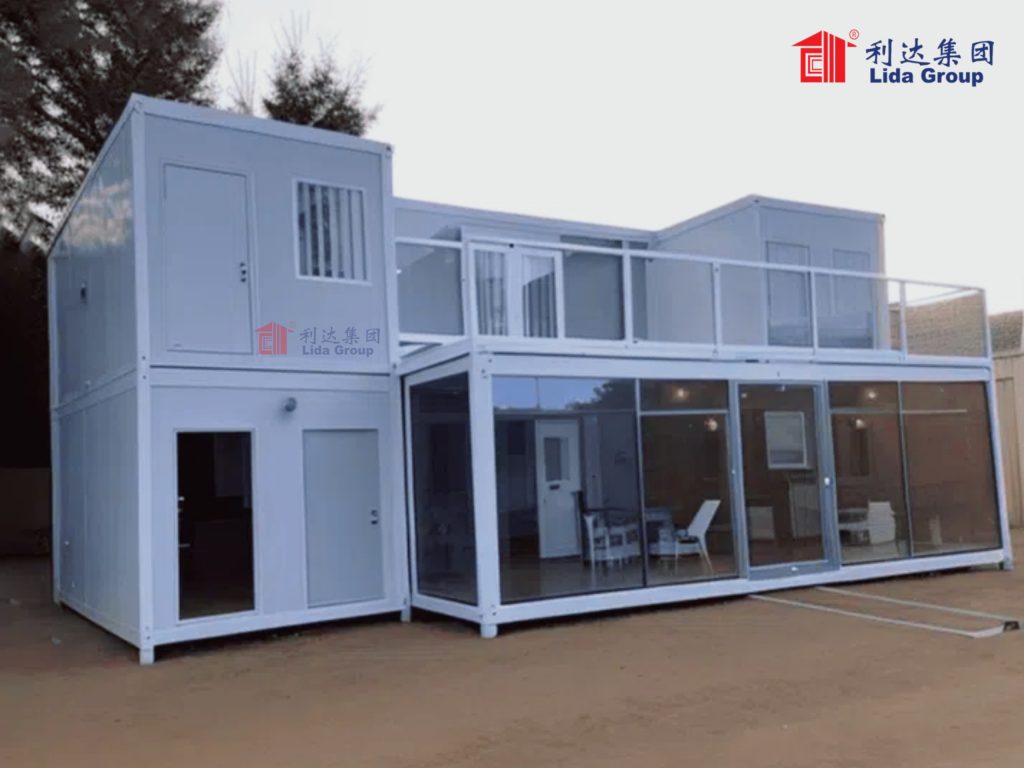
Lida Group’s new low-cost container house designs incorporate several key highlights that enhance their affordability, durability, and comfort—ensuring that they meet the needs of users while remaining budget-friendly. These design highlights are tailored to address the unique challenges of affordable housing, from harsh environmental conditions to limited resources.
4.1 Weather-Resistant Design for Diverse Environments
Lida Group’s container houses are designed to adapt to diverse environmental conditions, ensuring durability in hot, cold, humid, and dusty regions. In hot and humid regions (such as Nigeria or Southeast Asia), the houses are equipped with enhanced ventilation systems, heat-resistant insulation, and anti-corrosion coatings to prevent mold and deterioration. The walls and roof are designed to reflect sunlight, reducing indoor temperatures by up to 10°C and lowering energy costs for cooling.
In cold regions (such as remote areas of Chile or Canada), the houses feature thick thermal insulation, radiant heating systems, and wind-resistant windows to ensure indoor comfort. The steel frame is reinforced to withstand heavy snowfall, and the roof is sloped to prevent snow accumulation. In coastal regions, the container houses are treated with extra anti-corrosion coatings to protect against salt spray, ensuring that the steel frame remains durable for decades.
In dusty environments (such as construction sites or rural areas), the houses are equipped with dust-proof ventilation systems and air filters to keep the interior clean. The exterior surfaces are easy to clean, reducing maintenance costs for users. These weather-resistant design elements ensure that the container houses remain functional and durable regardless of the environment, making them suitable for use worldwide.
4.2 Low-Maintenance Design to Reduce Long-Term Costs
Lida Group’s container houses are designed to be low-maintenance, reducing long-term operational costs for users. The steel frame, walls, and roof are resistant to rot, mold, and pest infestations, eliminating the need for frequent repairs. The exterior anti-rust coating requires only occasional touch-ups, and the interior finishes are easy to clean and replace if needed.
The electrical and plumbing systems are designed to be durable and easy to maintain, with accessible components that can be quickly repaired or replaced. Lida Group also provides a detailed maintenance manual that guides users on regular inspections and simple maintenance tasks, such as checking the roof for leaks or cleaning the ventilation filters. This low-maintenance design ensures that users can enjoy a durable, comfortable home without incurring high maintenance costs over time.
4.3 Space-Optimized Design for Maximum Functionality
Despite their low cost, Lida Group’s container houses are designed to maximize space utilization, ensuring that users have enough room for living, working, and storage. The modular design allows for flexible floor plans, with options to add or remove modules as needed. For example, a 20ft container house can be configured as a single bedroom with a small kitchen and bathroom, while a 40ft container house can be split into two bedrooms, a living area, and a kitchen.
The interior design incorporates built-in storage solutions, such as wall-mounted cabinets and under-bed storage, to maximize space. Large windows and skylights allow natural light to enter, making the interior feel spacious and bright. The high ceilings (up to 2.8 meters) also enhance the sense of space, ensuring that the container house feels comfortable and not cramped. This space-optimized design ensures that users get the most value out of their investment, even with a limited budget.
4.4 Inclusive Design for All Users
Lida Group is committed to creating inclusive housing solutions, and its low-cost container houses are designed to be accessible to users with disabilities. The houses include ramps for wheelchair access, wide doorways, and accessible bathrooms with grab bars and non-slip flooring. The interior is designed to be easy to navigate, with clear signage and adequate lighting. These inclusive design elements ensure that all users—regardless of ability—can live comfortably and safely in the container houses, making them a suitable option for communities with diverse needs.

5. Global Application Cases: Proving Affordability and Durability in Real-World Scenarios
To demonstrate the effectiveness of its low-cost, durable container house designs, Lida Group has deployed these solutions in several projects worldwide. These case studies highlight how the container houses have delivered on their promise of affordability and durability, addressing the unique needs of clients in different regions and applications.
5.1 Case Study 1: Low-Income Residential Housing in Kenya
A non-governmental organization (NGO) in Kenya partnered with Lida Group to provide low-cost housing for low-income families in Nairobi’s slums. The NGO needed a housing solution that was affordable (under $5,000 per unit), durable enough to withstand Kenya’s hot and humid climate, and easy to deploy. Traditional housing options in the area were either too expensive or too fragile, unable to withstand heavy rainfall and strong winds.
Lida Group provided 50 low-cost container house modules, each 20ft in size, configured as single-bedroom units with a small kitchen and bathroom. The modules were built using recycled Q355 steel, composite insulation, and eco-friendly interior finishes, with a total cost of $4,800 per unit—well within the NGO’s budget. The container houses were equipped with enhanced ventilation systems and heat-resistant insulation to adapt to Kenya’s hot climate, and the steel frames were treated with anti-corrosion coatings to withstand humidity.
The entire project was deployed in just 14 days, with Lida Group’s on-site assembly team ensuring quick and efficient installation. After two years of use, the container houses remain in excellent condition, with no signs of corrosion or structural damage. The families living in the houses report that the homes are comfortable, energy-efficient, and easy to maintain. The NGO has since ordered an additional 100 container houses, citing their affordability, durability, and adaptability as key factors in their decision.
5.2 Case Study 2: Rural Settlement Housing in Vietnam
The Vietnamese government partnered with Lida Group to provide affordable housing for rural communities in the Mekong Delta region. The region is prone to flooding and high humidity, requiring housing solutions that are durable, flood-resistant, and affordable. Traditional wooden houses in the area often rot within 5-10 years, requiring frequent replacement and increasing long-term costs for families.
Lida Group provided 200 low-cost container house modules, configured as two-bedroom units with a living area and kitchen. The modules were elevated on steel supports to prevent flood damage, and the steel frames were treated with a modified hot-dip galvanization process to enhance corrosion resistance. The walls and roof were equipped with waterproof membranes and high-density insulation to withstand heavy rainfall and humidity.
The total cost per unit was $6,500, which was 30% lower than traditional brick-and-mortar houses in the region. The container houses were deployed in just 21 days, with Lida Group’s local production base reducing transportation costs. After three years of use, the container houses have withstood several floods and heavy rains without any structural damage. The rural families report that the homes are warm in winter, cool in summer, and require minimal maintenance. The Vietnamese government has expanded the project to other rural regions, selecting Lida Group’s container houses as the preferred low-cost, durable housing solution.
5.3 Case Study 3: Temporary Shelter for Disaster Relief in Nepal
In 2024, a major earthquake struck Nepal, displacing thousands of people and destroying local housing. An international relief organization partnered with Lida Group to deploy temporary shelters for disaster victims. The shelters needed to be affordable, durable enough to withstand aftershocks and harsh weather, and quick to deploy.
Lida Group delivered 100 low-cost container house modules within 72 hours of the earthquake, each equipped with basic amenities such as beds, storage, and a small kitchenette. The modules were designed with 8-degree earthquake resistance, ensuring safety during aftershocks. The steel frames were treated with anti-corrosion coatings to withstand Nepal’s humid climate, and the walls were equipped with insulation to keep the interior warm during cold nights.
The total cost per module was $3,500, making it an affordable option for the relief organization. The entire shelter camp was assembled in just 5 days, providing immediate housing for 400 disaster victims. After one year of use, the container houses remain in excellent condition, and many have been repurposed as permanent housing for families whose homes were not rebuilt. The relief organization praised the container houses’ durability, affordability, and quick deployment, noting that they provided a dignified and safe living environment for disaster victims.
5.4 Case Study 4: Small Commercial Space in Brazil
A small business owner in Brazil needed an affordable, durable commercial space to open a convenience store in a rural area. Traditional commercial buildings were too expensive, and temporary structures were not durable enough to withstand Brazil’s hot and rainy climate. The business owner partnered with Lida Group to deploy a low-cost container house converted into a commercial space.
Lida Group provided a 40ft container house module, customized with large display windows, a counter, and storage space. The module was built using recycled steel and composite insulation, with a total cost of $8,000—50% lower than the cost of a traditional brick-and-mortar store. The container house was equipped with a ventilation system and heat-resistant insulation to keep the interior cool, and the exterior was painted with a weather-resistant coating to withstand rain and sun.
The store was deployed in just 3 days, allowing the business owner to open quickly and start generating revenue. After two years of operation, the container house remains in perfect condition, with no signs of wear or damage. The business owner reports that the store is energy-efficient, easy to maintain, and has attracted more customers due to its modern design. This case study demonstrates that Lida Group’s low-cost container houses are not only suitable for residential use but also for small commercial applications, providing an affordable, durable alternative to traditional commercial buildings.
6. Production, Logistics, and After-Sales Support: Ensuring Affordability and Durability
Lida Group’s commitment to delivering affordable, durable container houses extends beyond design and production. The company provides comprehensive services throughout the entire project lifecycle—from production and logistics to on-site assembly and after-sales support—ensuring that clients receive a seamless and cost-effective experience.
6.1 Efficient Production for Cost Savings
Lida Group’s state-of-the-art production facilities enable mass production of container house modules, ensuring that clients receive their orders in a timely manner at competitive prices. The company’s automated production lines reduce production time by 40% compared to traditional manual methods, and lean manufacturing principles minimize waste, further reducing costs. For example, a batch of 50 container house modules can be produced in just 1 week, reducing unit costs by 30% compared to small-scale production.
Lida Group also leverages local material sourcing to reduce costs. The company works with local suppliers in key markets to source materials such as steel, insulation, and interior finishes, reducing transportation costs and supporting local economies. This local sourcing also ensures that materials are readily available, reducing production delays and ensuring timely delivery.
6.2 Global Logistics for Affordable Delivery
Lida Group’s global logistics network—with warehouses and transportation partners in 152 countries—ensures that container house modules can be delivered to even the most remote sites at affordable prices. The company optimizes shipping routes to reduce transportation costs, and uses standard container dimensions to enable efficient stacking and shipping. For sites with limited accessibility, Lida Group uses lightweight modular units that can be transported using small trucks or helicopters, further reducing transportation costs and delays.
Additionally, Lida Group offers flexible shipping options, allowing clients to choose between sea, land, or air transportation based on their budget and timeline. The company’s logistics team works closely with clients to ensure that modules arrive in good condition, with proper packaging and handling to prevent damage during transportation.
6.3 Professional On-Site Assembly
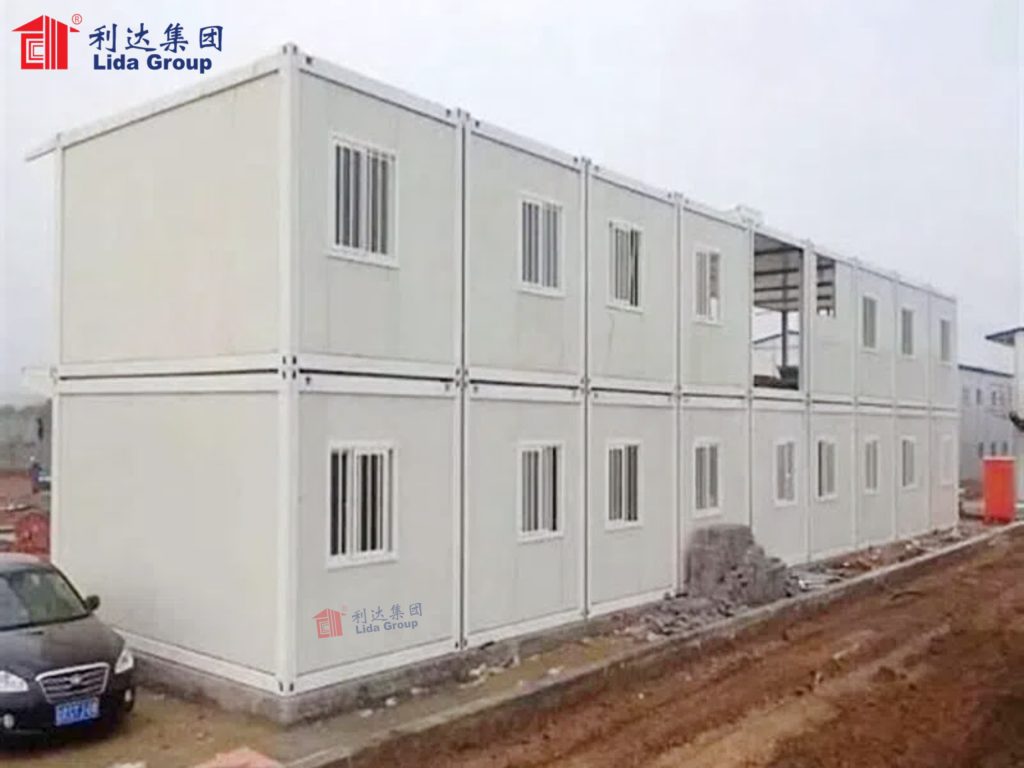
Lida Group provides a professional on-site assembly team to ensure that container houses are installed quickly and efficiently. The team consists of experienced workers who are proficient in modular assembly and have years of experience in diverse environments. The assembly process is designed to be simple and efficient, with modules connected using high-strength bolts and pre-installed electrical and plumbing connections. A single team of 4 workers can assemble 5 modules in a single day, reducing labor costs and ensuring that the container houses are operational as quickly as possible.
The assembly team also minimizes environmental impact during installation, sorting and recycling waste on-site and using dust suppression systems to reduce air pollution. This environmentally friendly approach aligns with Lida Group’s commitment to sustainability and ensures that the installation process does not harm the local environment.
6.4 Comprehensive After-Sales Support
Lida Group’s after-sales support services are designed to ensure that container houses remain durable and functional for decades. The company provides a detailed maintenance manual that guides clients on regular inspections, maintenance, and troubleshooting. The manual includes step-by-step instructions on how to inspect the steel frame, check the waterproofing, and maintain electrical and plumbing systems.
Lida Group also offers annual on-site inspection services, where a professional maintenance team visits the site to check the integrity of the container house and address any issues. If any problems are found, the team promptly carries out repairs—preventing small issues from becoming costly repairs. The company also offers 24/7 emergency support, ensuring that clients can access assistance at any time in the event of an emergency, such as severe weather damage or system failures.
To back its commitment to durability, Lida Group offers a comprehensive warranty: 50 years for the steel frame, 10 years for auxiliary materials (such as insulation panels and coatings), and 5 years for electrical and plumbing systems. This warranty ensures that clients are protected against any manufacturing or construction defects, giving them peace of mind that their investment is secure.
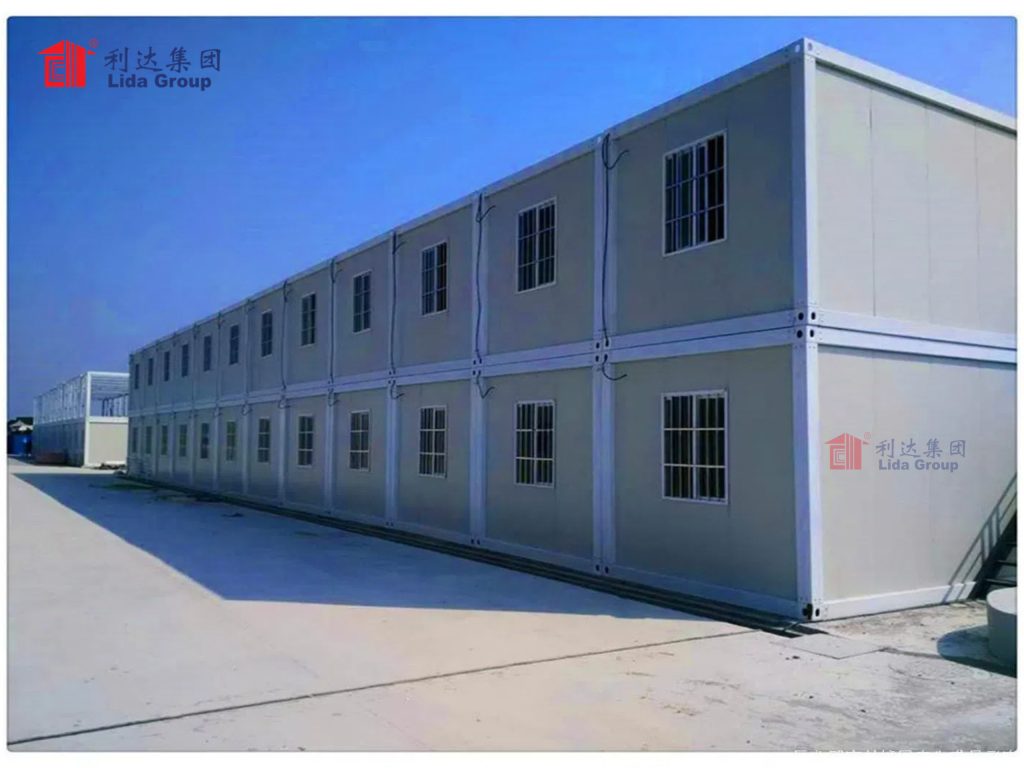
7. Market Impact and Future Prospects
Lida Group’s new low-cost, durable container house designs have had a significant impact on the global affordable housing market, addressing the critical need for cost-effective, long-lasting housing solutions. As the global demand for affordable housing continues to grow—driven by urbanization, population growth, and economic challenges—Lida Group’s designs are well-positioned to capture a significant share of the market and drive positive change in the construction industry.
7.1 Market Impact
The global modular housing market is expected to grow at a CAGR of 8.5% between 2025 and 2030, with low-cost modular housing being a key growth segment. Lida Group’s container house designs are well-positioned to capitalize on this growth, thanks to their unique balance of affordability and durability. The company’s solutions have already made a difference in developing countries, where low-income families and communities have access to safe, durable housing at a fraction of the cost of traditional buildings.
Lida Group’s container houses also have a positive impact on the environment. By using recycled materials and energy-efficient design, the houses reduce carbon emissions and waste, aligning with global “net-zero” carbon goals. The long service life of the houses also reduces the need for frequent replacement, further reducing environmental impact. For governments and NGOs, the container houses offer a cost-effective solution for addressing housing shortages, disaster relief, and rural development—helping to improve the quality of life for millions of people worldwide.
7.2 Future Prospects
Lida Group is committed to continuous innovation, and its low-cost container house designs are just the first step in its expansion into the affordable housing market. The company plans to invest further in R&D to enhance the designs’ features, including:
-
Further cost optimization through the development of new, low-cost materials and production processes, aiming to reduce the cost of container houses by an additional 15-20% over the next five years.
-
Enhanced durability through the integration of advanced corrosion-resistant technologies and structural optimizations, extending the service life of the container houses to 50+ years.
-
Expansion of customization options to meet the unique needs of different regions and applications, including larger family homes, multi-unit apartment buildings, and specialized commercial spaces.
-
Integration of more advanced renewable energy solutions, such as solar PV panels and battery storage systems, to make the container houses fully off-grid and further reduce long-term operational costs for users.
Lida Group also plans to expand its global footprint, opening new production bases and branch offices in key markets such as Africa, Southeast Asia, and Latin America—regions with high demand for affordable housing. The company will also strengthen partnerships with governments, NGOs, and local communities to promote the adoption of its low-cost, durable container houses, particularly in areas with the greatest housing needs.
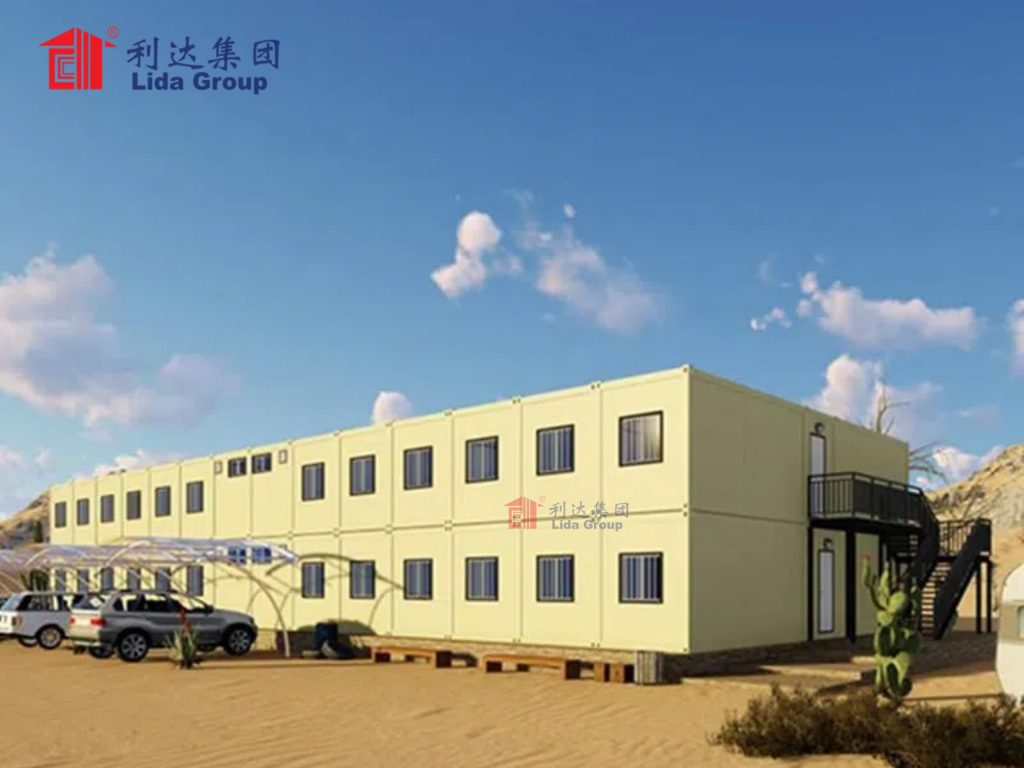
8. Conclusion
Lida Group’s new low-cost container house designs represent a transformative solution to the global affordable housing crisis, proving that affordability and durability can coexist without compromise. By leveraging advanced prefabrication technologies, optimized material selection, and streamlined production processes, the company has created housing solutions that are not only budget-friendly but also built to withstand harsh environmental conditions, heavy usage, and the test of time.
These designs address the core pain points of the affordable housing market: high costs, short service life, and poor adaptability. Lida Group’s container houses are suitable for a wide range of applications, from low-income residential housing and rural settlements to temporary shelters and small commercial spaces, providing a practical, cost-effective option for individuals, communities, and organizations worldwide. The global application cases demonstrate the real-world effectiveness of these designs, showing that they can deliver on their promise of affordability and durability in diverse environments and use cases.
Backed by Lida Group’s 32 years of expertise in modular construction, advanced technological innovations, and comprehensive end-to-end services, these low-cost container houses are more than just a housing solution—they are a catalyst for positive change. They provide low-income families with safe, durable homes, help governments and NGOs address housing shortages and disaster relief needs, and support global sustainability goals by reducing carbon emissions and waste.
As the global demand for affordable housing continues to grow, Lida Group’s low-cost, durable container house designs are poised to become the preferred choice for cost-conscious yet quality-focused clients. With ongoing innovation and a commitment to excellence, Lida Group is transforming the affordable housing landscape, ensuring that everyone has access to a safe, comfortable, and long-lasting home—regardless of their budget. In a world where affordable, durable housing is more critical than ever, Lida Group’s designs offer a practical, sustainable solution that benefits individuals, communities, and the planet.
Related news
-
Why Choose Lida Group for High Quality Construction of Your Metal Frame Farmhouse?
2026-04-24 10:59:07
-
Lida Group Launches Mobile Modular Container Dormitory for Remote Workforce Housing
2026-04-24 13:34:02
-
Prefabricated Container Worker Camp Solutions by Lida Group Ensure Fast Deployment
2026-04-24 14:31:39
contact us
- Tel: +86-532-88966982
- Whatsapp: +86-13793209022
- E-mail: sales@lidajituan.com
