



Discover the Benefits of Low Cost Container House for Project Accommodation
2026-Apr-24 16:46:53
By Admin
In the global construction, mining, infrastructure, and even humanitarian aid sectors, project accommodation stands as a critical component that directly impacts project efficiency, worker welfare, and overall operational costs. Large-scale projects—whether highway construction in remote rural areas, mining operations in harsh deserts, offshore oil and gas installations, or temporary infrastructure for disaster relief—often require housing hundreds or even thousands of workers, supervisors, and support staff in locations where traditional permanent housing is impractical or cost-prohibitive. For decades, enterprises and organizations have struggled with the limitations of traditional temporary accommodation solutions, such as makeshift tents, prefabricated wooden cabins, or on-site built structures, which are plagued by high costs, slow deployment, poor durability, and inadequate living conditions. In recent years, low-cost container houses have emerged as a game-changing solution, revolutionizing project accommodation by combining affordability, efficiency, durability, and flexibility. This article explores the numerous benefits of low-cost container houses for project accommodation, delving into their core advantages, key technologies, design optimizations, real-world applications, cost-effectiveness, and future prospects, providing a comprehensive guide for enterprises and organizations seeking practical, economical, and reliable on-site housing solutions.
Low-cost container houses, as the name suggests, are modular housing units constructed using repurposed or new shipping containers, optimized for affordability without compromising on basic functionality, safety, or comfort. Unlike high-end prefabricated container buildings that focus on luxury or permanent use, low-cost container houses are designed specifically for temporary or semi-permanent project accommodation, prioritizing cost savings, rapid deployment, and ease of maintenance. These units leverage the inherent structural strength of shipping containers—originally built to withstand extreme weather conditions, heavy loads, and long-distance transportation—and adapt them to meet the daily living needs of on-site workers. From basic dormitories and communal facilities to office spaces and storage units, low-cost container houses can be customized to fit a wide range of project requirements, making them a versatile choice for diverse industries and project types. As global demand for efficient and economical project accommodation continues to grow, low-cost container houses have become the preferred solution for enterprises looking to reduce costs, accelerate project timelines, and improve worker satisfaction.
This article aims to provide a detailed overview of the benefits of low-cost container houses for project accommodation, covering every aspect that makes them a superior alternative to traditional temporary housing. We will begin by defining low-cost container houses and their key characteristics, then explore their core benefits—including cost savings, rapid deployment, durability, flexibility, and sustainability. Next, we will examine the key technologies and design optimizations that enable their low cost while maintaining quality and functionality. We will also present real-world application cases from different industries and regions, demonstrating how low-cost container houses have delivered tangible value to projects of all sizes. Additionally, we will conduct a detailed cost comparison between low-cost container houses and traditional temporary accommodation, highlighting the long-term economic benefits. Finally, we will discuss the current market status and future prospects of low-cost container houses for project accommodation, concluding with a summary of their transformative impact on the industry.
1. Understanding Low-Cost Container Houses for Project Accommodation
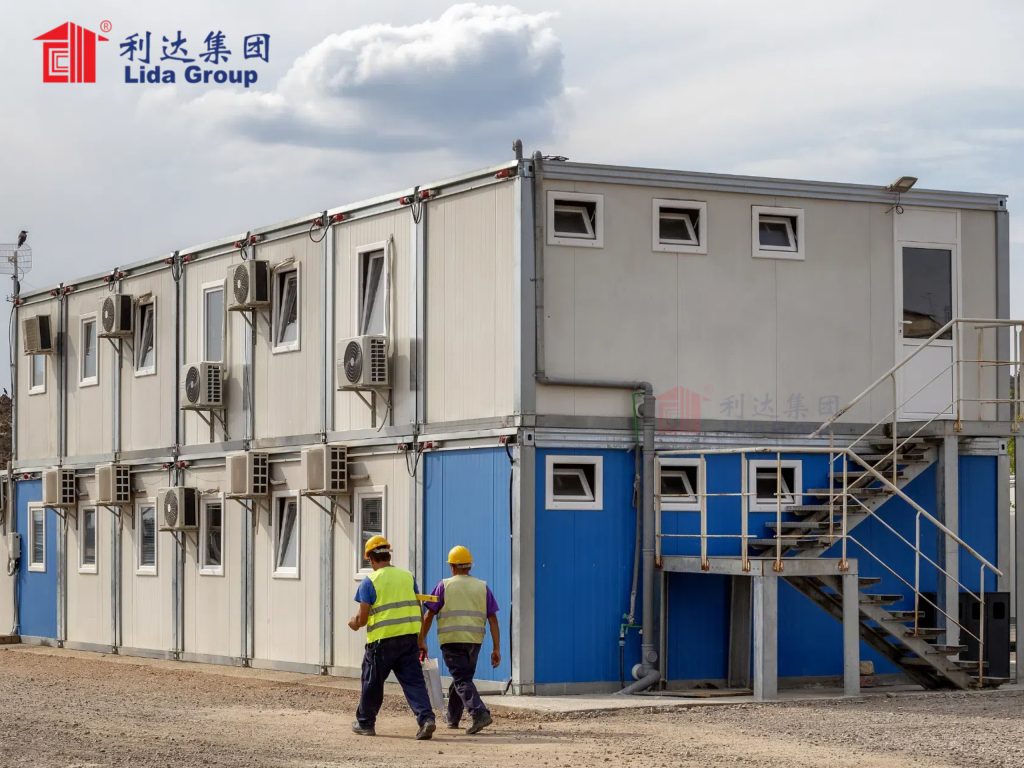
Before delving into the benefits, it is essential to understand what low-cost container houses are and how they differ from other types of container-based housing. Low-cost container houses are modular structures constructed using standard shipping containers (typically 20ft or 40ft in length), which are either repurposed (used shipping containers) or newly manufactured with cost-effective materials and simplified designs. The primary goal of these houses is to provide affordable, functional, and safe accommodation for on-site project personnel, without the unnecessary frills that increase costs. Unlike permanent container homes or high-end modular buildings, low-cost container houses are designed for temporary or semi-permanent use, making them ideal for projects with durations ranging from a few months to several years.
The basic structure of a low-cost container house consists of a steel frame (the original shipping container structure), reinforced walls and roof, basic insulation, and simple interior finishes. Depending on the project requirements, these units can be configured as dormitories (housing 4-8 workers per 20ft container), communal facilities (dining halls, kitchens, laundry rooms), office spaces, or storage units. The simplicity of their design is key to their low cost—by minimizing complex modifications, using affordable materials, and leveraging standardized production processes, manufacturers can keep the cost per unit significantly lower than traditional temporary housing solutions.
One of the key distinctions between low-cost container houses and other container-based housing is the use of repurposed shipping containers. Each year, millions of shipping containers are retired from global shipping networks, many of which are still structurally sound but no longer suitable for transporting goods. Repurposing these containers into project accommodation not only reduces waste but also significantly lowers material costs, as used containers are far cheaper than new ones. For projects with tight budgets, repurposed low-cost container houses offer an even more economical option, while still providing the durability and functionality required for on-site living.
Low-cost container houses are also highly modular, meaning multiple units can be easily connected, stacked, or rearranged to meet changing project needs. This modularity is a critical advantage for project accommodation, as the number of workers often fluctuates throughout the project lifecycle. Whether a project needs to expand from 50 to 200 workers or downsize as the project nears completion, low-cost container houses can be quickly adjusted without significant additional costs or delays. This flexibility sets them apart from traditional temporary housing, which is often fixed in size and difficult to modify.
2. Core Benefits of Low-Cost Container Houses for Project Accommodation
The popularity of low-cost container houses for project accommodation stems from their numerous advantages over traditional temporary housing solutions. These benefits span cost savings, efficiency, durability, flexibility, sustainability, and worker welfare, making them a comprehensive solution for on-site accommodation needs. Below are the key benefits that make low-cost container houses an ideal choice for project accommodation.
2.1 Unmatched Cost Savings: Reducing Project Expenses Significantly
Cost is the primary concern for most enterprises when selecting project accommodation, and low-cost container houses deliver substantial savings compared to traditional solutions. The cost savings begin with the materials: repurposed shipping containers cost 30-50% less than new building materials used for traditional temporary housing, such as wood, concrete, or steel framing. Even new low-cost container houses are more affordable than prefabricated wooden cabins or on-site built structures, as their standardized production reduces labor and material waste.
In addition to lower upfront costs, low-cost container houses also reduce long-term operational and maintenance costs. Their durable steel structure is resistant to rot, mold, pest infestations, and weather damage, eliminating the need for frequent repairs and replacements. Traditional temporary housing, such as wooden cabins, often requires regular maintenance (e.g., painting, roof repairs, termite treatment) to remain functional, adding to the overall project costs. Low-cost container houses, on the other hand, require minimal maintenance—simple cleaning, occasional inspection of the steel frame, and basic upkeep of electrical and plumbing systems are usually sufficient to keep them in good condition for the duration of the project.
Another significant cost-saving factor is the reusability of low-cost container houses. Unlike traditional temporary housing, which is often demolished at the end of a project, container houses can be easily disassembled, transported, and reassembled at new project sites. This means enterprises do not need to invest in new accommodation for each project, reducing the total cost of accommodation across multiple projects. For example, a construction company that uses low-cost container houses for a highway project in one region can relocate the same units to a new building project in another region, saving tens of thousands of dollars in new accommodation costs.
The cost savings are even more pronounced for remote projects, where transporting traditional building materials is expensive and time-consuming. Low-cost container houses are designed to be transported via standard shipping methods (trucks, ships, or even helicopters for extremely remote sites), reducing transportation costs by up to 40% compared to transporting loose building materials. Additionally, their quick assembly reduces on-site labor costs, as fewer workers are needed to set up the accommodation compared to traditional construction methods.
2.2 Rapid Deployment: Accelerating Project Timelines
Projects in construction, mining, and infrastructure often have tight timelines, and delays in setting up on-site accommodation can lead to costly project delays. Low-cost container houses address this challenge by offering rapid deployment, allowing enterprises to have fully functional accommodation ready in a fraction of the time required for traditional temporary housing.
The key to rapid deployment is the modular design and prefabrication of low-cost container houses. Unlike traditional housing, which requires on-site construction (digging foundations, building walls, installing utilities), low-cost container houses are prefabricated in a factory or workshop. All essential components—including walls, roof, insulation, electrical wiring, and plumbing—are installed before the units are transported to the project site. This means that once the units arrive on-site, they only need to be positioned, connected, and hooked up to utilities (water, electricity, sewage) to be fully operational.
The deployment time for low-cost container houses varies depending on the size of the camp, but even large camps can be set up in a matter of weeks. For example, a small camp for 50 workers (consisting of 10 dormitory containers and 2 communal containers) can be deployed in 1-2 weeks, while a larger camp for 200 workers can be set up in 3-4 weeks. In contrast, traditional temporary housing for the same number of workers would take 3-6 months to build on-site, significantly delaying project start times.
The rapid deployment of low-cost container houses also allows enterprises to start project operations earlier, accelerating the overall project timeline and reducing downtime. For remote projects, where access to materials and labor is limited, this speed is particularly valuable, as it ensures that workers can move into accommodation quickly and begin work without unnecessary delays. Additionally, the quick assembly process minimizes the impact of weather conditions on deployment, as most of the construction work is done in a controlled factory environment.
2.3 Superior Durability: Withstanding Harsh On-Site Environments
Project accommodation is often located in harsh environments—from hot and dusty deserts to cold and snowy mountains, from coastal regions with high salt spray to remote mining sites with heavy machinery and frequent impacts. Traditional temporary housing often fails to withstand these conditions, leading to frequent repairs, safety risks, and reduced service life. Low-cost container houses, however, are built to withstand the rigors of on-site environments, thanks to their robust steel structure and durable materials.
The core of a low-cost container house is the shipping container’s steel frame, which is made of high-strength steel (typically Q235 or Q355 steel) designed to withstand heavy loads, extreme temperatures, and harsh weather conditions. The steel frame is resistant to corrosion, rust, and impact, ensuring that the structure remains intact even in the most challenging environments. For coastal regions or areas with high humidity, the steel frame can be treated with anti-corrosion coatings (such as hot-dip galvanization) to further enhance its durability, extending its service life to 20-30 years or more.
The walls and roof of low-cost container houses are typically made of composite panels consisting of a steel outer layer, insulation material (such as rock wool or foam), and a simple inner finish. These panels are resistant to fire, water, dust, and impact, ensuring that the interior remains dry, safe, and comfortable even in severe weather. The roof is equipped with a waterproof membrane to prevent leaks, and the floor is reinforced to withstand heavy use (e.g., bunk beds, furniture, and equipment).
Unlike traditional wooden cabins, which are prone to rot, mold, and termite infestations, low-cost container houses are impervious to these issues, reducing the need for frequent repairs and replacements. This durability is particularly valuable for long-term projects (1-5 years), as it ensures that the accommodation remains functional and safe throughout the project lifecycle, without incurring additional maintenance costs.
2.4 Flexibility and Versatility: Adapting to Changing Project Needs
Projects are dynamic, and the number of workers, type of accommodation, and on-site requirements often change throughout the project lifecycle. Low-cost container houses are highly flexible and versatile, allowing enterprises to adapt the accommodation to meet these changing needs without significant additional costs or delays.
The modular design of low-cost container houses enables easy expansion or reduction of the accommodation camp. For example, if a project scales up from 100 to 150 workers, additional dormitory containers can be added quickly, without disrupting the existing camp operations. Similarly, if the number of workers decreases, excess containers can be disassembled and relocated to other projects or stored for future use. This flexibility ensures that enterprises only pay for the accommodation they need, reducing waste and improving cost-effectiveness.
Low-cost container houses can also be customized to meet specific project requirements. Depending on the industry and project type, the units can be configured as dormitories (with bunk beds, storage space, and basic amenities), communal facilities (dining halls, kitchens, laundry rooms, medical stations), office spaces (for supervisors and project managers), or storage units (for tools, equipment, and supplies). For example, mining projects may require additional storage containers for equipment, while construction projects may need office containers for on-site management. This versatility makes low-cost container houses suitable for a wide range of industries, including construction, mining, oil and gas, disaster relief, and infrastructure development.
Another aspect of flexibility is the mobility of low-cost container houses. As mentioned earlier, the units can be easily transported to new project sites, making them ideal for projects that require workers to be relocated (e.g., highway construction, which moves along a route, or mining projects that shift to new areas). This mobility eliminates the need to build new accommodation for each phase of the project, further reducing costs and improving efficiency.
2.5 Environmental Sustainability: Reducing Carbon Footprint
In an era of increasing focus on environmental sustainability and ESG (Environmental, Social, and Governance) commitments, low-cost container houses offer a more eco-friendly alternative to traditional temporary housing. The primary environmental benefit is the repurposing of used shipping containers, which reduces waste and conserves natural resources. Each year, millions of shipping containers are retired, and many end up in landfills, contributing to environmental pollution. Repurposing these containers into project accommodation gives them a second life, reducing the demand for new building materials (such as wood, concrete, and steel) and the carbon emissions associated with their production.
Low-cost container houses also have a lower carbon footprint during construction and deployment. Since most of the construction work is done in a factory, the amount of on-site waste is minimized, and the use of energy and resources is more efficient. Additionally, the modular design allows for efficient transportation—containers can be stacked during shipping, reducing the number of trips required and lowering fuel consumption and carbon emissions.
Many low-cost container houses also incorporate energy-efficient features, such as insulation to reduce heating and cooling costs, LED lighting to save electricity, and water-saving fixtures (e.g., low-flow toilets and showers). These features not only reduce the environmental impact of the accommodation but also lower operational costs for enterprises, further enhancing the cost-effectiveness of the solution.
For enterprises with strong ESG commitments, low-cost container houses demonstrate a commitment to sustainability, helping them meet their environmental goals while also reducing costs. This makes them an attractive choice for organizations looking to balance economic and environmental responsibilities.
2.6 Improved Worker Welfare: Enhancing Comfort and Safety
Worker welfare is a critical factor in project success, as comfortable and safe living conditions improve worker morale, reduce staff turnover, and increase work efficiency. Traditional temporary housing often fails to provide adequate comfort and safety, leading to unhappy workers, high turnover rates, and reduced productivity. Low-cost container houses address this issue by providing a safe, comfortable, and dignified living environment for on-site workers, even at a low cost.
Despite their low cost, low-cost container houses are designed to meet basic comfort requirements. Dormitory units are space-optimized, with bunk beds (equipped with safety rails), storage space (under-bed drawers, wall-mounted cabinets), and adequate ventilation (windows and ventilation fans) to ensure air circulation and reduce humidity. The insulation in the walls and roof helps maintain a comfortable indoor temperature, keeping the units cool in hot weather and warm in cold weather—eliminating the extreme temperatures that often plague traditional temporary housing.
Safety is another key aspect of worker welfare, and low-cost container houses are designed with multiple safety features. The steel frame is earthquake-resistant and wind-resistant, ensuring that the structure remains intact during natural disasters. The composite wall panels are fire-resistant, reducing the risk of fire spread and providing workers with enough time to evacuate in case of an emergency. Additionally, the units are equipped with basic fire safety equipment (smoke detectors, fire extinguishers, emergency lighting) and clear emergency exits, ensuring that workers can evacuate quickly and safely.
Communal facilities, such as dining halls, kitchens, and laundry rooms, further enhance worker welfare by providing essential services. Dining halls are equipped with tables, chairs, and basic cooking equipment, allowing workers to enjoy hot meals on-site. Laundry facilities (washing machines, dryers) ensure that workers can keep their clothes clean and fresh, improving their overall quality of life. For larger camps, optional amenities such as medical stations, recreation areas, and internet access can be added, further improving worker satisfaction and reducing turnover.
3. Key Technologies and Processes for Achieving Low Cost
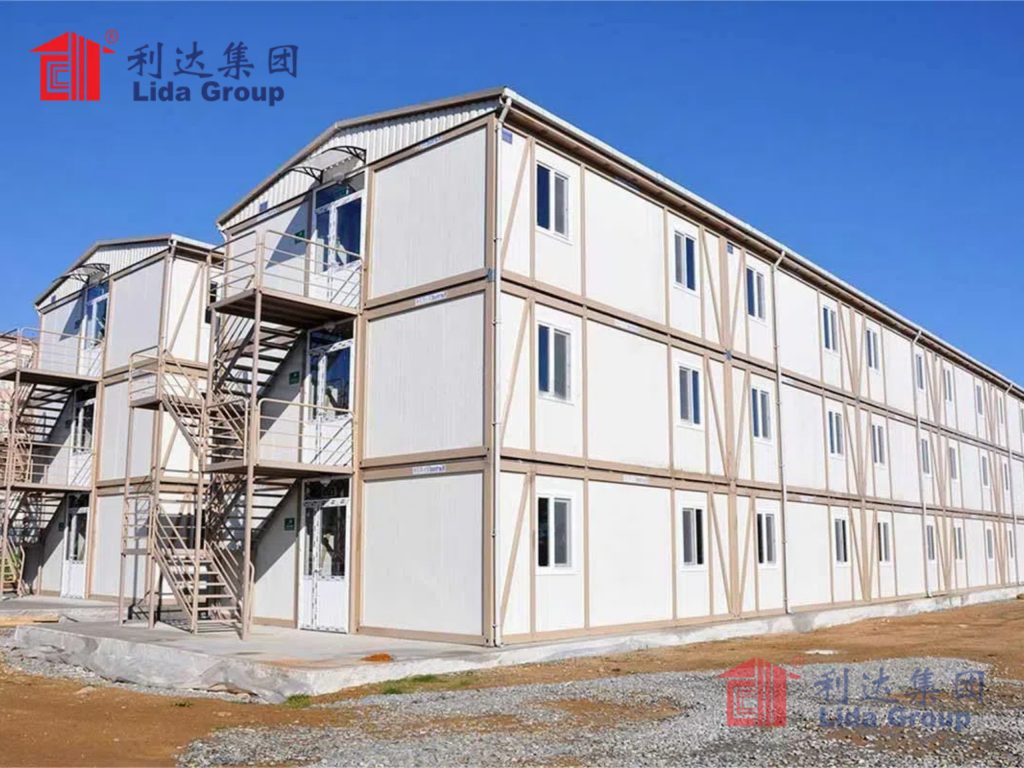
The low cost of container houses for project accommodation is not achieved by compromising on quality or functionality, but rather through innovative technologies, efficient production processes, and smart material selection. Below are the key technologies and processes that enable manufacturers to produce low-cost container houses while maintaining durability, safety, and comfort.
3.1 Repurposed Shipping Containers: Reducing Material Costs
The most significant cost-saving technology for low-cost container houses is the use of repurposed shipping containers. As mentioned earlier, used shipping containers are far cheaper than new building materials, and they are already structurally sound, requiring minimal modifications to convert them into accommodation units. Manufacturers source used containers from shipping companies, ports, and container depots, ensuring that they are in good condition (free from major damage, corrosion, or structural issues) before repurposing them.
The repurposing process involves cleaning the container, removing any existing cargo residue, and making basic modifications (cutting windows and doors, installing insulation, adding interior finishes, and connecting electrical and plumbing systems). This process is far less labor-intensive and costly than building a traditional temporary structure from scratch, as the core structure (the steel frame) is already in place. For projects with extremely tight budgets, repurposed containers can be used with minimal modifications, further reducing costs.
3.2 Standardized Production and Modular Design
Standardization and modular design are key to reducing production costs and improving efficiency. Low-cost container houses are built using standard shipping container dimensions (20ft or 40ft), which allows for mass production of components (e.g., insulation panels, interior finishes, doors, and windows). This mass production leverages economies of scale, reducing the cost per unit by 20-30% compared to custom-designed housing.
The modular design also simplifies the production process, as each container unit is manufactured in a factory using standardized procedures. This reduces the risk of errors, improves quality control, and speeds up production time. Additionally, the modular design allows for easy assembly and disassembly, reducing on-site labor costs and deployment time. Manufacturers can produce hundreds of container units per month, ensuring that enterprises can receive their orders in a timely manner, even for large-scale projects.
3.3 Cost-Effective Material Selection
Material selection is critical to achieving low cost without compromising on quality. Low-cost container houses use affordable, durable materials that are readily available, reducing material costs while maintaining functionality and safety. For example:
-
Insulation: Instead of expensive premium insulation materials, low-cost container houses use cost-effective insulation such as rock wool, foam board, or recycled insulation materials. These materials provide adequate thermal and sound insulation while keeping costs low.
-
Interior Finishes: Simple, easy-to-install interior finishes such as plywood, PVC panels, or recycled wood panels are used instead of expensive materials like drywall or hardwood. These finishes are durable, easy to clean, and affordable.
-
Electrical and Plumbing: Basic, reliable electrical and plumbing components are used, focusing on functionality rather than luxury. This includes standard light fixtures, outlets, faucets, and toilets, which are cheaper and easier to maintain.
By selecting cost-effective materials that meet basic quality standards, manufacturers can keep the cost of low-cost container houses low while ensuring that they are safe and comfortable for workers.
3.4 Simplified Construction and Assembly Processes
Low-cost container houses are designed with simplified construction and assembly processes, reducing labor costs and deployment time. The prefabrication of components in a factory means that on-site assembly is minimal—workers only need to position the containers, connect them to each other and to utilities, and make minor adjustments. This simplifies the assembly process, requiring fewer skilled workers and reducing the time required to set up the camp.
Additionally, the use of pre-installed connections (for electricity, plumbing, and structural alignment) eliminates the need for on-site welding or complex wiring, further reducing labor costs and the risk of errors. A team of 4-6 unskilled or semi-skilled workers can assemble 10-15 container units in a single day, making the deployment process quick and efficient.
4. Design Optimizations for Project Accommodation
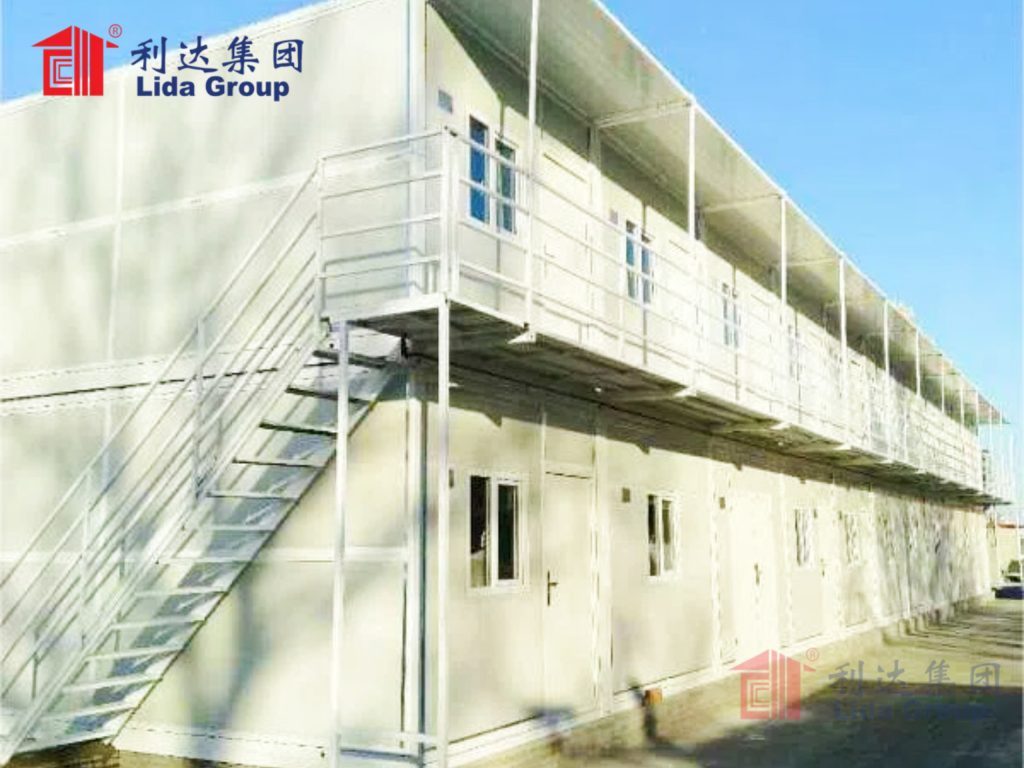
Low-cost container houses are not just affordable—they are also designed to meet the specific needs of project accommodation, with design optimizations that enhance functionality, safety, and comfort. These optimizations are tailored to the unique challenges of on-site living, ensuring that the accommodation is practical, user-friendly, and suitable for diverse environments.
4.1 Space Optimization: Maximizing Living Space
Project accommodation often has limited space, so low-cost container houses are designed to maximize living space while minimizing the footprint of the camp. The standard 20ft container (which has a floor area of approximately 14 square meters) can comfortably house 4-6 workers in bunk beds, with additional space for storage and basic amenities. The 40ft container (approximately 28 square meters) can house 8-12 workers or be used as a communal facility (dining hall, kitchen, or office).
Space optimization is achieved through smart interior design, such as built-in storage (under-bed drawers, wall-mounted cabinets, and shelves), compact furniture (foldable tables, stackable chairs), and efficient layout planning. For example, dormitory units are designed with bunk beds arranged along the walls, leaving the center of the unit free for movement. Communal facilities are designed to accommodate multiple workers at once, with efficient seating and workspaces.
4.2 Safety Design: Protecting Workers in On-Site Environments
Safety is a top priority for project accommodation, and low-cost container houses are designed with multiple safety features to protect workers. As mentioned earlier, the steel frame is earthquake-resistant (up to 7-8 degrees) and wind-resistant (up to 120 mph/193 km/h), ensuring that the structure remains intact during natural disasters. The composite wall panels have a fire rating of up to 1-2 hours, reducing the risk of fire spread and providing workers with enough time to evacuate.
Other safety features include: Fire safety equipment: Smoke detectors, fire extinguishers, emergency lighting, and fire alarm systems are installed in every unit.Electrical safety: Waterproof outlets, overload protection, and proper grounding to prevent electrical shocks.Emergency exits: Clear, unobstructed emergency exits with signage, ensuring that workers can evacuate quickly in case of an emergency.Security: Lockable doors and windows to protect workers’ personal belongings and prevent unauthorized access.
For remote or high-risk projects (e.g., mining, offshore oil and gas), additional safety features can be added, such as emergency communication systems, first-aid kits, and on-site medical stations.
4.3 Weather Adaptability: Suitable for Diverse Environments
Project accommodation is located in diverse environments, and low-cost container houses are designed to adapt to these environments, ensuring that workers remain comfortable regardless of the weather conditions. Design optimizations for different environments include:
-
Hot and humid regions (e.g., Southeast Asia, Africa, South America): Enhanced ventilation systems (large windows, ventilation fans), heat-resistant insulation, and reflective roof coatings to reduce indoor temperatures by up to 8-10°C. Anti-mold coatings are also used to prevent mold growth in humid conditions.
-
Cold regions (e.g., Canada, Russia, Northern Europe): Thick thermal insulation, radiant heating systems, and double-glazed windows to keep the interior warm. The steel frame is reinforced to withstand heavy snowfall, and the roof is sloped to prevent snow accumulation.
-
Coastal regions: Extra anti-corrosion coatings (hot-dip galvanization, anti-rust paint) to protect the steel frame from salt spray. Waterproof membranes are used to prevent water damage from coastal rains and storms.
-
Dusty environments (e.g., deserts, mining sites): Dust-proof ventilation systems and air filters to keep the interior clean. Sealed doors and windows prevent dust from entering the units.
These weather-adaptive design optimizations ensure that low-cost container houses remain functional and comfortable in any environment, making them suitable for global project use.
4.4 Utility Integration: Ensuring Basic Amenities
Low-cost container houses are designed to integrate essential utilities (water, electricity, sewage) to provide workers with basic amenities. The units are pre-equipped with plumbing connections for water supply and sewage disposal, and electrical wiring for lighting, outlets, and appliances (e.g., fans, heaters, refrigerators). For remote projects where access to grid electricity is limited, low-cost container houses can be equipped with solar panels and battery storage systems, providing off-grid power at a low cost.
Communal facilities are also equipped with essential utilities: dining halls have kitchen facilities (stoves, refrigerators, sinks) for preparing meals, laundry rooms have washing machines and dryers, and medical stations have access to clean water and electricity for basic medical equipment. This integration of utilities ensures that workers have access to all the basic amenities they need to live comfortably on-site.
5. Global Application Cases: Low-Cost Container Houses in Action
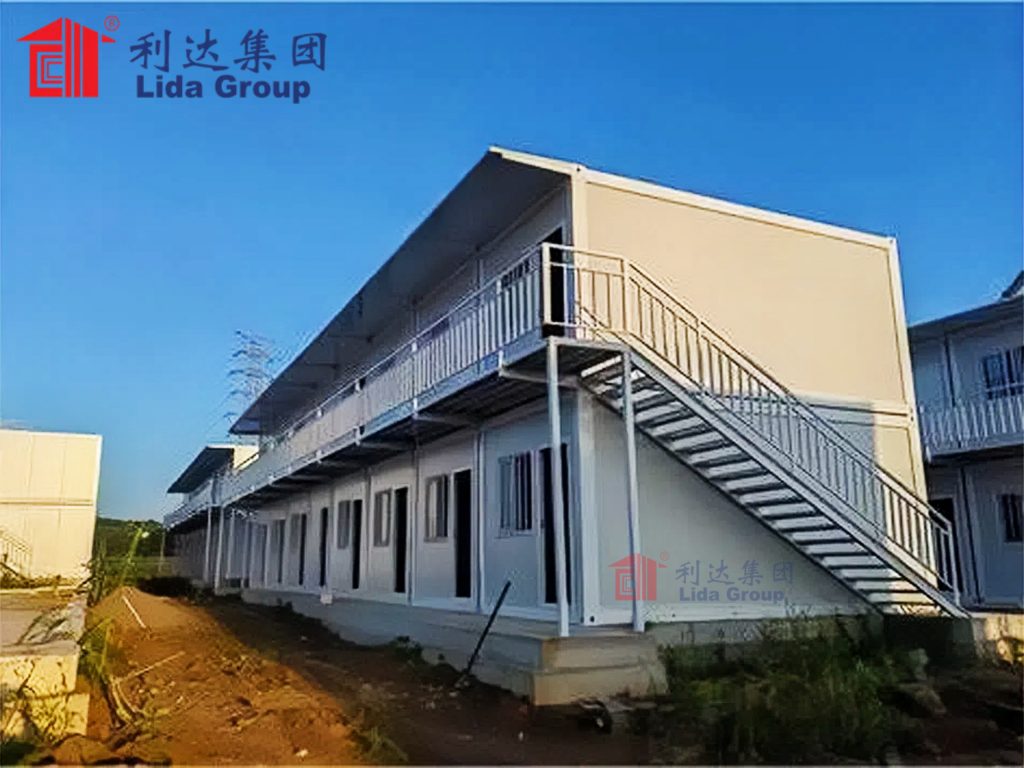
To demonstrate the practical benefits of low-cost container houses for project accommodation, we present four real-world application cases from different industries and regions. These cases highlight how low-cost container houses have addressed the unique challenges of project accommodation, reduced costs, accelerated deployment, and improved worker welfare.
5.1 Case Study 1: Highway Construction Project in Kenya
A Kenyan construction company was awarded a contract to build a 200-kilometer highway in rural Kenya, requiring accommodation for 150 workers over a 2-year period. The project site was remote, with limited access to building materials and labor, and the company had a tight budget for accommodation. Traditional temporary housing (wooden cabins) would have been too expensive and time-consuming to build, so the company opted for low-cost repurposed container houses.
The company partnered with a local manufacturer to source 30 repurposed 20ft containers, which were converted into 25 dormitory units (housing 6 workers each) and 5 communal units (dining hall, kitchen, laundry room, medical station, and office). The containers were equipped with basic insulation, ventilation fans, bunk beds, storage cabinets, and simple interior finishes. The camp was deployed in just 2 weeks, with a team of 5 workers assembling the units on-site.
The low-cost container houses delivered significant benefits to the project: Cost savings: The total cost of the container camp was 40% lower than the cost of traditional wooden cabins. Rapid deployment: The camp was operational in 2 weeks, allowing workers to start construction immediately, accelerating the project timeline by 1 month. Durability: The steel structure withstood the hot, dusty Kenyan climate, requiring minimal maintenance over the 2-year project period. Worker satisfaction: Workers reported improved comfort compared to previous projects, with adequate ventilation, storage, and communal facilities. Staff turnover decreased by 30% compared to the company’s previous projects.
At the end of the project, the container units were disassembled and transported to another highway project in western Kenya, further maximizing the company’s investment.
5.2 Case Study 2: Mining Project in Australia
A mining company in Australia needed accommodation for 200 workers at a remote gold mining site in the outback, where temperatures can reach 45°C in summer and drop to 0°C in winter. The company required accommodation that was durable, weather-resistant, and affordable, with basic amenities to keep workers comfortable in the harsh outback environment.
The company chose low-cost container houses with weather-adaptive design optimizations: 40 repurposed 20ft containers were converted into dormitory units (housing 5 workers each), with enhanced insulation, reflective roof coatings, and powerful ventilation fans to cope with the hot summer temperatures. In winter, the units were equipped with radiant heating systems to keep the interior warm. The camp also included 8 communal units (dining hall, kitchen, laundry room, gym, and medical station) and 4 storage units for tools and equipment.
The camp was deployed in 3 weeks, and the company reported the following benefits: Weather adaptability: The units maintained a comfortable indoor temperature year-round, with no heat-related or cold-related issues for workers. Cost savings: The container camp cost 35% less than building traditional temporary housing, and maintenance costs were reduced by 50% over the 3-year project period.Durability: The steel frame withstood dust storms and extreme temperatures, with no structural damage or corrosion over 3 years of use.Mobility: When the mining site shifted to a new area after 3 years, 30 of the container units were relocated, saving the company $200,000 in new accommodation costs.
5.3 Case Study 3: Disaster Relief Project in Bangladesh
After a major flood in Bangladesh, an international humanitarian organization needed to provide temporary accommodation for 500 displaced families (approximately 2,500 people) in a flood-prone region. The organization required accommodation that was affordable, quick to deploy, and resistant to flooding and mold growth.
The organization used 125 low-cost container houses (40ft units), which were converted into family units (housing 4-5 people each) with raised floors to prevent flood damage. The units were equipped with waterproof membranes, anti-mold coatings, and basic amenities (beds, storage, and cooking facilities). The camp was deployed in just 1 week, with the help of local volunteers and a small team of skilled workers.
The low-cost container houses proved to be an ideal solution for the disaster relief project: Rapid deployment: The camp was operational in 1 week, providing much-needed shelter to displaced families quickly. Flood resistance: The raised floors and waterproof design prevented flood damage, even when the area was hit by a second round of flooding. Affordability: The total cost of the container camp was 50% lower than traditional temporary shelters (tents and makeshift cabins), allowing the organization to help more families with its limited budget. Durability: The units remained in good condition for 2 years, until the displaced families could return to their homes. Afterward, the units were repurposed as community centers and schools in the region.
5.4 Case Study 4: Offshore Wind Farm Project in India
An Indian energy company was building an offshore wind farm off the coast of Tamil Nadu, requiring accommodation for 100 workers (engineers, technicians, and laborers) on a temporary onshore camp. The camp needed to be durable, corrosion-resistant (due to the coastal environment), and quick to deploy, with basic amenities for workers working long shifts on the wind farm.
The company chose low-cost container houses with extra anti-corrosion coatings (hot-dip galvanization and anti-rust paint) to withstand salt spray. The camp consisted of 20 40ft containers, converted into 15 dormitory units (housing 6-7 workers each) and 5 communal units (dining hall, kitchen, laundry room, and office). The units were equipped with air conditioning (to cope with the hot, humid coastal climate), waterproof electrical systems, and emergency communication systems.
The benefits of the low-cost container houses for this project included: Corrosion resistance: The anti-corrosion coatings protected the steel frame from salt spray, ensuring no structural damage over the 2-year project period. Quick deployment: The camp was deployed in 2.5 weeks, allowing workers to start work on the wind farm immediately. Cost savings: The container camp cost 30% less than building a traditional onshore camp, and transportation costs were reduced by 40% due to the standardized container dimensions. Worker comfort: The air conditioning and ventilation systems kept the units cool and comfortable, improving worker morale and productivity.
6. Cost Comparison: Low-Cost Container Houses vs. Traditional Temporary Housing
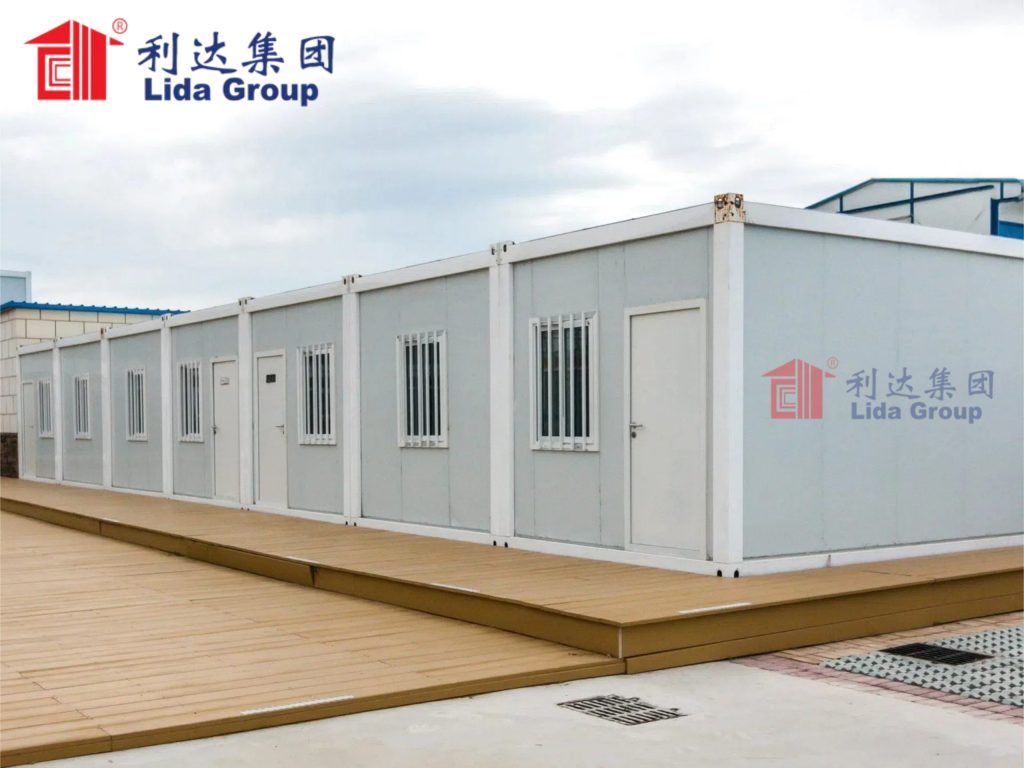
To further demonstrate the cost-effectiveness of low-cost container houses for project accommodation, we conduct a detailed cost comparison between low-cost container houses and traditional temporary housing (wooden cabins, makeshift tents, and on-site built structures). The comparison is based on a typical project requiring accommodation for 100 workers over a 2-year period, with basic communal facilities (dining hall, kitchen, laundry room, and office).
6.1 Upfront Costs
The upfront costs of low-cost container houses are significantly lower than traditional temporary housing: Low-cost container houses: For 100 workers, approximately 20 20ft dormitory containers (housing 5 workers each) and 5 40ft communal containers are required. The total upfront cost (including repurposed containers, modifications, materials, and transportation) is approximately $150,000-$180,000.Traditional wooden cabins: For 100 workers, approximately 20 wooden cabins (housing 5 workers each) and 5 communal cabins are required. The total upfront cost (including materials, labor, and on-site construction) is approximately $250,000-$300,000.Makeshift tents: For 100 workers, approximately 25 tents (housing 4 workers each) and 3 communal tents are required. The upfront cost is lower ($80,000-$100,000), but tents are not durable and require frequent replacement, leading to higher long-term costs.
Low-cost container houses have upfront costs that are 30-40% lower than traditional wooden cabins, making them a more affordable option for enterprises with tight budgets.
6.2 Maintenance Costs
Maintenance costs are another key factor in the total cost of project accommodation: Low-cost container houses: Minimal maintenance is required, with annual maintenance costs of approximately $5,000-$8,000 (cleaning, inspection of steel frame, and basic repairs).Traditional wooden cabins: High maintenance costs, with annual maintenance costs of approximately $15,000-$20,000 (painting, roof repairs, termite treatment, and replacement of rotted wood).Makeshift tents: Very high maintenance costs, with annual maintenance costs of approximately $20,000-$25,000 (replacement of damaged tents, cleaning, and repair of flooring).
Over a 2-year period, low-cost container houses save approximately $20,000-$30,000 in maintenance costs compared to traditional wooden cabins and $30,000-$40,000 compared to makeshift tents.
6.3 Long-Term Costs (Including Reusability)
The reusability of low-cost container houses further reduces long-term costs: Low-cost container houses: Can be reused for multiple projects, with a service life of 20-30 years. After the 2-year project, the units can be relocated to a new project, eliminating the need to invest in new accommodation. The resale value of used container houses is also high, providing an additional return on investment.Traditional wooden cabins: Typically demolished at the end of a project, with no resale value. Enterprises must invest in new accommodation for each project, increasing long-term costs.Makeshift tents: Have a service life of 1-2 years, and cannot be reused for multiple projects. Enterprises must replace tents for each project, leading to the highest long-term costs.
Over a 10-year period (5 projects of 2 years each), low-cost container houses save enterprises approximately $500,000-$600,000 compared to traditional wooden cabins and $800,000-$1,000,000 compared to makeshift tents.
6.4 Total Cost Summary
For a 2-year project with 100 workers, the total cost (upfront + maintenance) of low-cost container houses is approximately $160,000-$196,000, compared to $280,000-$340,000 for traditional wooden cabins and $120,000-$150,000 for makeshift tents. However, when considering long-term reusability, low-cost container houses are the most cost-effective option, delivering significant savings over multiple projects.
7. Market Status and Future Prospects
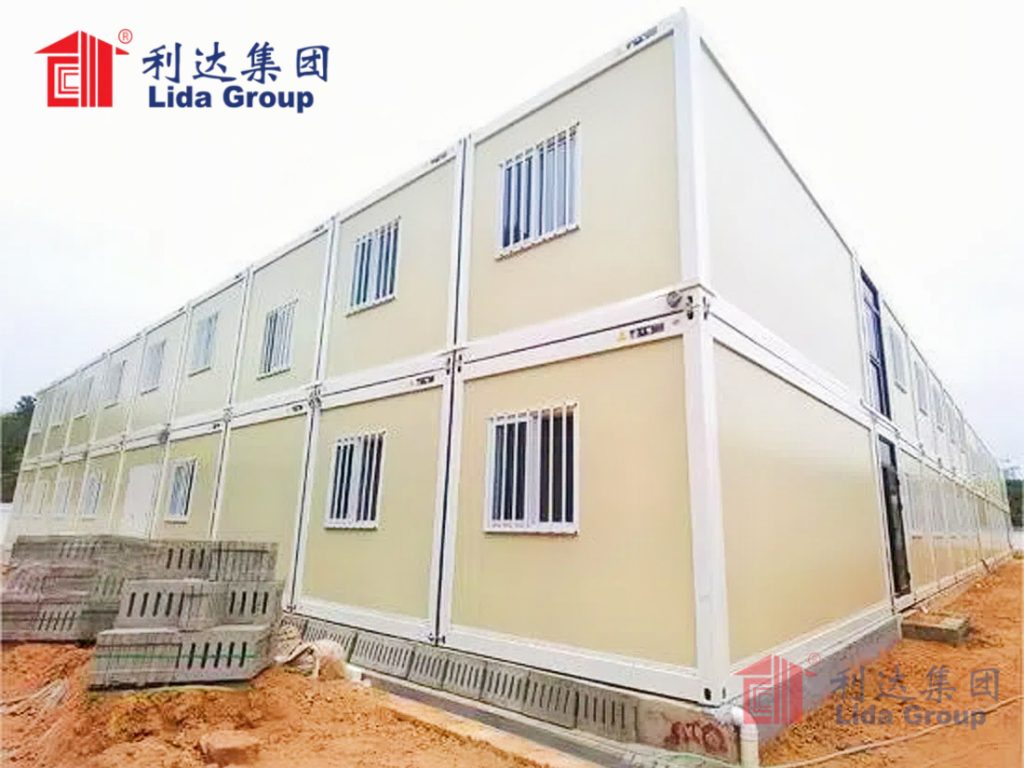
The market for low-cost container houses for project accommodation is growing rapidly, driven by the increasing demand for affordable, efficient, and durable on-site housing solutions. As global construction, mining, and infrastructure projects continue to expand—particularly in emerging markets where cost is a critical factor—the demand for low-cost container houses is expected to rise significantly in the coming years.
7.1 Current Market Status
The global modular construction market for project accommodation is expected to grow at a CAGR of 8.5% between 2025 and 2030, with low-cost container houses accounting for a significant share of this growth. Emerging markets such as Asia, Africa, and Latin America are the primary drivers of demand, as these regions have large-scale infrastructure projects and limited budgets for traditional temporary housing.
Key market players include both global and local manufacturers, who offer a range of low-cost container house solutions tailored to different project requirements. The market is characterized by increasing competition, which is driving down costs and improving the quality of low-cost container houses. Additionally, governments in many emerging markets are promoting the use of modular construction (including low-cost container houses) to accelerate infrastructure development and reduce project costs.
The COVID-19 pandemic also boosted the demand for low-cost container houses, as they were used to provide temporary accommodation for healthcare workers, quarantine facilities, and emergency shelters. This increased awareness of the benefits of low-cost container houses, further driving their adoption in project accommodation.
7.2 Future Prospects
The future of low-cost container houses for project accommodation is bright, with several trends expected to shape the market in the coming years: Increased adoption of smart technologies: Low-cost container houses will increasingly integrate smart technologies such as IoT sensors (to monitor temperature, humidity, and air quality), solar panels (for off-grid power), and energy-efficient lighting and appliances. These technologies will further reduce operational costs and improve worker comfort. Improved design and customization: Manufacturers will continue to optimize the design of low-cost container houses, offering more customization options to meet the specific needs of different industries. This includes specialized units for offshore projects, mining projects, and disaster relief, with features such as explosion-proof systems, enhanced insulation, and raised floors. Expansion in emerging markets: As infrastructure development in Asia, Africa, and Latin America continues to grow, the demand for low-cost container houses in these regions will increase. Local manufacturers will expand their production capacity to meet this demand, reducing transportation costs and improving accessibility. Greater focus on sustainability: With increasing emphasis on ESG commitments, manufacturers will focus on using more recycled materials, improving energy efficiency, and reducing the carbon footprint of low-cost container houses. This will make them even more attractive to enterprises with strong environmental commitments.
Overall, the future of low-cost container houses for project accommodation is characterized by growth, innovation, and increasing adoption, as enterprises recognize their numerous benefits in terms of cost savings, efficiency, durability, and sustainability.
8. Conclusion
Low-cost container houses have emerged as a transformative solution for project accommodation, offering a unique combination of affordability, efficiency, durability, flexibility, and sustainability. For enterprises and organizations involved in construction, mining, infrastructure, and disaster relief, these modular housing units provide a practical, economical, and reliable alternative to traditional temporary housing solutions.
The core benefits of low-cost container houses—unmatched cost savings, rapid deployment, superior durability, flexibility, environmental sustainability, and improved worker welfare—make them an ideal choice for project accommodation. By repurposing used shipping containers, leveraging standardized production processes, and using cost-effective materials, manufacturers are able to produce low-cost container houses that meet basic quality and safety standards while keeping costs significantly lower than traditional temporary housing.
The real-world application cases demonstrate that low-cost container houses can adapt to diverse environments, meet the unique needs of different projects, and deliver tangible value to enterprises. From remote highway construction projects in Kenya to offshore wind farms in India, low-cost container houses have proven to be a reliable and cost-effective solution, reducing project costs, accelerating timelines, and improving worker satisfaction.
The cost comparison clearly shows that low-cost container houses are the most cost-effective option for project accommodation, particularly over the long term, due to their reusability and low maintenance costs. As the global market for project accommodation continues to grow, low-cost container houses are expected to play an increasingly important role, driven by their numerous benefits and ongoing innovations in design and technology.
In conclusion, low-cost container houses are more than just a temporary housing solution—they are a strategic asset that empowers enterprises to optimize project operations, reduce costs, and prioritize worker welfare while aligning with global sustainability goals. Their unique combination of affordability, rapid deployment, durability, flexibility, and eco-friendliness addresses the long-standing challenges of traditional temporary housing, making them an indispensable choice for modern project accommodation across industries and regions.
As global infrastructure development continues to expand, particularly in remote and emerging markets, the demand for practical, cost-effective, and reliable on-site housing will only grow. Low-cost container houses, with their continuous design innovations and technological advancements, are well-positioned to meet this demand, evolving to offer even greater functionality, comfort, and sustainability in the years to come. For enterprises seeking to gain a competitive edge, minimize project risks, and demonstrate their commitment to both economic efficiency and environmental responsibility, low-cost container houses are not just a choice—they are a forward-thinking investment in the success of every project and the well-being of every on-site worker. By embracing this modular, sustainable solution, organizations can transform the way project accommodation is delivered, creating safer, more comfortable living environments while driving down costs and accelerating project timelines, ultimately achieving better outcomes for both the enterprise and its workforce.
Related news
-
Efficient Prefabricated Container Worker Camp Now Available from Lida Group
2026-04-24 16:32:25
-
Lida Group Delivers Mobile Modular Container Dormitory for Construction Site Labor
2026-04-24 16:23:23
-
Prefabricated Container Worker Camp Solutions by Lida Group Ensure Fast Deployment
2026-04-24 14:31:39
contact us
- Tel: +86-532-88966982
- Whatsapp: +86-13793209022
- E-mail: sales@lidajituan.com
