



Durable and Affordable: Low Cost Metal House Built with Corrosion-Resistant Steel Structure Building
2026-May-27 11:55:59
By Admin
Introduction
In modern construction scenarios ranging from industrial camps and rural residential housing to remote engineering bases and emergency temporary facilities, users are constantly pursuing a balanced building solution that combines long-term durability and low construction costs. Traditional building options have long failed to satisfy this dual demand. Brick and concrete buildings feature stable durability but require massive material investment, lengthy construction cycles, and high labor costs, bringing heavy budget pressure to users. Wooden houses control upfront expenses to a certain extent but suffer from fatal defects such as rot, mildew, termite infestation, and poor weather resistance, resulting in extremely short service life and frequent maintenance. Ordinary low-cost metal houses reduce initial spending significantly, yet they are plagued by rapid steel corrosion, structural aging, and performance attenuation under outdoor harsh conditions, forming a common industry dilemma: affordability sacrifices durability, and high durability leads to excessive costs.
With the continuous upgrading of modular construction technology, corrosion-resistant steel structure metal houses have become an innovative breakthrough to solve this industry contradiction. As a mature and reliable building solution promoted by Lida Group, this type of low-cost metal house abandons the crude production mode of traditional temporary buildings. It adopts industrial-grade corrosion-resistant treatment technology and optimized lightweight steel structure design, perfectly integrating ultra-long service durability and full-lifecycle cost advantages. Different from inferior low-cost metal products that cut corners on materials and anti-corrosion processes, Lida Group’s corrosion-resistant steel structure houses maintain low upfront construction costs while achieving excellent anti-rust, anti-aging, and environmental adaptation capabilities. This article systematically analyzes the performance and cost defects of traditional buildings, the core durable technologies of corrosion-resistant steel structures, affordable cost optimization mechanisms, practical application advantages, and full-lifecycle economic value, fully demonstrating why corrosion-resistant steel structure metal houses have become the most ideal durable and cost-effective building choice for modern diversified construction needs.
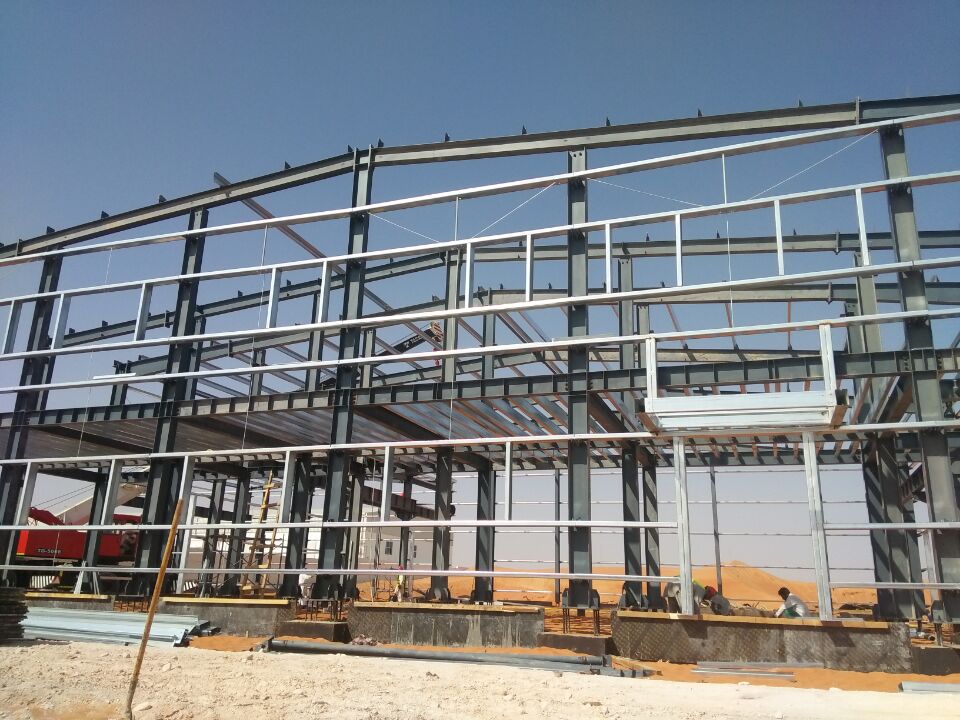
1. Core Defects of Traditional Buildings in Durability and Cost Balance
Most traditional residential and temporary buildings have unbalanced performance and cost systems, unable to achieve synchronous optimization of long-term durability and low comprehensive cost. Their inherent technical and structural defects lead to low overall cost performance and cannot adapt to modern efficient and economical construction demands.
1.1 High-Durability Traditional Buildings Bring Excessive Construction Costs
Permanent brick-concrete buildings and high-grade solid steel buildings have reliable structural stability and environmental durability, but their economic adaptability is extremely poor. The production and construction of these buildings require a large amount of cement, sand, high-thickness steel bars, and auxiliary building materials, with high raw material costs. The complex processes of foundation pouring, masonry construction, long-term curing, and on-site welding require a large number of professional construction workers and mechanical equipment rental, resulting in high labor and time costs. For temporary usage scenarios such as engineering camps and short-term project supporting facilities, the high upfront investment cannot be fully amortized through short-term use, resulting in serious resource waste and low return on investment. Even for long-term residential scenarios, the redundant structural design and over-standard material configuration cause unnecessary cost redundancy, failing to achieve refined economical construction.
1.2 Low-Cost Ordinary Metal Houses Have Poor Durability and High Hidden Losses
Ordinary low-cost metal houses on the market take low upfront prices as the core selling point, but they sacrifice core durability performance severely. Most manufacturers adopt low-grade ungalvanized carbon steel and only a single layer of ordinary anti-rust paint for simple surface treatment, without professional anti-corrosion engineering processes. This superficial protection fails to resist the erosion of humid air, coastal salt spray, industrial pollutants, and ultraviolet radiation. After 1 to 3 years of outdoor use, steel components will undergo large-area oxidation, rust peeling, and structural thinning. Corrosion further leads to frame deformation, loose connection parts, wall water leakage, and poor overall structural stability. According to industry monitoring data, ordinary low-cost metal houses have an effective service life of only 3 to 5 years, and users need to invest 8% to 12% of the initial cost in annual maintenance and component replacement. The frequent renovation and repeated reconstruction completely offset the initial low-price advantage, resulting in extremely high full-lifecycle comprehensive costs.
1.3 Wooden Buildings Face Natural Durability Limitations and Unstable Costs
Wooden buildings are widely used in low-demand lightweight construction scenarios due to their low material and assembly costs. However, natural wood materials have inherent durability defects. Wood is prone to mildew and rot in humid environments, vulnerable to termite and insect erosion, and easy to deform and crack under high temperature and dry conditions. These problems lead to unstable building performance and short service life. To maintain normal use, users need regular anti-insect treatment, anti-corrosion painting, and partial component replacement every year. The irregular maintenance cycle and uncertain material replacement costs make the later operational costs uncontrollable. In addition, wooden buildings have poor wind and seismic resistance, and structural damage caused by extreme weather will bring unpredictable repair and reconstruction expenses, further reducing comprehensive cost performance.

2. Corrosion-Resistant Steel Structure: The Core Support of Long-Term Durability
The excellent durability of Lida Group’s low-cost metal houses stems from professional standardized corrosion-resistant steel structure engineering. Different from the simple anti-rust treatment of ordinary metal houses, Lida’s systematic anti-corrosion technology and optimized steel frame design fundamentally solve the rust and aging problems of metal buildings, realizing long-term stable structural performance under low-cost configuration.
2.1 High-Quality Steel Substrate Ensures Basic Structural Toughness
Lida Group abandons inferior thin carbon steel used in ordinary low-cost metal houses and adopts high-quality standardized engineering steel as the structural substrate. According to different application environments, the company implements precise material matching: high-quality galvanized steel for conventional inland scenarios, zinc-aluminum-magnesium alloy coated steel for coastal salt-spray areas, and weather-resistant steel for high-temperature and high-pollution industrial zones. All steel materials have uniform internal structure, low impurity content, excellent tensile strength and structural toughness, ensuring that the building frame maintains stable bearing capacity and deformation resistance for a long time. Compared with ordinary low-grade steel, Lida’s customized steel substrate has natural oxidation resistance, avoiding rapid structural performance degradation from the source and laying a solid foundation for long-term durability.
2.2 Industrial Hot-Dip Galvanizing Metallurgical Anti-Corrosion Technology
As the core anti-corrosion process, industrial hot-dip galvanizing treatment covers all load-bearing steel frame components of the metal house. The steel parts are immersed in high-temperature molten zinc liquid to form a dense metallurgical bonding zinc layer that is integrally fused with the steel substrate. Unlike manual paint coating that only provides superficial protection, the galvanized layer achieves dual protection of physical barrier and cathodic protection. It can automatically repair minor scratches on the surface and effectively isolate air, moisture, and corrosive media. Field test data shows that the anti-corrosion performance of hot-dip galvanized steel components is more than three times that of ordinary painted steel structures, greatly slowing down the oxidation and aging speed of steel materials and enabling the building to maintain intact structural performance in harsh environments for decades.
2.3 Three-Layer Composite Coating Achieves Full-Coverage Anti-Aging Protection
On the basis of galvanized steel substrate, Lida Group adopts a standardized three-layer composite anti-corrosion coating system to realize no-dead-angle protection for the whole building. The bottom epoxy zinc-rich primer enhances the adhesion between the steel surface and the protective layer and blocks electrochemical corrosion; the middle elastic anti-rust intermediate paint thickens the protective structure and isolates external corrosive substances; the surface weather-resistant polyurethane topcoat provides ultraviolet resistance, waterproof and self-cleaning functions. The total coating thickness is strictly controlled above 80μm, forming an integrated sealed protective system. This layered anti-corrosion process avoids common problems such as uneven coating, peeling, and fading of ordinary metal houses, ensuring long-term stable surface performance and effectively extending the overall service life of the building.
2.4 Refined Detail Optimization Eliminates Potential Corrosion Risks
Most ordinary metal houses suffer from local corrosion damage due to neglected detail treatment. Lida Group’s professional engineering team optimizes all corrosion-prone details in place. All steel cutting, drilling and welding notches are precisely polished and repaired with special anti-rust paint to prevent corrosion starting from damaged gaps; connecting parts adopt matched stainless steel anti-corrosion bolts and waterproof sealing gaskets to avoid moisture accumulation and gap oxidation; the overall building drainage structure is scientifically designed to eliminate long-term water accumulation hidden dangers. The full-process refined detail treatment realizes comprehensive anti-corrosion protection of the whole building, avoiding local performance attenuation and ensuring consistent overall durability.
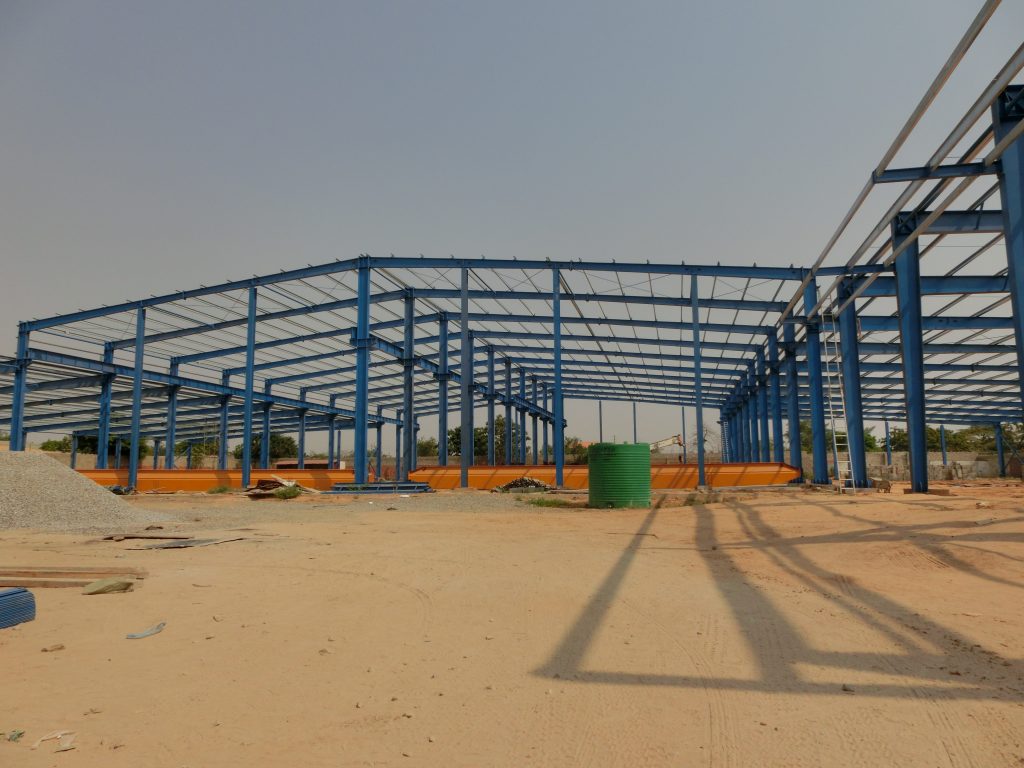
3. Scientific Structural Design Realizes True Low-Cost Construction
While ensuring superior durability, Lida Group’s corrosion-resistant steel structure metal house realizes comprehensive cost optimization through lightweight structural innovation, modular factory production, and simplified on-site construction, breaking the industry stereotype that high durability must mean high price and achieving genuine affordable low-cost construction.
3.1 Lightweight High-Strength Structure Reduces Material Redundancy
Based on finite element mechanical simulation calculation, Lida Group optimizes the stress distribution and component layout of the steel frame. The lightweight high-strength design removes redundant steel consumption on the premise of meeting international wind resistance, seismic resistance and snow load standards, reducing the overall self-weight of the building by 20% to 30% compared with traditional standard steel buildings. The streamlined structural design lowers the requirements for foundation construction, eliminating the need for complex concrete foundation pouring and long curing cycles, greatly saving foundation materials and labor costs. This scientific design avoids performance redundancy and cost waste, ensuring low material investment while maintaining structural safety and durability.
3.2 Factory Batch Production Cuts Unit Manufacturing Costs
All steel structure components and sandwich panel accessories of the metal house are 100% prefabricated and processed in standardized intelligent factories. Batch industrial production realizes precise cutting, unified specification molding and centralized quality inspection, eliminating raw material waste and unstable quality caused by irregular manual on-site operation. Large-scale assembly line production effectively reduces unit processing costs, making the comprehensive production cost far lower than customized on-site welded steel buildings. Meanwhile, standardized factory production ensures consistent anti-corrosion process quality, avoiding additional cost losses caused by rework and unqualified products, and further stabilizing the cost advantage of finished products.
3.3 Modular Assembly Lowers On-Site Deployment Costs
Lida’s metal house adopts fully detachable bolt assembly design, abandoning traditional complex welding and wet construction processes. The on-site construction process is simplified to pure assembly work without professional welding technology, large mechanical equipment and a large number of construction workers. Ordinary workers can complete efficient installation according to standardized operation guidelines, greatly saving on-site labor, equipment rental and time costs. The ultra-fast deployment cycle shortens project preparation time, avoids economic losses caused by delayed project startup, and realizes dual savings of time cost and capital cost. Compared with traditional steel buildings of the same area, the upfront comprehensive construction cost of Lida’s products is reduced by 35% to 40%.
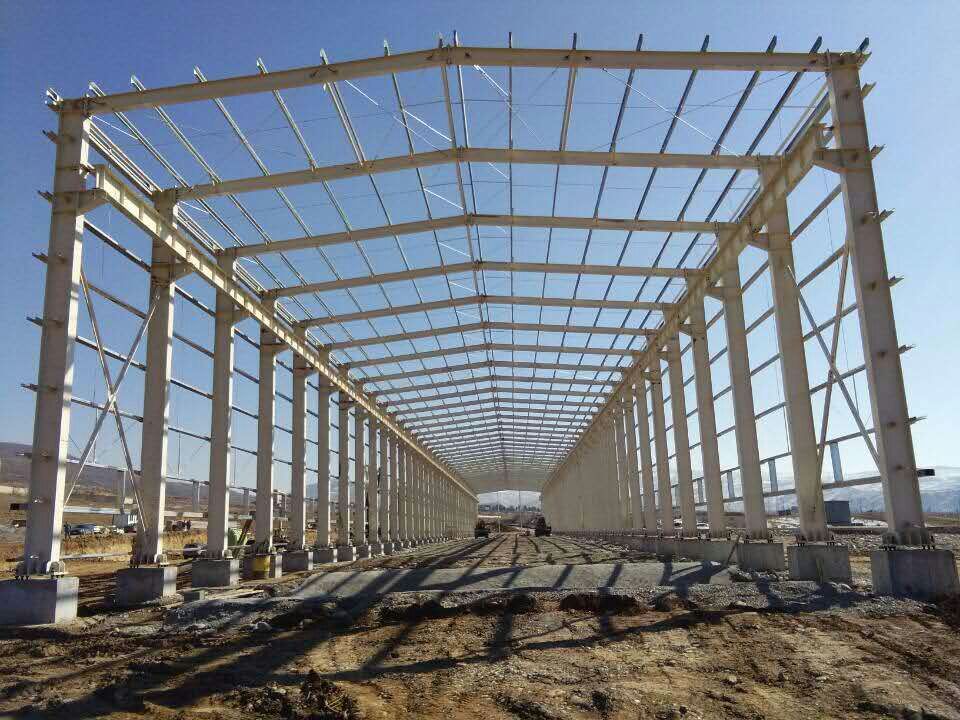
4. Full-Lifecycle Cost Performance: Durability Creates Long-Term Affordability
The core advantage of Lida Group’s corrosion-resistant steel structure metal house lies in its excellent full-lifecycle cost performance. Low upfront investment solves the user’s initial budget pressure, and super-long durability avoids repeated maintenance and reconstruction costs, realizing long-term low-cost operation and maximizing user economic benefits.
4.1 Ultra-Low Long-Term Maintenance Consumption
Benefiting from industrial-grade corrosion-resistant protection and stable structural performance, Lida’s metal house has extremely low later maintenance costs. Field engineering verification shows that the annual maintenance cost of the product is less than 3% of the initial investment, far lower than the 8%–12% maintenance ratio of ordinary low-cost metal houses and wooden buildings. The anti-rust and anti-aging performance avoids frequent rust removal, repainting and component replacement; the stable structural integrity eliminates deformation and damage maintenance caused by environmental erosion; the sealed and smooth panel surface is easy to clean, reducing daily maintenance workload and consumption. Long-term low maintenance operation effectively controls hidden operational costs.
4.2 Super-Long Service Life Amortizes Comprehensive Costs
Ordinary low-cost metal houses can only be used stably for 3 to 5 years, while Lida Group’s corrosion-resistant steel structure metal house has a service life of more than 40 years in harsh coastal and industrial environments and over 50 years in conventional atmospheric environments. The 6 to 8 times extended service life completely avoids repeated demolition and reconstruction investment. Calculated by the full lifecycle, the average annual usage cost of Lida’s products is reduced by more than 70% compared with traditional low-cost metal houses. The super-long durability fully amortizes the initial construction cost, realizing genuine economical use throughout the whole cycle.
4.3 Reusable Modular Structure Improves Asset Value
Different from the disposable design of traditional buildings, Lida’s metal house supports complete disassembly, flat-pack transportation and cross-project reassembly. The corrosion-resistant steel structure can withstand more than 8 repeated disassembly and assembly cycles without performance attenuation. For engineering enterprises with multi-site deployment needs, the reusable building can be transferred and reused among different projects, turning temporary construction investment into recyclable fixed assets. This cyclic usage mode eliminates repeated construction costs, greatly improves asset utilization rate, and further enhances the comprehensive cost performance of the product.
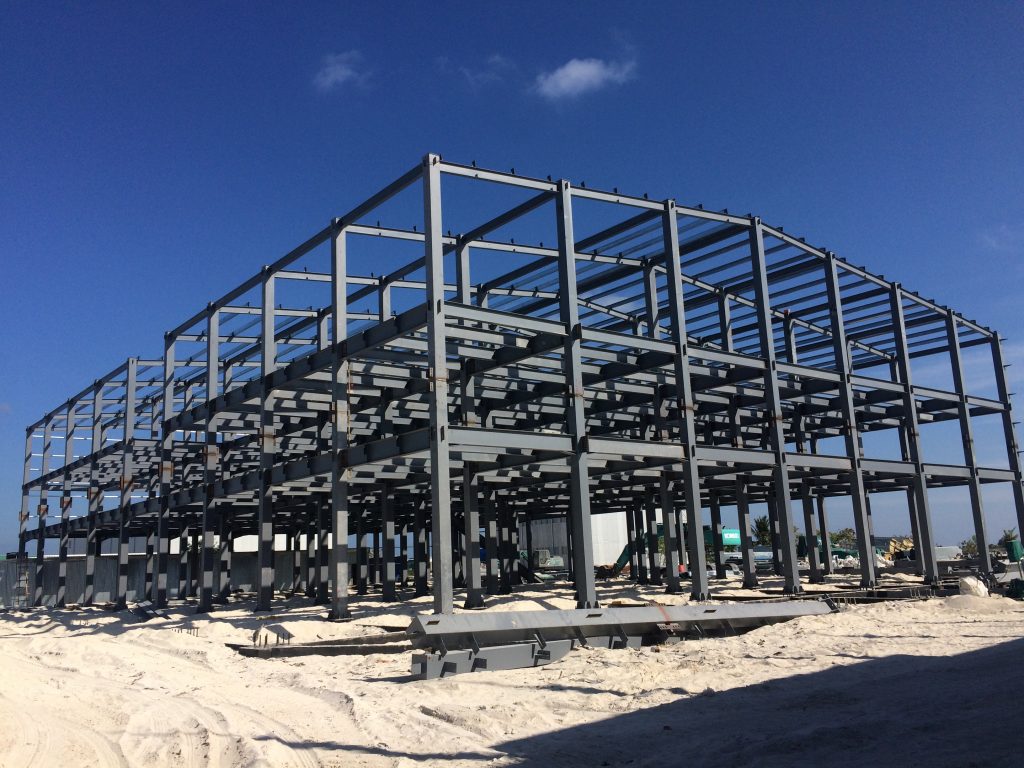
5. Multi-Scenario Application Value of Durable and Affordable Metal Houses
With the dual advantages of long-term durability and low full-lifecycle cost, Lida Group’s corrosion-resistant steel structure metal houses have achieved wide application and high user recognition in multiple fields, solving the housing pain points of different scenarios and delivering stable practical value.
In engineering construction fields such as oilfield camps, mine bases, and road and bridge projects, the product adapts to remote and harsh outdoor environments, resisting wind, sand, humidity and salt spray erosion, ensuring long-term stable operation of temporary camps and reducing project temporary facility costs. In rural residential construction, the low-cost and durable features meet the economical housing needs of rural users, avoiding frequent house renovation and saving long-term living expenses. In emergency disaster relief and temporary public facilities, the fast assembly speed and stable durability ensure rapid deployment and long-term repeated use of emergency housing, improving public resource utilization efficiency. In industrial supporting facilities such as factory dormitories and warehouses, the anti-corrosion and anti-aging performance adapts to complex industrial environments, reducing enterprise operational and maintenance costs.
6. Conclusion
Balancing building durability and construction affordability has always been a core demand and difficult problem in the global construction industry. Traditional brick-concrete, wooden and ordinary low-cost metal houses all have obvious unbalanced defects: high-durability buildings are costly and wasteful, while low-cost buildings have poor durability and high hidden losses. Lida Group’s corrosion-resistant steel structure low-cost metal house completely breaks this industry dilemma with innovative technical design and cost optimization system.
Through high-quality scenario-based steel substrates, industrial hot-dip galvanizing metallurgical anti-corrosion technology, three-layer composite protective coating and refined detail optimization, the product obtains excellent long-term environmental adaptability and structural durability, solving the fatal rust and aging problems of ordinary low-cost metal houses. Meanwhile, lightweight structural optimization, factory batch production and modular rapid assembly effectively control upfront construction costs, and super-long service life and reusable design greatly reduce full-lifecycle maintenance and repeated investment costs. Perfectly integrating durable performance and affordable economic advantages, Lida Group’s metal house provides a high-cost-performance, safe and reliable building solution for engineering, residential, emergency and industrial scenarios. It leads the upgrading of the low-cost metal building industry, enabling users to truly achieve low investment, low consumption and long-term stable use, and continuously empowers the sustainable development of modern modular construction.
Related news
-
Lida Group’s Corrosion-Resistant Steel Construction Sets New Standard for Low Cost Metal House
2026-05-27 11:40:03
-
Why Choose Lida Group for Steel Structure Building and Corrosion-Resistant Low Cost Metal House?
2026-05-27 11:20:12
-
Lida Group Engineers Corrosion-Resistant Steel Construction to Maximize Low Cost Metal House Value
2026-05-27 10:32:00
contact us
- Tel: +86-532-88966982
- Whatsapp: +86-13793209022
- E-mail: sales@lidajituan.com
