



Discover the Strength of Steel Structure Building for Your Next High Quality House
2026-Apr-27 13:33:41
By Admin
When planning a high-quality residential property, modern homeowners, developers, and architects prioritize far more than basic shelter functionality. A premium house requires reliable structural stability, long-term service durability, flexible architectural design, comfortable living environments, controllable construction costs, and eco-friendly sustainability. For decades, residential construction has been dominated by traditional concrete masonry and wooden frame buildings. Although these conventional building methods are widely recognized in the industry, they carry inherent structural weaknesses, unstable finished quality, high maintenance consumption, and limited design flexibility, making it difficult to meet the diversified and high-standard demands of modern high-end residential construction.
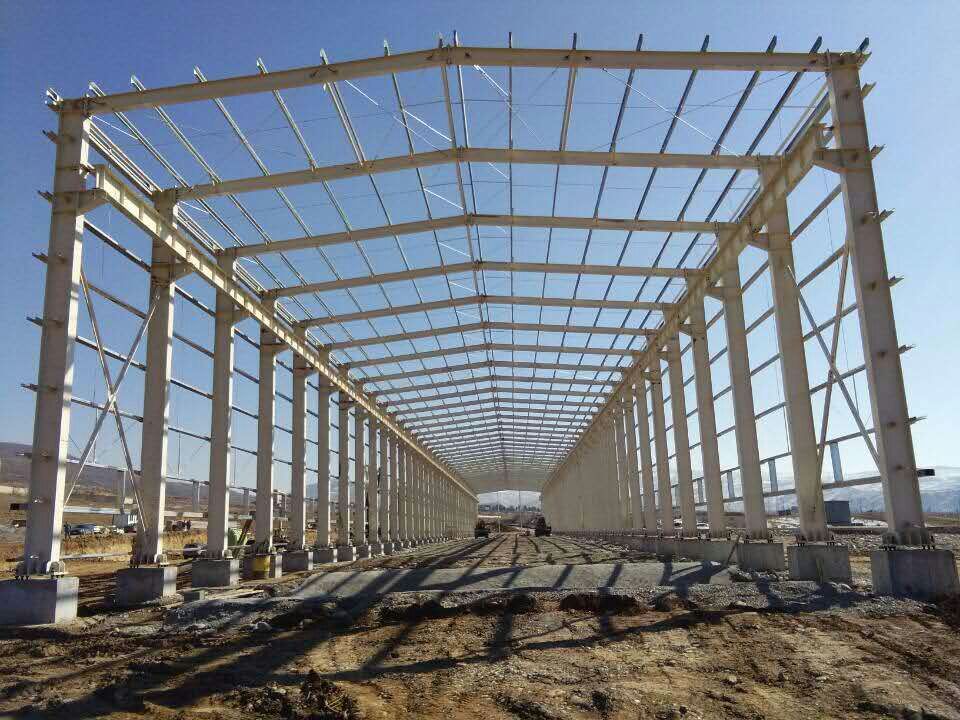
Steel structure building technology has emerged as a transformative residential construction solution, redefining the standards of high-quality housing worldwide. As a modern industrialized building system, steel structure construction relies on high-strength steel frameworks, factory prefabricated components, and modular assembly processes to replace traditional on-site wet construction. Featuring superior mechanical performance, outstanding environmental adaptability, flexible design scalability, and excellent recyclability, professional steel structure buildings have gradually become the preferred choice for high-quality private residences, boutique villas, scenic residential houses, and standardized commercial housing projects. Exploring the core strengths of steel structure buildings helps property owners and construction professionals recognize why this innovative construction method has become the future trend of premium residential development.
Unlike generic building materials with single performance advantages, steel structure systems deliver comprehensive upgrades in structural safety, construction accuracy, spatial aesthetics, living comfort, and long-term economic value. Leading manufacturers such as Lida Group have continuously optimized steel structure design, material processing, and assembly technology, solving traditional drawbacks including steel corrosion, fire resistance limitations, and rigid structural design. Mature industrialized steel structure building technology eliminates the quality uncertainty of manual construction, providing stable, reliable, and customized high-quality housing solutions for global users.
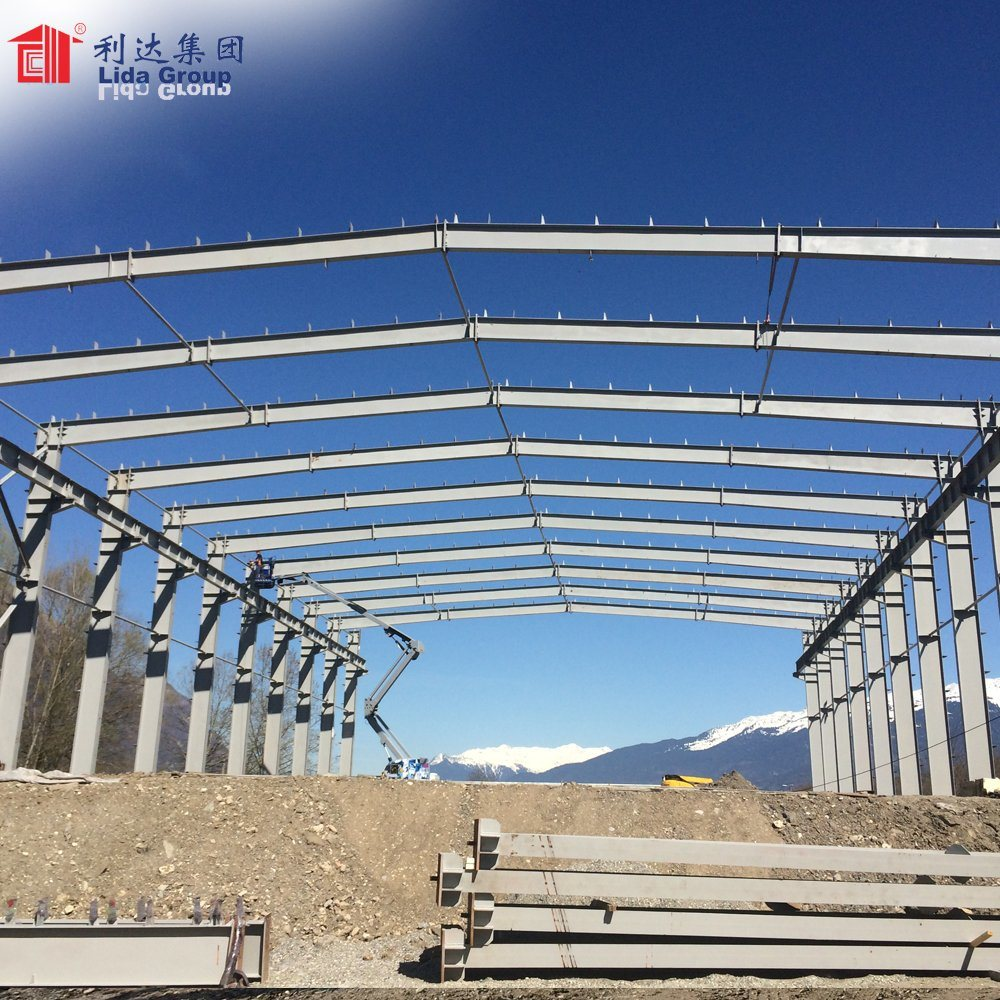
1. Persistent Drawbacks of Traditional Residential Construction
To fully understand the competitive strengths of steel structure buildings, it is necessary to analyze the inherent limitations of traditional concrete and wooden residential structures. These conventional construction modes have restricted the quality upgrading of modern housing due to their natural material characteristics and backward construction techniques.
Concrete masonry houses are the most mainstream traditional residential form, favored for low raw material costs and strong compressive rigidity. However, concrete structures have multiple irreparable flaws in high-quality residential scenarios. First, concrete buildings have heavy self-weight, requiring thickened foundation structures and extensive earthwork excavation during construction, which increases project costs and causes ecological damage to construction sites. Second, rigid concrete materials have poor ductility and seismic toughness. Facing external impacts such as earthquakes and strong winds, concrete walls are prone to brittle cracking and structural collapse, bringing potential safety hazards to residents. Third, solid concrete bearing walls fix indoor spatial layouts, limiting open-plan design and personalized space renovation, resulting in single and rigid residential styles. In addition, concrete buildings suffer from common quality defects including wall water seepage, hollowing, and thermal bridge heat loss, leading to damp indoor environments, high energy consumption, and frequent later maintenance.
Wooden frame houses excel in lightweight texture, natural warmth, and artistic aesthetics, which are suitable for low-demand boutique residential scenarios. Nevertheless, wooden structures have fatal weaknesses in safety and durability. Natural wood materials are susceptible to termite erosion, microbial mildew, moisture decay, and fire damage in outdoor and humid environments. Most wooden houses require regular anti-corrosion, insect-proof, and fire-proof maintenance every year, generating continuous long-term operating costs. Structurally, wooden frames have low tensile strength and poor wind and snow resistance, unable to withstand extreme weather such as typhoons, heavy snow accumulation, and sandstorms. Moreover, wood is a non-recyclable consumable material that consumes massive forest resources, failing to meet modern green and low-carbon residential construction standards. These drawbacks make wooden structures unable to support large-scale high-quality residential construction.
In summary, traditional residential construction methods cannot balance structural safety, design flexibility, durability, economic efficiency, and environmental protection. The universal quality bottlenecks of conventional housing create huge market demand for innovative steel structure building systems, promoting the comprehensive replacement of traditional construction modes by modern steel structure technology.
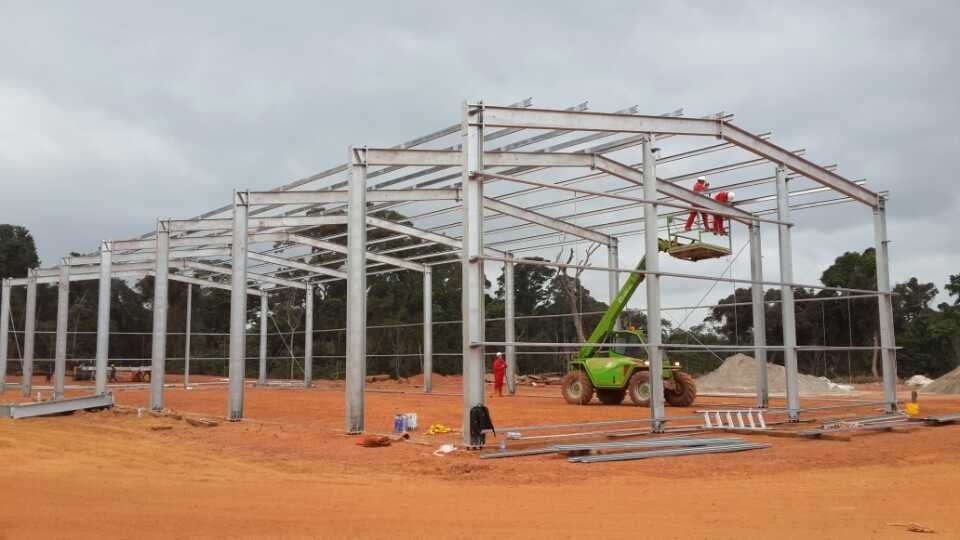
2. Core Structural Strengths of Steel Structure Buildings
Steel is one of the most mature and high-performance green building materials in the modern construction industry. With excellent strength-to-weight ratio, ductile mechanical properties, and stable physical and chemical characteristics, steel forms a reliable structural framework for high-quality houses. Professional steel structure buildings gain unparalleled comprehensive advantages over traditional buildings through optimized structural design, standardized component production, and scientific assembly technology.
2.1 Superior Strength-to-Weight Ratio and Structural Stability
The most prominent core strength of steel structure buildings is the excellent strength-to-weight ratio. High-strength structural steel provides ultra-high tensile strength and compressive bearing capacity while maintaining lightweight characteristics. Compared with concrete structures, qualified steel frameworks reduce overall building self-weight by 30% to 50%. The lightweight structural design greatly lowers foundation bearing requirements, simplifies foundation construction procedures, and effectively reduces foundation engineering investment and site resource consumption.
In terms of structural stability, steel has outstanding ductility different from rigid concrete and fragile wood. When encountering natural disasters such as earthquakes and strong winds, the steel frame will not suffer sudden brittle fracture. Instead, it absorbs and disperses external impact energy through micro plastic deformation, effectively buffering structural vibration and avoiding overall building collapse. Professional performance tests verify that standardized steel structure residential buildings can resist magnitude 8 earthquakes and level 12 strong winds, adapting to extreme weather and geological environments in most regions worldwide. This superior structural toughness provides maximum safety guarantee for residential users.
2.2 Excellent Extreme Weather Adaptability and Ultra-Long Durability
High-quality residential buildings require long-term stable operation and durable structural performance. Traditional buildings are easily affected by environmental erosion and suffer from rapid performance attenuation, while optimized steel structure buildings achieve excellent environmental adaptability through professional anti-corrosion and fireproof treatment technologies. After hot-dip galvanizing and multi-layer weather-resistant coating spraying, steel frame components form a dense protective layer on the surface, isolating air oxidation, rainwater penetration, coastal salt spray corrosion, and desert ultraviolet aging.
Different from wooden frames that decay naturally and concrete frames that crack and weather, treated steel structures will not rust, deform, fade, or mold during long-term outdoor use. With standardized maintenance, the structural service life of high-quality steel structure houses can exceed 50 years, far surpassing the service cycle of traditional residential buildings. Whether in coastal high-humidity typhoon zones, alpine low-temperature frozen areas, arid desert high-temperature environments, or inland earthquake-prone areas, steel structure buildings can maintain complete structural integrity and stable residential performance, realizing long-term durable housing value.
2.3 Flexible Structural Design and Architectural Customization
Modern high-quality housing pursues personalized spatial layout and diverse architectural aesthetics, which is difficult to achieve with traditional fixed structural buildings. The open and modular design of steel structure frameworks completely breaks spatial design limitations. Steel structures support large-span column-free space design, removing redundant bearing columns inside buildings and creating spacious, transparent, and open indoor activity areas.
Architects and homeowners can freely adjust building storey height, indoor functional partitions, window opening layout, and facade modeling according to personalized aesthetic preferences and living needs. Steel structure systems can be flexibly matched with modern minimalist, pastoral, industrial, European-style, and villa-style architectural appearances, fully meeting the diversified aesthetic positioning of high-end residences. In addition, the modular splicing structure supports later spatial expansion and renovation, allowing users to adjust house functions with changes in family living needs, greatly improving the long-term usability and flexibility of residential buildings.
2.4 Efficient Industrialized Construction and Stable Finished Quality
Traditional residential construction relies heavily on on-site manual wet construction, with construction quality easily affected by weather, temperature, and worker proficiency, leading to unstable finished quality and long project cycles. In contrast, steel structure buildings adopt industrialized factory prefabrication and modular on-site assembly. All steel columns, steel beams, wall keels, and connecting components are precisely processed in automated factories with millimeter-level manufacturing accuracy.
All components undergo strict factory performance testing and assembly simulation verification before delivery to ensure qualified structural performance and accurate matching dimensions. On-site construction only requires bolted assembly without complex pouring, painting, and curing procedures, shortening the overall construction cycle by more than 50% compared with traditional buildings. The standardized industrialized construction mode eliminates random quality defects caused by manual errors, ensuring consistent and reliable finished quality for every high-quality steel structure house.
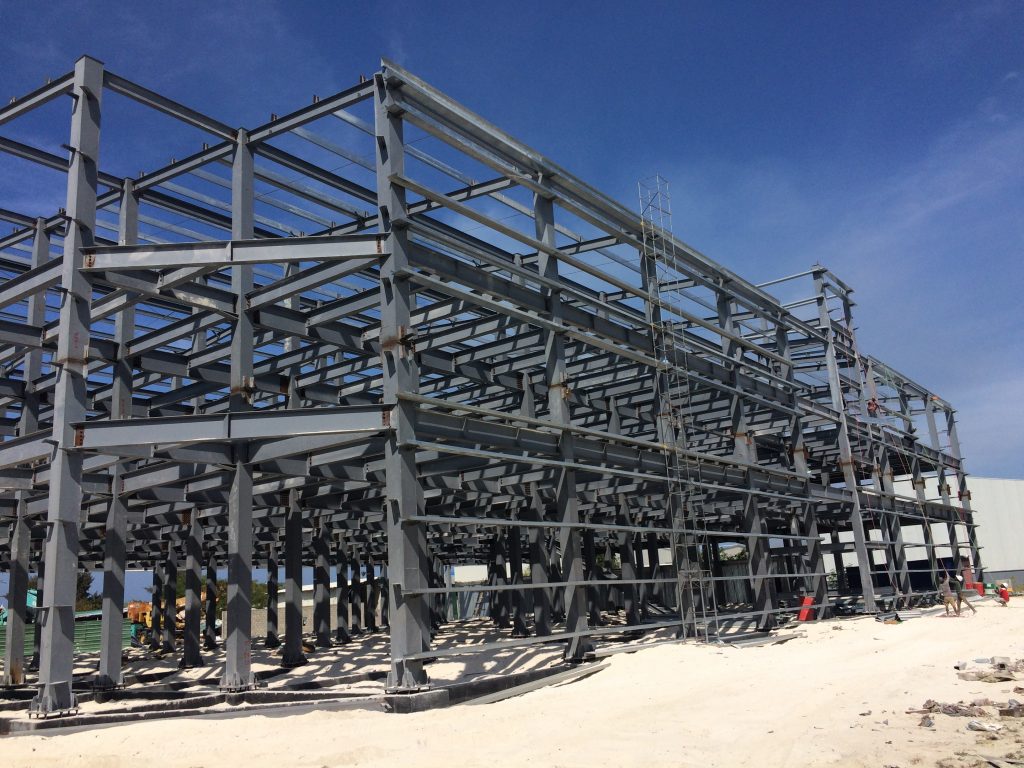
3. Comprehensive Living and Economic Value of Steel Structure Houses
The structural strengths of steel structure buildings are ultimately reflected in superior residential experience and lasting economic value. Compared with traditional residential buildings, steel structure houses achieve comprehensive upgrades in living comfort, safety guarantee, maintenance cost control, and environmental sustainability, becoming the optimal choice for modern high-quality housing.
3.1 Superior Humanized Living Comfort
Steel structure frameworks can be perfectly matched with high-performance thermal insulation, sound insulation, waterproof, and airtight enclosure materials. The integrated building system effectively isolates external temperature changes, rainwater penetration, outdoor noise, and dust pollution. The optimized wall and roof structure solves common residential problems such as indoor heat loss, damp mildew, noisy environment, and poor air circulation of concrete and wooden buildings.
In terms of lighting and ventilation, the flexible steel frame structure supports larger window opening ratios and transparent glass facade design, improving indoor natural lighting and cross ventilation efficiency. Spacious indoor space, quiet living environment, stable room temperature, and clean and hygienic indoor conditions create a healthy, comfortable, and humanized high-quality living space, fully meeting the living standard demands of modern high-end residential users.
3.2 Low Long-Term Maintenance and Balanced Economic Benefits
Although high-quality steel structure buildings adopt high-standard material configuration and precision processing technology, their full-life-cycle economic benefits are far superior to traditional buildings. Industrialized prefabrication shortens construction cycles, reduces on-site labor and mechanical leasing costs, and avoids material waste caused by traditional wet construction.
More importantly, the ultra-durable steel frame structure has extremely low failure rates and stable long-term performance. It does not require frequent anti-corrosion repair, wall reinforcement, and leakage maintenance required by concrete and wooden houses, greatly reducing long-term residential operating costs. In addition, steel structure buildings support component disassembly, replacement, and spatial renovation. Users can upgrade residential functions at low cost in the later stage, effectively extending building service life and maintaining lasting residential asset value.
3.3 Outstanding Green Environmental Protection and Sustainability
Steel is a typical 100% recyclable green building material without performance attenuation after recycling. The component recycling rate of standardized steel structure buildings exceeds 95%. After the end of the building service cycle, all steel components can be disassembled, recycled, and remade into new building components, avoiding massive construction waste generated by concrete and wooden building demolition.
The factory prefabrication and modular assembly mode realizes zero on-site dust, sewage, and construction waste pollution, reducing ecological damage to construction sites. The lightweight structural design lowers foundation resource consumption, and the high-efficiency thermal insulation system reduces residential heating and cooling energy consumption, effectively cutting building carbon emissions. The excellent green environmental performance enables steel structure houses to meet global green building certification and low-carbon sustainable development standards, representing the eco-friendly development direction of modern residential construction.
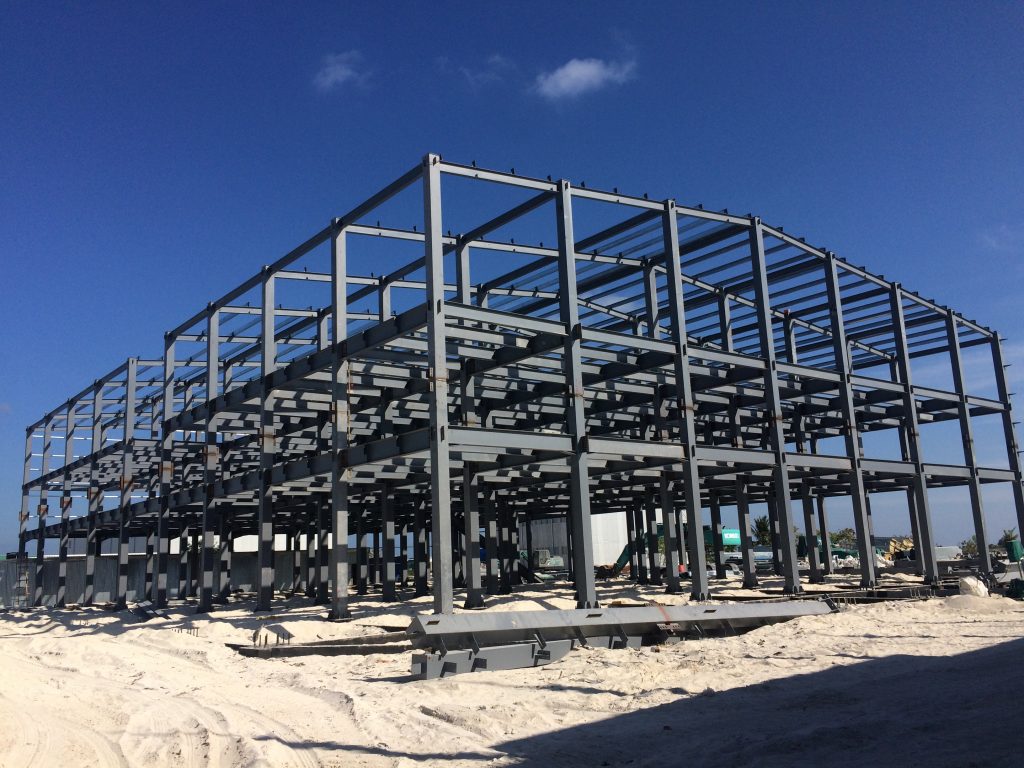
4. Practical Engineering Verification of Steel Structure Housing Strength
A large number of global high-end residential and boutique villa projects have fully verified the comprehensive strengths and reliable performance of steel structure buildings. As a leading practitioner of standardized steel structure residential construction, Lida Group has delivered numerous high-quality steel structure house projects across diverse complex global scenarios.
In a high-end private villa project in Eastern Europe, the local area has cold and snowy winters, strong seasonal winds, and large annual temperature differences. Traditional concrete villas are prone to wall cracking and freezing damage, while wooden villas cannot resist long-term snow pressure and wind impact. The project adopted customized high-standard steel structure buildings. The high-strength hot-dip galvanized steel frame effectively resisted winter snow accumulation and strong wind impact, maintaining stable structural integrity under low-temperature environments. The flexible structural design realized multi-layer villa modeling and open indoor space layout. After years of operation, the villa structure remained intact without deformation, cracking, or aging, maintaining stable high-quality residential performance.
In a coastal scenic high-end residential project in Southeast Asia, the local climate features perennial high temperature, heavy rainfall, high humidity, and severe salt spray corrosion. Traditional buildings are prone to rapid corrosion, mildew, and water seepage. Lida Group’s steel structure houses adopted enhanced multi-layer anti-corrosion and waterproof technology. The optimized steel frame structure resisted coastal salt spray erosion and seasonal typhoon impacts, while the matched high-performance enclosure materials ensured indoor dryness, quietness, and comfort. The flexible architectural design perfectly integrated residential buildings with scenic landscape resources, creating high-value scenic residential products and obtaining unanimous recognition from developers and homeowners.
5. Industry Value and Future Development Prospects
With the continuous upgrading of global residential quality standards and the acceleration of construction industrialization, traditional extensive residential construction modes can no longer meet market demands. The multiple strengths of steel structure buildings in structural safety, durability, design flexibility, living comfort, and green environmental protection make them the core development trend of modern high-quality housing.
For individual homeowners, steel structure houses provide safer, more comfortable, and more personalized high-quality living spaces, reduce long-term housing maintenance costs, and preserve stable residential asset value. For real estate developers and construction enterprises, standardized steel structure residential construction realizes controllable project quality, progress, and cost, improves residential product competitiveness, and optimizes enterprise green construction assessment indicators.
For the global construction industry, steel structure building technology promotes the transformation of residential construction from manual wet construction to industrialized modular manufacturing, solves the long-standing quality instability problem of traditional construction, standardizes high-end residential construction specifications, and guides the refined, green, and high-quality sustainable upgrading of the global residential construction industry.
6. Conclusion
Traditional concrete and wooden residential buildings have inherent limitations in structural safety, environmental adaptability, design flexibility, durability, and environmental protection, which hinder the construction of modern high-quality houses. As an innovative and advanced residential construction system, steel structure building technology integrates multiple core strengths that traditional construction methods cannot match, becoming the optimal solution for next-generation high-quality housing.
Relying on superior strength-to-weight ratio, excellent ductile seismic resistance, ultra-long environmental durability, flexible personalized design, efficient industrialized construction, and outstanding green sustainability, professional steel structure buildings perfectly solve various pain points of traditional residences. Verified by global practical engineering projects, steel structure houses maintain stable structural performance in diverse harsh environments, provide humanized and comfortable living experience, and create lasting economic and ecological value for users.
In the future, with the continuous iteration of building industrialization technology and the continuous improvement of global low-carbon construction standards, high-quality, durable, customizable, and eco-friendly steel structure residential buildings will gradually replace traditional building modes and dominate the high-end residential market. Choosing professional steel structure building solutions is not only a reliable guarantee for creating high-quality personalized houses but also an important choice to conform to the sustainable development trend of the modern construction industry.
Related news
-
High Quality House Solutions Available Through Lida Group's Metal Frame Construction Expertise
2026-04-27 13:11:15
-
Lida Group Combines Steel Structure Building and Metal Frame Construction for Premium Homes
2026-04-27 11:20:11
-
Innovative Metal Frame Construction by Lida Group Creates Durable High Quality House
2026-04-27 11:15:33
contact us
- Tel: +86-532-88966982
- Whatsapp: +86-13793209022
- E-mail: sales@lidajituan.com
