



Affordable Living Solution: Low Cost Metal House with Easy Operation Steel Structure Building
2026-Jun-03 17:47:14
By Admin
Global housing affordability has become one of the most pressing social and economic challenges in the 21st century. With rapid population growth, accelerated urbanization, rising construction material prices, and labor cost inflation, traditional residential buildings dominated by concrete, brick, and wood structures can no longer meet the massive demand for affordable housing in ordinary families, remote areas, and economically underdeveloped regions. Traditional housing projects are plagued by high comprehensive costs, long construction cycles, complex on-site operations, and heavy reliance on skilled workers, leaving numerous low and middle-income groups unable to access safe, comfortable, and standardized residential spaces.
Against this backdrop, low-cost metal houses with easy-operation steel structures have emerged as a revolutionary affordable living solution. Integrating factory prefabrication, modular design, and simplified on-site assembly technology, modern steel structure metal houses perfectly break the inherent drawbacks of traditional construction modes. They deliver reliable, safe, and comfortable residential spaces at a much lower cost while greatly reducing construction difficulty and technical thresholds. This article comprehensively explores the development background, core structural advantages, easy-operation construction features, multi-dimensional cost benefits, practical application scenarios, and future development potential of low-cost steel structure metal houses, aiming to illustrate their irreplaceable value in solving global affordable housing problems.
1. The Predicament of Traditional Residential Construction and the Rise of Metal Steel Structure Houses
For a long time, traditional residential construction has maintained a mature but inefficient and costly development model. First, traditional building materials such as cement, sand, stone, and high-quality wood have continued to rise in price in recent years, directly pushing up the raw material cost of residential construction. Second, traditional on-site pouring, bricklaying, and woodworking processes require a large number of professional construction workers, and the continuous rise of global labor costs has further increased the overall investment of housing projects. Data from the global construction industry shows that labor costs account for 35% to 50% of the total cost of traditional residential buildings, and the proportion is still rising year by year.
In addition, traditional residential construction involves cumbersome processes including foundation treatment, on-site material processing, layered pouring, and long-term maintenance. A standard ordinary residential house often requires 3 to 6 months of on-site construction, and complex climatic conditions such as rain, snow, and high temperature will further delay the project progress. Long construction cycles not only increase on-site management costs and equipment rental expenses but also prolong the waiting cycle for residents to check in, resulting in invisible time cost losses. More importantly, traditional manual on-site operation has high uncertainty, and construction quality is easily affected by human errors and environmental factors, leading to common problems such as wall cracking, water leakage, and poor thermal insulation, which increase subsequent maintenance costs.
In contrast, low-cost metal steel structure houses have completely subverted the traditional residential construction logic. Adopting industrial prefabrication and standardized modular assembly, this new type of building realizes the separation of factory production and on-site construction. It effectively avoids the waste of raw materials and labor resources in traditional construction, simplifies complex construction procedures into simple assembly operations, and achieves the dual goals of significant cost reduction and construction efficiency improvement. With the advantages of low threshold of operation, short cycle, low cost, high durability, and strong environmental adaptability, steel structure metal houses have gradually become the mainstream preferred solution for global affordable living, emergency resettlement, rural housing renovation, and temporary residential construction.
2. Core Structural Advantages of Low-Cost Steel Structure Metal Houses
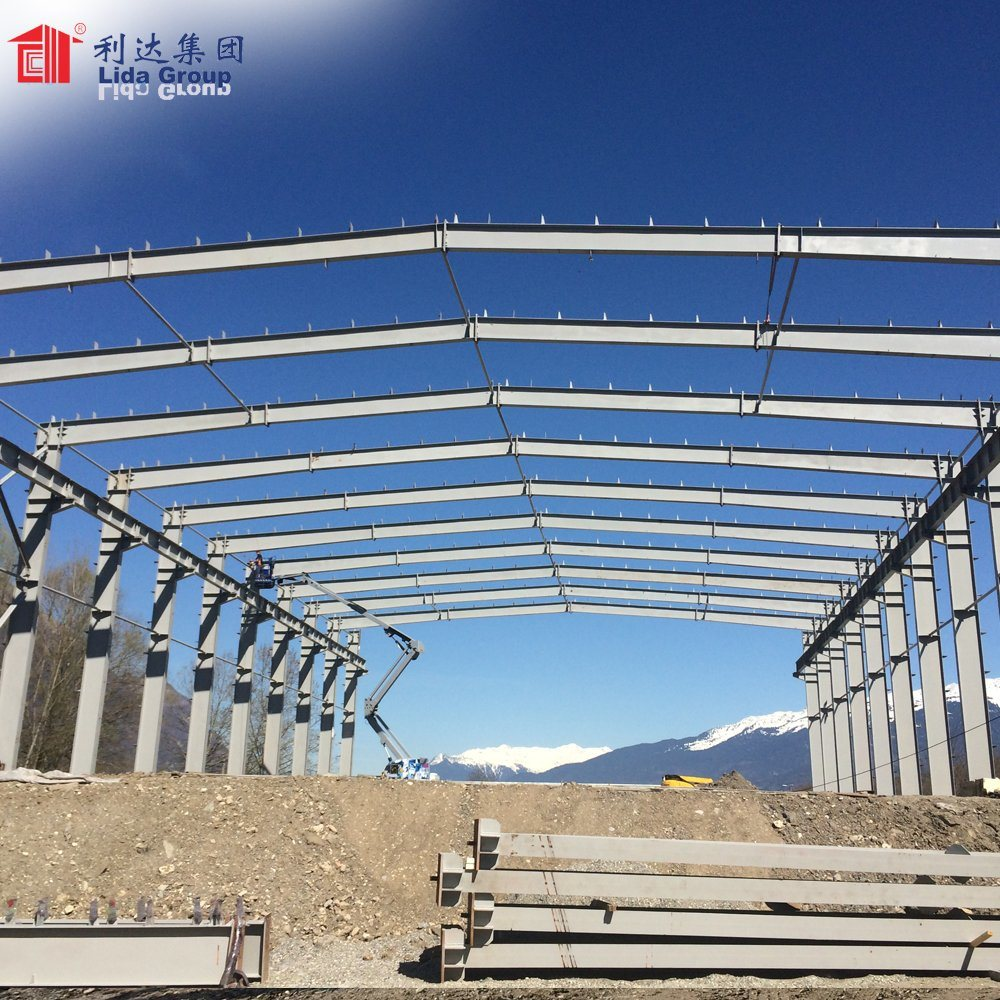
The outstanding comprehensive performance of modern metal houses stems from the optimized and upgraded steel structure system. Different from simple temporary iron sheet houses in the early stage, current low-cost steel structure residential buildings adopt high-strength galvanized steel frames and composite thermal insulation wall and roof panels, with systematic upgrades in structural stability, safety performance, living comfort, and service life, fully meeting the long-term living needs of residents.
First of all, the steel frame structure has ultra-high structural stability and durability. The main frame is made of high-quality hot-dip galvanized steel, which has excellent anti-corrosion, anti-rust, and anti-oxidation capabilities. It can resist harsh weather conditions such as strong wind, heavy rain, snow accumulation, and high temperature, and is not easy to deform or damage. Unlike wood structures that are prone to termite erosion, mildew and decay, and concrete structures that are prone to cracking and weathering, steel structures have a service life of more than 50 years with minimal daily maintenance. Meanwhile, the steel frame has good seismic and wind resistance performance. The flexible structural design can effectively buffer external impact forces, making it safer than traditional buildings in earthquake-prone and typhoon-prone areas.
Secondly, the composite enclosure structure balances thermal insulation, sound insulation and living comfort. Modern low-cost metal houses adopt integrated polyurethane thermal insulation sandwich panels for walls and roofs. This material has excellent thermal insulation performance, which can effectively isolate external high temperature and cold air, reduce indoor temperature fluctuation, and reduce the energy consumption of air conditioning and heating. In terms of sound insulation, the multi-layer composite structure can effectively block external noise, creating a quiet indoor living environment. In addition, the standardized reserved openings for doors, windows and pipelines realize reasonable indoor space layout, which can be freely divided into bedrooms, living rooms, kitchens and bathrooms according to living needs, fully meeting the functional needs of daily family living.
Furthermore, the steel structure has outstanding environmental protection and recyclable value. Steel is one of the most recyclable building materials in the construction industry. All steel frames and metal components of metal houses can be completely recycled and reused after the end of the building’s service life, with a recycling rate of over 95%. Compared with traditional construction that generates a large amount of construction waste, metal house construction produces almost no construction garbage, which conforms to the global green and low-carbon development concept and reduces environmental governance costs.
3. Easy-Operation Construction Mechanism: Simplify Processes and Lower Technical Thresholds
One of the most competitive core advantages of low-cost metal houses is their ultra-low operation threshold and streamlined construction process. Relying on mature modular prefabrication technology, the entire construction process abandons complex traditional processes such as on-site welding, cutting, concrete pouring, and long-term maintenance, realizing simple, fast and efficient assembly construction.
The whole construction mode is divided into two core links: factory integrated prefabrication and on-site rapid assembly. In the factory stage, all steel frames, wall panels, roof panels, floor systems, and door and window accessories are precisely processed and pre-assembled through automated production lines. All components are produced in strict accordance with unified standard sizes and installation interfaces, with precise reserved bolt holes and connecting structures, ensuring complete compatibility and matching between components. All complex processing and production work is completed in the stable factory environment, avoiding quality instability caused by outdoor weather and manual operation errors.
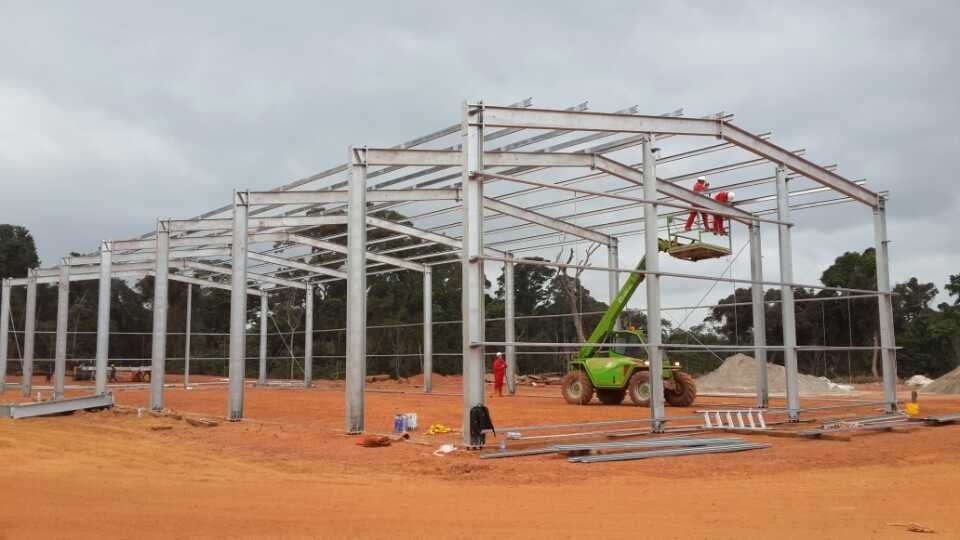
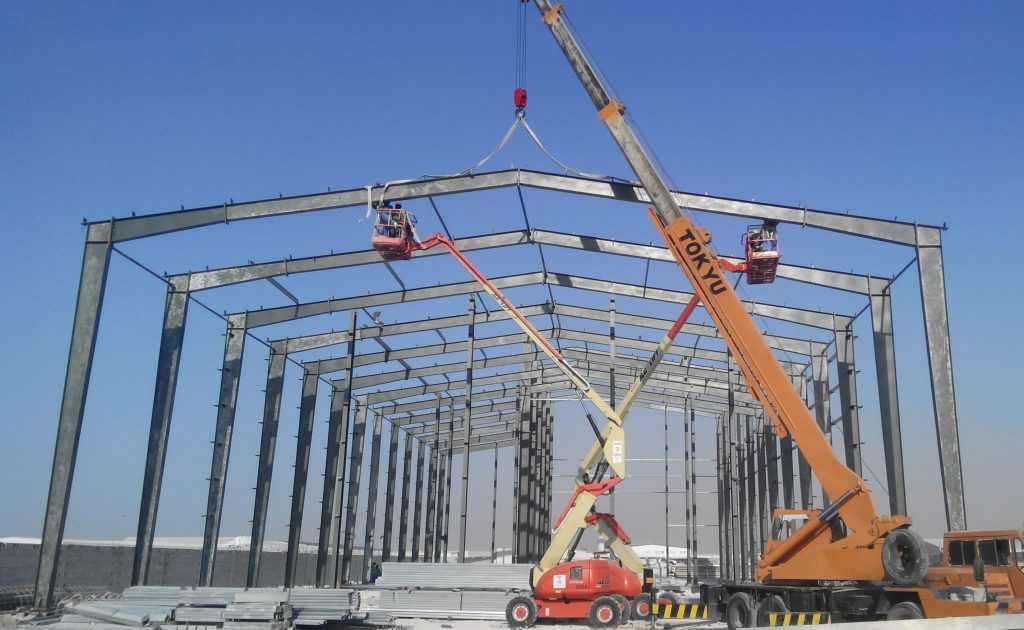
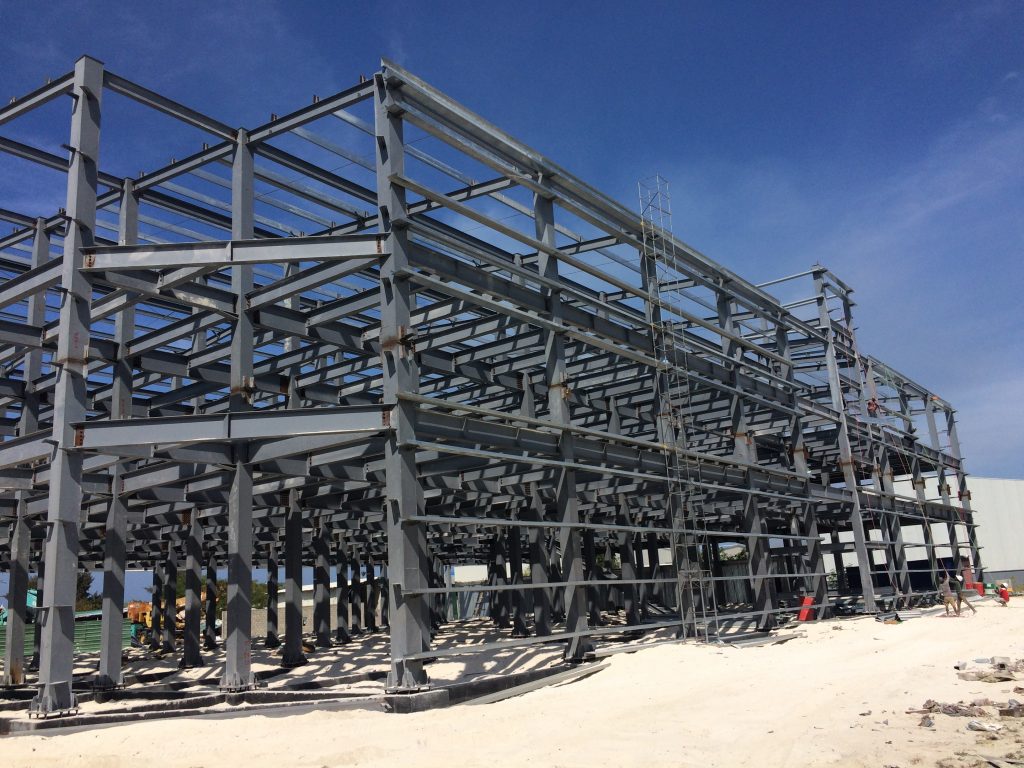
The on-site construction link is extremely simple and user-friendly. After the factory prefabricated components are transported to the construction site, workers only need to complete simple docking, splicing and bolt fixing operations. The innovative modular locking connection design eliminates the need for professional welding equipment and technical workers. Ordinary construction workers without steel structure construction experience can master the installation skills in a short time and complete standardized assembly work. A small team of 3 to 5 workers can finish the assembly of a 200-square-meter two-story residential house within 5 to 7 working days, and large-area residential clusters can also be completed in a short cycle through batch assembly.
In addition, the easy-operation system has strong environmental adaptability. The lightweight modular components are convenient for transportation and handling, and can adapt to complex construction scenarios such as remote mountainous areas, rural areas, and post-disaster reconstruction sites with limited construction conditions. The whole construction process will not be affected by seasonal and weather factors, effectively avoiding project delays caused by bad weather, and realizing rapid construction and delivery throughout the year. The simplified operation process not only greatly reduces the difficulty of on-site construction but also effectively avoids construction rework and quality problems caused by irregular operation, ensuring stable and reliable project quality.
4. Multi-Dimensional Cost-Saving Advantages of Low-Cost Metal Residential Buildings
Metal steel structure houses realize all-round cost optimization in the whole life cycle from design, production and construction to later operation and maintenance, becoming the most cost-effective affordable living solution. Compared with traditional concrete and brick houses, metal houses can reduce the comprehensive construction cost by 20% to 40%, with more prominent long-term economic benefits.
First, raw material and manufacturing costs are effectively controlled. Factory automated batch production greatly improves material utilization, avoiding the waste of cement, sand and wood in traditional on-site construction. The standardized production mode reduces the unit production cost of components, and the lightweight steel structure reduces the foundation bearing pressure, which can save a lot of foundation construction costs compared with traditional heavy buildings. For ordinary rural residential buildings, the foundation cost of metal houses is only 50% of that of traditional houses.
Second, labor and mechanical costs are greatly reduced. The simplified assembly operation does not require a large number of professional construction teams and large-scale mechanical equipment. Traditional residential construction requires more than 10 professional workers to work for several months, while metal house assembly only needs a small number of ordinary workers, cutting on-site labor costs by more than 35%. Meanwhile, the cancellation of on-site welding, cutting and pouring processes reduces the rental and use cost of large construction machinery, further reducing project investment.
Third, time cost is significantly compressed. The ultra-short construction cycle enables residents to check in quickly, avoiding the time loss caused by long-term construction. For investors and individual homeowners, rapid delivery means early occupancy and early use, which greatly improves the capital utilization efficiency. In addition, short construction cycles reduce on-site management costs, safety risks and accidental consumption, realizing invisible cost reduction.
Fourth, later operation and maintenance costs are low. The high-quality galvanized steel frame and anti-corrosion enclosure materials have strong weather resistance, avoiding common problems such as rust, deformation and water leakage. The standardized modular structure is convenient for later maintenance and partial replacement, and the maintenance frequency and cost are far lower than traditional buildings. At the same time, the excellent thermal insulation performance reduces household energy consumption, saving a lot of electricity and energy costs for residents every year. From the perspective of 50-year full-life cycle operation, the comprehensive cost of metal houses is less than half of that of traditional residential buildings.
5. Diverse Application Scenarios of Easy-Operation Low-Cost Metal Houses
With the dual advantages of low cost and simple operation, steel structure metal houses have achieved wide coverage in multiple residential scenarios, effectively solving the housing problems of different groups and meeting diverse construction needs.
In terms of rural residential renovation and new rural construction, metal houses have become the preferred choice for rural affordable housing. Rural areas are faced with problems such as insufficient professional construction workers, limited construction conditions and limited family housing budgets. The easy-operation assembly mode does not rely on professional skills and complex construction equipment, which is very suitable for rural self-built housing. At the same time, the low-cost advantage greatly reduces the economic pressure of rural residents, and the customizable space design can adapt to rural living habits and functional needs, realizing the upgrading of rural living environment.
In terms of emergency disaster relief and temporary resettlement housing, metal houses show irreplaceable value. In the face of natural disasters such as earthquakes, floods and typhoons, rapid construction of safe temporary resettlement housing is the key to post-disaster rescue. The easy-operation and fast-assembly characteristics of steel structure metal houses enable large-scale housing construction to be completed in a short time, providing safe and warm living space for disaster-stricken people. The stable structural performance can resist secondary disasters, ensuring the living safety of residents during the resettlement period.
In addition, metal houses are also widely used in remote area construction, construction site dormitories, low-rent affordable housing, small commercial supporting houses and other scenarios. For remote areas with backward transportation and insufficient construction resources, the modular prefabricated components are easy to transport and assemble, breaking the geographical restrictions of traditional construction. For urban affordable housing projects, the low-cost and standardized construction mode can quickly complete the construction of low-rent housing clusters, effectively alleviating the urban housing supply pressure.
6. Industry Development Challenges and Optimized Solutions
Although low-cost easy-operation metal houses have prominent comprehensive advantages, the industry still faces some development bottlenecks in the promotion process. First, some consumers have inherent prejudices against metal houses, mistakenly believing that low-cost steel structure buildings have poor comfort and short service life, and equating modern modular metal houses with simple temporary iron sheet houses. Second, the industry has uneven product quality. A small number of manufacturers reduce costs by using low-quality steel and inferior thermal insulation materials, resulting in uneven product quality in the market and affecting the overall industry reputation.
In response to the above problems, the industry has carried out continuous optimization and upgrading. First, manufacturers continue to upgrade material standards, adopting high-strength anti-corrosion steel and high-density thermal insulation materials to further improve building comfort, safety and durability, and gradually change consumer cognition. Second, the industry is promoting unified construction standards and production specifications, standardizing product design, component production and on-site assembly processes, eliminating low-quality products, and realizing standardized and high-quality industry development. Third, through popular science promotion and engineering case display, the market’s recognition of modern steel structure residential buildings is continuously improved, accelerating the popularization of affordable metal houses.
7. Future Development Trends of Low-Cost Easy-Operation Metal Houses
With the continuous progress of construction industrialization and modular technology, low-cost easy-operation steel structure metal houses will usher in broader development space. In the future, the industry will develop towards higher intelligence, stronger customization, better green performance and wider popularization.
In terms of technological upgrading, intelligent building systems will be gradually integrated into metal house design, including intelligent ventilation, constant temperature control, smart security and other functions, further improving living comfort and intelligence level. In terms of material innovation, new high-strength, heat-insulating, fire-proof and environmentally friendly composite materials will be widely used to further enhance the comprehensive performance of buildings and reduce comprehensive costs.
In terms of market promotion, with the increasing emphasis on global affordable housing and green construction, metal steel structure houses will further replace traditional high-cost and low-efficiency buildings, and become the mainstream solution for global affordable living. At the same time, the continuous optimization of assembly technology will further reduce the operation threshold, realize more efficient and intelligent on-site construction, and provide more convenient and high-quality housing services for global residents.
8. Conclusion
Low-cost metal houses with easy-operation steel structures represent an innovative and practical affordable living solution in the modern construction industry. By virtue of standardized modular prefabrication, simplified on-site assembly operations, excellent structural performance and multi-dimensional cost-saving advantages, they effectively solve the core pain points of high cost, difficult construction, long cycle and unstable quality of traditional residential buildings. Different from traditional buildings that rely heavily on professional technology and large investment, steel structure metal houses lower the threshold of housing construction, enable more low and middle-income groups to obtain safe, comfortable and high-quality living space, and play a vital role in alleviating global housing affordability pressure, promoting rural construction and supporting post-disaster reconstruction.
With the continuous optimization of industrial technology, the improvement of industry standards and the continuous renewal of market cognition, easy-operation low-cost metal steel structure buildings will become more mature and perfect. They will not only continue to maintain their core advantages of low cost and simple operation, but also achieve comprehensive improvements in comfort, intelligence and environmental protection. As a sustainable, efficient and economical residential form, it will surely lead the new trend of global affordable housing construction, bring more inclusive and high-quality living solutions to the society, and create greater economic and social value for the development of the global construction industry and the improvement of people’s livelihood.
Related news
-
Lida Group Sets New Standard in Easy Operation Steel Construction for Low Cost Metal House Projects
2026-06-03 16:55:06
-
New Oil Field Worker Dormitory Features Temporary Low Cost Building and Easy Install Sandwich Panels
2026-05-28 17:20:32
-
Lida Group Combines Affordability and Efficiency in Oil Field Worker Dormitory Projects
2026-05-28 17:14:15
contact us
- Tel: +86-532-88966982
- Whatsapp: +86-13793209022
- E-mail: sales@lidajituan.com
