



Prefabricated Container Worker Dormitory Solutions by Lida Group Enhance On-Site Living
2026-May-22 14:53:36
By Admin
Introduction
The construction industry, as a core pillar of global infrastructure development, relies heavily on mobile construction teams and temporary on-site residential facilities. For decades, on-site worker accommodation has long been a neglected link in project management. Most construction sites adopt temporary brick houses, simple tents, or makeshift shanties as worker dormitories, which generally suffer from cramped space, poor sealing performance, insufficient safety guarantees, and incomplete supporting facilities. These backward accommodation conditions not only affect workers’ daily rest and physical and mental health but also indirectly reduce work efficiency, increase staff turnover rates, and even trigger potential safety hazards and management problems. With the continuous improvement of global construction industry standardization and humanized management requirements, optimizing on-site worker living conditions has become an important part of modern construction project operation.
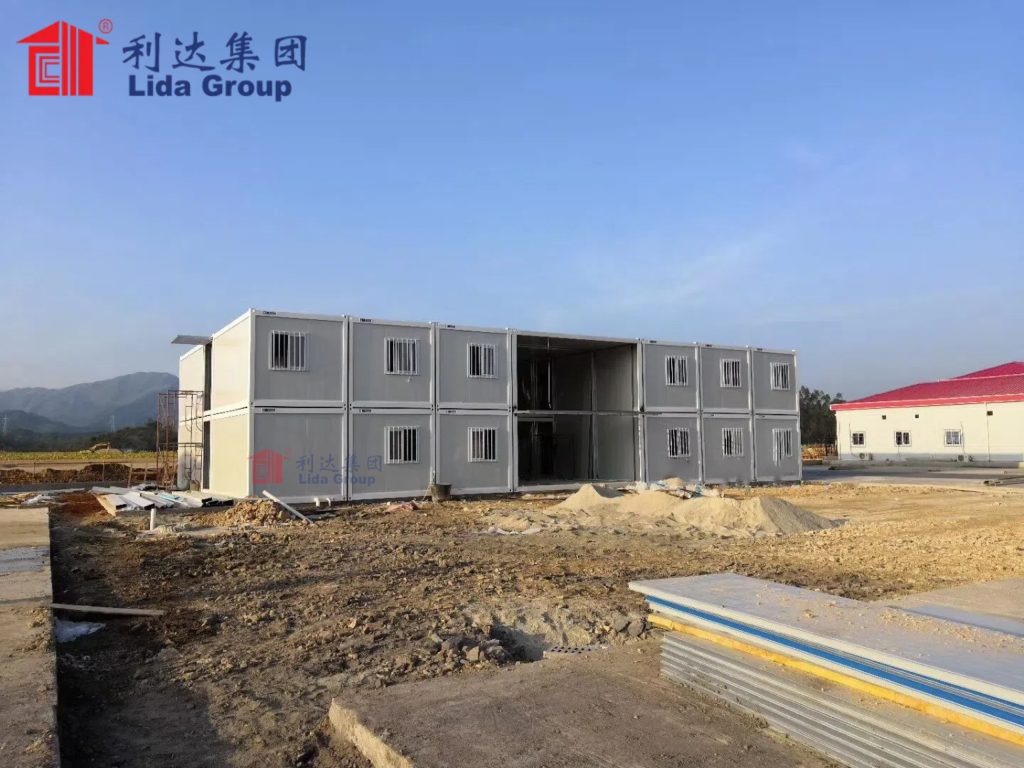
As a leading global provider of modular construction solutions, Lida Group has long focused on the pain points of on-site temporary accommodation in the construction industry. Based on years of modular building research and development and engineering practice experience, the company has launched customized prefabricated container worker dormitory solutions. Different from traditional temporary accommodation facilities, Lida Group’s container dormitories adopt factory prefabrication, standardized modular design, and humanized functional configuration, perfectly balancing rapid deployment, safety and durability, comfortable living, and economic practicability. This innovative dormitory solution has been widely applied in large-scale infrastructure projects, municipal construction, cross-border engineering, and remote field operation projects around the world, effectively upgrading the overall level of on-site worker living security and bringing a new standard for humanized management in the construction industry.
1. Common Pain Points of Traditional Construction Site Worker Accommodation
To fully reflect the optimization value of Lida Group’s prefabricated container dormitories, it is essential to analyze the inherent defects of traditional on-site worker accommodation. For a long time, most construction enterprises take project progress and construction cost as the primary goals, resulting in low investment and rough construction in worker living facilities. These traditional accommodation modes have multiple drawbacks that restrict the standardized development of construction site management and affect worker well-being.
1.1 Poor Safety and Low Structural Stability
Traditional temporary dormitories represented by simple shanties and tents have extremely poor structural stability and safety performance. Most makeshift houses are built with low-cost materials such as thin iron sheets and simple wood, lacking standardized load-bearing structures and anti-seismic designs. In extreme weather such as strong winds, heavy rain, thunderstorms, and snow, these temporary buildings are prone to deformation, collapse, water leakage, and other problems, posing a direct threat to workers’ personal safety. In addition, traditional dormitories have substandard fireproof performance, with a large number of flammable materials used in the construction process. The dense layout of beds and random wiring of electrical equipment on site greatly increase the risk of fire accidents, which has always been a major hidden danger in construction site safety management.
1.2 Harsh Living Environment and Low Comfort
The living comfort of traditional construction site dormitories is generally difficult to guarantee. Most temporary houses have rough interior decoration, no professional heat insulation and sound insulation design, and poor air circulation. In summer, the indoor temperature is extremely high and stuffy; in winter, it is cold and humid, unable to resist the erosion of low temperature and frost. At the same time, the sound insulation effect is poor, and the noise of on-site construction and the mutual interference between workers seriously affect rest quality. Moreover, traditional dormitories have unreasonable space layout, with excessive beds placed in a single room, crowded living space, messy storage of personal items, and no independent ventilation and lighting system. Long-term residence in such a harsh environment is easy to cause physical fatigue and negative emotions of workers, reducing their work enthusiasm and sense of belonging.
1.3 High Comprehensive Cost and Low Reusability
Although traditional temporary dormitories seem to have low one-time construction costs, their comprehensive life-cycle costs are extremely high. Traditional brick and makeshift houses are disposable buildings. After the completion of a single construction project, they can only be demolished and cannot be reused, resulting in a huge waste of building materials and labor costs. The demolition process will also generate a large amount of construction waste, which requires additional disposal costs and causes environmental pollution. In addition, traditional dormitories require a large number of skilled workers and long construction cycles, which will delay the preparation progress of the project and indirectly increase the time cost of project operation. The frequent maintenance of damaged temporary buildings in the later stage also brings continuous economic burden to construction enterprises.
1.4 Incomplete Supporting Facilities and Difficult Standardized Management
Most traditional construction site dormitories only meet the most basic lodging needs, lacking complete supporting living facilities. There is no independent toilet, shower room, laundry area, and activity space. Workers need to use public simple facilities with poor sanitation conditions, which is easy to cause bacterial growth and environmental pollution. At the same time, the irregular construction and chaotic layout of traditional dormitories make it difficult for project managers to implement standardized partition management, electrical safety management, and environmental health management. It is easy to have problems such as random stacking of sundries, disorderly wiring, and inconsistent sanitation standards, increasing the difficulty of on-site daily management.
2. Core Design Advantages of Lida Group’s Prefabricated Container Worker Dormitories
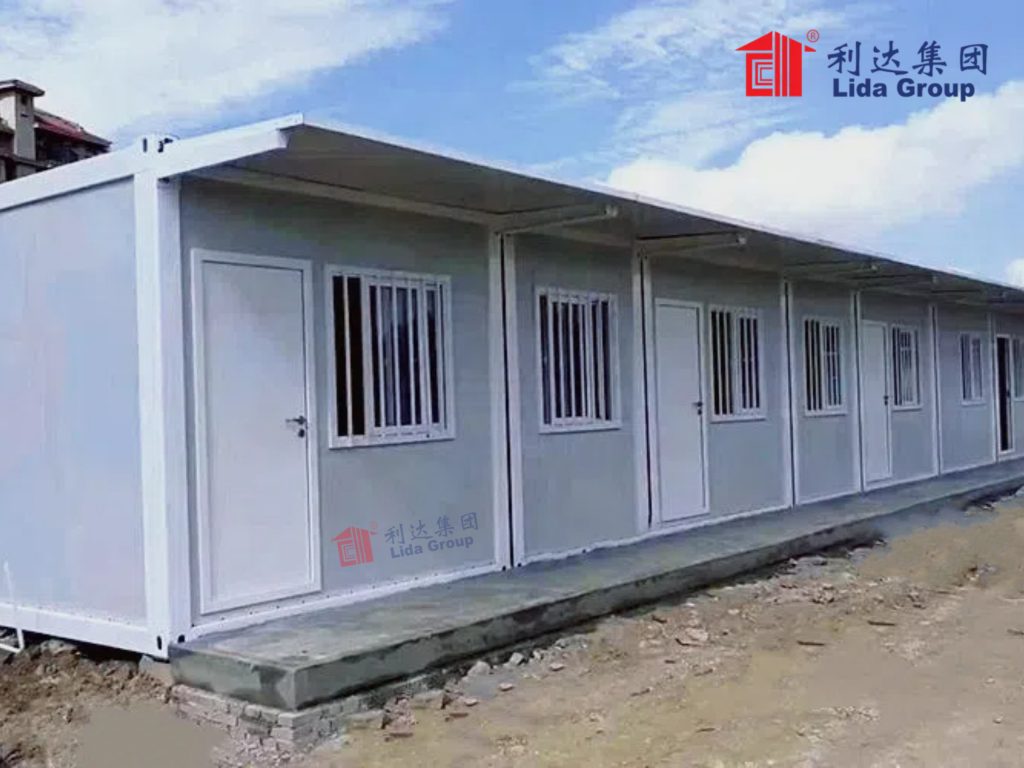
Aiming at various pain points of traditional on-site accommodation, Lida Group has carried out targeted innovative design and technical upgrading for prefabricated container worker dormitories. The product adheres to the design concepts of safety priority, humanized comfort, efficient deployment, and sustainable reuse, and realizes comprehensive optimization in structural design, material selection, space layout, and functional configuration, completely solving the deficiencies of traditional temporary dormitories.
2.1 High-Strength Structural Design with Superior Safety Performance
Safety is the primary design principle of Lida Group’s container dormitories. The whole dormitory unit adopts an integrated high-strength galvanized steel frame structure, which undergoes professional welding and anti-corrosion treatment, with strong bearing capacity, seismic resistance, and wind resistance. The optimized structural design enables the dormitory to resist level 12 strong winds and meet the high-standard seismic fortification requirements of most regions in the world, and it can maintain stable structural performance in harsh environments such as heavy rain, snow, and strong wind. In terms of fire prevention, all wall panels, roof materials, and interior accessories adopt high-density fireproof and flame-retardant materials, which have passed international fire safety certification, effectively blocking the spread of fire. The standardized electrical wiring design is equipped with leakage protection and overload protection devices, eliminating the hidden dangers of electrical fire caused by random wiring of workers, and fully guaranteeing the living safety of on-site workers.
2.2 Humanized Space Layout and Excellent Living Comfort
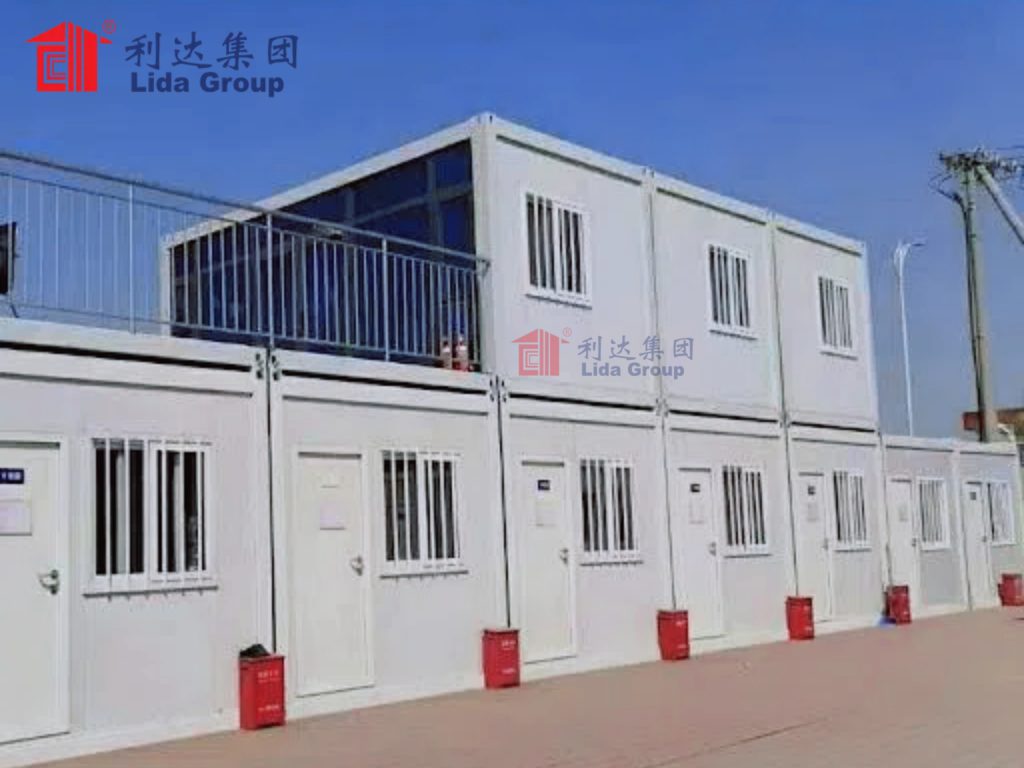
Different from the crowded and crude space of traditional dormitories, Lida Group’s prefabricated container dormitories adopt scientific and humanized space layout design. The standard single-module dormitory has a reasonable indoor space size, which can flexibly arrange 2 to 4 beds according to the number of workers, ensuring sufficient personal activity and storage space. Each dormitory unit is equipped with professional ventilation windows, lighting systems, and heat insulation structures. The high-quality sandwich wall panels have excellent heat insulation and sound insulation effects, which can effectively isolate external construction noise, avoid indoor temperature extreme changes, and keep the indoor environment warm in winter and cool in summer. In addition, the indoor floor is flat and waterproof, the wall surface is smooth and easy to clean, and the overall living environment is clean and tidy. The standardized space design greatly improves workers’ rest quality and effectively relieves physical and mental fatigue caused by high-intensity construction work.
2.3 Modular Assembly and Rapid On-Site Deployment
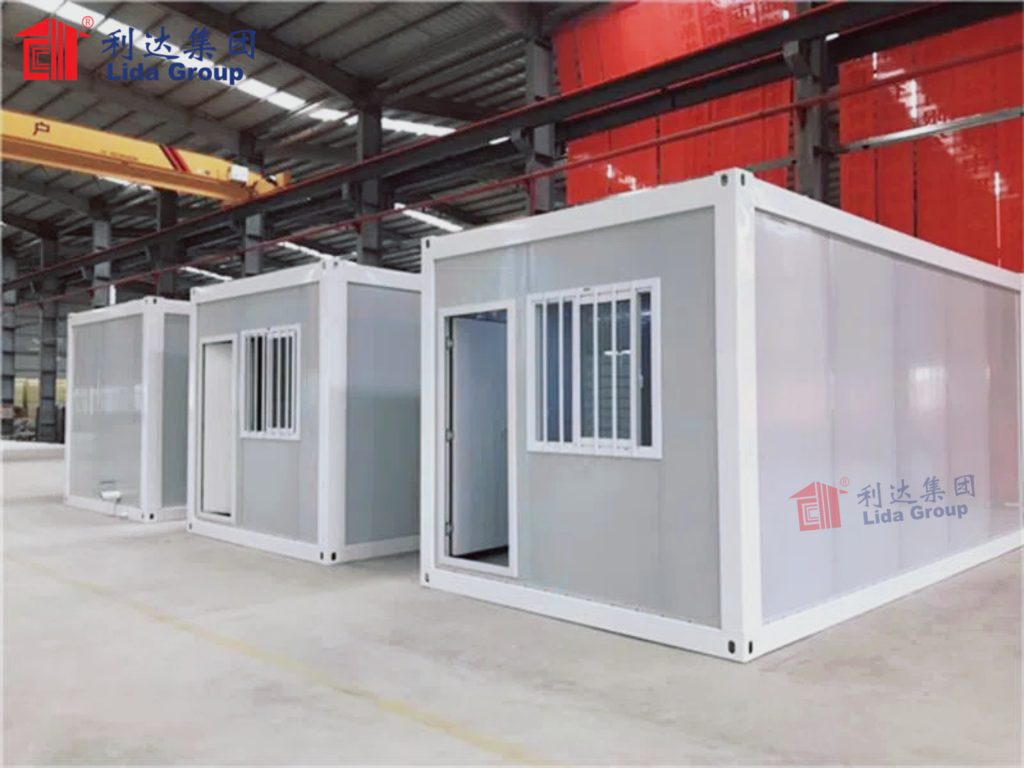
Lida Group’s container dormitories adopt a fully factory prefabricated production mode. All structural components, interior decorations, electrical circuits, and basic functional accessories are completed in the factory, and the finished modules are transported to the construction site for rapid assembly. Compared with traditional dormitories that require weeks or even months of on-site construction, the on-site assembly cycle of Lida’s container dormitories is extremely short. A small team of 2 to 4 ordinary workers can complete the assembly and commissioning of a single dormitory unit within several hours, and the whole dormitory area can be put into use within one to two days. This efficient deployment mode can perfectly match the fast-paced progress requirements of modern construction projects, solve the problem of delayed worker accommodation preparation, and ensure that workers can settle in quickly after the site is started.
2.4 High Reusability and Low Life-Cycle Cost
The prefabricated container dormitory is a reusable green building product, which completely changes the disposable attribute of traditional temporary dormitories. Lida Group’s dormitory modules adopt standardized connecting structures, which can be quickly disassembled, flat-packed, and transported to new construction sites for secondary assembly and use after the completion of the project. The service life of the main steel frame structure can reach more than 15 years, and it can be reused for many times without obvious structural performance loss. This cyclic reuse feature greatly reduces the average accommodation cost of construction enterprises in multiple projects. At the same time, the product has low daily maintenance costs, anti-corrosion and wear-resistant materials reduce the frequency of component replacement, and factory standardized production avoids material waste, helping enterprises effectively control project operating costs and improve economic benefits.
3. Complete Supporting Facilities to Upgrade On-Site Living Standards
To create a comprehensive humanized living environment for construction workers, Lida Group’s prefabricated container dormitory solutions are equipped with complete supporting living facilities, realizing the integrated construction of dormitory area, sanitary area, catering area, and activity area, completely changing the backward supporting conditions of traditional construction sites.
3.1 Independent Sanitary and Cleaning Facilities
Lida Group supports the customized matching of independent toilet units, shower units, and laundry areas for container dormitory clusters. All sanitary facilities adopt waterproof and anti-slip design, equipped with standardized water supply and drainage systems and ventilation and dehumidification equipment, which can keep the sanitary area dry and clean for a long time. The centralized sanitary area realizes partition use, avoids cross-infection of bacteria, and solves the problem of poor sanitation of traditional public facilities. The supporting laundry platform and drying area provide convenient cleaning conditions for workers, effectively improving the daily living hygiene level of the construction site.
3.2 Standardized Catering and Logistics Supporting System
According to the scale of construction workers, Lida Group can configure supporting container canteens, material storage rooms, and distribution rooms. The container canteen adopts special fireproof and oil-proof interior materials, with independent smoke exhaust and ventilation systems, meeting the food safety and environmental protection standards of construction sites. The standardized canteen layout can realize centralized dining management, ensure the dining environment is clean and hygienic, and provide workers with safe and convenient dining conditions. The matching storage room can store daily necessities and engineering tools, realizing standardized classification management of on-site materials.
3.3 Humanized Leisure and Management Facilities
To enrich workers’ spare-time life and facilitate on-site standardized management, the dormitory solution can be equipped with container activity rooms, conference rooms, and management offices. The activity room provides a leisure and entertainment space for workers to relax and relieve work pressure, effectively enhancing workers’ sense of happiness and belonging. The independent management office and conference room facilitate project managers to carry out daily management, safety training, and work deployment, realizing the integrated construction of living and management areas of the construction site and promoting the standardized and orderly operation of the project.
4. Strict Quality Control and Construction Site Compliance Standards
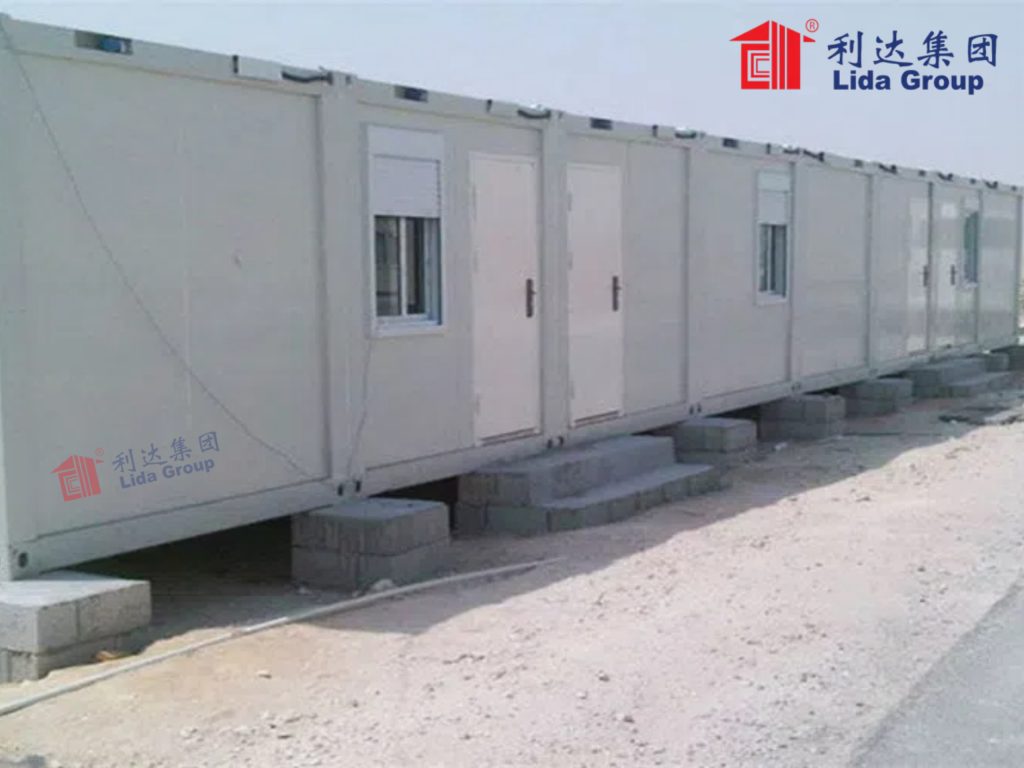
As a professional modular building solution provider, Lida Group has always taken product quality and compliance as the core of development. All prefabricated container worker dormitories have passed strict quality testing and international authoritative certification, fully meeting the safety, environmental protection, and construction management standards of construction sites in various countries and regions.
In the production process, all dormitory modules are produced in Lida Group’s intelligent standardized factory, with fully automated cutting, welding, and assembly processes to ensure accurate product size and stable quality. Each batch of products undergoes strict structural strength test, fire resistance grade test, waterproof and anti-corrosion performance test, and environmental protection index detection to eliminate unqualified products. In terms of international compliance, the products have passed ISO9001 quality management system certification and ISO14001 environmental management system certification, and meet the fire safety, environmental protection, and temporary construction standards of Europe, America, Southeast Asia, Africa, and other regions.
In addition, Lida Group can carry out personalized adjustment and configuration according to the local construction site management specifications and climatic characteristics of the project location. For high-temperature and humid regions, enhance ventilation and anti-corrosion configuration; for cold regions, equip with thickened heat insulation materials and heating reserved interfaces; for regions with strict safety management standards, upgrade structural stability and fire protection facilities. This localized compliant design ensures that the dormitory products can perfectly adapt to the management requirements of different construction sites and meet the standardized construction standards of global projects.
5. Practical Value and Industry Benefits of the Solution
The popularization and application of Lida Group’s prefabricated container worker dormitory solutions have brought multiple practical values to construction enterprises, construction workers, and the entire construction industry, promoting the humanized and standardized upgrading of on-site construction management.
5.1 Improve Worker Well-Being and Reduce Staff Turnover
Good living conditions are an important guarantee for stabilizing the construction team. Lida Group’s container dormitories create a safe, comfortable, clean, and orderly living environment for workers, effectively improving workers’ sense of gain and belonging in the project. Comfortable rest conditions can relieve workers’ physical fatigue, improve mental state, and significantly enhance work enthusiasm and execution. At the same time, standardized humanized management can reduce worker dissatisfaction with the construction site environment, effectively reduce the turnover rate of construction workers, avoid project progress delays and recruitment cost increases caused by frequent staff replacement, and provide stable team support for project construction.
5.2 Optimize On-Site Management and Improve Project Efficiency
The standardized and modular dormitory cluster is conducive to the standardized partition management of the construction site. The unified dormitory layout, complete supporting facilities, and standardized electrical and safety settings enable project managers to efficiently carry out sanitation inspection, safety supervision, and personnel management. It effectively avoids various safety hazards and management chaos existing in traditional dormitory areas, reduces the pressure of on-site daily management, and improves the overall management efficiency of the construction site. A stable and orderly living environment further ensures the continuity and efficiency of construction work, helping enterprises shorten the project cycle and improve project delivery quality.
5.3 Reduce Project Costs and Practice Green Construction
Compared with traditional temporary dormitories, Lida Group’s reusable container dormitories greatly reduce the repeated construction and demolition costs of construction enterprises. The factory prefabrication mode reduces on-site labor input and material waste, and the low maintenance rate further controls the project operating cost. At the same time, the modular construction mode produces almost no construction waste, dust, and noise pollution during on-site assembly, which is in line with the global green construction concept. The recyclable and reusable characteristics of products realize the efficient utilization of building resources, reduce environmental pollution caused by temporary construction, and help construction enterprises establish a green and environmentally friendly project image.
6. Conclusion
Traditional construction site worker accommodation has long restricted the standardized and humanized development of construction project management due to its poor safety, harsh living environment, high comprehensive cost, and difficult management. Lida Group’s customized prefabricated container worker dormitory solutions completely subvert the defects of traditional temporary accommodation with high-strength safety design, humanized living configuration, rapid modular deployment, and reusable green performance. The series of products not only provide construction workers with a safe, comfortable, clean, and orderly living environment, effectively improving on-site living standards and worker well-being, but also bring significant economic and management benefits to construction enterprises, reducing project comprehensive costs, optimizing on-site management modes, and stabilizing construction teams.
With the continuous upgrading of global construction industry standards and the increasing emphasis on human resource protection and green construction, humanized on-site supporting facilities have become an indispensable part of modern engineering projects. Relying on strong technical research and development strength, mature engineering practice experience, and strict quality control system, Lida Group will continue to optimize the functional configuration and structural performance of container dormitory products, enrich personalized customized solutions for different project scenarios. In the future, Lida Group will continue to lead the upgrading of global construction site temporary accommodation standards, help more construction enterprises realize standardized, humanized, and green on-site management, and make continuous contributions to the high-quality development of the global construction industry.
Related news
-
Lida Group Introduces Flat Packed Modular Container House for Rapid Global Deployment
2026-05-22 11:14:08
-
Lida Group Engineers Corrosion-Resistant Steel Construction to Deliver Low Cost Metal House
2026-05-21 17:52:21
-
Sustainable and Affordable: Corrosion-Resistant Steel Structure Building for Low Cost Metal House
2026-05-21 17:55:20
contact us
- Tel: +86-532-88966982
- Whatsapp: +86-13793209022
- E-mail: sales@lidajituan.com
