



Lida Group’s Metal Frame Farmhouse: Where High Quality Construction Meets Affordability
2026-Apr-24 10:15:08
By Admin
In the global drive toward modern rural development, the demand for farmhouses that balance durability, comfort, and cost-effectiveness has never been more pronounced. Rural communities, farmers, and rural developers across continents are no longer satisfied with traditional housing solutions that often sacrifice quality for low initial costs or vice versa. They seek homes that can withstand the rigors of rural environments—from extreme weather to agricultural wear and tear—while remaining accessible to families with modest budgets. This is where Lida Group, a global leader in integrated metal building solutions, steps in, redefining rural housing with its metal frame farmhouses that seamlessly merge high-quality construction with affordability. For over three decades, Lida Group has mastered the art of leveraging metal frame technology to create farmhouses that are not only strong, durable, and eco-friendly but also economically viable, making modern rural living accessible to millions around the world.
This article delves into the essence of Lida Group’s metal frame farmhouses, exploring how the company has cracked the code of balancing premium construction with cost efficiency. It covers Lida Group’s expertise in metal frame technology, the core advantages of metal frame farmhouses that make them both high-quality and affordable, the comprehensive process of designing and constructing these homes, global case studies that validate their effectiveness, technological innovations that drive cost savings without compromising quality, and the future prospects of this transformative housing solution. By the end, readers will gain a holistic understanding of how Lida Group is revolutionizing rural housing by proving that high quality and affordability do not have to be mutually exclusive.
1. Overview of Lida Group: A Trusted Leader in Metal Frame Construction
Founded in 1993, Lida Group has evolved from a regional construction materials manufacturer to a global integrated solution provider, specializing in metal frame buildings for rural, agricultural, commercial, and industrial sectors. Headquartered in China, the group operates in 152 countries and regions across Asia, Europe, Africa, North America, and South America, with branch offices in key markets such as Saudi Arabia, Dubai, Kuwait, Chile, Nigeria, Malaysia, Indonesia, and the United States. This global footprint is a testament to Lida Group’s ability to adapt its metal frame solutions to diverse cultural, climatic, and economic conditions—especially critical when creating affordable, high-quality farmhouses for rural communities worldwide.
Lida Group’s core competitiveness lies in its unwavering commitment to quality, innovation, and cost optimization. The company boasts state-of-the-art manufacturing facilities, including a 30,000-square-meter factory in Weifang dedicated to metal frame production, which was commissioned in 2021. Equipped with advanced production lines—such as CNC cutting machines, automatic welding robots, and precision testing equipment—these facilities enable the mass production of high-precision metal components that meet international quality standards, including ISO 9001, ISO 14001, ISO 45001, and the European Union’s EN 1090 (CE) certification (EXC 3). This strict adherence to quality ensures that every metal frame farmhouse is built to last, while the scale of production allows Lida Group to keep costs competitive.
What sets Lida Group apart in the rural housing sector is its deep understanding of rural needs. Unlike many construction companies that apply one-size-fits-all solutions, Lida Group recognizes that rural families require homes that are not just residences but also functional spaces for agricultural storage, farm machinery parking, and even small-scale farming operations. By combining this understanding with its expertise in metal frame technology, Lida Group has developed farmhouse solutions that are tailored to rural lifestyles, delivering high quality without the prohibitive price tag.
2. The Core Advantages of Lida Group’s Metal Frame Farmhouses: Quality and Affordability in Harmony
Metal frame technology has long been recognized for its strength and durability, but Lida Group has taken it a step further by optimizing every aspect of the technology to ensure affordability. The company’s metal frame farmhouses offer a unique combination of advantages that address the key pain points of traditional rural housing—high maintenance costs, short service life, and either poor quality or excessive expense. Below is a detailed breakdown of how these advantages work together to deliver both high quality and affordability.
2.1 Unmatched Strength and Durability: Lower Long-Term Costs
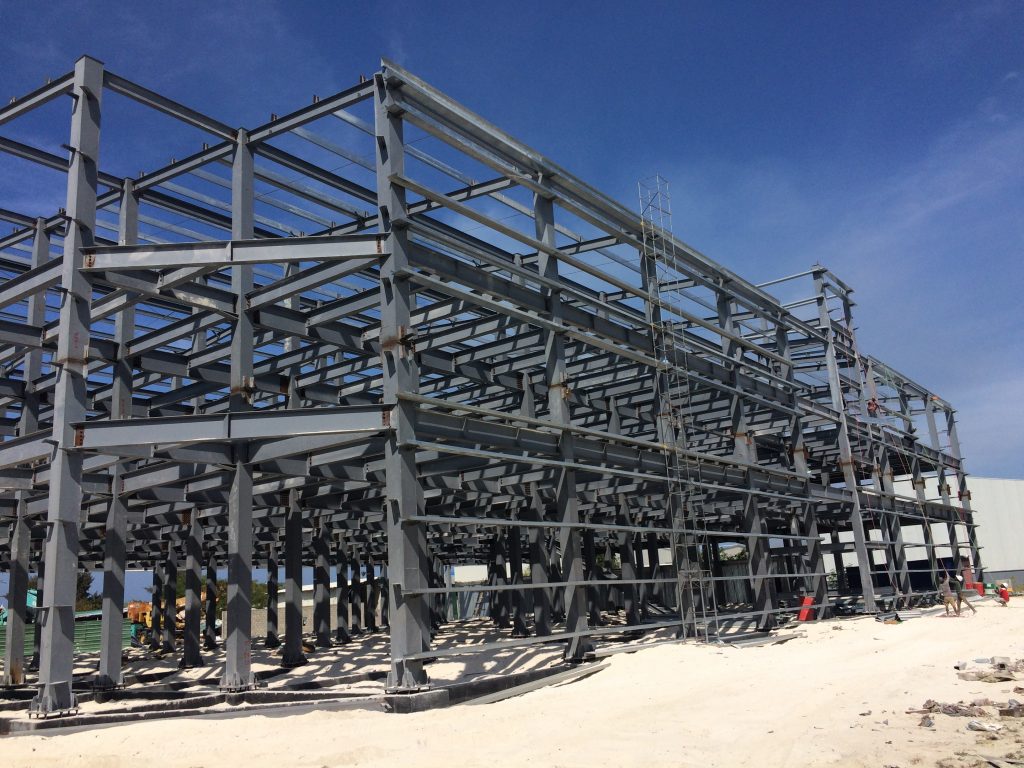
Quality in rural housing starts with durability, and Lida Group’s metal frame farmhouses excel in this regard. The metal frames—primarily made of high-strength Q235 and Q355 steel—boast a strength-to-weight ratio 25 times higher than concrete, making them capable of withstanding extreme weather conditions such as earthquakes, typhoons, blizzards, and heavy rainfall. Lida’s metal frame farmhouses have an earthquake resistance rating of 8 or higher, with specialized designs capable of withstanding magnitude 9 earthquakes. In earthquake-prone regions like Yunnan, China, the integrity rate of Lida’s metal frame farmhouses reached 98% during seismic activity, compared to a 70% damage rate for traditional brick-and-mortar homes.
Durability directly translates to affordability by reducing long-term maintenance and replacement costs. After undergoing high-quality anti-rust treatments such as hot-dip galvanizing, the metal frames have a service life of 70 to 100 years—more than double the 30 to 50 years of traditional brick-and-mortar structures. Unlike wood or brick, metal is not prone to rot, insect infestation, or weathering, requiring only minimal maintenance (such as annual anti-corrosion inspections) over its lifespan. This means rural families avoid the frequent repairs and eventual rebuilding costs associated with traditional homes, making metal frame farmhouses a cost-effective choice in the long run.
2.2 Efficient Construction: Reducing Labor and Time Costs
One of the biggest drivers of affordability in Lida’s metal frame farmhouses is the efficiency of their construction process. Traditional rural construction is labor-intensive, requiring skilled workers for bricklaying, concrete pouring, and scaffolding—costs that quickly add up, especially in rural areas where labor shortages are common. Lida Group addresses this by adopting a “factory prefabrication, on-site assembly” model, which drastically reduces construction time and labor requirements.
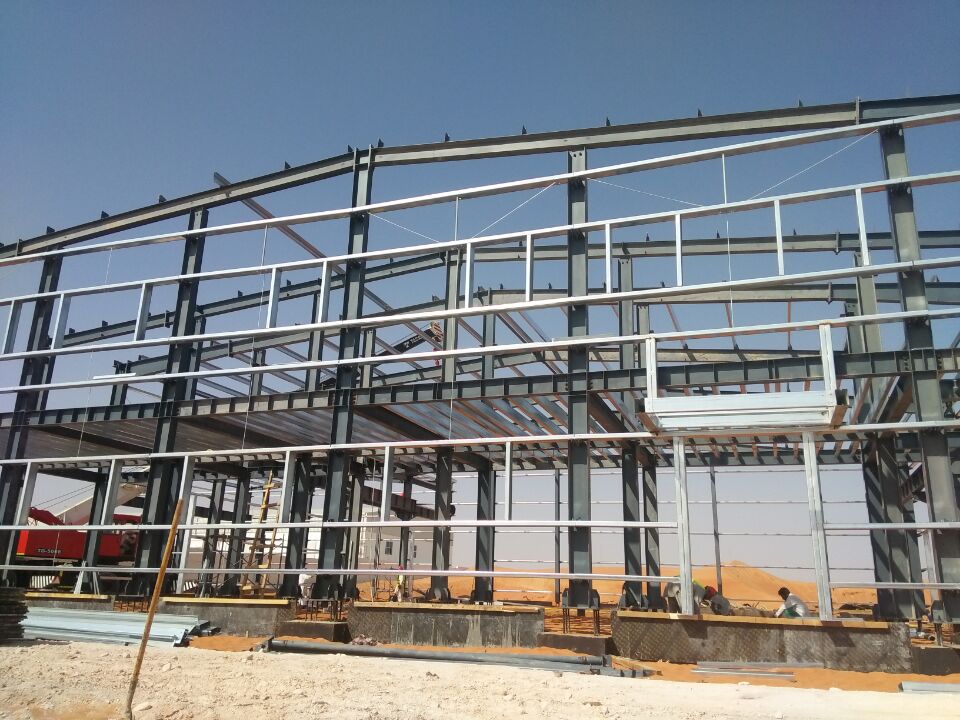
All core metal components of Lida’s farmhouses are prefabricated in the company’s factories with precise specifications and strict quality control. These components—including beams, columns, and wall panels—are then transported to the construction site, where they are assembled by a small team of professional workers using hoisting equipment and high-strength bolts. A 200-square-meter metal frame farmhouse can be completed in just 1 to 2 months, compared to 4 to 6 months for a traditional brick-and-mortar home. This 60% reduction in construction time translates to significant labor cost savings—Lida’s metal frame construction requires only half the number of workers needed for traditional construction.
Additionally, the prefabrication model is less affected by weather conditions, allowing construction to proceed in rainy or winter seasons, further reducing delays and additional costs. For rural families, this means faster occupancy and lower upfront labor expenses, making the farmhouses more accessible.
2.3 Material Efficiency: Minimizing Waste and Cost
Lida Group’s commitment to affordability extends to material efficiency, which reduces waste and lowers material costs. Metal is a highly recyclable material with a recycling rate of over 95%, meaning any excess or unused components from the factory or construction site can be recycled and reused, reducing material waste and disposal costs. Unlike traditional construction, which generates large amounts of on-site waste (such as broken bricks, concrete scraps, and wood offcuts), Lida’s metal frame construction produces minimal waste, as all components are prefabricated to precise specifications.
Furthermore, Lida Group optimizes the design of metal components to reduce material usage without compromising strength. The company’s R&D team has developed lightweight but high-strength metal components that reduce the overall weight of the frame while maintaining structural integrity. This not only lowers material costs but also reduces transportation costs, as lighter components are cheaper to ship—especially critical for remote rural areas where transportation expenses can be prohibitive.
2.4 Flexible Design: Maximizing Value for Money
Affordability is not just about low upfront costs; it’s about getting the most value for every dollar spent. Lida’s metal frame farmhouses offer exceptional flexibility, allowing rural families to customize their homes to meet their specific needs without incurring additional costs. The metal frame’s load-bearing design means that walls are only for enclosure, not support, allowing for flexible space division. This reduces wall thickness by 15% to 20%, increasing the actual usable area by 5% to 10% compared to traditional homes—effectively giving families more space for the same cost.
The flexible design also allows for easy expansion or renovation in the future. Rural families whose needs change—such as expanding their agricultural operations or adding a guest room—can easily add or splice metal components without large-scale demolition, saving on renovation costs. Lida also integrates local cultural elements into the design, ensuring that the farmhouses blend with the rural landscape while maintaining functionality—adding value without increasing costs.
2.5 Cost-Effective Foundation and Subsidies: Reducing Upfront Pressure
Another key factor in the affordability of Lida’s metal frame farmhouses is the reduced cost of foundations. Due to the light weight of metal frames, the foundation only needs to be 400-600mm deep—half the depth required for traditional brick-and-mortar homes. In remote mountainous areas, this can save rural families 30,000 to 50,000 yuan (or equivalent in other currencies) in foundation costs alone.
Lida Group also works closely with governments and financial institutions worldwide to secure subsidies and flexible payment plans for rural families. In China, more than 20 provinces offer subsidies for metal frame rural housing, ranging from 200 to 1,000 yuan per square meter, with a maximum subsidy of 50,000 yuan per household. Internationally, the company collaborates with local governments in developing countries to provide financial support, making metal frame farmhouses accessible to families with limited budgets. These subsidies, combined with lower long-term costs, make Lida’s metal frame farmhouses a financially viable option for rural communities.

3. Lida Group’s Process: Ensuring Quality and Affordability at Every Step
Lida Group’s ability to deliver high-quality, affordable metal frame farmhouses is not by chance—it is the result of a rigorous, optimized process that covers every stage of the project lifecycle, from design to post-construction maintenance. This process ensures that quality is never compromised for cost, and cost savings are achieved through efficiency and innovation rather than cutting corners.
3.1 Scientific Design: Tailoring Solutions to Rural Needs and Budgets
The design stage is critical to balancing quality and affordability. Lida’s design team—comprising experienced engineers and architects—conducts on-site investigations to assess local climate, geological conditions, agricultural habits, and family needs. This ensures that the farmhouse is designed to withstand local environmental challenges (such as heavy snow in mountainous areas or high humidity in coastal regions) while meeting the family’s functional requirements—all without unnecessary costs.
The team uses AI-driven design software and digital twin technology to optimize the metal frame design, reducing material waste and ensuring structural efficiency. The AI software generates multiple design schemes based on the project’s requirements, selecting the optimal方案 that balances strength, cost, and energy efficiency. This not only shortens the design cycle but also ensures that the design is both high-quality and cost-effective. Clients are also involved in the design process, allowing them to customize their homes within their budget—ensuring that they get the features they need without paying for unnecessary extras.
3.2 Precision Production: High-Quality Components at Scale
The quality of metal components is the foundation of a durable farmhouse, and Lida Group’s production facilities are designed to deliver high-precision, consistent components at scale—key to keeping costs low. The company uses high-quality steel materials (Q235 and Q355) that offer excellent strength and ductility, ensuring that the metal frame can withstand extreme conditions. The production process follows strict quality control standards, with automatic welding machines ensuring uniform welding quality and precision testing equipment checking every component for dimensional accuracy, welding integrity, and anti-rust performance.
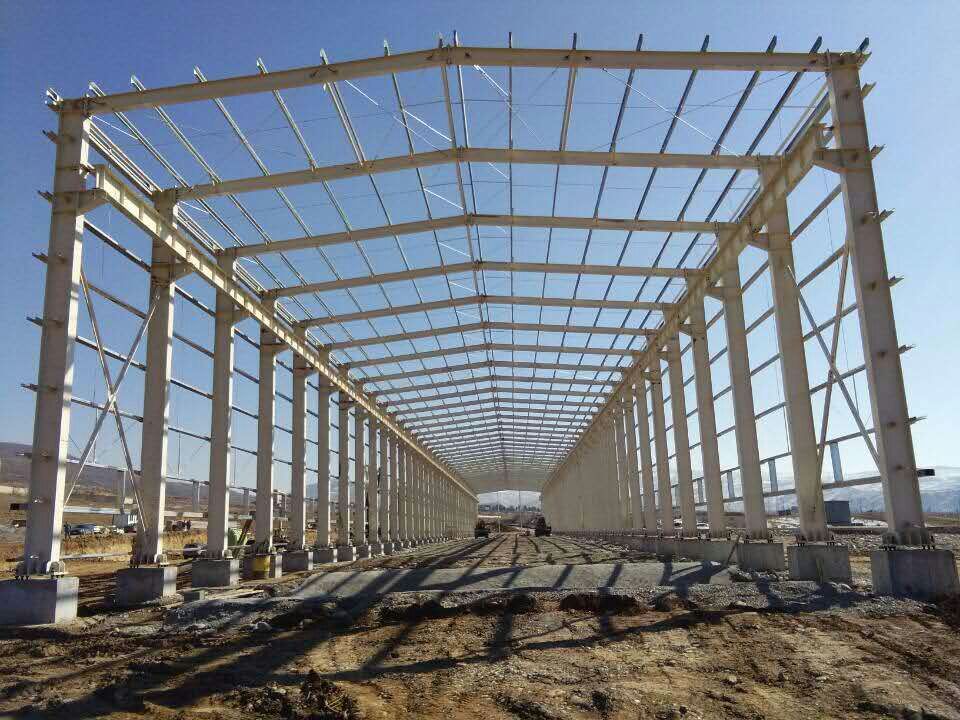
Lida also adopts modular production technology, dividing the metal frame into standardized modules that can be mass-produced and quickly assembled on-site. This modular approach not only improves production efficiency but also reduces costs by allowing for bulk purchasing of materials and streamlining the production process. The modules are labeled with detailed information (size, weight, installation position), making on-site assembly faster and more efficient—further reducing labor costs.
3.3 Efficient On-Site Construction: Minimizing Delays and Costs
Lida’s on-site construction team consists of professional workers proficient in metal frame assembly, ensuring that the construction process is fast, safe, and high-quality. Before construction begins, the team prepares the site by leveling the ground and building the foundation—simplified by the light weight of the metal frame. The prefabricated components are then transported to the site and hoisted into place using cranes, with high-strength bolts used to connect them—eliminating the need for complex on-site welding and reducing construction time.
The team uses advanced construction management software to monitor progress in real time, ensuring that the project is completed on schedule and within budget. Safety is also a priority, with the team adhering to strict safety standards to avoid accidents that could cause delays and additional costs. Additionally, the team minimizes environmental impact by sorting and recycling construction waste on-site, reducing waste disposal costs and aligning with Lida’s commitment to sustainability.
3.4 Comprehensive Post-Construction Maintenance: Extending Lifespan and Reducing Costs
Lida Group’s commitment to affordability extends beyond construction, with comprehensive post-construction maintenance services that ensure the metal frame farmhouse remains durable and low-maintenance for decades. The company provides clients with a detailed maintenance manual, guiding them on regular inspections, anti-corrosion treatments, and troubleshooting. A professional maintenance team conducts annual on-site inspections, checking the integrity of the anti-rust coating, the tightness of bolts, and the performance of the thermal insulation system.
If any issues are found, the team promptly carries out repairs—such as touching up the anti-rust coating or tightening bolts—preventing small problems from becoming costly repairs. Lida also offers 24/7 after-sales service, ensuring that clients can receive timely support in case of emergencies (such as severe weather damage). This proactive maintenance not only extends the lifespan of the farmhouse but also reduces long-term maintenance costs, further enhancing affordability.
4. Global Case Studies: Proving Quality and Affordability in Diverse Environments
Lida Group’s metal frame farmhouses have been successfully implemented in 152 countries and regions, adapting to diverse climatic, cultural, and economic conditions. The following case studies demonstrate how these farmhouses deliver high quality and affordability, improving the lives of rural families worldwide.
4.1 Case Study 1: Affordable Earthquake-Resistant Farmhouses in Yunnan, China
Yunnan is a seismic-prone region in southwest China, where traditional brick-and-mortar farmhouses are highly vulnerable to earthquake damage. Many rural families in the region could not afford to build earthquake-resistant homes, leaving them at risk. Lida Group collaborated with the local government to implement a metal frame farmhouse renovation project, aiming to provide safe, affordable homes for rural residents.
The project focused on balancing earthquake resistance with affordability. Lida’s design team optimized the metal frame to achieve an 8-degree earthquake resistance rating, while using modular production to reduce costs. The farmhouses were designed with flexible layouts, including living areas, bedrooms, kitchens, and storage spaces, meeting the daily needs of rural families. The local government provided subsidies of 500 yuan per square meter, reducing the upfront cost for families by 30%.
A total of 500 metal frame farmhouses were built, with a construction cycle of 45 days per home—significantly faster than traditional construction. During a magnitude 6.5 earthquake that occurred after the project was completed, all metal frame farmhouses remained intact, while 70% of traditional homes were severely damaged. Local residents praised the homes for their safety and affordability, noting that the long-term maintenance costs were far lower than their old brick-and-mortar homes. This case proved that high-quality, earthquake-resistant housing can be accessible to rural families with limited budgets.
4.2 Case Study 2: Cost-Effective Multi-Functional Farmhouses in Nigeria
Nigeria is an agricultural country with a large rural population, where farmers need farmhouses that can serve as both residences and agricultural storage spaces. Traditional farmhouses in Nigeria are small, poorly built, and unable to meet these needs—yet many farmers cannot afford more expensive alternatives. Lida Group undertook a large-scale metal frame farmhouse project in rural Nigeria, focusing on multi-functionality and affordability.
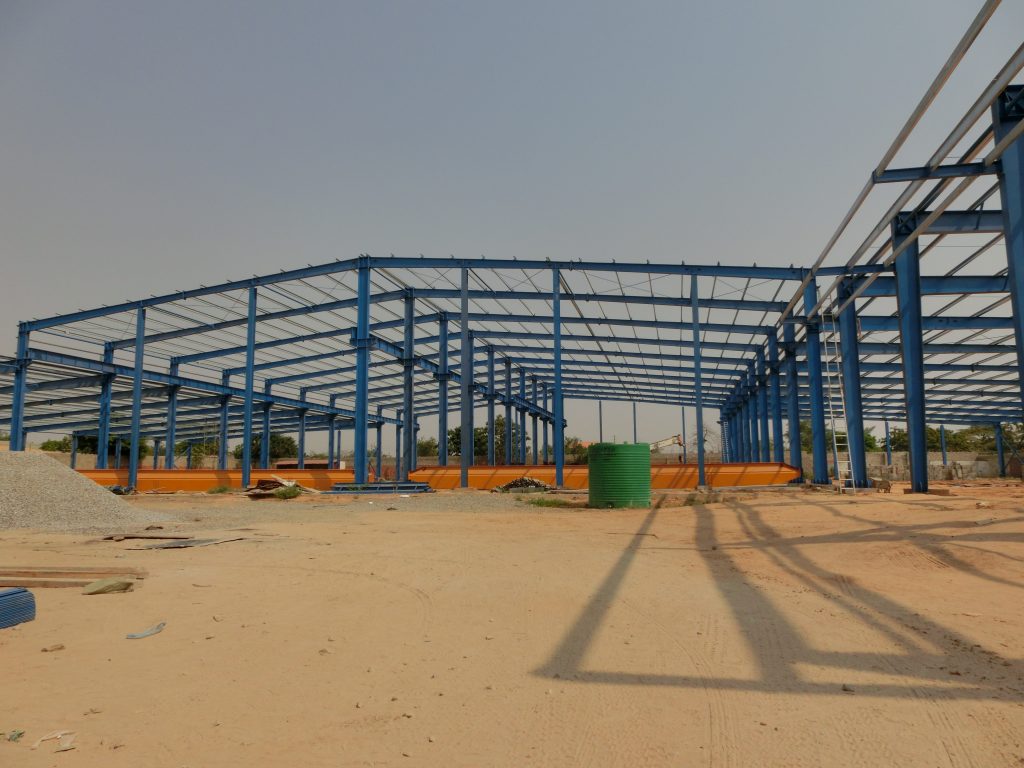
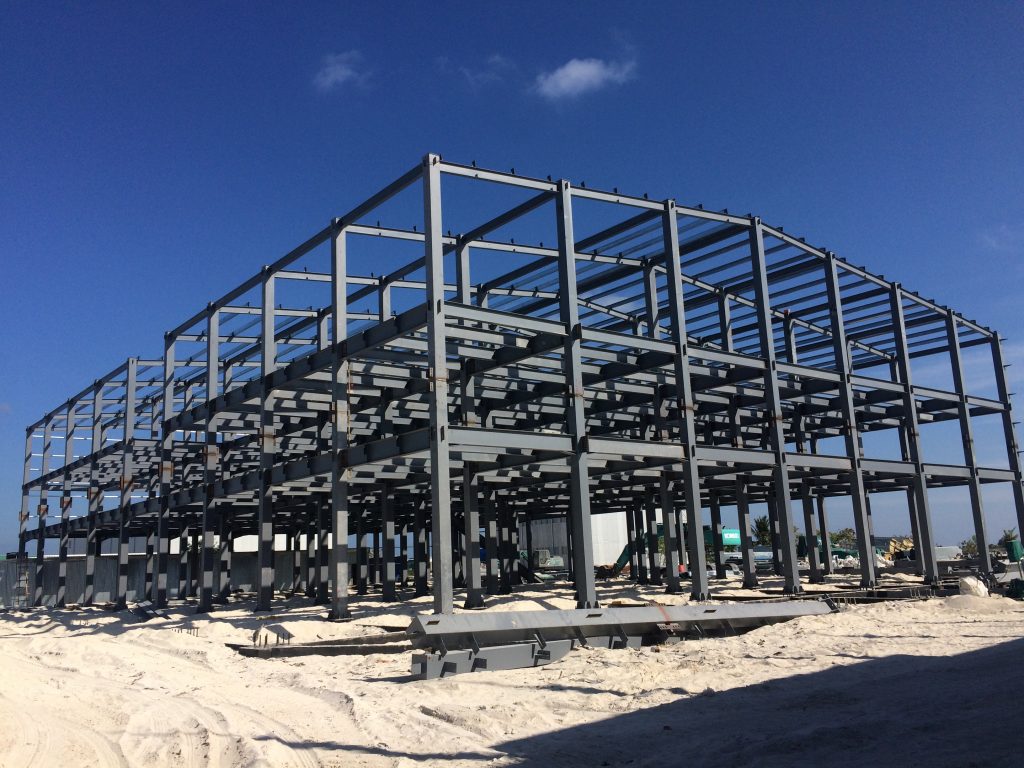
The farmhouses were designed with a 18-meter span, providing a large open space on the first floor for farm machinery storage and crop drying, and residential spaces on the second floor. Lida used lightweight metal components to reduce transportation costs (critical in remote rural areas of Nigeria) and modular production to lower labor costs. The metal frames were treated with anti-corrosion coatings to withstand Nigeria’s hot and humid climate, ensuring durability.
The project involved building 300 farmhouses, with a construction cycle of 2 months per home—60% faster than traditional construction. The cost per square meter was 20% lower than traditional brick-and-mortar homes, making them accessible to local farmers. The farmhouses also included rainwater collection systems to address water scarcity, adding value without increasing costs. Local farmers reported that the large storage space reduced crop losses by 40%, increasing their income and making the investment in the farmhouse financially viable. This case demonstrated how Lida’s metal frame farmhouses can meet the unique needs of rural farmers while remaining affordable.
4.3 Case Study 3: Affordable Eco-Friendly Farmhouses in Germany
Germany is a leader in sustainable development, with strict environmental standards for rural construction. However, eco-friendly homes are often expensive, making them inaccessible to many rural families. Lida Group collaborated with a German rural development company to build eco-friendly metal frame farmhouses that are both high-quality and affordable.
The farmhouses were designed with recyclable metal frames, eco-friendly thermal insulation materials, and photovoltaic roofs—enabling energy self-sufficiency. Lida optimized the metal frame design to reduce material usage, lowering costs, while the photovoltaic roofs reduced long-term energy costs for families. The farmhouses also integrated rainwater recycling systems and composting facilities, aligning with Germany’s sustainability goals.
A total of 100 farmhouses were built, certified as green buildings by the German Green Building Council. The upfront cost was 15% lower than other eco-friendly homes in the region, thanks to Lida’s modular production and material efficiency. Local residents reported that their monthly energy bills were reduced by 50% due to the photovoltaic systems, making the farmhouses affordable in the long run. This case proved that eco-friendly, high-quality rural housing can be accessible to families with modest budgets.
4.4 Case Study 4: Affordable Modular Farmhouses in Remote Mountainous Areas of Chile
Chile’s remote mountainous areas face significant challenges in rural construction—transportation is difficult, labor is scarce, and traditional building materials are expensive. Many rural families in these areas live in dilapidated homes that cannot withstand strong winds and heavy snow. Lida Group implemented a modular metal frame farmhouse project to address these challenges, providing affordable, durable homes.
The farmhouses were designed as small, lightweight modular units that could be transported to remote areas using small trucks—reducing transportation costs by 40%. The modules were assembled on-site in just 30 days, with a small team of workers, reducing labor costs. The metal frames were designed to withstand strong winds and heavy snow, with thick thermal insulation panels to ensure indoor comfort in cold weather. Lida also included simple, practical living facilities—such as solar water heaters and water purification systems—adding value without increasing costs.
A total of 200 modular farmhouses were built, benefiting 10 remote mountainous villages. The cost per home was 30% lower than traditional construction, making them accessible to local families. After moving into the new farmhouses, residents reported feeling safer and more comfortable, with lower maintenance costs. This case demonstrated Lida’s ability to deliver affordable, high-quality metal frame farmhouses even in the most challenging environments.
5. Technological Innovation: Driving Quality and Affordability Forward
Lida Group’s commitment to innovation is key to maintaining the balance between high quality and affordability. The company invests heavily in research and development, focusing on technologies that improve the performance of metal frame farmhouses while reducing costs. These innovations ensure that Lida’s farmhouses remain at the forefront of rural housing, delivering value to rural families worldwide.
5.1 Innovation in Metal Materials: Stronger, Cheaper, More Durable
Lida Group’s R&D team has developed new types of high-strength, corrosion-resistant metal materials that reduce costs while improving durability. For example, the company has developed a weather-resistant steel that contains alloying elements (copper, chromium, nickel) that form a protective oxide film on the surface. This steel can withstand harsh environmental conditions without additional anti-rust treatment, reducing maintenance costs by 30%.
The team has also optimized the design of metal components, developing lightweight but high-strength beams and columns that reduce material usage by 15% without compromising strength. These lightweight components not only lower material costs but also reduce transportation and construction costs, making the farmhouses more affordable. Additionally, Lida has developed integrated metal components—such as columns with built-in wiring and piping—that reduce on-site construction time by 20%, further lowering labor costs.
5.2 Digitalization and Intelligence: Optimizing Efficiency and Reducing Waste
Lida Group has integrated digital and intelligent technologies into every stage of the farmhouse project, from design to construction, to optimize efficiency and reduce waste. The company uses AI-driven design software to generate optimal design schemes, reducing material waste by 10% and shortening the design cycle by 30%. Digital twin technology is used to simulate the construction process, allowing the team to identify potential problems in advance and adjust the plan—reducing on-site errors and rework costs.
In construction, Lida uses intelligent equipment such as automated hoisting machines and robotic welding machines to improve efficiency and quality. Automated hoisting machines reduce the risk of human error, ensuring that components are installed correctly the first time, while robotic welding machines ensure uniform welding quality—reducing the need for rework. IoT technology is used to monitor the construction process in real time, collecting data on progress, component quality, and safety—allowing the team to optimize the process and reduce costs.
5.3 Sustainable Technologies: Lowering Long-Term Costs
Lida Group integrates sustainable technologies into its metal frame farmhouses to lower long-term costs for rural families. The company’s photovoltaic roof systems generate clean electricity, reducing reliance on traditional energy sources and lowering monthly energy bills. In cold regions, geothermal heating systems are integrated, using the stable temperature of the ground to heat the farmhouse—reducing heating costs by 40%.
Lida has also developed eco-friendly coating materials that are non-toxic, pollution-free, and have a longer service life than traditional coatings. These coatings reduce maintenance costs by 25% and are cheaper to produce, lowering the overall cost of the farmhouse. Additionally, the company promotes the recycling of metal components, establishing a closed-loop recycling system that reduces material costs and environmental impact.
6. Challenges and Future Prospects: Making Quality and Affordability More Accessible
While Lida Group has made significant progress in delivering high-quality, affordable metal frame farmhouses, there are still challenges to overcome. However, with ongoing technological innovation and growing global demand for sustainable rural housing, the future prospects are bright.
6.1 Current Challenges
One of the main challenges is the lack of awareness among some rural dwellers about the benefits of metal frame farmhouses. Many rural families are accustomed to traditional brick-and-mortar construction and have concerns about the safety, durability, and “warmth” of metal homes. To address this, Lida Group needs to strengthen publicity and promotion, using case studies and on-site demonstrations to show the advantages of metal frame farmhouses.
Another challenge is the high initial cost in some regions, where subsidies are not available. While the long-term costs are lower, the upfront investment can deter families with limited budgets. Lida Group is working to address this by optimizing production processes to reduce component costs and collaborating with financial institutions to provide flexible payment plans.
A shortage of professional metal frame construction workers in some rural areas is also a challenge. Lida Group is addressing this by providing training programs for local workers, improving their skills and creating employment opportunities—while ensuring that construction quality is maintained.
6.2 Future Prospects
The future of Lida Group’s metal frame farmhouses is promising, driven by three key factors: technological innovation, growing demand for high-quality rural housing, and global support for sustainable development. Lida will continue to invest in R&D, developing more efficient, durable, and affordable metal frame solutions. The company plans to integrate more smart technologies—such as intelligent monitoring systems—to further reduce maintenance costs and improve comfort.
In terms of market expansion, Lida will focus on developing countries and regions with high demand for rural housing, such as Africa and Southeast Asia. The company will strengthen cooperation with local governments to secure more subsidies and support, making metal frame farmhouses more accessible. Additionally, Lida will adapt its solutions to local cultural and environmental conditions, ensuring that the farmhouses meet the unique needs of each region.
With the deepening of global sustainable development and rural revitalization strategies, more governments are likely to introduce policies to support metal frame rural housing. This will provide new opportunities for Lida Group, allowing the company to expand its global footprint and deliver high-quality, affordable farmhouses to more rural families.
7. Conclusion
Lida Group’s metal frame farmhouses represent a paradigm shift in rural housing—proving that high quality and affordability can coexist. For over three decades, the company has leveraged its expertise in metal frame technology, efficient production processes, and customer-centric design to create farmhouses that are strong, durable, flexible, and eco-friendly—all while remaining accessible to rural families with modest budgets. By focusing on long-term value, material efficiency, and technological innovation, Lida Group has redefined what rural housing can be: a home that protects families, supports agricultural livelihoods, and enhances the quality of rural life without breaking the bank.
The global case studies presented in this article demonstrate the adaptability and effectiveness of Lida’s metal frame farmhouses in diverse environments—from earthquake-prone regions in China to remote mountainous areas in Chile. These cases show that metal frame technology is not just a viable alternative to traditional construction; it is a superior one, offering better quality, lower long-term costs, and greater flexibility. Lida Group’s commitment to quality and affordability has made it a trusted partner for rural communities worldwide, helping millions of families achieve safe, comfortable, and sustainable homes.
While challenges remain—such as raising awareness and reducing initial costs—the future of Lida’s metal frame farmhouses is bright. With ongoing technological innovation, growing policy support, and a continued focus on rural needs, Lida Group will continue to lead the transformation of rural housing. The company’s metal frame farmhouses are more than just buildings; they are a testament to the power of innovation to make high-quality living accessible to all. In the end, Lida Group’s success lies in its ability to balance two seemingly conflicting goals: high-quality construction and affordability. By doing so, the company is not just building farmhouses—it is building a better future for rural communities around the world.
Related news
-
Lida Group Sets New Standard in High Quality Construction for Metal Frame Farmhouses
2026-04-23 17:49:41
-
Efficient and Strong Steel Structure Building Technology Powers Lida Group's Farmhouse Projects
2026-04-23 17:46:42
-
Discover the Durability of Steel Structure Building for Your Dream Metal Frame Farmhouse
2026-04-09 14:50:45
contact us
- Tel: +86-532-88966982
- Whatsapp: +86-13793209022
- E-mail: sales@lidajituan.com
