



Introduction
Rural farm families across the developing world face a persistent and growing housing crisis. As agricultural operations evolve to meet rising food demands, as younger generations seek modern comforts while remaining on family land, and as extreme weather events increasingly threaten rural communities, traditional farmhouses are struggling to keep pace. Structures built from mud brick, timber, or low-grade masonry—many of them decades old—suffer from structural deterioration, inadequate insulation, vulnerability to pests and fire, and an inability to adapt to changing family needs. The result is a widening gap between what rural families require for safe, dignified living and what conventional construction can deliver.
This challenge is particularly acute for the millions of smallholder and family farm operations that form the backbone of agricultural production worldwide. Unlike large agribusinesses with access to capital and professional construction services, rural families often build incrementally, using locally available materials and labor. While this approach has historical precedent, it frequently produces structures that are neither durable nor efficient—buildings that require constant repair, consume excessive energy for heating and cooling, and offer limited protection against increasingly severe weather events.
Recognizing this critical need, Lida Group—a global leader in integrated building engineering solutions established in 1993—has developed a customizable galvanized steel structure building system specifically engineered for affordable, durable rural housing. With over three decades of experience, more than 5,000 completed projects across 152 countries, and a comprehensive portfolio of integrated building solutions, Lida Group has positioned itself at the forefront of a movement to transform rural housing through industrial innovation.
The Rural Housing Challenge
The housing conditions of rural farm families present a complex web of interrelated challenges. Traditional construction materials, while locally available and culturally familiar, possess inherent limitations that become increasingly problematic as expectations and environmental conditions evolve.
Mud brick and adobe structures, common throughout many rural regions, require constant maintenance to repair cracks and protect against water damage. Timber-framed houses, while offering flexibility and natural insulation, are vulnerable to termites, rot, and fire—risks that intensify as climate change brings warmer temperatures and more extreme weather. Low-grade masonry buildings often lack adequate reinforcement and can collapse during earthquakes or severe storms, posing life-threatening dangers to occupants.
Beyond structural concerns, rural farmhouses frequently lack the thermal performance necessary for comfortable living. Without proper insulation, these buildings become unbearably hot in summer and bitterly cold in winter, forcing families to spend scarce resources on heating and cooling or to endure discomfort. Poor ventilation contributes to indoor air quality problems, while inadequate moisture management leads to mold growth and respiratory health issues.
The evolving needs of rural families add another layer of complexity. As children grow, families require additional space. As agricultural operations expand or diversify, they need storage for equipment and harvested crops. As older generations age, they need accessible living arrangements. Traditional farmhouses, constructed as monolithic structures with fixed layouts, struggle to accommodate these changing requirements. Families often resort to constructing haphazard additions or separate buildings, resulting in inefficient, disconnected living arrangements.
Lida Group’s Customizable Galvanized Steel Structure System
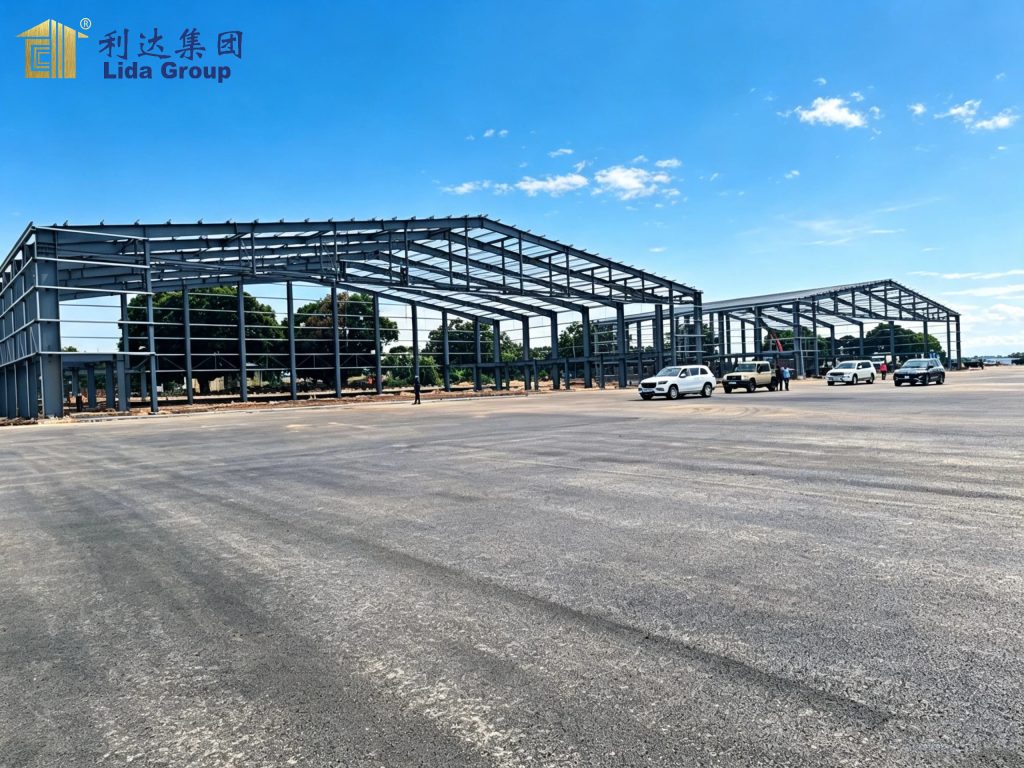
Lida Group’s response to these challenges is a comprehensive building system that combines the strength and durability of galvanized steel with the flexibility of modular design. The system is built upon a foundation of high-quality steel components engineered to withstand the rigors of rural life while accommodating the diverse and evolving needs of farm families.
Galvanized Steel Construction: The Foundation of Durability
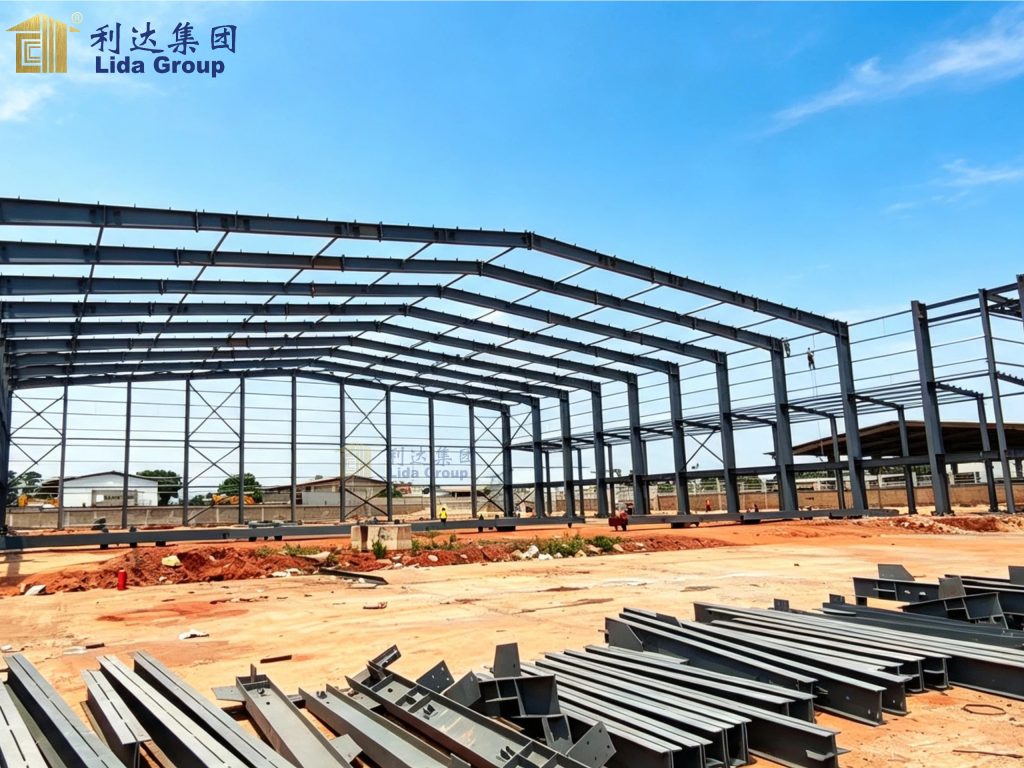
At the core of Lida Group’s rural housing system lies the strategic use of galvanized steel—a material that has proven its worth in demanding environments worldwide. The main frames of these buildings are constructed using premium-grade H-section steel and C-section steel, fabricated with precision and assembled using high-strength bolts. This construction method delivers exceptional structural integrity, capable of withstanding heavy loads, strong winds, and seismic activity.
The galvanization process provides a critical layer of protection against corrosion—a significant concern in rural environments where humidity, salt air, and agricultural chemicals can accelerate the deterioration of building materials. Lida Group’s galvanized steel components feature thick, durable zinc coatings that prevent rust for at least 20 to 30 years, even in challenging coastal or tropical conditions. This corrosion resistance translates directly into extended service life and reduced maintenance costs for rural families.
The steel frames are engineered for wide-span capability, with single or multiple spans achieving clear distances of up to 36 meters without intermediate columns. This design flexibility allows for expansive interior spaces that can accommodate diverse uses—from traditional living areas and kitchens to workshops, storage facilities, and even small-scale agricultural processing operations.
Composite Panel Enclosures: Thermal Performance and Comfort
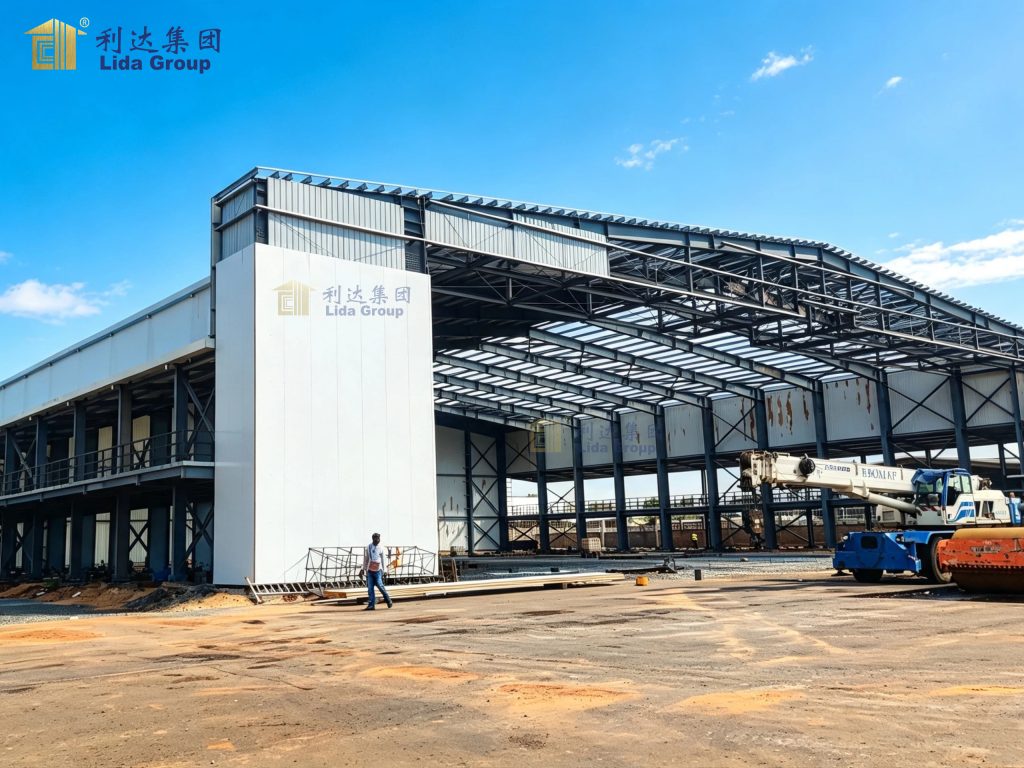
While the steel frame provides structural integrity, the building envelope determines thermal comfort and energy efficiency. Lida Group’s rural housing system incorporates composite sandwich panels for walls, roofs, and floors, creating a complete building enclosure that delivers exceptional thermal performance.
These panels combine a rigid insulation core with durable metal skins, creating a barrier against heat transfer that dramatically outperforms traditional construction materials. Insulation options include rock wool, fiberglass wool, expanded polystyrene, and polyurethane, with thicknesses ranging from 50mm to 200mm. This flexibility allows engineers to specify the appropriate thermal performance for any climate, from tropical lowlands to high-altitude plateaus.
The thermal efficiency of Lida Group’s buildings yields direct economic benefits for rural families. Reduced energy consumption for heating and cooling lowers monthly utility costs, while consistent indoor temperatures improve comfort and health. For families relying on wood or other biomass for heating, improved insulation reduces the labor and expense of fuel collection and purchase.
Customizable Design: Meeting Evolving Family Needs
Perhaps the most transformative aspect of Lida Group’s rural housing system is its inherent customizability. Unlike traditional farmhouses that are fixed in layout and difficult to modify, these steel structure buildings are designed for flexibility—capable of being expanded, reconfigured, or adapted as family circumstances change.
The modular nature of the system allows for incremental expansion. A young couple might start with a modest one-bedroom unit, then add bedrooms as their family grows. An aging farmer might convert unused storage space into an accessible ground-floor living area. A family diversifying into agricultural processing might add a dedicated workspace with specialized ventilation and electrical systems. The possibilities are as varied as the families themselves.
This adaptability extends to the interior layout as well. Because the steel frame provides clear span capability without interior load-bearing walls, families and designers have complete freedom to configure interior spaces. Rooms can be sized and positioned according to actual needs, rather than being constrained by structural limitations. This design freedom results in more efficient use of space, eliminating the wasted corridors and awkward layouts common in traditional farmhouses.
Affordability Through Industrial Efficiency
A critical consideration for rural families is cost. While steel structure buildings may have a higher initial cost than some traditional materials, their affordability must be assessed on a lifecycle basis—considering construction costs, maintenance requirements, energy savings, and service life.
Lida Group’s industrialized production approach delivers significant cost advantages. Components are manufactured in controlled factory environments, where precision cutting, robotic welding, and automated assembly reduce labor costs and material waste. The company’s six container modular house production lines and eight steel structure production lines achieve economies of scale that are impossible with traditional on-site construction.
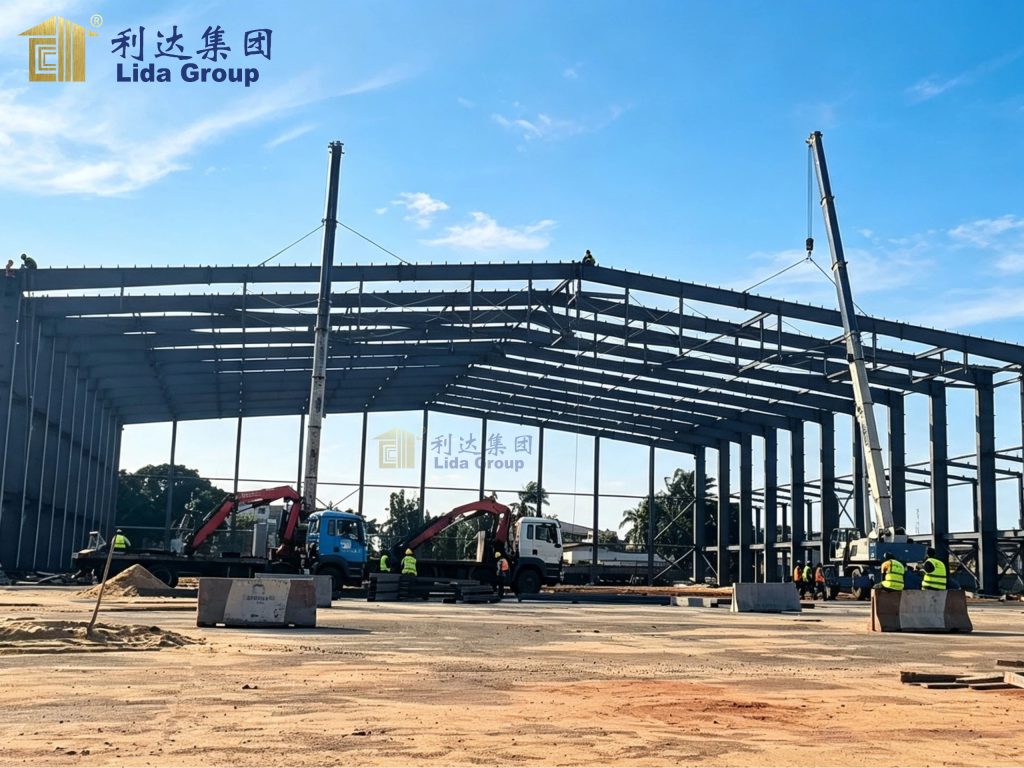
The speed of construction is another affordability factor. Because components arrive pre-fabricated and ready for assembly, on-site construction time is dramatically reduced. This speed translates into lower labor costs, faster occupancy, and reduced financing costs. For rural families building incrementally, this efficiency makes each phase of construction more affordable.
The durability of galvanized steel construction further enhances affordability. With service lives exceeding 50 years and minimal maintenance requirements, these buildings deliver exceptional value over time. Families avoid the cycle of constant repair and eventual replacement that characterizes many traditional structures. The ability to disassemble and relocate buildings adds another dimension of value, allowing families to take their investment with them if they move.
Sustainability and Environmental Responsibility
Lida Group’s rural housing system embodies a commitment to environmental sustainability that aligns with the values of rural communities. Steel is one of the most recycled materials on earth, and Lida Group’s production processes prioritize the use of recycled content. The company’s light steel structures use recycled scrap steel, with 80 percent of demoed steel reclaimed for reprocessing.
The precision of factory-based manufacturing significantly reduces on-site waste. Components are cut to exact specifications in controlled environments, minimizing the offcuts and debris that characterize traditional construction. Factory production reduces material waste by up to 35 percent compared to on-site builds through precise material cutting and unified component processing.
The thermal efficiency of Lida Group’s buildings contributes to environmental sustainability by reducing energy consumption. Lower heating and cooling demands translate into fewer greenhouse gas emissions, whether from on-site fuel combustion or distant power plants. For rural families relying on biomass for heating, improved insulation reduces pressure on local forests and ecosystems.
Perhaps most significantly, the modular design supports complete disassembly, migration, and repeated reuse—forming a closed-loop sustainable construction model. Families can relocate their buildings as circumstances change, avoiding the waste associated with abandoning structures. Lida Group’s over 60 technical patents optimize connection structures and anti-aging performance, ensuring that reused buildings still meet local safety and environmental protection standards after multiple deployments.
Proven Performance in Rural Applications
The theoretical advantages of Lida Group’s steel structure buildings have been validated through real-world applications across diverse rural contexts. The company’s extensive project portfolio includes numerous examples of how these buildings address the specific needs of farm families and rural communities.
In Fiji, Lida Group completed a project involving three steel structure buildings adapted to the local tropical climate. The structures utilized H-shape steel frames and hot-dip galvanized steel sheets, ensuring durability against high temperatures, rainfall, and humidity. Strategic ventilation design maintained good air circulation, while the modular construction allowed for flexibility in use. The completed buildings gained high praise from the client for their sturdiness, adaptability, and climate resilience.
In East Africa, Lida Group delivered a 5,000-square-meter steel structure facility for agricultural storage and equipment housing. The light steel framework was coated with anti-corrosion paint to withstand the arid climate, while the modular design allowed the client to expand the facility incrementally without major renovations. This project demonstrated how steel structure buildings can support agricultural operations while maintaining affordability and adaptability.
In West Africa, Lida Group transformed former agricultural land into a state-of-the-art market complex, demonstrating how steel structure engineering can adapt to equatorial conditions while serving rural communities. The project showcased the company’s ability to deliver large-scale infrastructure that supports rural economic development.
These projects, drawn from Lida Group’s portfolio of more than 5,000 completed steel structure buildings across 152 countries, illustrate the versatility and effectiveness of the company’s approach to rural housing. From tropical islands to arid savannas, from high-altitude plateaus to coastal regions, Lida Group’s galvanized steel structure system is providing durable, efficient, and affordable housing solutions.
The Future of Rural Housing
Looking ahead, the role of steel structure buildings in rural housing will only grow more significant. As climate change intensifies environmental pressures on rural communities, the demand for resilient, weather-resistant buildings will increase. As younger generations bring modern expectations to rural living, the need for comfortable, efficient homes will intensify. As agricultural operations evolve, the requirement for flexible, adaptable buildings will become more urgent.
Lida Group is well-positioned to meet these future demands. The company’s ongoing investment in research and development, its portfolio of over 60 patents, and its commitment to continuous innovation ensure that its building systems will continue to evolve. The company’s global manufacturing capacity, certified quality management systems, and extensive project experience provide the foundation for continued growth and improvement.
The integration of smart technologies into rural housing represents an emerging frontier. Future buildings may incorporate integrated sensors for monitoring structural health, automated systems for climate control, and enhanced connectivity for remote monitoring and management. These technologies will further enhance the comfort, efficiency, and safety of rural homes.
Conclusion
Lida Group’s customizable galvanized steel structure building system represents a transformative solution to the persistent challenge of affordable, durable rural housing. By combining the strength and corrosion resistance of galvanized steel with the thermal performance of composite panels and the flexibility of modular design, the company has created a building system that addresses the full spectrum of rural families’ evolving accommodation needs.
The system’s core strengths—durability through galvanized steel construction, thermal comfort through advanced insulation, affordability through industrial efficiency, sustainability through recyclable materials and reduced waste, and adaptability through modular design—position it as an ideal solution for rural farm families worldwide. The company’s demonstrated ability to deliver high-quality steel structure buildings across diverse climates and contexts, from tropical Fiji to arid Kenya to equatorial West Africa, has established Lida Group as a trusted partner for rural housing development.
As rural communities continue to evolve in response to climate change, population shifts, and agricultural transformation, the demand for adaptable, resilient, and affordable housing will only intensify. Lida Group, with its three decades of experience, its commitment to quality and innovation, and its global reach, stands ready to meet this demand. The company’s galvanized steel structure building system is not merely a construction method—it is a foundation for rural prosperity, providing the durable, efficient, and sustainable infrastructure that farm families need to thrive in the decades ahead.
In choosing Lida Group’s steel structure buildings, rural families are choosing more than shelter—they are choosing durability that endures through generations, efficiency that reduces daily burdens, and adaptability that accommodates life’s inevitable changes. They are choosing a future where rural housing is no longer a compromise but a source of pride, comfort, and security for the families who feed the world.
Related news
-
Lida Group Innovates Construction with Container Prefab Houses for Rapid Deployment in Emergency Situations
2026-09-17 16:38:19
-
Lida Group Revolutionizes Prefab Construction with Innovative Modular Steel Framing Systems
2026-09-15 17:09:30
-
Prefabricated Steel Components Speed up Construction of New Community Hospital, Allowing Medical Services to Start Months Earlier Than Traditional Methods
2026-09-10 16:29:58
contact us
- Tel: +86-532-88966982
- Whatsapp: +86-13793209022
- E-mail: sales@lidajituan.com
