



Your Vision, Our Build: Free Design Container Apartment Solutions
2025-Dec-16 15:37:59
By Admin
Introduction
In a world grappling with urbanization, housing shortages, and climate urgency, container apartments have emerged as a revolutionary solution—marrying affordability, speed, and sustainability. Yet, one critical barrier has long hindered their widespread adoption: the cost and complexity of custom design. For individuals, developers, and governments seeking tailored housing solutions, design fees can add 10-15% to project budgets, while generic prefab options fail to align with unique needs, cultural preferences, or local building codes. This is where the paradigm of “free design container apartment solutions” disrupts the industry: by eliminating upfront design costs, integrating customization into standardized processes, and delivering turnkey solutions that honor client visions without compromise.
This article explores how free design services are redefining container apartment construction, examining the market forces driving demand, the technical innovations enabling cost-free customization, real-world project successes across diverse geographies, and the sustainable impact of this model. From urban micro-apartments to disaster-relief housing and luxury eco-resorts, free design container solutions prove that affordability and personalization need not be mutually exclusive. Backed by industry data—including a projected $1200 billion global integrated housing market by 2025 (Grand View Research, 2025) and a 35% market share for modular container units—we demonstrate how this approach is addressing critical housing challenges while setting new standards for efficiency and client-centricity.
The global shift toward container construction is fueled by three interconnected trends: the need for rapid, cost-effective housing (exacerbated by post-pandemic urban migration and natural disasters), growing regulatory pressure to reduce carbon footprints, and rising demand for flexible, adaptive spaces. Container apartments offer inherent advantages: 85%+ material reusability, 30-50% faster construction timelines than traditional buildings, and up to 40% lower lifecycle costs. However, without accessible design services, these benefits remain out of reach for many. Free design solutions bridge this gap by providing end-to-end design support—from concept visualization to compliance documentation—at no additional cost, making container housing viable for a broader range of clients, from individual homeowners to large-scale developers and government agencies.
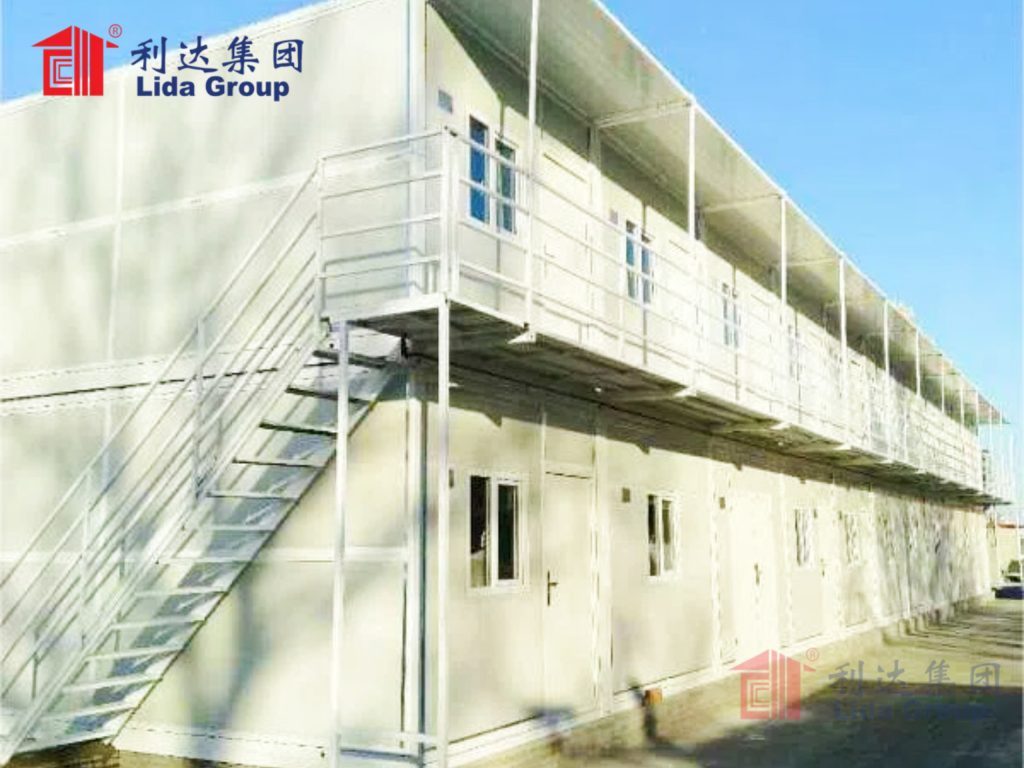
1. The Case for Free Design: Unlocking Container Housing’s Potential
1.1 The Hidden Cost of Traditional Design
Traditional architectural design for residential projects typically costs 5-12% of total construction budgets, with custom container conversions often commanding premium rates due to their specialized nature. For a 10-unit container apartment complex with a \(500,000 construction budget, design fees alone can exceed \)60,000— a barrier that disqualifies container solutions for cost-sensitive clients. Moreover, generic design templates fail to address site-specific challenges (e.g., poor soil conditions, extreme weather) or cultural preferences (e.g., privacy-focused layouts in the Middle East, open-plan living in Western markets), leading to costly reworks or suboptimal living experiences.
Free design services eliminate these barriers by absorbing design costs into the overall project delivery model. This is made possible through economies of scale: by standardizing core structural components while retaining flexibility for customization, providers can offer tailored designs without incurring proportional cost increases. For example, a free design package might include 3D renderings, floor plans, MEP (mechanical/electrical/plumbing) layouts, and local building code compliance checks—services that would typically cost \(3,000-\)10,000 for a single-family container home. By removing this upfront financial burden, free design solutions democratize access to container housing, enabling clients to invest resources in quality materials and smart upgrades instead of design fees.
1.2 Core Value Propositions of Free Design
Free design container apartment solutions are defined by three non-negotiable value propositions: customization without compromise, transparency, and compliance assurance. Unlike generic prefab offerings that force clients into one-size-fits-all layouts, free design services prioritize client vision—whether it’s a minimalist urban studio, a family-friendly multi-container home, or a mixed-use apartment complex with retail spaces. Design teams collaborate closely with clients to translate their needs into functional, aesthetically pleasing designs, adjusting everything from room dimensions and window placements to exterior finishes and interior fixtures.
Transparency is another critical pillar. Free design providers disclose all costs upfront, ensuring clients understand that “free design” does not equate to hidden fees or subpar materials. Detailed cost breakdowns include manufacturing, transportation, assembly, and any optional upgrades, empowering clients to make informed decisions. For example, a client may opt for energy-efficient insulation or smart home technology without fearing unexpected design surcharges.
Finally, free design services include rigorous compliance checks to ensure projects meet local building codes, safety standards, and environmental regulations. This is particularly valuable for international projects, where standards vary widely—from Australia’s AS1170 wind resistance requirements (up to 12 级) to the EU’s UL94-V0 fire safety ratings. Design teams leverage local expertise and global certification knowledge (e.g., CE, ISO 9001) to navigate these complexities, reducing the risk of costly delays or non-compliance penalties.
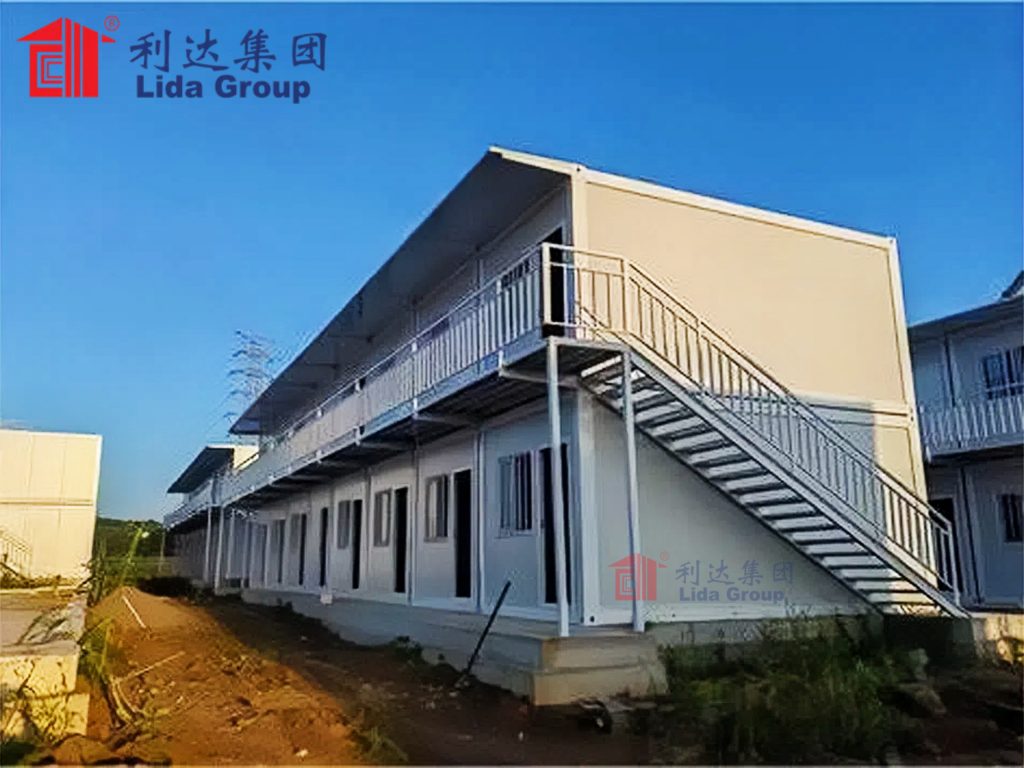
2. Technical Innovations Enabling Free Design Container Solutions
2.1 Modular Standardization with Customizable Interfaces
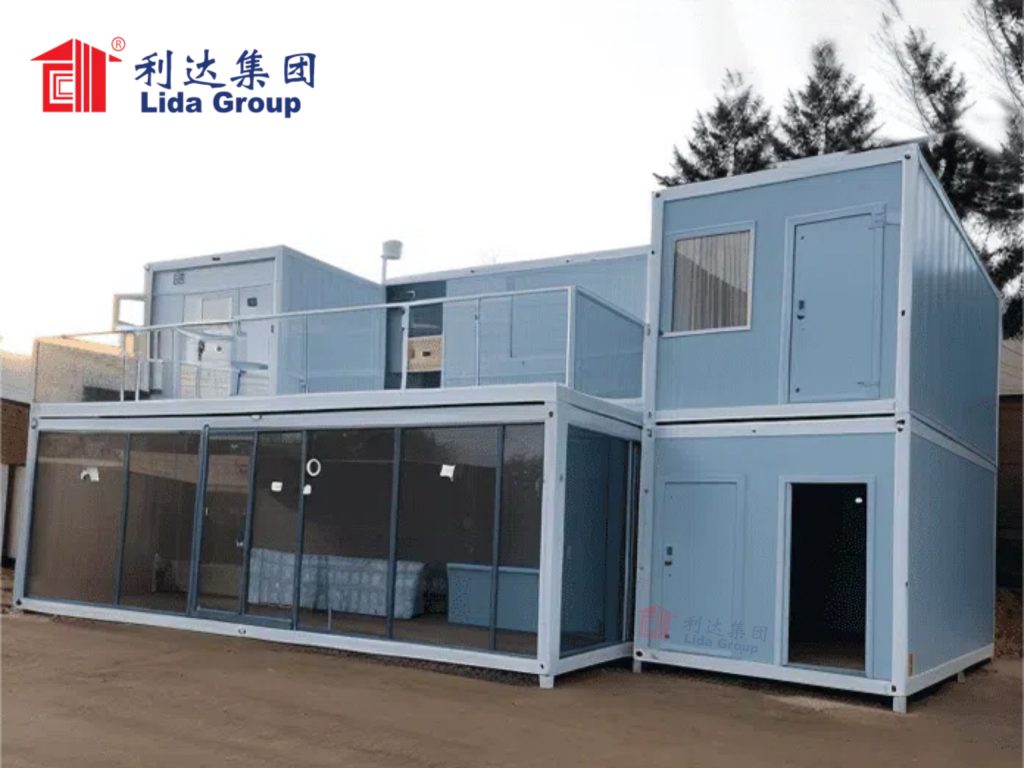
The scalability of free design services hinges on modular standardization—creating a library of pre-engineered container components that can be combined and customized to fit client needs. Core structural elements (e.g., reinforced steel frames, insulated walls, standardized door/window openings) are produced at scale, reducing manufacturing costs while ensuring consistency and durability. These components serve as “building blocks” that can be arranged horizontally (for multi-unit complexes) or vertically (for high-rise apartments), with customizable interfaces that allow for personalization.
For example, a standard 40-foot container module (12.192m x 2.438m x 2.591m) can be modified with removable partitions to create 1-3 bedrooms, while exterior cladding options (e.g., wood, brick veneer, metal panels) transform the industrial aesthetic into something that blends with local architecture. This approach balances efficiency and flexibility: 80% of the design is standardized, reducing engineering time and costs, while 20% is customizable, honoring client preferences. The result is a design process that is both fast (typically 2-3 weeks for initial concepts) and tailored, enabling free design providers to serve multiple clients without sacrificing quality.
2.2 Advanced Structural Engineering for Safety and Versatility
Container apartments were once limited by perceptions of fragility, but modern structural engineering has transformed them into safe, durable housing options—capable of withstanding earthquakes, hurricanes, and extreme temperatures. Free design solutions leverage cutting-edge structural innovations, including:
- Reinforced Corner Castings: Upgraded steel corner castings (rated for 40.5-ton total weight) enhance load-bearing capacity, enabling vertical stacking of up to 6 containers for high-rise apartments.
- Modular Framing Systems: Cold-formed light steel framing (LSF) integrated into container shells improves insulation, soundproofing, and structural rigidity, while reducing weight by 30% compared to traditional steel frames.
- Weatherproofing Technologies: Seamless waterproof membranes, double-glazed windows, and corrosion-resistant coatings (galvanization + color coating) ensure longevity in harsh environments—from humid Southeast Asian climates to freezing Northern European winters.
These innovations are not only critical for safety but also enable design flexibility. For example, reinforced floors allow for open-plan layouts without load-bearing walls, while advanced insulation materials (e.g., rock wool, polyurethane foam with thermal conductivity as low as 0.038 W/(m·K)) enable comfortable living in extreme temperatures without excessive energy use. By integrating these technologies into standardized modules, free design providers can offer safe, versatile solutions without charging premium design fees.
2.3 Digital Design Tools: From Concept to Construction
Free design services rely on digital tools to streamline the design process, reduce errors, and deliver cost-effective customization. Building Information Modeling (BIM) software is the cornerstone of this digital transformation, enabling 3D modeling of container apartments that integrates structural, MEP, and interior design elements. BIM allows design teams to:
- Visualize Concepts: Generate photorealistic 3D renderings and virtual walkthroughs, helping clients visualize their vision before construction begins.
- Detect Clashes: Identify potential conflicts (e.g., MEP pipe line interference, structural weaknesses) early in the design phase, reducing rework costs by up to 70%.
- Optimize Materials: Calculate exact material requirements, minimizing waste (to less than 5% compared to 15-20% in traditional construction) and lowering manufacturing costs.
Complementary tools include parametric design software, which automates the creation of customized layouts based on client inputs (e.g., number of bedrooms, square footage, budget), and cloud-based collaboration platforms that enable real-time feedback between clients and design teams. For international projects, these tools facilitate remote design reviews, eliminating the need for costly on-site meetings. By leveraging digital efficiency, free design providers can deliver high-quality, customized designs at no additional cost, passing savings on to clients.
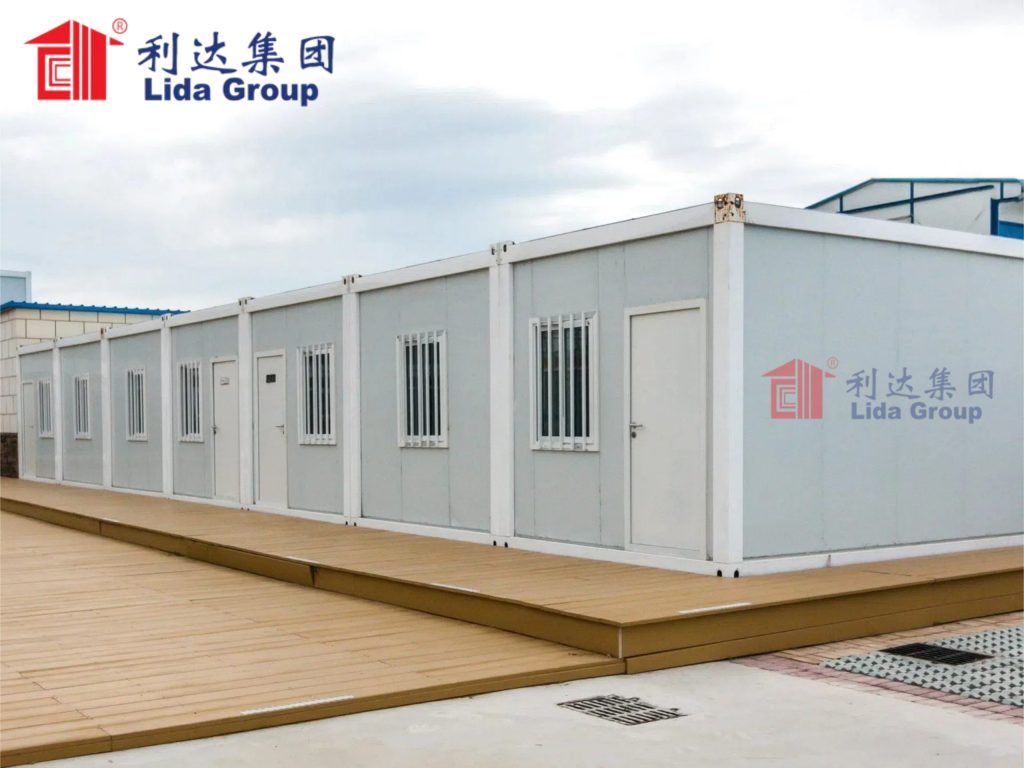
3. Global Case Studies: Free Design in Action
3.1 Urban Micro-Apartments: Singapore’s “Container Living Hub”
Singapore’s housing crisis—characterized by skyrocketing property prices and limited land—demanded an affordable, space-efficient solution. A local developer partnered with a free design container provider to create a 50-unit micro-apartment complex targeting young professionals. The client’s vision was clear: compact (30-40㎡) units with smart storage, natural light, and shared amenities (e.g., co-working spaces, rooftop gardens)—all at 30% lower rent than traditional apartments.
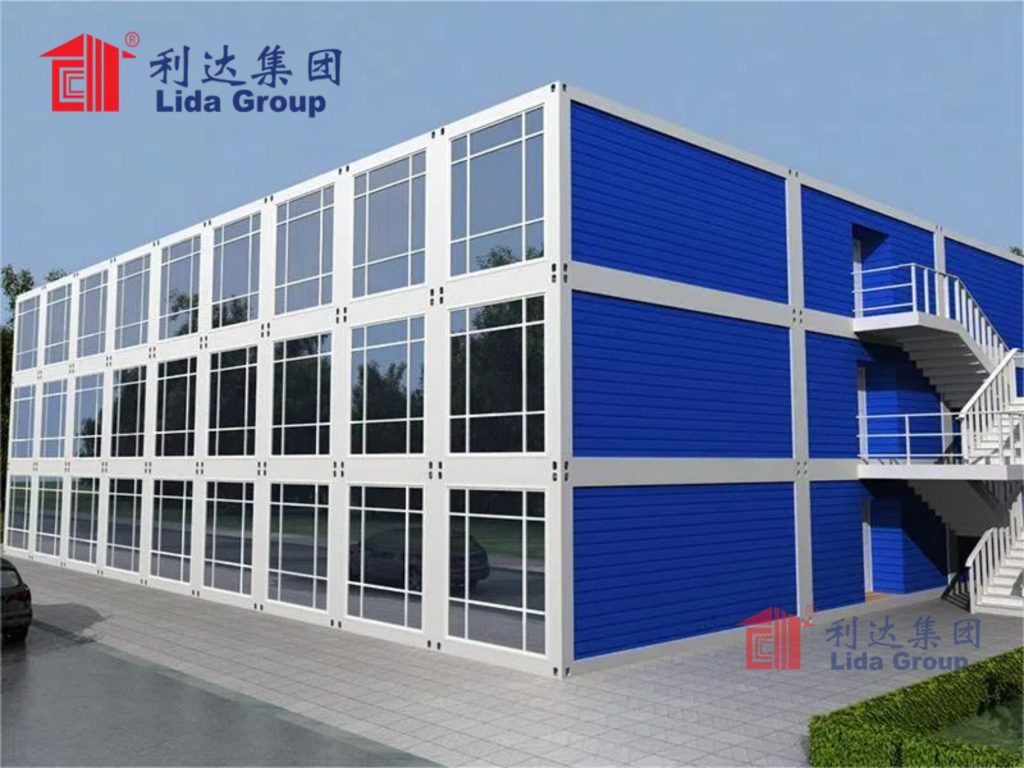
The free design process began with a needs assessment: young professionals prioritized flexibility (convertible workspaces), sustainability, and low utility costs. The design team responded with a modular layout using 20-foot and 40-foot containers stacked 4 stories high. Each unit featured floor-to-ceiling windows (custom-sized to maximize natural light), built-in storage solutions, and energy-efficient appliances. Exterior cladding in timber and greenery softened the industrial aesthetic, integrating the complex into the urban landscape.
Key outcomes:
- Design delivery: 3 weeks from concept to final plans (including BIM modeling and code compliance checks).
- Construction time: 12 weeks (70% faster than traditional micro-apartment projects).
- Cost savings: $8,000 per unit in design fees, redirected to solar panels and smart home technology.
- Occupancy rate: 100% within 1 month of completion, with 92% tenant satisfaction (cited “customizable layout” and “affordability” as top benefits).
The project demonstrated how free design can address urban housing shortages by delivering tailored, cost-effective solutions that resonate with target demographics.
3.2 Disaster Relief Housing: Haiti’s Post-Earthquake Container Villages
Following a 7.2-magnitude earthquake in 2021, Haiti faced an urgent need for safe, temporary housing for 100,000+ displaced people. A humanitarian organization partnered with a free design container provider to deliver 500 disaster-resilient apartments. The client’s priorities: rapid deployment, durability (to withstand hurricanes and aftershocks), and cultural sensitivity (private outdoor spaces for families, community gathering areas).
The free design team adapted standard container modules to Haiti’s context:
- Structural upgrades: Reinforced frames rated for 8 级 earthquakes and 12 级 winds, compliant with international disaster relief standards.
- Climate adaptation: High-efficiency insulation and cross-ventilation systems to combat humidity, plus raised foundations to prevent flooding.
- Cultural customization: Each 40-foot container was split into two 20㎡ units (accommodating 4-5 people per unit) with private patios and communal kitchens.
Design challenges included navigating Haiti’s limited building codes and ensuring materials could withstand harsh shipping and assembly conditions. The free design package included on-site assembly guides and training for local workers, empowering the community to maintain the housing long-term.
Key outcomes:
- Design and delivery: 4 weeks from initial request to first units installed (traditional disaster housing typically takes 3-6 months).
- Cost efficiency: $15,000 per unit (50% lower than prefabricated disaster shelters), with no design fees.
- Durability: Units remained intact during Hurricane Grace (2021), providing safe shelter for 2,500 people.
- Legacy: 60% of units were repurposed as permanent housing after reconstruction, demonstrating the lifecycle value of container design.
3.3 Luxury Eco-Resorts: Bali’s “Container Villa Collection”
A resort developer in Bali sought to create a sustainable, luxury accommodation option that blended with the island’s natural landscape—without compromising on comfort or aesthetics. The client’s vision: 20 container villas with private pools, open-air living spaces, and eco-friendly features (e.g., rainwater harvesting, solar power). The free design service was critical to balancing luxury and sustainability, as the developer wanted to invest in high-end finishes rather than design fees.
The design team’s approach:
- Modular customization: Each villa combined 2-3 40-foot containers arranged to maximize ocean views and privacy. Open-air “container gaps” were converted into plunge pools and outdoor showers.
- Material innovation: Exterior cladding in reclaimed teak and living plant walls softened the industrial structure, while interior finishes (natural stone, bamboo flooring) aligned with Bali’s aesthetic.
- Sustainability integration: BIM software optimized solar panel placement and rainwater collection systems, reducing energy consumption by 60% compared to traditional villas.
Compliance challenges included meeting Bali’s strict environmental regulations (e.g., no concrete within 10 meters of coastal areas) and seismic safety standards. The free design package included environmental impact assessments and permits, ensuring the project was approved without delays.
Key outcomes:
- Design differentiation: Unique, Instagram-worthy villas that stood out in Bali’s crowded resort market.
- Cost savings: $12,000 per villa in design fees, invested in luxury amenities (e.g., smart lighting, outdoor kitchens).
- Sustainability credentials: Earned Indonesia’s Green Building Certification (Green Building Council Indonesia), attracting eco-conscious travelers.
- ROI: Average nightly rate 20% higher than nearby traditional villas, with 95% occupancy year-round.
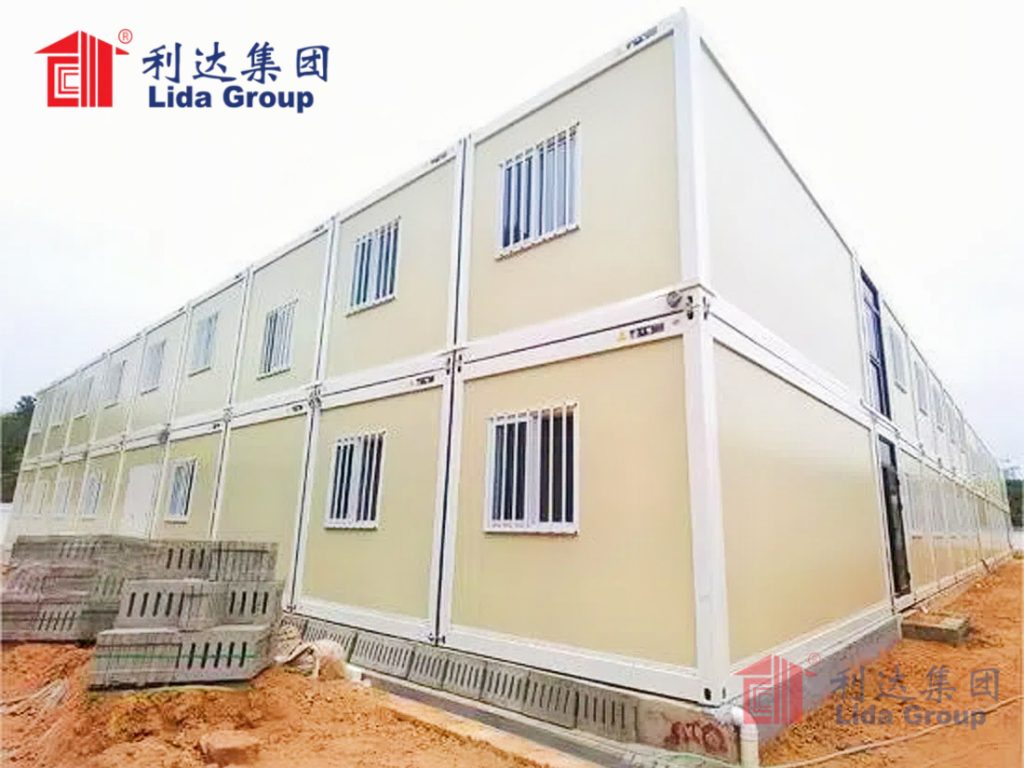
4. Sustainability: Free Design Meets Environmental Responsibility
Container apartments are inherently sustainable—recycling steel shipping containers that would otherwise end up in landfills (each container diverts 2.5 tons of steel from disposal). Free design solutions amplify this sustainability by integrating eco-friendly features into every project, at no additional cost to clients. This alignment of affordability and sustainability is critical in a market where 78% of clients prioritize environmental responsibility (Grand View Research, 2025).
4.1 Carbon Footprint Reduction
Free design container apartments reduce carbon emissions by 30-40% compared to traditional construction, through three key mechanisms:
- Material Reusability: Steel containers have a 95% recycling rate, and free design solutions prioritize reusing existing containers (rather than new ones) whenever possible. Recycling steel saves 74% of the energy required to produce new steel, reducing embodied carbon.
- Efficient Construction: Factory manufacturing and on-site assembly generate minimal waste (less than 5%) and no concrete pouring (a major source of CO2 emissions). For a 10-unit complex, this reduces on-site emissions by 60% compared to brick-and-concrete construction.
- Energy Efficiency: Free design packages include standard energy-saving features: high-performance insulation, double-glazed windows, and LED lighting. Optional upgrades (e.g., solar panels, heat pumps) are offered at discounted rates, further lowering operational carbon emissions.
For example, a 100㎡ free-design container home emits approximately 15 tons of CO2 during construction, compared to 25 tons for a traditional home. Over a 20-year lifespan, operational emissions are reduced by 50%, resulting in a total carbon footprint 40% lower than conventional housing.
4.2 Circular Economy Principles
Free design solutions embrace circularity by designing for disassembly and reuse. Container modules are engineered to be easily disassembled, transported, and reassembled at new sites—with a reuse rate exceeding 85%. This is particularly valuable for temporary projects (e.g., construction camps, event housing) or clients who may relocate. For example, a container apartment used for a 5-year work assignment can be disassembled and reassembled at a new home, avoiding the waste of demolition.
Free design teams also prioritize sustainable material sourcing:
- Interior finishes: Low-VOC (volatile organic compound) paints, reclaimed wood, and recycled plastic fixtures.
- Insulation: Bio-based materials (e.g., bamboo fiber, sheep’s wool) that are both eco-friendly and cost-effective.
- MEP systems: Water-saving toilets (1.28 gallons per flush) and energy-efficient appliances (ENERGY STAR certified).
These choices not only reduce environmental impact but also lower long-term utility costs for clients—creating a win-win for sustainability and affordability.
4.3 Green Building Certifications
Free design container apartments are designed to meet global green building standards, such as LEED (Leadership in Energy and Environmental Design), BREEAM (Building Research Establishment Environmental Assessment Method), and local certifications like China’s Green Building Three-Star. Compliance with these standards unlocks additional benefits for clients, including tax incentives, subsidies, and higher property values.
For example, a LEED Gold-certified container apartment complex in the U.S. qualifies for a 10% reduction in property taxes, while a BREEAM Excellent project in Europe may receive government grants for renewable energy upgrades. Free design teams navigate the certification process at no extra cost, ensuring clients maximize these sustainability-related benefits.
5. Overcoming Industry Challenges: The Free Design Advantage
Despite their many benefits, container apartments face three key industry challenges: perceptions of low quality, logistical complexity, and regulatory fragmentation. Free design solutions address each of these challenges head-on, turning potential barriers into competitive advantages.
5.1 Dispelling Quality Myths
A common misconception about container apartments is that they are “temporary” or “low-quality.” Free design providers counter this by emphasizing structural integrity, premium materials, and customization. All free design projects undergo rigorous testing:
- Structural tests: Load-bearing capacity, wind resistance, and seismic performance (certified by third-party labs like SGS).
- Material tests: Fire resistance (UL94-V0 standard), water tightness, and corrosion resistance.
- Quality control: Factory inspections at every production stage, with digital documentation shared with clients.
Free design packages also include warranties—typically 10 years for structural components and 5 years for finishes—providing peace of mind. For example, a free-design container home in Australia comes with a warranty covering wind damage up to 12 grade, exceeding local standards for traditional homes. By prioritizing quality and transparency, free design solutions are reshaping perceptions of container housing as a durable, long-term option.
5.2 Streamlining Logistics
Container apartments require complex logistics: transporting large, heavy modules (up to 20 tons per container) to sites, often in remote or urban areas with limited access. Free design providers mitigate this challenge through:
- Optimized Transportation: Standardized container dimensions (20ft/40ft) fit on regular shipping vessels, trucks, and trains, reducing transport costs by 40% compared to custom prefab components. For international projects, modules are shipped flat-pack or fully assembled, depending on cost and timeline.
- Efficient Assembly: Free design includes detailed assembly guides and on-site support (remote or in-person). A 10-unit complex can be assembled by a 4-person team in 2-3 weeks, using basic tools and no specialized skills.
- Logistical Planning: BIM software models site access, foundation requirements, and assembly sequences, identifying potential bottlenecks early. For urban projects with limited space, modules are delivered and assembled sequentially, minimizing disruption.
For example, a free-design container apartment project in Tokyo—located in a dense urban area with narrow streets—used cranes to lift modules over existing buildings, with assembly completed in 10 days (compared to 3 months for traditional construction). The logistical efficiency of container modules, combined with free design planning, made this project feasible where traditional construction would have been impossible.
5.3 Navigating Regulatory Complexity
Building codes for container apartments vary widely by country, region, and even city—creating a fragmented regulatory landscape. Free design providers overcome this by:
- Local Expertise: Design teams include professionals familiar with regional codes (e.g., U.S. IRC, EU EN standards, Australian AS codes). For international projects, local partners are engaged to ensure compliance.
- Pre-Approved Designs: Standardized modules are pre-approved for common code requirements (e.g., fire safety, energy efficiency), reducing approval time by 50%.
- Documentation Support: Free design includes all required permits, inspections, and compliance reports, eliminating the need for clients to hire separate consultants.
For example, a free-design container project in the Middle East had to comply with strict privacy laws (small windows, enclosed courtyards) and extreme heat resistance (insulation rated for 50°C). The design team adapted standard modules to meet these requirements, including tinted windows, reflective exterior cladding, and private outdoor spaces—all while ensuring compliance with local building codes. By handling regulatory complexity at no extra cost, free design solutions reduce project risk and delays.
6. The Future of Free Design Container Apartment Solutions
The future of free design container apartments is defined by three key trends: 智能化 (smart integration), material innovation, and market expansion. As technology advances and demand grows, free design providers are poised to lead the next wave of housing innovation.
6.1 Smart Home Integration
Free design solutions are increasingly integrating smart technology as a standard feature, not an upgrade. This includes:
- IoT Sensors: Monitor temperature, humidity, energy use, and structural performance, with real-time alerts for maintenance needs.
- Automation: Smart lighting, heating/cooling, and security systems, controlled via mobile apps.
- Digital Twins: BIM-derived digital replicas of container apartments, enabling remote management and future renovations.
For example, a free-design container apartment in Singapore includes IoT sensors that adjust insulation levels based on outdoor temperature, reducing energy use by 20%. Smart locks and video doorbells enhance security, while digital twins allow tenants to request maintenance via app—streamlining property management. As smart technology becomes more affordable, free design providers will integrate these features into all projects, enhancing comfort and reducing long-term costs.
6.2 Material Innovation
Research and development in sustainable materials will further enhance the performance and affordability of free-design container apartments:
- Lightweight Composites: Carbon fiber-reinforced polymer (CFRP) components reduce container weight by 30%, lowering transport costs and foundation requirements.
- Bio-Based Materials: Insulation made from mushroom mycelium or hemp fiber, which are cheaper, more sustainable, and have better thermal performance than traditional materials.
- 3D-Printed Finishes: Custom interior/exterior finishes (e.g., wall panels, countertops) printed on-site, reducing waste and enabling unlimited design possibilities.
For example, a free-design project in Europe is testing mushroom mycelium insulation, which costs 20% less than rock wool and has a negative carbon footprint. 3D-printed concrete countertops are used in kitchens, eliminating the need for expensive stone or tile. These innovations will make free-design container apartments even more sustainable and customizable, while lowering costs.
6.3 Market Expansion
The global market for container apartments is growing fastest in three regions: Southeast Asia, Africa, and Latin America—driven by urbanization, housing shortages, and infrastructure development. Free design providers are expanding into these markets by:
- Localization: Adapting designs to regional climate, culture, and building codes (e.g., 防潮 IPX5-rated modules for Southeast Asia, heat-resistant insulation for Africa).
- Partnerships: Collaborating with local governments, developers, and NGOs to deliver affordable housing projects.
- Affordability: Launching entry-level free-design packages (starting at $10,000 for a 20㎡ unit) targeting low-income households.
For example, a free-design provider is partnering with the Kenyan government to deliver 10,000 container apartments for low-income families, with designs adapted to Kenya’s dry climate (solar power, rainwater harvesting) and cultural preferences (communal kitchens). The project will provide affordable housing for 50,000 people, with no design fees and monthly rents 50% lower than traditional apartments. As market demand grows, free design container solutions will become a mainstream housing option in these high-growth regions.
7. Conclusion
“Your Vision, Our Build: Free Design Container Apartment Solutions” represents a paradigm shift in the housing industry—one that prioritizes client needs, sustainability, and affordability without compromise. By eliminating upfront design fees, integrating customization into standardized processes, and leveraging technical innovations, free design providers are making container apartments accessible to a broader range of clients, from individual homeowners to large-scale developers and humanitarian organizations.
The global case studies highlighted in this article—from urban micro-apartments in Singapore to disaster-relief housing in Haiti and luxury eco-resorts in Bali—demonstrate the versatility of free design solutions. These projects deliver tangible benefits: 30-50% lower costs than traditional construction, 30-70% faster timelines, 30-40% reduced carbon emissions, and fully customized designs that honor client visions. Free design is not just a marketing gimmick; it’s a sustainable business model enabled by modular standardization, digital efficiency, and economies of scale.
As the housing industry faces unprecedented challenges—urbanization, climate change, and affordability crises—free design container apartments offer a path forward. They prove that housing can be both personalized and cost-effective, sustainable and durable, innovative and accessible. The future of free design lies in smart integration, material innovation, and market expansion, with container apartments set to become a mainstream housing option worldwide.
For clients, free design container solutions represent more than just a place to live—they represent the freedom to design a space that reflects their values, needs, and aspirations, without financial barriers. For the industry, they represent a shift toward client-centricity, sustainability, and efficiency. And for the planet, they represent a way to build housing that minimizes environmental impact, conserves resources, and reduces carbon emissions.
In a world where housing is increasingly unaffordable and unsustainable, free design container apartment solutions are not just a trend—they are the future of responsible, inclusive building. Your vision, their build—and together, we can create a housing landscape that works for people, planet, and prosperity.
Related news
-
Lida Group Champions Cost-Effective Prefab Construction Methods
2025-12-16 15:19:59
-
Experience Ultimate Flexibility with Free Design Container Apartments
2025-12-15 17:07:03
-
Lida Group Unveils Innovative Prefab Mobile Container House Series
2025-12-15 16:09:53
contact us
- Tel: +86-532-88966982
- Whatsapp: +86-13793209022
- E-mail: sales@lidajituan.com
