



Why Choose Lida Group for Durable, Cost-Effective Building?
2025-Dec-12 14:51:02
By Admin
In an era defined by economic volatility, environmental consciousness, and evolving business needs, the construction industry faces a critical challenge: delivering buildings that balance long-term durability with cost efficiency. For businesses, developers, and organizations worldwide, a building is more than just a structure—it is an investment that impacts operational resilience, financial performance, and sustainability goals. Amidst a crowded marketplace of construction providers, Lida Group stands out as a trusted partner, specializing in durable, cost-effective building solutions that exceed industry standards and client expectations. With decades of expertise in light steel framing, prefabricated construction, and sustainable design, Lida Group has redefined what it means to build for longevity and value. This article explores the core reasons why Lida Group is the premier choice for clients seeking buildings that endure, perform, and deliver measurable returns on investment.
The Foundation of Lida Group: Expertise in Durable, Cost-Effective Construction
Lida Group’s reputation as a leader in durable, cost-effective building is rooted in its unwavering commitment to quality, innovation, and client success. Founded with a vision to transform the construction industry through efficient, sustainable solutions, the company has established itself as a pioneer in light steel frame (LSF) construction, prefabricated modular buildings, and customized structural designs. Over the years, Lida Group has completed thousands of projects across industries—including industrial warehouses, commercial facilities, residential complexes, and public infrastructure—earning a track record of delivering structures that stand the test of time while optimizing costs at every stage of the building lifecycle.
At the heart of Lida Group’s approach is a deep understanding of the interconnectedness between durability and cost efficiency. A building that fails to withstand environmental stressors, heavy usage, or time will incur costly repairs, replacements, and downtime—undermining any short-term savings from low initial investments. Conversely, a durable building that is designed with efficiency in mind reduces long-term operational expenses, minimizes maintenance costs, and preserves its value over decades. Lida Group’s solutions strike this critical balance, leveraging advanced materials, precision engineering, and streamlined construction processes to deliver buildings that are both robust and economical.
Core Advantage 1: Unmatched Durability—Built to Last a Lifetime
Durability is the cornerstone of Lida Group’s building solutions. Unlike traditional construction materials such as wood or concrete, which are prone to rot, corrosion, cracking, and structural degradation, Lida Group’s light steel frame structures are engineered for exceptional longevity and resilience. This durability is achieved through a combination of high-quality materials, rigorous testing, and innovative design principles, ensuring that every building can withstand the harshest conditions and heaviest demands.
Superior Material Selection: The Strength of Light Steel Framing
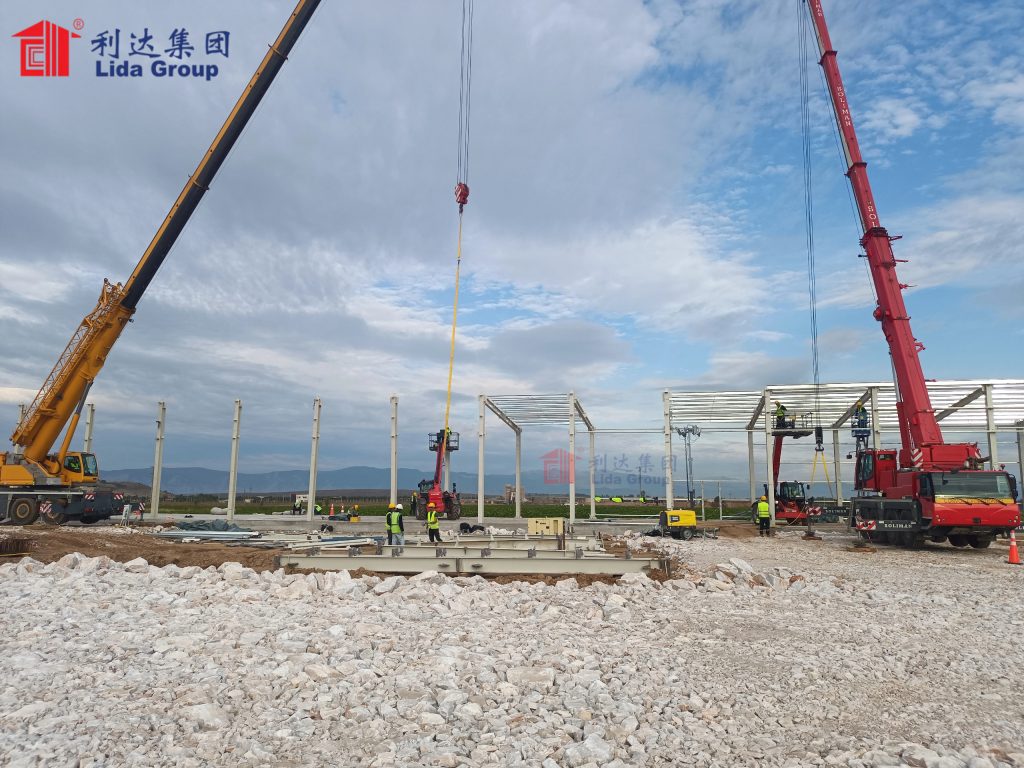
Lida Group’s primary building material—high-grade light steel—offers inherent advantages over conventional alternatives. Light steel is a versatile, robust material that boasts an impressive strength-to-weight ratio, making it ideal for constructing structures that are both lightweight and load-bearing. Lida Group sources only premium steel grades, such as Q235 and Q355B, which meet international standards for tensile strength, yield strength, and corrosion resistance . These steel components are manufactured using cold-formed thin-walled technology, which enhances their structural integrity and dimensional accuracy, ensuring consistent performance across the entire building.
To further enhance durability, Lida Group applies advanced protective coatings to all steel components. Galvanization (zinc coating) and fluorocarbon painting are standard practices, creating a barrier that shields the steel from moisture, rust, and environmental pollutants . This corrosion resistance is critical for buildings in harsh climates—including coastal regions with saltwater exposure, humid areas prone to mold growth, and industrial zones with high pollution levels. Tests have shown that Lida Group’s galvanized steel frames can withstand up to 90 years of use without significant structural degradation, outperforming wood (20–30 years) and uncoated concrete (50–60 years) by a wide margin .
Fire and Weather Resistance: Safety and Resilience
Lida Group’s buildings are designed to meet or exceed global fire safety standards, addressing one of the most significant risks to building durability and occupant safety. Light steel itself is non-combustible, and when combined with fire-resistant cladding materials—such as mineral wool insulation and fire-rated sandwich panels—Lida Group’s structures achieve impressive fire resistance ratings. For example, the company’s light steel wall assemblies have been tested to withstand fire for up to 1.22 hours, exceeding the minimum requirements of most building codes and ensuring that the structure remains intact during a fire, protecting assets and facilitating safe evacuation .
In addition to fire resistance, Lida Group’s buildings are engineered to withstand extreme weather conditions, including high winds, heavy snow loads, seismic activity, and temperature fluctuations. The light steel frame’s flexibility and ductility make it highly resistant to seismic forces, as it can absorb and dissipate energy during an earthquake without collapsing . For buildings in hurricane-prone regions, Lida Group reinforces the frame with wind-resistant bracing and connections, ensuring that the structure can withstand wind speeds of up to 180 km/h . Similarly, the company’s roof systems are designed to handle snow loads of up to 1.5 kN/m², preventing structural damage in regions with heavy snowfall.
Rigorous Quality Control and Testing
Lida Group’s commitment to durability extends beyond material selection to include rigorous quality control and testing processes. Every steel component undergoes strict inspections during manufacturing, including tests for mechanical properties, dimensional accuracy, and coating adhesion . Before installation, the company conducts structural analysis using advanced 3D modeling software to simulate real-world conditions—such as load-bearing capacity, wind resistance, and seismic performance—ensuring that the design is technically sound and resilient.
Once construction is complete, Lida Group performs comprehensive on-site testing to verify the building’s durability. This includes load tests to confirm that the frame can support static and dynamic loads (such as heavy equipment, inventory, or foot traffic), water tightness tests to prevent leaks, and structural integrity checks to ensure that all connections and fasteners are secure . These tests are conducted by certified engineers and third-party inspectors, providing clients with independent verification of the building’s durability and safety.
Core Advantage 2: Cost-Effectiveness—Maximizing Value at Every Stage
While durability is non-negotiable, Lida Group understands that cost efficiency is equally critical for clients. A building that is durable but prohibitively expensive is not a viable solution for most businesses. That’s why Lida Group has optimized every aspect of its construction process to deliver cost savings without compromising on quality or performance. From design and material sourcing to construction and maintenance, Lida Group’s solutions are engineered to minimize costs at every stage of the building lifecycle.
Prefabrication: Reducing Construction Time and Labor Costs
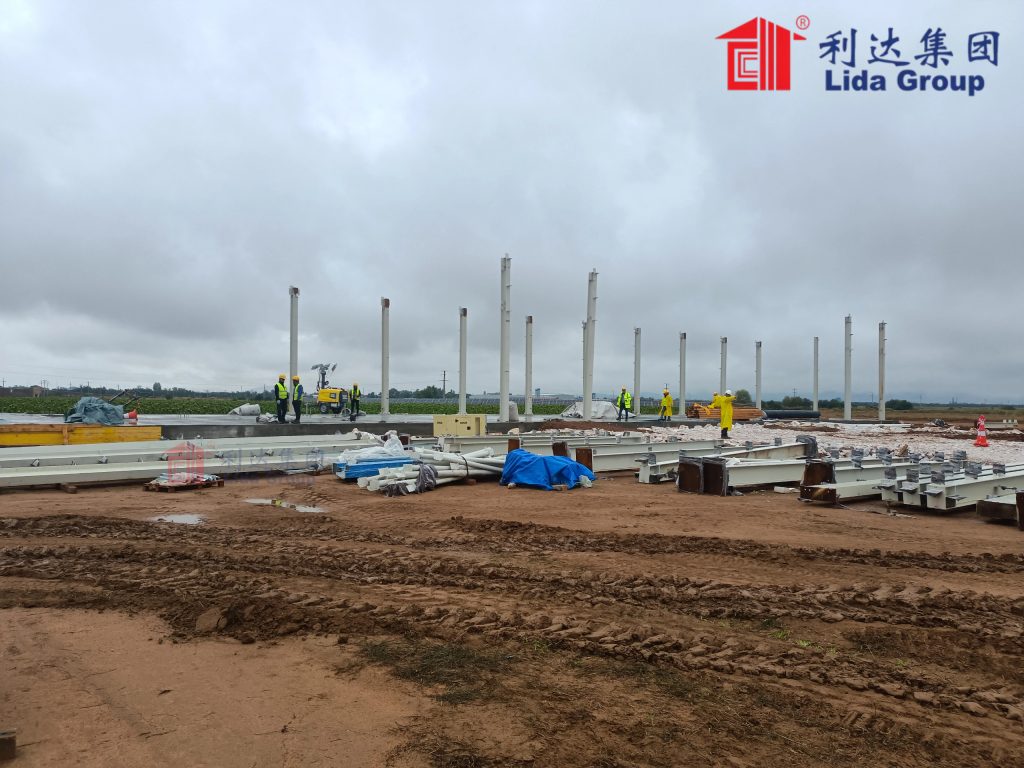
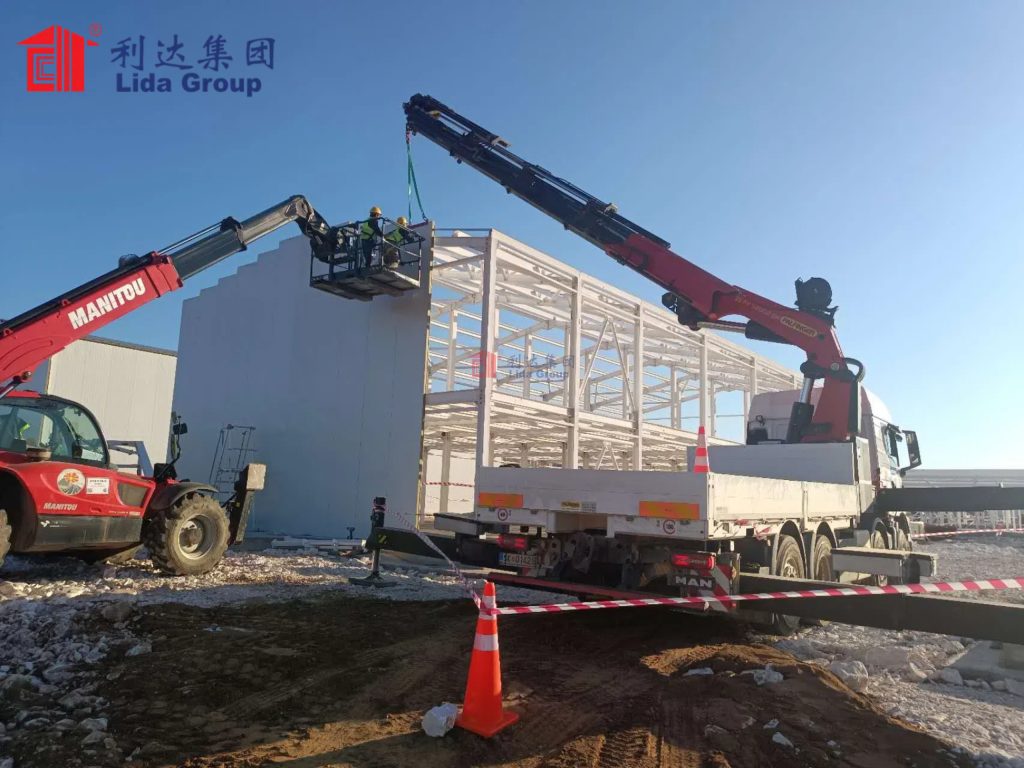
One of the key drivers of Lida Group’s cost efficiency is its use of prefabricated construction methods. Unlike traditional on-site construction, which is labor-intensive, time-consuming, and prone to delays, Lida Group manufactures 80–90% of building components in controlled factory environments . Steel frames, wall panels, roof trusses, and other key components are precision-engineered to exact specifications, then transported to the construction site for rapid assembly.
This prefabrication process delivers significant cost savings in several ways. First, it reduces construction time by 30–50% compared to traditional methods . For example, a 2,000-square-meter industrial warehouse can be completed in just 45–60 days with Lida Group’s prefabricated solution, whereas a concrete structure of the same size would take 6–9 months . This accelerated timeline means that clients can start using their building sooner, generating revenue or operational savings faster. Second, prefabrication minimizes labor costs, as factory production requires fewer workers than on-site construction, and assembly is streamlined with modular components that fit together seamlessly. Lida Group’s projects typically require 40% fewer on-site workers than traditional construction, resulting in substantial savings on labor and equipment rentals .
Prefabrication also reduces material waste, which is a major cost driver in construction. Traditional on-site construction generates up to 20–30% material waste due to cutting, fitting, and errors, whereas Lida Group’s factory production achieves waste rates of less than 10% . This efficiency not only lowers material costs but also reduces disposal fees and environmental impact, aligning with sustainability goals.
Low Maintenance Costs: Long-Term Savings
Lida Group’s durable buildings translate to minimal maintenance requirements, delivering significant long-term cost savings for clients. Unlike wood structures, which require regular treatments to prevent rot and insect infestations, or concrete structures, which need costly repairs to address cracks and water damage, Lida Group’s light steel buildings are virtually maintenance-free. The galvanized or fluorocarbon-coated steel components resist corrosion and degradation, eliminating the need for frequent repainting or replacement. Most Lida Group buildings require only annual inspections and minor cleaning, with an average annual maintenance cost of just 0.1–0.2% of the initial investment .
For example, a Lida Group industrial warehouse built 15 years ago in a humid coastal region required only one repainting in that time, at a cost of less than \(5,000—compared to a similar concrete warehouse, which would have required crack repairs, waterproofing, and repainting at a cost of over \)50,000 . Over the 90-year lifespan of a Lida Group building, these maintenance savings can add up to hundreds of thousands of dollars, far offsetting any slight difference in initial construction costs.
Energy Efficiency: Reducing Operational Expenses
Energy efficiency is another key component of Lida Group’s cost-effective solutions. Modern buildings account for a significant portion of global energy consumption, and high energy bills can erode profitability over time. Lida Group addresses this by integrating advanced energy-efficient features into every building design, reducing operational costs while minimizing environmental impact.
Lida Group’s light steel frames are compatible with high-performance insulation materials, such as centrifugal glass wool, EPS sandwich panels, and rock wool, which provide exceptional thermal resistance. These insulation systems reduce heat transfer between the interior and exterior of the building, lowering the demand for heating and cooling. When combined with energy-efficient windows, doors, and LED lighting, Lida Group’s buildings can reduce energy consumption by 20–30% compared to traditional structures . For a 5,000-square-meter warehouse, this translates to annual energy savings of \(15,000–\)25,000, depending on local energy rates.
For specialized buildings such as cold storage facilities or climate-controlled warehouses, Lida Group’s energy-efficient designs deliver even greater savings. The company’s cold storage solutions incorporate insulated steel panels with a thermal conductivity of less than 0.038 W/(m·K), ensuring that temperatures are maintained with minimal energy input. Clients have reported energy savings of 15–20% compared to concrete cold storage facilities, with some achieving payback periods of less than three years on their energy-efficient investments .
Core Advantage 3: Technical Innovation—Leading the Industry in Smart, Sustainable Design
Lida Group’s commitment to durability and cost efficiency is supported by continuous technical innovation. The company invests heavily in research and development (R&D), partnering with leading engineers, architects, and material scientists to develop cutting-edge building solutions that set new standards for performance and value. From advanced framing technologies to sustainable design practices, Lida Group’s innovations ensure that its clients benefit from the latest advancements in construction.
Modular Design: Flexibility and Scalability
One of Lida Group’s most innovative offerings is its modular building system, which allows for unparalleled flexibility and scalability. Modular buildings are constructed from prefabricated modules that can be assembled, disassembled, and reconfigured to meet changing needs. This flexibility is a game-changer for businesses that experience growth, seasonal fluctuations, or evolving operational requirements.
For example, a manufacturing company that initially requires a 3,000-square-meter warehouse can expand by adding modular units as its inventory grows, without the need for costly and time-consuming new construction. Lida Group’s modular systems can be extended by up to 100% of the original building size, with minimal disruption to ongoing operations . This scalability not only saves money but also allows businesses to adapt to market changes quickly, avoiding the risk of overinvesting in unused space or outgrowing their facility too soon.
Modular design also supports repurposing, as modules can be relocated or reconfigured for new uses. A warehouse can be converted into office space, a production facility, or a retail store by changing the interior layout and finishes—extending the building’s lifespan and maximizing return on investment. This adaptability is particularly valuable in dynamic industries such as e-commerce, logistics, and manufacturing, where operational needs can change rapidly.
Sustainable Construction: Green Building for a Lower Carbon Footprint
Sustainability is a core pillar of Lida Group’s innovation strategy, and the company’s buildings are designed to minimize environmental impact while delivering cost savings. Light steel is one of the most sustainable construction materials available, as it is 100% recyclable with a recycling rate of over 90%—far higher than concrete (less than 30%) or wood (limited recyclability) . When a Lida Group building reaches the end of its lifecycle, its steel components can be recycled and repurposed, reducing waste and conserving natural resources.
Lida Group also prioritizes the use of recycled materials in its manufacturing process. Over 70% of the steel used in Lida Group’s buildings is made from recycled scrap metal, which requires 74% less energy to produce than steel from raw materials . This reduces the company’s carbon footprint significantly, with each Lida Group building emitting up to 50% fewer greenhouse gases during production compared to traditional concrete structures.
In addition to material sustainability, Lida Group’s buildings are designed to meet international green building standards, such as LEED, BREEAM, and China’s GB/T 50378. The company’s energy-efficient designs, natural lighting optimization, and rainwater harvesting systems help clients achieve these certifications, which can lead to tax incentives, reduced insurance premiums, and enhanced brand reputation. For example, a Lida Group commercial facility in Europe achieved LEED Gold certification, resulting in a 15% reduction in insurance costs and increased tenant interest due to its sustainable credentials.
Smart Building Integration: Technology for Enhanced Performance
Lida Group is at the forefront of integrating smart building technology into its solutions, enabling clients to monitor and optimize their buildings’ performance in real time. Smart sensors, IoT (Internet of Things) devices, and building management systems (BMS) are integrated into Lida Group’s buildings, providing data on energy usage, temperature, humidity, structural health, and security.
This technology delivers several cost-saving benefits. For example, energy management systems can automatically adjust heating, cooling, and lighting based on occupancy and environmental conditions, reducing energy waste by up to 15% . Structural health monitoring systems can detect early signs of wear or damage, allowing for preventive maintenance that avoids costly repairs. Security systems with motion sensors and remote monitoring help protect assets, reducing the risk of theft or vandalism.
Smart building technology also enhances operational efficiency, as clients can access real-time data and control building systems remotely via a mobile app or web portal. This eliminates the need for on-site staff to manage routine tasks, saving time and labor costs. For example, a logistics company operating multiple Lida Group warehouses can monitor energy usage, temperature, and security across all facilities from a single dashboard, optimizing operations and reducing administrative overhead.
Core Advantage 4: Comprehensive, Client-Centric Services—From Concept to Completion
Lida Group’s success is not just due to its superior products—it is also a result of its comprehensive, client-centric approach to every project. The company understands that building a durable, cost-effective structure requires more than just high-quality materials and innovative design; it requires a seamless, collaborative process that addresses the unique needs and challenges of each client. From initial consultation to post-completion support, Lida Group provides end-to-end services that ensure a stress-free experience and successful outcome.
1. Consultation and Needs Assessment
Every project begins with a detailed consultation, where Lida Group’s team of experts works closely with the client to understand their specific requirements, goals, and constraints. This includes assessing the intended use of the building, load-bearing needs, operational workflows, environmental conditions, regulatory compliance, and budget. Lida Group’s team also conducts a thorough site analysis, evaluating factors such as soil conditions, climate, and local building codes to ensure that the design is optimized for the specific location.
During the needs assessment phase, Lida Group’s experts provide valuable insights and recommendations, helping clients make informed decisions about materials, design, and functionality. For example, a client in a seismically active region will receive recommendations for seismic-resistant framing, while a client in a cold climate will be advised on energy-efficient insulation and heating systems. This personalized approach ensures that the final building meets the client’s unique needs and delivers maximum value.
2. Custom Design and Engineering
Once the needs assessment is complete, Lida Group’s team of engineers and architects develops a custom design that balances durability, cost efficiency, and functionality. Using advanced 3D modeling and BIM (Building Information Modeling) software, the team creates detailed plans that visualize every aspect of the building—from the structural frame to the interior layout. This software allows for precise engineering calculations, ensuring that the design is technically sound and optimized for performance.
Lida Group’s design process is highly collaborative, with regular updates and feedback sessions with the client. Clients have the opportunity to review and modify the design at every stage, ensuring that their vision is realized. The company’s engineers also work closely with local authorities to ensure that the design complies with all building codes and regulations, obtaining necessary permits and approvals to avoid delays during construction.
3. Precision Manufacturing and Quality Control
Lida Group’s manufacturing facilities are equipped with state-of-the-art machinery and technology, ensuring that every component is produced to exact specifications. The company’s production process is governed by strict quality control measures, with inspections at every stage—from raw material testing to final assembly. This ensures that all components are of the highest quality and meet Lida Group’s rigorous standards for durability and performance.
Lida Group’s manufacturing facilities are ISO 9001 certified, demonstrating the company’s commitment to quality management. The company also adheres to international standards such as AISC (American Institute of Steel Construction) and EN (European Norms), ensuring that its products are compatible with global construction practices. This commitment to quality has earned Lida Group certifications from leading organizations, including the China Steel Structure Association and the International Organization for Standardization (ISO).
4. Efficient Construction and Installation
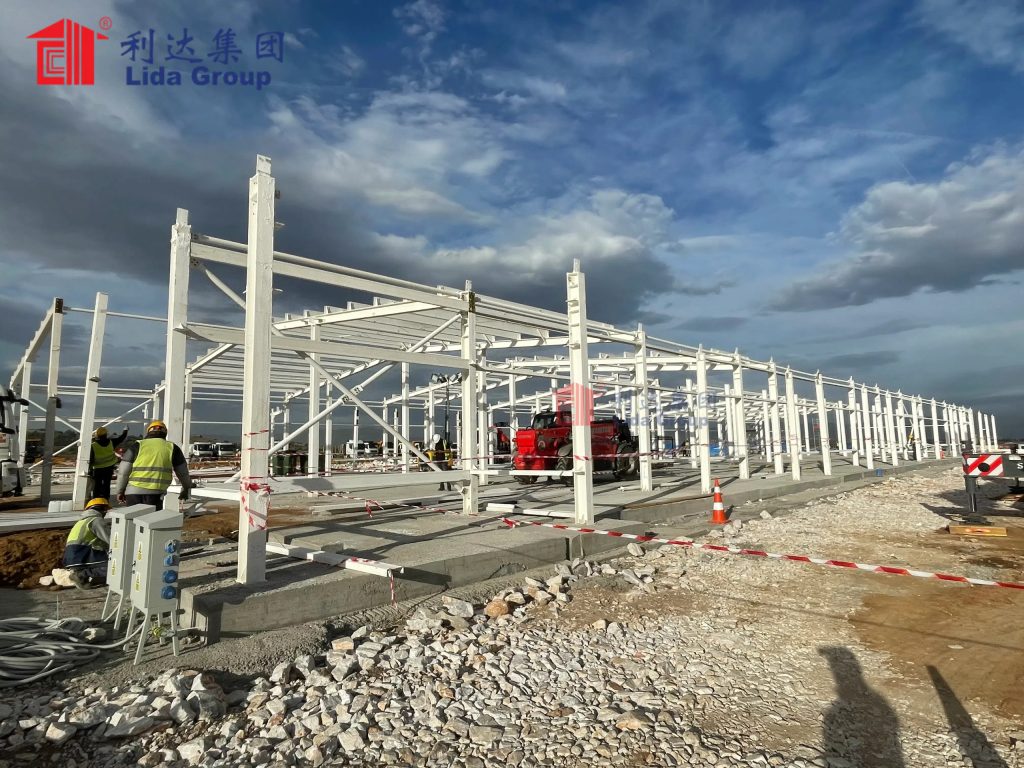
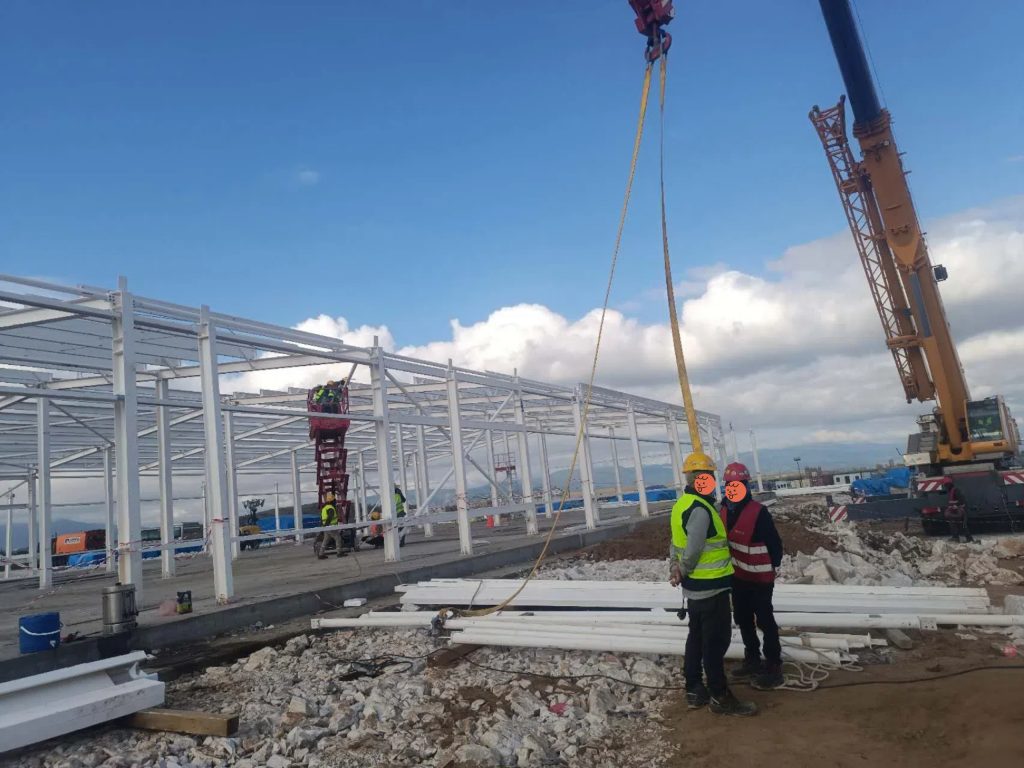
Lida Group’s construction and installation process is designed to be fast, efficient, and minimally disruptive. The company’s team of certified construction professionals is trained in the latest prefabricated construction techniques, ensuring that assembly is completed quickly and accurately. Lida Group’s modular components are designed for easy installation, with pre-drilled holes, standardized connections, and clear assembly instructions that reduce the risk of errors.
The company also prioritizes safety during construction, implementing strict safety protocols to protect workers, clients, and the surrounding environment. Lida Group’s construction sites are regularly inspected for safety compliance, and all workers receive ongoing training to ensure that they are up-to-date on the latest safety practices. This commitment to safety has resulted in an excellent safety record, with zero major accidents on Lida Group projects over the past five years.
5. Quality Assurance and Testing
Before handing over the completed building to the client, Lida Group conducts a comprehensive quality assurance and testing process to ensure that the structure meets all design specifications and performance requirements. This includes:
- Structural Testing: Load tests to verify the building’s ability to support static and dynamic loads.
- Weather Resistance Testing: Water tightness and wind resistance tests to ensure that the building is protected from the elements.
- Energy Efficiency Testing: Thermal performance tests to confirm that the building meets energy efficiency standards.
- Safety Systems Testing: Inspections of fire suppression systems, emergency lighting, and security systems to ensure that they are functioning properly.
If any issues are identified during testing, Lida Group addresses them promptly, ensuring that the building meets the client’s expectations and industry standards. The company also provides the client with a detailed quality assurance report, documenting all tests and inspections for transparency and peace of mind.
6. Post-Completion Support and Maintenance
Lida Group’s commitment to client satisfaction does not end with the completion of construction. The company provides comprehensive post-completion support and maintenance services to ensure that the building continues to perform optimally for years to come. These services include:
- Training: Instruction for the client’s team on the proper operation and maintenance of the building, including how to use smart building systems, inspect the structure, and address minor issues.
- Warranty Coverage: A comprehensive warranty on all materials and workmanship, with coverage ranging from 5–10 years for components and up to 20 years for structural framing.
- Preventive Maintenance Programs: Regular inspections and maintenance services to prevent small issues from becoming major problems, extending the building’s lifespan and reducing long-term costs.
- Emergency Repairs: 24/7 emergency repair services to address unexpected issues such as structural damage, leaks, or system failures, minimizing downtime and ensuring that operations can resume quickly.
This ongoing support ensures that clients get the most out of their investment, with a building that remains durable, efficient, and functional for decades.
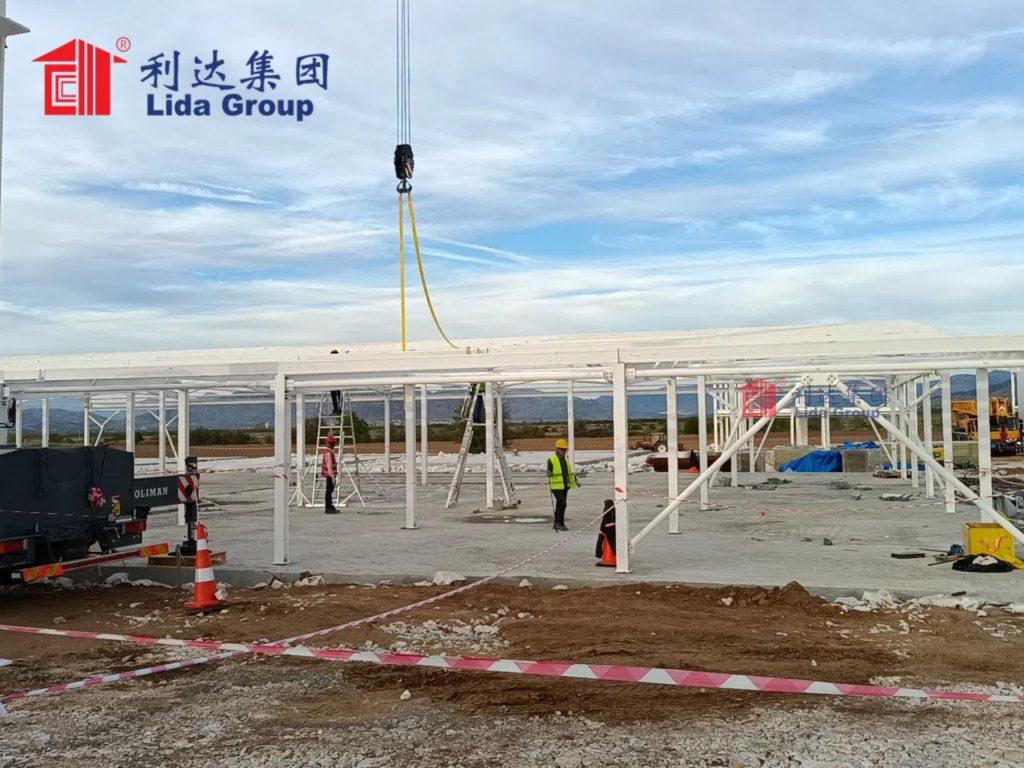
Case Studies: Real-World Success Stories of Lida Group’s Durable, Cost-Effective Buildings
To illustrate the tangible benefits of choosing Lida Group, let’s explore three real-world case studies that highlight the company’s ability to deliver durable, cost-effective buildings across different industries and applications.
Case Study 1: Industrial Warehouse for a Manufacturing Company
Client: A leading automotive parts manufacturer in Southeast Asia.
Challenge: The client needed a 10,000-square-meter warehouse to store raw materials and finished products. The warehouse needed to be durable enough to support heavy-duty shelving (up to 5 tons per shelf), resistant to the region’s high humidity and frequent rainstorms, and completed within 3 months to avoid production delays. The client also required a cost-effective solution that would minimize long-term maintenance and energy costs.
Solution: Lida Group designed and constructed a prefabricated light steel frame warehouse with a clear span of 36 meters, eliminating the need for intermediate columns and maximizing storage space. The steel frame was galvanized for corrosion resistance, and the building envelope included EPS sandwich panels with high thermal insulation to reduce energy consumption. The roof was designed with a slope to handle heavy rain, and the foundation was reinforced to support the heavy shelving.
Result: The warehouse was completed in just 65 days, meeting the client’s tight timeline. The light steel frame has withstood multiple rainstorms and high humidity levels without any signs of corrosion or structural damage, and the warehouse has operated for 8 years with minimal maintenance (only one repainting in year 5). The energy-efficient design has reduced the client’s monthly utility costs by 22% compared to their previous concrete warehouse, and the flexible layout has allowed the client to reconfigure shelving as their inventory needs changed. The client has since expanded the warehouse by 5,000 square meters using Lida Group’s modular system, with no disruption to ongoing operations.
Case Study 2: Commercial Cold Storage Facility for a Food Distribution Company
Client: A regional food distribution company in Europe specializing in fresh produce and frozen foods.
Challenge: The client needed a 4,000-square-meter cold storage facility to expand their distribution network. The facility needed to maintain temperatures between -18°C and 0°C, support heavy refrigeration equipment, and have a lifespan of at least 50 years. The client also required a sustainable, cost-effective solution that would reduce energy consumption and meet EU environmental regulations.
Solution: Lida Group designed a heavy-duty light steel frame cold storage facility with insulated steel panels (thermal conductivity: 0.032 W/(m·K)) to minimize heat transfer. The steel frame was engineered to support the weight of the refrigeration equipment (up to 10 tons per unit) and withstand the facility’s low temperatures without structural degradation. The building included a rainwater harvesting system to reduce water usage and solar panels on the roof to generate renewable energy. Lida Group also integrated a smart building management system to monitor and optimize temperature, humidity, and energy usage.
Result: The cold storage facility meets all the client’s temperature requirements and has a storage capacity of 8,000 pallets. The energy-efficient design, combined with solar panels, has reduced the client’s monthly utility costs by 28% compared to their existing facility, and the facility has achieved BREEAM Excellent certification for sustainability. The light steel frame has required no structural maintenance over the past 6 years, and the client has reported zero issues with corrosion or temperature fluctuations. The smart building system has allowed the client to optimize energy usage further, with automatic adjustments to refrigeration and lighting based on inventory levels and outside temperatures.
Case Study 3: Modular Office Building for a Tech Startup
Client: A fast-growing tech startup in North America.
Challenge: The client needed a 1,500-square-meter office building to accommodate their expanding team. The building needed to be completed within 2 months to avoid disrupting operations, flexible enough to reconfigure as the team grew, and cost-effective to fit the startup’s budget. The client also wanted a modern, sustainable design that would reflect their brand values.
Solution: Lida Group delivered a modular light steel frame office building with a contemporary design. The building was constructed from prefabricated modules that were assembled on-site in just 30 days. The interior included open workspaces, meeting rooms, and break areas, with a flexible layout that could be reconfigured using movable partitions. The building featured large windows for natural lighting, energy-efficient LED lighting, and low-VOC materials to improve indoor air quality. The light steel frame was painted with a fluorocarbon coating for durability, and the roof included a green roof system to reduce the urban heat island effect.
Result: The office building was completed on time and within budget, allowing the client to move in without any operational disruptions. The modular design has allowed the client to expand the building by 800 square meters twice in the past 4 years, with each expansion taking less than 2 weeks. The energy-efficient design has reduced the client’s monthly utility costs by 18% compared to traditional office buildings, and the green roof has improved employee satisfaction and well-being. The building has maintained its modern appearance with minimal maintenance, and the client has received positive feedback from employees and visitors alike.
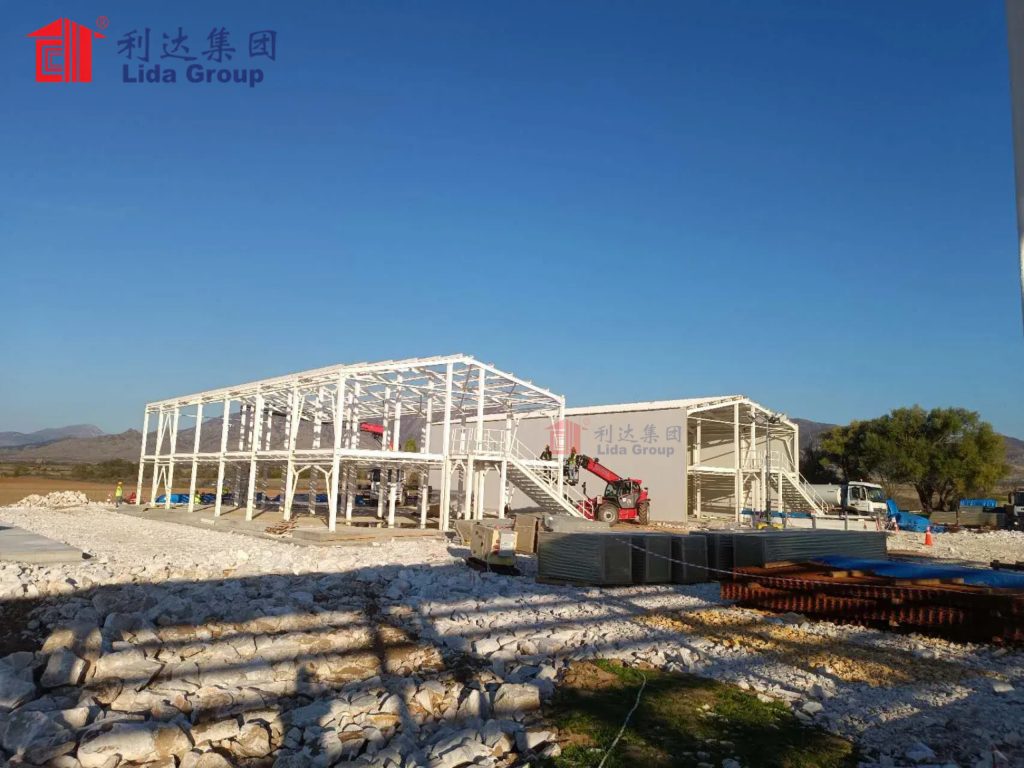
Why Lida Group Stands Out from the Competition
In a crowded construction market, Lida Group’s unique combination of durability, cost efficiency, innovation, and client-centric service sets it apart from competitors. Here are the key reasons why clients choose Lida Group over other construction providers:
1. Unrivaled Expertise in Light Steel Frame Construction
Lida Group has specialized in light steel frame construction for over 20 years, giving the company deep technical expertise and industry knowledge that general construction firms cannot match. The company’s engineers and designers are experts in optimizing light steel structures for durability and cost efficiency, and they stay up-to-date with the latest industry trends, materials, and technologies. This specialization allows Lida Group to deliver solutions that are tailored to the unique needs of each client, ensuring maximum performance and value.
2. Proven Track Record of Success
Lida Group has completed over 5,000 projects in more than 30 countries, earning a reputation for delivering high-quality, durable buildings on time and within budget. The company’s client portfolio includes Fortune 500 companies, small and medium-sized businesses, government agencies, and non-profit organizations, demonstrating its ability to handle projects of all sizes and complexities. Lida Group’s high client retention rate (over 70% of clients return for additional projects) is a testament to its commitment to customer satisfaction.
3. Transparent Pricing and Cost Control
Lida Group believes in transparency when it comes to pricing, and the company provides clients with detailed, itemized quotes that clearly outline all costs associated with the project. There are no hidden fees or surprises, and Lida Group works closely with clients to stay within budget without compromising on quality. The company’s prefabrication process and efficient supply chain management allow for precise cost control, ensuring that projects are completed on budget even in the face of material price fluctuations or other unexpected challenges.
4. Global Reach with Local Support
Lida Group has a global network of manufacturing facilities, construction teams, and partners, allowing the company to deliver projects anywhere in the world. Despite its global reach, Lida Group provides local support to each client, with regional teams that understand the unique needs and regulations of their area. This combination of global expertise and local knowledge ensures that clients receive personalized service and support, no matter where their project is located.
5. Commitment to Sustainability and Social Responsibility
Lida Group is committed to building a more sustainable future, and the company’s environmental, social, and governance (ESG) practices are integrated into every aspect of its business. From using recycled materials and reducing carbon emissions to supporting local communities and ensuring safe working conditions, Lida Group strives to make a positive impact on the planet and society. This commitment resonates with clients who are increasingly prioritizing sustainability in their business decisions, and it has earned Lida Group recognition from leading sustainability organizations.
Conclusion
In today’s competitive business environment, choosing the right construction partner is critical to the success of any building project. Lida Group’s unwavering commitment to durability, cost efficiency, innovation, and client satisfaction makes it the premier choice for clients seeking buildings that stand the test of time, deliver measurable returns on investment, and support their long-term goals.
Lida Group’s light steel frame buildings offer unmatched durability, withstanding harsh environmental conditions, heavy usage, and the passage of time with minimal maintenance. The company’s prefabricated construction methods and energy-efficient designs deliver significant cost savings at every stage of the building lifecycle, from reduced construction time and labor costs to lower maintenance and operational expenses. Lida Group’s commitment to innovation ensures that clients benefit from the latest advancements in modular design, sustainable construction, and smart building technology, providing flexibility and adaptability to meet changing needs.
Beyond its superior products, Lida Group’s comprehensive, client-centric services ensure a seamless experience from concept to completion. The company’s team of experts works closely with clients to understand their unique needs, develop custom solutions, and deliver projects on time and within budget. With global reach and local support, Lida Group provides personalized service and support no matter where the project is located.
The real-world success stories of Lida Group’s clients—from manufacturing warehouses and cold storage facilities to office buildings and public infrastructure—demonstrate the tangible benefits of choosing the company for durable, cost-effective building solutions. Whether you are a small business looking to expand your facility, a large corporation seeking to optimize your supply chain, or a developer aiming to deliver sustainable, high-value projects, Lida Group has the expertise, experience, and resources to help you achieve your goals.
In a world where buildings are more than just structures—they are investments in the future—Lida Group stands out as a partner you can trust to deliver durability, cost efficiency, and excellence. Choose Lida Group for your next building project, and experience the difference of working with a company that is committed to your success for the long haul. Contact Lida Group today to learn more about how we can help you build a better, more durable, and more cost-effective future.
Related news
-
Optimize Space with a Metal Frame Warehouse/Workshop
2025-12-11 15:18:17
-
Your Premier Partner for Metal Frame Warehouse Construction
2025-12-12 13:59:37
-
Innovative Steel Structure Building Designs for Modern Needs.
2025-12-11 17:33:06
contact us
- Tel: +86-532-88966982
- Whatsapp: +86-13793209022
- E-mail: sales@lidajituan.com
