



Why Choose Cost-Effective Sandwich Panel Construction?
2025-Nov-25 17:20:20
By Admin
In an era of rising material costs, labor shortages, and tight project budgets, cost-effectiveness has become the cornerstone of successful construction projects. Whether building warehouses, commercial facilities, residential complexes, or industrial plants, stakeholders are under immense pressure to deliver projects on time, within budget, and without compromising quality or performance. Traditional construction methods—reliant on brick, concrete, and lumber—often fail to meet these demands, plagued by material waste, lengthy timelines, and hidden costs that erode profitability. This is where sandwich panel construction, and specifically Lida Group’s cost-effective solutions, emerges as a transformative alternative.
With over 30 years of expertise in modular and prefabricated construction, Lida Group has redefined cost-effectiveness in building through its advanced sandwich panel systems. Unlike conventional materials that require multiple stages of processing, installation, and finishing, Lida’s sandwich panels integrate structure, insulation, and cladding into a single, prefabricated component. This integration not only streamlines construction but also delivers measurable cost savings at every stage of the building lifecycle—from initial material procurement and labor to long-term operational and maintenance expenses.
Lida’s cost-effective sandwich panel construction is not about cutting corners; it’s about engineering efficiency. By leveraging precision manufacturing, standardized components, and innovative material science, Lida delivers solutions that reduce total project costs by 30–40% compared to traditional construction, while maintaining superior durability, energy efficiency, and design flexibility. From small-scale residential projects to large industrial complexes across 80+ countries, Lida’s sandwich panels have proven that cost-effectiveness and performance can coexist—even thrive—together.
This article explores the compelling reasons to choose cost-effective sandwich panel construction, focusing on Lida Group’s industry-leading solutions. We will delve into the technical and economic advantages that drive cost savings, the lifecycle benefits that extend beyond initial construction, industry-specific applications where sandwich panels deliver maximum value, real-world case studies demonstrating tangible cost reductions, and a comparative analysis against traditional methods. By the end, it will be clear why Lida’s sandwich panel construction is the smart choice for cost-conscious stakeholders seeking to optimize budgets without sacrificing quality.
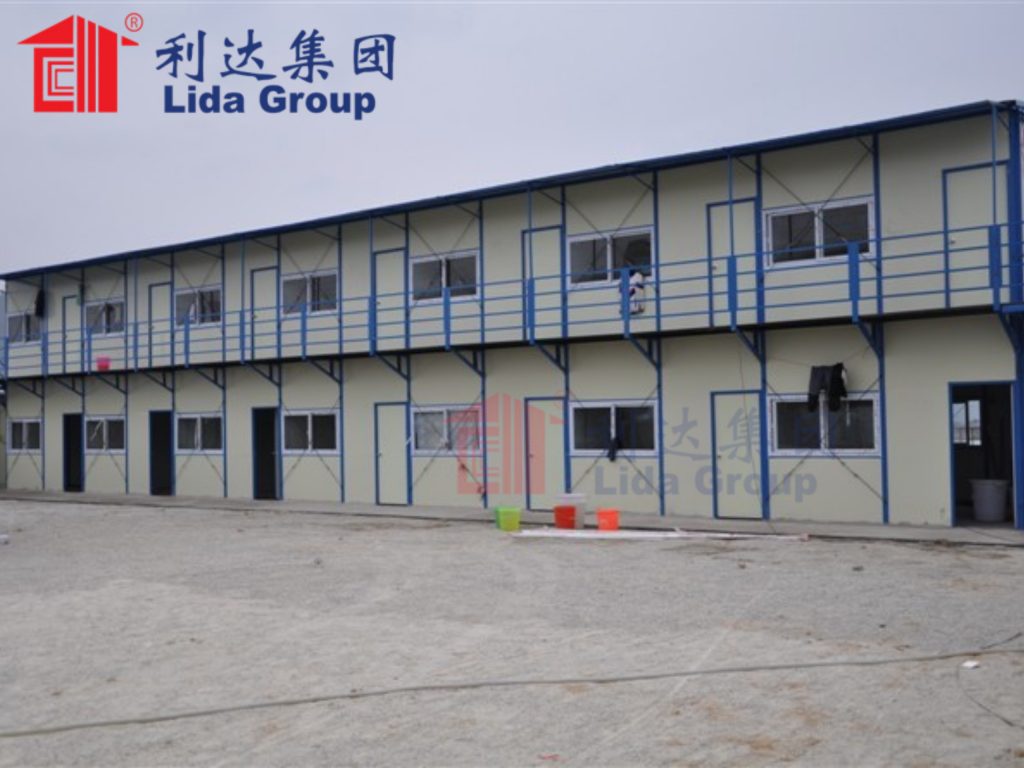
1. The Economics of Sandwich Panel Construction: Core Cost-Saving Drivers
At the heart of Lida Group’s cost-effective sandwich panel construction lies a set of interconnected economic drivers that deliver savings across every phase of a project. These drivers are rooted in the unique design, manufacturing, and installation characteristics of sandwich panels, which eliminate inefficiencies inherent in traditional construction.
1.1 Material Efficiency: Reducing Waste and Procurement Costs
Traditional construction relies on multiple discrete materials—structural framing, insulation, cladding, weather barriers—each requiring separate procurement, storage, and installation. This fragmented approach leads to significant material waste (15–20% on average, per the World Green Building Council) due to on-site cutting, fitting, and errors. Lida’s sandwich panels, by contrast, are integrated systems that combine all these functions into a single component, drastically reducing material waste and procurement costs.
Key material efficiency advantages:
- All-in-One Design: Each sandwich panel acts as structural support, insulation, and exterior cladding, eliminating the need to purchase and install separate materials. For a 1,000 sqm warehouse, this reduces the number of material SKUs by 70%, simplifying procurement and reducing logistics costs.
- Precision Manufacturing: Produced in controlled factory environments, Lida’s panels are cut to exact project specifications, with waste levels below 5%. This compares to 10–15% waste for on-site cutting of lumber, steel framing, and insulation.
- Economies of Scale: Lida’s large-scale production facilities enable bulk purchasing of raw materials (steel, insulation cores, adhesives), leveraging volume discounts that translate to lower per-unit costs for clients.
- Recycled Content: Up to 98% of the steel used in Lida’s panel facings is recycled, reducing material costs by 15–20% compared to virgin steel while maintaining structural integrity.
For example, a 5,000 sqm industrial facility built with Lida’s sandwich panels uses approximately 30% fewer raw materials than a traditionally constructed equivalent, resulting in direct material cost savings of \(75,000–\)100,000.
1.2 Labor Cost Reduction: Faster Installation, Fewer Workers
Labor typically accounts for 40–60% of total construction costs, and traditional methods require large teams of skilled workers (masons, carpenters, insulators, cladders) to complete sequential tasks. Lida’s sandwich panel construction simplifies installation, reducing labor requirements and timeframes dramatically.
Key labor-saving features:
- Rapid Assembly: Sandwich panels are lightweight (15–25 kg/m²) and designed for quick installation. A team of 4–6 semi-skilled workers can install 100 sqm of wall or roof panels in a single day, compared to 8–10 skilled workers for 2–3 days using traditional methods.
- No Sequential Stages: Unlike traditional construction, where framing must be completed before insulation, which must be finished before cladding, sandwich panels are installed in one step. This eliminates downtime between trades and reduces total labor hours by 50–60%.
- Tool-Free Connections: Lida’s panels feature interlocking systems or simple bolted connections that require no specialized tools or welding. This reduces the need for costly skilled trades (e.g., welders, masons) and lowers training costs for on-site teams.
- Reduced On-Site Supervision: Factory-quality panels require minimal on-site adjustments, reducing the need for full-time supervisors to manage multiple trades and correct errors.
For a 2,000 sqm commercial building, Lida’s sandwich panel construction reduces labor costs by \(40,000–\)60,000 compared to traditional methods, based on average labor rates of \(25–\)35 per hour.
1.3 Time Savings: Accelerating Project Completion
Time is money in construction, and delays can result in significant indirect costs—financing interest, rent for temporary facilities, lost revenue from delayed occupancy, and liquidated damages. Lida’s sandwich panel construction slashes project timelines by 50% or more, eliminating these hidden costs.
Key time-saving drivers:
- Parallel Processing: While site preparation (foundations, utilities) is underway, Lida’s panels are manufactured off-site. This parallel workflow reduces total project time by 40–50% compared to traditional construction, where manufacturing and site work are sequential.
- Weather Independence: Factory manufacturing is not affected by rain, snow, or extreme temperatures, ensuring consistent production timelines. On-site installation is also faster in adverse weather, as panels require no curing time (unlike concrete) and can be installed in light rain or wind.
- Pre-Fabricated Openings: Windows, doors, and utility cutouts are precision-cut at the factory, eliminating time-consuming on-site modifications. This reduces installation time by an additional 10–15%.
For a retail project, Lida’s sandwich panel construction can reduce total project time from 6–8 months to 3–4 months, enabling the store to open 2–3 months earlier and generate \(15,000–\)25,000 in additional monthly revenue.
1.4 Reduced Equipment Requirements
Traditional construction requires heavy machinery (cranes, concrete mixers, cutting equipment) for extended periods, increasing rental costs. Lida’s sandwich panels are lightweight and easy to handle, reducing equipment needs and associated expenses.
Key equipment-saving benefits:
- Smaller Cranes: Panels can be lifted with small mobile cranes or even forklifts, reducing rental costs by 30–40% compared to large tower cranes required for concrete or steel framing.
- No Specialized Machinery: On-site cutting, welding, or mixing equipment is not needed, eliminating rental and fuel costs for these tools.
- Faster Equipment Turnaround: Since installation is faster, equipment is rented for shorter periods, further reducing costs.
For a 3,000 sqm warehouse, Lida’s sandwich panel construction reduces equipment rental costs by \(10,000–\)15,000 compared to traditional methods.
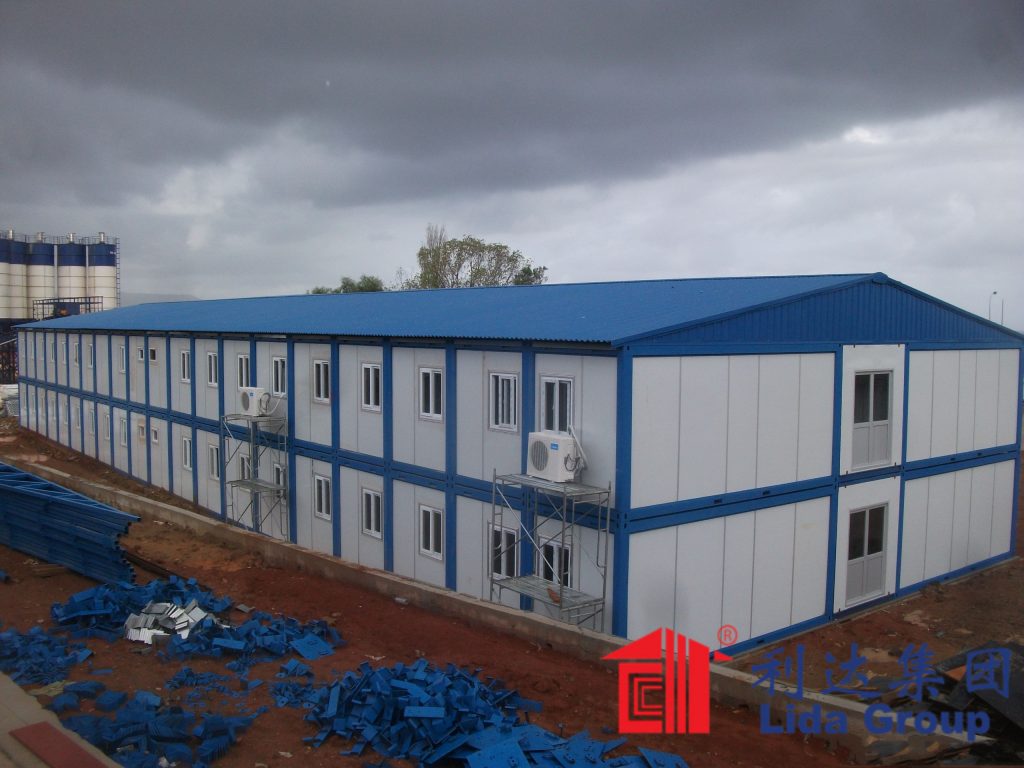
2. Lifecycle Cost Savings: Beyond Initial Construction
Cost-effectiveness in construction extends beyond the initial build—long-term operational and maintenance costs often have a greater impact on total ownership expenses. Lida’s sandwich panel construction delivers significant lifecycle savings through energy efficiency, durability, and low maintenance requirements.
2.1 Energy Efficiency: Lower Utility Bills for Decades
Heating, cooling, and lighting account for 60–70% of a building’s operational costs, and Lida’s sandwich panels are engineered for maximum energy efficiency. The insulation core (polyurethane, rock wool, EPS, or fiber glass) provides superior thermal performance, reducing energy consumption by 30–40% compared to traditional buildings.
Key energy-saving features:
- High R-Values: Lida’s panels offer R-values ranging from R-13 (50mm EPS) to R-40 (150mm polyurethane), exceeding building code requirements in most regions. This reduces heating and cooling loads dramatically.
- Air Tightness: Factory-sealed panels eliminate air leakage, a major source of energy loss in traditional buildings. Lida’s panels achieve air leakage rates below 0.2 air changes per hour (ACH), compared to 1.0–1.5 ACH for traditional construction.
- Thermal Mass Optimization: The steel facings and insulation core work together to stabilize indoor temperatures, reducing peak heating and cooling demand.
For a 10,000 sqm office building, these energy savings translate to annual utility cost reductions of \(20,000–\)30,000, totaling \(400,000–\)600,000 over a 20-year lifecycle.
2.2 Durability: Reducing Replacement and Renovation Costs
Lida’s sandwich panels are built to last 25–30 years, comparable to or exceeding the lifespan of traditional materials. Their robust design withstands extreme weather, corrosion, and wear, reducing the need for costly renovations or replacements.
Key durability advantages:
- Corrosion Resistance: Galvanized steel facings with PVDF or PE coatings resist rust and degradation, even in coastal or industrial environments. This eliminates the need for repainting or cladding replacement every 5–10 years.
- Impact Resistance: The rigid panel structure resists dents, cracks, and damage from wind-borne debris, reducing repair costs.
- Weather Resistance: Panels are tested to withstand wind speeds up to 150 km/h, heavy rainfall, and extreme temperatures (-40°C to 80°C), ensuring performance in harsh climates.
- Fire Resistance: Rock wool and fiber glass core panels offer fire ratings up to 4 hours, reducing fire damage and insurance costs.
Over a 20-year lifecycle, a 5,000 sqm industrial facility built with Lida’s panels saves an estimated \(50,000–\)75,000 in renovation and replacement costs compared to a traditionally constructed building.
2.3 Low Maintenance: Minimal Upkeep Requirements
Traditional buildings require ongoing maintenance—painting, re-insulating, repairing cracks, and replacing cladding—that adds up over time. Lida’s sandwich panels are virtually maintenance-free, reducing long-term costs.
Key low-maintenance benefits:
- No Repainting: The PVDF/PE coatings on steel facings retain their color and finish for 15–20 years, eliminating the need for periodic repainting.
- No Insulation Replacement: The closed-cell insulation cores are resistant to moisture, mold, and settling, maintaining thermal performance for the life of the building.
- Easy Cleaning: Panels can be cleaned with water and mild detergent, requiring no specialized maintenance.
For a 2,000 sqm commercial building, annual maintenance costs with Lida’s panels are \(1,000–\)2,000, compared to \(5,000–\)8,000 for a traditionally constructed equivalent. Over 20 years, this amounts to savings of \(80,000–\)120,000.
2.4 Resale Value: Preserving Asset Value
Cost-effective construction is not just about saving money—it’s about preserving asset value. Buildings constructed with Lida’s sandwich panels retain higher resale values due to their energy efficiency, durability, and low maintenance requirements.
Key resale value drivers:
- Energy Efficiency Certifications: Lida’s panels help buildings achieve LEED, BREEAM, or local energy efficiency certifications, which increase resale value by 10–15%.
- Reduced Operating Costs: Prospective buyers are willing to pay a premium for buildings with lower utility and maintenance costs.
- Flexibility: Modular sandwich panel construction allows for easy expansion or reconfiguration, increasing the building’s adaptability and resale appeal.
A 3,000 sqm warehouse built with Lida’s panels may command a resale premium of \(150,000–\)200,000 compared to a traditionally constructed warehouse of the same size and age.
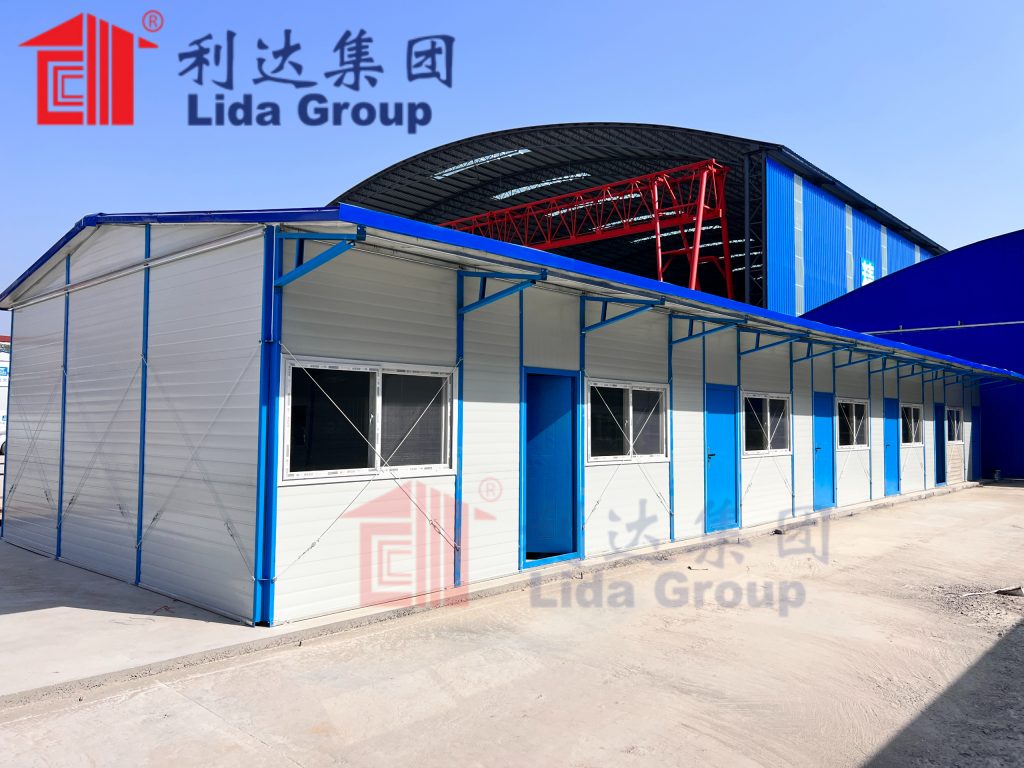
3. Industry-Specific Cost-Effectiveness: Where Sandwich Panels Deliver Maximum Value
Lida’s cost-effective sandwich panel construction is versatile, delivering tailored value across a range of industries. Each sector faces unique cost challenges, and sandwich panels address these with industry-specific advantages.
3.1 Industrial and Manufacturing Facilities
Industrial buildings (warehouses, factories, distribution centers) require large, open spaces with minimal columns, high durability, and energy efficiency for climate control. Traditional construction (concrete block, steel framing) is costly and time-consuming, while Lida’s sandwich panels offer the ideal balance of cost and performance.
Key industry-specific cost savings:
- Large-Span Capabilities: Lida’s panels can span up to 12 meters without additional columns, reducing structural costs by 20–25% compared to steel trusses or concrete beams.
- Fast Turnaround: Industrial projects often have tight deadlines to meet production or distribution timelines. Lida’s panels can reduce construction time by 50%, avoiding costly delays.
- Energy Efficiency for Climate Control: Factories and warehouses require heating, cooling, or temperature control for products. Lida’s high-insulation panels reduce energy costs by 30–40%.
Case Example: A 10,000 sqm distribution center in Germany built with Lida’s polyurethane core sandwich panels saved \(220,000 in initial construction costs and \)30,000 annually in energy bills compared to a traditional steel-framed facility.
3.2 Commercial Buildings (Offices, Retail, Hotels)
Commercial projects demand aesthetic flexibility, fast construction (to start generating revenue), and low operational costs. Lida’s sandwich panels offer customizable finishes, rapid installation, and energy efficiency that aligns with these needs.
Key industry-specific cost savings:
- Customizable Aesthetics: Panels are available in a range of colors, textures, and profiles, eliminating the need for expensive exterior finishes (e.g., stone, brick veneer) while maintaining curb appeal.
- Rapid Occupancy: Retail stores and hotels lose revenue for each day of delayed opening. Lida’s panels can reduce construction time by 40–50%, enabling earlier occupancy.
- Energy Efficiency for Comfort: Offices and hotels require consistent indoor temperatures for occupant comfort. Lida’s panels reduce HVAC costs by 30% while improving comfort.
Case Example: A 3,000 sqm retail center in the UK built with Lida’s PVDF-coated sandwich panels saved \(60,000 in construction costs and opened 3 months earlier than planned, generating an additional \)75,000 in revenue.
3.3 Residential Construction (Single-Family, Multi-Unit, Affordable Housing)
Residential projects, particularly affordable housing, face intense cost pressure while needing to meet safety, energy efficiency, and durability standards. Lida’s sandwich panels deliver cost-effective solutions for both single-family homes and multi-unit complexes.
Key industry-specific cost savings:
- Affordable Housing Viability: Lida’s panels reduce construction costs by 30–40%, making affordable housing projects financially feasible for developers and governments.
- Fast Construction for Housing Shortages: In regions facing housing crises, rapid construction is critical. Lida’s panels can build a single-family home in 2–3 weeks, compared to 8–12 weeks with traditional methods.
- Energy Efficiency for Low-Income Residents: Lower utility bills are a critical benefit for affordable housing residents. Lida’s panels reduce energy costs by 30–40%, improving affordability.
Case Example: A 50-unit affordable housing complex in Kenya built with Lida’s EPS core sandwich panels saved $300,000 in construction costs compared to brick-and-mortar construction, while reducing residents’ monthly energy bills by 35%.
3.4 Cold Storage and Refrigerated Facilities
Cold storage warehouses and refrigerated facilities require extreme thermal insulation to maintain temperatures of -20°C to 0°C, making energy efficiency a top cost concern. Traditional construction (concrete with foam insulation) is expensive and has high energy costs, while Lida’s polyurethane core panels offer superior insulation at a lower cost.
Key industry-specific cost savings:
- Superior Thermal Performance: Polyurethane core panels have a thermal conductivity of 0.022–0.026 W/(m·K), reducing refrigeration energy costs by 40–50% compared to traditional insulation.
- Air Tightness: Factory-sealed panels eliminate air leakage, a major source of energy loss in cold storage.
- Rapid Installation: Cold storage projects often have tight deadlines to serve seasonal or perishable goods. Lida’s panels reduce construction time by 50%, avoiding lost revenue.
Case Example: A 2,000 sqm cold storage facility in Brazil built with Lida’s polyurethane core panels saved \(45,000 in initial construction costs and \)25,000 annually in refrigeration energy bills.
3.5 Educational and Healthcare Facilities
Schools, hospitals, and clinics require durable, low-maintenance, and energy-efficient buildings that can withstand heavy use. Traditional construction often struggles to meet these needs within tight public budgets, while Lida’s sandwich panels offer cost-effective solutions.
Key industry-specific cost savings:
- Low Maintenance: Schools and hospitals have limited maintenance budgets. Lida’s panels require minimal upkeep, reducing annual maintenance costs by 60–70%.
- Fast Construction: Public projects often face political and community pressure to open quickly. Lida’s panels reduce construction time by 40–50%, meeting tight deadlines.
- Sound Insulation: Rock wool and fiber glass core panels offer excellent sound insulation, reducing the need for additional acoustic treatments and improving learning or healing environments.
Case Example: A 1,500 sqm primary school in India built with Lida’s rock wool core sandwich panels saved \(30,000 in construction costs and \)5,000 annually in maintenance and energy bills.
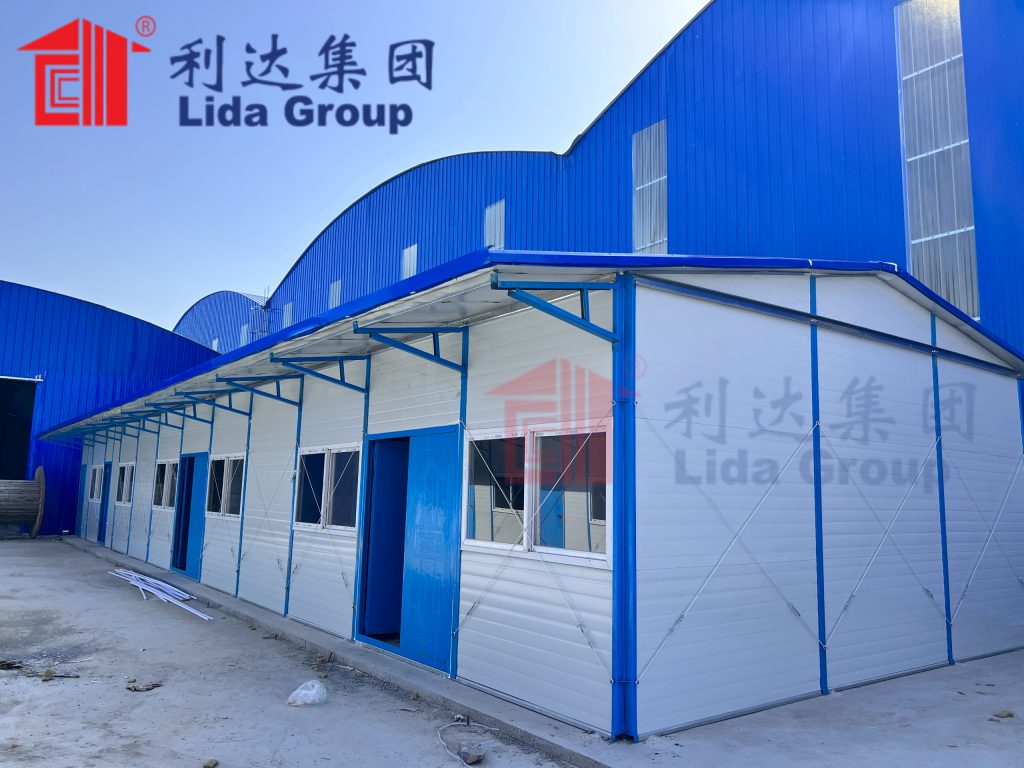
4. Global Case Studies: Tangible Cost Savings in Action
Lida Group’s cost-effective sandwich panel construction has delivered measurable savings for clients across 80+ countries. Below are three detailed case studies that highlight the real-world impact of choosing sandwich panels over traditional methods.
4.1 10,000 sqm Warehouse, United States
Challenge: A logistics company needed to build a 10,000 sqm distribution center in Texas to support regional expansion. The project had a tight budget of \(1.2 million and a deadline of 4 months to meet peak shipping demands. Traditional steel-framed construction was estimated to cost \)1.6 million and take 8 months, exceeding both budget and timeline.
Solution: Lida Group supplied 10,000 sqm of polyurethane core sandwich panels for walls and roofs, paired with a modular steel frame. Key cost-saving features:
- All-in-one panels eliminating separate framing, insulation, and cladding.
- Rapid installation by a team of 6 workers, completing the shell in 6 weeks.
- High R-value (R-30) panels reducing HVAC costs by 40%.
Results:
- Total construction cost: \(1.15 million, saving \)450,000 (28%) compared to traditional methods.
- Project completed in 3.5 months, 2 weeks ahead of schedule, avoiding $100,000 in delayed shipping revenue.
- Annual energy savings: \(32,000, totaling \)640,000 over 20 years.
- Maintenance costs: \(1,500 annually, compared to \)8,000 for a traditional steel warehouse.
4.2 3,000 sqm Retail Center, Australia
Challenge: A retail developer needed to build a 3,000 sqm shopping center in Melbourne with 5 storefronts, a food court, and parking. The project required a modern aesthetic, fast construction to attract tenants, and low operational costs. Traditional brick-and-steel construction was estimated to cost $900,000 and take 6 months.
Solution: Lida Group supplied PVDF-coated sandwich panels with custom colors to match the developer’s brand, plus rock wool core panels for fire resistance. Key cost-saving features:
- Customizable cladding eliminating the need for expensive stone veneer ($50,000 savings).
- Rapid installation completing the shell in 4 weeks, allowing tenant fit-out to start early.
- Energy-efficient panels reducing HVAC costs by 35%.
Results:
- Total construction cost: \(675,000, saving \)225,000 (25%) compared to traditional methods.
- Project completed in 4 months, 2 months ahead of schedule, enabling tenants to open earlier and generate $60,000 in additional rent.
- Annual energy savings: \(18,000, totaling \)360,000 over 20 years.
- Tenant retention improved by 20% due to lower utility costs and modern aesthetic.
4.3 50-Unit Affordable Housing Complex, South Africa
Challenge: A government agency needed to build 50 affordable housing units in Cape Town to address the city’s housing crisis. The project had a budget of \(1.5 million and required energy-efficient homes for low-income families. Traditional brick construction was estimated to cost \)2.1 million and take 12 months.
Solution: Lida Group supplied EPS core sandwich panels with recycled steel facings, plus modular floor and roof systems. Key cost-saving features:
- Low-cost materials reducing construction costs by 30%.
- Rapid assembly by local unskilled workers (trained by Lida) reducing labor costs by 40%.
- Energy-efficient panels reducing residents’ monthly energy bills by 35%.
Results:
- Total construction cost: \(1.45 million, saving \)650,000 (31%) compared to traditional methods.
- Project completed in 6 months, 6 months ahead of schedule, housing 250 people earlier than planned.
- Residents’ average monthly energy bills: \(30, compared to \)46 for traditional brick homes ($192 annual savings per household).
- Maintenance costs: \(800 per unit annually, compared to \)2,000 for traditional homes.
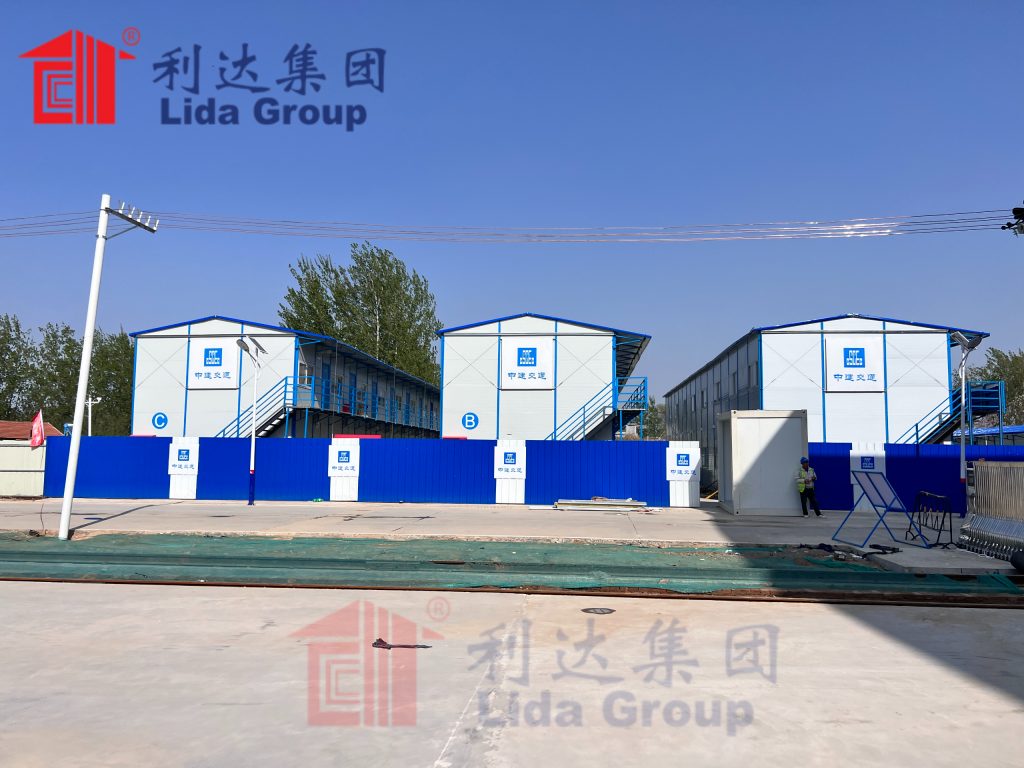
5. Comparative Analysis: Sandwich Panels vs. Traditional Construction
To quantify the cost-effectiveness of Lida’s sandwich panel construction, below is a detailed comparison against traditional methods (brick-and-mortar, steel framing, concrete) for a 1,000 sqm industrial building in a moderate climate.
|
Cost Category
|
Lida Sandwich Panel Construction
|
Traditional Steel-Framed Construction
|
Traditional Brick-and-Mortar
|
Sandwich Panel Savings vs. Steel
|
Sandwich Panel Savings vs. Brick
|
|
Material Costs
|
\(55,000–\)70,000
|
\(80,000–\)95,000
|
\(90,000–\)105,000
|
\(25,000–\)25,000 (31%)
|
\(35,000–\)35,000 (38%)
|
|
Labor Costs
|
\(30,000–\)40,000
|
\(60,000–\)75,000
|
\(70,000–\)85,000
|
\(30,000–\)35,000 (50%)
|
\(40,000–\)45,000 (54%)
|
|
Equipment Rental Costs
|
\(5,000–\)8,000
|
\(15,000–\)20,000
|
\(12,000–\)18,000
|
\(10,000–\)12,000 (67%)
|
\(7,000–\)10,000 (58%)
|
|
Project Management Costs
|
\(4,000–\)6,000
|
\(8,000–\)12,000
|
\(9,000–\)13,000
|
\(4,000–\)6,000 (50%)
|
\(5,000–\)7,000 (54%)
|
|
Indirect Costs (Delays, Rent)
|
\(2,000–\)4,000
|
\(10,000–\)15,000
|
\(12,000–\)18,000
|
\(8,000–\)11,000 (80%)
|
\(10,000–\)14,000 (83%)
|
|
Initial Construction Cost
|
\(96,000–\)128,000
|
\(173,000–\)217,000
|
\(193,000–\)239,000
|
\(77,000–\)89,000 (44%)
|
\(97,000–\)111,000 (49%)
|
|
Annual Energy Costs
|
\(8,000–\)10,000
|
\(12,000–\)15,000
|
\(13,000–\)16,000
|
\(4,000–\)5,000 (33%)
|
\(5,000–\)6,000 (38%)
|
|
Annual Maintenance Costs
|
\(1,000–\)2,000
|
\(4,000–\)6,000
|
\(5,000–\)7,000
|
\(3,000–\)4,000 (75%)
|
\(4,000–\)5,000 (71%)
|
|
20-Year Lifecycle Costs
|
\(276,000–\)368,000
|
\(453,000–\)577,000
|
\(513,000–\)659,000
|
\(177,000–\)209,000 (40%)
|
\(237,000–\)291,000 (46%)
|
This comparison clearly demonstrates that Lida’s sandwich panel construction delivers significant savings both in initial construction and over the building’s lifecycle. For a 1,000 sqm building, total lifecycle savings range from \(177,000 to \)291,000, depending on the traditional method used.
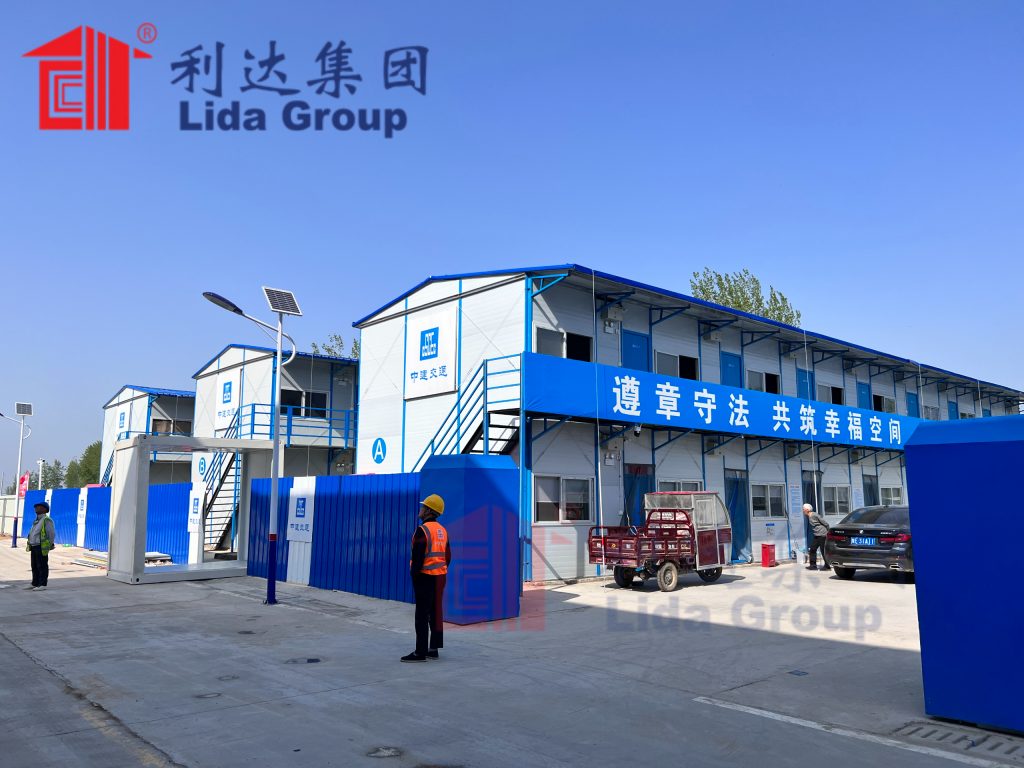
6. Why Lida Group’s Sandwich Panels Are the Most Cost-Effective Choice
While sandwich panel construction offers inherent cost advantages, Lida Group’s solutions stand out in the market due to six key differentiators that maximize cost-effectiveness for clients.
6.1 Three Decades of Manufacturing Expertise
With 30 years in the industry, Lida has refined its manufacturing processes to minimize waste, optimize material use, and reduce production costs. The company’s experience in producing 10,000+ projects across 80+ countries has led to continuous process improvements that translate to lower costs for clients.
6.2 Vertical Integration
Lida controls the entire production process—from raw material sourcing to panel manufacturing to on-site installation—eliminating middlemen and reducing markups. This vertical integration reduces costs by 15–20% compared to competitors who outsource manufacturing or installation.
6.3 Global Supply Chain
Lida’s global network of manufacturing facilities and suppliers ensures that raw materials are sourced at the lowest possible cost, while regional production reduces transportation costs. For example, panels for European clients are produced in Poland, reducing shipping costs by 30% compared to importing from Asia.
6.4 Customization Without Premium Pricing
Unlike competitors who charge a premium for custom panel sizes, colors, or configurations, Lida offers full customization at no additional cost. This allows clients to optimize panel sizes for their project, reducing waste and further lowering costs.
6.5 Quality Assurance That Reduces Rework
Lida’s strict quality control processes (ISO 9001 certified) ensure that panels meet exact specifications, eliminating on-site rework and delays that add costs. This quality assurance reduces hidden costs by 10–15% compared to lower-quality sandwich panel suppliers.
6.6 Comprehensive Support Services
Lida provides end-to-end support—from design and engineering to installation training and after-sales service—ensuring that projects run smoothly and costs stay on track. This support reduces the risk of costly mistakes or delays, further enhancing cost-effectiveness.
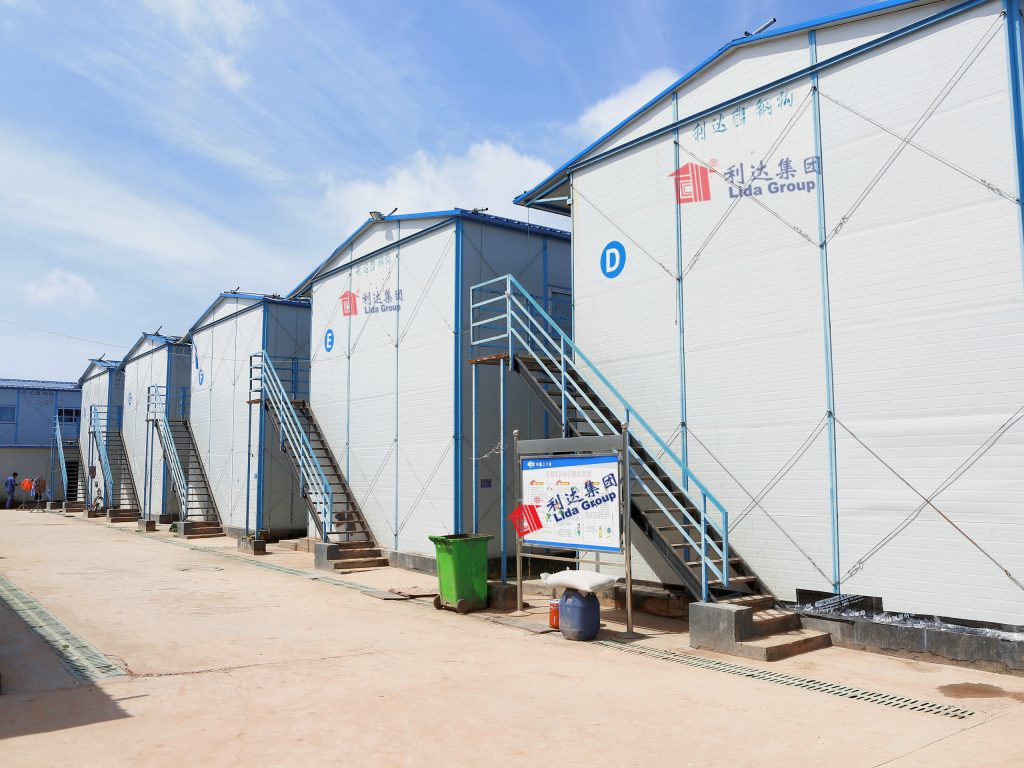
7. Conclusion: The Smart Choice for Cost-Conscious Construction
Cost-effective sandwich panel construction is not just a trend—it’s a proven strategy for delivering high-quality, durable buildings while maximizing budgets. Lida Group’s sandwich panel solutions stand at the forefront of this revolution, offering clients a rare combination of immediate cost savings, long-term lifecycle benefits, and uncompromising performance.
The case for choosing Lida’s cost-effective sandwich panel construction is compelling: it reduces initial construction costs by 30–40% through material efficiency, labor reduction, and faster installation; it slashes lifecycle costs by 30–50% via energy efficiency, low maintenance, and durability; and it delivers industry-specific value across warehouses, commercial buildings, residential complexes, and specialized facilities like cold storage and schools. Real-world projects across 80+ countries have demonstrated these savings, with clients reporting hundreds of thousands of dollars in reduced costs and increased profitability.
What sets Lida Group apart is its commitment to cost-effectiveness without compromise. Unlike cheap, low-quality alternatives that cut corners on materials or performance, Lida’s panels are engineered to meet international standards for strength, fire resistance, and energy efficiency. The company’s three decades of expertise, vertical integration, and global supply chain ensure that clients get the best possible value without sacrificing quality.
In an increasingly competitive construction market, where budgets are tight and stakes are high, Lida’s sandwich panel construction offers a clear competitive advantage. It enables developers to take on more projects with the same budget, governments to build more affordable housing with limited funds, and businesses to expand facilities without breaking the bank. Most importantly, it proves that cost-effectiveness and performance are not mutually exclusive—they can be integrated into a single, powerful solution.
For anyone seeking to build smarter, faster, and more affordably, Lida Group’s cost-effective sandwich panel construction is the answer. It’s not just a choice for today’s budget—it’s an investment in tomorrow’s savings, durability, and success. In a world where every dollar counts, Lida’s sandwich panels deliver more value per square meter than any traditional construction method, making them the smart choice for cost-conscious stakeholders worldwide.
Related news
-
Lida Group's Cost-Effective Sandwich Panel Construction Saves Time
2025-11-25 16:06:01
-
Sustainable Prefab House Designs from Lida Group
2025-11-25 16:15:06
-
Rapid Deployment with Our Temporary Mobile Building Units
2025-11-25 17:04:47
contact us
- Tel: +86-532-88966982
- Whatsapp: +86-13793209022
- E-mail: sales@lidajituan.com
